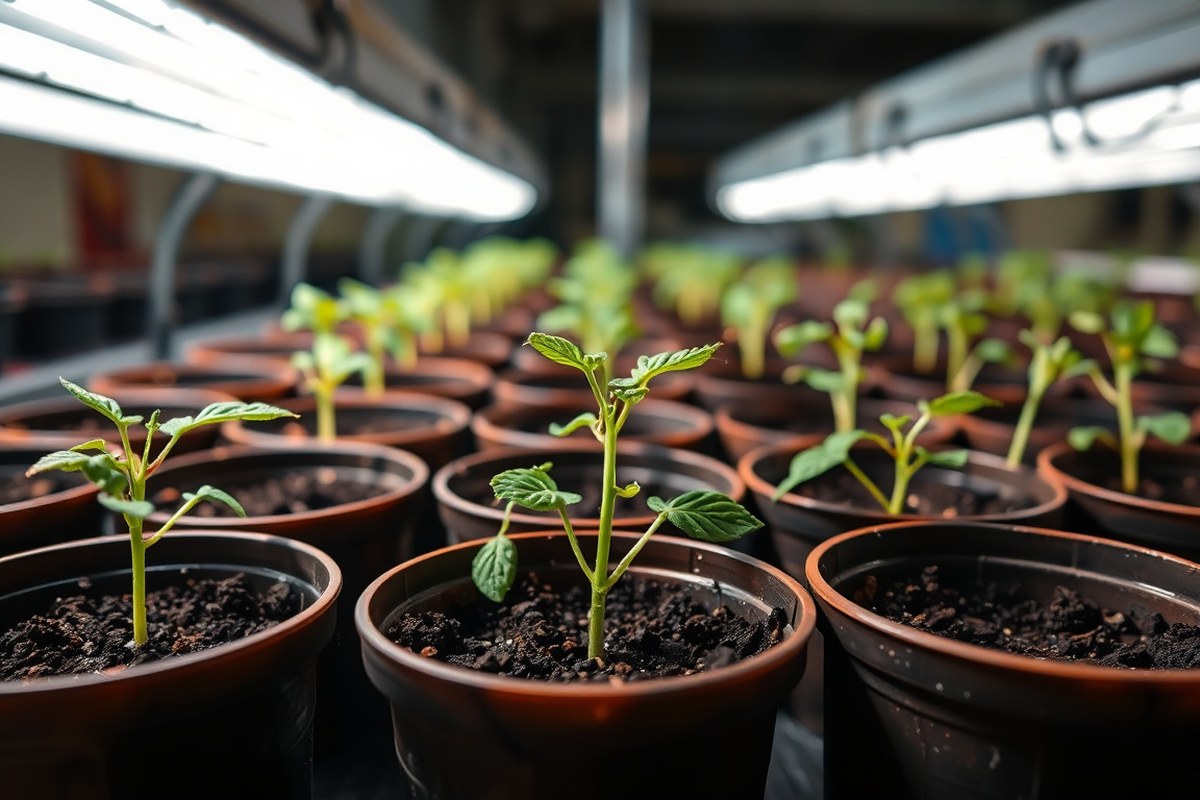
When Sow Tomato Seeds: A Complete Guide to Timing for Best Growth
Knowing the right time to plant tomato seeds helps them grow well. Start tomato seeds indoors about 6 to 8 weeks before frost ends. This gives seedlings enough time to grow and get strong before going outside.
Tomato seeds need warmth for quick germination. Set your seed pots on a heat mat for 24 hours before sowing. This keeps soil temperature steady between 70 and 80 degrees Fahrenheit, which speeds up sprouting and improves success.
Soak your tomato seeds in lukewarm water for at least 12 hours before planting. This softens the seed coat to encourage quicker germination. Keep soil moist but not wet until seedlings appear, checking it daily to prevent drying out.
Also, use a well-draining seed-starting mix for the best root growth. Plant seeds about ¼ inch deep to protect them. Avoid planting too early, or seedlings might become leggy and weak from lack of light.
Key Takeaways
- Start tomato seeds indoors 6-8 weeks before your area’s last frost date.
- Keep soil temperature for seeds between 70-80°F for best germination.
- Soak seeds in lukewarm water up to 24 hours before sowing.
- Use a heat mat to maintain warm soil temperatures for seedlings.
- Monitor soil moisture carefully during seed sprouting stage.
- Light and warmth control after germination affects seedling growth speed.
When Is the Best Time to Sow Tomato Seeds Indoors?

Start your tomato seeds indoors about 6 to 8 weeks before frost. This allows seedlings enough time to grow strong for transplanting later. Check local gardening guides or ask neighbors to find the last frost date.
Soil temperature matters as much as the calendar date. Tomato seeds need soil around 68 to 80°F (20 to 27°C) to germinate well. Soil cooler than 50°F (10°C) slows seed growth or stops sprouting.
Use seed trays and heating mats to keep soil warm. This helps seeds sprout faster. A steady temperature improves germination success.
Six to eight weeks before frost works best for most gardeners. Warmer areas might start seeds 4 to 6 weeks ahead. Adjust timing based on your climate.
Cold or wet weather past your frost date means delay sowing seeds indoors. Starting too soon can lead to weak, leggy seedlings that struggle outdoors.
To know when to sow, find your last frost date first. Then make sure soil will warm to 68 to 80°F. Count back 6 to 8 weeks from frost date to start seeds.
Adjust timing if your forecast calls for cold, wet weather after the frost date. This decision rule helps you sow seeds when growing conditions match tomato needs best.
How Climate Zones Affect When to Sow Tomato Seeds

The right time to plant tomato seeds depends on your local climate. Frost dates and soil warmth are key factors. Knowing these helps you decide when to sow.
Knowing your zone and last frost date helps you plan. This way, seedlings grow safely outdoors.
It makes sure plants aren’t harmed by frost. Different zones change your sowing schedule to match outdoor conditions.
How Frost Dates Define Your Sowing Schedule
Frost dates mark the danger of cold that can kill young tomato plants. Your last frost date is the key benchmark for sowing seeds indoors. Tomatoes need about 6 to 8 weeks indoors before outdoor planting.
This gives them time to grow strong. Starting indoors helps protect young plants.
For example, if the last frost is May 1, start seeds indoors. Start between early and mid-March. This timing prepares seedlings for safe outdoor planting.
Move seedlings outside two to three weeks after the last frost to avoid damage. Planning this way fits the tomato’s growth cycle to your climate’s risk window.
Soil Temperature and Why It Matters
Tomato seeds require soil temperatures around 70, 80°F (21, 27°C) to germinate quickly. Soil warming in spring changes by zone. Cold soil delays sowing tomato seeds.
Wait for soil to warm before planting outdoors. Living in cooler zones means using heated mats helps.
Starting seeds indoors can also move things along. This lets you stay on track early.
In warmer USDA zones 9 to 11, soil often stays above 55°F (13°C) at night. So you can sow seeds later or even direct sow outside once the soil warms. Zones 3 to 6 have frost-free periods of 12 to 14 weeks.
They need earlier indoor sowing. This ensures tomatoes have enough time to fruit.
Figuring Your Last Frost Date Accurately
Check your USDA hardiness zone and local extension service for the exact average last frost date. Use online tools or local gardening calendars based on historical weather patterns. Adjust your timing by checking local things like elevation or water.
These can change frost dates a bit. Knowing local spots helps plan seed starting.
For seed starting, subtract 6 to 8 weeks from last frost date. That gives you when to sow seeds indoors. This timing helps seedlings get ready.
Always track your climate records annually because weather varies each year. Staying flexible helps prevent losing seedlings to late frost.
Handling Unpredictable or Late Frosts
Your area may have sudden late frosts. Start tomato seeds indoors a bit earlier. This protects young plants from unexpected cold.
Keep seedlings in pots indoors until the last frost has definitely passed. Use protective covers or cold frames outdoors to extend the planting window safely if needed.
You can delay transplanting seedlings outdoors by a week or two after warming the soil. But this shortens the growing window, risking lower yields. Using 3-inch pots grows stronger seedlings.
You can move them outdoors safely later. Bigger pots help roots develop well. Never plant tomatoes directly in cold or frosty soil.
Timeline Examples for Various Zones
In zones 3 to 6, start seeds indoors 6 to 8 weeks before frost. For example, a gardener in zone 5 with a May 15 frost sows from March 15 to April 1. Seedlings stay inside until late May or early June.
Zones 7 to 8 frost dates are around April 15. Start seeds in late February or early March. This gives plants time before moving outdoors.
In warm zones 9 to 11, start seeds as late as April. You can also sow seeds directly outdoors once soil hits 60°F (16°C).
This suits milder climates. These zones have a longer growing season.
Always harden off seedlings gradually after indoor growing before planting outside, especially where frosts still threaten.
Choosing the Right Tomato Varieties for Your Sowing Timeline
Tomato variety affects when you sow seeds and when to transplant. Determinate tomatoes usually grow to about 3 feet tall and stop growing when fruit sets. You sow determinate seeds about 6 to 8 weeks before frost.
This timing helps the plants grow well before planting outside. It matches the last frost date in your area. They produce fruit in a shorter, more intense period.
Indeterminate varieties keep growing throughout the season and can reach 6 feet or taller. Sow their seeds 6 to 10 weeks before your last frost.
These plants take longer to mature but give fruit steadily over months. For both types, start seeds indoors at 70, 80°F for best germination.
Heirloom tomatoes tend to be indeterminate and often need a longer growing season. Hybrid tomatoes, whether determinate or indeterminate, often mature faster and resist some diseases. So, you can start hybrids slightly later or expect earlier harvests.
Compact dwarf or cherry tomatoes often need less time from sowing to fruiting. Start these indoors 5 to 6 weeks before the last frost. This helps you get tomatoes earlier.
Use pots or hanging baskets for best results. Larger heirlooms might require closer to 10 weeks indoors.
Here’s a quick comparison: determinate varieties should be sown 6, 8 weeks before transplanting. Indeterminate types require 6, 10 weeks.
Heirlooms usually lean toward the longer end, and hybrids may fit the shorter range. Adjust your sowing timeline based on this table for better success.
Check seed packets for specific guidance since space needs vary widely. Determinate tomatoes work well in containers, so plan to move seedlings sooner.
Indeterminate plants need room and taller supports. So delay transplant if your garden space warms late.
To get good results, don’t rush sowing too early. Keeping seedlings indoors too long can make them leggy or weak. Starting at the right time helps develop stocky, healthy plants ready to thrive once outdoors.
Step-by-Step Guide to Preparing and Sowing Tomato Seeds
Soaking tomato seeds before sowing can speed up germination but isn’t required. Use a light seed-starting mix and sow seeds about ¼ inch deep. Keep the soil moist and warm to get seedlings off to a strong start.
Preparing Seed-Starting Mix and Containers
Choose a clean seed-starting tray or small pots with drainage holes. Fill them with a light, well-drained seed-starting mix made for seeds. Avoid garden soil or heavy potting mixes that hold too much moisture.
The seed-starting medium should be fine-grained so small tomato seeds can push through easily. Moisten the mix before filling containers, but don’t flood it. Fill the container to within ½ inch of the top so seeds won’t wash out.
Soaking and Planting Seeds Properly
Soaking seeds is optional but helps by hydrating them, reducing germination time. You can soak seeds in warm water for 12 to 24 hours before sowing.
Place two to three seeds on top of the moist soil. Press seeds gently into the mix without pushing too deep. Lightly cover them with seed-starting mix to about ¼ inch deep.
Sowing too deeply or too densely can cause poor germination or fungal problems. Stick to a few seeds per cell or container and thin seedlings as they grow.
Creating Optimal Germination Conditions
Keep seed trays in a warm spot between 70 and 80°F to help seeds sprout quickly. A heat mat under trays often works well in cooler homes.
Cover trays with clear plastic or a humidity dome to keep moisture. Remove it once seedlings show up.
This stops fungi from growing. Light should be bright but indirect, or use grow lights 2 to 4 inches above seedlings.
Keep the soil moist but not soggy. Water from below or spray gently to avoid washing out seeds. Tomato seeds generally germinate within 5 to 10 days under ideal conditions.
- Fill clean seed-starting trays with moistened seed-starting mix.
- Optional: Soak seeds in warm water for 12-24 hours to speed germination.
- Place 2-3 seeds on the soil surface per cell or container.
- Press seeds gently into the mix and cover with ¼ inch of seed-starting mix.
- Set trays in a warm spot (70-80°F) with bright, indirect light or use grow lights.
- Cover with plastic or humidity dome to retain moisture until seeds sprout.
- Keep soil moist by watering gently and remove cover once seedlings appear.
How Long It Takes from Sowing to Transplanting Tomato Seedlings
Tomato seedlings usually take 5 to 10 days to sprout after sowing. Pot up seedlings when they have two to three sets of true leaves. This usually takes around 3 to 4 weeks after sowing.
Moving seedlings too early can damage their roots. Waiting too long can stunt growth.
When potting up, choose 3-inch to 4-inch nursery pots to give roots enough room. Bury part of the stem under soil to grow roots outside it. This helps make stronger plants.
Keep seedlings in a cool room near 65°F after potting. High heat can stress young plants.
Seedlings are ready to move outdoors when they’re hardened off. This takes about a week of gradually exposing them to outdoor sun, wind, and cooler temperatures.
Place seedlings in bright shade for 1 to 3 hours each day. Slowly increase their direct sun time over several days.
Transplant outdoors only after seedlings show no sign of wilting or sunburn during hardening off. Watch for strong, sturdy leaves and stems.
Plant outdoors 6 to 10 weeks after sowing. Timing depends on variety and local weather.
Always bring seedlings inside if their leaves wilt or look sunburned during hardening off. This prevents loss of your growing effort.
Using Heat Mats and Grow Lights to Control Sowing Timing
Supplemental heat and light help tomato seeds sprout faster and grow stronger indoors. Heat mats keep soil warm between 70 and 80°F. This warmth helps tomato seeds sprout well. The steady temperature is perfect for germination.
Humidity domes stop moisture from escaping too fast. They create a warm, moist place for seeds. This helps seeds sprout in 7 to 14 days.
Grow lights supply steady bright light, which a sunny window often can’t match. Tomato seedlings need 12 to 16 hours of light daily. Use LED or fluorescent grow lights close to plants.
Keep lights about 2 inches above the tops. This distance helps the plants grow best. This ensures the seedlings don’t get leggy and weak from stretching toward a window.
These tools also let you start seeds earlier or later than the usual schedule. Heat mats speed germination when starting seeds too early in cool indoor temperatures. Grow lights help seedlings grow strong even in late-season startings with less natural daylight.
- Use a shallow seed tray filled with seed starting mix (no deeper than 2.5 cm)
- Place seed trays on a heating mat set around 75°F for best germination
- Cover trays with a humidity dome to maintain moisture and warmth
- Set grow lights on 12, 16 hours per day, keeping them about 2 inches above seedlings
- Check soil moisture daily, keep it moist but not soggy under the dome
- Remove the humidity dome once seedlings emerge to prevent fungal problems
- Adjust grow lights upward as seedlings grow to maintain a 2-inch distance
Heating mats range around $20 to $50 online. Humidity domes often come with seed trays. LED grow lights vary in price but are a good long-term investment for year-round gardening.
Watch for signs seedlings are too hot or dry, such as curling leaves or slow growth. Good results mean quick sprouting and sturdy, bright green seedlings ready to transplant after several weeks.
Timing and Techniques for Hardening Off Seedlings Before Planting Out
Hardening off helps tomato seedlings adjust from indoors to outside. It lowers transplant shock and supports strong root and leaf growth. Begin hardening off about 7 to 10 days before you plan to plant outdoors.
First Days: Shade and Limited Exposure
Start by placing seedlings in a shaded spot outdoors for 2 to 3 hours a day. Choose a calm day without strong wind or direct sun to avoid stress. Bring the seedlings inside after this short outdoor time.
This gentle introduction helps toughen their leaves and grow a thicker cuticle. It also triggers roots to grow stronger in response to outdoor conditions. Repeat this step for 2 to 3 days before increasing exposure.
Increasing Sunlight and Airflow
Add one hour of outdoor time daily, increasing direct sunlight gradually. Use dappled shade at first, then move seedlings to morning sun if possible. Let air circulate well but avoid strong wind exposure at the start.
Watch the seedlings closely. Wilted or scorched leaves mean exposure went too far.
So reduce sunlight or time outside. Keep soil moist but not soggy to help them cope with drying outdoor air.
Final Preparation for Outdoor Transplant
Move seedlings outdoors on day 7 or 8 for 6 to 8 hours. Give them full sun if the weather is mild. This helps them get used to outdoor conditions.
Nights colder than 50°F mean you should bring seedlings inside. This prevents damage from cold temperatures.
Keep them safe until nights warm up. Continue this until transplant day.
Hardening off costs little beyond your time and a suitable shaded spot. Good results show firm, dark green leaves and no wilting after outdoor exposure. Avoid transplant shock by not rushing this process or skipping steps.
Follow these steps to harden off tomato seedlings successfully:
- Place seedlings in a shady outdoor spot for 2 to 3 hours daily.
- Bring seedlings back indoors each evening for the first 2 to 3 days.
- Increase sun exposure by 1 hour daily, starting with dappled shade.
- Monitor for leaf damage or wilting; reduce exposure if needed.
- Keep soil moist but avoid overwatering throughout hardening off.
- Gradually increase outdoor time to 6 to 8 hours over 7 to 10 days.
- Bring seedlings indoors if nighttime temperatures fall below 50°F.
- Transplant seedlings outdoors once they tolerate full sun and cooler nights.
Common Timing Mistakes and How to Fix Them
Starting tomato seeds too early indoors is a common mistake. Many gardeners sow seeds weeks before the soil outdoors is warm enough. This can cause seedlings to grow tall and weak, a problem called legginess.
Seedlings stretch toward weak light when they lack enough grow light. This happens if they stay indoors too long without warmth.
Sowing seeds in soil that’s too cold also causes trouble. Tomato seeds sprout best between 75 and 85°F (24 to 29°C).
Soil below 65°F slows germination and raises disease risk. Cold soil can stunt growth or kill young plants once transplanted outside.
Late sowing is another issue you might face. Starting seeds too close to last frost risks seedlings not ready.
They might miss the best time to plant outdoors. This shortens your growing season and reduces fruit yield.
- Check indoor temperature and soil warmth before sowing, using a soil thermometer.
- Use a heat mat if your house is cool and seeds sprout slowly. It keeps soil warm and helps seedling growth.
- Provide strong, direct light for at least 12, 16 hours daily to prevent legginess.
- Don’t plant seeds outdoors until soil stays above 60°F regularly.
- Set a calendar date based on your last frost to time seed starting properly.
- Keep seedlings under grow lights until they’re sturdy and 3, 4 inches tall.
Those who start seeds too early indoors often see pale, thin stems. These seedlings need more light or should be moved closer to the grow source.
Leggy seedlings won’t improve with early transplanting. Wait until soil warms and plants grow more mature.
Always check soil temperature before transplanting to avoid damage to young tomatoes.
Starting late means fewer growing days and smaller harvests. You can speed up growth by using a warm spot and plenty of light indoors. The best approach is tracking your local frost dates and soil warming trends carefully.
Step-by-Step Action Plan for Sowing Tomato Seeds
Follow these steps to start your tomato seeds right and get healthy seedlings ready to plant.
- 4-6 weeks before last frost date: Choose tomato varieties suited for your climate. This helps you pick the best timing and type for your garden.
- 3-4 weeks before last frost date: Prepare seed trays and use seed-starting mix. Plant your seeds about 1/4 inch deep for proper germination.
- Day 1: Sow seeds and water gently. Keep soil moist but not soggy to encourage sprouting.
- Days 2-7: Place trays on heat mats set to 70-80°F. Check daily for moisture and germination signs.
- Week 2: When seedlings emerge, move trays under grow lights. Keep lights 2-3 inches above seedlings for 12-16 hours daily.
- Weeks 3-4: Thin seedlings to one per cell. This stops crowding and supports strong growth.
- 1-2 weeks before transplanting: Start hardening off seedlings outdoors. Gradually increase sun and outdoor time to prepare plants for the garden.
- Transplant day: Move seedlings to garden after last frost. Choose a cloudy day or late afternoon to reduce shock.
Frequently Asked Questions
How Long Should Tomato Seeds Soak Before Sowing?
Soak tomato seeds for 12 to 24 hours before sowing. This helps soften the seed coat and improves germination speed.
What Soil Mix Works Best for Sowing Tomato Seeds Indoors?
Use a well-draining, lightweight seed-starting mix for best results. Avoid garden soil to prevent disease and improve root growth.
Is It Necessary to Cover Tomato Seeds with Soil After Sowing?
Yes, cover tomato seeds lightly with about ¼ inch of soil or mix. This keeps moisture in and helps seedlings emerge evenly.
Can I Sow Tomato Seeds Directly in the Garden Instead?
It’s best to start tomato seeds indoors, not directly outside. This method protects seedlings from cold and pests early on.
How Often Should I Water Tomato Seeds After Sowing?
Water gently to keep the soil moist but not wet. Overwatering can cause seed rot, while dry soil stops germination.
Should I Label Seed Trays When Sowing Tomato Seeds?
Always label trays with variety and sowing date. This helps track progress and plan transplanting timing accurately.
Final Thoughts
Starting your tomato seeds at the right time is important. It helps you get a head start on growing strong plants. Timing can affect how well your tomatoes grow.
Watch your local frost dates closely and adjust your schedule accordingly. Next, gather your seeds and supplies to begin your seed-starting journey this week.