Are Hornworms Poisonous? What You Need to Know About Safety and Handling
Are hornworms poisonous? No, hornworms are not poisonous to humans or pets.
You can safely handle them without worrying about venom or toxins. They have a harmless horn on their rear that looks scary but does no harm.
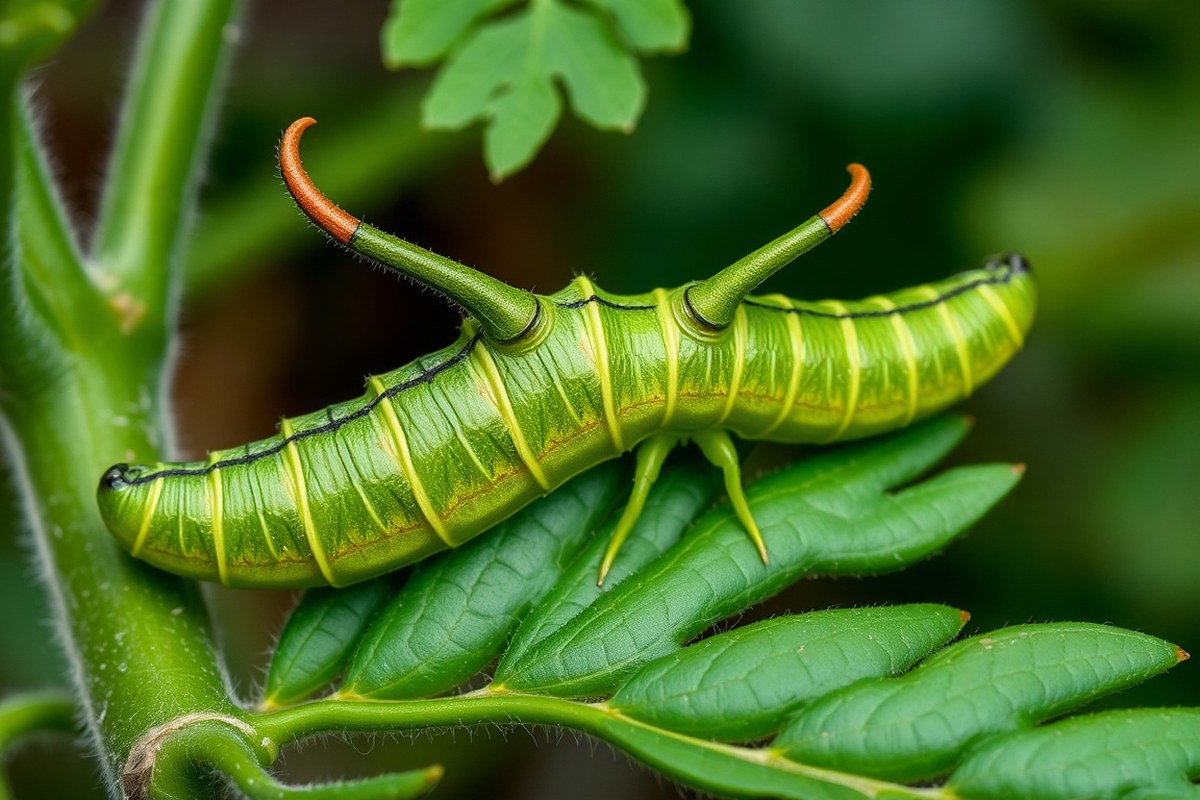
Hornworms feed mostly on tomato leaves and grow up to five inches long. Their bright green color and V-shaped markings help you spot them.
Unlike some caterpillars, they don’t have spines or venomous hairs. So they won’t sting or cause allergic reactions.
Check your garden plants for these caterpillars before they eat too much. When you spot hornworms, carefully pick them up by hand or with gloves.
Avoid using chemical sprays near harvest time. These sprays can harm you and your pets.
Key Takeaways
- Hornworms have no venom and don’t sting or bite humans or pets.
- They grow up to 4 or 5 inches with eight V-shaped white side marks.
- Their dark rear horn is a defense display but completely harmless.
- Hornworms look smooth and lack the spines seen on venomous caterpillars.
- Remove hornworms by hand or gloves to protect your tomato plants safely.
- Do not use chemical insecticides within 3-7 days of harvesting edible plants.
Are Hornworms Poisonous to Humans or Pets?
Hornworms are not poisonous to humans. You can touch them safely without worry.
They do not bite or sting. So they won’t cause pain or irritation on your skin.
For pets like dogs, cats, and chickens, hornworms also pose little risk. They are not poisonous or venomous and rarely cause serious harm if eaten.
Some plant toxins inside hornworms might upset a pet’s stomach. But this usually happens only if they swallow a large amount.
Watch for vomiting, diarrhea, or loss of appetite if pets eat hornworms. These symptoms usually show within a few hours. Call your vet right away when your pet acts very sick or strange.
Hornworms do not sting or bite. Their small mouthparts are only for eating leaves, not causing harm. Hornworms don’t have venom.
Other caterpillars like puss or saddleback sting. They can hurt people and pets.
| Critter | Risk to Humans | Risk to Dogs |
|---|---|---|
| Hornworm | None, safe to touch | None, mild upset possible if eaten |
| Puss caterpillar | High, severe sting, pain, nausea | Moderate, mouth/oral sting possible |
| Saddleback caterpillar | High, painful sting, swelling | Moderate |
To keep pets safe, limit their access to garden plants where hornworms feed. Stop pets from chewing on leaves or eating many hornworms. Note the time and watch your pet for stomach problems after swallowing a hornworm.
In most situations, hornworms pose no real danger to you or your pets. They don’t inject venom or poison through touch or bites.
Pets may get mild stomach upset from hornworms. This usually goes away on its own.
How to Identify Hornworms and Differentiate Them from Venomous Caterpillars
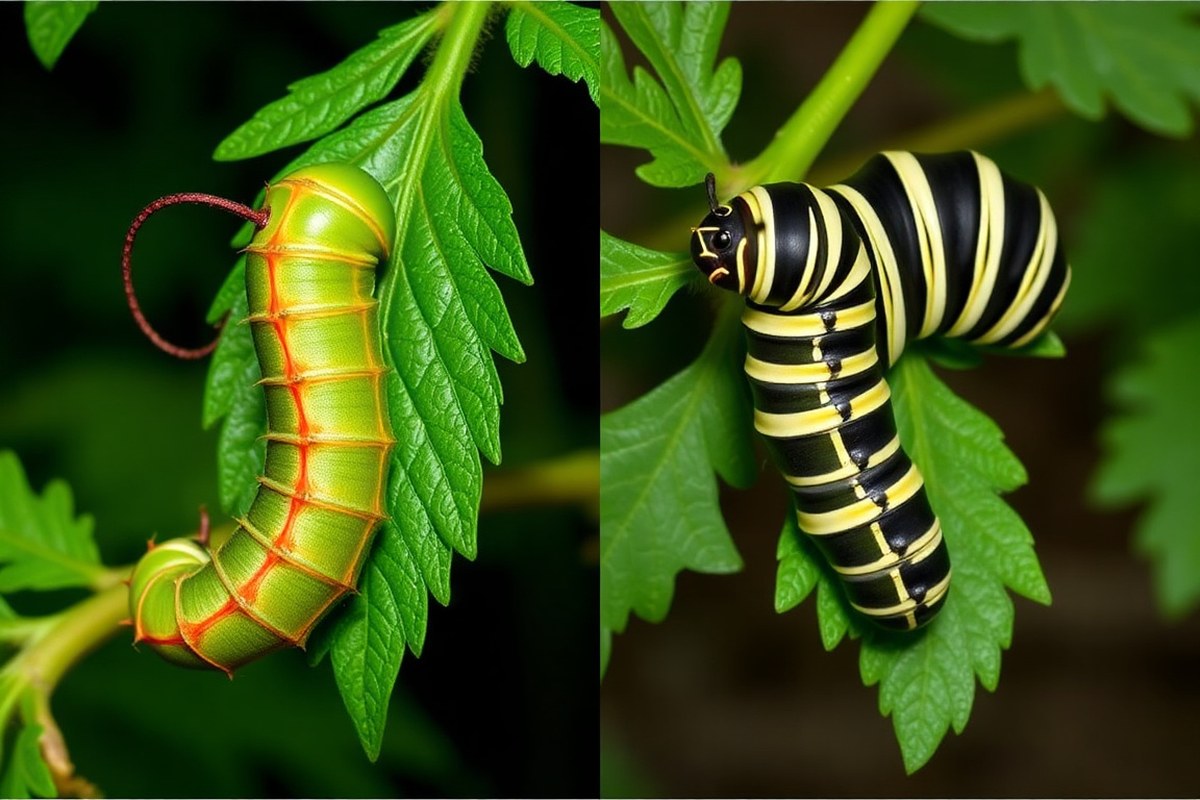
Tomato and tobacco hornworms are large, green caterpillars found in gardens. Tomato hornworms have eight white, V-shaped markings and a dark curved horn on their rear. Tobacco hornworms show pale yellow V’s and have a red or reddish horn.
Both types are smooth-skinned without spines or hairs. Their horn at the back looks scary but isn’t harmful. You can safely touch hornworms as they don’t carry venom or toxins.
| Feature | Hornworms (Tomato & Tobacco) | Venomous Caterpillars (e.g., Puss, Saddleback) |
|---|---|---|
| Body Surface | Smooth, no visible hairs or spines | Fuzzy, hairy, or covered with sharp spines |
| Horn or Tail | Single soft horn at rear, harmless | Spines on ends or all over, sharp and hard |
| Color Pattern | Green with white (tomato) or yellow (tobacco) markings | Saddleback caterpillars usually show off brown, yellow, or mixed colors with a green patch shaped like a saddle. |
| Venom | None | Venom injected by hollow spines on contact |
| How to Remove | Pick up by hand and drop in soapy water | Use gloves or tools; avoid bare skin contact |
Recognizing hornworms helps you protect your garden and pets safely. Unlike venomous caterpillars, hornworms feed on nightshade plants without storing toxins. Their lack of venomous spines means you can remove them easily without risk.
Venomous caterpillars usually have fuzzy bodies or sharp spines. Their stings can hurt and cause skin reactions.
The soft horn on hornworms is a harmless tail, not a weapon. Look closely for clear V-shaped stripes and smooth skin to confirm a hornworm.
Always wear gloves when handling unknown caterpillars to avoid risks.
Why Hornworms Are Not Venomous Despite Their Appearance
Hornworms have a distinctive dark blue or black horn on their rear. But these horns are harmless.
They don’t contain venom, nor can they sting or bite. The horn is a simple, harmless projection used mainly to scare off potential predators.
Hornworms rely on camouflage rather than poison or venom for defense. Their bright green color helps them blend in with leaves, making them hard to spot. The eight V-shaped white marks help hornworms blend in with plants.
These marks break up their shape among stems and leaves. This camouflage keeps them hidden from predators.
The horn only looks scary; it has no real use. It tricks birds or small animals. They think the worm might be dangerous.
Hornworms don’t have chemical defenses or toxins on their skin. Their threatening look is just for show. No poisons back up their appearance.
Hornworms don’t bite or sting. They don’t pose a venomous threat to humans or pets. You can handle them safely.
These caterpillars have tiny teeth meant only for chewing leaves, not for biting people. You won’t feel pain handling a hornworm. They have no stinger or venom sacs.
There’s nothing to cause a sting. Their horn is a bluff, not a weapon.
It makes predators hesitate. It’s a trick for survival.
Biologically, the hornworm’s design shows that their best defense is hiding. Hornworms copy the shapes and colors of tomato or tobacco plants. This helps them avoid being spotted.
Their feeding plants hide their bodies. Camouflage works better than making toxins or venom for survival.
Producing venom uses a lot of energy for insects. It’s easier to hide than fight.
How Long Do Hornworms Live and What Do They Become?
Hornworms live about 2 to 3 weeks as adults. Their full lifecycle lasts 30 to 50 days.
They start as eggs, become large caterpillars, then pupate underground. Finally, they emerge as sphinx moths, also called hawk or hummingbird moths.
Egg to Caterpillar Stage Duration
Hornworm eggs hatch about 3 to 7 days after being laid. They are on the underside of leaves. The larvae grow quickly, feeding on plants like tomatoes and tobacco during this stage.
The caterpillar stage lasts about 3 to 4 weeks. Then it burrows into soil to pupate.
During this time, hornworms can grow up to four inches long. Their green color and markings help them blend in well with leaves. This makes spotting them difficult until they are quite large.
Pupation and Moth Emergence Timeline
After feeding well, the hornworm digs into the ground to pupate. This pupation stage usually lasts 10 to 14 days. In this phase, the caterpillar transforms into a moth inside a tough casing.
The timing here depends on temperature; warm weather speeds up development. When the moth emerges, it breaks out of the soil as an adult. This marks the final stage of the hornworm lifecycle.
- Eggs hatch in 3 to 7 days
- Caterpillar (larva) stage lasts 30 to 50 days
- Pupation underground takes about 10 to 14 days
- Moth emerges from soil after pupation
- Lifecycle timing varies with temperature and conditions
You can track these changes to better time control efforts in your garden. Disrupting the pupation phase is key to preventing new hornworms later on.
Adult Moth Description and Behavior
The adult tomato hornworm turns into a large sphinx moth called the five-spotted hawkmoth. It has four brown wings and a strong body. Another type, the tobacco hornworm, becomes the Carolina sphinx moth with yellow bands on its abdomen.
These moths live for about 2 to 3 weeks after emerging. They mostly fly around flowers at dusk and dawn. These moths don’t damage plants but lay eggs on host plants to start the lifecycle again.
What Natural Predators Keep Hornworm Populations in Check?
Birds, parasitic wasps, and some predatory insects eat hornworms. Birds peck them off leaves but might also nibble your tomatoes. Parasitic wasps, especially braconid wasps, target hornworms by laying eggs inside or on them.
Once wasp eggs hatch, the larvae feed on the hornworm from within. This process kills the caterpillar before it can mature. You’ll see small white wasp eggs in clusters on hornworms.
These eggs show natural pest control is happening. It’s a sign the hornworm might be weakened.
Encouraging these wasps helps keep hornworm numbers low without harmful chemicals. To attract parasitic wasps, plant flowers like dill, fennel, or coriander near your tomatoes. These provide nectar and shelter for the wasps, boosting their presence.
Leaving hornworms with wasp eggs undisturbed allows the wasps to complete their lifecycle. This creates future generations of natural hornworm predators. Over time, this balance reduces the need for pesticides and keeps your garden healthier.
Other predators include ladybugs and lacewings, which eat hornworm eggs and larvae. Attract birds by adding bird feeders and baths, but watch for damage to fruit. Growing diverse plants and limiting pesticides improves survival of beneficial insects.
Don’t remove hornworms with visible wasp eggs. Wait for wasps to hatch and reduce pests naturally.
Safe and Effective Ways to Remove or Control Hornworms in Your Garden
Removing hornworms quickly and safely helps protect your tomato and nightshade plants. You can pick them off by hand. Use organic sprays like Bacillus thuringiensis (Bt).
It controls pests gently and safely. Reserve chemical insecticides only for severe infestations and follow safety rules carefully.
Manual Removal Procedure
Since hornworms are not poisonous or dangerous, handpicking them is very effective. Remove the caterpillars as soon as you spot them to prevent serious leaf damage. Wear gloves if you prefer, then dispose of the hornworms safely.
Follow these steps for removal:
- Look closely at the undersides and tops of leaves on tomato or nightshade plants.
- Gently pinch each hornworm between your thumb and forefinger.
- Place the hornworm in a sealed bag or container to prevent escape.
- Repeat inspection daily, especially during warm months when hornworms thrive.
- Dispose of the sealed bag in the trash or bury the hornworms away from the garden.
- Clean your gloves and hands afterward to avoid transferring leftover plant sap.
Checking plants every day takes only a few minutes. This effort stops hornworms before they strip leaves entirely.
Using Organic Treatments (Bt and Natural Remedies)
Bacillus thuringiensis, or Bt, is a natural bacterium that targets caterpillars only. It has been used since the 1920s in organic farming and breaks down harmlessly in sunlight. Bt spray works well when applied early in an infestation to prevent damage.
To use Bt effectively, spray it on leaves where hornworms feed. Apply it in the morning or evening when it’s cool. Avoid watering the plants for a few hours after.
Some gardeners also use neem oil or insecticidal soaps. But these should be tested on a small plant area first to avoid damage.
When to Use Insecticides Safely
Insecticides with spinosad can control heavy hornworm infestations quickly. Spinosad targets hornworms without harming most beneficial insects but requires careful timing. Avoid applying chemical treatments within 3 to 7 days of harvesting to keep your produce safe.
Use insecticides only if manual and organic methods fail to protect your plants. Read and follow all label instructions and wear protective gear.
After the first chemical treatment, return to hand removal. Use organic sprays to keep your garden healthy.
Do Hornworms Accumulate Plant Toxins and How Does That Affect Pets?
Hornworms feed on nightshade plants like tomatoes and tobacco. These plants contain toxins, which hornworms can store in their bodies. This collection of plant toxins protects hornworms from predators.
They make hornworms taste bad. The toxins can also be mildly toxic if eaten.
For pets, the risk depends on how many hornworms they eat. A single hornworm usually won’t cause harm. But eating several could lead to mild poisoning symptoms.
Signs to watch for include vomiting, drooling, or stomach upset in dogs and cats. These symptoms usually happen within hours after ingestion.
| Species | Toxin Risk from Hornworms | Typical Symptoms in Pets |
|---|---|---|
| Dog | Low to moderate with multiple hornworms | Vomiting, drooling, stomach upset |
| Cat | Low to moderate with multiple hornworms | Vomiting, drooling, stomach upset |
| Humans | Negligible or none | None expected; mild skin irritation possible if sensitive |
To protect pets, stop them from eating hornworms. Young pets and curious animals are more at risk. Watch your pet closely for 12 to 24 hours.
This is important after eating several hornworms. Check for any symptoms. Call a vet if your pet shows discomfort or unusual behavior.
Handling hornworms yourself poses almost no danger. The green fluid they may spit when disturbed is mainly plant matter.
It isn’t harmful to humans or pets if it touches skin. Washing your hands after handling is enough to avoid any irritation.
Pet owners should remove hornworms from garden plants regularly. Pick them by hand or use natural controls to limit their numbers.
These steps reduce the chance pets will eat toxic hornworms. Using chemicals is a last resort and should follow product instructions carefully.
Best Practices for Handling Hornworms Safely in Gardens and Around Pets
You can safely handle hornworms with your bare hands. Gloves are optional but not needed to avoid harm. Watch pets closely to prevent them from eating these caterpillars.
Handling Hornworms Without Risk
Hornworms do not have venom or poison, so touching them won’t hurt you. You can pick them off your plants without gloves.
Use gloves only if you want to avoid dirt or plant sap. Handle them gently to prevent injury to the caterpillar and yourself.
Keep your hands clean by washing them after handling hornworms. This removes any plant residue that may irritate your skin. Avoid touching your face before washing your hands.
When to Use Protective Gloves
Gloves are not necessary strictly for safety when handling hornworms. You might want gloves if your skin is sensitive.
Gloves also help keep dirt and slime off your hands. Gloves can also protect you from sharp plant stems or thorny leaves while you pick caterpillars.
Choose lightweight garden gloves for comfort and better grip. Wearing gloves costs only a few dollars and saves time cleaning your hands later. Using gloves is a personal choice, not a requirement for safety.
Preventing Pet Exposure
Pets like dogs and cats usually won’t get sick from eating hornworms. But it’s best to stop them from snacking on these caterpillars. Keep pets away from garden beds where hornworms feed.
This is important if many hornworms live in your yard. This prevents any upset stomachs or choking risks.
Train pets to avoid bugs using commands or distractions when they show interest. Remove hornworms promptly from plants to limit pet access. Check pets for unusual behavior after any contact with hornworms or other garden insects.
- Pick hornworms off plants promptly
- Keep garden debris cleaned up to reduce caterpillar hiding spots
- Use physical barriers to limit pet access to garden areas
- Supervise pets when outside in infested areas
- Provide alternative chew toys to distract pets
- Wash hands thoroughly after gardening
Watch pets after they eat hornworms to spot any rare reactions quickly.
Step-by-Step Action Plan to Manage Hornworms Safely
Follow these steps to handle hornworms safely and keep your garden healthy. Each step helps you check if you’re controlling hornworms without risks to you or your pets.
- Day 1: Learn to identify hornworms by their size, green color, and horn on the tail. Confirm by comparing with photos to avoid venomous look-alikes.
- Day 2: Inspect your garden plants, especially tomatoes and peppers, for hornworm damage. Spot holes or missing leaves as signs.
- Week 1: Remove hornworms by hand wearing gloves to avoid irritation. Drop them into a bucket or use soapy water to kill them safely.
- Week 2: Plant flowers to attract natural predators like birds and wasps. Avoid broad insecticides to keep these helpful bugs safe. This helps control pests naturally in your garden. Watch for fewer hornworms over time.
- Week 3: Use organic insecticides only if hornworm numbers stay high. Follow all label directions and keep pets away from treated areas.
- Week 4: Monitor pets for any signs of upset if they encounter hornworms. Call a vet if your pet shows vomiting or unusual behavior.
- After 1 month: Evaluate your garden health and hornworm control results. Adjust your approach based on how many caterpillars you still see.
Frequently Asked Questions
Are Hornworms Poisonous?
Hornworms are not poisonous to humans or pets at all. They do not produce venom or harmful toxins you need to worry about.
Is It Safe to Touch Hornworms?
Yes, it is safe to touch hornworms since they don’t bite or sting. They usually freeze or try to wiggle away but won’t hurt your skin.
Are Hornworms Harmful If Pets Eat Them?
Hornworms aren’t poisonous to dogs or cats but may cause mild upset if swallowed. It’s best to keep pets away just in case.
Do Hornworms Sting or Bite Like Other Caterpillars?
No, tomato hornworms do not sting or bite. Their big size can look scary but they do not have venom or painful parts.
What Should You Do If You Find Hornworms on Your Plants?
You can safely remove or relocate hornworms if they damage your garden. Use gloves if you prefer but it’s not required for safety.
How Long Do Hornworms Live Before Becoming Moths?
Hornworms live for a few weeks eating leaves before they pupate. Soon, they turn into large sphinx moths and fly away.
The Bottom Line
Hornworms are not poisonous or harmful to humans or pets under normal handling. Keep an eye on your garden and use safe removal methods to prevent damage. Start by learning to spot hornworms correctly to protect your plants and family.