

Why Is My Money Tree Dying? How to Diagnose and Revive It Fast
Why is my money tree dying? Usually, it’s because the plant’s basic needs aren’t met.
Money trees need steady moisture, right temperatures, and enough humidity to thrive. You can bring it back by fixing these key conditions quickly.
Start by checking how often you water. Money trees like their soil moist but not soggy. Water your money tree only when the top half to three-quarters of soil is dry.
Check the soil by touching it with your finger. If it feels dry, it’s time to water.
Also, watch your home’s humidity and temperature. Money trees do best with at least 30% humidity and temperatures between 65°F and 80°F. Low humidity or temperatures outside this range can stress your plant fast.
Key Takeaways
- Water your money tree only when 50-75% of the soil has dried out.
- Keep humidity levels above 30% for healthier leaf growth.
- Maintain indoor temperatures between 65°F and 80°F for best results.
- Place your money tree near east-facing windows or filtered south/west light.
- Repot your money tree every 2 to 3 years during spring to refresh soil.
- Prune occasionally to control height and encourage bushier growth.
What Causes a Money Tree to Die Quickly?

The most common cause of a money tree dying quickly is watering mistakes. Overwatering leads to soggy soil and root rot.
This kills roots and makes leaves turn yellow or drop. Underwatering dries the soil and leaves, causing brown, crispy foliage and wilting.
Light is another big factor. Too much direct sun scorches leaves fast and weakens the plant.
Too little light slows growth and causes leaf drop. Money trees do best in bright, indirect light, not direct sunlight or deep shade.
Sudden temperature changes also shock the tree. Temperatures below 54 °F or above 77 °F cause stress and leaf loss.
Constant drafts and moving a tree between indoors and outdoors often cause this problem. Keep the temperature steady within that safe range.
Low humidity dries out leaves fast, especially in winter. Money trees prefer about 30% humidity or higher.
Dry air causes leaf browning and curling. Using a humidifier or misting helps maintain proper moisture in the air.
Here’s a quick table of common causes and effects:
| What You See | Likely Cause |
|---|---|
| Yellow leaves | Overwatering, poor drainage, low light |
| Brown, crispy leaves | Underwatering, low humidity, sun scorch |
| Leaf drop | Sudden moves, temperature swings, over/under watering |
| Drooping leaves | Too wet or too dry soil |
Overwatering keeps soil soggy, killing roots in about 1 to 2 weeks. Leaves turn yellow and drop. Underwatering causes soil to dry out completely in as little as 3 to 5 days.
Leaves brown and wilt. Both create a rapid decline when not fixed.
Too much direct sunlight burns leaves in a few hours to days. Moving your money tree from inside to outside shocks it fast. Sudden light, temperature, and humidity changes cause stress.
This quick change can hurt your plant badly. Stress from these shifts causes leaf loss within a week.
How to Recognize Signs Your Money Tree Is Dying
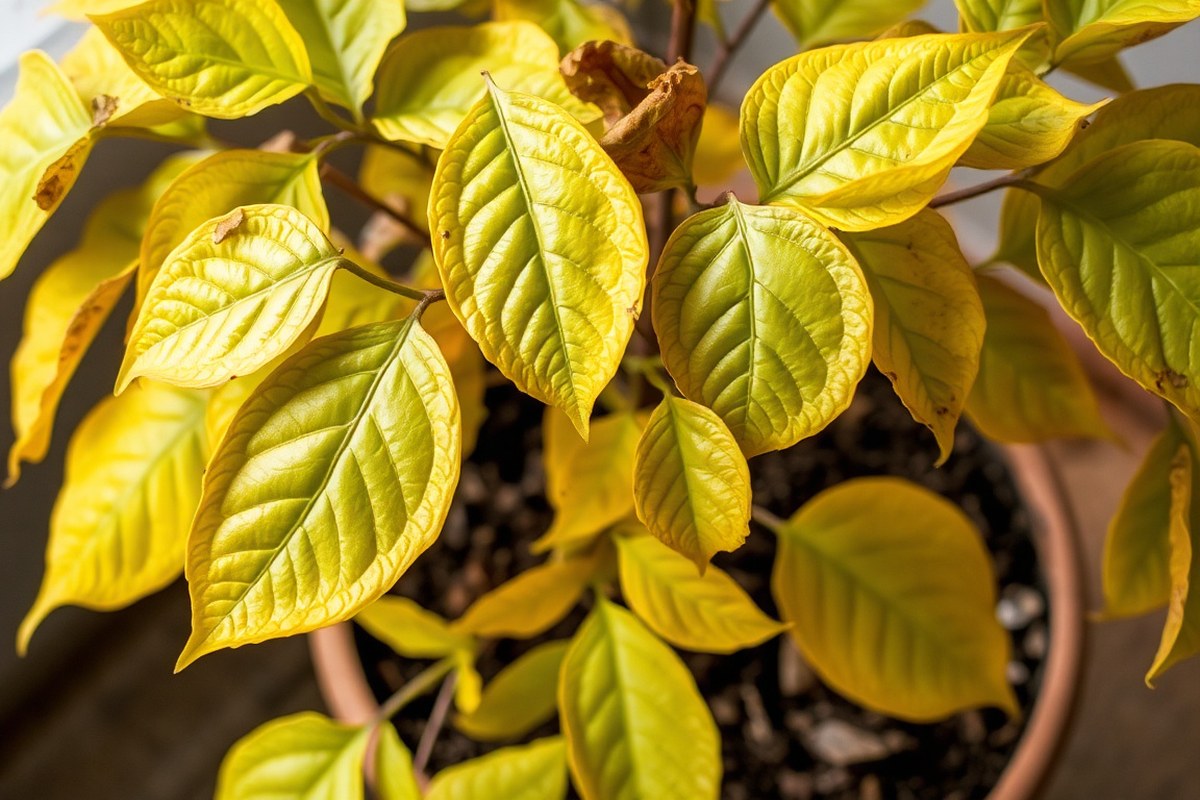
Yellow leaves on your money tree usually point to root rot or overwatering. Check if the soil feels wet even a few days after watering. Wet soil with yellow drooping leaves means the roots might be rotting and can’t absorb water.
Dull, wilting leaves that turn brown and shrivel are signs of dehydration or too little light. Test the soil by sticking your finger 1 to 2 inches deep. When the soil feels dry, your tree needs watering.
Brown edges and falling leaves show low humidity or stress. Too much direct sun can cause these problems.
Look at the trunk and roots to figure out what’s wrong. A strong, firm trunk means the plant is still healthy. Soft or mushy trunk bases often mean rot.
Gently remove the plant from its pot to check roots. Healthy roots look white and crisp. Rotten roots are brown or black and mushy.
- Yellow, droopy leaves with damp soil: likely overwatering and root rot
- Wilting, brown crisp leaves with dry soil: dehydration or low humidity
- Soft, mushy trunk or root base: root rot or severe decay
- Leaf drop with normal soil moisture: environmental stress like light or temperature
- Glossy leaves and a firm trunk: healthy money tree
Keep your watering routine steady and test soil moisture first. Avoid watering if the soil feels moist from the last 2-3 days. Check your light levels by watching your leaves closely.
Brown or pale leaves mean sunburn or shade stress. Leaf drop shows plant stress. It could be from underwatering or bad roots.
Don’t rely on topsoil dryness alone. Stick your finger 1 to 2 inches deep to check true moisture.
Act fast when you see yellow leaves and check drainage. Overwatering causes root rot fast, especially in pots without drainage holes. On the other hand, dry soil causes wilting and brown edges quickly if not watered.
You can save your money tree by matching its water and light needs. Regularly watch for these stress signs.
Correct Watering: Avoid Overwatering and Underwatering
Water your money tree only when its soil is about 50 to 75% dry. This timing keeps the roots healthy and prevents rot or dryness. Checking soil moisture before watering is key to proper care.
When to Water Based on Soil Moisture
Water your plant once the topsoil is dry. Check the lower soil to see if it still feels moist. Only water when the lower soil is not moist.
This means around half to three-quarters of the soil has dried out. Waiting for this balance helps the roots get oxygen and nutrients properly.
Use your finger to test moisture. Stick it in about 1 to 2 inches deep. When the soil feels dry at that depth, it’s time to water.
Moist soil feels cool and slightly damp, not wet or muddy. This simple check prevents too much or too little water.
How to Check for Overwatering and Root Rot
Check for yellowing leaves or drooping as signs of overwatering. These symptoms often appear when the roots sit in water and can’t breathe. Remove the plant gently from its pot to inspect the roots if you suspect rot.
Healthy roots look firm and white or light tan. Dark, mushy, or smelly roots mean root rot.
Overwatered soil often smells musty and stays soggy for days. Make sure your pot drains well and empty any water that collects in saucers.
Steps to Rehydrate an Underwatered Money Tree
When the soil is bone dry and leaves droop or curl, your money tree needs rehydration. Follow these steps carefully to help it recover without flooding the roots.
- Remove dry, dead stems or leaves with clean scissors to reduce stress.
- Soak the soil slowly by pouring water evenly over the surface.
- Water until water drains from the bottom of the pot, ensuring roots get enough moisture.
- Let the pot drain completely; don’t let the plant sit in standing water.
- Check soil moisture daily and water lightly to keep the soil consistently moist but not soaked.
- Place your money tree in a spot with indirect light and stable temperature for recovery.
- After a week, reduce watering slightly as new growth appears and soil stays evenly moist.
Optimizing Light, Temperature, and Humidity for Recovery
Money trees need bright but indirect light to stay healthy. Too much direct sunlight burns their leaves, causing brown spots and stress. Put your money tree near an east-facing window.
You can also place it a few feet from a south or west window. Use a sheer curtain to soften the light.
Temperature matters as much as light. Money trees do best between 65°F and 75°F. Avoid placing your plant by drafty windows, air vents, or heaters. Temperature swings and cold drafts can cause leaf drop and slow recovery.
Humidity is another big factor. Money trees prefer at least 30% humidity, while most homes hover around 10%.
Low humidity can make leaves dry out and turn brown. Raising the humidity near your plant helps it bounce back faster.
| Condition | Ideal Level | Harmful Level |
|---|---|---|
| Light | Bright, indirect sunlight | Direct sunlight |
| Temperature | 65°F, 75°F (18°C, 24°C) | Below 60°F or sudden temperature changes |
| Humidity | At least 30% | Below 20%, common indoor levels near 10% |
You can boost humidity by grouping plants together or using a humidifier. Misting leaves daily helps but only temporarily raises moisture. A pebble tray filled with water under the pot can keep humidity close to the roots.
Seasonal shifts require small changes. In winter when heating dries the air, increase humidity around your money tree. In summer, check for too much direct sun on the plant.
Move it farther from windows if needed. You can also hang sheer curtains to filter light. Keeping a steady temperature and moisture level reduces stress and speeds recovery.
Repotting and Soil Care to Fix Root Problems
Repotting your money tree refreshes its soil and can fix root problems that cause poor health. Using the right soil and inspecting roots helps it recover faster. Knowing when and how to repot prevents root rot and supports new growth.
Choosing the Right Potting Mix
A good potting mix drains well to stop water from pooling around roots. The ideal soil mix combines materials that hold moisture lightly without becoming soggy.
| Ingredient | Amount | Purpose |
|---|---|---|
| Standard potting mix | 2 parts | Provides nutrients and holds moisture |
| Perlite | 1 part | Improves aeration and drainage |
| Coarse sand or orchid bark | 1 part | Speeds water flow and prevents compaction |
This mix keeps roots moist but avoids saturation. It matches your money tree’s natural preference for well-draining soil.
When to Repot Your Money Tree
Most money trees benefit from repotting every 2 to 3 years during spring. Signs like roots growing out of drainage holes mean it’s time.
Other signs are water running out quickly when you water. The plant may tip over or grow slowly.
This can happen even with good care. Acting fast can save your tree.
Checking and Treating Damaged Roots
Before repotting, gently remove the plant from its pot and brush off old soil. Look for dark, mushy roots, which show root rot.
Healthy roots stay white or light tan and feel firm. Trim off unhealthy roots with clean scissors to stop decay from spreading.
Be gentle when cleaning roots to avoid breaking healthy tissue and stressing your plant.
Follow these steps to repot your money tree:
- Choose a slightly larger pot with drainage holes.
- Prepare fresh potting mix using the recipe above.
- Carefully remove the tree from its old pot and clean the roots.
- Trim any rotten or dead roots using sterilized scissors.
- Place some fresh soil in the new pot’s bottom.
- Position the money tree in the pot, spreading roots evenly.
- Fill around roots with soil mix, pressing lightly to remove air pockets.
- Water the plant until water drains from the bottom, then let it drain fully.
Managing Pests and Diseases That Harm Money Trees
Pests like spider mites, thrips, and mealybugs often attack money trees. They suck sap from leaves and stems, causing discoloration and brown spots.
Spot tiny webs, sticky spots, or white cottony patches? Pests might be the cause.
Watering problems usually cause yellowing or wilting leaves without the visible signs pests leave. Underwatering makes leaves dry and crispy.
Overwatering often results in soft, yellow leaves and bad smells from the soil. Look closely to spot tiny moving dots or eggs before deciding on watering changes.
Check your plant regularly for these common pests:
- Spider mites: fine webs and tiny red or yellow dots on leaves
- Thrips: small black dots and silvery streaks on leaf surfaces
- Mealybugs: clusters of white cotton-like fuzz mainly on stems
- Aphids: small green or black insects gathering on new growth
- Scale insects: brown or tan bumps sticking to stems or leaf undersides
- Fungus gnats: tiny flying bugs near soil often indicating overwatering
Treatment starts with isolating the plant to stop pests from spreading. Spray leaves with insecticidal soap or neem oil every 4 to 7 days.
Clean the stems and leaf undersides with a cotton swab dipped in rubbing alcohol for mealybugs. Repotting the plant in fresh soil helps if fungus gnats appear.
Good airflow and letting the soil dry out between watering reduce pest risks. A humidifier keeps your money tree’s environment stable and helps stressed leaves recover. Catch pests early to save your money tree without harsh chemicals or big cuts.
Pruning, Stress Management, and Supporting Recovery
Pruning your money tree removes dead or dying stems. This helps the plant focus energy on healthy growth. It keeps your tree strong and growing well.
Cut off brown or black stems near the base. Use clean, sharp scissors or pruning shears. This prevents damage and helps your tree heal.
Prune during spring or early summer. This is when the plant grows actively. It helps the tree recover faster from pruning.
Moving or repotting can stress your money tree. Roots take time to adjust and absorb water. The plant may seem weaker after this.
This stress shows up as droopy leaves or slowed growth. To help, keep your plant in cooler spots away from direct sunlight or drafts. This lowers evaporation and reduces water loss during recovery.
Recovery usually takes four to eight weeks, especially after root pruning or repotting. During this time, keep the soil evenly moist but not soggy. Avoid fertilizing until new growth appears.
Roots need time to get strong again. They can’t process nutrients well when weak.
Stress from sudden changes also harms money trees, so avoid shifting their location frequently. Move your money tree gently when needed. Place it in similar light and temperature conditions.
This helps it settle without extra stress. This reduces shock and supports steady healing.
Watch for fresh leaves or firmer stems as signs your money tree is bouncing back. Adjust care gradually to meet the plant’s needs.
Overwatering or too much sun during recovery can make problems worse. So stick to indirect light and moderate watering.
Sustainable Care Routine to Keep Your Money Tree Healthy
Establishing a sustainable care routine keeps your money tree healthy all year. Adjust watering, humidity, and feeding through the seasons. Regular checks prevent new problems before they hurt your plant.
Watering and Humidity Through the Year
In fall and winter, cut back on watering since the plant drinks less. Cooler weather and fewer daylight hours decrease its need for moisture. In spring and summer, water once the top inch or two of soil is dry.
Humidity affects how much moisture your money tree loses. Low humidity can dry leaves and cause brown tips. Raise humidity by grouping plants or using a pebble tray with water beneath the pot.
Overwatering in winter often harms money trees, causing root rot.
- Water every 1 to 2 weeks in spring and summer
- Reduce watering to every 3 to 4 weeks in fall and winter
- Use room temperature water to avoid shock
- Place your tree on a pebble tray filled halfway with water
- Run a humidifier nearby during dry months
- Mist leaves occasionally for quick humidity boosts
- Group plants to create a shared humid microclimate
Fertilizing Guidelines for Optimal Growth
Feed your money tree monthly during the growing season with a balanced houseplant fertilizer. A 10-10-10 NPK ratio works well. Avoid fertilizing in winter when growth slows down.
Use liquid fertilizer diluted to half strength to reduce burn risk. Organic options like fish emulsion or seaweed extract also work but feed less often. Good fertilizing encourages healthy growth and leaf shine.
Regular Inspection and Maintenance Tips
Check your money tree weekly. Look for yellowing leaves, pests, and dry soil. Regular pruning keeps shape and removes damaged growth to focus the plant’s energy.
Watch out for sudden leaf drop, signaling care issues. Keep the pot stable to avoid root stress.
Moving or repotting your money tree can stress it, so be gentle afterward. It might slow growth or drop leaves while adjusting to the change.
- Inspect leaves for pests like spider mites
- Prune dead or yellow leaves monthly
- Keep pot placement consistent without drastic moves
- Repot every 2, 3 years using fresh, well-draining soil
- Adjust watering and humidity after any relocation
Step-by-Step Action Plan to Save Your Money Tree
Follow these steps to help your money tree recover and stay healthy. Check each step’s effect before moving on.
- Day 1: Inspect your tree closely for yellow leaves, drooping, or spots. These signs show stress or disease.
- Day 2: Adjust watering by feeling the top 1-2 inches of soil. Water only if dry, and drain excess water. Healthy roots need moist, not wet, soil.
- Day 3-4: Move your tree to bright, indirect light with stable room temperature. Avoid drafts and heaters. Watch for leaf brightening within a week.
- Week 1: Spray a fine mist daily or use a humidity tray. Money trees like 50-60% humidity. Leaves should stop curling or browning.
- Week 2: Check soil for root rot signs: smell and softness near base. Repot with fresh, well-draining soil if needed. New root growth looks firm and white.
- Week 3: Look for pests like spider mites or scale. Use mild insect soap if found. Healthy new leaves show no more bite marks or webbing.
- Week 4: Prune dead or dying branches carefully with clean shears. This directs energy to healthy growth. Expect new shoots after a couple of weeks.
Frequently Asked Questions
Why Are the Leaves of My Money Tree Turning Yellow?
Yellow leaves typically mean overwatering, poor drainage, or lack of light. Check if the soil stays soggy or the plant lacks sufficient bright, indirect light. Fixing these issues can often turn your plant’s health around.
Can I Save a Money Tree with Root Rot?
Root rot can be treated by removing affected roots and repotting in fresh soil. Use well-draining soil and water carefully to keep soil moist but not soggy. Early action gives your money tree the best chance to recover.
Why Is My Money Tree Shedding Leaves Suddenly?
Sudden leaf drop often happens due to stress like moving the plant or changes in temperature. Keep the environment steady with moderate humidity and avoid cold drafts. Your money tree needs time and stable conditions to bounce back.
How Do I Know If My Money Tree Is Getting Too Much Sun?
Too much direct sun makes the leaves turn brown or scorched. Move it to a spot with bright, indirect light to stop leaf burn. Keep an eye on the leaves after moving it to see how it adjusts.
Can Low Humidity Cause My Money Tree to Die?
Yes, low humidity dries out leaves, causing brown tips and droopiness. A humidifier or regular misting helps keep humidity around 30%, which favors money tree health. This mimics its natural tropical environment.
Can Over-Fertilizing Harm My Money Tree?
Over-fertilizing can burn roots and cause leaf yellowing or dropping. Feed your money tree with a balanced, diluted fertilizer only every 4-6 weeks during growing season. Less is more when it comes to nutrient care.
Final Thoughts
Most money trees recover well if you correct their care quickly. Start by checking your watering routine today. That small change can make a big difference in your tree’s health.


