Do Compost Bins Smell? What Actually Causes Odors and How to Fix Them
Do compost bins smell? The simple answer is they can, but they don’t have to.
Most compost bins give off only a mild earthy smell if managed well. Unpleasant odors usually happen when moisture, oxygen, or materials are out of balance.
Foul smells often come from too much water or not enough air. Composting microbes need oxygen to break down scraps without producing stink. Begin with a good mix of “greens” and “browns.”
Greens are vegetable scraps. Browns are dry leaves or paper.
Keep your compost damp like a wrung-out sponge and turn it regularly to add air. These steps stop bad odors and speed up decomposition.
Sharp smells mean you should check moisture and air flow first. Don’t add more materials yet.
Key Takeaways
- Keep compost moisture around 50%, like a wrung-out sponge.
- Mix 20% green materials with 80% brown materials to balance nutrients.
- Turn compost regularly to increase oxygen and reduce odors.
- A pile at least 3 feet wide helps maintain heat and airflow.
- Cover compost to prevent rainwater from soaking in and causing smell.
- Add 5-10% mature compost to reduce odor-causing compounds.
Do Compost Bins Normally Smell? What to Expect
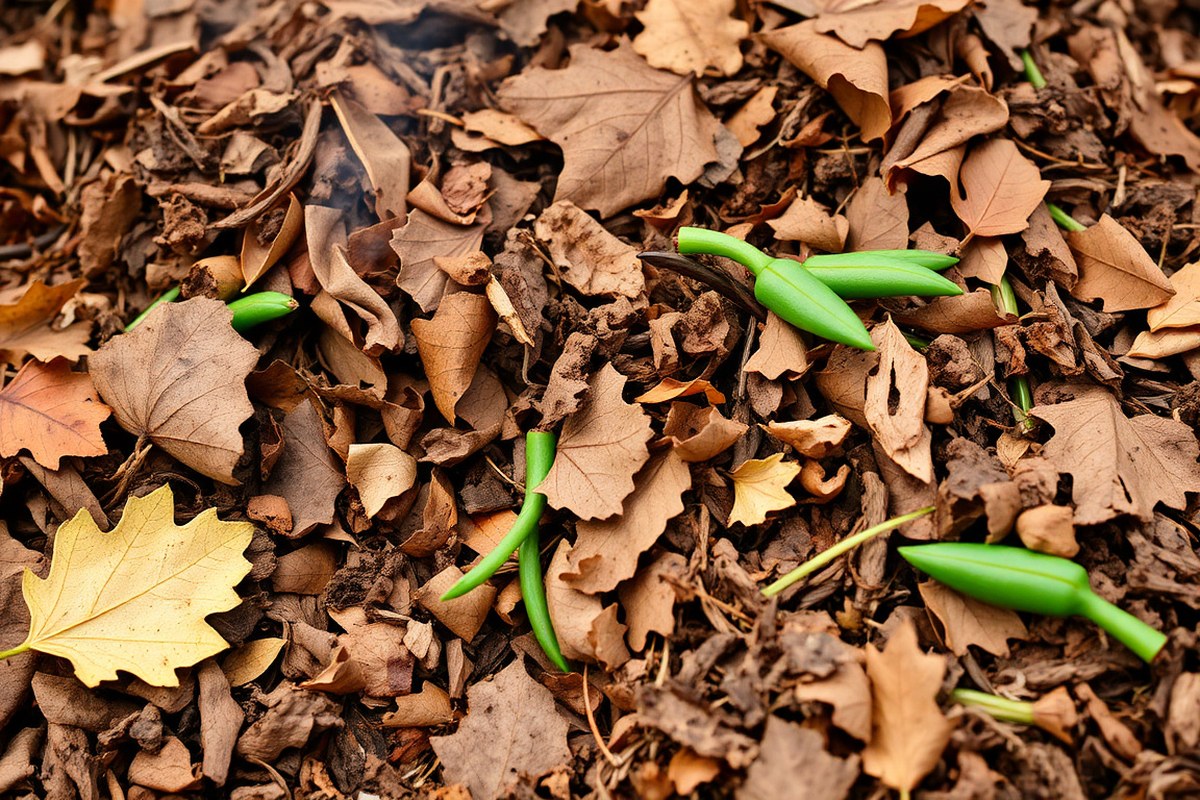
Compost bins do give off some smell, but they don’t always stink. A healthy compost bin has a mild, earthy scent resembling rich soil after rain. This smell means the organic matter is breaking down well.
Good airflow helps the process. Balanced moisture also supports decay.
Noticing a strong odor probably means something is wrong. Typical compost should never smell rotten or sulfurous. A bad smell often means the pile is too wet.
It could also lack oxygen inside. These conditions cause decay without enough air.
This creates a stinky, rotten egg-like scent that signals anaerobic conditions. That’s when bad bacteria thrive and your compost needs tending.
When managing your bin well, kitchen scraps won’t smell worse than regular trash. The usual faint earthiness may even be pleasant, not overwhelming. Adding a few drops of essential oils can help mask smells.
Oils like cinnamon or lavender fight odor-causing bacteria. Still, a semi-neutral, natural soil smell means your compost is healthy and active.
How Moisture and Oxygen Levels Affect Compost Odor

Too much moisture in your compost bin leads to a sour or swampy smell. When the pile becomes overly wet, air spaces fill with water, cutting off oxygen. This makes anaerobic bacteria grow.
These bacteria release foul smells. One smell is hydrogen sulfide, like rotten eggs.
The ideal moisture content is about 40% to 60%. You can test this by squeezing a handful of compost. It should feel like a damp sponge, releasing only a few drops of water.
Water streaming out means your pile is too wet. Too much wetness can cause bad smells.
Lack of oxygen also triggers unwanted odors. Without air, aerobic microbes can’t break down materials properly.
Instead, slow-decaying microbes produce smelly gases. Aeration through turning your pile every couple weeks keeps oxygen flowing and odor low.
- Add dry materials like shredded leaves or cardboard if pile feels wet.
- Turn or mix your compost every 1-3 weeks with a pitchfork or shovel.
- Cover your compost during heavy rain to avoid water buildup.
- Keep greens balanced with browns to avoid too much moisture.
- Check moisture regularly with the squeeze test.
Too wet or packed compost blocks oxygen flow and creates bad smells. Keep your pile loose and damp, not soaked.
Adding dry materials absorbs excess water and opens air spaces so oxygen can circulate. Turning the pile breaks up compacted layers and reintroduces oxygen. These steps speed up decomposition and stop the pile from smelling rotten or swampy.
During rainy seasons or when uncovered, moisture rises past 65%. This can cause the pile to smell bad. That’s when odor levels rise sharply.
Adjust by covering the bin or adding more browns faster. Moisture and oxygen together control the good or bad smells in your compost bin.
Common Compost Smells and What They Mean
Compost smells can tell you a lot about what’s happening inside your bin. A rotten egg smell means your compost has hydrogen sulfide. This shows it lacks oxygen.
It may be too wet or packed too tight. This means the compost is anaerobic. You’ll want to turn or loosen it to bring back airflow.
An ammonia smell means there are too many nitrogen-rich greens like fresh grass clippings. This can overload your pile, causing strong ammonia gases and an acrid odor.
Adding more browns like dry leaves or shredded paper helps balance nitrogen and carbon. Turning the pile will also mix materials and reduce ammonia buildup.
A sweet or musty smell often shows up with lots of woody or moist materials. A mild musty scent is normal.
But a strong one can mean the bin is too wet or has poor drainage. You may need to add dry or coarse materials and stir the pile to fix that.
Here’s a table showing common compost smells, their causes, and what you can do:
| Smell | Cause | How to Fix |
|---|---|---|
| Rotten eggs (hydrogen sulfide) | Too wet, no air circulation, anaerobic conditions | Turn compost, add dry browns, improve airflow |
| Ammonia (acrid, sharp) | Too many nitrogen-rich greens, unbalanced compost | Add carbon-rich materials, turn pile to mix |
| Sweet or musty | Too much moisture or woody materials | Add dry or coarse materials, stir to dry |
Monitoring your compost regularly helps catch problems early. Rotten egg or ammonia smells mean you should move or mix the pile.
Do it more often to stop the smell. Keeping the right balance prevents odors and helps your compost break down smoothly.
Remember that smell strength can change with weather and pile size. Wet weather can saturate the bin and worsen odors. So adjust moisture and mixing accordingly.
Your pile might still smell bad after trying fixes. Add more browns or turn it more often to help.
Balancing Greens and Browns to Prevent Odors
Balancing greens and browns in your compost bin helps control odors and keeps compost healthy. Using the right mix of nitrogen-rich greens and carbon-rich browns avoids smell problems. You can adjust this balance by following simple steps for adding and layering materials.
Ideal Carbon-to-Nitrogen Ratios
Use two to three parts browns for every part of greens. This is a good rule of thumb. It helps balance your compost well.
This means about a 30:1 carbon-to-nitrogen ratio by weight. That ratio helps bacteria break down materials. It also stops ammonia smells.
Too many greens lead to a strong ammonia odor. Excess browns can slow down decomposition and cause musty smells.
For example, add two buckets of dry leaves for one bucket of fruit scraps. Dry leaves or shredded paper work well. This balances the compost ingredients.
This keeps the compost moist but not soggy. Adjust the ratio depending on how your compost smells or heats up.
Materials to Avoid in Compost
Not all kitchen scraps and yard waste are good for composting. Avoid adding meats, dairy, oils, and pet waste, which attract pests and cause strong foul odors. Avoid coated paper and treated wood.
They don’t break down well. They might also release chemicals into your compost.
Here are some materials to leave out:
- Meat, fish, and bones
- Dairy products like cheese and yogurt
- Oily or greasy food scraps
- Dog or cat poop and soiled cat litter
- Coated or glossy paper and cardboard
- Diseased plants or invasive weeds
Use only plant-based scraps and dry yard waste. This prevents bad smells. It also keeps your compost safe for use.
How to Layer Greens and Browns Correctly
Don’t just dump all your green scraps in one spot. Mixing and layering helps air circulate and reduces wet pockets that cause smell. Put a layer of browns on top after adding greens.
This helps absorb moisture and odors. It keeps your compost smell-free.
Try this layering pattern each time you add new materials:
- Start with a base layer of coarse browns like twigs or straw
- Add a layer of greens such as vegetable scraps or grass clippings
- Cover greens with at least twice the thickness of browns
- Mix or turn the pile regularly to keep air flowing
This layering and mixing process avoids smelly pockets and encourages faster decomposition. Your compost will smell earthy, not sour or ammonia-like.
Using Aeration and Turning to Control Smell
Turning your compost and adding aeration brings in oxygen, which cuts odor and speeds decomposition. Without enough air, damp compost goes anaerobic, smells foul, and breaks down slowly. Regularly mixing your bin keeps microbes happy and your compost smelling fresh.
Turning Frequency for Different Bin Sizes
Turn small compost bins once a week to add oxygen and mix materials well. Larger bins hold heat and air naturally. They need turning about every two weeks.
This means less frequent turning is needed. Smelly or compacted bins need more frequent turning.
Cold compost piles especially benefit from weekly turning to avoid anaerobic smells. Hot piles can be turned less often. How often depends on pile size and smell.
You need to adjust the schedule. Tracking odor and pile temperature helps you adjust timing.
Best Tools to Improve Aeration
Use a garden fork, compost aerator, or long stick. Poke holes into the pile to aerate it.
These tools reach deep and break compacted layers without fully turning the whole bin. Their low cost makes them easy options for weekly aeration.
- Garden fork: lifts and fluffs compost
- Compost aerator tool: twists to pull air through
- Long stick or pole: pokes holes deeply
- Shovel or pitchfork: for full turning of large piles
- Drill with mixing attachment: speeds big bin turning (optional)
These tools help keep airflow even and prevent pockets of smelly, wet material. Aeration works best combined with correctly balancing green and brown waste.
Handling Compact or Wet Compost
Compact compost blocks airflow and encourages bad smells. Loosen the pile by turning and adding dry materials like shredded newspaper or straw. Add these when moisture feels above 60% to bring levels back toward 50%, 60%.
Too wet piles need more turning. Spread them out to dry before closing the bin.
Working in dry bits helps the compost heat up and discourages smelly anaerobic conditions. Avoid letting rain saturate your bin.
Turning a smelly compost can release a temporary odor burst before the smell improves.
Special Compost Bin Types and Their Odor Control Benefits
Worm bins, bokashi, and electric composters cut down on smells compared to regular compost bins. Worm bins hold worms that eat food scraps quickly, which stops bad odors from developing. They also keep compost moist and well-aerated, so the material rarely smells foul.
Bokashi composting uses a special mix of microbes to ferment food waste in an airtight container. This process produces very little smell, mostly a faint sour scent. It’s great for indoor composting because the scraps don’t start rotting in the usual way.
Electric composters break down food waste fast by heating and dehydrating it. They usually sit indoors and don’t let odors escape.
The heat kills most odor-causing bacteria. So you won’t notice any bad smells while it runs.
Here’s a quick look at how these compost types work. They control odors differently than traditional bins. Let’s compare them.
| Type | How It Works | Odor Level | Time to Compost | Cost Estimate | Best Use |
|---|---|---|---|---|---|
| Worm Bin | Worms digest scraps aerobically | Almost no smell if balanced | 2-3 months | $30-$150 for starter kits | Small spaces, kitchen scraps |
| Bokashi | Ferments scraps anaerobically | Very low, sour smell only | 2 weeks fermentation + outdoor composting | $20-$50 for starter kit | Indoor use, all food types |
| Electric Composter | Heats & dehydrates waste | Minimal to none | 24 hours or less | $200-$500 | Indoor, food scrap disposal |
A worm bin works best with a wide container. It should be shallow, about 8 to 16 inches deep. Keep the bin moist, not soggy.
Add balanced food scraps with brown materials to prevent smells. Hot spots that get smelly usually mean poor airflow or too much food at once.
Bokashi needs you to pack scraps tightly and add the microbial mix regularly. After two weeks of fermenting, bury the scraps outside.
Or add them to a traditional compost heap. It’s a two-step approach but controls odors indoors during fermentation.
Electric composters cost more upfront but save you time. They also keep your kitchen free of rotten smells. Place electric composters on a counter.
Empty the dried waste into your garden or trash. Follow the manufacturer’s instructions on what you can add to avoid clogs or smells.
Additives and Biofiltration to Reduce or Capture Smells
Adding mature compost or brown materials helps reduce compost smells by absorbing excess moisture and gases. Mature compost looks dark and crumbly with an earthy smell. Aim to mix in about 10 to 20 percent mature compost.
Add it by volume when you put in new materials. This helps your compost start breaking down faster. This encourages beneficial microbes that break down the waste without producing bad odors.
Biochar is another good additive for odor control. Research on chicken manure shows it cuts sulfur smells by 65 percent. This reduces bad odors during composting.
It makes your compost pile smell better. However, biochar alone won’t do much to reduce ammonia smells.
So you should use it along with other dry, carbon-rich materials like sawdust or shredded leaves. These help balance moisture and improve airflow, limiting smelly gases.
Some other adsorbents help capture odor-causing gases. Zeolite and woody peat also bind ammonia and sulfur compounds, making smells less noticeable. Sprinkle a thin layer about half an inch thick between compost layers.
Do this as you add materials to your pile. It helps control odors and improves breakdown. This traps the gases before they escape.
- Add 10-20% mature compost by volume with new waste.
- Mix in biochar along with sawdust or leaves for better odor control.
- Sprinkle zeolite or woody peat in thin layers between compost layers.
- Keep the pile moist but not soggy to avoid bad smells.
- Turn or aerate often to keep air flowing through the materials.
- Stop adding new food scraps two to three weeks before harvesting.
- Spread compost out on a sunny day for a quick ammonia smell fix.
Improving airflow by adding coarse materials like wood chips makes a big difference. This helps aerobic microbes thrive, which lowers bad smells. Don’t add large amounts of wet food scraps at once.
Instead, balance them with dry, brown matter such as sawdust or shredded paper. Proper management with additives and turning keeps your compost smelling fresh and ready for your garden.
Site, Size, and Seasonal Tips for Minimizing Compost Odors
Location, size, and seasons affect compost smells by changing airflow and moisture. A right-size pile heats well, while good placement helps water drain. Seasonal care adjusts for wet or cold times to keep odors down.
Optimal Compost Pile Size and Shape
A compost pile about 3 feet wide and 3 feet tall holds heat and air. This size helps bacteria break down materials without getting too soggy or dry. Smaller piles cool down too fast, slowing composting and risking smells.
Keep your pile shaped like a cube or mound to trap warmth. Aim for at least a 3-foot depth to reach the hot center. You can split big amounts into two or three piles this size for easier control.
Choosing a Well-Drained, Sunny Location
Place your compost bin on soil, not concrete. Soil soaks up extra water and supports good drainage. A sunny spot warms the pile, speeding composting while reducing bad odors caused by dampness.
Avoid shady, cool, or enclosed spots where moisture stays and smells build up. Keep the pile away from doors or windows.
This limits odors passing inside. It stops smells from reaching your home or garden.
- Set bin at least 5 feet from your house or outdoor seating area
- Choose a flat spot with good drainage to stop soggy spots
- Clear leaves or debris around the bin to improve airflow
- Use a bin with vents or holes to help air reach the materials
- Consider a compost tumbler for smaller yards with less space
Placing a bin in a shady, wet corner invites smells and slow composting.
Adapting Compost Care by Season
In spring and summer, warm weather boosts microbial activity. Turn your pile more often to keep oxygen flowing and avoid stink. Keep an eye on moisture since rain can soak your compost.
Winter slows down decay, so turn the pile less often. Cover it with a tarp to retain heat and keep rain out. Add more green material in cold months to help the pile heat back up.
Fall might mean lots of wet leaves. Mix leaves with dry browns like straw to prevent sogginess. Monitor your pile’s smell and moisture as rain levels change.
Step-by-Step Action Plan for an Odor-Free Compost Bin
Follow these steps to keep your compost bin fresh and free from bad smells. Each step tells you how to check it’s working well.
- Before You Start: Gather a balance of greens (like kitchen scraps) and browns (like dry leaves). Aim for about 2 parts brown to 1 part green to prevent odors.
- Day 1: Put your first mix into the bin. Make sure the pile feels moist. It should not be too wet. Squeeze a handful; it should feel like a wrung-out sponge.
- Week 1: Turn the pile every 3 days to add oxygen. You’ll notice less smell if the pile stays loose and fluffy.
- Week 2: Check moisture again. Add water little by little to keep it like a sponge. Add more brown materials, such as shredded paper, if it’s too wet.
- After 3 Weeks: Look for signs of bad odor, like a strong rotten smell. Add browns and turn the pile more if bad smells appear.
- Month 2: Use a compost aerator tool to add air. Poke holes in the pile if it feels tight. Do this when it smells sour.
- Ongoing: Keep the bin covered but allow air in. Avoid adding meat or oily foods that cause strong odors.
- Seasonal Check: Add extra browns during wet weather. Cover the pile to keep it from staying soggy. Prevent bad smells this way.
Frequently Asked Questions
Can Compost Bins Attract Pests Due to Smell?
Yes, strong odors can attract pests like flies and rodents. Manage moisture and cover food scraps to reduce smells that draw pests.
How Often Should You Turn Your Compost to Keep Smells Down?
Turn the compost every 1 to 2 weeks for good airflow and odor control. This mixes materials and helps keep the bin aerobic.
Can Adding Citrus Peel to Compost Cause Bad Smells?
Citrus peels can cause smells if added in large amounts or not mixed well. Use them sparingly and bury them to minimize odor.
Will Compost Bins Smell More in Hot Weather?
Yes, higher temperatures speed up decomposition and can increase smells. Turning compost more often in summer helps reduce odors.
Do Certain Kitchen Scraps Smell Worse in Compost Bins?
Meat and dairy scraps smell worse and cause foul odors in compost. Avoid adding these to home compost bins.
Is a Compost Bin Smell a Sign of Finished Compost?
No, bad smells usually mean the compost isn’t done yet or is unbalanced. Finished compost smells earthy and crumbly, not rotten.
Key Points to Remember
Compost bins can smell, but you can stop bad odors with simple habits. Keep your pile balanced, moist, and turned to cut smells. Start today by checking your greens and browns ratio, it makes a big difference.