Did Native Americans Steal Land from Each Other? Clear Facts and Historical Context
Did Native Americans steal land from each other? The simple answer is yes. But it wasn’t the same as how Europeans understood land ownership.
Native tribes had different ways of sharing, using, and transferring land. Land wasn’t always “owned” in the private, permanent sense Europeans expected.
Indigenous groups often shared or traded land through agreements. They also used family ties to manage land. They didn’t usually buy or conquer land outright.
Sometimes conflicts over territory did happen, similar to other cultures worldwide. Still, these disputes followed local customs and rarely involved the large-scale theft Europeans practiced.
Watch out for European ideas wrongly shaping how you see Indigenous land use. It helps to learn original native ideas about land. Land issues changed a lot after settlers arrived.
Knowing both views explains the problems better. That background makes sense of many complicated stories about land in North America.
Key Takeaways
- Native Americans had communal and flexible land use, not private ownership.
- Inter-tribal land conflicts were limited and followed local customs.
- Land transfers often happened by kinship or agreements, not theft.
- European ideas of land “ownership” led to misunderstandings and disputes.
- European contact introduced new, often violent land conflicts.
- Indigenous diplomacy adapted to manage land amid changing pressures.
Did Native Americans Historically Steal Land from Each Other?
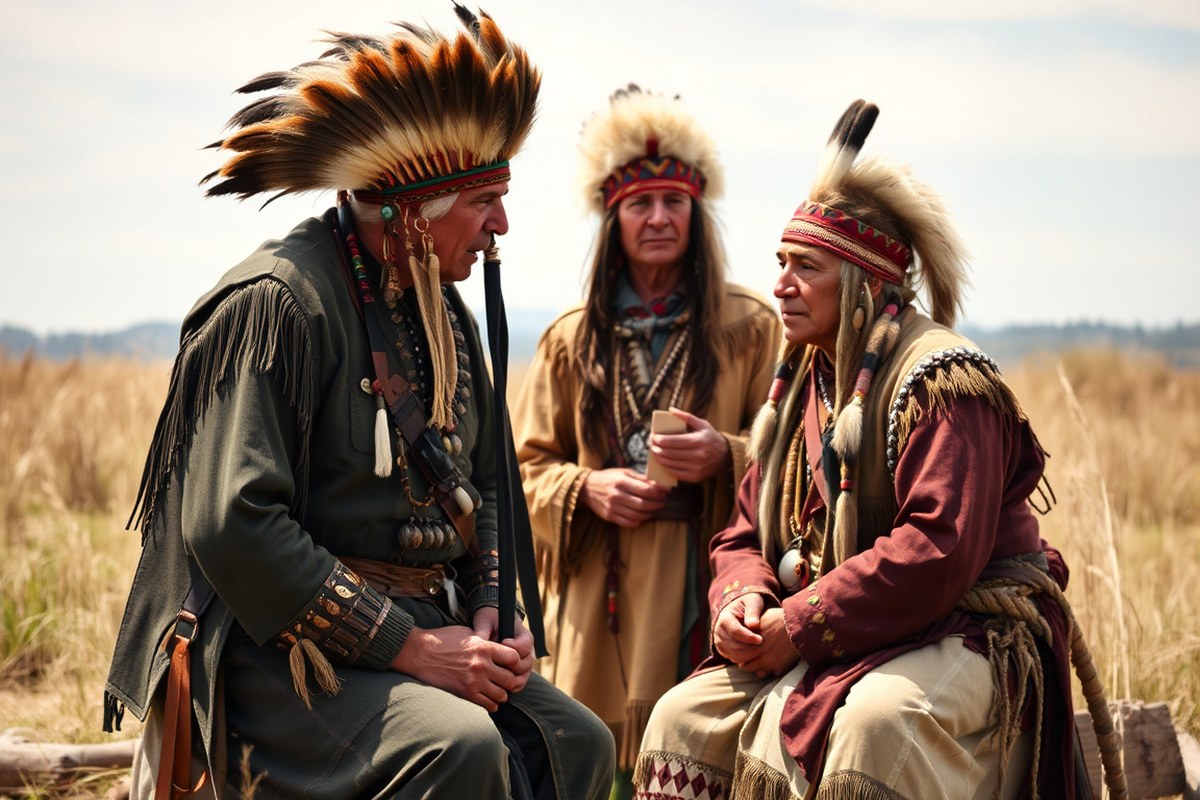
Yes, Native American tribes did take land from each other before Europeans arrived. They used warfare, alliances, and diplomacy to gain or lose territory. Control of land shifted through battles or agreements based on strategic needs and relationships.
War often caused land shifts when tribes fought for hunting grounds or resources. Some conflicts were brief raids while others were longer wars. Alliances sometimes brought peace or joint control over lands, showing tribes used both force and negotiation.
Diplomacy included marriage ties and council meetings to settle disputes without violence. Tribes might trade land or recognize shared boundaries to avoid fights. These methods helped maintain stability or build power when peaceful options worked better than war.
How Indigenous Concepts of Land Ownership Differed from Europeans

Native tribes often saw land as a shared resource rather than private property. Land was communal, sacred, and something to steward for future generations. This meant no individual could own large parcels or sell land like Europeans did.
This communal approach worked by linking land to group identity and spiritual beliefs. Tribes used the land for hunting, farming, and gathering.
But no one “owned” it in a legal sense. Their rights focused on use and care, not exclusive control.
European settlers, however, viewed land as a commodity that could be bought, sold, and fenced off. They expected clear legal titles and individual ownership. This clashed sharply with Indigenous customs and caused many disputes.
Settlers often believed Native peoples were inferior because they did not develop land commercially. This belief justified taking land through treaties or force.
It claimed Indigenous people did not use land “properly.” This idea served as a reason to seize their land.”
These different views meant Europeans misinterpreted Indigenous agreements. For example, communal use often looked like no ownership to settlers.
So they ignored Native rights. This misunderstanding fueled conflicts and loss of Indigenous lands.
Some Indigenous groups adapted by adopting European legal tools for land claims. Others tried to keep communal practices alongside new systems. Still, many struggled because settlers controlled legal and political power.
Respect the land’s cultural value and communal role to avoid repeating historic misunderstandings.
Common Causes and Methods of Land Transfer Among Native Tribes
Native American tribes changed land control through war, alliances, marriage, treaties, and trade. These methods reflected their social and political systems. All showed respect for negotiation and adapted to different situations.
War and Conquest
War was a common way tribes expanded or defended land. Successful raids or battles could result in gaining territory. Sometimes wars were seasonal and linked to resource needs or retaliation.
Clashes could be brief or last years, reshaping borders several times. Victorious tribes enforced control through settlements or tribute demands. Defeated groups might be absorbed or pushed out.
Diplomatic Alliances and Marriage
Marriage often sealed alliances בין tribes and changed land control. Marrying into another tribe could create shared rights over land and resources. Leaders used marriage strategically to build peace and trust.
Alliances could include mutual defense or joint use of hunting grounds. These agreements helped avoid wars and strengthened social bonds. Sometimes a tribe gained temporary access without full ownership.
Peace Treaties and Mediation
Disputes sometimes ended through negotiated treaties and mediators. Tribal leaders met to discuss terms, often guided by elders or respected figures. Peace treaties clarified boundaries and relationships without fighting.
These talks required patience and compromise from all sides. Treaties could include agreements on hunting rights, land sharing, or compensation. Mediators helped keep agreements respected and prevent new conflicts.
Trade and Land Exchange
Trade sometimes involved exchanging land or usage rights. Tribes might trade territory for goods, alliances, or peace. These exchanges were often temporary or conditional.
Land deals used clear terms agreed by both sides. Exchanges avoided violence and built relationships. Some land rights passed through generations by respecting these agreements.
- War could seize land or enforce boundaries after victory
- Marriage linked tribes and shared land use privileges
- Peace treaties settled disputes without bloodshed
- Mediators helped enforce fair terms and prevent war
- Trade included exchanges of land and resource rights
- Temporary use of land was common in alliances
- All these methods respected balance and community needs
How European Contact Changed Indigenous Land Conflicts and Ownership
European arrival brought deadly diseases that wiped out large parts of Indigenous populations. This loss weakened tribes, making it harder to defend their lands or maintain traditional ownership. Many communities faced pressure to accept land laws from Europeans.
These laws clashed with Indigenous customs. This caused confusion and conflict.
The new land laws allowed outsiders to claim Indigenous territories through treaties or force. Tribal leaders often signed treaties under pressure or unfair conditions. These agreements made tribes lose much of their land.
The losses were large and painful. The military and government forced many tribes off old lands.
This caused fights over smaller and smaller areas. Tribes struggled to hold onto their territories.
Colonization also brought economic shifts that increased competition for land. European settlers and companies wanted land for farming, mining, and development. Indigenous groups sometimes had to fight each other for resources.
They also formed new alliances to protect their lands. These choices were about survival.
Tribes lost much more land to Europeans than to one another. Europeans split and sold Native lands, both legally and not. This took away huge tracts from the tribes.
Land losses happened because of war, laws, and government actions. Rules like allotment took away tribal lands. The government also gave lands to settlers and states.
Land changes weren’t only about treaties. Federal policies and government decisions controlled land transfers too. This made taking land complex and official.
Tribes faced forced moves like the Trail of Tears. They were sent to unknown lands with poor conditions. These pressures caused much hardship.
These moves caused hardship and intensified conflicts both within and between Indigenous communities. Land disputes increased as tribes tried to assert ownership over smaller areas and protect their people.
Some land returns, like the National Bison Range to tribes, show attempts to fix the past. Yet these cover only small parts of lost lands. Bringing land back takes many legal and political steps.
Examples of Inter-Tribal Land Conflicts and Transfers with Dates
Inter-tribal land conflicts and transfers happened many times in Native American history. Some involved violence and conquest, while others were peaceful agreements. The outcomes varied from long-lasting wars to negotiated treaties that changed who controlled land.
Great Lakes Region Conflicts
Several tribes around the Great Lakes fought over land in the 1600s. The Iroquois Confederacy and the Huron were key players. They fought hard to control this area.
The Iroquois expanded their territory through wars known as the Beaver Wars. These conflicts lasted for many decades.
Control shifted over large areas of New York and Ontario. The battles changed the map often.
Besides fighting, some tribes made alliances and land treaties to settle disputes. Land ownership was often fluid, with seasonal use agreements common. The struggles for fur trade dominance also made territorial claims more intense.
Southwest Tribal Land Transfers
In the Southwest, tribes like the Navajo and Apache fought over land in the 1700s and 1800s. They used raids and peace talks. Both ways helped them survive.
Some transfers happened through what Europeans later called land purchases. But Native customs emphasized communal use more than fixed ownership. These conflicts affected hunting and farming areas and lasted for years, sometimes ending in peace pacts.
Land transfers could also happen through marriage alliances between tribes. This helped reduce violence and integrate different groups peacefully. However, competition over scarce water sources often triggered disputes.
Northeast Treaty Examples
The Northeast saw many land deals from 1600 to 1800. Tribes like the Iroquois and Mohican were involved. These deals shaped tribe relationships.
These agreements sometimes followed conflicts but also included trading land for goods or military alliances. The “Manhattan for beads” story is a simplified take on these long negotiations.
Some treaties began as oral agreements and later became written deals with European settlers. They sometimes limited tribes’ hunting rights rather than full land control. These compacts often lasted decades but sometimes broke down as settlers pushed inland.
Plains Territorial Expansions
Plains tribes, including the Lakota Sioux, moved across the Great Plains. They displaced other groups in the 1700s and 1800s. This growth changed the area’s population.
Their mobility with horses gave them an advantage in warfare and allowed quick expansion. Conflicts over hunting grounds and buffalo herds lasted years and involved multiple tribes.
The Lakota sometimes absorbed smaller defeated tribes, increasing their territory. These expansions changed the balance of power and land use dramatically. Peace treaties were rare but occasionally formed to manage borders.
Here is a table showing some key examples of inter-tribal land conflicts and transfers across regions:
| Region | Tribes Involved | Dates | Type of Conflict/Transfer | Outcome |
|---|---|---|---|---|
| Great Lakes | Iroquois, Huron | 1600s, 1700s | Military conquest and alliance treaties | Iroquois expanded territory, peace treaties formed |
| Southwest | Navajo, Apache | 1700s, 1800s | Raids, peace negotiations, land use agreements | Partial land transfers, peace pacts, ongoing disputes |
| Northeast | Iroquois, Mohican | 1600, 1800 | Land treaties and trade agreements | Territorial limits, hunting rights defined |
| Plains | Lakota Sioux, other tribes | 1700s, 1800s | Territorial expansion by warfare | Lakota dominance increased, occasional peace treaties |
Studying these cases shows land fights were complex. They involved politics, culture, and the need to survive.
It wasn’t just stealing land. Understanding the time and context helps you see the complexity behind land shifts.
Keep in mind many conflicts were long-term and involved alliances, not just quick raids or thefts.
Legal and Diplomatic Tools Indigenous Peoples Used to Manage Land Ownership
Native nations often used formal treaties and councils to manage land issues. These agreements helped set shared rules for land use and ownership. Treaties could be between different tribes or with other groups, creating clear boundaries and responsibilities.
Creating a treaty involved leaders from each group meeting to discuss land claims. They worked out terms both sides agreed on. Sometimes witnesses helped.
Sometimes a council kept a record of the deal. This process gave land agreements political recognition and helped prevent disputes.
Councils served as governance tools within tribes to resolve land conflicts. They listened to claims and evidence from members before deciding who held rights to certain areas. These systems gave tribes a way to contest or confirm land ownership without violence.
Some tribes maintained ongoing diplomatic relations through trade and marriage ties, reinforcing treaty obligations. Those relationships also helped smooth tensions and settle disagreements peacefully. This network of alliances worked like a political and legal system for land matters.
Using these tools took time and trust. Meetings often happened during seasonal gatherings when travel was easier. Leaders had to balance local customs and outside pressures, so agreements could get complicated.
When done well, treaties and councils kept peace and established respected land boundaries. Without these systems, conflicts could escalate into warfare. Sometimes agreements failed if groups didn’t honor them or outside forces ignored tribal authority.
European colonists later adopted treaty-making but often imposed unfair deals on Indigenous nations. Despite that, many Native nations continue using treaties and councils today. They serve as important legal tools to protect their lands and rights.
How U.S. Policies and Treaties Supplanted Indigenous Land Rights
The U.S. Government used treaties and laws to take Native lands on a massive scale. It often ignored or broke earlier agreements with tribes. This approach went far beyond how Indigenous groups settled land disputes among themselves.
Federal laws and executive orders forced many tribes to give up their lands. People were pushed off their territories through removals or land cessions.
For example, early U.S. Military actions cleared white settlers out of the Northwest Territory. This made the land open for the U. Government to use.S. Government.
Once the government got legal title, they sold these lands for profit. It cost them pennies per acre. But they often resold the land for about 10 to 15 times that amount.
Buyers included traders and Indian agents. Land speculators also wanted to profit from the new lands.
This process differed sharply from Native-to-Native conflicts. Tribes traditionally managed land through negotiations, trade, or alliances without permanent forced removals. U.S. Policies aimed to remove tribes completely.
This erased their ties to the land. It also hurt their identities.
The government also launched campaigns to “civilize” Indigenous peoples. This meant efforts to erase Native languages, cultures, and governance. These policies worked with land seizures to weaken tribal sovereignty and control over traditional territories.
Modern Efforts to Recover and Protect Indigenous Lands
Some tribes have regained land through purchases and government actions. These efforts link to a broader “land back” movement. It aims to correct historical losses of Indigenous territory.
Tribal Land Purchases
Many tribes buy back ancestral lands to protect their heritage. These purchases often happen through tribal funds or partnerships. Sometimes they pay more than market value to defend their territory from outside buyers.
For example, some Anishinaabe bands bought land at inflated prices. Land speculators wanted to profit from the tribe’s need to hold onto their homelands.
Buying land involves careful legal checks and significant money. Costs vary widely depending on location and size. Tribes balance priorities between cultural sites and economic resources.
Federal Restitution and Land Back
Federal government programs offer limited land returns and financial support. Restitution measures respond to decades of forced land losses. But these returns cover only a tiny fraction of the original lands taken.
Indigenous activists push for more land transfers and reforms. These efforts are part of the ongoing land back movement linked to treaty rights and sovereignty.
- Tribal land claim settlements
- Federal land buyback programs
- Congressional authorizations for land transfers
- Grants for land stewardship and management
- Legal advocacy for treaty enforcement
Tribes often work with government agencies to navigate complex processes. Having legal expertise and political support helps avoid delays or setbacks.
Don’t expect fast results; government land restitution can take years or decades.
Community and Cultural Land Use
Recovered lands often support cultural renewal and ceremonies. They provide places for language preservation and traditional practices.
Inter-tribal conflicts over land today are rare compared to outside pressures. Most tribes use shared planning to manage borders and resources peacefully.
Community involvement strengthens land care efforts. Shared stewardship can improve ecological health and foster unity.
How to Learn More About Indigenous Land History
Explore the history of Native American land conflicts yourself with this simple plan.
- Day 1: Read a basic book or article on Native American history to get key facts.
- Day 3: Find reputable websites or tribal archives online about specific tribes.
- Week 1: Watch documentaries on Indigenous land treaties to see legal impacts.
- Week 2: Attend a local cultural event or lecture about Native land rights.
- Week 3: Compare different Indigenous and European views on land ownership.
- Week 4: Reach out to Indigenous organizations for educational resources.
- After 1 month: Reflect on what you’ve learned and discuss with others to deepen understanding.
Frequently Asked Questions
Did Native Americans Have Different Land Ownership Systems Than Europeans?
Yes, Native Americans often saw land as communal, not privately owned. This shaped how they used and shared land.
Did Native Tribes Use Treaties to Handle Land Disputes?
Yes, they used treaties and negotiations to settle land issues. These were diplomatic tools to avoid conflict.
Were Native American Land Conflicts Common Before European Arrival?
Conflicts did happen but on a smaller scale than after Europeans came. Many tribes formed alliances to manage disputes.
Did U.S. Policies Break Up Native Communal Lands?
Yes, laws like the General Allotment Act split tribal lands. This led to significant loss of Indigenous territory to outsiders.
Did Native Americans Ever Willingly Give Up Their Land?
Often, tribes were forced to cede land under pressure or bribery. Voluntary land sales were rare.
Has Native Land Loss Affected Modern Indigenous Communities?
Yes, land loss has contributed to social and economic challenges today. It affects identity and tribe sovereignty.
Final Thoughts
Native Americans did have land conflicts, but they followed their own rules and customs. These differed greatly from European ideas about land ownership. Start by exploring local tribal histories to see how they managed land and its meaning.