What’s the Difference Between Annual and Perennial Flowers a Complete Guide for Gardeners
What’s the difference between annual and perennial flowers is a common question in gardening. Annuals live only one season, blooming heavily until frost kills them. Perennials come back year after year, often for many seasons with proper care.
You can think of annuals as quick bursts of color and perennials as long-term garden staples. Annual flowers usually cost less but demand more replanting every year. Perennials take more effort upfront but save you work in the long run.
Picking the right garden mix depends on your space size. It also relies on how much time you can spend caring for it. Choose based on what fits your availability and area.
Start with hardy perennials as a base, then add annuals to fill gaps with bright blooms. Watch your zone’s climate when picking both types to ensure they thrive outdoors.
Key Takeaways
- Annual flowers live and bloom for just one growing season.
- Perennials return and bloom for multiple years with proper care.
- Annuals usually cost less but need planting each year.
- Perennials require more upfront care but last longer.
- Build a garden’s backbone with perennials then add annual color.
- Check your plant hardiness zone to pick suitable flowers.
What Are Annual and Perennial Flowers?
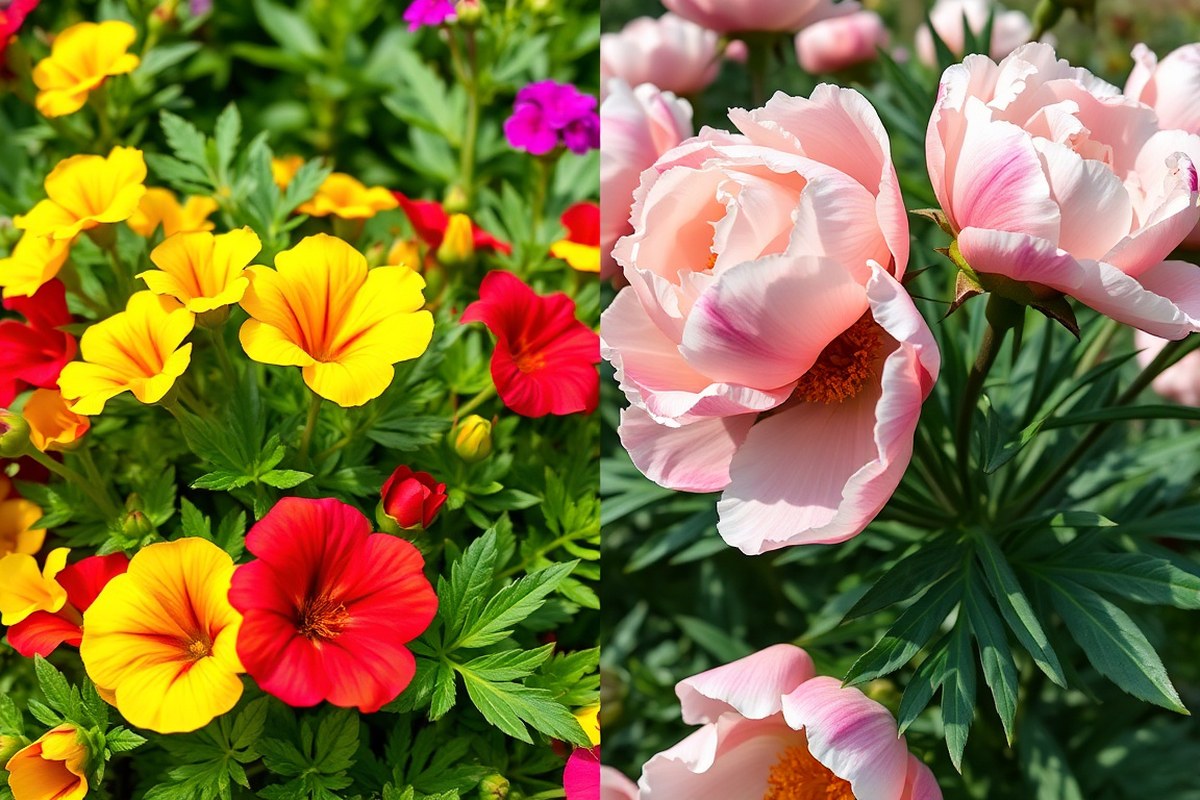
Annual flowers complete their entire life cycle in one growing season. They sprout from seed, bloom, produce seeds, and then die within a few months. This cycle usually happens from early spring to autumn, depending on your climate and planting time.
Perennial flowers live for three or more years, often coming back each spring. These plants grow and bloom for a few weeks to months. After that, they go dormant during winter.
You generally plant perennials in spring or autumn. Their lifespan depends on your hardiness zone.
Biennial plants live for two years, which makes them different from both annuals and perennials. In their first year, biennials grow leaves and roots but don’t flower. They bloom and produce seeds in the second year.
After that, they die. They often self-sow for the next generation.
Knowing the type of plant you have helps with garden planning and care. Annuals often need replanting each year but provide long bloom periods. Perennials cut down on yearly planting but usually offer shorter flowering spans per season.
Hardy annuals tolerate light frost and bloom all season. This makes them good for early cutting flowers. Tender annuals die if frost hits them.
So plant them after the last frost date. Perennials vary widely; some might survive your winter. Others might need extra care or protection.
How Do Growing Seasons and Lifespans Differ?
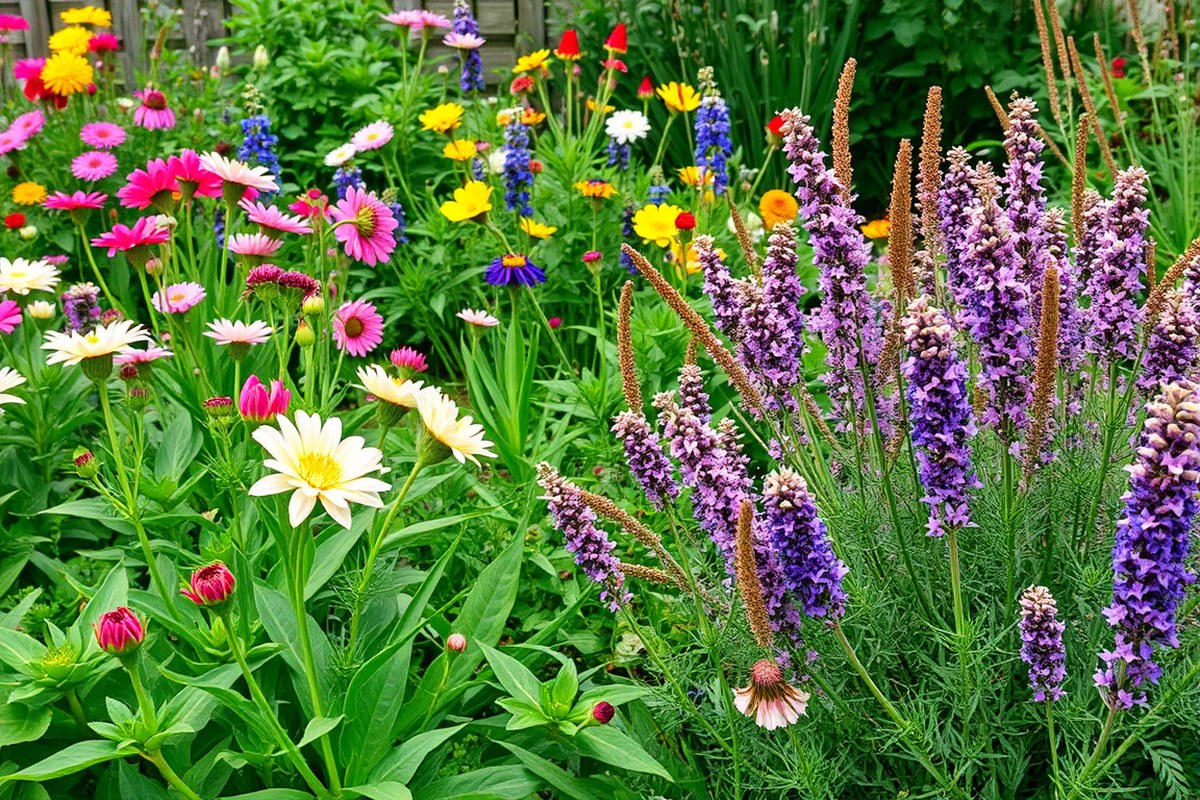
Annual plants live for just one growing season. They sprout, bloom, set seed, and then die within months.
Their bloom time lasts several weeks to a few months. You get nonstop color during this period.
Perennials live for multiple years, often from three to 15 years with proper care. Many popular perennials like peonies and irises return every spring and bloom for a few weeks. Some, like daylilies and hydrangeas, can live even longer and produce flowers yearly.
Not all perennials live long. Some are short-lived and may only last two or three years. Examples include certain varieties of astilbe and bleeding heart.
These plants need replacing more often than others. Still, they come back for several seasons if healthy.
Annual bloom periods are usually longer than most perennials within a single season. Annuals focus their energy on producing many flowers quickly since they don’t return. Perennials often have a shorter bloom time each year but keep coming back without replanting.
In colder zones, some perennials die back to the ground in winter and regrow in spring. Bulbs like tulips need cold dormancy to bloom again.
They might skip a year if the weather changes. Meanwhile, evergreen perennials hold some leaves all year, adding structure beyond blooming.
Planting a mix of annuals and perennials extends garden color. It also reduces yearly effort.
How Plant Hardiness Zones Affect Annual and Perennial Choices
Hardiness zones explain why some plants live through winter and others don’t. Perennials that survive year-round usually match or exceed your zone’s cold limits. Tender perennials cannot handle frost.
They act like annuals in colder zones. This means you replant them every year.
Some plants are perennial in warm zones but only annuals farther north. For example, tomatoes are perennial in their native climates but die off in cold winters. Knowing your zone helps pick plants that survive as perennials instead of losing them to frost.
| Plant Type | Climate Needs | Garden Role by Zone |
|---|---|---|
| Hardy Perennials | Cold hardy inside or below your zone | Perennial in most zones; comes back every year |
| Tender Perennials | Cold sensitive; survive only in warm zones | Annual in cold zones; perennial in warm zones |
| Hardy Annuals | Tolerate some chill but complete lifecycle in one year | Grown and replanted yearly; some live longer in warmer zones |
| Half-Hardy Annuals | Sensitive to frost, die with frost arrival | Grown as annuals; shorter growing seasons affect bloom |
Choosing perennials just two zones harder than your location boosts survival chances in winter. Pots dry out and freeze faster.
So hardy selection is even more critical for container plants. Covering borderline hardy perennials with mulch or frost cloth adds insurance against cold snaps.
Plants called “temperennials” are tender perennials you can try in colder gardens. Grow them as annuals or bring them indoors for winter. Some gardeners protect these by staking, mulching, and watering well before frost to increase their odds.
Understanding hardiness zones keeps you from wasting money on plants that won’t survive winter outdoors. Perennials cost more than annuals but can save time over years if your climate suits them. You can test hardy and tender labels in your zone.
Watch which plants come back each spring. This will show you which plants survive.
Comparing Cost, Maintenance, and Garden Impact
| Goal/Need | Choose Perennials When… | Choose Annuals When… | Zone 6B Application Note |
|---|---|---|---|
| Budget/Value | You want to invest in the garden’s “bones” for the long term | You need maximum color at a low initial cost per season | Plant perennials early in the season or in fall before frost |
| Effort/Time | You want to reduce yearly planting and buying despite periodic care | You don’t mind replanting yearly but want less daily watering worry | Know mature perennial needs to plan care during hotter months |
| Cost for 10 plants over 3 years | $145 to $265, higher upfront but spread over seasons | $150 to $255, lower per plant but needs replacement yearly | Perennials may require more watering in their first year |
| Maintenance | Higher annual maintenance including pruning, dividing, and winter prep | Requires replanting yearly plus regular watering and fertilizing | Annuals require more watering during growing season, especially summer |
Annual flowers usually cost less per plant but must be replanted yearly. They need frequent watering and fertilizer during their single growing season. Expect more time spent planting each spring but less pruning or winter work.
Perennials cost more at purchase and need more care over years. They require pruning, dividing, and winterizing to thrive long-term. Once established, they can reduce the need for frequent replanting and provide a steady garden framework.
Water needs differ. Annuals often demand more watering since they grow fast and do not store energy for droughts. Perennials need water when they’re young to grow strong roots.
Once mature, their roots grow deep. They don’t need watering as often then.
To reduce maintenance, mulch around perennials to keep roots moist and suppress weeds. Choose drought-tolerant annuals to cut back on watering. For both, group plants with similar needs to make watering and feeding easier.
Popular Annual and Perennial Flowers by Zone
Choosing the best annuals and perennials depends on your USDA zone. Cooler zones favor hardy annuals and some resilient perennials. Warm zones allow tropical plants and heat-tolerant perennials that bloom longer and require less replanting.
Best Annuals for Cooler Zones
Annuals like pansies and violas thrive in cooler climates. They offer early spring color and can bloom again in fall with the right care. Marigolds handle warm days but also adapt well to shorter cool seasons.
Trailing petunias work great in containers because of their continuous bloom. Zinnias and gomphrena are perfect for seed starting indoors and offer a long flowering season outdoors. These flowers suit zones 6B and colder well.
- Pansies and violas for early spring and fall color
- Trailing petunias for constant blooming in containers
- Zinnias and gomphrena good for cut flowers and planters
- Marigolds provide bright, warm-season color
- Consider self-seeding varieties to reduce replanting work
Cold nights can hurt tender annuals, so watch for frost warnings.
Top Perennials for Warm Climates
Perennials like daylilies and bee balm do well in warm zones. They live multiple years and come back reliably from year to year. Black-eyed Susan and peonies add depth with various heights and textures.
Plants like salvia, catmint, delphinium, and penstemon grow best in zones 3 through 9. Some of these plants can also handle zones 10 or 11.
They’re a good choice if you want flowers that don’t need frequent replanting. Their bloom times can extend from spring through fall.
Versatile Flowers for Multiple Zones
Some flowers grow well in many zones, giving more flexibility. Annuals such as zinnias and marigolds grow well in zones 3 to 11.
They tolerate both cool and warm climates. Perennials like bee balm and salvia also handle wide temperature ranges.
These flexible plants help you fill space instantly with annuals while waiting for perennials to mature. Use them in garden beds, containers, or cut flower gardens. They offer reliable blooms in various climates and require minimal extra care.
Flowers with Long Bloom Durations
Annuals such as trailing petunias can bloom nonstop until frost. Their ability to continually produce flowers makes them great for containers and quick color. Self-seeding annuals also help maintain blooms year after year without replanting.
Perennials like daylily and salvia have longer blooming periods, typically from early summer to fall. These flowers add lasting color that comes back without planting every year. Picking these varieties reduces time spent on garden upkeep.
How to Choose Between Annuals and Perennials for Your Garden
Choosing annuals or perennials depends on your garden size, design, and maintenance needs. Annuals offer quick, vibrant color while perennials build lasting structure. Mixing both types often gives the best balance of bloom and care.
Consider Your Garden Style and Goals
Annuals come in many colors and shapes, perfect for brightening small or container gardens. They bloom all season, filling gaps before perennials flower or after they fade. Perennials suit gardens where you want long-term plants that grow year after year.
Think about your space and what you want your garden to look like across seasons. If you like changing your display yearly, annuals give more options. For a stable, mature look, choose perennials with forms that add texture and height.
Budget and Maintenance Factors
Annual flowers usually cost less upfront but require buying new plants yearly. Perennials cost more initially but last many years, which saves money long-term. Keep in mind annuals demand more frequent watering and deadheading.
Perennials need less daily care but need occasional dividing and pruning to stay healthy. Gardeners who want low work might prefer perennials mixed with a few easy annuals. Those who enjoy planting and changing layouts annually may lean on annuals more.
- Annuals cost about 30% less per plant but need yearly replacement
- Perennials may live from 10 to 60 years depending on species
- Annuals offer all-season bloom, ideal for dynamic color
- Perennials add texture and form through multiple seasons
- Annuals often require weekly watering and deadheading
- Perennials demand less frequent but seasonal maintenance tasks
- Protect tender plants in cold zones with mulch or move containers indoors
Strategies for Year-Round Color
Use annuals to bridge color gaps between perennial blooms. Place annuals in containers or garden edges where their quick growth shines. This keeps your garden lively while perennials establish or go dormant.
Combine tall perennials with low-growing annuals to fill spaces and add contrast. This mix creates interest with varied heights and blooming times. Aim for plants that thrive in your climate zone to reduce extra effort.
Common Misconceptions and Exceptions About These Flowers
Some annual flowers can reseed themselves, making it seem like they come back each year. This often happens with plants like zinnias and portulaca, which scatter seeds nearby before dying.
You might notice new plants sprouting in spring where you didn’t plant any. But these aren’t the same plants returning, they are seedlings from last year’s flowers.
Gardeners often mistake this for the plants being perennials. True perennials live for multiple years, regrowing from the same roots. Reseeding annuals only appear perennial because new plants sprout each season.
To stop annuals from spreading, deadhead the flowers regularly. Watch for seedlings that pop up in other spots. You can move those seedlings if you want to keep them.
Perennials can seem like annuals in places with harsh winters. For example, perennials hardy in Zone 6B survive winters by going dormant underground.
But gardeners in colder zones might lose those same perennials to frost. That means those plants won’t return in spring unless you treat them as annuals.
To avoid disappointment, check a plant’s zone rating before planting. If you buy a perennial rated for Zone 7, it might not survive winter in Zone 5. Planting it outside its hardiness zone is risky in cold seasons.
Choose plants suited for your zone instead. You can try protecting it with heavy mulch or bring container perennials indoors. But this takes extra effort and may cost time or money.
Choosing plants without considering your climate and the plant’s hardiness often leads to errors. Some pick perennials expecting them to last, not realizing winters kill them. Others avoid reseeding annuals because they think they’ll spread wildly when they might only reseed modestly.
Look at each plant’s behavior in your specific garden zone. Keep notes each season about which annuals reseed and which perennials returned.
Over time, you’ll spot patterns and avoid surprises. This approach helps you shape your garden to your style and regional conditions.
How Climate and Care Affect Flower Longevity and Success
Climate affects how well annual and perennial flowers grow and last. Warmer winters may let some annuals live longer and bloom again. Care like pruning, soil prep, and watering also changes how perennials fare year after year.
Soil Preparation and Mulching Tips
Good soil helps both annuals and perennials thrive. Aim for soil that drains well but holds some moisture. Add compost or aged manure before planting to boost nutrients.
Mulching keeps soil temperature steady and stops weeds, which saves water and reduces stress on plants. Use 2 to 3 inches of organic mulch like wood chips or straw.
Spread it evenly around the base of the plant. Keep mulch from touching the stems.
Too much mulch piled against stems can cause rot or pests to settle in.
Pruning and Dividing Perennials
Trimming perennials helps them live longer and bloom better. Cut back dead or weak stems early in spring when new growth starts appearing. This opens space for healthy shoots.
Dividing crowded perennials every 3 to 5 years stops them from fading. It spreads the plant and refreshes the bed with new roots. Follow these steps to prune and divide your perennials:
- Wait for early spring or late fall, depending on the plant type.
- Cut back the old foliage to about 4 to 6 inches above the ground.
- Dig up the entire clump gently using a spade or fork.
- Separate the root ball into smaller sections, each with roots and shoots.
- Replant sections promptly at the same depth they grew before.
- Water the new divisions well and apply mulch to retain moisture.
- Keep the soil moist for a few weeks while plants re-establish.
Prune too late, and you might cut off buds that would bloom soon.
Adapting to Warmer Winters and Wetter Springs
Warmer winters may let some annuals live through the cold, acting like perennials. Watch for early growth and adjust watering to prevent rot. You might see unexpected blooms in your garden.
Wetter springs increase root diseases and slow drying. Improve drainage using raised beds or adding sand to heavy soil. Water less during wet spells to avoid drowning roots.
To adjust care, check soil moisture daily. Trim damaged leaves or stems right away to stop disease spread. You might also need to use products that target fungal problems during damp periods.
Your First Steps to Choosing and Growing Annuals and Perennials
Use this action plan to pick the right flowers and help them thrive in your garden.
- Before planting: Check your hardiness zone using an online map. It tells you which perennials can survive your winters.
- Week 1: Decide if you want quick color or long-term plants. Annuals bloom fast but perish each year, perennials return annually.
- Week 2: Pick specific flower types that suit your garden’s sun and soil conditions. Match plants to their needs for best growth.
- Plant day: Follow planting instructions for depth and spacing carefully. Healthy starts show as firm stems and bright leaves after a week.
- Week 3, 4: Water regularly but avoid overwatering, which harms roots. Look for steady, green growth as a success sign.
- Month 2: Add mulch to keep soil moist and reduce weeds. Check for pests. Healthy leaves with no holes mean good care.
- Ongoing care: Cut back annuals after flowering to control neatness. For perennials, prune dead parts in early spring to boost new buds.
- End of season: Save seeds from annuals if you want to replant next year. Note which perennials did well to expand your garden gradually.
Frequently Asked Questions
Can Annual Flowers Ever Behave Like Perennials?
Yes, some annuals can reseed themselves and act like perennials by coming back the next year. This depends on your climate and the plant’s ability to drop seeds naturally.
Why Do Perennial Flowers Sometimes Die After One Season?
Some perennials behave like short-lived plants because of poor care or harsh weather. Also, some perennials may die back but regrow from roots the next year.
Do Annual Flowers Need More Fertilizer Than Perennials?
Usually yes, annuals need more fertilizer for vibrant blooms throughout their single season. Perennials store nutrients in roots and use less frequent feeding.
Can You Cut Back Perennials to Make Annuals Last Longer?
Cutting back perennials can extend or encourage new blooms but won’t turn them into annuals. Annuals naturally complete their life cycle in one season.
Does Soil Type Affect Annual or Perennial Flower Success?
Yes, perennials often prefer well-draining soil to return each year. Annuals can be more tolerant but do best in nutrient-rich, loose soils.
Are Perennial Flowers Better for Attracting Pollinators Than Annuals?
Perennials often support pollinators longer due to recurring blooms. Still, many annuals bloom heavily and attract different pollinator species during their season.
Key Points to Remember
Annuals and perennials serve different gardening goals. Pick plants that fit your climate and how much you want to care for them. Start with one type and learn how they grow in your yard before expanding.