Do Strawberry Plants Like Acidic Soil? Complete Guide for Healthy Growth
Do strawberry plants like acidic soil? Yes, they do best in slightly acidic conditions.
The ideal soil pH for strawberries ranges from 5.5 to 6.5. This balance helps strawberries absorb nutrients efficiently and grow strong.
Soil pH affects nutrient availability, which is why keeping it in the right range is important. You can test your soil’s pH using a simple kit or a digital meter. Adjusting pH too quickly or without testing can harm your plants.
Starting with a soil test in spring is smart. It gives you time to amend soil before planting strawberries.
Test your soil’s pH. Use lime to raise it or sulfur to lower it slowly.
Strawberries in the correct pH range usually produce sweeter and healthier fruit. Overly acidic or alkaline soil can stunt growth and invite diseases. Regular pH checks help you catch problems early and keep your plants happy and productive.
Key Takeaways
- Strawberries grow best in soil that is a bit acidic, with a pH from 5.5 to 6.5.
- Test soil pH regularly, especially before planting in spring.
- Use agricultural lime to raise pH if the soil is too acidic below 5.5.
- Add elemental sulfur or coffee grounds to lower pH if above 6.5.
- Incorporate amendments into the top 6, 8 inches of soil for best effect.
- Wait 4, 6 weeks after applying amendments before retesting soil pH.
Do Strawberry Plants Prefer Acidic Soil?
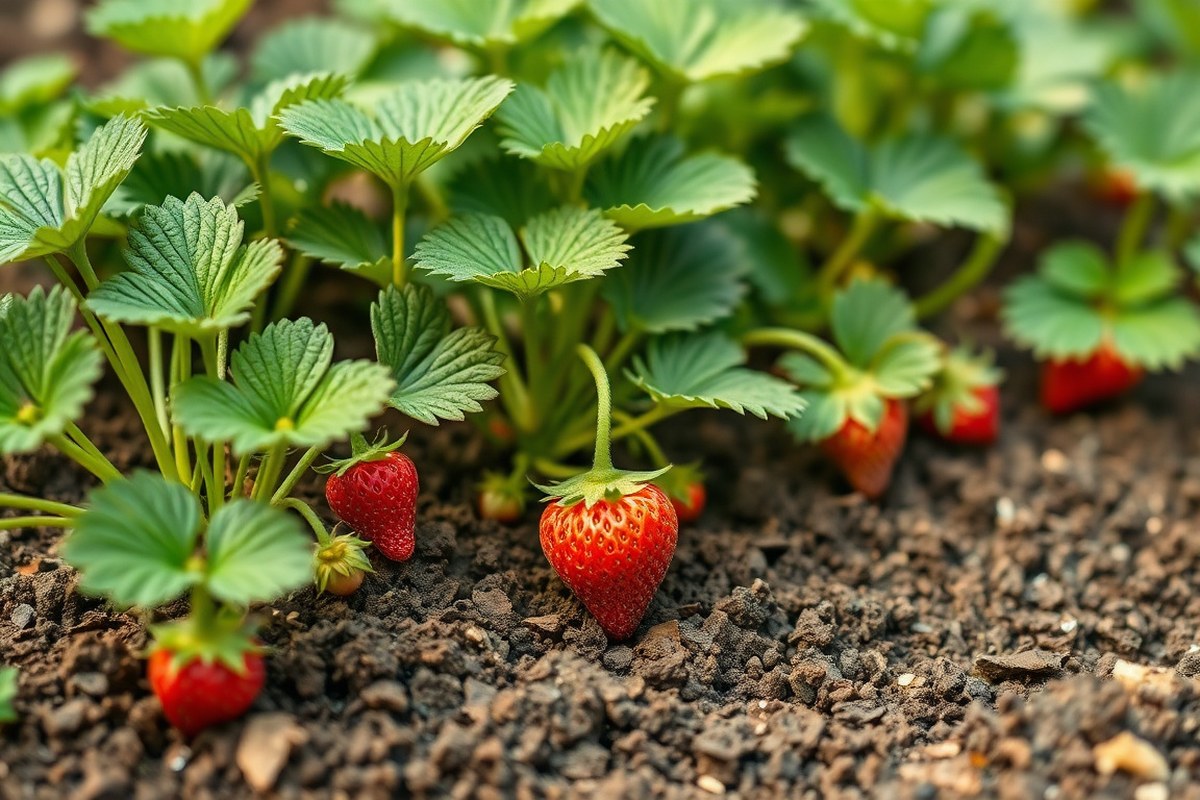
Strawberry plants like slightly acidic soil. Their ideal soil pH falls between 5.5 and 6.5. This range helps them absorb nutrients and grow strong.
Soil that’s too acidic or too alkaline can block nutrient uptake. For example, when pH drops below 5.5, nutrients like nitrogen bind up and become scarce. That stunts the plant’s growth and reduces fruit yield.
If your soil tests above 6.5, your strawberries may still grow but not as well. Soils with pH above 7.0 can cause problems that slow development and cut fruit production. Keeping pH between 5.5 and 6.5 helps plants thrive.
Why Soil pH Matters for Strawberry Growth

Soil pH affects how well strawberry plants can absorb nutrients from the soil. When the pH is between 5.5 and 6.5, most essential nutrients like nitrogen, phosphorus, and potassium stay available to the plants. Nutrients can get locked up outside this pH range.
This causes stunted growth and fewer flowers. Smaller harvests happen as a result.
Strawberries do best in slightly acidic soil, just below neutral pH. This helps plants absorb iron and manganese easily. Too much acidity, below 5.5, blocks other nutrients and hurts fruit quality.
Besides nutrient supply, acidic soil encourages beneficial microbes that can fight diseases naturally. These helpful microbes break down organic matter and compete against harmful bacteria or fungi. Keeping soil pH around 5.5 to 6.5 promotes this microbial activity, which lowers disease risks and supports stronger strawberry plants overall.
Test your soil pH regularly to spot changes early. Keep nutrients balanced for healthy strawberries. This helps avoid problems with growth and fruit.
How to Test Soil pH for Strawberries Accurately
Test soil pH before planting strawberries to get the best growth. Use a soil test kit or send samples to a local lab for accurate details. Check soil pH at least once a year or when you suspect it might have changed.
Choosing the Right Soil pH Test Method
Home test kits are affordable and give quick pH estimates. They usually cost between $10 and $25 and come with clear instructions. Labs give more exact results but you must send a soil sample.
They often charge $15 to $30 for testing. These labs provide detailed info compared to home kits.
Select a method based on your comfort and need for accuracy. New gardeners should try a home testing kit first.
It’s easy to use and gives quick results. For bigger beds or unsure results, a lab test gives detailed nutrient info.
Sampling Soil Correctly for Reliable Results
Take samples from several spots in your strawberry bed to get an average pH. Use a clean garden trowel or soil probe to pit at 4 to 6 inches deep. Avoid spots near compost piles, fertilizer, or old plants for unbiased results.
The soil should be dry and crumbly, not too wet or clumpy. Combine all soil samples in a clean bucket. Mix well to make one blended sample.
Then fill the test container or bag with this mix. This approach helps avoid misleading readings from one patch.
Interpreting Soil pH Test Results
Strawberries thrive in soil with pH between 5.5 and 6.5. Check that your test results fall within this range before planting.
Plan to change your soil’s pH if it’s too low or high. Do this well before you start planting.
Keep a record of test results to spot changes over time. Plant roots won’t absorb nutrients well if pH isn’t right.
Keep soil pH in the ideal range for best growth. Test soil yearly to ensure continuous healthy growth conditions.
- Gather soil testing supplies: a home kit or lab submission forms.
- Collect soil samples from 5 to 7 spots across your planting area.
- Mix samples in a clean bucket to create a composite sample.
- Allow soil to dry if too wet, breaking large clumps gently.
- Fill the test container or soil bag according to kit or lab instructions.
- Run the test using the kit or send the sample to the lab promptly.
- Read or wait for results, then compare them to the 5.5, 6.5 ideal range for strawberries.
- Record results and decide if you need to apply soil amendments before planting.
Signs Strawberry Plants Show When Soil pH Is Off
Strawberry plants struggling with soil pH often show clear symptoms. When soil is too alkaline, plants can’t take in iron, manganese, and phosphorus well. This leads to yellowing leaves and weak growth within a few weeks of active growth.
When the soil is overly acidic, below pH 5.0, potassium becomes less available. That can cause smaller fruits that lack good taste and poor overall fruit quality. You might also see stunted growth or uneven ripening of strawberries.
Here are common signs your soil pH might be off:
- Leaves turning pale yellow or showing yellow patches
- Slow or stunted plant growth
- Fruit size smaller than usual
- Poor fruit taste or uneven ripening
- Reduced overall yield and fewer berries
- Root problems from suppressed soil microbes
Strawberries absorb nutrients best in slightly acidic soil. The ideal pH is 5.5 to 6.5.
Outside this range, important minerals become harder for plants to get. You’ll see changes two to four weeks after growth starts, especially in young plants.
Poor fruit quality often means potassium or nutrient problems. These issues relate to soil acidity. You might notice off-flavors or low sugar levels in the berries.
Bright yellow, weak leaves usually show alkaline soil problems. This often means plants lack iron.
Checking your soil pH and adjusting it can fix these problems. But timing matters for best results.
How to Safely Lower Soil pH for Strawberry Plants
Lower soil pH safely by adding slow-acting acidifiers. Use granulated sulfur or organic materials. These options help adjust pH gradually for strawberries.
These options gently increase acidity without harming beneficial soil life. You can apply amendments gradually and test soil pH over weeks to avoid stressing your plants.
Using Granulated Sulfur for Acidification
Granulated sulfur is a popular and effective way to lower soil pH over time. Bacteria in healthy soil slowly convert sulfur into sulfuric acid, which increases soil acidity. It usually takes four to eight weeks for sulfur to start working well.
Apply between 1 and 4 pounds of granulated sulfur for every 100 square feet. Use a smaller amount if your soil’s pH is close to 6.5.
Increase the amount if the soil pH is higher than 7.0. Spread the sulfur evenly and water it well to activate bacteria.
- Test your soil pH to know baseline acidity.
- Calculate the amount of sulfur you need per 100 square feet.
- Wear gloves and a mask to handle the sulfur safely.
- Spread sulfur evenly over the soil surface area.
- Lightly water the area to begin bacterial action.
- Wait at least four weeks before retesting soil pH.
- Reapply sulfur in small amounts if pH is still too high.
Don’t apply sulfur too quickly or in large amounts. It can harm earthworms and microbes.
Applying Organic Amendments Like Coffee Grounds and Peat
Organic materials like coffee grounds, peat moss, and pine needles lower soil pH slowly. They work over time to gently acidify the soil. Use these with your strawberries for steady pH drop.
These amendments release mild acids as they decompose and improve soil structure. Coffee grounds are mildly acidic and supply nutrients, making them a good choice for strawberries.
Mix one to two inches of composted coffee grounds or peat moss into soil. Work it into the top six inches before planting. This helps slowly lower soil pH.
Organic amendments are safe for soil life and improve moisture retention. Expect gradual changes over several months rather than immediate pH shifts.
Natural Mulches That Maintain Soil Acidity
Mulching with pine needles, oak leaves, or shredded bark helps keep soil acidic. These natural mulches slowly break down and release acids beneficial for strawberry roots. They also protect soil microbes and prevent moisture loss, which supports healthy soil life.
Apply a 2- to 3-inch layer of natural acidic mulch around your strawberry plants. Replenish mulch every season to maintain acidity and soil health. Avoid using alkaline mulches like straw or fresh wood chips that can raise soil pH.
When Soil Is Too Acidic or Alkaline for Strawberries
Soil that is too acidic, below pH 5.5, can harm your strawberry plants. The roots struggle to absorb nutrients like calcium and magnesium, causing poor growth and weak fruits. You might notice stunted plants or yellow leaves if acidity is too high.
When your soil leans alkaline, above pH 6, add lime to fix it.5, strawberries face nutrient problems too. Nutrients such as iron, manganese, and phosphorus become less available, leading to deficiencies. The leaves may turn pale or develop spots, and flowering can drop.
To fix overly acidic soil, add lime specifically made for gardening. Spread about 5 pounds over 100 square feet. Then mix it into the top 6 inches of soil.
Do this several months before planting. Lime changes soil pH slowly, usually over 3 to 6 months.
In cases of very alkaline soil, elemental sulfur can help. Apply 1 to 3 pounds per 100 square feet before planting.
Mix it well into the soil. Sulfur reacts with soil bacteria to lower pH gradually, usually within a few months.
Adjusting soil pH requires patience and careful mixing. Retest the soil every few months after adding amendments to track changes.
Don’t add too much lime or sulfur at once. Sudden changes can stress your strawberries.
Good results mean strawberries have strong, green leaves and healthy berries. Roots grow deep and soil holds moisture well without pooling water. Problems like yellowing or poor blooms usually fade after pH moves into the proper 5.5 to 6.5 range.
Timing and Steps to Adjust Soil pH for Best Results
Adjusting soil pH for strawberries takes time, often several weeks. Start by testing your soil well before planting. Amend the soil early and retest regularly to keep the pH in the ideal range.
Ideal Planting Time and pH Testing Schedule
Test your soil’s pH at least six weeks before planting strawberries. This gives you time to adjust soil acidity properly. Add any soil amendments before planting or early spring, before new growth starts.
Plan to retest soil pH 4 to 6 weeks after applying amendments. This check helps confirm if the pH has moved into the desired 5.5 to 6.5 range. Testing early saves you from planting in unsuitable conditions.
Waiting Periods After Amending Soil pH
Soil pH changes slowly, often taking 4 to 6 weeks to show results. Lime or sulfur amendments need time to work into the soil. Don’t plant strawberries immediately after adding amendments.
Wait at least 1 month before retesting to see the full effect. Small pH changes call for cautious use of more amendments.
Add amendments little by little to avoid shocking the soil. Avoid overcorrecting, which can harm plant growth and nutrient uptake.
Routine Soil pH Monitoring Tips
Test soil pH twice a year for established strawberry beds, ideally in early spring and fall. Regular testing prevents pH drifting out of range. Adjust your soil care, watering, and feeding based on these results.
Keep a log with dates, amendment types, and test results. Note how pH varies over time and with weather. This record helps you notice patterns and plan future soil treatments.
Use this simple schedule to adjust soil pH for strawberries. Follow key steps in order to get the best results. Adjust soil pH well before planting begins.
| Step | When to Do It | Why |
|---|---|---|
| Initial Soil pH Test | 6+ weeks before planting | Time to plan amendments if needed |
| Apply pH Amendments | After initial test, before planting | Adjustment takes several weeks |
| Retest Soil pH | 4 to 6 weeks after amendments | Check if soil reached ideal pH |
| Plant Strawberries | When pH is within 5.5 to 6.5 | Ensure better nutrient uptake and growth |
| Routine Monitoring | Twice a year (spring & fall) | Maintain stable, proper pH levels |
Maintaining the right soil pH helps your strawberries grow healthy and produce more fruit. Adjusting pH takes patience and careful timing. Regular checks will save you from surprises during the growing season.
Avoiding Common Soil pH Mistakes for Strawberries
Testing soil pH incorrectly can lead to costly mistakes and wasted effort. Using cheap test kits might give you a wrong number. So consider sending a soil sample to a local extension service.
It usually costs $10 to $20 and gives a more accurate reading. Don’t rely on one spot. Test several areas to get a good average for your patch.
Adding soil amendments without knowing your soil type can cause problems. Clay soils hold on to amendments longer, so apply small amounts over time. Sandy soils lose amendments quickly, so you might need to reapply more often.
Avoid dumping large amounts of lime or sulfur at once. This shocks strawberry roots and can harm growth.
Make measuring and mixing amendments easy by following these tips:
- Use a soil pH meter or reliable test kit to check pH in multiple spots.
- Add lime slowly if your soil pH is too low. Use 5 to 10 pounds per 100 square feet. Spread it evenly across the area.
- Use elemental sulfur to lower pH slowly, about 1 to 3 pounds per 100 square feet.
- Mix amendments into the top 6 inches of soil before planting strawberries.
- Re-test soil pH about 3 months after adding amendments to check progress.
- Adjust watering to avoid washing away amendments, especially on sandy soil.
- Consider soil type: clay soils need less frequent amendment than sandy soils.
Amending soil can take weeks or even months to change pH noticeably. Be patient and avoid over-applying amendments, as this can swing pH too far.
Strawberries absorb nutrients best when soil pH stays between 5.5 and 6.5. So test regularly and adjust slowly to keep plants healthy.
Applying amendments slowly and checking pH regularly helps avoid damaging strawberry roots.
Step-by-Step Action Plan for Managing Soil pH for Strawberries
Follow these clear steps to get your strawberry plants thriving in the right soil pH. Check the plant’s response to see if you’re on track.
- Before planting: Test your soil pH with a kit for accurate readings around 5.5, 6.5. Adjust if outside this range.
- Week 1: Add elemental sulfur to lower pH if it’s above 6.5. Follow package directions closely.
- Week 2: Water the soil well to help the sulfur work. Retest the pH after three weeks to check changes.
- Month 1: If soil is still too alkaline, apply small doses of sulfur again. This helps avoid shocking the plants.
- Before planting new strawberries: Incorporate organic matter like peat moss or compost to boost acidity naturally.
- During growing season: Watch leaves and fruit for signs of pH issues. Look for yellow leaves or poor fruit quality.
- Every 3-4 months: Retest your soil pH to catch any changes and adjust as needed.
- After harvesting: Mulch strawberries with pine needles or wood chips to maintain soil acidity over winter.
Frequently Asked Questions
Do Strawberry Plants Like Acidic Soil?
Strawberry plants prefer soil with a pH from 5.5 to 6.5. In this pH range, they take up nutrients efficiently and thrive in gardens.
Are Coffee Grounds Good for Strawberry Plants?
Coffee grounds are good for strawberry plants because they are slightly acidic. They also add nitrogen and improve soil texture, which supports healthy strawberry growth.
How Do I Make My Soil More Acidic for Strawberries?
You can make soil more acidic by adding materials like sulfur or coffee grounds. It usually takes a few weeks to see the change. So start well before planting strawberries.
What Should Not Be Planted Near Strawberries?
Avoid planting strawberries near cabbage, broccoli, or tomatoes. These plants can compete for nutrients or share pests, which may harm your strawberry plants.
Should Strawberries Be Watered Every Day?
Strawberries should not be watered every day. Water them when the soil feels dry to keep roots healthy without causing rot or fungus.
Can Mulch Affect Soil Acidity for Strawberry Plants?
Yes, some mulches like pine needles can slightly acidify soil. Using the right mulch helps maintain the pH strawberries prefer and keeps soil moist longer.
Before You Go
Strawberry plants grow best in mildly acidic soil, usually between pH 5.5 and 6.5. Keep an eye on your soil pH with tests and adjust carefully if needed. Start by testing your soil this week, then take action based on your results.