
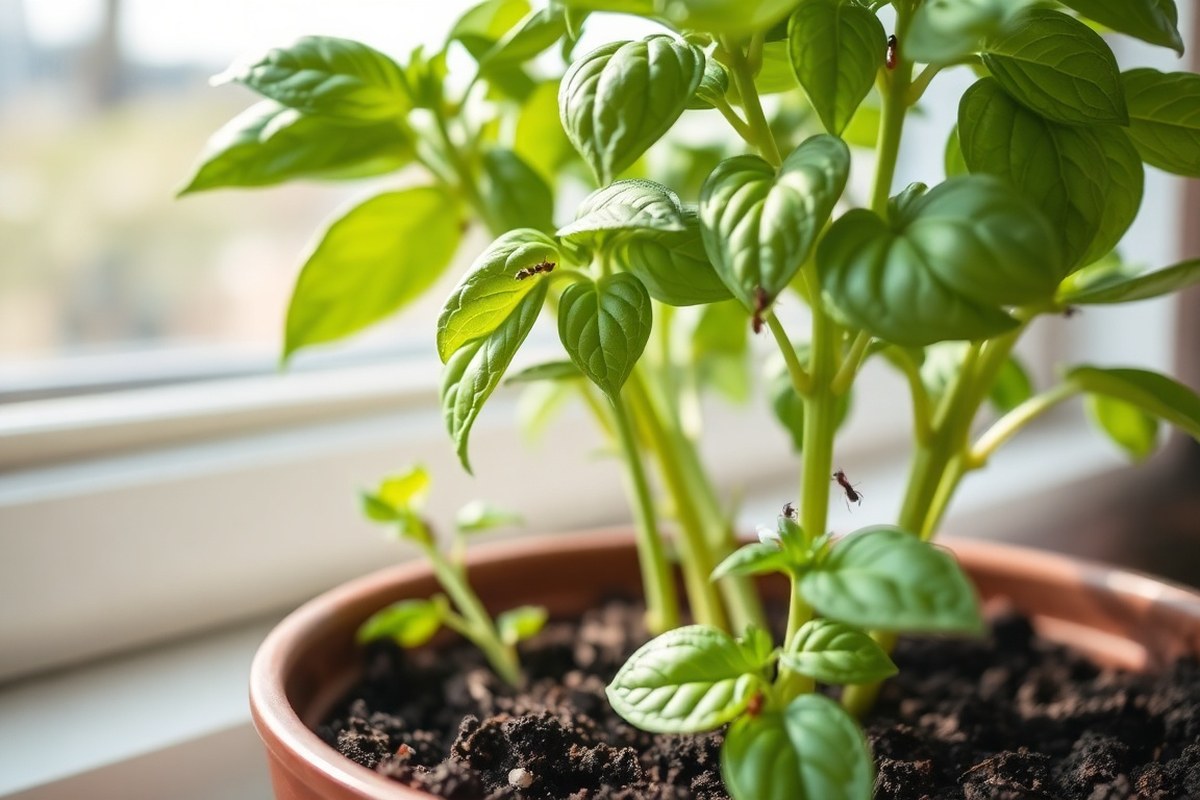
Do Ants Like Basil? What Actually Happens and How to Manage Them
Do ants like basil? The simple answer is no.
Ants usually avoid the basil plant itself. They are more interested in the aphids or other tiny insects that live on basil.
Ants love sweet honeydew, a sticky liquid aphids produce. Finding ants on your basil means aphids might be there. Check your basil leaves carefully for these small pests first.
The plant’s natural oils and scent actually repel ants. If ants are around basil, they’re not feasting on the herb. They’re farming aphids to harvest their sugary secretions.
Keep an eye on your basil for aphids. Controlling these pests is the best way to discourage ants. Start by gently washing leaves or using natural insecticides if needed.
Key Takeaways
- Ants do not eat basil but target aphids living on it.
- Inspect basil leaves regularly for small green or black aphids.
- Ant presence usually signals an aphid infestation nearby.
- Basil’s essential oils repel ants but do not stop aphids.
- Rinse basil leaves to remove aphids and reduce ant attraction.
- Use natural insecticides if aphids become hard to control.
Do Ants Like Basil Plants or Avoid Them?
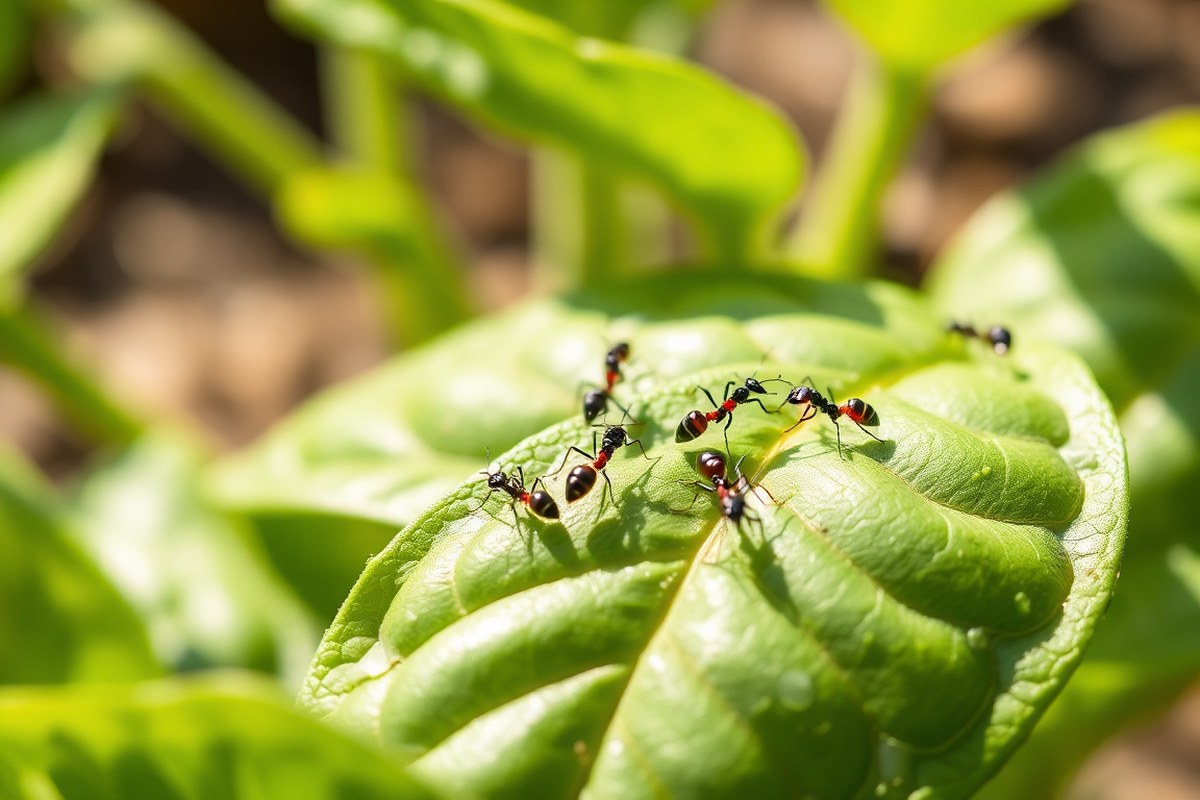
Ants generally avoid basil plants because they don’t eat basil leaves. The strong scent and essential oils in basil act as natural deterrents for ants. This scent hides the ants’ chemical signals.
It makes the plant unappealing. Ants won’t invade or feed on it.
Although ants dislike basil’s aroma, they sometimes appear near these plants. Ants like sweet things such as honeydew. Honeydew comes from pests on basil.
Aphids produce this sugary substance. Ants don’t want the basil itself.
They want the sugary secretions from other insects. These insects live on the basil.
Ants also may use soil around basil plants to build nests, especially in pots. They don’t chew the leaves but choose this area for shelter. Keep basil soil dry to stop ants.
Place fresh basil leaves near entry points. Use leaves by doors or windowsills.
Why Are Ants Found on or Around Basil Plants?
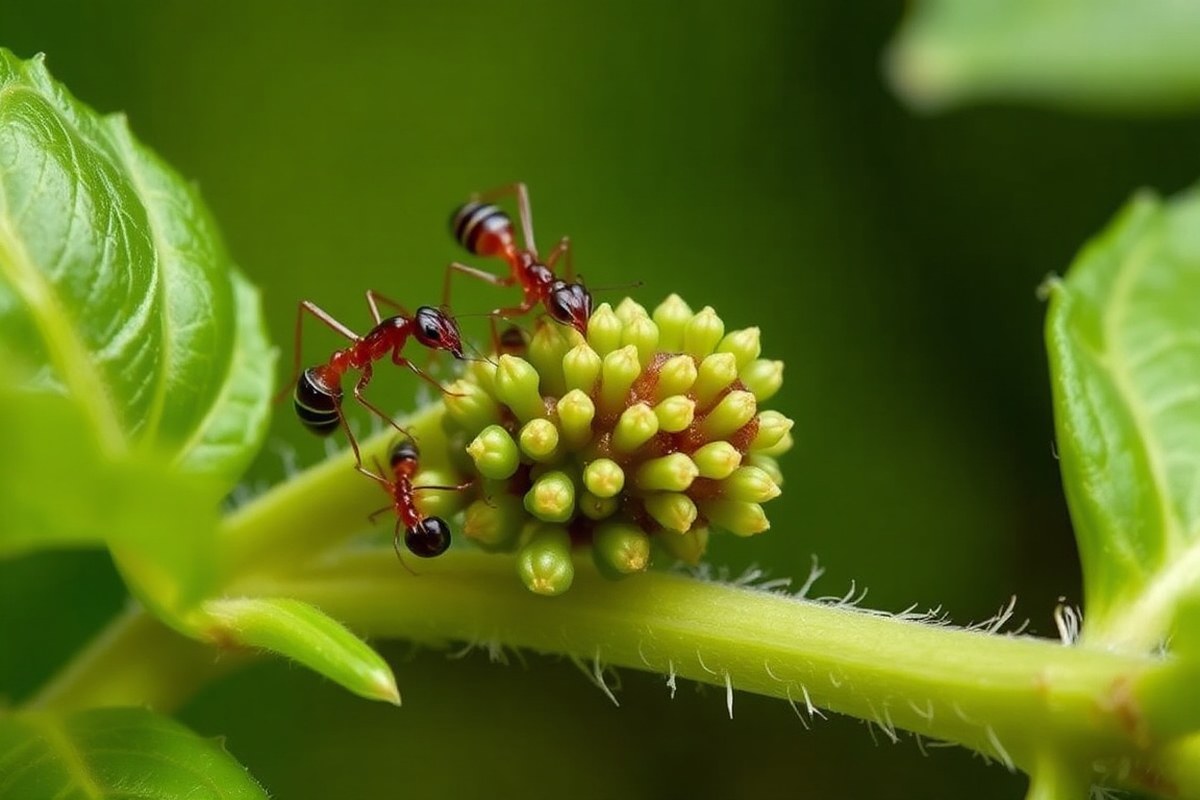
Ants on basil plants are usually after more than just leaves. They are attracted to tiny insects called aphids that suck sap from basil stems. Ants protect and “farm” these aphids for the sugary honeydew they produce.
This farming means ants bring aphids to the basil and guard them like livestock. The ants feed on the honeydew while keeping aphids safe from predators. Look closely on the stems or undersides of leaves to spot these small bugs.
Apart from aphids, ants also head to basil flowers for nectar. These flowers produce a sweet liquid that some ant species, including fire ants, love. You might see ants forming a trail between the flowers and their nest.
Many ants build nests right in the soil of basil pots. The warmth and moisture mimic natural conditions ants prefer. When ants tunnel, they help air reach basil roots.
They also help water reach the roots. But their tunnels can disturb the potting mix.
In some cases, a busy ant colony may harm young basil roots or compete for nutrients. Watch for excessive soil movement or large ant piles near your pot. This can signal too many ants or a growing nest.
Check soil and plant surfaces regularly to spot aphids and ant trails early. Quick action helps protect your basil.
How Does Basil’s Scent and Essential Oils Affect Ants?
Basil contains essential oils that repel ants by overwhelming their sense of smell. Crushing basil leaves releases more oils, making the scent stronger and more effective. Sprays made with basil essential oil also disrupt ant trails and deter their activity.
Key Essential Oils in Basil
Basil’s main repellent compounds include Linalool, Eugenol, and Estragole. These chemicals occur naturally in basil’s essential oils at about 24.6 mg per gram of leaves. Their strong smell keeps ants away from basil plants.
It disrupts how ants sense their environment. This makes basil less attractive to them.
Basil has less essential oil than rosemary or mint. It still smells strong enough to bother ants.
That fragrance can keep ants away from plants. These oils work together to flood ants’ olfactory receptors, interfering with their normal behavior.
How Basil Oils Affect Ant Behavior
The strong aroma from basil confuses ants by masking the pheromone trails they follow for food. This interruption makes ants lose track of their path.
So they tend to avoid areas with basil scent. Most ants try to detour around basil rather than cross its smell barrier.
Crushing basil breaks its cells and releases oils fast. These oils carry the strong scent ants dislike. Fresh basil quickly gives off this strong smell.
This sudden oil burst temporarily discourages ants from crossing or foraging nearby. The effect fades as the oils evaporate. So repeated crushing is needed for ongoing protection.
Using Basil Extracts as Repellents
You can boost basil’s repellent effect by making a spray with basil essential oil. Put 5 to 10 drops of oil in a spray bottle. Add about 8 ounces of water and some dish soap.
The soap helps mix the oil with water evenly. Spray this around plant pots, entrances, or cracks where ants appear.
This diluted spray interrupts the ants’ scent trails and keeps them from entering your basil area. It’s best to apply it every few days or after watering to maintain strength. Basil leaf crushing provides a quick boost, while essential oil sprays give longer-lasting protection.
Are Ants Beneficial or Harmful to Basil Plants?
Ants can help your basil by controlling pests. They eat eggs or young insects that could harm the plant. This reduces the number of pests feeding on your basil leaves.
On the other hand, ants may cause problems when they protect certain pests. Some pests, like aphids, produce sugary honeydew. Ants love this sweet liquid and may carry aphids around, increasing pest damage.
Ants themselves usually do not eat basil or damage its roots. Their presence often shows pests or sugary secretions attract them. When ants climb into the basil plant, it signals a pest issue you should fix.
| Ant Impact | Benefit | Risk | How to Handle |
|---|---|---|---|
| Controlling pests | Eats eggs and young pests | None | Let ants stay if pest numbers are low |
| Protecting pests (like aphids) | None | Increases pest damage, honeydew attracts more ants | Remove aphids quickly; apply natural pest control |
| Ants attracted to honeydew | Helps spot pest problems early | Can lead to bigger pest infestations | Clean leaves with mild soap and water |
| Climbing basil plant | Potentially controls pests on leaves | Sign of pest buildup and plant stress | Use barriers or natural repellents to limit ants on plant |
Watch for ants on basil as a clue, not a cause. Ants eating pests is great for your plant.
If you see ants climbing inside the basil or many aphids, act fast to protect your herb. Keeping ants out without harming the plant means managing pests well.
How to Detect and Manage Aphid Infestations on Basil?
Aphids feed on basil, causing damage and attracting ants. Ants protect aphids, making infestations worse. To keep your basil healthy, watch for signs of aphids and remove them safely.
Signs of Aphid Infestations
Aphids are tiny, soft-bodied insects that cluster on basil leaves. They come in green, black, or white colors. You mostly find them on new growth.
They also like the undersides of leaves. Sticky honeydew and shiny leaves often mean aphids are present.
You might also notice ants tending these aphids, protecting them from predators. Wilting, yellowing, or misshapen leaves happen as aphids suck sap from your basil. These signs show aphids are feeding heavily and harming the plant.
Safe Aphid Removal Methods
Start by spraying basil with a strong water stream. This knocks aphids off without chemicals. Repeat this every few days until you see fewer aphids.
Insecticidal soaps or neem oil work well if water spraying isn’t enough. Follow the product label for amount and timing, usually every 7 days. Test first on a small leaf area to check for sensitivity.
- Spray basil with water weekly to dislodge aphids
- Use insecticidal soap or neem oil as directed
- Remove heavily infested leaves by hand
- Introduce ladybugs or lacewings to eat aphids
- Avoid broad-spectrum pesticides that harm beneficial insects
Hand removal works on light infestations. Pick off or wipe aphids gently. Bringing in natural predators helps keep aphids down without chemicals.
Removing aphids stops ants from coming. Ignoring aphids lets ants protect and increase their numbers.
Preventing Aphids to Reduce Ant Presence
Keep basil plants healthy with regular watering and good air flow. Stress makes basil more vulnerable to aphids. Use mulch to stop weeds that harbor aphids nearby.
Inspect basil weekly for early aphid signs to act fast. Removing ants’ food source avoids the cycle of ants protecting aphids. Creating a barrier with diatomaceous earth or sticky tape helps stop ants from reaching your basil.
Natural Ways to Repel and Remove Ants from Basil
Using basil’s natural oils and other safe methods can keep ants away without harsh chemicals. You can make a simple spray from basil leaves or use plants that ants dislike nearby. Adding natural powders around your pots helps block ants from reaching your basil.
Making Basil Essential Oil Spray
To repel ants using basil’s scent, try making a basil essential oil spray. Crush 10 fresh basil leaves. Put them in one cup of hot water.
Let it soak for one hour. Strain the leaves and pour the liquid into a spray bottle.
Add a few drops of mild liquid soap. Use something like castile soap. It helps the spray stick to leaves.
Spray this mixture on and around your basil plants every two to three days. Avoid spraying during the hottest part of the day to stop leaf burn.
Using Companion Plants to Deter Ants
Some plants naturally repel ants and work well next to basil. Planting mint, garlic, or marigolds alongside basil can confuse or deter ants. These plants release strong scents that ants dislike.
Try placing pots of these herbs near your basil if you grow indoors. Outside, you can intersperse them between your basil plants for better protection. Remember, companion plants also add beauty and can attract beneficial insects.
- Mint: strong smell ants avoid
- Garlic: pungent odor deters pests
- Marigolds: natural pest repellent flowers
- Chives: smell disrupts ant trails
- Lavender: fragrant and ant-unfriendly
Keep companion plants healthy and trim them regularly. Overgrown plants might hide ants instead of repelling them.
Other Natural Ant Repellents for Basil
Sprinkling food-grade diatomaceous earth around your basil pots can stop crawling ants. This powder is safe for plants and pets but sharp for insects’ exoskeletons. Apply a thin layer where ants enter.
Cinnamon powder works well as a barrier too. Spread it in a circle around pots or garden beds to block ant paths. These natural powders need reapplying after rain or watering.
- Diatomaceous earth: natural, safe, insect-sharp powder
- Cinnamon powder: blocks ant trails effectively
- Chalk: breaks ant scent lines temporarily
- Vinegar spray: use diluted, disrupts ants’ scent
- Beer traps: lure ants away from plants
Using these methods together improves your chances of keeping ants off your basil. Check your plants often to catch ants early and renew treatments as needed.
Best Gardening Practices to Prevent Ants on Basil Plants
Plant basil where it gets 6 to 8 hours of sunlight daily. Bright light keeps the plant healthy and less inviting to ants. Space each basil plant at least 12 inches apart so air moves freely between them.
Water basil evenly but avoid soggy soil. Wet dirt encourages ants to dig nests nearby. Let the top inch of soil dry before watering again to reduce moisture that ants like.
Use well-draining soil mixed with organic matter like compost. This keeps roots healthy and stops excess moisture buildup. Healthy basil resists pests better, cutting down ants that follow aphids or other insects.
- Place basil at least 12 inches away from other plants
- Give it 6 to 8 hours of direct sunlight per day
- Water only when top 1 inch of soil feels dry
- Use loose, well-draining soil mixed with compost
- Check soil moisture often to avoid overwatering
- Keep the planting area clean and free of leaf litter
- Isolate new basil plants before adding to your garden
Moving basil away from other indoor plants stops ants spreading from one to another. You can rotate basil with unrelated plants yearly to break insect life cycles. This limits ant colonies that build near repeated hosts.
Avoid placing basil next to moisture-prone plants like cucumbers or squash. These plants invite ants because they often get pests ants hunt. Separation cuts ant traffic around your basil and lowers risks of infestations.
Common Mistakes When Managing Ants on Basil and How to Fix Them
One common mistake is overusing chemical pesticides on basil plants. These chemicals can damage basil’s delicate leaves and change its aroma. Over time, heavy use kills beneficial insects and harms the soil, making pest problems worse.
Use natural controls like diluted vinegar to stop ants on basil. Spray vinegar on ant trails. Put cotton balls soaked in vinegar near the plant base.
Avoid spraying vinegar directly on the basil leaves to prevent burns. Citrus peels or juice can also repel ants without harming the plant.
Don’t ignore aphid signs on your basil plants. Aphids produce honeydew that attracts more ants. Early treatment helps keep ants away.
Waiting too long to treat aphids lets ants build nests nearby. Check basil leaves often for aphids.
Spray water or use insecticidal soap safe for herbs to remove them. Acting fast can save your plant.
- Don’t spray ants directly with harsh chemicals on basil leaves
- Spray vinegar on ant trails, not on basil foliage
- Use citrus rinds or vinegar-soaked cotton at plant base to deter ants
- Check basil often for sticky residue that signals aphids
- Rinse or prune affected leaves to reduce aphid populations early
- Keep soil healthy with proper watering and organic mulch
After ants or aphids damage basil, restoring plant health helps prevent future problems. Trim off injured or yellowing leaves.
Water the plant regularly without overwatering to keep roots strong. Adding a bit of compost improves soil nutrients, which supports recovery.
Always read herb-safe pesticide labels before use; many products harm basil or beneficial bugs.
Step-by-Step Action Plan to Manage Ants on Basil
Follow these simple steps to keep ants from bothering your basil plants. Check your plants regularly to catch problems early.
- Day 1: Inspect your basil for ants and aphids. Look for sticky leaves or small bugs on leaves and stems.
- Day 2: Use a strong water spray to remove aphids. You can also wipe the leaves with a damp cloth. Ant activity should decrease as aphids go away.
- Week 1: Spray vinegar or sprinkle diatomaceous earth around the pot. These natural repellents help keep ants away. Watch for fewer ants over the next days.
- Week 2: Trim any crowded dead leaves to improve airflow. Healthy plants resist pests better. Check for ant return.
- Every 2 weeks: Replace or refresh mulch to avoid hiding spots for ants. Mulch should be dry and well-spaced from the plant stem.
- Monthly: Rotate where you place your basil pots outdoors. Moving them can confuse ants searching for food.
- Ongoing: Water your basil at the soil level to keep leaves dry. Damp leaves attract fewer pests, including ants.
Frequently Asked Questions
Why Do Ants Farm Aphids on Basil Plants?
Ants farm aphids on basil to harvest honeydew, a sweet substance. This farming protects aphids and attracts ants to the plant for this food source.
Can Basil Leaves Alone Keep Ants Out of My Kitchen?
Basil leaves can help repel ants because of their strong scent. However, placing fresh or dried leaves near entry points works best for small ant problems.
How Can I Tell If Ants Nesting Near Basil Damage the Plant?
Ants nesting alone usually don’t harm basil plants directly. But they protect aphids, which can suck the plant’s sap and stunt its growth.
Are There Ant Species That Prefer Basil over Other Plants?
Most ants avoid basil itself but seek honeydew from pests on it. No specific ant species regularly feed on basil leaves or stems.
Does Growing Basil Indoors Reduce Ant Infestations Compared to Outdoor Planting?
Indoor basil may have fewer ant problems due to controlled conditions. Outdoor basil plants attract ants more often because of aphids and soil exposure.
Can Ants Help Control Other Pests on Basil Despite Farming Aphids?
Ants usually protect aphids. So they don’t help control basil pests that damage the plant. Their presence often indicates an aphid problem to address.
Wrapping Up
Ants don’t like basil itself but come for the aphids. Tackling aphids cuts ant problems fast. Start by removing aphids today to protect your basil and enjoy healthier plants.


