How to Grow Eucalyptus Plant: A Complete Guide with Care and Propagation Tips
Wondering how to grow eucalyptus plant successfully? Start with the right location and soil. Eucalyptus prefers well-drained soil and plenty of sunlight to thrive.
Choose a spot with full sun exposure and room for growth. Some eucalyptus trees can reach over 100 feet tall. So space them at least 8 feet apart.
Water your eucalyptus regularly but avoid overwatering. These plants like warm temperatures between 65 and 75 degrees Fahrenheit and some humidity.
Add mulch around the base to keep moisture stable and protect roots. Prune young plants to encourage strong branching and a fuller shape.
Key Takeaways
- Plant eucalyptus in well-drained soil with good sun exposure.
- Give eucalyptus trees at least 8 feet of space to grow.
- Water regularly but let soil dry out slightly between watering.
- Keep eucalyptus temperatures between 65 and 75 degrees Fahrenheit.
- Bring eucalyptus indoors if temperatures drop below 50°F to avoid damage.
- Take cuttings in spring or late summer from plants 2 to 12 months old.
How to Grow a Eucalyptus Plant Successfully

Getting a eucalyptus plant off to a good start means paying attention to the basics. These plants need good care from day one to grow fast and stay healthy. Your chances of success go way up if you handle planting, watering, and light right.
Here are simple steps to help you grow your eucalyptus plant successfully. Follow them closely to avoid common problems like slow growth or weak stems. This order works well whether you plant in soil or containers.
- Select quality plants or seeds. Choose young eucalyptus shoots or fresh seeds. For seeds, soaking or stratifying before planting boosts germination rates.
- Prepare the soil or potting mix well. Make sure it drains easily yet holds moisture. A mix with sand or perlite improves drainage and prevents root rot.
- Plant shallowly and firmly.Place roots just below the soil surface. Press soil gently around them. This removes air pockets.
- Water deeply but infrequently. Keep soil moist, not soggy. Watering every 3, 7 days works, depending on heat and dryness.
- Place in full sun. Eucalyptus needs 6 to 8 hours of direct light daily to grow fast and smell great.
- Provide warmth. Ideal temperatures range from 65°F to 75°F for best growth. Shield plants from frost in colder zones.
- Feed lightly. Use a balanced, slow-release fertilizer once a month during spring and summer. Avoid overfeeding to prevent fragile growth.
- Monitor for pests and stress. Check leaves and stems weekly. Catching problems early keeps your plant thriving.
Follow those steps closely for quick growth. Many eucalyptus varieties gain over 3 feet in their first year under the right conditions. This rapid growth means you’ll see noticeable changes within weeks.
Your plant may grow slowly or look weak. It probably needs more light or less water.
Too much water often causes drooping or yellowing leaves. Correct those issues early to avoid long-term damage.
Choosing the Best Location and Soil for Eucalyptus
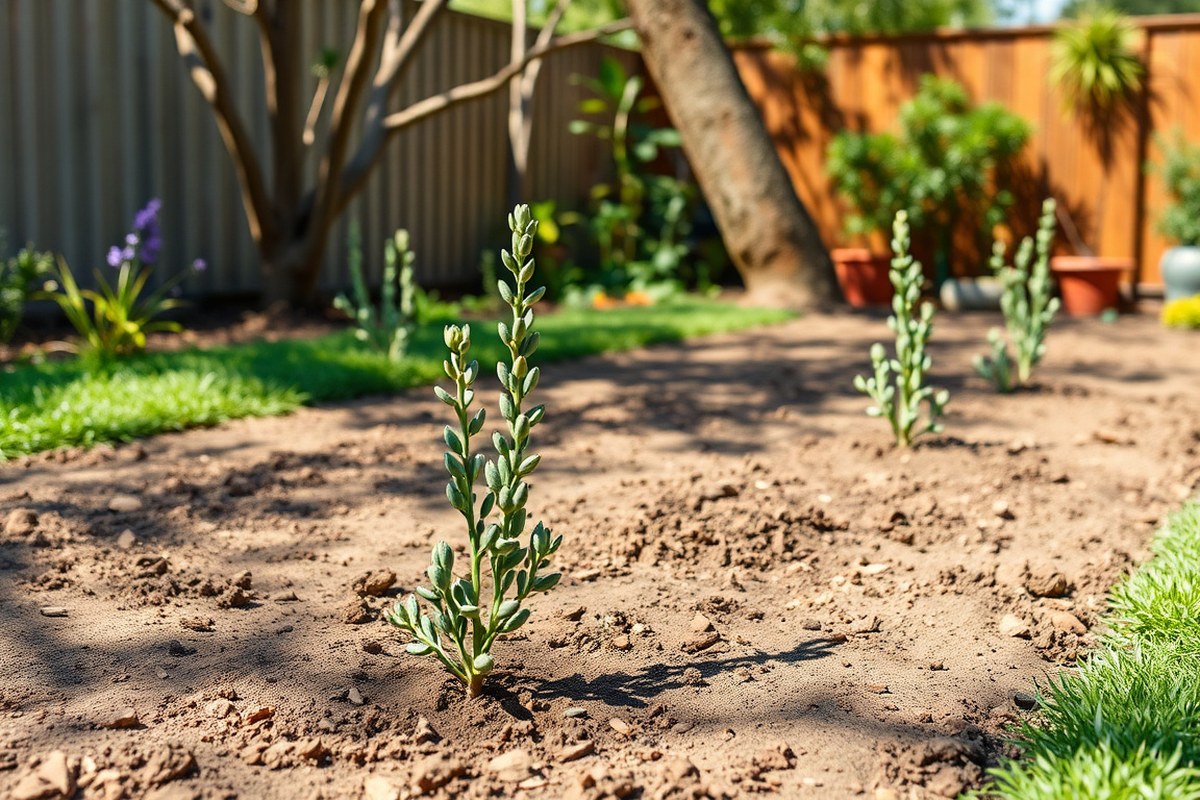
Pick a sunny spot with full sun, as eucalyptus trees thrive in bright light. Pick a spot where temperatures stay between 65 and 80°F. Most eucalyptus kinds grow well in this range. This warmth helps the tree thrive.
Don’t plant in shady or cold spots. The tree needs warmth to grow fast. It also needs lots of sunlight.
Choose soil that drains well to keep roots healthy. Loamy or sandy soil works best, with a pH slightly acidic to neutral, around 5.5 to 7.0.
Clay soils hold too much water and can cause root rot. So avoid those or improve drainage by mixing in sand or organic matter before planting.
Before planting, test the soil pH using a simple kit from a garden center. Make sure the soil pH isn’t above 7. High pH can affect growth.
Aim for slightly acidic to neutral soil.5, add sulfur or pine needles to lower it slightly. Work in 2 to 4 inches of compost or aged manure to improve texture and fertility. This preparation costs little but helps your tree settle quickly and grow strong.
Space eucalyptus trees at least 8 feet apart to allow enough room as they mature. Dig a hole twice as wide and deep as the root ball to loosen the soil. Place your tree gently, backfill with amended soil, and water well to reduce transplant shock.
For container planting, pick pots at least 5 gallons with drainage holes. Use a quality potting mix combined with perlite or sand to improve drainage. Keep containers in full sun and water when the top inch of soil feels dry.
Do not plant eucalyptus where water pools after rain; poor drainage kills roots quickly.
Planting Eucalyptus: In-Ground and Container Methods
You can grow eucalyptus plants in the ground or containers depending on your space. Planting in garden beds suits mild climates where trees can grow tall. Containers work well for smaller spaces or to control the size.
Planting Eucalyptus in Garden Beds
Choose a sunny spot with well-draining soil. Avoid heavy clay or soggy areas, as eucalyptus dislikes wet feet. You don’t need to add fertilizer if soil is decent.
Follow these steps to plant eucalyptus outdoors:
- Dig a hole twice as wide and deep as the root ball.
- Loosen soil around the hole to let roots expand easily.
- Place the eucalyptus plant so the top of its root ball is level with the soil.
- Fill the hole with soil, firming it gently to remove air pockets.
- Water thoroughly to settle the soil around roots.
- Add mulch around the base to keep moisture and protect roots.
- Check the soil regularly during the first 6 weeks; water when dry.
- Apply a thick mulch layer and burlap wrap in colder zones during winter.
Young eucalyptus trees grow fast. So plan for space and mulch to help them thrive. Proper soil and watering during establishment help them stay healthy long-term.
Choosing and Preparing Containers
Pick containers with good drainage holes to prevent waterlogging. Terracotta pots dry out fast, so check moisture more often. Use a large container at least 12 to 18 inches wide to give roots room.
Choose a well-aerated potting mix with lots of perlite or sand. Avoid heavy garden soil or high-phosphorus fertilizers since eucalyptus dislikes them. Container plants need regular watering as they dry out quicker than ground ones.
Spacing and Planting Depth Tips
Eucalyptus trees in the ground need room to avoid competition. Space small to medium trees about 8 to 12 feet apart. Larger species require 15 to 20 feet between plants to grow well.
Plant eucalyptus at the same soil depth it grew in its nursery pot. Avoid burying the stem deeper than original to prevent rot. Keep the top of the root ball just below the pot rim.
This works well for container plants. It helps the plant grow properly.
Watering, Light, and Temperature Requirements
Eucalyptus plants need regular watering, especially when young or potted. Water them once or twice a week during warm weather. Keep the soil moist but not soggy.
Avoid overwatering to prevent root problems. As the tree matures and its roots deepen, reduce watering since eucalyptus tolerates dry soil better.
They thrive under full sun, requiring at least 5 to 6 hours of direct sunlight daily. Place your eucalyptus in a bright, sunny spot whether indoors or outside. Lack of enough light slows growth and can make leaves sparse or pale.
Heat plays a big role in eucalyptus growth. These plants prefer warm temperatures from 65°F to 85°F and cannot survive extended periods below 50°F. Bring potted eucalyptus indoors if outdoor temperatures near 50°F to prevent stress or stunting.
Younger eucalyptus plants often need more water and warmth to establish well. Check soil moisture by sticking your finger about an inch deep. Only water when the soil feels dry at that level.
This helps avoid overwatering. Overwatering can cause root rot, especially in pots without good drainage.
For hot, dry climates, eucalyptus do well with infrequent deep watering. This encourages roots to grow deeper, improving drought resistance. In colder climates, place plants near a bright window indoors.
Keep them away from cold drafts in fall and winter. This protects them from chill damage.
Seedlings need about 10-12 weeks of warm temperatures and consistent moisture before transplanting outdoors. Keep them in partial sun initially, increasing light gradually. Once outdoors, full sun and well-drained soil become important for fast, healthy growth.
When temperatures drop below 50°F, take your plant inside or provide protective covers. Hard freezes stunt eucalyptus growth and sometimes kill the plant. Let it sit in room temperatures above 60°F with good light until outdoor warming returns.
Propagating Eucalyptus: Seeds Versus Cuttings
Propagating eucalyptus can be done by seeds or cuttings. Seeds need more patience but are easier for beginners. Cuttings grow faster but require careful timing and handling.
Starting Eucalyptus from Seeds
To grow eucalyptus from seeds, sow them on the surface of a sterile seed-starting mix. Use a well-draining mix to avoid waterlogging the seeds. Keep the soil moist but not wet while waiting for germination.
Eucalyptus seeds usually take 14 to 21 days to sprout. Once seedlings appear, give them plenty of light to avoid legginess. You can transplant seedlings when they develop a few sets of true leaves.
Taking and Rooting Cuttings
Take cuttings from a eucalyptus tree 2 to 11 months old. This age range gives you the best chance of success. Use healthy sections to start your new plant.
Use a healthy stem and strip off the bottom leaves. Dip the cut end in rooting hormone before planting it in a pot with well-draining soil.
Keep the cutting in a warm, humid spot but out of direct sunlight. Roots can develop within a few weeks.
Monitor for signs of rot or drying out. Keep the soil lightly moist during this time.
Timing and Conditions for Best Success
Cuttings have a higher chance of success when taken from trees 2 to 12 months old. Timing your cuttings during this growth window improves rooting rates. For seeds, sow in spring or early summer to maximize temperature and light conditions.
Both methods need well-draining soil and consistent moisture. Cuttings require more care and attention than seeds, which makes seeds a better choice for beginners. Temperature around 70°F (21°C) supports both seed germination and cutting rooting well.
| Propagation Method | Best Timing | Steps | Time to Root or Germinate | Difficulty for Beginners |
|---|---|---|---|---|
| Seeds | Spring to early summer | Sow on sterile, well-draining mix surface | 14 to 21 days | Easy |
| Cuttings | Tree 2 to 11 months old | Strip leaves, dip in rooting hormone, plant in pot | Few weeks | Moderate |
Success depends on following the right timing and soil conditions. Seeds take longer but need less handling. Cuttings root faster but fail if timing or moisture is off.
Use rooting hormone on cuttings to improve root development and reduce failure.
Common Pests, Diseases and How to Treat Them
Eucalyptus plants face pests like eucalyptus longhorned borers, leaf-eating beetles, psyllids, and scale insects. These pests damage leaves, bark, and stems, which weakens the plant. Watch for holes in leaves, dieback, or sticky residue on stems as signs of infestation.
Diseases tend to show up when eucalyptus is stressed, often from overwatering or poor airflow. Common issues include leaf spots and root rot.
Leaf spots cause dark, blotchy patches. Root rot makes roots soft and brown, killing the plant if untreated.
To keep pests away, use insecticidal soap or neem oil. Spray leaves thoroughly once a week for three weeks, especially under the leaves.
For borers, pruning affected branches and disposing of them prevents spread. Avoid chemical insecticides indoors to protect beneficial insects.
Proper watering is key to prevent diseases. Water the plant when the top two inches of soil feel dry.
Avoid letting water sit on leaves; wet leaves encourage fungal growth. Improve airflow by spacing plants at least 3 feet apart if outdoors.
When root rot starts, trim damaged roots. Then repot the plant in fresh, well-draining soil.
Stop watering for a week to dry the soil out. Root rot treatments cost little but require patience and close care over the next month.
Check your eucalyptus weekly, especially during warm months. Early detection makes treating pests easier and reduces plant stress. Indoor eucalyptus may need watering more often.
Watch soil to avoid sogginess. Too much water causes disease.
Pruning and Managing Eucalyptus Growth and Size
Pruning eucalyptus helps control its size, health, and shape. Cut back branches regularly to keep the plant manageable and encourage bushy growth. Knowing when and how to prune ensures the plant stays healthy and looks good.
When to Prune Eucalyptus
Prune eucalyptus mainly in late winter or early spring. This timing lets new growth emerge on a well-shaped plant. For shrubs or container plants, pruning during spring or summer also works well.
Regular pruning is key since eucalyptus grows rapidly. Avoid pruning during freezing weather to protect fresh cuts. Tidying up broken or dead branches throughout the year can also help plant health.
Pruning Tools and Techniques
Use clean, sharp pruning shears or loppers for small branches. A pruning saw works for larger limbs. Disinfect tools before use to prevent disease spread.
Cut branches at a 45-degree angle, just above a leaf node or side branch. This encourages new shoots and bushier growth. Remove dead, damaged, or crossing branches to improve air flow and light access.
For shaping, prune outer tips evenly to maintain a balanced look. Avoid cutting more than one-third of the plant in a single session to reduce stress.
Managing Size for Garden or Container
To control height, prune the main stem or leader back by up to one-third. This keeps eucalyptus within your preferred size. In containers, pinch or trim new shoots regularly to encourage fullness.
Remove lower branches to create an open trunk or desired shape. For large garden trees, thinning out crowded branches improves overall health. Remember, pruning only slows growth temporarily because eucalyptus rebounds fast.
Monitor the plant yearly and prune as needed. Consistent trimming every few months helps keep the plant neat and healthy over time. Follow these steps to prune your eucalyptus effectively:
- Choose a dry day with no frost in late winter or early spring.
- Disinfect your pruning tools with rubbing alcohol or bleach solution.
- Remove all dead, damaged, or diseased branches first.
- Cut back long stems or the main leader by up to one-third for height control.
- Trim branch tips evenly to shape and encourage bushier growth.
- Thin out crowded or crossing branches to improve air flow.
- Dispose of cuttings away from the plant to prevent disease.
- Water the eucalyptus well after pruning to support new growth.
Choosing the Right Eucalyptus Species for Your Garden
Choose your eucalyptus species based on garden size, climate, and desired plant height. Small gardens and containers suit compact or dwarf eucalyptus types with slower growth. Cold-hardier varieties survive at USDA zone 7 or lower, protecting your plant in chilly winters.
The following table compares popular eucalyptus species by their growth rate, size, and typical maturity time. Use these details to pick the best match for your space and weather conditions.
| Species | Annual Growth Rate (feet) | Mature Height (feet) | Time to Maturity (years) |
|---|---|---|---|
| E. Globulus | 6-8 | 150-180 | 10-15 |
| E. Citriodora | 3-5 | 80-130 | 15-20 |
| E. Gunnii | 2-3 | 25-40 | 10-15 |
| E. Polyanthemos | 2-4 | 30-65 | 15-20 |
| E. Camaldulensis | 4-6 | 80-120 | 15-20 |
Botanical variety influences cold tolerance and suitability for containers. Eucalyptus gunnii is one of the cold-hardiest types, growing well in zones 7-8.
Its rounded silver-blue leaves add color to small gardens. It handles drought and cold better than many others.
For limited space, stick to dwarf or mallee eucalyptus varieties. These usually stay shrub-like. They grow multiple stems.
This makes them easier to manage indoors or on patios. Trees such as E. Globulus and E. Citriodora can quickly outgrow small gardens due to their height and spread.
Tip: Keep eucalyptus leaves away from small kids and pets. The plant can be toxic if eaten. Be careful where you plant it.
Winter temperatures below USDA zone 8? Look at species like E. Platypus or Marlock eucalyptus, which manage cold soil and frosts better. Marlock types have thick leaves.
They grow best in zones 7-8. They work well in cooler climates.
Growth rate affects how often you need to prune or repot container plants. Faster growers like E. Globulus need more frequent trimming to control size.
Slower types take 10 or more years to fully grow. They fit better in small city gardens.
Step-by-Step Action Plan for Growing Eucalyptus
Follow these steps to get your eucalyptus plant off to a great start. You’ll see progress as each step succeeds.
- Before you start: Choose a sunny spot with well-draining soil. Check that the location gets at least 6 hours of sun daily.
- Day 1: Plant seeds or cuttings in your chosen spot or container. Make sure soil is loose and watered once planted.
- Week 1: Water lightly but regularly to keep soil moist. Notice if the soil stays damp, not soggy or dry.
- Week 3: Check seed or cutting for new leaves or shoots. This shows your plant is growing strong.
- Month 1: Thin out crowded seedlings if planting seeds. Give young plants at least 3 feet of space to grow.
- Month 3: Start pruning lightly to shape the plant and control size. Look for healthy new growth after pruning.
- Every season: Watch for pests or diseases and treat early. Use insecticidal soap or neem oil if needed.
Frequently Asked Questions
How Fast Does Eucalyptus Grow Indoors?
Indoors, eucalyptus grows slower, about 6 to 12 inches yearly. It needs plenty of light to stay healthy.
Can Eucalyptus Trees Survive Cold Winters?
Some species tolerate light frost but most struggle below 30°F. Protect young plants with mulch or bring containers inside.
How Do I Prevent Eucalyptus Leaves from Dropping?
Leaf drop can happen from overwatering or sudden temperature changes. Keep soil moist but not soggy and avoid drafts.
Is Eucalyptus Safe for Pets and Children?
Eucalyptus leaves and oil can be toxic if ingested by pets or kids. Keep plants out of reach and watch for signs of trouble.
Can Eucalyptus Be Planted Near Other Trees or Plants?
Plant eucalyptus at least 8 feet from others to reduce root competition. Their fast growth may crowd smaller plants.
How Often Should I Fertilize Eucalyptus Plants?
Feed eucalyptus every 6 to 8 weeks during spring and summer. Use a balanced, slow-release fertilizer to support vigorous growth.
Before You Go
Growing eucalyptus takes patience and regular care. Choose the right spot and water carefully. Start today by picking your plant’s location and plan your planting day.