What Is Lilac: A Complete Guide to Types, Care, and Symbolism
What is lilac? It is a type of flowering shrub or small tree known for its fragrant blooms. Lilacs belong to a family with over 1,000 types.
They include bushes and tall trees. One example is the Japanese tree lilac.
Lilac flowers usually come in shades of pink, purple, blue, and white. They bloom best with at least 6 hours of direct sunlight each day. These plants need enough space, generally 5 to 15 feet apart, to grow healthy and full.
The cold weather they survive actually helps them set flower buds. Most lilacs bloom for 2 to 3 weeks.
Their flowers make your garden smell sweet. This happens in spring and early summer.
Key Takeaways
- Lilacs need six hours of full sun daily for best flower production.
- Space lilac bushes 5 to 15 feet apart, depending on their size.
- Expect lilac blooms to last around two to three weeks each season.
- Cold winters trigger lilacs to form flower buds properly.
- Varieties range from 4-foot dwarf bushes to 30-foot tall tree-like plants.
- Lilacs grow moderately fast, about 1 to 2 feet per year on average.
What Is Lilac and Where Does It Come From?

Lilac is a flowering plant from the genus Syringa. It belongs to the olive family, Oleaceae. Most common lilacs, like Syringa vulgaris, are deciduous shrubs with fragrant flowers.
Lilacs come from Eastern Europe and Asia, specifically the Balkan Peninsula. They arrived in America in the 17th century brought by colonists. This spread made lilacs a popular garden plant in many parts of the world.
Lilacs have been known since the 16th century in Europe. They first became popular in central Europe back then. By the 18th century, Europeans started exporting them to America.
Hulda Klager bred new lilac kinds in the late 1800s. She saved many types on her 4-acre property.
Lilacs belong to a plant family with over 1,000 types. These include shrubs and trees over 30 feet tall.
While ‘dwarf’ lilacs suggest small size, some can grow up to 5 feet tall. The common lilac produces large, purple, narrow flowers about 30 centimeters long.
Knowing that lilacs are part of the olive family helps you identify their needs and relatives. Lilacs grow best in well-drained soil and mild climates.
Their native Eastern Europe has these growing conditions. Proper soil and sunlight bring out their best blooms and scent in your garden.
Which Types and Varieties of Lilacs Exist?
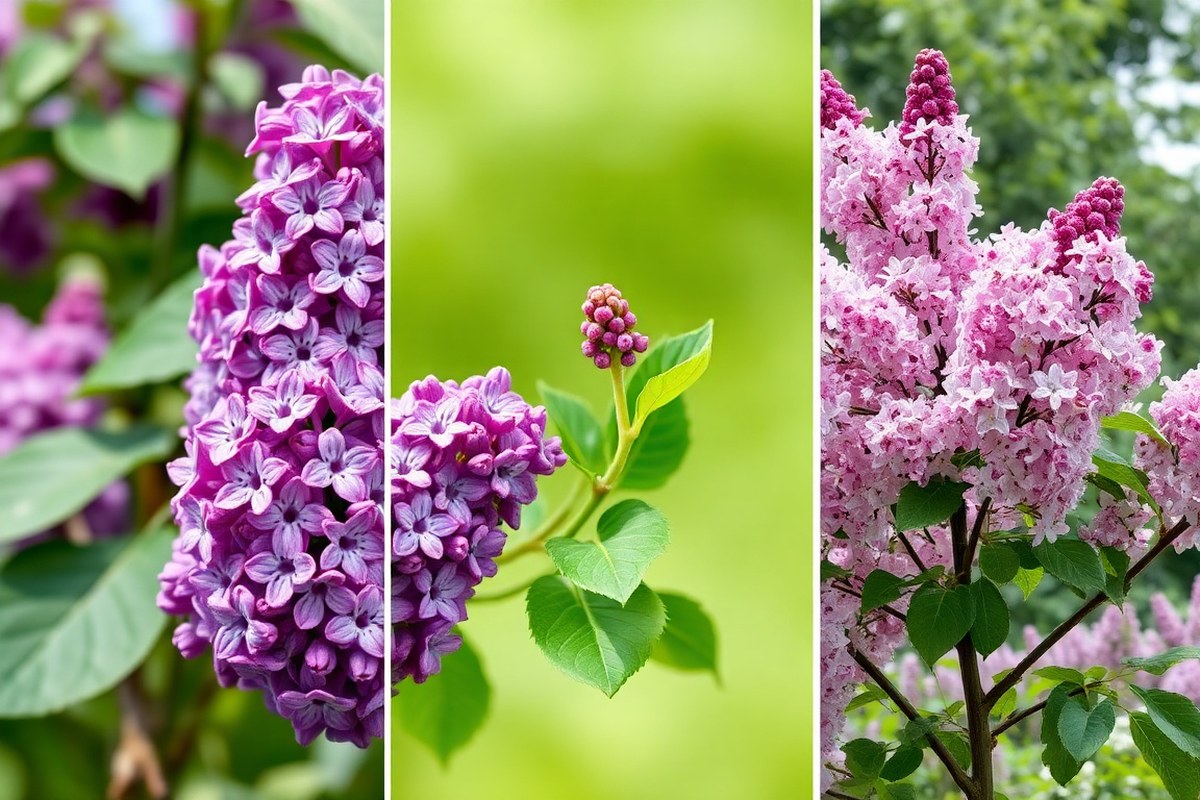
There are about 25 species of lilacs, but you’ll see hundreds of cultivars. The most common species is Syringa vulgaris, known as common lilac. It grows as a shrub or small tree and thrives in USDA zones 3-7/8.
Dwarf lilacs stay much smaller, usually 2 to 5 feet tall. They have compact flower clusters about 10 centimeters long.
Tree lilacs like the Japanese type can grow 20 to 30 feet tall. They form a small tree with a single trunk.
Choosing between dwarf, common, and tree lilacs depends on your garden space and style. Dwarf types fit well in small gardens or container pots.
Common lilacs work great as hedges or stand-alone shrubs. Tree lilacs add height and structure, looking good along walkways or large yards.
| Type | Height Range | Flower Cluster Size | Growth Habit | Hardiness Zones (USDA) |
|---|---|---|---|---|
| Dwarf Lilac (e.g., Korean, ‘Miss Kim’) | 2-7 feet | Small (about 10 cm) | Compact shrub | 3-7/8 |
| Common Lilac (Syringa vulgaris) | 8-15 feet | Large clusters | Shrub or small tree | 3-7/8 |
| Tree Lilac (Japanese) | 20-30 feet | Large clusters | Single-trunk tree | 3-7/8 |
Some popular lilac varieties include the classic purple common lilac. Others are reblooming types that flower twice each year. The ‘Miss Kim’ dwarf lilac stays smaller but gives you that signature fragrance and bloom.
Chinese lilacs (Syringa pubescens) are known for their very strong, sweet scent. They are great if fragrance is your main goal.
Most lilacs need full sun and cold winters to bloom well. They can handle very cold weather, down to minus 40 degrees Fahrenheit.
This cold often triggers flower bud formation. Knowing your zone helps you pick the right species and cultivars.
Don’t overfeed your lilac; too much fertilizer can boost leaves but reduce flowers.
How Does Lilac Grow and Bloom Through the Seasons?
Lilacs grow in a yearly cycle. It starts with winter dormancy. It ends with fall preparation for winter.
They bloom in mid to late spring, with flowers lasting about two to three weeks. Proper seasonal care helps lilacs produce strong blooms and healthy growth.
Winter Dormancy and Chill Requirements
Lilacs need cold winter temperatures to develop flower buds for the next year. They do best with a long period of winter chill, usually in climates with freezing temperatures.
In warmer zones like 8 or higher, lilacs may grow leaves. They bloom poorly due to not enough cold.
During winter, lilacs enter dormancy, slowing their growth and conserving energy. Avoid pruning in this season because cutting off old wood removes potential flowers. The plant rests quietly until spring temperatures rise.
Spring Bud Formation and Flowering Period
Lilacs start forming flower buds in the summer after their spring bloom. The flowers usually begin opening in mid to late spring, often in May for many regions. Bloom lasts about two to three weeks, creating a brief but vivid display.
Pruning should happen right after flowers fade to avoid cutting next year’s buds. Most lilacs bloom once a year.
But some varieties like ‘Bloomerang’ and ‘Josee’ can rebloom in late summer or fall. The flowers vary in colors from purple to pink, white, or blue.
Summer Leaf Growth and Maintenance
After flowering, lilacs focus on leaf and stem growth through summer. The plant builds strength for the next bloom cycle by producing healthy leaves and woody stems. Avoid heavy pruning during summer because it removes developing flower buds.
Applying a granular fertilizer in late winter or early spring supports growth. But feeding in summer is usually unnecessary. Watch for damaged or dead branches.
Remove them carefully. Don’t cut too much healthy wood.
Fall Preparation for Winter
As fall arrives, lilacs start slowing down and preparing for dormancy. They stop new growth and begin hardening their tissues to withstand cold winter temperatures. This seasonal change helps protect the buds formed earlier in the year.
Fall is not a good time for pruning. It would remove buds. These buds bloom next spring.
Instead, clean up fallen leaves and debris around the base to prevent diseases. Proper mulching can also help maintain soil moisture and protect roots through winter.
How Should You Plant and Care for Lilac Shrubs?
Choose a sunny spot with well-drained soil for your lilac shrub. Lilacs grow best in soil with a pH between 6 and 8. This means neutral to slightly alkaline soil helps them thrive.
Check your soil’s pH to give lilacs the right start. Avoid areas where water collects after rain to prevent root rot.
Space lilacs based on their size, usually between 3 to 15 feet apart. Smaller varieties like dwarf lilacs need about 3 to 5 feet between plants. Bigger lilacs, like common types, need about 10 to 15 feet apart.
This spacing lets them grow fully and get enough air. Crowding can reduce air flow and damage the plants.
Dig the planting hole twice the width and a bit deeper than the root ball. Mix compost with the existing soil to improve nutrition and drainage. Place the shrub carefully and fill the hole, pressing soil gently to remove air pockets.
- Water newly planted lilacs regularly during their first season.
- Keep soil moist but not soggy to help roots establish.
- Apply a balanced fertilizer in early spring to boost growth.
- Use mulch around the base, about 2 to 3 inches thick.
- Keep mulch 2 inches away from the trunk to avoid rot.
- Remove weeds and debris yearly to reduce pests and diseases.
Moderate watering after establishment is enough since lilacs resist drought. Watch for signs like drooping leaves, which signal the need for more water. Mulching helps conserve moisture and keeps roots cool during hot months.
Fertilize with a balanced product once a year in early spring. Avoid over-fertilizing; too much nitrogen can reduce blooms and cause lots of leafy growth. A simple 10-10-10 fertilizer works well for healthy plants and vibrant flowers.
When and How to Prune Lilac for Best Blooms
Prune lilacs soon after they finish blooming in late spring to protect next year’s flowers. Avoid cutting them late in summer or fall, or you risk removing buds for next year. Proper pruning opens the shrub’s center, boosting blooms and airflow.
Early Spring Pruning for Flower Production
Spring pruning happens right after lilacs bloom, usually in May or June. This timing stops you from cutting off the budding branches for next year’s flowers. Focus on thinning out the oldest branches, not just trimming tips.
Start by cutting old, woody stems at ground level to encourage fresh shoots. Remove dead or diseased wood to keep the plant healthy. Afterward, trim back crowded shoots to let sunlight hit all parts of the shrub.
- Locate branches that finished blooming and trim flower clusters away.
- Cut old stems at ground level to promote new growth.
- Prune away crowded or crossing branches inside the shrub’s center.
- Remove any broken, dead, or damaged branches completely.
- Shorten remaining branches by one-third to shape and manage size.
- Dispose of cuttings to avoid pests and fungal spores.
- Check pruning shears are sharp and clean to prevent infections.
Cut lilacs immediately after blooming; late pruning reduces flower buds.
Summer and Fall Pruning Considerations
Pruning lilacs in summer or fall is usually not recommended. Cuts made after June may remove next spring’s flower buds. However, light trimming of suckers can happen to keep shapes tidy.
Remove only damaged or diseased branches in fall to prepare for winter. Avoid heavy pruning late in the year because it stresses the plant. Also, watch for fungal issues that prune openings may invite.
Don’t prune buds after July; you risk losing blooms next spring.
Hard Rejuvenation Pruning Techniques
Rejuvenation pruning is a drastic step best done in early spring before buds swell. It involves cutting old or unproductive branches all the way back to the base. This helps older shrubs bloom better and keeps them healthy longer.
Use this method only if the lilac is very overgrown or blooming poorly. It takes a full growing season for new shoots to fill in and flower. Avoid it on young plants under five years old to prevent stress.
- Identify all old, thick, or weak branches to remove.
- Cut these stems back to 6 inches or close to the ground.
- Leave a few healthy shoots to maintain some structure.
- Clear away chopped wood and debris to lower disease risk.
- Water and mulch to support vigorous new growth.
- Expect fewer or no flowers the first year after pruning.
Rejuvenation pruning delays blooming but restores vigor long term.
Handling Overgrown or Tangled Lilacs
Older lilacs can get crowded, tangled, and stop blooming well. Thin out the oldest stems carefully. Keep the total growth removal under one-third.
This opens up the shrub well. This lets light and air reach the center and lowers disease risks.
Prune lightly every year, removing crossing branches and suckers near the base. When the shrub is very tangled, prune it in two steps over two years.
This helps it recover slowly. Patience is key to avoid shocking the plant.
- Identify branches crossing or growing inward in the shrub.
- Cut away smaller inner branches that block airflow.
- Remove suckers and weak shoots from the base.
- In cases of severe crowding, prune half the old wood first year.
- Wait until the next spring to prune the remaining overgrown stems.
- Maintain regular light pruning after the shrub relaxes its shape.
Never remove more than one-third of lilac branches at once to avoid stress.
What Pests and Diseases Affect Lilacs and How to Manage Them?
Several insects can harm lilacs, including scale insects, borers, leaf miners, thrips, and caterpillars. Scale insects suck sap, weakening the shrub.
Borers tunnel into wood, causing branches to die. Leaf miners and thrips damage leaves and flowers, reducing the plant’s health and bloom quality.
Fungal infections frequently affect lilacs. Leaf spot shows as dark brown or black marks on the leaves. Verticillium wilt leads to yellowing and dying leaves, potentially killing the plant.
Powdery mildew looks like a white powder coating leaves, mainly in damp, shaded areas. Bacterial infections result in leaf blight, producing spots and early leaf shedding.
Check lilacs weekly during spring and summer for early signs. Look under leaves and around buds for tiny insects or sticky substances called honeydew.
Brown spots or wilting leaves point to fungal trouble. Early detection lets you use the right treatments before damage spreads.
- Use insecticidal soap or neem oil weekly when insects first appear.
- Prune and remove infested wood to manage borers.
- Water only at the base to avoid wetting leaves, preventing mildew.
- Apply a fungicide if leaf spot or wilt worsens, following label directions.
- Keep leaves and debris cleared away to reduce fungal spores.
- Plant lilacs in full sun for at least six hours to lower mildew risk.
Organic insecticides such as neem oil work for mild infestations and won’t harm beneficial insects. For severe pest problems, insecticides with chemicals like permethrin may be needed. But apply them carefully to protect pollinators.
Fungicides with sulfur or copper compounds help control fungal diseases when used early. Avoid spraying during hot weather to prevent leaf burn.
Good garden hygiene keeps diseases away. Clean pruning tools between uses to stop spreading infection.
Remove and compost fallen leaves and flowers where spores or insects could hide. Healthy lilacs grown with enough sunlight and proper watering will resist most pests and diseases well.
Are Lilacs Safe and What Are Their Uses Beyond the Garden?
Lilacs are generally safe around humans and pets. No parts of the lilac plant are known as poisonous.
Still, don’t let pets eat large amounts of any plant. Watch for mild upset if animals nibble on lilac leaves or flowers.
The flowers of lilacs are edible and add a light floral flavor to food. Use fresh petals on salads or desserts to brighten color and taste. Dry the flowers for tea by spreading them out in a dry spot.
Keep them in the shade. Leave them there a few days until they feel crisp.
Try infusing lilac blooms in simple syrup or honey for a sweet, fragrant twist. Steep a cup of fresh flowers in hot water. Use one cup of water.
Let it sit for 20 minutes. Strain the mixture, then blend in sugar or honey to your sweetening taste.
Lilacs have some traditional medicinal uses, mainly in folk remedies. People historically brewed lilac flowers or leaves as mild teas for minor ailments like fevers.
Avoid DIY remedies that suggest eating raw leaves or stems. Stick with flowers and consult your doctor first.
Using lilacs for fragrance beyond the garden is tricky but rewarding. The scent is strong and lovely but hard to capture.
Only recently has true lilac essential oil become available. It still costs more than common floral oils.
To enjoy lilac scent inside, collect fresh flowers. Place them near doors or on tables. The smell will brighten your rooms.
You can also dry the flowers gently using paper towels. After drying, put them in sachets. Keep sachets inside drawers.
Hang or spread flowers in a cool, dark place when drying. Keep them there for 2 to 4 days. This helps preserve their scent and color.
When picking lilac flowers for cooking or fragrance, avoid sprayed plants. Wash flowers well under cool water to remove any dirt or bugs. Using organically grown lilacs is best for edible and skin-care uses.
Some people fold lilac petals into batter and fry them to make fritters. This recipe calls for 1 cup of lilac flowers and 1 cup of flour.
Add enough liquid to make a batter that lightly coats the flowers. Fry small spoonfuls until golden and serve fresh.
What Is the Symbolism and Cultural Meaning of Lilacs?
Lilacs hold different meanings depending on their color and culture. They often symbolize renewal, love, or spirituality. Their early bloom adds to their sense of fresh beginnings and beauty.
Lilac Symbolism in Western Cultures
In Western cultures, lilacs stand for renewal and the arrival of spring. People associate them with nostalgia, often linking them to memories of youth and first love. They also represent purity and innocence in some contexts.
This flower frequently appears in celebrations of new life, such as weddings and baptisms. Its delicate scent and early blossoms make it a symbol of hope after winter’s cold. Some say the smell of lilacs can evoke feelings of calm and comfort.
Meaning of Lilac Colors
Different lilac colors carry unique meanings. Light lavender shades usually symbolize purity and spirituality. Deeper lilac colors connect with first love and feminine energy.
Pink lilacs bring a sense of romance and affection, distinct from the typical purple hues. Each shade gives you a chance to express different emotions in a garden or bouquet. Choosing a lilac color can match the mood or message you want to send.
Myths and Historical Connections
Lilacs have appeared in many old stories and traditions worldwide. In some cultures, they were rare and treasured for their unusual colors. This made lilacs symbols of mystery and charm.
Historical texts sometimes mention lilacs in poetry, often linking the flower to love and beauty. Folklore includes legends about lilacs protecting homes and bringing good luck. You might find lilacs planted near houses to honor these beliefs.
Plant your lilac where it gets full sun. Poor light reduces flower scent and bloom size.
Step-by-Step Action Plan for Growing Healthy Lilacs
Get your lilacs off to a strong start with these simple steps. Follow the timing and check for signs of success.
- Early Spring: Plant lilac bushes in well-drained soil with full sun. Make sure they look firm and upright after planting.
- April to May: Water new plants once a week if rain is less than 1 inch. Soil should stay moist but not soggy.
- Late Spring: Apply a balanced fertilizer after the first bloom fades. Leaves should look dark green and healthy within two weeks.
- Early Summer: Remove faded flower clusters by pinching or cutting. This prevents seed formation and encourages strong growth.
- Mid to Late Summer: Check for pests like lilac borers or powdery mildew. Treat spots or holes promptly to keep the plant strong.
- Fall: Mulch around the base with 2 to 3 inches of organic material. Mulch should stay moist but not cover the main stems.
- Late Winter: Prune the lilac after dormancy but before buds swell. Cut back old wood to thin the bush and boost spring blooms.
Frequently Asked Questions
What Is Lilac?
Lilac is a flowering shrub with a sweet scent. It has pretty clusters of purple or white flowers. It belongs to the olive family and grows best in full sun with good air circulation.
What Are Lilacs Good For?
Lilacs add fragrance and beauty to gardens and yards. You can also use their flowers in cooking, like making lilac syrup or decorating cakes.
Is Lavender a Lilac?
Lavender is not a lilac. Lavender belongs to the mint family, while lilacs are part of the olive family. They have different smells and uses.
What Is the Meaning of Lilac?
Lilacs often symbolize early spring and youthfulness, with some colors linked to love or memories. Their scent is known to evoke feelings of romance and calm.
What Do Lilacs Taste Like?
Lilacs taste mildly sweet with a floral note. People use fresh lilac petals in desserts or to make syrups for drinks and treats.
How Far Apart Should You Plant Lilac Bushes?
Plant lilacs at least 5 to 10 feet apart to allow good growth and airflow. This spacing helps prevent disease and ensures full blooming.
Before You Go
Lilacs brighten gardens with their scent and color. Plant them in good soil and give them regular care. Start pruning this winter to see better blooms next spring.