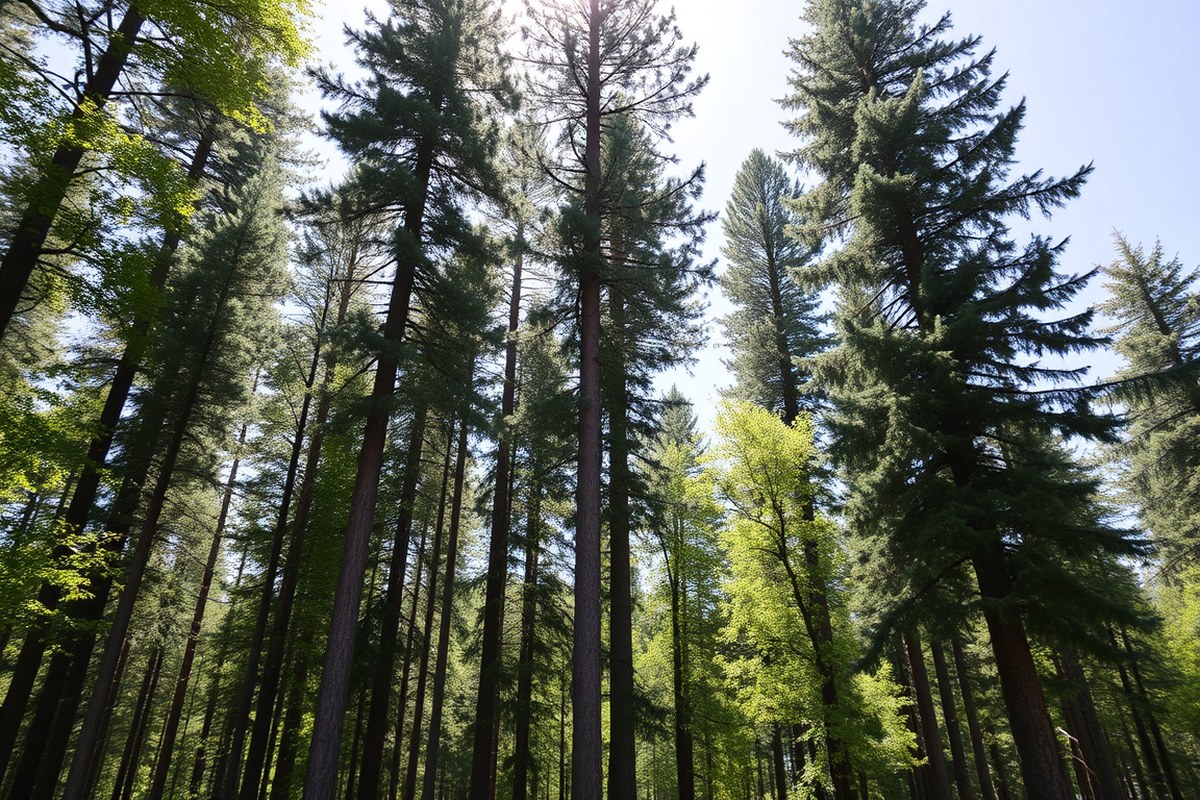
How Fast Does a Tree Grow? Clear Answers with Species & Growth Rate Guide
How fast does a tree grow? The speed depends a lot on the species and where it grows. Fast-growing trees can add 2 feet or more each year in good conditions.
Slower trees might grow one foot or less each year. This happens mostly in cooler areas or places with short growing seasons.
A tree near the equator with year-round warmth can grow 2 to 3 feet each year. Trees in cooler regions with shorter growing seasons may only grow about 1 foot annually. Where you plant your tree really shapes how fast it will grow.
Start by choosing a tree species suited to your climate and sun exposure. Watch out for crowded spaces or poor soil, both of which slow growth down. Giving your tree enough room and good soil helps it reach its potential faster.
Key Takeaways
- Fast-growing trees often add at least 2 feet in height per year.
- Warm climates with long growing seasons let trees grow faster.
- Slow growing trees usually gain 12 inches or less annually.
- Many fast species stop height growth after 10 to 20 years.
- Choosing a tree that fits your local climate speeds its growth.
- Good soil and full sun boost a tree’s annual growth rate.
How Fast Does a Tree Typically Grow Each Year?
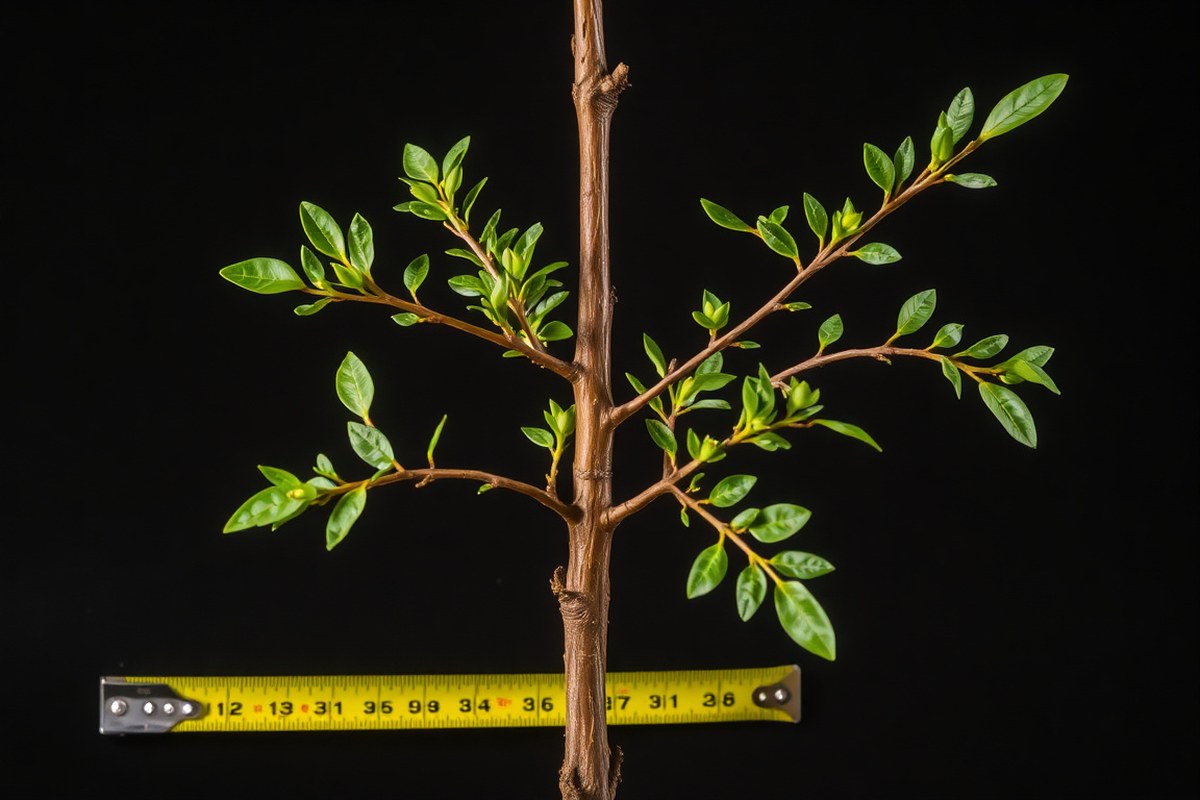
A typical tree grows 12 to 24 inches yearly. That is about 30 to 60 centimeters each year. Trees vary but usually stay in that range.
Slow-growing trees put on 12 inches (30 cm) or less annually. Medium growers add between 12 and 24 inches (30 to 60 cm). Fast growers grow 24 inches (60 cm) or more every year.
These growth categories help you understand what to expect from your tree. For example, a slow tree may only grow about a foot a year.
A fast one can grow two feet or more. This varies by species and conditions like sunlight, soil, and water.
Most landscape trees grow in the medium range. They grow 1 to 2 feet each year. That equals about 30 to 60 centimeters annually.
Some fast-growing trees like poplars and willows grow quickly. They can reach 3 to 8 feet in height.
This equals about 1 to 2 meters each year.5 meters) annually, especially in ideal conditions. Slow trees, such as certain hawthorns, gain less than a foot (30 cm) each year.
A tree’s growing season also affects total height increase. In regions with longer warm seasons, trees may grow more each year.
Trees in cooler areas with shorter seasons often show less annual height gain. Keep this in mind when estimating your tree’s growth.
Which Tree Species Are the Fastest Growing and How Quickly?

Some of the fastest-growing trees include hybrid poplar, silver maple, weeping willow, and willow hybrid. Hybrid poplars can grow 5 to 8 feet per year. They are the fastest yard trees.
This is according to the Arbor Day Foundation. Silver maples grow about 4 to 6 feet annually. Weeping willow and willow hybrid add 3 to 10 feet each year under good conditions.
Deciduous trees like red maple and cottonwood grow fast. They often grow 3 to 8 feet yearly. These trees add quick height to your yard.
Evergreens generally grow slower. Fast-growing evergreens, like the Deodar cedar, grow 1 to 2 feet yearly. This is slower than many fast deciduous trees.
They still add good greenery to your landscape. Growth rates vary by climate and season length. Trees in warmer places can add 2 to 3 feet yearly.
| Species | Growth Rate (feet/year) | Average Lifespan (years) | Wood Strength |
|---|---|---|---|
| Hybrid Poplar | 5-8 | 30-50 | Weak |
| Willow Hybrid | 5-10 | 30-40 | Weak |
| Silver Maple | 4-6 | 80-100 | Moderate |
| Eastern Cottonwood | 4-8 | 70-100 | Weak |
| Red Maple | 3-4 | 80-100 | Moderate |
| Deodar Cedar (Evergreen) | 1-2 | 100+ | Strong |
| Japanese Evergreen Oak | 2-3 | 100+ | Strong |
Fast growth usually means weaker wood and shorter lifespans. For example, fast-growing willows and poplars tend to have brittle wood.
Slower growers, like oaks and cedars, live longer and provide stronger timber. Growth speed also depends on your location and soil conditions.
Choosing very fast-growing trees means you may sacrifice wood strength and durability.
Trees that grow quickly are great for quick shade or screening. Still, they need proper care to reach these rates.
Growth slows as they mature, especially after 10 to 20 years. Check your local climate and soil before picking a species for your yard or landscape.
How Long Does It Take for Trees to Reach Full Size?
Average Time for Trees to Reach Maturity
Most trees take decades to reach full maturity, but this varies widely. Some species like southern magnolia mature in 10 to 20 years. They grow about 1 to 2 feet each year.
Elm trees may take up to 150 years to fully mature. They grow about 1 to 2 feet each year on average.
The time needed depends on the tree species and their natural growth patterns. For example, oaks take many years to mature but still provide benefits early. Boreal forest trees can take between 80 and 120 years to mature because of harsher climates.
How Tree Growth Changes as They Age
Tree growth slows significantly as trees get older. A young maple might grow 3 feet annually at 5 years.
But this slows to about 1 foot per year by age 25. The energy that fueled rapid growth shifts toward maintaining the tree and producing seeds.
This slowing growth means trees add less height each year as they approach their mature size. Growth slows more in trees older than 50 or 100 years.
The exact age depends on the species. Knowing this helps you set expectations for your tree’s future size.
Stages of Tree Growth and Timeline
Young trees grow fastest during the first 10 to 20 years. This is when they increase height and branch out quickly.
After the early stage, growth slows down. The tree then thickens its trunk and widens branches.
Growth beyond 20 years often shifts to slower height increase but ongoing diameter growth. A tree may continue thickening its trunk for decades after height growth ends.
A Royal Empress tree grows fast early on. It slows as it nears 40 to 80 feet tall in 20 to 30 years.
Species Examples and Growth Timelines
Fast growers like Moluccan albizia can grow 30 feet or more each year. They reach full size in 10 to 15 years. Medium growers like plains cottonwood grow 5 to 13 feet annually.
They mature in a few decades. Slower trees like many oaks take 50 years or more to reach 50-80 feet tall.
Southern magnolia trees usually mature in 10 to 20 years. They grow about 1 to 2 feet each year.
Fruitless mulberry trees grow moderately fast, ready in about 20 years. Different trees suit different timelines based on how much space and patience you have.
Factors Affecting Time to Maturity
Sunlight, soil quality, and climate all impact how fast your tree grows and matures. Trees in ideal conditions can reach maturity faster than those in poor soil or low sunlight. Temperature and rainfall also influence growth speed, speeding it up or slowing it down.
Protecting your tree from pests, weeds, and deer helps prevent growth delays. Trees facing environmental stress usually take longer to mature or might stay smaller. Proper care can shorten the time it takes your tree to reach full size.
Environmental Factors That Affect How Quickly Trees Grow
Soil quality affects tree growth by supplying nutrients and supporting roots. Trees in rich, loamy soil with good drainage grow faster. Clay or sandy soils often hold fewer nutrients and less water, which slows growth.
Water availability directly impacts how quickly a tree grows. Trees need consistent moisture but not soggy soil. Drought stress can cut growth by half, while overwatering leads to root problems.
Sunlight fuels photosynthesis, so trees in full sun grow quicker than shaded ones. Most broadleaf trees need 6 to 8 hours of sun daily for strong growth. A longer growing season also helps trees add more height and width each year.
- Soil rich in organic matter and pH close to 6.5 is best
- Regular watering that keeps soil moist but not waterlogged
- At least 6 hours of direct sunlight, ideally more for fast growers
- Temperatures suited to the tree’s species, with warm seasons
- Space around the tree to reduce competition for resources
Competition from nearby plants can slow growth by stealing nutrients and water. Trees crowded by bushes or weeds tend to grow slower. Clearing competing plants helps trees reach their growth potential.
Climate sets an overall growth pace through temperature and rainfall patterns. Trees in mild, wet climates grow faster than those in cold or dry areas. Adjusting planting choices for your local climate improves growth speed.
How to Estimate Your Tree’s Growth and Future Size
Measuring how fast your tree grows helps you plan its future size well. Most trees grow at a predictable rate each year based on their species. You can track growth by checking annual height increases and projecting forward.
First, you need your tree’s current height and its known yearly growth rate. Growth rates vary. A hybrid poplar grows 5 to 8 feet each year.
A green giant arborvitae grows about 3 to 4 feet yearly. Both grow fast compared to many trees. Use the rate that matches your tree species.
Calculate future size by multiplying annual growth by years planned. For example, use 5 or 10 years. This gives you a growth estimate.
Add that total increase to your tree’s current height. This math estimates the tree height in 5, 10, or 20 years.
You multiply growth rate by years. It’s a quick way to guess future size.
- Measure your tree’s current height using a tape or pole, standing straight beside it.
- Find your species’ typical annual growth rate, usually noted in feet per year.
- Decide how many years you want to estimate forward, like 5 or 10 years.
- Multiply growth rate by years to get total growth. For example, 4 ft per year times 10 years. That equals 40 feet growth in total.
- Add total growth to current height to find future height. Example: 10 feet now plus 40 feet growth equals 50 feet future height.
- Note that growth rates can slow as the tree gets older. So adjust estimates down somewhat for long periods.
- Keep a growth journal. Measure your tree’s height each year at the same time to notice real changes.
Tracking your tree’s height once a year, at the same season, gives the clearest growth picture.
Trade-Offs Between Fast-Growing and Slow-Growing Trees
Fast-growing trees give you quick shade and privacy. For example, hybrid poplars can reach 50 feet in just 10 years. This speed is great if you want rapid results in your yard or garden.
Slow-growing trees take much longer, often only growing 5 to 6 feet in ten years. They live longer and have denser, stronger wood. These trees provide lasting beauty and more stability over time.
Choosing between fast and slow-growing trees depends on your landscape goals. Fast growers suit a fast-changing space.
But they usually live 60 to 80 years or less. Slow growers last longer and handle stress better.
| Aspect | Fast-Growing Trees | Slow-Growing Trees |
|---|---|---|
| Growth Rate | Up to 50 feet in 10 years (e.g., hybrid poplar) | 5-6 feet in 10 years (e.g., eastern white pine) |
| Lifespan | 60 to 80 years, generally shorter | Can live much longer, often over 100 years |
| Wood Strength | Less dense and weaker wood | Denser, stronger wood structure |
| Maintenance | May need more pruning and care | Lower maintenance once established |
| Use Case | Quick shade, fast privacy screens | Long-term landscape investment, stability |
Fast growth often leads to weaker trees that are prone to disease or storm damage. These trees may need more frequent pruning and monitoring. You should avoid planting fast growers where you want a tree to last many decades.
Slow growers work better in places needing a long-term landscape plan. Their wood is stronger and lasts longer for shade or wind protection. They are less likely to break in heavy storms and often require less care over time.
Think about soil conditions before choosing. Trees growing fast in well-drained soil like sandy loam may slow down in compacted clay.
Both fast and slow growers struggle in poor soil. So prepping the ground first helps no matter what species you pick.
Look at your goals: need quick shade or privacy? Choose fast growers. Want a tree for future generations?
Pick slow-growing types. Avoid common mistakes like choosing fast-growing trees for long use. Fast growers often don’t last long.
Don’t expect slow growers to fill space quickly. Matching growth rate to your needs pays off in healthy trees and a better yard.
How to Help Your Tree Grow Faster Naturally
Helping your tree grow faster means giving it the right soil, water, and care. Focus on feeding its roots, watering correctly, mulching well, and protecting it from pests. Each step supports healthy growth and a strong tree.
Soil Preparation and Fertilization
Good soil gives a tree the nutrients and air it needs to grow fast. Before planting, loosen the soil and mix in compost or aged manure to boost fertility. This makes it easier for roots to spread and find water.
For young trees, use a slow-release fertilizer in early spring. Choose one low in nitrogen to avoid rapid leafy growth.
This helps the tree grow steadily without stress. Avoid heavy fertilization, especially for species like oaks that don’t need it.
- Test soil pH to keep it between 6.0 and 7.0
- Amend soil with organic matter at planting time
- Use slow-release fertilizer in early spring
- Apply a thin layer of compost around the base yearly
- Do not over-fertilize to avoid weak growth
Check soil moisture regularly after planting to adjust care. Proper soil prep sets the stage for strong root development and faster top growth.
Watering Best Practices
Water young trees deeply and less often to encourage roots to grow downward. Daily shallow watering causes roots to stay near the surface and dry out quickly. Use about 10 gallons of water once a week during dry spells.
In spring and summer, water every 7 to 10 days if no rain falls. Fall watering before the first freeze helps trees store water for winter.
Consider using a Tree Watering Bag. It slowly releases water to soak deeply without waste.
- Water 10 gallons once per week during dry seasons
- Use deep watering techniques rather than shallow, frequent watering
- Employ Tree Watering Bags for slow, steady moisture
- Reduce watering in late fall to prevent root rot
- Adjust frequency based on soil type and weather
Watching how the soil feels 2 inches below the surface is a good moisture guide. Too wet wins invite disease, and too dry slows growth.
Mulching and Weed Management
Mulch around your tree keeps the soil moist, cool, and free from weeds that steal nutrients. Spread 2 to 4 inches of bark or wood chip mulch around the tree.
Keep the mulch a few inches from the trunk to prevent rot. Mulch protects roots and helps retain moisture.
Remove weeds within the mulch ring regularly. They compete with the tree for water and nutrients, which slows your tree’s growth. Keep mulch refreshed each year to maintain its benefits.
- Apply 2 to 4 inches of mulch, keeping 3-4 inches from trunk
- Remove weeds within the mulch ring monthly
- Renew mulch annually to prevent compaction and decay
- Use organic mulches like wood chips or shredded bark
- Avoid piling mulch right against the tree trunk
Mulching saves water, reduces temperature swings, and protects roots. It’s an easy way to help your tree grow more evenly and quickly.
Protecting Trees from Pests and Damage
Guard trees from pests and physical wounds to keep growth steady. Use tree guards or fencing to stop damage from animals or equipment. Check regularly for signs of insects or disease.
Prune dead or damaged branches annually to support strong growth. Removing weak limbs lets the tree focus energy on healthy parts. Avoid heavy pruning that cuts too much at one time.
- Install tree guards to protect trunks from animals
- Inspect monthly for pests or disease symptoms
- Prune dead or broken branches yearly in late winter
- Avoid injuring bark with lawn tools or string trimmers
- Apply treatments recommended by a licensed arborist if needed
Healthy, protected trees grow faster and resist stress better. Damage and pests can stunt growth or kill young trees if not controlled early.
Common Mistakes That Slow Tree Growth and How to Avoid Them
Several common mistakes slow tree growth. Overwatering, poor planting depth, weed competition, and wrong pruning are top causes. Spotting these errors early can help fix problems fast.
Overwatering and Poor Drainage
Too much water drowns roots and cuts oxygen supply. Trees need moist but well-drained soil to grow strong. Standing water or soggy soil often means poor drainage.
Root rot and wilting leaves are signs of overwatering stress. Your tree looks droopy?
Check the soil moisture with a finger test. Dig down a few inches to feel if the soil is wet, not just on top.
Fix this by watering deeply but infrequently. Soak the soil 6 to 8 inches deep. Do this every 7 to 10 days.
Weather affects how often you water. Improve drainage by adding organic matter or installing drainage tiles if soil stays soggy.
Planting Too Deep or Shallow
Planting depth matters a lot. The root ball buried too deep causes roots to starve for oxygen. Planted too shallow, roots dry out and can die.
Check the trunk flare at the soil surface. It should be visible and not covered by dirt.
Covered root flare? Remove soil or mulch until you see the flare.
When planting, set the top of the root ball just above ground level. This ensures proper root health and prevents decay. Correcting depth in the first year costs little but saves years of slow growth.
Competition from Grass and Weeds
Grass and weeds steal water and nutrients your tree needs. Their roots compete aggressively, especially in dry conditions. They also block sunlight from reaching young tree trunks.
Keep a 2-4 foot wide mulched area around the base free from grass and weeds. Use organic mulch like wood chips. But keep it 2-3 inches away from the trunk to avoid rot.
- Remove grass using hand-pulling or carefully applied herbicides
- Apply 2-4 inches of mulch yearly to suppress weeds
- Water trees deeply to outcompete shallow-rooted weeds
- Monitor regularly for weed regrowth and clear promptly
- Avoid piling mulch directly against the trunk
Mulch also helps maintain soil moisture and temperature, aiding steady growth.
Improper Pruning Techniques
Pruning cuts away dead or crowded branches to improve air and light. Cutting the main leader or too many growing tips slows growth. Using dull tools can damage wood and invite disease.
Prune during the tree’s dormant season, usually late winter. Avoid heavy pruning early in growth years. Only remove branches that cross, are dead, or grow inward.
Follow these pruning tips:
- Use sharp, clean tools for clean cuts
- Make cuts just outside the branch collar without leaving stubs
- Limit pruning to 10-20% of live wood per year
- Remove water sprouts and suckers promptly
- Cut branches in a way that maintains tree shape
Signs Your Tree Needs Expert Help
Long-term slow growth often signals root or soil problems beyond basic care. Infection, pests, or poor soil could lurk unseen. Few leaves, discoloured foliage, or dieback also suggest trouble.
Consult a certified arborist if you spot these issues:
- Wilting or yellowing leaves despite proper watering
- Trunk damage, fungal growth, or oozing sap
- Stunted or crooked growth lasting several years
- Repeated pest infestations you can’t control
- Poor soil test results that need amendments
Prolonged slow growth usually means digging deeper than basic fixes. A professional can diagnose hidden root or soil problems.
Step-by-Step Action Plan to Boost Your Tree’s Growth
Follow these steps to help your tree grow faster and healthier. Check progress after each step to see real changes.
- Before planting: Choose a species that grows well in your local climate. Success means the tree suits your soil and weather.
- Day 1: Plant your tree in a spot with good sunlight and well-drained soil. Healthy leaf shine shows it’s happy.
- Week 1: Water deeply once or twice to help roots settle. Check the soil moisture 6 inches deep to know your progress.
- Month 1: Put down 2-3 inches of mulch around the base. Make sure to keep the mulch away from the trunk. Mulch keeps soil moist and reduces weeds.
- Month 2: Apply slow-release fertilizer suitable for your tree species. Watch for new shoots or leaves as signs of good nutrition.
- Month 3: Prune dead or damaged branches carefully. You’ll see better air circulation and stronger growth afterward.
- Seasonally: Check for pests or diseases and treat them early. Healthy trees grow faster and stronger.
- Yearly: Adjust care based on growth speed and tree health. Faster growth means you can reduce some care. Slow growth means you may need to add water or nutrients.
Frequently Asked Questions
How Much Height Will a Tree Typically Add in Its First Year?
A tree often grows about 12-24 inches tall in its first year. Young trees grow taller first before their trunks get stronger.
At first, you’ll see moderate but steady height growth. Trunk thickening happens more noticeably later.
Can Tree Growth Rates Differ in Urban Versus Rural Areas?
Yes, urban trees often grow slower due to stress and limited space. Pollution, soil compaction, and root space in cities can reduce tree growth compared to rural areas.
Do Container-Grown Trees Grow Faster After Planting in the Ground?
Trees often grow faster once planted in soil than in containers. Soil provides better nutrients and water retention that support faster root and top growth.
Can Pruning Help Increase a Tree’s Growth Speed?
Proper pruning can encourage healthier and sometimes faster growth. Removing dead or crowded branches helps the tree focus energy on strong, new growth.
What’s the Impact of Soil Type on Tree Growth Rates?
Trees grow slower in poor, compacted soil compared to loamy, well-drained soil. Soil quality affects water and nutrient availability, essential for steady growth each year.
How Does a Tree’s Age Affect Its Growth Rate?
Trees usually grow fastest when young and slow down as they age. Older trees often put energy into maintaining health rather than rapid height increases.
Key Points to Remember
Tree growth speed varies by species, environment, and care. You can influence growth by choosing right and nurturing well. Start by picking a tree suited to your yard and watch it thrive over time.