What Is Correct Humidity Level in the House? A Complete Guide for Comfort & Health
What is correct humidity level in the house is simple: keep it between 30% and 50%. This range balances comfort and health, avoiding dryness or dampness. Staying within these limits helps protect your furniture and reduces allergy triggers.
Check humidity with a reliable digital hygrometer placed in key rooms like bedrooms. Avoid guessing based on symptoms. This often leads to mistakes.
For example, running a humidifier when you don’t need it. Also, outdoor temperatures affect indoor humidity, so adjust your settings seasonally.
Lower humidity below 30% dries out your nose and throat, which invites illness. Higher than 50% encourages mold and dust mites, risking respiratory issues. Keeping humidity stable improves breathing comfort and protects your home’s structure.
Key Takeaways
- Maintain indoor humidity between 30% and 50% for comfort and safety.
- Place digital hygrometers in bedrooms and basements for accurate readings.
- Adjust humidity seasonally to match outdoor temperature changes.
- Below 25% humidity causes dry nasal passages and weakens defenses.
- Above 50% humidity promotes mold growth and dust mite problems.
- Avoid guessing indoor humidity by symptoms; rely on reliable tools.
What Is the Ideal Humidity Level in a House?
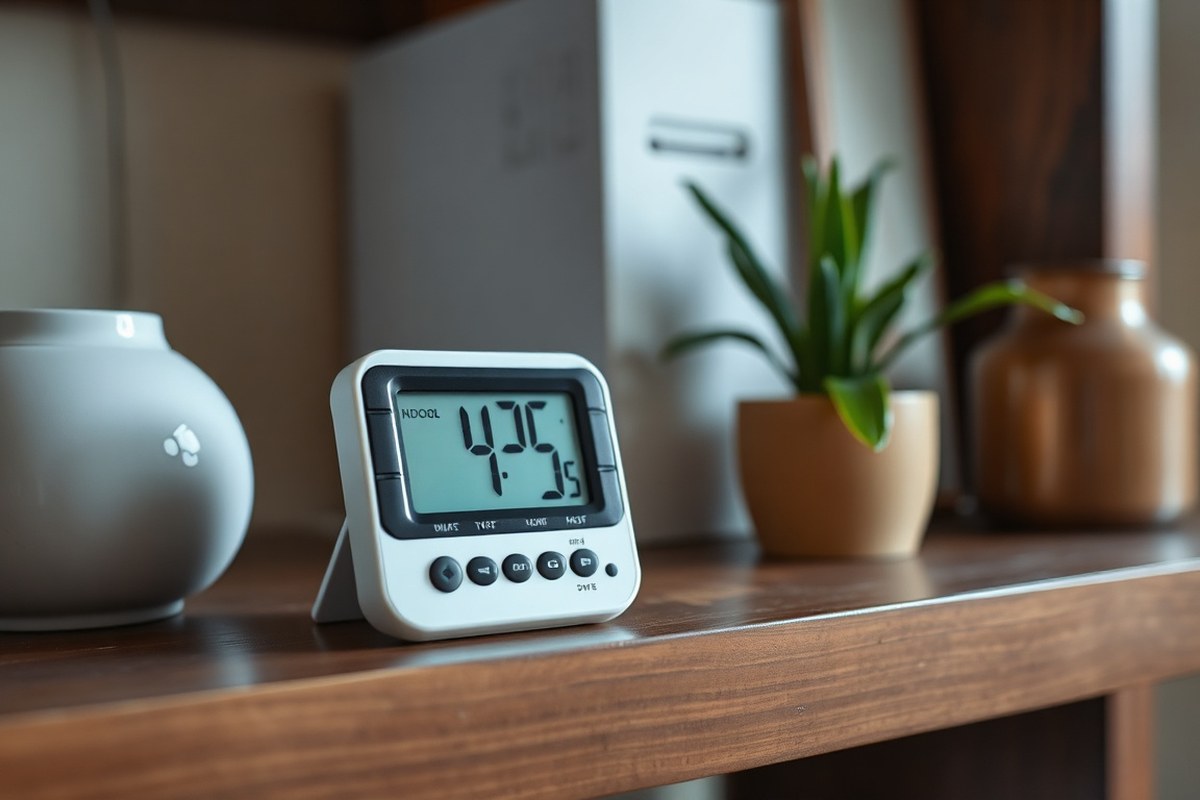
The correct indoor humidity range is between 30% and 50%. This range comes from experts like the EPA and indoor air quality standards. Staying within 30% to 50% relative humidity keeps your home comfortable and healthy.
When humidity is below 30%, the air feels dry and can irritate your skin and throat. Dry air can also cause wood in your house to crack and paint to peel. At levels above 50%, moisture builds up and encourages mold, dust mites, and allergens.
Keeping humidity below 60% is important to avoid mold growth and damage to your home’s structure. You can use a digital hygrometer in bedrooms to check humidity. It also works well in basements.
This helps monitor levels accurately. Check the reading.
Under 30% means adding moisture carefully. Over 50% means find moisture sources and ventilate well.
In colder climates, humidity closer to 30% to 40% helps prevent condensation on windows during winter. Tropical plants or highly insulated homes might benefit from humidity closer to 50%.
Adjust for your home’s conditions but avoid letting the humidity go above 60%. That’s where issues like warped wood or peeling paint start to show.
How Outdoor Temperature Influences Indoor Humidity Limits
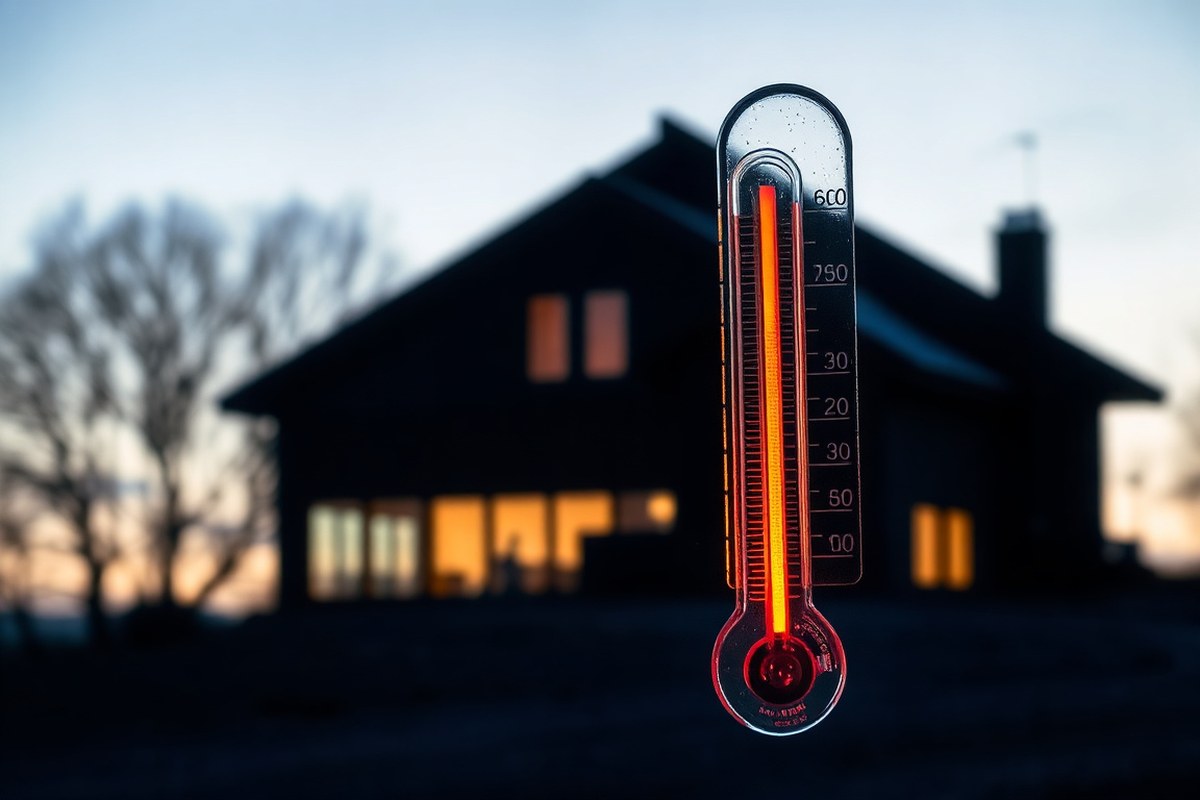
Indoor humidity should change based on outdoor temperatures to avoid moisture buildup. Cold air holds less moisture.
So your home’s humidity must drop as it gets colder outside. That helps stop condensation and mold from forming on windows and walls.
You can use outdoor temperature as a guide for your indoor humidity target. Higher outdoor temps allow higher indoor humidity safely. Keep indoor humidity much lower when it’s freezing or below.
This stops condensation inside walls and on cold spots. Moisture can cause damage if not controlled.
| Outdoor Temperature | Maximum Recommended Indoor RH | Why It Matters |
|---|---|---|
| Above 50°F (10°C) | Up to 50% | Minimal condensation risks, comfortable air |
| 20°F to 50°F (-7°C to 10°C) | 35, 40% | Prevents moisture on cold surfaces |
| Temperature range between 0°F and 20°F (-18°C to -7°C) is very cold. This range can affect your home’s moisture levels severely. Keep humidity low during these conditions. | Up to 35% | Reduces condensation in walls |
| Below 0°F (-18°C) | 25, 30% | Avoids frost and ice inside walls |
For example, if the outdoor temperature is 15°F, keep your indoor humidity no higher than 35%. This cuts condensation on those cold surfaces that can lead to mold and damage. Letting humidity creep above those levels can cause moisture buildup and frost inside wall cavities.
During winter, run a hygrometer indoors to check humidity and adjust your humidifier or dehumidifier. Water droplets on windows or walls mean humidity is too high. You need to lower moisture to prevent condensation problems.
Use a dehumidifier or improve ventilation. Turning down humidity reduces mold growth and structural problems like wood rot.
Keep indoor humidity below 60% year-round. But lower it to 25-35% during freezing weather to prevent mold and condensation.
During summer, humidity near 50% usually causes no problems. Outdoor air is warmer and holds more moisture then. You can keep indoor humidity a bit higher safely.
In contrast, heavy moisture inside when it’s below freezing outside means trouble. Dry air can feel uncomfortable, but overly humid air risks costly damage.
How to Accurately Measure Your Home’s Humidity Levels
Use a reliable hygrometer to measure your home’s humidity. Choose a device suited for your budget and check it often to stay accurate. Proper placement helps avoid false readings, so think about where you put the meter.
Types of Hygrometers and Their Accuracy
Digital hygrometers give quick and easy readings. They cost between $10 and $40 and often include temperature displays too. Some models connect to your phone or smart home system for alerts.
Analog hygrometers are less common but can be calibrated and last a long time. They are simpler and don’t need batteries.
However, their accuracy can drift. So check them against a digital meter now and then.
More advanced devices, like combined thermo-hygrometers or smart thermostats, track humidity with reasonable accuracy. Yet, standalone digital hygrometers usually offer the best value and measurements for everyday use.
Ideal Placement Locations for Monitoring
Place the hygrometer in a frequently used room, such as your living room or bedroom. Avoid kitchens and bathrooms, as steam from cooking or showers can raise humidity temporarily. Keep the meter away from direct sunlight and heating or cooling vents.
Mount the hygrometer about five feet off the floor. This height reflects the air where people spend time. Keep it near the room’s center.
Avoid placing it near windows. Stay away from exterior doors to prevent drafts.
For full home monitoring, use multiple meters in different rooms. Check basement levels separately to catch excess moisture often found there. This helps you notice problem areas before mold or damage starts.
Interpreting and Acting on Measurements
Read the meter at different times during the day. Humidity often changes with temperature shifts and activities like cooking. Look for consistent averages near 30 to 50 percent to maintain comfort and protect your home.
Watch out for sudden spikes above 60%. That can cause mold growth and damage wood and paint.
Below 30%, dryness can crack wood and irritate skin and sinuses. Adjust your humidifier or dehumidifier settings based on these readings.
Use a simple routine to track your home’s humidity. Write down the readings for a week, noting the time and conditions. This helps you spot patterns or problems early and choose the best humidity control steps.
- Buy a digital hygrometer with good reviews for accuracy and durability.
- Place the device 5 feet high in a central spot in a main living area.
- Keep it away from vents, windows, and bathrooms to avoid false readings.
- Check and record readings twice a day for at least a week.
- Compare readings with outdoor weather changes and indoor activities.
- Adjust your humidifier or dehumidifier based on the average humidity range.
- Move the meter and repeat if a room feels too dry or damp over time.
Signs and Risks of Incorrect Indoor Humidity
Dry air in your home can cause itchy eyes, dry skin, and an irritated throat. When humidity falls below 25%, it can crack nasal passages and weaken your respiratory system’s defense. Dryness often happens in winter when cold air holds less moisture.
Heating indoor air dries it even more. This creates a very dry environment indoors.
Too much moisture makes the air feel heavy and sticky. This happens mainly above 65% relative humidity. It can make your home uncomfortable.
Mold and dust mites grow fast in moist environments. They multiply within 24 to 48 hours.
This hurts both air quality and your health. High humidity can also worsen allergies and asthma, and may disrupt your sleep.
Damage to your home and belongings is another risk of incorrect humidity. Excess moisture can warp wood floors and damage furniture finishes. It also causes condensation on walls and windows.
These problems can ruin your home’s look. Low humidity can cause wood to crack and paint to peel, leading to costly repairs.
- Dry air signs: dry skin, itchy eyes, sore throat, cracked nasal passages
- High humidity symptoms: sticky air, musty smell, visible mold, allergy flare-ups
- Mold growth starts after 24-48 hours above 65% humidity
- Wood and furniture damage from cracking or warping
- Dust mites thrive in humid, sticky air, worsening allergies
- Condensation on windows or walls indicates too much moisture
Check for these signs regularly, especially during seasonal changes. For dry air, use a humidifier to add moisture gradually.
For high humidity, ventilation or a dehumidifier helps lower moisture levels. Keeping humidity within 40% to 60% supports comfort, prevents damage, and protects your health.
How to Safely Raise Indoor Humidity Levels
To safely raise indoor humidity, use humidifiers or natural methods like houseplants and water evaporation. You need to control humidity carefully to prevent moisture damage. Proper timing and monitoring help keep humidity at a healthy range, usually 30% to 50%.
Using Portable and Whole-House Humidifiers
Portable humidifiers add moisture to a single room and cost between $30 and $100. Whole-house humidifiers link to your HVAC system. They control humidity for the entire home.
An indoor humidistat manages settings. These systems work by adding moisture until your set humidity level is reached.
Follow these steps to use humidifiers effectively:
- Choose a humidifier size based on room or house square footage.
- Fill the humidifier tank with clean water according to the instructions.
- Set your humidistat to about 40% relative humidity for comfort and safety.
- Run the humidifier during dry seasons or when indoor humidity drops below 30%.
- Check water levels daily and refill as needed.
- Clean the humidifier regularly to avoid mold or bacteria buildup.
- Adjust settings if you notice condensation on windows or musty smells.
Regular cleaning of humidifiers is essential to prevent mold growth and protect your air quality.
Natural Methods to Add Moisture
Houseplants release moisture through their leaves, increasing indoor humidity in small areas. Plants like ferns and peace lilies work best for this purpose. You can put shallow bowls of water near heat.
This adds moisture to the air slowly. It helps increase humidity over time.
Here are simple natural ways to raise humidity:
- Place several indoor plants around your home, focusing on commonly used rooms.
- Group plants together to boost moisture output.
- Fill shallow containers with water and set them near radiators or vents.
- Dry clothes or towels indoors instead of using a dryer.
- Boil water on the stove occasionally to create steam, especially during cold months.
Keep plants healthy and avoid overwatering to prevent mold or pest problems indoors.
Precautions to Avoid Excess Moisture
Excess humidity can cause condensation, mold, and mildew, damaging walls and furniture. Keeping indoor humidity between 30% and 50% limits these risks while maintaining comfort. Use a hygrometer to monitor moisture levels regularly and adjust humidifiers or natural methods accordingly.
To avoid moisture problems, follow this advice:
- Check for condensation on windows or walls daily during humidifier use.
- Lower humidity if you see water droplets or feel dampness indoors.
- Ventilate rooms by opening windows briefly when possible.
- Keep bathrooms and kitchens well-ventilated with exhaust fans.
- Reduce humidifier runtime or turn it off during warmer, wetter days.
Controlling humidity prevents damage from mold and keeps your home healthy.
How to Effectively Lower Excess Humidity
You can lower excess indoor humidity by removing moisture from the air. Using dehumidifiers, improving airflow, and changing daily habits help prevent mold and dust mites. These steps make your home feel more comfortable and reduce health risks.
Choosing Between Portable and Whole-House Dehumidifiers
Dehumidifiers pull moisture from the air to cut humidity quickly. Portable models are perfect for damp rooms like basements or bathrooms. They usually cost between $150 and $300 and cover up to 1,000 square feet.
Whole-house dehumidifiers connect to your HVAC system. They keep humidity steady throughout your home but cost $1,000 to $2,500 installed. These work best if high humidity is a widespread issue, not just in one room.
Make sure to check the capacity before buying. A unit that removes 30 to 50 pints per day works for most homes. Keep your humidity below 60% to stop mold growth.
Improving Ventilation and Airflow
Good ventilation helps reduce moisture buildup and controls humidity levels. Exhaust fans in kitchens and bathrooms expel moisture outside. Run these fans for at least 20 minutes after showering or cooking.
Mechanical ventilation systems, like MVHR units, keep indoor humidity balanced. They exchange stale, moist air for fresh outdoor air without losing heat. This helps reduce excess humidity all year long.
Opening windows for short periods also increases airflow. Use fans near windows to push moist air out and bring dry air in.
Everyday Habits to Lower Moisture Levels
You can reduce humidity with simple lifestyle changes. Avoid drying clothes indoors because wet fabric adds moisture to the air. Use a dryer or hang clothes outside when possible.
Fix leaks in pipes, roofs, and walls promptly. Water intrusion increases indoor humidity and leads to mold problems. Also, keep indoor plants in moderation since they release moisture.
Run your air conditioner during humid days. It removes water from the air as it cools your home. Maintain your AC system regularly to keep it working efficiently.
- Close bathroom doors and turn on exhaust fans during showers.
- Use a dehumidifier in damp areas like basements after rainy weather.
- Open windows briefly to improve ventilation when weather allows.
- Hang clothes outside or use a dryer instead of indoor air drying.
- Fix leaks in plumbing, walls, or roofs as soon as you spot them.
- Limit the number of indoor plants to reduce extra moisture release.
- Run your air conditioner during warm, humid days for dehumidifying.
- Consider installing a whole-house dehumidifier if multiple rooms feel clammy.
Seasonal Humidity Adjustments for Year-Round Comfort
Humidity needs shift as outdoor weather changes. You should keep your indoor humidity between 30% and 50%. This helps with your comfort and your health.
Try to maintain this level year-round. Adjusting humidity in each season helps protect your home and keeps heating and cooling systems efficient.
In colder months, dry air from heating can lower humidity below 30%. Raising it to around 40% to 50% reduces static, dry skin, and respiratory discomfort. Use whole-home humidifiers or portable humidifiers strategically in winter rooms.
Warm weather brings higher humidity outdoors which can creep inside. Keep indoor humidity near 40% to 50% in spring and fall. This level balances comfort and stops mold growth.
It helps keep your home healthy. Air conditioners and dehumidifiers help lower moisture during summer’s sticky days.
| Season | Recommended Indoor Humidity | Why Adjust? | How to Adjust |
|---|---|---|---|
| Winter | 30% – 40% | Heating dries air, causes discomfort | Use humidifier; monitor to avoid condensation |
| Spring | 40% – 50% | Temperature rises; moderate moisture for comfort | Ventilate and use a dehumidifier if needed |
| Summer | 40% – 60% | High outdoor humidity; risk of mold | Use air conditioning & dehumidifiers |
| Fall | 40% – 50% | Heating starts; maintain balance for comfort | Monitor with humidistat; adjust HVAC settings |
Your home’s heating and cooling system often controls indoor humidity automatically. Some homes benefit from adding whole-home humidifiers or dehumidifiers for precise control. Portable units work for small areas, but bigger homes need integrated systems.
Keep an eye on humidity during seasonal changes. Use a hygrometer to measure levels and adjust devices as outdoor temperatures shift. Maintaining these ranges reduces strain on your HVAC system and keeps your home feeling fresh year-round.
Common Humidity Mistakes and When to Call a Professional
Using a humidifier or dehumidifier incorrectly can cause more problems than it solves. Many homeowners choose units too big or too small. This causes short cycling or poor humidity control.
It weakens the system’s efficiency and comfort. Installing a device without checking home size or HVAC system compatibility often wastes money and time.
Some common mistakes are setting the humidity level too high or low. People often set humidifiers above 50% humidity. This can lead to mold growth and dust mites.
Keep your home’s humidity at or below 50%. Running dehumidifiers past 30% can dry out the air, leading to skin irritation and static shocks. A good rule is to keep humidity between 30 and 50 percent for balance.
- Choose equipment sized for your home’s square footage and ceiling height
- Set humidifiers no higher than 45-50% relative humidity
- Keep dehumidifiers above 30% relative humidity to avoid dryness
- Clean or replace filters regularly to maintain airflow
- Check for humidistat calibration errors or sensor malfunctions
- Review HVAC drainage and ventilation to prevent water buildup
- Don’t rely on guesswork; measure humidity with a quality hygrometer
Problems needing a pro usually involve persistent excess moisture or dryness. Recurring mold, window condensation, or musty smells need expert help. Call a professional even if equipment works right.
They can find hidden problems and fix them. They can inspect your HVAC system, ducts, and insulation. Sometimes poor ventilation or leaks create humidity issues that DIY solutions can’t fix.
Experts in Vineland, Millville, and Washington Township install whole-home systems. These systems typically cost $400 to $1,500 for humidifiers and $1,500 to $3,000 for ducted dehumidifiers.
While upfront costs are significant, they avoid frequent repairs and improve comfort long-term. Professionals also balance humidity levels to match seasonal needs and outdoor temperatures.
Check your humidistat settings monthly and never guess humidity by feel alone. Accurate measurement keeps your home healthy and comfortable.
Step-by-Step Action Plan for Better Indoor Humidity
Follow these steps to get your home’s humidity just right. You’ll notice more comfort and fewer problems with air quality.
- Day 1: Buy a reliable hygrometer to check your home’s current humidity. Check readings in different rooms to find problem areas.
- Week 1: Use a humidifier or dehumidifier depending on your readings. Aim for 30% to 50% humidity and daily monitor to track changes.
- Week 2: Adjust your HVAC system’s settings to maintain stable humidity. You’ll know it works when the hygrometer shows steady levels in the ideal range.
- Week 3: Add weather stripping or ventilation to reduce outdoor air influence. This stops big swings in moisture and keeps humidity steady.
- Month 1: Run a few test days with closed windows and no humidifiers. Check if your home naturally stays within the 30-50% range.
- Regularly: Clean humidifiers, dehumidifiers, and vents every month. This avoids mold buildup and keeps your devices running well.
- Seasonal Check: Before each new season, test indoor humidity and prepare to adjust your devices. This keeps comfort steady year-round.
Frequently Asked Questions
What Humidity Level Should I Keep to Avoid Mold Growth in My House?
Keep your home’s humidity between 30% and 50% to prevent mold growth. Mold thrives when humidity goes over 60%, so watch levels closely during humid seasons.
Can Too Much Humidity Damage the Structure of My House?
Yes, high humidity can cause wood to rot and paint to peel. Maintaining 30% to 50% humidity protects your house’s structural materials from moisture damage.
How Often Should I Check the Humidity Level Inside My Home?
Check humidity levels weekly or after severe weather changes. Frequent checks help catch problems before moisture or dryness cause damage.
Does Humidity Level Affect How Warm or Cool My Home Feels?
Yes, high humidity makes your home feel warmer. Low humidity makes it feel cooler. Balancing humidity helps keep your indoor temperature comfortable.
Can Pets Influence the Indoor Humidity Level in My Home?
Pets can slightly raise indoor humidity through breathing and moisture from fur. Proper ventilation and humidifier use can keep levels balanced.
What’s the Difference Between Relative Humidity and Absolute Humidity in My Home?
Relative humidity shows moisture in the air as a percentage of max moisture it can hold. Absolute humidity measures the actual amount of water vapor present.
The Bottom Line
The right indoor humidity improves comfort and protects your home’s air quality. Start by measuring your current humidity today. Small changes now can save you bigger problems later.