How Can I Grow Strawberries – a Complete Guide for Beginners & Beyond
How can I grow strawberries? Start by choosing the right variety for your climate. Then plant strawberries where they get at least six hours of sunlight each day.
Avoid spots where you grew tomatoes or peppers in four years. It helps prevent fungal diseases.
Next, prepare the soil by building mounded hills about 8 inches high and 24 inches across. Space plants about 24 inches apart in rows four feet apart. This layout helps nutrients reach the roots better and boosts air circulation.
Start strawberries indoors if you want a head start. Plant seeds or bare-root starts six to eight weeks before your last frost.
Put seeds in a sunny window or under a grow light. Set the light about 2 inches above the seeds.
Key Takeaways
- Choose strawberry types that match your local climate and growing goals.
- Space strawberry plants 18 to 30 inches apart for healthy growth.
- Plant strawberries where they get at least six hours of direct sunlight daily.
- Build mounded hills around 8 inches high to help soil drainage and root growth.
- Avoid planting strawberries after tomatoes, peppers, eggplants, or potatoes for four years.
- Start seeds or bare-root plants indoors 6 to 8 weeks before last frost.
How to Grow Strawberries Successfully from Start to Harvest
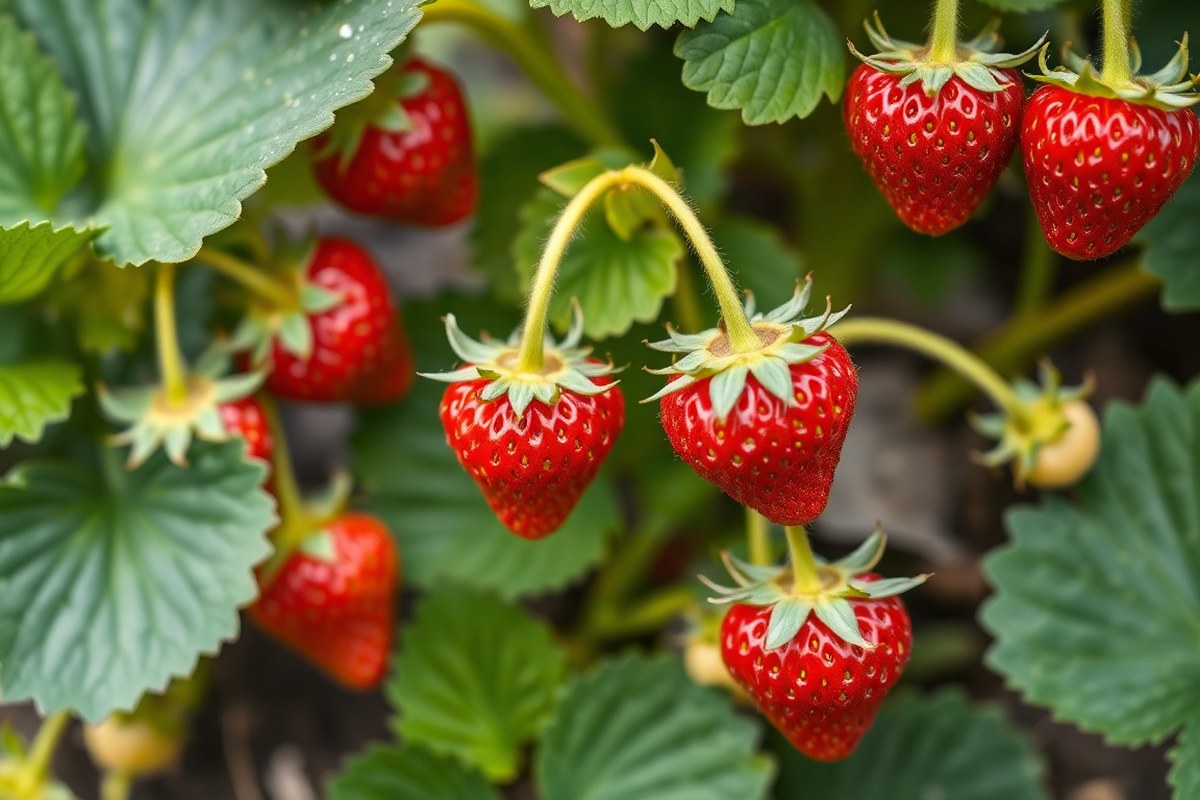
Strawberries need space to spread out. Plant them about 12 to 18 inches apart.
They also need around six to eight hours of direct sunlight daily to grow well. Avoid watering the leaves or fruit to prevent rot or fungus.
Water them with about 5 gallons for every 8 feet of plants. Don’t wait for fruit to pick until the morning dew dries.
Picking strawberries in the morning helps them taste fresher. Most plants will produce fruit within a few months and keep going for about three years.
- Prepare your soil with rich, loose dirt and a pH near 6.0 to 6.5.
- Space your strawberry plants 12 to 18 inches apart, giving each plenty of room.
- Plant strawberries with crowns just above the soil level, not buried.
- Water new plants gently at the base, using about 5 gallons every 8 feet.
- Provide six to eight hours of full sunlight each day.
- Watch plants for fruit starting a few months after planting. Harvest once berries turn bright red.
- Pick berries in the morning after dew dries for best flavor.
- Continue to care for plants to produce fruit over the next three years.
Choosing the Right Strawberry Varieties for Your Climate and Goals
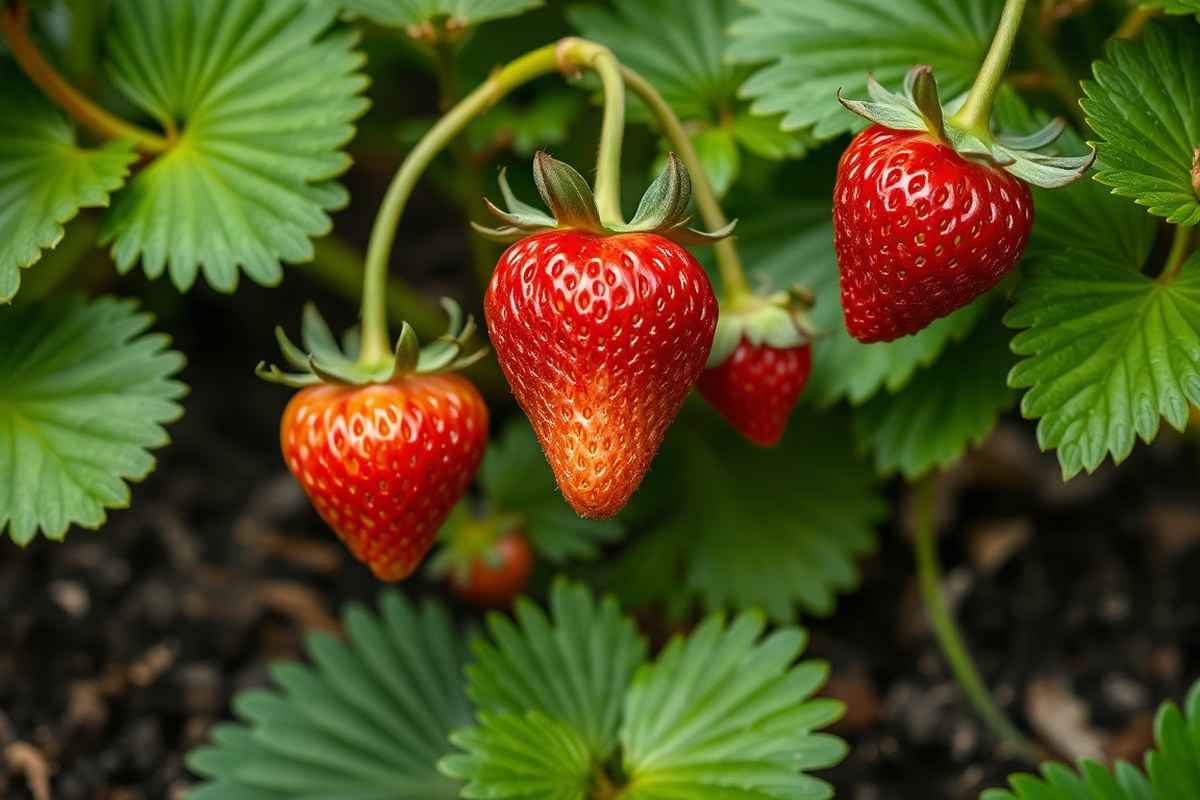
Picking the right strawberry type depends on your climate and space. Also, think about when you want fruit. These factors will guide your choice.
June-bearing, everbearing, and day-neutral strawberries differ in harvest time and plant behavior. Match the type to your region and goals for the best yield and ease.
June-Bearing Strawberries
These produce one large crop in late spring or early summer, perfect for freezing or preserving. They have bigger berries and strong runner growth, which helps spread your plants. June-bearers need a cold period to fruit well, so they suit cooler climates best.
They usually give the most fruit at once. They handle cold well. These strawberries grow in zones 2 through 8.
You must space plants well to keep runners from overcrowding them. Expect fruit by mid to late May or June.
After that, plants mostly send out runners. This happens throughout the rest of the season.
Everbearing Strawberries
Everbearing strawberries produce two smaller crops each year. One crop appears in spring, the other in early fall.
These berries are medium-sized and send out fewer runners. They grow in zones 2 to 8 but need longer daylight for best fruit.
Growers pick varieties like EverSweet or Ozark Beauty for steady summer fruit. Plants take up less space because they send out fewer runners. This kind works well if you want strawberries over a longer time.
They don’t produce constantly but last through the season. You’ll get fresh fruit in different periods.
Day-Neutral Strawberries
Day-neutral strawberries fruit throughout summer into fall, unaffected by day length. They start producing within 10 weeks after planting, good for quick harvests. These have medium-sized berries and a moderate rate of runner production.
They cope better with temperature swings than other types, ideal for zones 4 to 8. Growing in containers or hydroponics favors day-neutral types since they provide steady yields. You can pick from summer to autumn, often getting smaller but more frequent harvests.
| Type | Harvest Pattern | Berry Size | Fruit Season | Runner Production |
|---|---|---|---|---|
| June-Bearing | One large crop | Large | Summer (May-June) | Vigorous |
| Everbearing | Two crops | Medium | Spring & Early Fall | Few |
| Day-Neutral | Steady all season | Medium | Summer to Autumn | Moderate |
Picking the right strawberry type helps avoid wasted effort and poor yields. Your location and space determine which variety fits best. Think about how often you want to pick strawberries.
Also consider if you will use the garden or containers. These choices affect which type suits you.
Plant your strawberries at the correct crown depth and space to avoid weak growth or disease.
Variety Recommendations by Region
Grow June-bearing strawberries in cooler climates with cold winters, zones 2-8. They need chilling hours to bloom well and produce a strong single crop. Avoid these if your winters are mild or if you want more fruit throughout summer.
Everbearing strawberries suit zones 2 to 8 where days get long to trigger two fruiting periods. These strawberries do better in mild weather. Hot conditions or low daylight can make them struggle.
Your climate impacts their success. Choose them if you want fruit in spring and fall but less maintenance on runners.
Day-neutral varieties are best in zones 4 to 8 with more variable weather patterns. They tolerate heat and cold extremes better and produce fruit nearly all summer. These varieties suit container gardeners well.
They offer fresh berries at several times in the growing season. Good for steady picking.
Preparing Soil and Site for Optimal Strawberry Growth
Strawberries grow best in deep, loose soil rich in organic matter. You want a site with good drainage and sunlight. Testing the soil and adjusting pH will help your plants thrive.
Ideal Soil pH and Nutrients
Strawberries prefer soil pH between 5.8 and 6.2 for best growth. Testing your soil’s pH is easy with a home test kit or from your county extension. When your soil pH is low (acidic), add lime to raise it slowly.
For higher pH (alkaline) soil, growing strawberries in containers with compost-enriched soil is a smart choice. Strawberries need nutrients like nitrogen, phosphorus, and potassium in the right balance to produce well.
- Test soil pH several weeks before planting
- Add lime to raise pH if below 5.5, about 5 pounds per 100 sq ft
- Use sulfur to lower pH if above 7.0, following product directions
- Choose berry-specific fertilizer or balanced fertilizer (e.g., 0-10-10)
- Apply fertilizer monthly during growing season for best yields
Keep the soil within the ideal range for consistent fruit production. Avoid sudden large pH changes to protect beneficial soil life.
Improving Soil Drainage
Good drainage prevents root rot and other diseases in strawberries. Sandy loam is best since it drains well but still holds moisture.
Heavy clay soil needs at least 4 inches of compost added. Mix it in well.
Building raised beds or mounding the soil helps water flow away from roots. This reduces waterlogging, especially in rainy areas or low spots.
- Mix compost or well-rotted organic matter deeply into clay soil
- Create raised beds about 8 to 12 inches high for better drainage
- Use mulch to prevent soil compaction and retain moisture
- Clear site of weeds to reduce competition and improve airflow
- Test soil texture and drainage by digging a hole and filling with water
Well-drained soil keeps roots healthy and strawberries productive. Avoid planting where water pools after rain.
Composting and Fertilizer Tips
Strawberries are heavy feeders. Spread 2 to 3 inches of compost over the planting area.
Mix it into the soil afterward. This adds organic matter and nutrients for your plants.
Use a fertilizer made for berries or a balanced formula at planting. For example, apply one pound per 100 square feet of a 0-10-10 fertilizer. Feed monthly during growing for steady growth and fruiting.
- Use well-rotted compost to avoid burning roots
- Incorporate compost two weeks before planting
- Apply fertilizer monthly during the growing season
- Avoid too much nitrogen, which can reduce fruit and increase leaves
- Water plants well after fertilizing to help nutrient uptake
Regular feeding keeps the soil fertile and plants strong. Over-fertilizing can cause leaf growth with few berries.
Choosing the Best Planting Site
Pick a spot with full sun, about 6 to 8 hours per day. Sunlight is key for sweet, juicy strawberries. Avoid shaded or windy areas that can stunt growth or spread disease.
Site should be weed-free and have good air circulation. Planting in raised beds or containers helps manage soil conditions and drainage. Good preparation reduces pests and disease risk.
- Choose a sunny, sheltered location with no standing water
- Remove weeds and debris before planting
- Consider raised beds if soil drainage is poor
- Place plants about 12 to 18 inches apart for airflow
- Use weed barriers like landscape fabric under mulch to suppress weeds
Strawberries need a well-chosen site and proper soil prep to thrive. Investing time early simplifies care and boosts your harvest.
Planting Strawberries: Ground, Containers, and Hydroponics
Planting strawberries in garden beds gives your plants long-term space to grow. Choose a spot with full sun and well-drained soil. Plant as soon as the soil thaws and temperatures stay above 35°F at night.
Space June-bearing strawberries 12 to 24 inches apart. Keep the crown level with the soil surface to avoid rot. Avoid planting where tomatoes or peppers grew in the last four years.
These plants can spread fungus. This can harm your new plants.
Containers offer flexibility if you lack garden space. Use pots at least 12 inches deep and wide for good root growth. Hanging baskets, troughs, or growing bags also work well.
Strawberries in containers dry out faster, so water daily in hot weather. Make sure your container has drainage holes. Use good-quality potting mix for your garden bed.
Add a 2-4 inch compost layer on top. This helps keep soil wet and fertile.
Hydroponic systems grow strawberries without soil using nutrient-rich water solutions. These systems can be vertical towers or flat trays. Hydroponics allows precise control of water, nutrients, and pH.
Plants need support to hold the roots in place. So growers often use foam or coconut coir.
Regularly check water temperature; keep it between 60°F and 80°F for best strawberry growth. Hydroponic setups cost more upfront but speed up growth and fruiting compared to soil.
Here’s a quick comparison to help you choose the planting method for your strawberries:
| Method | Spacing | Container Size | Watering | Soil/Fertility | Typical Yield |
|---|---|---|---|---|---|
| Garden Bed | 12-24 in apart, 30 in between rows | Not applicable | Water deeply 1-2 times weekly | Well-drained, compost-enriched soil | 450 g per plant |
| Container | 1 plant per 12 in pot | At least 12 in diameter and deep | Daily when hot, keep moist | Potting mix with added compost | Lower than garden bed |
| Hydroponic | Depends on system; close spacing | Not container; uses trays or towers | Constant water/nutrient flow | No soil; nutrient solution | Faster fruiting, higher yield |
Check crowns carefully when planting in soil or containers. They should sit just at soil level. Too deep buries the crown and causes rot.
Too shallow lets the roots dry out. Mulching around plants helps keep moisture steady and prevents weeds. In containers, refresh potting mix yearly for best fertility.
For hydroponics, use a reliable nutrient mix and monitor pH daily. Roots must stay moist and oxygenated, so choose a system with good water circulation.
Plants grow faster but watch for overwatering signs in garden or containers. Good airflow and sunlight help prevent fungal diseases in all setups.
Growing Strawberries from Seed, Bare-Root, or Runners
Growing Strawberries from Seed, Bare-Root, or Runners
You can grow strawberries at home from seed, bare-root plants, or runners. Each method has its own timeline and care steps. Seeds need more time, while bare-root and runners give quicker results.
Starting Strawberries from Seed
Growing strawberries from seed at home takes patience and good light. Alpine strawberries grow well from seeds indoors but may be slow to sprout. Seeds need warmth and bright light to germinate.
Follow these steps to start seeds properly:
- Place seeds on moist seed-starting mix in a shallow tray.
- Cover lightly with a thin layer of soil or vermiculite.
- Keep the tray in a bright spot with morning sun. You can also use a grow light 2 inches above it.
- Maintain soil temperature between 60°F and 70°F for best germination.
- Keep soil moist but not soggy throughout germination, about 2 to 3 weeks.
- Thin seedlings once they have 2 sets of true leaves to avoid crowding.
- Transplant seedlings to individual pots when 3 inches tall before moving outside.
Seed-grown strawberries usually take 3 to 4 months before you can plant them outdoors.
Planting Bare-Root Strawberry Plants
Bare-root strawberries are young plants sold without soil, ready for transplanting. They’re often sold in early spring and get your garden growing quickly. They need careful planting to avoid drying out or root damage.
Here’s how to transplant bare-root strawberries correctly:
- Soak roots in water for 30 minutes to rehydrate before planting.
- Choose a sunny spot with well-draining, fertile soil.
- Dig holes wide and deep enough to spread roots out comfortably.
- Plant so the crown (where leaves meet roots) is just above soil level.
- Space plants 10 to 12 inches apart for good air and growth space.
- Water well after planting to settle soil and avoid air pockets.
- Mulch around plants to hold moisture and prevent weeds.
Delayed planting or burying crowns too deep can cause plants to rot or fail.
Propagating with Runners
Strawberry plants produce runners, or daughter plants, that root nearby. You can use these to multiply your plants without buying new ones. Runners are a quick way to expand your strawberry patch.
To propagate from runners, use this sequence:
- Wait for runners to form small plantlets with leaves and roots.
- Keep the plantlet attached to the mother plant. Pin it down into moist soil or a pot.
- Keep the soil moist and let roots develop over 2 to 3 weeks.
- Once rooted well, cut the runner stem to separate the new plant.
- Transplant the new plantlet to its permanent spot, spacing 10 to 12 inches apart.
Runners root best in spring and early summer when soil is warm and moist.
Scheduling and Timing Guide
Timing your strawberry planting depends on the method and your region. Start seeds indoors 6 to 8 weeks before last frost for a summer harvest. Bare-root plants and runners transplant best in late spring.
Here’s a simple planting timeline:
- For seeds: begin indoors 6-8 weeks before last frost.
- For bare-root: plant outdoors after the last frost date in your area.
- For runners: root new plants in spring and move them outdoors by early summer.
- Space plants 10 to 12 inches apart, whether seed-grown transplants or runners.
- Watch for fruiting in the planting year or the following year, depending on variety.
Starting too early without enough light delays growth and weakens seedlings.
Caring for Strawberry Plants: Watering, Feeding, and Protecting
Strawberries need about 1 to 1.5 inches of water each week. You can use roughly 5 gallons of water for every 8 feet of plants.
Water deeply but not daily, aiming for moist but not soggy soil. Check the soil; if it feels dry an inch down, it’s time to water.
Fertilizing depends on your soil but usually, adding balanced fertilizer in early spring helps. Plants with good soil and mulch often don’t need much more feeding.
You can apply a slow-release fertilizer or use compost around the base. Avoid heavy feeding late in the season to prevent leaf growth over fruit development.
Strawberries need frost protection when temperatures dip below 30°F, especially during flowering. Cover your plants with frost cloths or old sheets. In areas colder than zone 5, mulch with straw by late fall.
This protects plant roots from deep freezes. It helps strawberries survive harsh winters. Mulching also keeps moisture consistent and reduces weeds.
- Water strawberries about once a week or when soil is dry.
- Apply balanced fertilizer in early spring; less feeding after fruit begins.
- Cover plants if frost threatens during bloom, under 30°F.
- Apply straw mulch in fall for winter root protection in cold zones.
- Prune runners to keep plants productive and contained.
- Mulch after pruning to keep soil moist and cool in summer.
Pruning helps keep strawberry plants from spreading too much and lowers disease risk. Cut off runners if you want bigger fruit and less crowding.
Mulching after pruning keeps the roots cooler, reduces weeds, and helps maintain moisture during hot months. Clear away old leaves before winter to prevent mold and pests.
For pests, check plants regularly for signs of insects like aphids or slugs. Use organic controls such as neem oil or diatomaceous earth when needed. Good airflow from proper spacing, about 24 inches apart, also limits disease and bugs.
Harvesting Strawberries: Timing, Techniques, and Storage Tips
Strawberries are ripe when they turn fully red, with no white or green spots. The berries should look plump and shiny.
Pick strawberries when they are fully ripe for the best flavor. This stops fruit from rotting on the plant.
Check your plants every two or three days during harvest. This helps catch ripe berries early.
This frequent check keeps strawberries from attracting pests or spoiling. Most strawberry types are ready to pick about 4 to 6 weeks after they start blooming.
Picking strawberries gently avoids damaging the plants and fruit. Use your thumb and forefinger to pinch the stem just above the berry’s calyx.
Avoid pulling the fruit itself. This technique keeps the plant healthy and encourages more fruit.
After picking, store strawberries unwashed in a shallow container lined with paper towels. Keep the container in the fridge where the temperature is around 35 to 40 degrees Fahrenheit.
Strawberries stored this way stay fresh for up to 5 days. Wash berries with cool water right before eating.
Follow these steps to harvest strawberries properly. They cover timing, technique, and storage:
- Inspect berries daily once flowers fade, looking for fully red, firm fruit.
- Gently pinch and cut or twist the stem above the berry, avoiding pulling the fruit.
- Place picked strawberries carefully in a shallow container to prevent bruising.
- Harvest every 2 to 3 days during the 4, 6 week fruiting period.
- Store unwashed berries in the fridge at 35, 40°F on paper towels.
- Wash strawberries in cool water only before eating or cooking.
Common Strawberry Growing Mistakes and How to Fix Them
Poor spacing is a common mistake that weakens strawberry plants. Crowding stops airflow and invites diseases like verticillium wilt, which kills plants and ends fruit production. Space plants 12 to 18 inches apart.
This helps air move freely. It also gives roots space to grow.
Watering errors cause many problems, too. Wetting the crown or fruit invites fungal infections such as gray mold.
Use drip irrigation or water at soil level early in the day. This keeps leaves dry and lowers disease risk.
Weeds compete with strawberries for nutrients, water, and light. Mulch heavily with straw or black plastic. Mulching also keeps fruit clean and lowers soil temperature, helping plants stay healthy.
- Space plants 1 to 1.5 feet apart for airflow and root room
- Water at ground level, avoid wetting the crown or berries
- Use mulch to limit weeds, keep fruit clean, and reduce soil heat
- Remove old leaves and runners after harvest to prevent disease
- Inspect plants regularly for pests and treat promptly
- Renovate beds by thinning and fertilizing each year for better yield
Weak fruit production often signals overgrown or crowded plants. Renovate beds after harvest by cutting leaves back to one inch above crowns.
Thin out runners to keep about 4 to 6 plants per foot of row. Add balanced fertilizer to boost growth and fruit quality.
Diagnose problems by examining leaves and fruit carefully. Brown or wilting leaves suggest verticillium wilt or lack of water.
Stunted, spotted leaves may mean pests like spider mites. Deal with pests using insecticidal soap or neem oil, following label instructions.
Always water strawberries early in the day to let plants dry quickly and avoid fungal diseases.
Step-by-Step Action Plan
Follow this plan to get your strawberry patch growing well. Each step shows you when to act and how to tell if it worked.
- Before Planting: Test the soil pH and add compost until it reads 6.0 to 6.5. Healthy soil feels loose and crumbles easily.
- Day 1: Choose strawberry varieties suited to your climate and plant location. Seedlings should look fresh and green.
- Week 1: Plant bare-root or runners in well-drained soil with 12 inches between plants. Soil should stay moist but not soggy.
- Weeks 2 to 4: Water plants deeply twice a week. Leaves stay firm and not droopy signals good moisture.
- Month 2: Feed plants with a balanced fertilizer according to package directions. New leaf growth shows feeding worked.
- Month 3: Mulch around plants with straw to keep soil cool and reduce weeds. Mulch should cover soil but not bury crowns.
- Harvest Time: Pick ripe strawberries every two to three days. Bright red fruit that detaches easily means it’s ready.
- After Harvest: Remove old leaves, check plants for pests, and prepare soil for next season. Plants looking healthy and pest-free means you’re set.
Frequently Asked Questions
What Spacing Do I Need for Growing Strawberries in Rows?
Space strawberry plants about 24 inches apart with rows 4 feet apart. This arrangement prevents crowding and helps air circulation.
Can I Start Strawberries Indoors Before Planting Outside?
Yes, start strawberries indoors under grow lights 6 to 8 weeks before last frost. This jump-starts growth and leads to an earlier harvest outdoors.
How High and Wide Should the Soil Mound Be for Strawberry Plants?
Make a soil mound about 8 inches high and 24 inches wide for planting. This helps drainage and gives room for roots to spread.
Can I Reuse Last Year’s Strawberry Runners for New Plants?
Yes, you can grow strawberries from last year’s runners. They will root and produce fruit faster than starting from seed.
What Containers Work Best for Growing Strawberries in Alkaline Soil?
Large containers like half-barrels filled with compost-rich potting soil work best. They protect plants from alkaline ground conditions and retain moisture.
Are Strawberries Perennial or Annual Plants in Home Gardens?
Strawberries are perennial and can produce fruit for several years. Proper care helps your plants stay healthy and productive season after season.
Final Thoughts
You can successfully grow strawberries by following regular care steps. Start by planting the right variety in good soil today. Check soil moisture often to keep plants thriving.