What Size Pot for a Tomato Plant: The Ideal Container Sizes Explained
What size pot for a tomato plant matters a lot for healthy growth. For big, indeterminate tomatoes, use at least 15 gallons with 18, 24 inches depth. Smaller varieties like cherry or bush tomatoes need smaller pots but still require room to root.
A common mistake is buying a 10-inch wide pot and hoping for full-sized fruit. Bigger pots hold more soil, so roots spread easily and plants thrive better. Start with a pot that matches your plant type and watch its growth closely.
Make sure your pot has good depth, not just gallons listed on the label. Tomato roots grow deep and wide.
So pick containers about 18 inches deep and 12 inches wide at minimum. This lets your plants drink enough water and absorb nutrients well.
Key Takeaways
- Use 15, 25 gallon pots for indeterminate tomato varieties for best growth.
- Cherry tomatoes perform well in pots around 5 gallons in size.
- Bush tomatoes grow fine in 3, 5 gallon containers due to limited root spread.
- Avoid small 10-inch diameter pots; they often limit full-sized tomato development.
- Pick pots with 18, 24 inches depth to support deep root systems.
- Bigger pots hold more soil and help plants absorb water and nutrients better.
What Is the Best Pot Size for Tomato Plants?
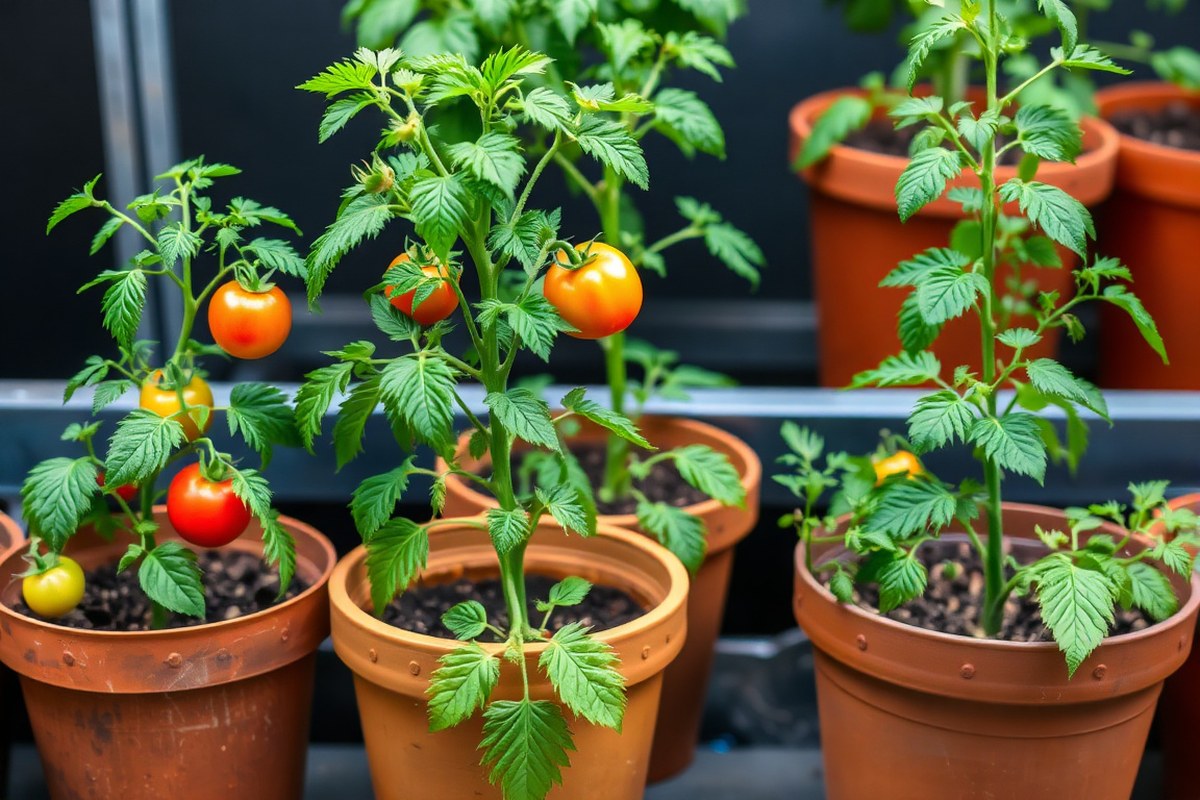
Choosing the right pot size depends mostly on the tomato variety you plan to grow. For small dwarf types, pots between 1 and 2 gallons work well.
Larger bush tomatoes need at least 5 gallons. But 7 to 10 gallons is better for healthy growth and fruit production.
Five gallons can support a tomato plant’s early growth. But it often limits the plant’s full potential. For example, cherry tomato varieties do fine in 5-gallon pots.
But increasing to 10 gallons improves fruit size and yields noticeably. You should use 15 to 20 gallon pots for indeterminate tomatoes like Beefsteak or Cherokee Purple. These pots need to be 18 to 24 inches deep to work well.
Pot size affects root space, soil moisture, and nutrient availability directly. A too-small pot dries out quickly and stunts root development, causing wilting and smaller fruits. Bigger pots keep soil moist longer and let roots spread freely, which supports bigger harvests.
Pick a pot that matches your tomato’s mature size. It also needs to fit well in your growing space. Use this simple rule to choose correctly.
That usually means a pot from 2 gallons for dwarfs to 20 gallons for large vines. A wider, deeper container holds more water and nutrients.
This means you water less often. Your tomato experiences less stress from drying out.
How Tomato Variety Influences Pot Size Needs
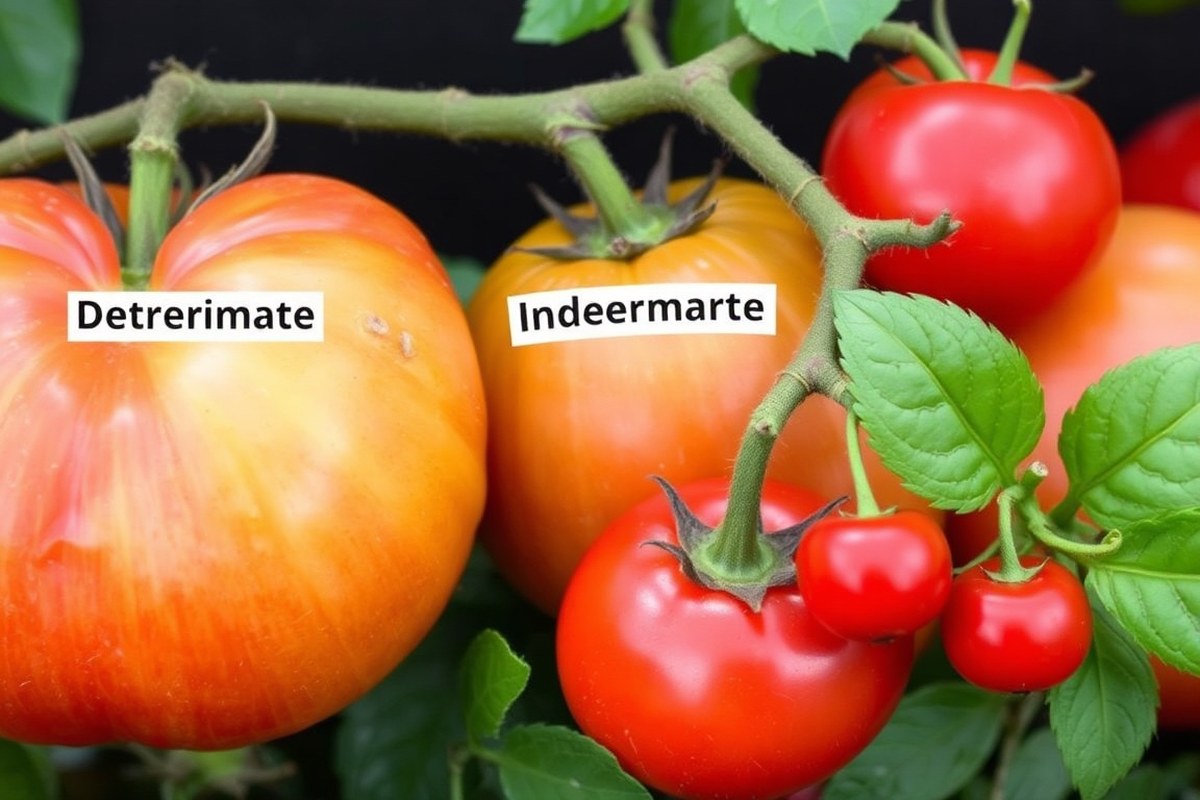
Tomato plant types need different pot sizes because of how their roots grow. Determinate tomatoes, also called bush tomatoes, have smaller root systems.
A 3-5 gallon pot with about 12-15 inches depth fits their average root growth well. This size keeps soil moist longer and supports their limited vertical growth.
Indeterminate types keep growing taller and have larger roots. They need more space, with pots holding 15-25 gallons of soil. The pots should be 18-24 inches deep.
This helps room for roots that grow two to three feet. Larger pots stop roots from getting crowded or dry. This can boost the fruit by up to 40 percent.
Cherry tomatoes are smaller plants but still need room to grow strong roots. You should use at least a 5-gallon pot, enough to hold the soil volume they need.
Some gardeners put two cherry plants in a 15-gallon pot. But one plant per pot gives better fruit per square foot.
| Tomato Variety | Recommended Pot Size (Gallons) | Pot Depth Needed (Inches) |
|---|---|---|
| Bush (Determinate) | 3 – 5 | 12 – 15 |
| Indeterminate | 15 – 25 | 18 – 24 |
| Cherry Tomatoes | 5 (minimum) | 12 – 15 |
Depth helps roots spread deep enough for good water and nutrient uptake. Shallow pots make roots crowded and dry out too fast.
Deep pots hold more soil and keep water longer. This lowers risks like wilting or blossom end rot.
Small pots often make plants wilt by afternoon. These plants may need watering twice a day. Sizing pots based on the tomato variety means healthy roots, less watering, and more fruit.
Choosing a pot too small for your tomato type can cut yields by 30% or more.
Why Depth and Width Matter More Than Gallons
Pot depth and width directly affect how well tomato roots grow. Root depth lets the plant establish strong anchoring and nutrient uptake. Meanwhile, root spread affects how many nutrients and water the plant can access.
Root Depth Requirements for Tomatoes
Tomato roots typically grow 12 to 18 inches deep in containers. You’ll want at least 12 inches of soil depth to let roots spread downward freely. Roots that can’t grow deep enough get crowded, limiting nutrient intake.
Choose a pot with 12 to 18 inches depth to prevent root restriction. Avoid pots shallower than 10 inches because they cause stunted growth. A deeper pot also helps anchor tall heirloom tomato plants.
A 10-gallon pot typically measures 14 to 16 inches deep. This size supports full root development for tomato plants.
Shallow pots force roots to grow sideways, which can stress plants and lower yields. Depth matters more if you use a grow bag, which may be wide but not deep.
Root Spread and Pot Width
Tomato roots spread out as much as they grow downwards. A pot with a small diameter limits root expansion and causes root binding. Root binding reduces water uptake and fruit size at harvest.
Pots should be at least 14 to 16 inches wide in diameter. This gives roots room to spread out sideways.
A 10-inch diameter pot labeled 2 to 3 gallons is too narrow for a mature plant. Wider pots help tomato plants access more oxygen and moisture around the root zone.
Wide pots also lower heat stress at roots during hot weather. For heirloom tomatoes, pots between 10 and 20 gallons with wide diameters suit root spread best. It’s better to have a wider, moderately deep pot than a tall, narrow one.
Common Pot Shape Pitfalls
Tall narrow pots may hold 10 gallons but often have just 10-inch diameters. This shape hinders root spread even if volume seems enough. Roots get crowded sideways and can suffer from oxygen shortage.
Conversely, wide shallow pots lack the depth needed for strong root anchoring and stem burying. Shallow containers can cause toppling in windy conditions or limit root access to moisture. This setup usually reduces fruit size and plant stability.
The best container shape balances depth and width, allowing roots to grow naturally. A 10-gallon pot with 14-inch diameter and 14-inch depth often works well. Avoid relying on volume labels alone; check actual dimensions before buying.
How Pot Material Affects Pot Size and Plant Health
Plastic pots hold moisture well, so you can water less often. They also warm up quickly in the sun, which helps roots grow early in the season. But in very hot weather, plastic pots can overheat soil, stressing the roots.
Self-watering pots are another plastic option with a water reservoir. They keep soil moist and prevent temperature swings near 105°F, making them great for warm climates.
Fabric grow bags dry out faster than plastic. So you’ll need to water more often. Their breathable sides let air flow to the roots.
This reduces root rot chances. It also helps roots grow strong and healthy. Grow bags often need to be bigger than plastic pots.
Soil in them loses moisture faster. So, the plant gets the water it needs. They also keep roots cooler in hot weather, which benefits tomato plants when it’s above 90°F.
Clay pots don’t hold moisture as well and dry out faster than plastic. They stay cooler than plastic pots in warm weather. But these bags can dry roots out.
You must water them on time. Wooden containers offer good insulation and air circulation.
They’re sturdy and hold moisture better than clay but less than plastic. Wood pots can keep roots cooler in warm or hot settings, which tomato plants like.
Try double-potting by putting a fabric grow bag inside a plastic pot. This setup gives roots extra air while holding moisture well. It also cushions roots from harsh temperature swings and cuts down how often you water.
In hot spots, use plastic or self-watering pots for easier moisture control. Fabric grow bags or wooden pots give the best root aeration.
They keep roots cooler than other containers. You may need to water daily or every other day.
| Pot Material | Moisture Retention | Temperature Control | Watering Frequency | Best Use |
|---|---|---|---|---|
| Plastic | High | Warms quickly, can overheat | Every 2, 3 days | Warm climates, beginners |
| Self-Watering | Very High | Stable around 105°F | Every 4, 5 days | Hot climates, consistent moisture |
| Fabric Grow Bags | Low | Keeps roots cool | Daily or every other day | Hot climates, root health |
| Clay | Low | Keeps cool | Every 1, 2 days | Cool climates, decorative |
| Wooden | Medium | Good insulation | Every 2 days | Moderate climates, root protection |
How to Recognize When Your Tomato Pot Is Too Small
Your tomato plant shows clear signs when its pot is too small. The leaves may wilt even after watering. You might notice the plant needs water twice a day instead of once.
Growth will slow, and flowering can stop or reduce significantly. Fruits can shrink and show blossom end rot, which looks like black spots on the bottoms.
Checking the roots is the surest way to tell if your pot is too small. Gently slide the plant out of the pot. Roots forming a thick tangled ball circling the edges means root bound.
This means roots don’t have room to grow and absorb nutrients properly. A root-bound plant can dry out quickly and suffer from nutrient shortages.
- Look for leaves that curl or wilt soon after watering
- Check if the soil dries out within hours rather than a day
- Observe if flowering stops or fruit size decreases
- Gently lift the plant to inspect roots for tight circling
- Smell the soil for any sour or rotting odor, signaling poor drainage
Adding soil on top of a small pot is rarely a good fix. It only raises the root level without increasing space for roots to spread. Instead, repot into a slightly larger container to avoid waterlogging.
For example, start in a 1-gallon seed pot. Then move to a 3- to 5-gallon pot for your starter tomato. This gives roots space without excessive wet soil that causes rot.
Repotting early, before plants become severely root bound, takes less effort. Use fresh potting mix and water thoroughly after transplanting, which helps the roots adjust. Plants in the right-sized pots grow healthier roots.
They also set more fruit. These plants face fewer problems like blossom end rot.
Adding just soil won’t fix root problems. A bigger pot is needed to stop root rot and dehydration.
Choosing the Right Pot Size for Your Growing Space
Start by measuring your available space and sunlight spots. This helps pick a pot size that fits well and supports healthy tomato growth. Also, think about the container’s weight to keep it stable and easy to move when needed.
Container Size and Space Constraints
Small patios or balconies work best with compact containers, like 5 to 7 gallons. These fit well on railing shelves or tight corners without crowding your area. Look for compact tomato varieties that thrive in smaller pots to match your space.
Choose a spot that gets at least 6 to 8 hours of direct sunlight daily. Position pots so plants don’t shade each other or block walkways. Remember, more space allows for bigger pots and healthier, fuller plants.
Weight and Stability Considerations
Larger pots hold more soil and water but get heavy fast, especially once tomatoes start fruiting. A 10-gallon pot filled with soil can weigh 30 to 50 pounds. To keep pots steady, place them on flat, stable surfaces to prevent tipping.
You should pick lighter containers like plastic or fabric pots to move. Smaller pots also help keep weight manageable. Avoid stacking many heavy pots close together to improve air circulation and reduce disease risk.
Multiple Plants in One Pot: Pros and Cons
Growing two tomato plants in one large container is possible but tricky. Both plants compete for water, nutrients, and root space. This can lower yields.
Yields may be less than when you grow just one plant. Bigger containers over 15 gallons are required to give roots enough room.
Spacing plants well inside the pot improves airflow and sunlight exposure. Still, two plants share resources, so feeding and watering must be more consistent. For best results, use one plant per pot and share space by grouping containers.
Watering and Soil Volume: How Pot Size Impacts Care
Smaller pots dry out faster because they hold less soil and moisture. That means you’ll need to water your tomato plant more often, sometimes daily in hot weather.
Larger pots hold more soil. So they keep moisture longer and need watering less frequently.
Depth and width both matter for stable moisture. A deeper pot lets roots grow well along buried stems and stays cooler.
Wider pots have enough soil volume to store water and support stability. So the soil doesn’t dry out quickly between waterings.
When you choose a bigger pot, the soil stays moist longer even on sunny days. This helps the tomato handle heat and drought better.
A small pot heats up quickly and dries out fast. This stresses your plant and slows its growth.
Use a pot at least 12 inches deep and 14 inches wide. This size works well for most tomato plants. That gives the roots room and enough soil to hold moisture steadily.
Hot climates need bigger pots or mulch. This helps keep water from evaporating too fast.
Check soil moisture by sticking your finger about 2 inches deep. Water only when it feels dry at that depth.
Overwatering in big pots can happen too if drainage is poor. So use pots with holes and good potting mix.
In tight spaces, you can use a 10-inch pot but water needs will increase. Keep a watering routine and inspect the soil daily in warm weather.
Larger pots cost more and weigh more. So balance size with your space and effort.
Remember, if your tomato is root-bound and packed in the pot, watering won’t help much. At this point, repotting into bigger containers is better than just adding soil or water. Healthy roots mean better water absorption and less frequent watering.
Common Mistakes in Tomato Pot Sizing and How to Fix Them
Many gardeners pick pots that are too small or wrong shaped for tomatoes. This causes slow growth or sick plants. Knowing common pot mistakes helps you fix them and grow better tomatoes.
The 5-Gallon Pot Trap Explained
A 5-gallon pot is called a ‘trap’ because it keeps your tomato alive. It limits the plant’s growth and space to expand.
It’s about 12 inches wide and deep enough for roots this season. Yet tomatoes do much better in 7 to 10-gallon pots with more soil volume.
Small pots dry out faster and restrict roots. That means slower fruiting and smaller tomatoes.
The 5-gallon pot traps your plant roots in a small space. This makes it hard for roots to spread and feed well.
When to Repot vs. Add Soil
Repotting is needed if roots fill the pot or if soil quality drops. Sometimes just adding fresh soil on top can help. But it doesn’t increase root space or fix root crowding.
Follow this quick checklist to decide what to do:
- Check if roots circle the pot or come out drainage holes.
- Look for dry, compact soil that repels water.
- Assess plant size; is growth stunted or yellowing?
- Check roots for crowding or poor soil quality. Repot into a bigger container if needed.
- Top off your soil with fresh soil when nutrients or moisture run low.
When repotting, gently loosen roots and add 2 to 3 gallons more pot size. Add mulch about an inch below the rim to lock in moisture.
Avoiding Heat Stress and Root Rot
Improper pot material and color can cause heat stress. Dark plastic pots in full sun can overheat roots above 85°F, hurting the plant. Using light-colored or terracotta pots can keep roots cooler.
Poor drainage or overwatering creates root rot. Make sure your pot drains well with enough holes.
Don’t let water sit for more than 15 minutes after watering. Good airflow around the pot also helps prevent rot.
Use a pot with good drainage holes and keep soil moisture steady, not soggy or dry.
Step-by-Step Action Plan for Choosing the Right Tomato Pot
Follow these steps to pick and use the perfect pot size for your tomato plant. Watch your plant’s growth to adjust as needed.
- Before planting: Choose a container at least 12 inches deep and wide for smaller tomato varieties. Check that the pot holds enough soil to keep moisture steady.
- Week 1: Plant your tomato seedling in the pot with high-quality soil. Keep the soil evenly moist and watch for steady leaf growth.
- Weeks 2 to 4: Check soil moisture daily and water when the top inch feels dry. The plant’s leaves should look bright and healthy, not wilted.
- Week 5: Check if roots grow out of the drainage holes. Notice if the soil dries out very fast. These signs mean your pot might be too small. Spotting these signs means you should get a bigger pot. Use one about 18 inches wide and deep.
- Week 6 onward: Use a stake or cage to support your tomato plant. This helps stop breakage. Bigger pots need more support. Healthy, upright growth shows your pot choice works.
- Every 2 weeks: Feed with tomato fertilizer according to label directions. Strong green growth and flower buds mean the plant responds well.
- Mid-season: Remove any crowded or yellow leaves to help air flow in the pot. Watch for fruit set, which tells you the plant feels comfortable.
Frequently Asked Questions
How Deep Should a Pot Be for a Tomato Plant?
Choose a pot depth of 18 to 24 inches for tomato plants. This depth lets roots grow well and helps the plant absorb enough water and nutrients.
Can You Use a Small Pot for Cherry Tomatoes?
Yes, small pots of about 5 gallons can work for compact cherry tomatoes. Still, bigger pots boost fruit size and health for most types.
Does Pot Size Affect Tomato Flavor?
Pot size can indirectly affect tomato flavor by influencing plant health. Bigger pots help plants grow stronger, which improves fruit quality and taste.
How Often Should Tomato Plants in Pots Be Repotted?
Repot tomato plants when roots fill the current pot or growth slows. This usually happens every 1-2 growing seasons.
Are Fabric Pots Better for Tomatoes Than Plastic Ones?
Fabric pots promote better airflow and drainage than plastic pots. They also help keep roots cooler during hot weather.
Can I Grow Multiple Tomato Plants in One Large Pot?
It’s best to plant one tomato per pot to avoid root crowding. Crowded roots can reduce growth and fruit production.
Key Points to Remember
Picking a pot with enough depth and width matters most for a tomato plant’s health. Start with a container that fits your variety and check growth regularly. Grab the right pot today to give your tomatoes the best chance to thrive.