How Long Do Deer Live Naturally: A Complete Guide to Lifespan Factors
Most wild deer live between 3 and 6 years naturally. Some can live up to 10 years, but that’s rare. Surviving the first winter is a major challenge for young deer.
They must also avoid predators like wolves and coyotes. Many young deer don’t make it past their first year. Food shortages, harsh weather, and disease further limit their lifespan.
These factors combine to keep wild deer lifespans relatively short. Deer in captivity often live longer, sometimes over 15 years. That’s because they get steady food and no threats from predators.
In the wild, deer face tougher conditions that shorten their lives. Their environment strongly affects how long they can live naturally.
Key Takeaways
- Wild deer usually live about 3 to 6 years under natural conditions.
- Survival past the first winter often increases a deer’s lifespan to 6-8 years.
- Predators and food scarcity are the main natural causes of death in deer.
- Deer in captivity often live 15 to 20 years due to fewer threats.
- Male deer tend to have shorter lifespans than females because of riskier behavior.
- Deer species vary significantly in lifespan, with some like fallow deer living longer.
How Long Do Deer Live Naturally in the Wild?

Most deer live between 3 and 6 years in the wild. White-tailed deer, common across North America, usually live about 2 to 3 years.
A doe can live 6 to 8 years after reaching adulthood. In rare cases, she lives 15 to 20 years.
Mule deer also live in North America and often live longer. They usually live 9 to 14 years in the wild.
Bucks tend to live shorter lives, about 2 to 4 years. Some bucks live up to 15 years in protected areas.
Deer rarely live past 15 years in the wild, even in unhunted herds. Elk usually live about 8 to 12 years. Some elk can reach 20 years old.
The few deer that live into their teens show what the species could achieve without threats. But most face many dangers early on, which lowers their typical lifespan.
Differences in Lifespan Between Deer Species
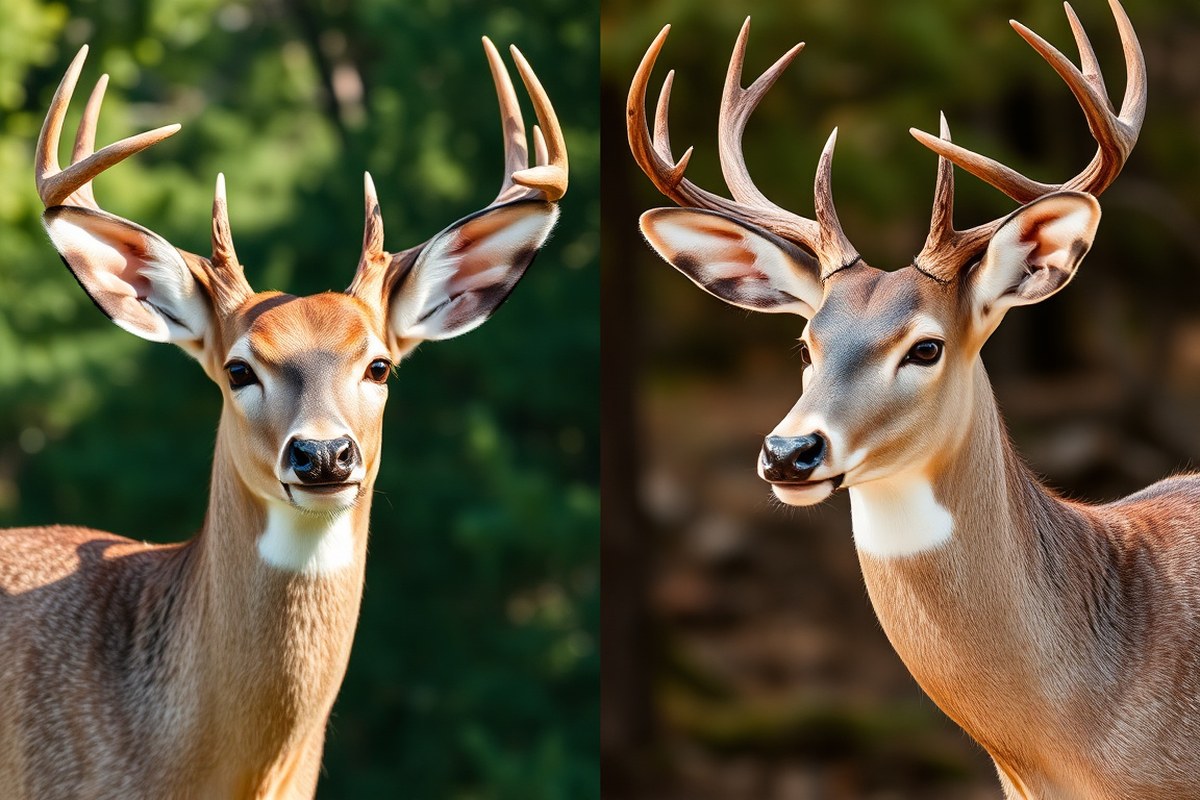
Different deer species show varied natural lifespans. White-tailed deer tend to live longer than mule deer. Species size, habitat, and threats affect how long they live.
White-Tailed Deer Lifespan Overview
White-tailed deer are the most widespread deer in America. They usually live 4 to 6 years in the wild.
Females tend to live longer, around 6.5 years on average, because they avoid high-risk behaviors common to males. In captivity, they can live up to 18 years, with some surviving past 20 years.
Mule Deer Lifespan Overview
Mule deer naturally live between 5 and 9 years. They face higher infection rates of diseases like chronic wasting disease, which shortens lifespan.
Captive mule deer often live between 15 and 20 years. They have stable food and no predators.
Other Key Deer Species Lifespan
Wild red deer can live 10 to 13 years. They often outlive mule and white-tailed deer.
Fallow deer live 12 to 16 years in the wild. They can reach 25 years when kept in captivity. Their bigger size and gentler habitat help with their longer life.
The table below compares natural lifespans across key deer species.
| Deer Species | Wild Lifespan (Years) | Captive Lifespan (Years) |
|---|---|---|
| White-Tailed Deer | 4 to 6 (females up to 6.5) | 15 to 20 (some up to 23) |
| Mule Deer | 5 to 9 | 15 to 20 |
| Red Deer | 10 to 13 | Over 20 |
| Fallow Deer | 12 to 16 | Up to 25 |
The larger deer species generally live longer in the wild. Habitat quality and disease exposure also play big roles. For example, red and fallow deer thrive in less disturbed areas with fewer predators.
Mule deer often have shorter lifespans due to higher disease rates and more frequent hunter pressure. White-tailed does benefit from social and behavioral traits that reduce risk and boost longevity.
Note that disease outbreaks or harsh winters can quickly lower average deer lifespans in any species.
How Male and Female Deer Lifespans Differ and Why
Male deer, or bucks, tend to live shorter lives than female deer, or does. Bucks average around 2.9 years.
Does can live up to 6.5 years in the wild. The reasons come down to biology and behaviors tied to reproduction and survival.
Bucks spend a lot of energy growing and carrying heavy antlers each year. Antler growth demands nutrients and can strain their bodies, especially as bucks age. Stress weakens their overall health.
It makes them more likely to die. Disease, injuries, or predators cause most deaths.
The mating season, or rut, also shortens buck lifespans. Bucks compete fiercely for mates and engage in fights that can cause wounds or fatal injuries. Many bucks exhaust themselves in these battles or become easy targets for predators during rut.
Female deer usually avoid these risky fights and conserve energy better. Does focus on staying in the herd and caring for their fawns. Their role as mothers demands staying healthy and protecting offspring, which encourages longer survival.
Female deer often spend several years raising multiple groups of young. This maternal effort affects their activity patterns and feeding habits in ways that support longevity. Does usually stay in familiar herds.
This lowers their stress a lot. Male bucks face more stress moving among groups.
Natural mortality shapes these lifespan differences, but hunting also influences age. In places with regulated hunting, bucks get harvested younger than does. This lowers the average age of bucks even more, making females appear older on average.
Bucks reaching about 3.5 years or older usually weigh 200 pounds or more in northern regions. In southern areas, a buck over 5 years old will typically reach or exceed this weight. The heavier, more mature bucks represent the longest-lived males, surviving antler growth and rut risks.
Main Natural Threats and Causes of Mortality in Deer
Deer face many natural threats that affect how long they live. Predators play a big role in controlling their numbers. These include coyotes, wolves, bobcats, and large birds of prey.
The density of these predators in an area changes survival rates for deer. Adults often fall prey to coyotes, while fawns struggle against hawks and foxes.
Diseases take a heavy toll on deer, especially in crowded herds. Chronic wasting disease slowly damages the nervous system and kills infected deer.
Epizootic hemorrhagic disease and bovine tuberculosis also cause rapid declines. Tick-borne illnesses weaken deer, making winter survival tougher.
Environmental hazards challenge deer survival, too. Severe weather like heavy rains or floods can ruin important feeding areas. This forces deer to travel into riskier zones, where predators and humans pose threats.
Food shortages during droughts also reduce deer health and increase death rates. Natural dangers add up, making wild deer lives tough and often short.
- Coyotes, wolves, and bobcats hunting deer
- Chronic wasting disease causing neurological damage
- Epizootic hemorrhagic disease causing sudden deaths
- Harsh weather destroying habitat and food sources
- Tick-borne illnesses weakening immune systems
- Flooding pushing deer into predator-heavy zones
- Malnutrition during drought periods
Survival depends on the balance between these risks. In places with fewer predators and diseases, deer live longer. Still, many don’t live past their first year due to these natural pressures.
Deer that dodge early dangers may live 15 to 20 years. These older deer are rare but do exist in the wild.
Longevity depends on food, predators, and environmental conditions. Predators and disease together shape the size and health of deer populations over time.
How Habitat and Food Availability Affect Deer Longevity
Deer live longer in areas with good habitat and steady food supplies. Quality habitats offer nutritious plants and enough cover. This helps deer stay healthy.
It helps avoid predators. Deer have better chances beyond the average 2 years.9 years seen in some wild whitetails.
For example, places with native leaves, grasses, and shrubs give deer nutrients to stay strong. Good cover means thick trees and bushes for hiding.
These reduce stress and make hunting harder, both key to longer life spans. In contrast, poor habitats with limited food force deer to use more energy searching for meals.
Seasonal shortages hurt deer survival. When winter lasts and snow blocks plants, deer lose weight. This weakens them and lowers their ability to fight diseases or escape predators.
When spring comes late, fawns might starve. This lowers the herd survival rate that year.
Urban settings offer mixed results. Some deer find food scraps and parks that help them in winter. But city lights can disrupt their sleep patterns, and cars increase accidents.
Urban deer face stresses like higher disease rates. They also have less natural cover. These factors can shorten their lifespan, despite easier food access.
Conservation efforts focusing on habitat restoration help. Plant native trees and shrubs. Cut down roads that divide land.
Connect green areas so deer can roam freely. These steps improve food quality and protection. Over time, more deer live longer, healthier lives in such areas.
Don’t underestimate the value of wildlife corridors. They connect feeding areas with safe shelter and improve deer survival.
Deer Life Stages and Survival: From Fawn to Adult
Deer live through several life stages that define their survival chances. Fawns rely heavily on their mothers for the first few months. Adults face different challenges as they grow older and reach reproductive maturity.
Newborn Fawn Vulnerabilities
Fawns start walking within 30 minutes of birth, but they are still fragile. Mothers hide them in safe spots to protect them from predators. Despite this care, only 45 to 60 percent survive the first month.
Harsh weather like long winters adds pressure on newborns. They can’t regulate their body temperature well at this stage. This vulnerability makes the first few weeks critical for their survival.
Young Deer Growth and Risks
Fawns depend on maternal care for about 3 to 4 months. This care means feeding and protection from predators. Young deer grow rapidly, but they still face threats like starvation and predation.
Deer up to 2 years old replace their teeth, impacting what they eat. Does reach reproductive maturity around 1.5 years old. However, fawns survive better when their mothers are at least 4 years old.
Reaching adulthood involves dodging serious risks every day. Conditions like food availability and weather shape survival during this stage.
Adult Deer Survival Patterns
Adult deer have all permanent teeth and are more resilient. Does usually reproduce after 1.5 years and can live over a decade in the wild. Some even reach 20 years or more in captivity with proper care.
Older deer face challenges, especially in tough winters or with disease. Survival rates depend on habitat quality and predation levels. Adult females older than 4 tend to have higher fawn survival rates.
Deer go through key stages that shape their life and survival. Here’s how their survival challenges progress through these stages:
- Stay hidden and close to the mother in the first weeks.
- Learn to find food independently while avoiding predators.
- Replace baby teeth with adult teeth by age 2 for better nutrition.
- Reach reproductive maturity around 1.5 years to begin breeding.
- Benefit from maternal experience if the mother is older and healthier.
- Survive tough seasons and predators, especially during harsh winters.
- Maintain good health to live beyond 10 years, sometimes reaching 20+ in captivity.
Human Impacts That Reduce Deer Lifespan in the Wild
Hunting is the main reason deer don’t live as long as they could. Hunters usually target mature bucks, which reduces the number of older males. This cutting of the population’s older age groups makes the average lifespan shorter.
Hunting seasons differ by state and last weeks or months. These periods cause added pressure on deer populations. It also changes deer behavior, making them more cautious and sometimes harder to find.
Vehicle collisions also cut deer lifespan significantly. Many deer cross roads unintentionally. Drivers might not see them until it’s too late.
These crashes happen mostly at dawn and dusk when deer are active. High-speed limits and busy roads increase the chance of accidents. Forest fragments near highways lead to more vehicle collisions with deer.
These crashes kill many deer that could live years. Some states try to reduce this by building wildlife crossings or putting up warning signs. But not all places have those yet.
Protected areas can help deer live much longer lives. In these zones, hunting is often banned or very limited. Natural habitats stay intact with fewer roads and less human disturbance.
Deer in these places have reached much older ages, sometimes 19 to 20 years. It takes ongoing management to keep these areas safe and healthy.
Deer can grow old without hunting or vehicle dangers. But diseases and predators still affect their lifespan.
- Manage hunting sustainably by setting limits on how many deer can be taken each year.
- Create wildlife corridors to connect separated habitats and reduce road crossings.
- Use clear road signs and lower speed limits during peak deer activity times.
- Establish and maintain protected areas where hunting and heavy traffic are minimal.
- Monitor deer populations regularly to adjust hunting seasons and safety measures.
Keeping hunting in balance is key to longer deer lives. Overhunting quickly lowers animal numbers and average ages. Controlled hunting plans help keep deer healthy by removing only a few each year.
Wildlife corridors let deer avoid vehicle-heavy roads, lowering crash chances. Protected areas offer safe zones, but they need constant care and monitoring. Without these efforts, human activities will continue to reduce how long deer live in the wild.
How Captivity Changes Deer Lifespan Compared to the Wild
Deer usually live far longer in captivity than in their natural habitat. Captive deer often live three to five times longer than wild deer. They avoid many outdoor risks thanks to a safer, managed setting.
Average Lifespan in Capture Settings
Most wild deer live about four and a half years on average before facing threats. In captivity, deer routinely live 12 to 20 years due to better care. This lifespan increase results from protected housing and regular feeding.
Here’s a comparison of deer lifespans to illustrate these differences clearly:
| Deer Setting | Average Lifespan |
|---|---|
| Wild Deer | 4.5 years |
| Captive Deer (Typical) | 12 to 20 years |
| Oldest Known Captive Deer | 23 to 24 years |
These numbers come from cross-referenced data of wild and farm-raised white-tailed deer. The extended life in captivity results mostly from reduced predation and illness.
Factors Extending Captive Deer Lifespan
Captive deer avoid predators like wolves, bears, and humans that hunt wild deer. They also get routine health checks and treatment for parasites and diseases. This greatly lowers deaths from infection and injuries.
Feeding happens on a schedule with balanced nutrition in captivity too. Wild deer must find food daily, which can be scarce or poor in quality. Stable food access prevents malnutrition and stress, helping them live longer.
Finally, captive deer are sheltered from extreme weather. Harsh winters or heat waves cause wild deer extra strain. Protective barns or enclosures keep captive deer comfortable year-round.
Regularly monitor captive deer for parasites and illness to keep them healthy.
Record-Setting Captive Deer Ages
Captive white-tailed deer have lived into their early twenties with good care. The longest recorded captive deer lived between 23 and 24 years. This age is five times the typical wild average of 4.5 years.
Such ages require an environment with stable food, minimal stress, and proper veterinary care. These cases are rare but prove what’s possible when risks are controlled and needs met.
The lifespan range varies among deer species and individual health. But captivity generally means years of extended life beyond wild norms.
Step-by-Step Action Plan to Understand Deer Lifespans
Follow these steps to get a clear picture of how long deer live naturally. Use this to appreciate wildlife or improve your management decisions.
- Start Today: Observe local deer or check reliable wildlife reports to identify common species around you.
- Within a Week: Note signs of deer age, like antler size or fawn markings. This shows how life stages differ.
- After Two Weeks: Learn common natural threats in your area. These include predators and harsh winters. They affect how well deer survive.
- One Month In: Study local habitat quality and food sources. This helps you understand their effect on lifespan.
- Six Weeks: Compare how males and females behave differently and why males often live shorter lives.
- Two Months: Identify human impacts such as hunting or vehicle collisions that shorten deer lives.
- Three Months: Explore any local captivity or conservation programs and how these may extend deer lifespan.
- Ongoing: Watch deer numbers change through the year. Track their health as seasons shift. This shows how environment and threats vary.
Frequently Asked Questions
How Long Do Deer Live Naturally?
Deer usually live 6 to 14 years in the wild. Some can reach early 20s, but over 15 years is rare for wild deer.
What Is a Deer’s Biggest Fear?
A deer’s biggest fear is usually predators like wolves, cougars, or humans. They rely on sharp senses and running to escape.
What Is the 7 Day Deer Rule?
The 7 day deer rule means wait one week after a kill before hunting nearby. This reduces disturbance and increases hunting success.
How Old Is an 8 Point Buck?
An 8 point buck is often around 3 to 5 years old. Points increase as the buck matures, but age varies by nutrition.
Do Deer Mourn Their Dead Fawns?
Deer do show signs of distress when a fawn dies. Mothers may stay close for a short time but don’t mourn long-term.
Can Deer Survive Harsh Winters Without Much Food?
Deer survival drops in long winters with little food, especially for fawns or weak adults. They rely on fat reserves to endure.
The Bottom Line
Deer in the wild usually live between 4 to 8 years, depending on species and threats. You can start observing deer behavior and habitat today to learn more. Taking notes on local conditions will deepen your understanding over time.