

Can a Deer Live with a Broken Leg? What Actually Happens and How to Help
Can a deer live with a broken leg? Yes, deer can survive such injuries.
They often manage to adapt and keep living in the wild. How well they do depends on how bad the break is and how well they can hide from predators.
The healing process usually takes about 6 to 8 weeks. During this period, the deer’s movement is very limited, making it more at risk. It’s important to watch for signs that the injury is getting worse or infected, especially if you come across one.
Keeping the deer calm and away from threats is important for its survival. Too much handling can cause stress, which may slow healing or cause more harm. Often, trained wildlife rehabilitators are the best choice to provide proper care and support.
Key Takeaways
- A broken leg usually heals in 6 to 8 weeks. The deer must stay safe and keep still during this time.
- Severity of the injury greatly affects the deer’s chance to survive long term.
- Deer often adapt to mobility challenges, sometimes living well on three legs.
- Predator presence increases risk, especially during the healing process.
- Fawns around 45 to 60 days old are more likely to survive broken leg injuries.
- Minimizing stress and avoiding excessive handling helps injured deer recover.
Can a Deer Survive with a Broken Leg?

A deer can survive with a broken leg. Survival depends on the break’s severity.
Simple fractures might heal on their own in 6 to 8 weeks. Complex breaks lower the chance of survival a lot.
The presence of predators also plays a big role. A deer that cannot run or escape well faces higher risks from coyotes, bobcats, and wolves. Strong, healthy adult deer have a better chance to survive.
Fawns and weak deer may struggle with food. They also have a harder time escaping hunters.
In some cases, a deer with a severely injured or even missing leg can adapt. Deer are strong and resilient, often adjusting their movement to limp or hop. The deer might not travel far or avoid danger easily.
This limits their movement but can still allow a decent life. They need a safe place to live well.
Hind leg injuries cause more pain and trouble moving. These legs carry more weight than front legs do. They also have many nerves, increasing discomfort.
Front leg injuries might impair feeding or balance but sometimes allow better adaptation. Euthanasia may be the kindest choice for some injuries.
It is considered when recovery is not possible. It helps stop the deer from suffering too much.
Types of Leg Injuries and Their Impact on Deer
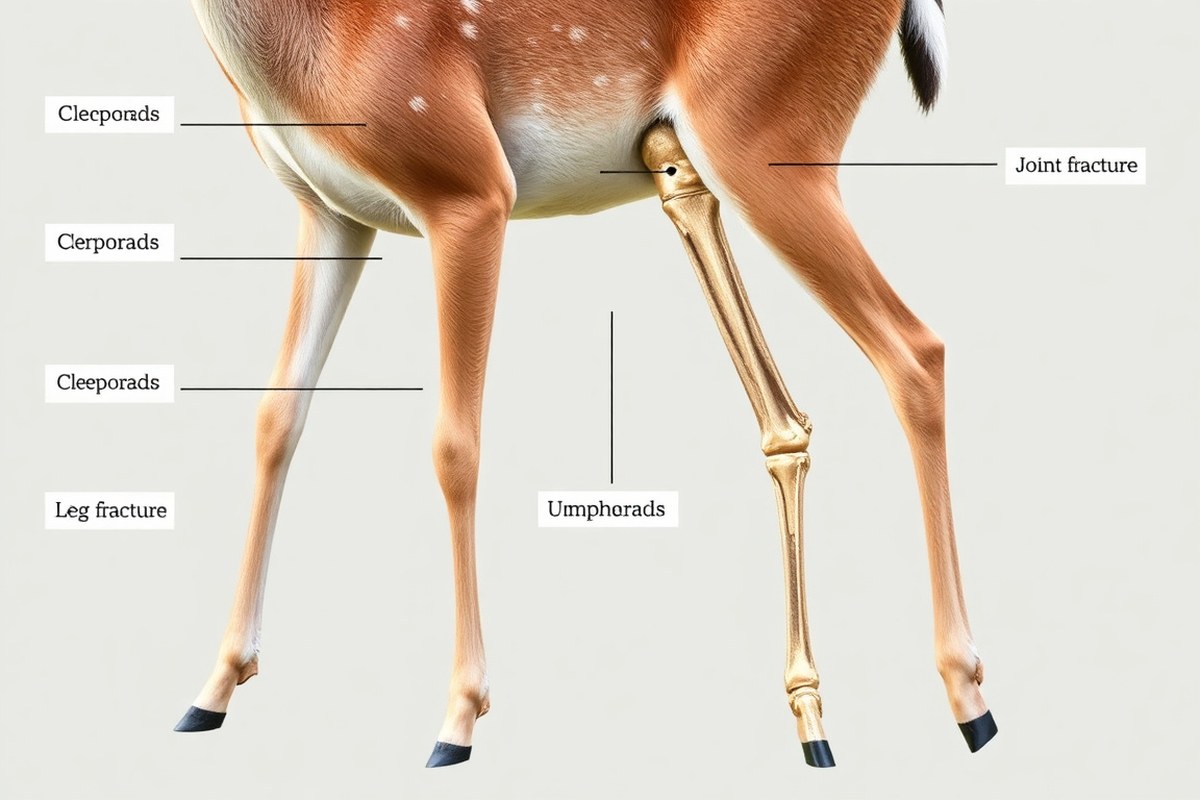
Deer legs can suffer from different types of fractures, each affecting healing and movement. Front and back leg injuries cause different challenges for the deer’s survival and mobility. A broken leg breaks the bone.
It is not like sprains or bruises. Sprains and bruises hurt soft tissue, not bone.
Closed Fractures and Recovery
Closed fractures happen when the bone breaks but does not pierce the skin. These breaks have higher healing potential because the risk of infection is low. Deer with closed fractures recover in 4 to 8 weeks.
They must avoid predators. They also need to move enough to eat.
Closed fractures commonly occur in both front and back legs. A broken front leg makes things harder for a deer. Deer use front legs to lift their body and run.
This struggle limits their escape. Broken back legs affect balance and jumping. However, deer may move better during recovery with back leg breaks.
| Fracture Type | Healing Potential | Recovery Time |
|---|---|---|
| Closed Fracture | High | 4-8 Weeks |
| Open/Compound Fracture | Moderate-Low | Varies by infection |
| Joint Involvement | Low | Permanent disability |
Healing depends on the deer’s age and health. Young deer may recover faster, while older deer take longer. Close fractures are the easiest for a deer to survive without medical care.
Open and Compound Fractures
Open fractures happen when the broken bone pierces the skin. This exposes the bone to dirt and bacteria.
These injuries often lead to infection, lowering the chances of survival. Recovery time varies and might be very long if infection occurs.
Such breaks make it harder for deer to move, especially with front leg compound fractures. Deer may not be able to run or reach food, increasing the risk of starvation. These fractures are serious because they combine broken bone with skin damage.
Spotting an open fracture means immediate wildlife rescue contact is critical to prevent infection.
Medical treatment is expensive and complicated. While vets can fix broken deer legs, it’s rarely done in the wild.
Deer with open fractures often die or rely on slow natural healing. This healing may not restore full mobility.
Joint Involvement and Complications
Fractures that involve joints cause permanent problems. These injuries reduce mobility more than simple bone breaks. Deer with joint injuries may develop long-term disabilities and struggle to survive.
Back leg injuries with joint damage can hurt a buck’s antler growth on the opposite side. Movement becomes painful and awkward. These complications mean the deer might never fully recover and often cannot escape predators well.
Unlike simple breaks, joint injuries don’t heal fully without treatment. This type usually leads to lifelong limping or difficulty walking. The deer’s survival chances drop markedly when joints are affected.
How Deer Adapt to Mobility Challenges After Injury
Deer rely on shifting their weight to adjust when a leg breaks. When a front leg breaks, the deer leans back on its body. It uses strong muscles in its hind legs to lift and move forward.
This weight shift changes the deer’s center of gravity. It helps balance the animal despite limping or hopping on three legs. The deer’s spine and hips change to handle new movements.
These adjustments help it stay mobile. This mobility lets the deer eat and escape danger.
Walking on three legs is tough and slow for a deer. They often hold the injured leg off the ground to avoid pain.
The other three legs work harder, which can cause fatigue. Still, many deer manage this by moving carefully and resting often.
Natural healing plays a big role in mobility recovery. The deer’s bones start to knit together even while it moves.
Deer also have high pain tolerance, letting them tolerate injuries longer. This helps them stay active enough for survival during healing.
Deer also learn to adjust their movements over time. They may avoid sharp turns or fast runs that strain the injured leg.
Instead, they walk in straighter lines and use gentle slopes to reduce pressure. These behavior changes improve chances of moving better despite injury.
Sometimes a deer lives long-term with a missing or non-functional leg. In some cases, these three-legged deer still reproduce and survive harsh winters.
They rely heavily on hind leg strength and good nutrition. But surviving like this requires avoiding predators and finding safe food sources.
How Long Does It Take for a Deer’s Broken Leg to Heal?
Healing a deer’s broken leg usually takes six to eight weeks. Bone repair happens in stages, starting with inflammation right after the break. Cells rush to the injury site and form a blood clot.
The clot later turns into soft tissue. This tissue is called a callus.
Next, the callus hardens into new bone over several weeks. This stage, called the reparative phase, rebuilds the bone’s strength.
The final phase is remodeling, where the bone reshapes to look like its original form. Remodeling can take months, but it doesn’t stop the deer from moving sooner.
Recovery speed depends on the deer’s age and health. Young deer tend to heal faster because their bones grow quickly.
Nutrition plays a key role, too. Supplemental food like hay or corn can provide needed energy and minerals for bone repair.
Environmental safety affects healing as well. Stress from predators makes recovery slower. Rough terrain also adds stress.
It forces the deer to move too soon. A quiet, sheltered spot allows the leg to heal without interruptions. Don’t handle or capture an injured deer unless needed.
Doing so can cause more stress. It can also cause more injury.
In short, a deer’s broken leg follows a natural repair process spread over weeks. Supporting the deer with good food and a safe space helps speed healing. But the leg’s strength may not fully return, affecting long-term survival chances.
How to Safely Help a Deer with a Broken Leg
You should avoid touching an injured deer with a broken leg unless authorized. The safest action is to call wildlife professionals to handle the situation. Trying to help on your own can hurt the animal or you.
It can cause more stress or injuries for both. Let trained people handle wildlife rescue.
Assessing the Deer’s Condition Safely
Stand a safe distance away and watch the deer’s behavior before approaching. Look for signs of severe injury like an open wound, inability to stand, or bleeding. Avoid loud noises or sudden movements that could scare the deer and worsen its condition.
Keep pets and people away to prevent the deer from running or panicking. Deer with broken legs are usually in pain and can act unpredictably. Observing quietly helps you report accurate details to the professionals without causing harm.
Immediate Steps to Take or Avoid
Protect yourself and the deer by not attempting to catch or handle it. Wild animals can carry diseases and may react aggressively when scared. Mark where the deer is so rescuers can find it fast.
Use visible signs like flags or notes. This helps save precious time.
Follow these steps if you decide to help while waiting for experts:
- Keep calm and speak softly to avoid startling the deer.
- Note the deer’s exact location using landmarks or GPS if possible.
- Clear dogs or other animals from the area to reduce stress.
- Avoid giving the deer food or water, which can cause harm.
- Watch from a distance for any changes in the animal’s condition.
- Prepare to give detailed information to wildlife responders when they arrive.
Never try to move or bandage the deer’s broken leg yourself. This can worsen the injury.
Who to Contact for Wildlife Assistance
Immediately call your local wildlife rehabilitation center or animal control agency. They have the proper permits and experience to handle injured deer safely. Provide them with clear details about the deer’s location and visible injuries.
Contact a wildlife rescue group or vet when you find a vulnerable fawn. Get help immediately for the best chance of survival.
They can give you specific advice and send trained personnel quickly. Local game wardens are also a reliable point of contact for injured wildlife cases.
Role of Wildlife Rehabilitation and Medical Treatment
Wildlife rehabilitation centers play a key role in helping deer with broken legs. They check the injury to decide the best care. They treat the deer or consider euthanasia.
They choose euthanasia if chances of recovery are low. These centers provide a safe environment, pain relief, and monitor the deer’s healing carefully.
Medical treatment for a wild deer’s broken leg often includes splinting or casting, but it’s tricky. Deer are stressed by captivity. Their legs must stay immobile long enough to heal, typically several weeks.
Rehab experts build quiet, controlled spaces for the deer. They limit its movement to help recovery. They do this to prevent more injury.
Rehabilitation involves careful monitoring for signs of infection or poor healing and adjusting care as needed. The process costs vary widely depending on facility resources and length of care.
Success depends on the deer’s age, overall health, and how severe the break is. Older or severely injured deer rarely recover fully.
Treating wild deer is hard because they might injure themselves again. They also have natural instincts to run or fight. These instincts make rehab more challenging.
Rehab centers use gentle handling and minimal human interaction to reduce stress. Once healed, staff prepare the deer for release by encouraging natural behaviors again.
Despite best efforts, not all deer recover from broken legs even with specialized care. The injury’s location and bone break type matter. The deer’s post-release environment also affects survival.
These factors decide if the deer can live. Euthanasia is suggested if the deer has severe pain.
It’s also recommended if the deer can’t move to escape predators. Experts weigh these factors carefully.
How Environment and Predators Affect Recovery Odds
The environment where a deer lives changes its chance to heal from a broken leg. Harsh weather, rocky or steep ground, and dense underbrush can make resting and moving hard. The deer might hurt itself more without safe spots to lie down or slow food gathering.
Food and water nearby give an injured deer a better shot at healing. Energy from food helps repair bones and fight infection.
When a deer lacks enough food or water, healing slows or stops. Places with lots of plants, berries, and streams offer the food and water deer need.
Predators make survival with a broken leg tough for deer. Coyotes, bobcats, wolves, and mountain lions hunt weak animals first. An injured deer must hide well or keep a safe distance from these hunters.
Some deer manage to move fast enough on three legs to escape. But this depends on the predator type and how rugged the ground is.
Deer in areas with fewer predators stand a better chance. For example, a deer trapped in thick woods with good cover rests better.
This place also usually has fewer predators around. Open fields or places where hunters often pass increase danger and reduce survival odds.
How a deer uses its environment also matters. Deer that find good spots with food and water close by waste less energy moving. They reduce injury risks by avoiding rough terrain.
To help heal, a deer needs a quiet spot with plenty of food. It also needs fewer dangers and easy water access.
Survival Chances for Fawns and Vulnerable Deer with Broken Legs
Baby deer rarely survive well with a broken leg. Their young age brings extra challenges like predation and the need to learn survival skills. Mother’s care plays a big role in how long they live and recover from injuries.
Fawn Physical Maturity and Injury Resistance
Fawns reach better survival chances at about 45 to 60 days old. By then, their legs and bones are tougher and can handle minor injuries better. Before this age, their bones are fragile, and healing often takes longer and is less certain.
Younger fawns have less experience moving and avoiding danger. Their lack of coordination makes a broken leg more disabling.
Deer have to learn key skills like running and hiding from danger. They often cannot master these well if seriously injured.
Risks from Predators and Starvation
Deer with broken legs can’t run fast to escape predators like coyotes, wolves, and bobcats. Young deer face even more attacks because predators easily spot a limping, slow animal. Starvation becomes an issue too since moving to feed can be very hard.
Without fast movement and good muscle control, fawns can’t reach food sources or safe places. In the wild, a broken leg drastically lowers any young deer’s chance of survival.
The injury drains their energy and gets worse if untreated. They have to keep moving, which makes the damage worse.
- Reduced speed invites more predator attacks.
- Lack of mobility cuts off access to nutritious plants.
- Pain and fatigue lower the ability to escape threats.
- Increased risk of infection from open wounds.
- Difficulty keeping warm if the injury limits shelter seeking.
- Higher chances of being abandoned by the herd or mother.
Watch for signs that a young deer struggles to keep up with its mother or herd.
Role of Maternal Support and Weaning Timing
Mothers protect and feed their fawns for about 2 to 3 months. This period is critical since mothers teach their young how to avoid dangers and find food. Injured fawns benefit hugely if the mother stays close and helps them move safely.
Mature fawns, around 45 days old, start eating plants in addition to nursing. This gradual weaning helps them survive even when mobility is limited. Without maternal support, young deer with broken legs have far fewer chances to heal or survive.
Step-by-Step Action Plan for Helping a Deer with a Broken Leg
Act quickly but carefully to increase the deer’s chance of survival. Follow these steps to provide the right help.
- Immediately: Keep a safe distance and avoid direct contact to reduce stress. Watch for signs of breathing and movement.
- Within the first hour: Contact your local wildlife rehabilitator or animal control expert. They can give proper medical care and advice.
- Day 1: If told to intervene, gently cover the deer. Use a large blanket or tarp to keep it still. This helps stop more injuries. Check if the deer is responsive and not worsening.
- First 3 days: Minimize disturbance and keep the deer in a quiet, protected area if possible. Observe from a distance for signs of improvement or distress.
- Week 1: Monitor the injured deer’s environment for predators and provide natural cover. Keep calls to wildlife professionals ongoing.
- After 2 weeks: Expect slow healing. Signs of limb use or weight bearing mean progress. No movement or worsening injury means urgent professional help is needed.
- Ongoing: Follow all advice from rehabilitators about feeding, shelter, and release timing. Stay ready to step back for the deer’s safety.
Frequently Asked Questions
Can a Deer with a Broken Leg Still Avoid Predators?
Yes, but a broken leg makes escaping predators much harder. Deer rely on speed to survive; injury greatly raises risks from predators.
What Signs Show a Deer Is Healing Well from a Broken Leg?
A deer that starts using the leg more is healing well. Improved mobility and less limping over weeks signal recovery progress.
Is It Safe to Try Moving a Deer with a Broken Leg?
No, moving a injured deer can worsen its injury or stress it. Always contact wildlife professionals to handle injured deer safely.
Do Older Deer Recover Differently from Broken Legs Than Younger Ones?
Older deer often heal slower and less completely than younger ones. Age affects bone healing and the ability to survive with injury.
Can a Broken Leg Cause Long-Term Changes in a Deer’s Behaviour?
Yes, injured deer may move less, avoid certain areas, or change feeding habits. These changes help the deer cope with pain or reduced mobility.
Does Weather Impact a Deer’s Recovery with a Broken Leg?
Harsh weather can slow healing and reduce food availability. Deer need good conditions to recover strength during the healing period.
Before You Go
A deer’s chance to live with a broken leg depends on many factors. Your best move is to contact a licensed wildlife rehabilitator early. Their help can make a big difference for the injured deer’s recovery and safety.


One Comment