How Many Wheel Barrows in a Yard: A Complete Guide for Accurate Planning
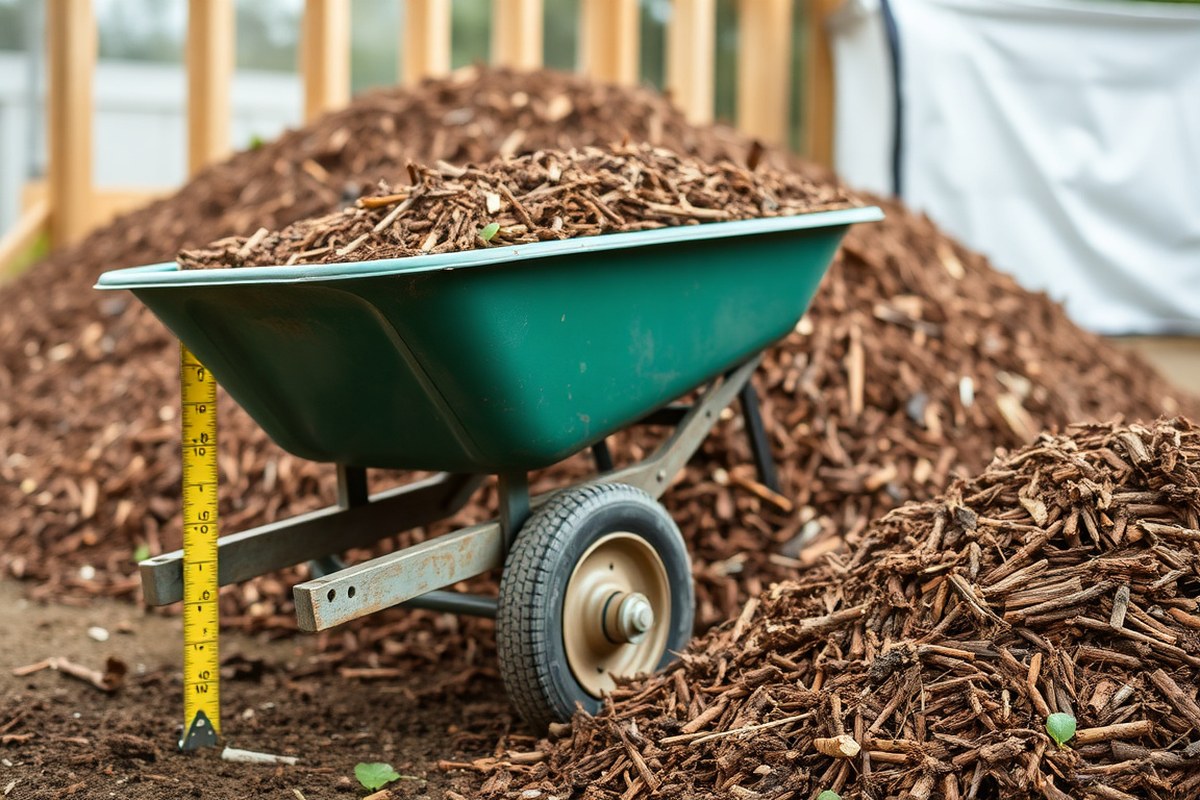
Wondering how many wheel barrows fit in a yard? A cubic yard equals about three to four standard wheelbarrow loads. This depends on the size of your wheelbarrow and the material you’re moving.
Most common wheelbarrows hold around six cubic feet. So five to six trips fill a yard.
Heavier materials like gravel may require more trips due to weight limits. Lighter materials like mulch need fewer loads but take up more volume.
Start by measuring your wheelbarrow’s capacity to avoid surprises. Keep in mind soil compaction and moisture affect how much fits each trip. Planning ahead can save time and effort on your project.
Also, consider that stacking or packing materials tightly can reduce the number of trips. Uneven or bulky loads might fill less space than expected. Knowing these details helps you move materials efficiently and stay on schedule.
Key Takeaways
- A cubic yard measures 3 feet long, wide, and tall, totaling 27 cubic feet.
- Standard wheelbarrow capacity is roughly 6 cubic feet per load.
- Expect five to six wheelbarrow loads to move one cubic yard.
- Heavier materials like gravel require more trips due to weight limits.
- Lighter materials like mulch fill volume faster but weigh less.
- Check your actual wheelbarrow size before estimating trips.
How Many Wheelbarrow Loads Are in a Cubic Yard?

One cubic yard holds 27 cubic feet. Divide 27 by your wheelbarrow’s size in cubic feet.
For example, a 3-cubic-foot wheelbarrow needs about 9 trips per cubic yard. This calculation helps plan your load counts for the job.
Wheelbarrow sizes vary, and so does the number of loads. A 2-cubic-foot light-duty wheelbarrow requires roughly 14 loads for a cubic yard. A standard 4-cubic-foot steel wheelbarrow needs around 6.75 full loads.
A bigger wheelbarrow, like 6 cubic feet, carries more material. You might need fewer than 5 full trips. This saves time moving stuff around your site.
Loading your wheelbarrow less than 100% capacity increases trips. At 85% capacity, a 6-cubic-foot wheelbarrow holds about 5.1 cubic feet, raising trips from 4.5 to roughly 6 per cubic yard. Knowing your wheelbarrow’s exact size helps estimate loads better.
Also, how full you load affects trip numbers. This gives you a clearer trip count for your work. This calculation helps avoid underestimating your work and saves time planning.
What Is a Cubic Yard and How to Visualize It?
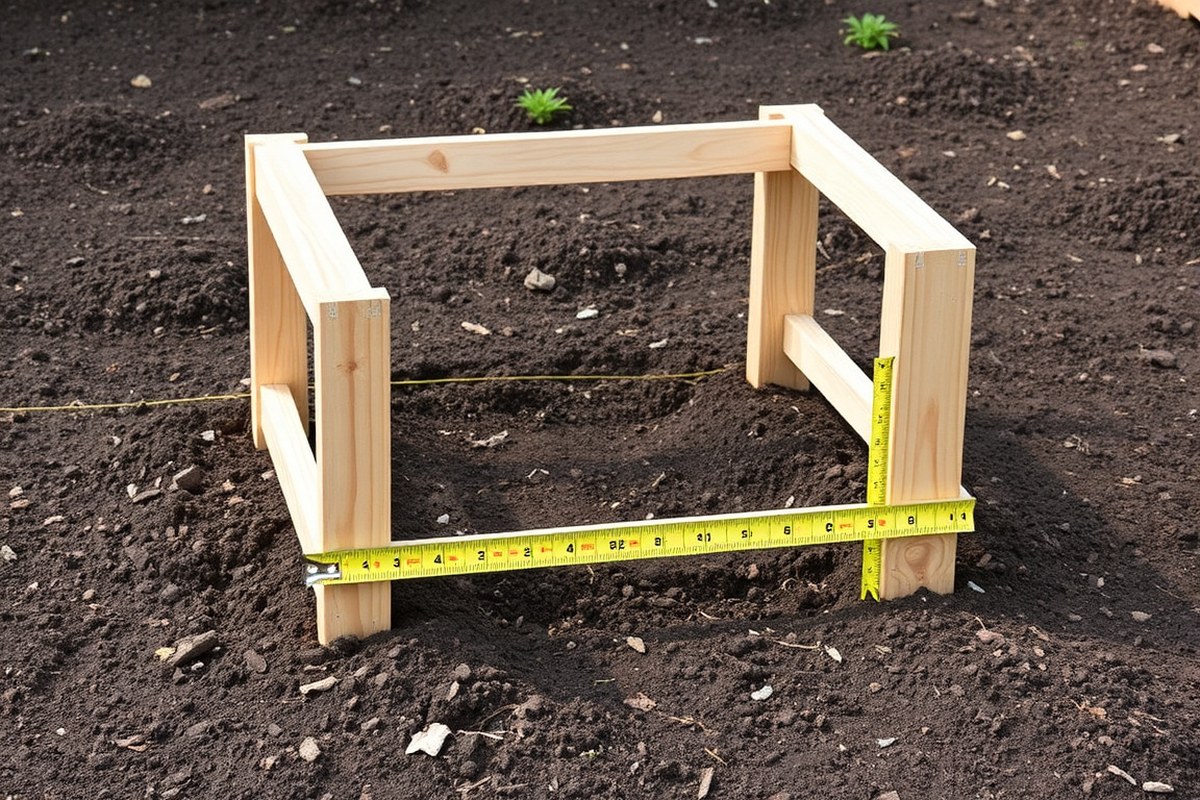
A cubic yard measures volume in a cube with sides 3 feet long. This means it’s 3 feet wide, 3 feet tall, and 3 feet deep. Its total volume equals 27 cubic feet because 3 × 3 × 3 is 27.
To picture a cubic yard, imagine a box about the height of a kitchen counter. Its length and width are each roughly the size of a doorway or a small table. Visualizing this shows why it holds a large amount of material.
It can store things like soil or gravel. This helps you understand its size better.
Knowing the size of a cubic yard helps estimate smaller loads. You can figure out how many containers fill that space. This makes planning easier for projects.
For example, a wheelbarrow holds 6 cubic feet of material. Four and a half full loads will fill one cubic yard.
This helps measure how much you need. This conversion makes it easier to plan yard work or DIY projects requiring precise volume measurements.
Practical tip: Always double-check your measurements before buying or moving material to avoid extra trips.
Standard Wheelbarrow Sizes and Their Capacities
Typical wheelbarrows hold between 2 and 6 cubic feet. This size range covers light gardening to heavier landscaping tasks. Knowing your wheelbarrow’s capacity helps you figure out how many trips fill a cubic yard.
Common Wheelbarrow Size Categories
Most household wheelbarrows have capacities around 3 cubic feet. They work well for soil, mulch, and general gardening chores. Some wheelbarrows are smaller, about 2 cubic feet, with shallower basins suited for lighter loads.
Larger models range from 4 to 6 cubic feet. These can carry more material per trip but may be harder to maneuver when full. Even bigger wheelbarrows exist but are less common for yard work.
How to Measure Your Wheelbarrow Volume
Start by measuring the basin length, width, and depth inside your wheelbarrow. Use feet or inches and convert to feet for accuracy. Multiply these three measurements (length × width × depth) to get cubic feet.
For example, a basin 2 feet long, 1.5 feet wide, and 1 foot deep holds 3 cubic feet (2 × 1.5 × 1 = 3). This estimate works well if your basin has straight sides and a flat bottom.
You might need to split irregular shapes into sections. Another way is filling them with water.
Then, measure the water volume using a bucket. This step ensures you estimate your load size accurately, which affects how many trips you plan.
Factors Affecting Usable Capacity
Usable capacity depends on your material and wheelbarrow design. Loose soils and mulch may pile above the rim safely, raising volume. Wet, heavy materials like concrete require partial loads to avoid strain and tipping.
Some wheelbarrows have curved or sloped basins, lowering actual capacity versus a rectangular measure. Loading technique matters, too. Piling material evenly avoids losing loads on bumpy ground or steep yards.
This table lists common wheelbarrow sizes and capacities. It also shows how many trips you need. Trips are based on moving one cubic yard (27 cubic feet).
| Wheelbarrow Capacity (cubic feet) | Loads per Cubic Yard (exact) | Trips per Cubic Yard (rounded up) | Area Covered per Load (3-inch depth) |
|---|---|---|---|
| 2 | 13.5 | 14 | 8 sq ft |
| 3 | 9 | 9 | 12 sq ft |
| 4 | 6.75 | 7 | 16 sq ft |
| 5 | 5.4 | 6 | 20 sq ft |
| 6 | 4.5 | 5 | 24 sq ft |
You can see, a larger wheelbarrow cuts down your trips by carrying more material each load. Picking the right size depends on your strength and project scale.
Small wheelbarrows suit light, precise work. Larger ones save time on big jobs but can be heavier and harder to handle.
How Material Type Changes the Number of Wheelbarrow Loads
Yes, the type of material changes how many wheelbarrow loads it takes. Weight, moisture content, and compaction all affect how much you can carry. Some materials fill a wheelbarrow by volume but weigh too much to load fully.
Typical Densities for Common Materials
Materials have different densities measured in pounds per cubic yard. Dry leaves weigh much less than wet clay or gravel. This means lighter materials let you carry more volume per trip safely.
Moisture adds weight, so damp soil or mulch weighs more than dry material. Compaction decreases volume, packing the same weight into less space. This matters when estimating trips for your wheelbarrow.
| Material | Approx. Weight per Cubic Yard (lbs) | Typical Trips per Cubic Yard (3.5 ft³ Wheelbarrow) |
|---|---|---|
| Bark mulch or wood chips | 800 to 1,000 | 8 to 10 |
| Dry, loose topsoil | 1,200 to 2,000 | 8 to 9 |
| Damp topsoil or fill dirt | 2,300 to 2,700 | 9 to 11 |
| Sand | 2,600 to 2,800 | 11 to 12 |
| Gravel or crushed stone | 2,400 to 3,000 | 10 to 14 |
| Wet ready-mix concrete | 4,000 | 16 |
These ranges show how much material you can expect to move in each load. You should check your specific material’s moisture and compaction before estimating trips.
How Density Affects Practical Wheelbarrow Loads
Wheelbarrow capacity stays the same by volume, but weight varies by material. Overloading with heavy materials like wet concrete makes them hard to push or unsafe. Lighter materials let you fill the wheelbarrow closer to the rim.
Compacted materials occupy less space. So they fit fewer loads by volume but weigh more per load.
Loose and fluffy materials need more trips because they pack down less. So, adjusting your loading method helps balance volume and weight.
Examples of Load Count Differences by Material
For mulch weighing about 900 pounds per cubic yard, a 3.5-cubic-foot wheelbarrow carries roughly 8 to 10 loads. Mulch being light means you can load near full volume without overloading the wheelbarrow.
Gravel weighs around 2,700 to 3,000 pounds per yard. It usually takes 10 to 14 trips because it is heavy and compacted. You often load gravel less full to stay within a safe pushing weight.
Damp topsoil at 2,300 to 2,700 pounds per yard needs about 9 to 11 loads. Moisture can vary, so weigh soil or test a sample load before estimating trips. This helps avoid pushing weight that is too heavy and prevents spills.
Why Actual Wheelbarrow Loads Differ from Math Calculations
The number of wheelbarrow loads often exceeds simple volume math. Real-world factors change how much material you can safely carry per trip.
Various factors change loads from the ideal count. These depend on wheelbarrow size and cubic yard volume.
Fill level makes a big difference. While heaping 20% to 30% above the rated capacity reduces trips, it risks spills and strain. A level load matches the wheelbarrow’s rating and is safer but requires more trips.
Terrain also affects loads. Rough or uneven ground means lighter loads for easier handling. It causes more trips than smooth paths.
- Type of material and its moisture or compaction
- Wheelbarrow size and rated capacity
- How full the load is, heaped or level
- Ground condition like hills or loose soil
- Your strength and skill pushing the wheelbarrow
- Spillage from unstable overloaded piles
For example, a 3-cubic foot wheelbarrow needs about nine trips. That is to carry one cubic yard. In practice, expect 10 to 12 trips because of these factors.
A smaller 2-cubic foot wheelbarrow averages 14 trips. This difference shows that fill limits, safety, and handling affect the load count beyond math.
Don’t overload your wheelbarrow just to save trips. Spills and strain slow you down more.
Estimate safe fill levels by starting with the wheelbarrow’s rated capacity. Then, adjust for the material type and terrain: softer soil or rough paths need lighter loads. Watch for signs like wobbling or struggling.
You should keep loads lighter if you need more trips. This is safer and helps avoid spills.
How to Calculate Exact Wheelbarrow Trips for Your Project
To figure out how many wheelbarrow trips you need, first measure your wheelbarrow’s tray. Then, convert those numbers into cubic feet to find how much it holds. Finally, divide 27 cubic feet by that capacity to get the exact trip count.
Measure Tray Dimensions Accurately
Start by measuring the length, width, and depth of your wheelbarrow’s tray. Use a tape measure for accuracy. Measure inside the tray from edge to edge, not along the outside frame.
Take note of the maximum depth. This is usually less than the tray’s height because material can’t spill over the sides. Inconsistent measurements cause errors in your trip count.
- Place your wheelbarrow on level ground for accurate measuring.
- Measure the length from front to back across the inside bottom.
- Measure the width at the widest part of the tray inside.
- Measure the depth at the deepest part from the bottom to the top edge.
- Write down all three measurements in feet or inches.
- Convert inches to feet by dividing by 12, if needed.
Calculate Cubic Feet Capacity
Multiply length × width × depth to find your wheelbarrow’s volume in cubic feet. This reflects how much solid material the tray holds flat. You can add a pile (heaping) if needed, which increases volume by about 15-30%.
For example, if your wheelbarrow is 3 feet long, 1.5 feet wide, and 1 foot deep, multiply 3 × 1.5 × 1 to get 4.5 cubic feet. Be realistic about loading. Materials like mulch or loose dirt can allow extra space if piled carefully.
Divide 27 Cubic Feet by Capacity to Find Trips
A cubic yard holds 27 cubic feet of material. Divide 27 by your wheelbarrow’s cubic feet capacity to get the exact number of trips. This number will tell you how many full loads you need to carry one cubic yard.
Using the earlier example with 4.5 cubic feet capacity, divide 27 by 4.5 to get 6 trips. Remember, if you pile on too much weight, your trip count goes down. Using materials that compress also lowers the number of trips.
Keep the load manageable to avoid that. Always adjust based on your actual loading.
Safety and Efficiency Tips When Moving a Cubic Yard Manually
Loading your wheelbarrow halfway instead of fully can help you avoid strain. Heavy loads raise the risk of back injury and make steering harder, especially on rough ground. Carrying less weight means fewer chances of tipping or losing control, helping you work faster overall.
Take your time loading to balance the weight evenly side to side. This balance stops the wheelbarrow from leaning and reduces pressure on your wrists and shoulders. Use gloves for a better grip and to protect your hands from blisters and splinters.
- Lift with your legs, not your back, when loading and unloading
- Push the wheelbarrow, don’t pull it, to maintain control
- Take short breaks every 15 to 20 buckets of material
- Use firm, flat ground as much as possible when moving loads
- Wear closed-toe shoes with good traction to prevent slips
- Unload by tipping the wheelbarrow slowly to avoid sudden spills
- Ask for help if loads feel too heavy or awkward to carry
Fatigue builds quickly during manual wheelbarrow work. Drinking water and resting between trips keeps your energy up. Starting with smaller loads lets your muscles warm up, cutting injury chances.
Position your body close to the wheelbarrow handles for better use. Keep your back straight and bend at your knees while lifting. This form uses your strongest muscles and lowers injury risk.
Efficiency comes from steady pace and consistent loads, not rushing. This reduces spills and wear on your joints. Your goal is to finish the job comfortably, not fast but tired and sore.
Estimating Labor Time and Costs for Wheelbarrow Projects
Moving a cubic yard by wheelbarrow takes about 13 to 14 trips. This is for a 2-cubic-foot wheelbarrow. Each trip carries a small load.
Each trip might take two to three minutes, depending on your distance and pace. Plan on roughly 30 to 45 minutes for moving one yard manually. But expect more time if you carry heavier loads or walk on soft or uneven ground.
To estimate your labor costs, multiply the number of trips by the time per trip. For example, each trip takes about 3 minutes. If you make 14 trips, it adds up.
You will spend around 42 minutes moving one yard. Next, multiply your hourly labor rate by the fraction of an hour you worked. Labor costs around $20 per hour.
Moving one yard takes 42 minutes. So labor for one yard costs about $14.7 hours × $20). This simple formula helps budget your project quickly and adjust for helpers or breaks.
Rent machinery if your route is long or material is heavy. Also consider this if you have more than a few yards. It saves time and effort.
Moving 5 or more yards requires many trips. This can take several hours to do by hand. It’s a big job.
Mini skid steers and motorized wheelbarrows speed up work. They cut down physical strain.
They may save money even with rental costs. Weigh the time saved against your budget before deciding.
Track every trip and how long it takes. This helps avoid underestimating your project time. Accurate timing keeps your plan on track.
Step-by-Step Action Plan for Moving One Cubic Yard with Wheelbarrows
Follow these steps to plan and complete your wheelbarrow project efficiently. Track your progress to avoid wasting time and effort.
- Before you start: Measure your wheelbarrow’s capacity using volume or manufacturer’s specs. Confirm how many loads fit one cubic yard based on your material.
- Day 1: First, find the total material in cubic yards. Next, divide this number by the size your wheelbarrow can hold. This gives the number of trips you’ll need. This helps estimate time and labor needed.
- Day 2: Gather or rent the right wheelbarrow size and safety gear. Check the surface and path for ease of movement to prevent delays.
- Day 3: Start moving materials using proper lifting techniques. Count each trip to match your load estimates and adjust for real conditions.
- Day 4: Track your speed per trip and total loads moved. Use this data to fix timing or add helpers if needed.
- After 1 week: Review your workload and efficiency. Swap out tools or change routes to improve comfort and speed.
- After project ends: Assess total labor time and costs against your plan. Note what worked and what slowed you for next time.
Frequently Asked Questions
How Much Does the Weight of Material Affect Wheelbarrow Load Counts in a Yard?
Heavier materials mean fewer wheelbarrow loads per yard. Gravel weighs up to 3,000 pounds. So you move less per trip compared to lighter mulch.
Can a Smaller Wheelbarrow Change the Number of Trips Needed per Cubic Yard?
Yes, smaller wheelbarrows mean more trips. If your wheelbarrow holds 4 cubic feet instead of 6, expect 50% more trips.
How Does Terrain Influence the Number of Wheelbarrow Loads per Yard?
Rough or uneven terrain slows you down and may reduce load size. You might need more trips if you carry less for safety.
Are Wheelbarrow Loads Affected by the Moisture Content of Materials Like Soil?
Wet soil weighs more and is tougher to carry, so you’ll make more trips. Moisture increases load weight, meaning smaller loads per trip.
What Is the Impact of Wheelbarrow Design on Carrying Capacity and Trip Count?
Wheelbarrows with one wheel offer less stability and carry less than two-wheeled models. Better designs let you carry fuller loads safely.
Is Manual Calculation or Using a Calculator Better for Estimating Wheelbarrow Trips?
Calculators reduce human error and save time when estimating loads. Use formulas but consider real conditions for accuracy.
Before You Go
You can move one cubic yard using about three to eight wheelbarrow loads. Exact trips depend on your wheelbarrow size and material type. Now, check your wheelbarrow and plan your first load to get started safely and smartly.