
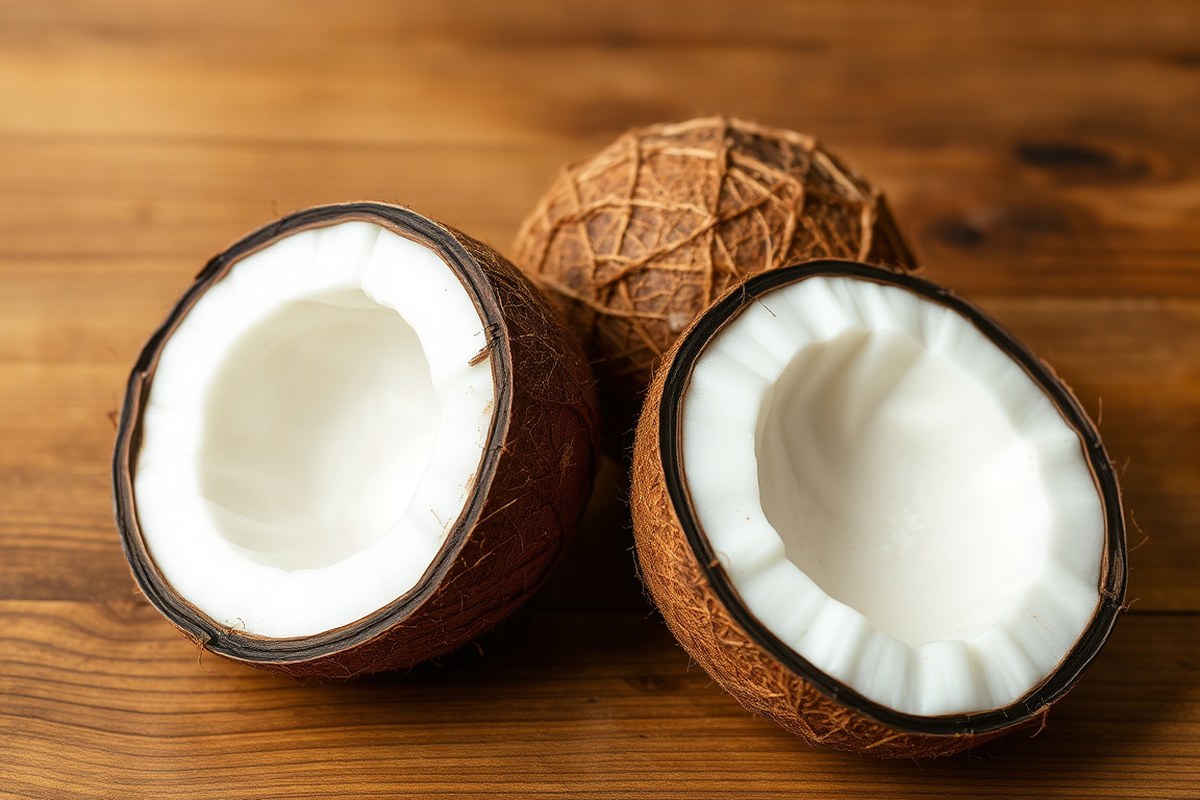
Is Coconut a Fruit Nut or Vegetable? A Clear Scientific Breakdown
Is coconut a fruit, nut or vegetable? The simple answer is it is all three in different ways.
Botanically, coconut is a fruit called a drupe. It is also a seed inside that fruit and meets the nut definition too.
You won’t find coconut classified as a vegetable by modern standards. Vegetables are usually edible plant parts like leaves or stems.
But coconut doesn’t fit that category. Knowing this helps clear up why the coconut name can confuse people.
Start by thinking of coconut as a fruit with a hard shell. It holds the seed you might eat or plant. This classification explains how coconuts grow and how they relate to food allergies and recipes.
Key Takeaways
- A coconut is botanically a fruit called a drupe due to its hard outer shell.
- The seed inside the coconut fruit is what grows into a new coconut palm tree.
- Coconut fits the botanical definition of a nut because its shell does not open naturally.
- The FDA classifies coconut as a tree nut for allergy labeling, though reactions are rare.
- Coconut isn’t a vegetable. It’s not an edible plant part like leaves. Stems are also not edible plant parts.
- Nutritionally, coconut is high in saturated fat, especially in coconut oil form.
Is Coconut a Fruit, Nut, or Vegetable?
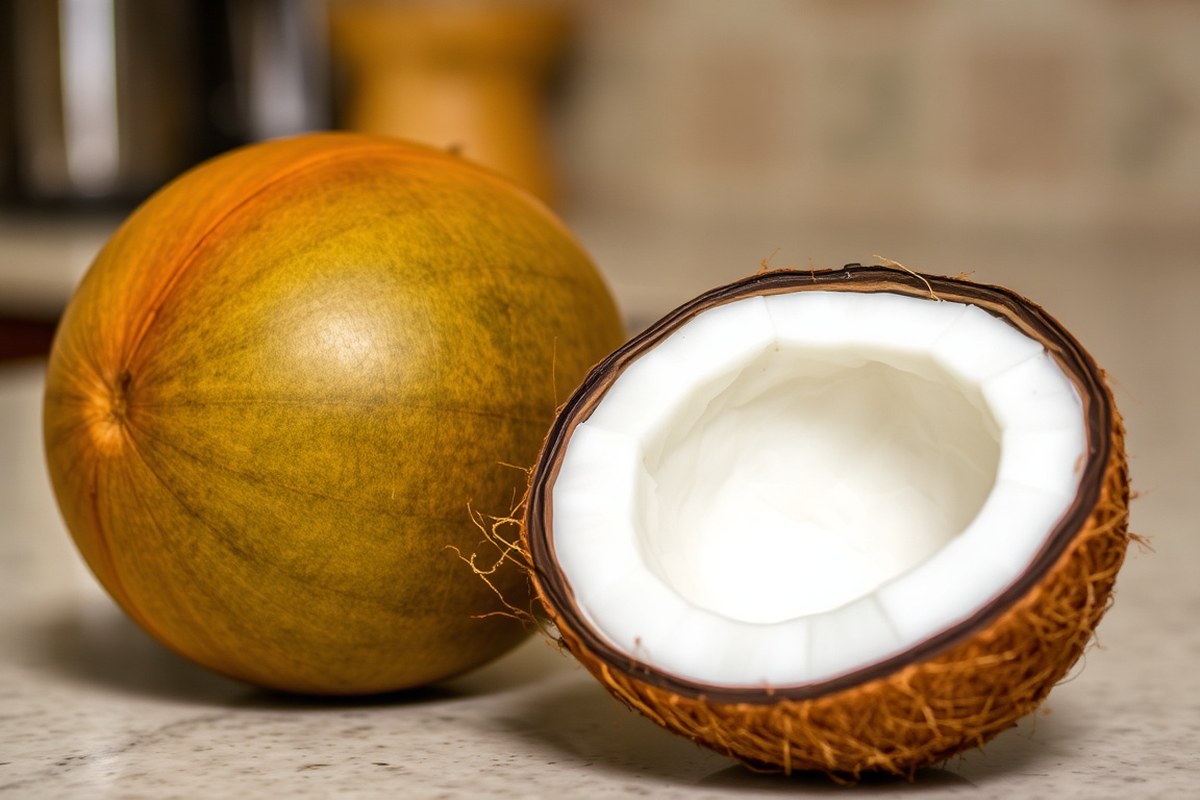
A coconut belongs to the drupe family, not true nuts or veggies. It has a tough shell and a seed inside, like peaches or cherries. People often call it a nut in cooking, but it’s botanically a fruit.
Vegetables come from parts like leaves, stems, or roots. A coconut doesn’t grow this way. So, it isn’t a vegetable.
Vegetables don’t have the seed-in-fruit structure that coconuts have. Coconuts grow from the flower’s ovary.
They hold a seed inside. That’s why they count as fruits.
The coconut’s classification matters because it affects how it’s handled and categorized by food agencies. The FDA lists coconut as a tree nut. This is because it grows on trees and has one seed.
This helps people know if they might get an allergy. The label separates coconuts from vegetables and real nuts.
How Is a Coconut Classified Botanically as a Fruit?

A coconut is botanically a fruit classified as a drupe. It has three distinct layers that fit the exact botanical criteria of a drupe. Knowing this helps clarify why it’s not a true nut but rather a specific fruit type.
Three Layers of a Coconut Fruit
The outer layer of a coconut is called the exocarp. It feels rough. The color is green or brown.
Inside that is the mesocarp, a thick, fibrous husk that protects the seed. The innermost layer is the hard, woody shell called the endocarp, which encloses the seed itself.
These three layers make the coconut’s structure unique compared to other fruits. The fibrous mesocarp is especially thick, which helps the coconut float and spread in water. The single seed inside the endocarp is what eventually grows into a new coconut palm tree.
Definition and Characteristics of a Drupe
A drupe is a type of fruit. It has three layers: skin, fleshy middle, and hard shell. The hard shell surrounds the seed.
This structure protects the seed and helps with its spread. Peaches and cherries are common drupes.
They have soft flesh. This differs from a coconut’s hard fibrous middle.
The coconut’s tough, fibrous mesocarp and hard endocarp fit the drupe’s description perfectly. It develops from the ovary of a flower, another key fruit trait. Because of these traits, botanists say coconut is a fibrous, one-seeded drupe instead of a nut.
Comparison with Other Common Fruits
Unlike coconuts, common fruits like apples or tomatoes don’t have such a thick, fibrous layer. They tend to be fleshy throughout and usually contain multiple seeds. Coconut’s tough layers protect one large seed.
This is common for drupes. It differs from many other fruits.
This layered structure matters in how coconuts develop and spread. For example, a peach’s soft flesh attracts animals who eat it and spread seeds. Coconuts rely on floating in water thanks to the fibrous husk, a unique strategy among fruits.
Handle coconuts carefully. Their hard shell can cause injury if dropped or hit hard surfaces.
Why Is Coconut Considered a Seed and a Nut Too?
Coconut is both a seed and a nut, but not a true nut. It contains a seed inside its hard shell, which allows it to sprout. People often call it a nut because of its hard shell and seed-like qualities.
Coconut as a Seed: Role and Function
A coconut’s seed is the part inside that can grow into a new coconut palm. This seed holds a nutrient-rich white meat and liquid to support sprouting. The seed’s hard shell helps protect it from damage during dispersal.
You can think of the coconut seed as a survival package for a new plant. Once planted, it begins to germinate from one end of the shell. This seed germinates and grows, which is why the coconut is often called a seed too.
True Nut vs. Tree Nut Definitions
A true nut has a hard shell. It doesn’t open to release the seed. This shell protects the fruit inside.
Acorns and chestnuts fit this definition exactly. They are one-seeded fruits with a shell that stays closed until you crack it.
The coconut is not a true nut. It’s actually a drupe with a hard shell. That means it’s a fruit, not a nut.
It has layers like a fruit, and the hard shell covers the seed inside. So coconuts fall under tree nuts, which includes fruits like almonds and walnuts.
Tree nuts refer to seeds that grow on trees and have hard shells. But they aren’t all true nuts. The FDA classifies coconut as a tree nut.
This is because it grows on a tree. Also, it has one seed inside.
Culinary Nut Category Explained
Many oily seeds are called nuts in cooking. People use this name even if they aren’t true nuts. This helps describe their texture and use.
This includes coconuts, almonds, and pistachios, all seeds of drupes. But often treated like nuts. This loose definition helps cooks and shoppers understand texture and flavor.
Calling coconut a nut in recipes comes from its hard shell and oily white flesh inside. It behaves like other nuts by adding rich flavor and fat to dishes. This culinary use is why you often see coconut grouped with nuts despite its botanical differences.
Remember that culinary names don’t always match scientific terms. Cooking terms help with buying and cooking. Botanical terms describe how the plant grows and reproduces.
How Does the FDA Classify Coconut Regarding Allergies?
The Food and Drug Administration currently classifies coconut as a major tree nut allergen. This means coconut can cause allergic reactions for some people. But those cases are quite rare.
Most people with tree nut allergies usually don’t react to coconut. Coconut has proteins that differ from regular tree nuts. So, it rarely causes the same allergic reactions.
The FDA recently updated its allergen labeling rules. Starting January 2025, coconut will no longer appear on the FDA’s list of major food allergens. This change removes coconut from the same category as almonds, cashews, and walnuts on food labels.
The update shows coconut allergy is not common. Many with nut allergies do not react to coconut. This evidence led to the new labeling.
Despite these changes, people with nut allergies should still be cautious. Allergic responses can vary widely. So it’s best to talk with a doctor before trying coconut products.
Especially if you have a history of severe allergies, healthcare professionals can advise safely. Food labels will help clarify when coconut is present, but personal caution is key.
Are Coconuts Safe for People with Nut Allergies?
People with tree nut allergies often tolerate coconut without issues. True coconut allergies happen rarely and usually don’t affect those allergic to other nuts. Coconuts belong to the tree nut family but tend to trigger different allergies.
Still, some people allergic to tree nuts might react to coconut products. This reaction depends on the person’s specific allergy triggers. Having a history of nut allergies means you should be cautious with coconut.
- Start by trying a small amount of coconut under medical supervision.
- Choose pure coconut products without added nuts or allergens.
- Check labels for any cross-contamination warnings.
- Inform your healthcare provider about all your allergies before testing coconut.
- Carry an epinephrine auto-injector if your allergies are severe.
- Consult an allergist to do specific allergy tests for coconut.
Cross-reactions happen mostly because some tree nut proteins resemble coconut proteins. Still, most people allergic to almonds, cashews, or walnuts tolerate coconut just fine. Coconut allergy symptoms usually include itching, swelling, or rash, but severe reactions are uncommon.
Always talk to a doctor before trying coconut if you have nut allergies. Self-testing can be risky.
When buying coconut products, read labels carefully. Cross-contact may happen if the product comes from a facility handling tree nuts.
This matters if you have a severe allergy. When unsure, skip coconut products produced in places that handle other nuts.
Nutritional Benefits and Culinary Uses of Coconut
Coconut brings unique nutrition and can be used many ways in cooking. It’s different from regular nuts and fruits.
It contains healthy fats that support skin and heart health. Its taste and texture give dishes a tropical touch you won’t get with other produce.
Coconut Nutritional Profile
Coconut provides mostly fat, with about 33 grams per 100 grams of fresh meat. Most of this fat is saturated. But it contains medium-chain triglycerides that the body uses quickly for energy.
It has fiber and vitamins C, E, B1, B3, B5, and B6. It also contains minerals like iron, selenium, sodium. Calcium, magnesium, and phosphorus are there too.
Unlike most fruits, the fleshy part of coconut isn’t sweet or watery. Its fat content makes it more calorie-dense than typical fruits. Coconut water, by contrast, is low-calorie and rich in electrolytes like potassium, which helps hydration.
Common Culinary Uses of Coconut
People use coconut meat fresh or dried in cooking and baking, adding crunch and flavor. People use coconut oil for frying because it holds up to heat well.
It works as a vegan butter substitute in baking. Coconut milk and cream, made by blending meat with water, enrich soups, curries, and desserts.
In snacks, shredded coconut often appears in granolas or trail mixes, giving texture and mild sweetness. Coconut water is a refreshing drink, especially after exercise.
Most nuts are eaten whole or as mild-flavored oils. Coconut’s uses stand apart from these common nut forms.
Comparison to Other Nuts and Fruits
Culinary nuts are seeds from hard-shelled fruits eaten as snacks or seasoning. Coconut fits loosely here but doesn’t behave like tree nuts such as almonds or walnuts.
Its outer shell is thicker. The inside is more fibrous and oily than common nuts.
Compared to soft, juicy fruits, coconut meat is firm, dry, and fatty. This changes how you cook with it.
Using coconut adds richness and texture, while many fruits add sweetness or moisture. Its fat content also offers energy unlike most fruits, which mainly provide carbs.
Common Myths About Coconut as a Nut or Vegetable
Many people think of the coconut as a nut because of its name. The tough shell and hard exterior make it look like a walnut or almond. This appearance causes confusion, but botanically, it’s not a true nut.
People also call the liquid inside “coconut milk,” but it’s actually coconut water. This mix-up makes people think coconuts fit one category only. It often leads to calling coconuts nuts.
This idea can confuse how we classify coconuts. Coconut water is the clear liquid inside young coconuts. The milk comes from grinding the flesh with water.
Coconuts don’t fit well into the vegetable category either. Coconuts grow on trees and come from flowers. These are usual traits of fruits.
They do not usually describe vegetables. Calling them vegetables misses this botanical background, causing further misunderstandings.
The coconut is a complex fruit called a drupe or stone fruit. People often ignore this fact because they focus on its name or culinary uses. Coconuts show traits of fruits, seeds, and nuts.
This makes their classification tricky. They seem to fit all groups at once.
Confusion also comes from how coconuts are used in cooking. Some recipes treat coconut like a nut, especially with shredded or dried coconut.
Others use the water or flesh like a vegetable in savory dishes. These varied uses make it harder to classify clearly.
The reason this matters is that coconut allergies don’t always follow nut allergy rules. People often call coconuts nuts. This can cause worry for some.
It may also lead to wrong food limits. Understanding the true classification helps manage diet and allergies better.
To avoid mix-ups, remember coconuts are fruits. They have traits like seeds and nuts. This keeps their identity clear.
You can explain coconuts have a hard shell. Inside that shell is a seed.
This differs them from real nuts. Explaining the difference between coconut water and milk also clears up a common doubt.
Some confuse coconuts with vegetables because of how they’re cooked. They appear in dishes with vegetables. This adds to the confusion.
Saying “coconut is a fruit that can be eaten like a vegetable” gives a clearer picture. This way, you don’t have to pick one label that feels wrong or incomplete.
People who understand these points find it easier to talk about coconut without confusion. People avoid calling coconuts nuts unless they mean the seed part. They understand coconut water is not milk.
This clarifies the terms used. This clarity helps in shopping, cooking, and dealing with allergies safely.
How Does a Coconut Grow and Develop on the Tree?
Coconuts start as small white flowers on tall palm trees. These flowers develop into young green coconuts over several months. The tree grows the fruit for about 12 months.
It takes this long to reach full maturity. The outside turns brown when it’s ready.
Inside the mature coconut is a hard shell. This shell surrounds white flesh and coconut water. The liquid is called coconut water.
The seed inside contains nutrients that the young coconut plant absorbs during its first year. This stored energy helps the seedling grow until it can make its own food through photosynthesis.
The name “coconut” comes from Portuguese and Spanish languages. It comes from “coco,” which means “head” or “skull.”” This comes from the coconut’s three round marks, which look like a face.
The word entered English in the 1500s. Sailors exploring tropical lands found these large fruits then.
Keep coconuts stored dry and away from extreme heat to avoid spoilage.
The coconut palm reproduces mainly by seeds, fitting its role in plant biology. The fruit develops from the fertilized flower, making the coconut both a fruit and a seed.
It isn’t a vegetable because vegetables come from other plant parts. Leaves, stems, or roots count as vegetables.
Coconuts take about a year to grow, depending on climate and nutrition. Tropical areas with warm temperatures and regular rainfall help the tree mature faster.
Trees must be healthy to produce quality coconuts. Small or dry fruit means the tree might not be well.
Your Quick-Start Plan for Understanding and Using Coconut
This plan helps you learn what a coconut really is. It also shows how to use it safely. Plus, you’ll get tips for tasty coconut recipes.
- Day 1: Identify coconut as a fibrous fruit with a seed inside. Check by cutting one open to see the layers.
- Day 3: Note coconut is not a true nut. Remember this helps if you have nut allergies.
- Week 1: Try coconut in cooking or snacks. Use shredded coconut or coconut milk and notice flavor and texture changes.
- Week 2: Check food labels for FDA allergy notes on coconut. This ensures safety if nut allergy is a concern.
- Week 3: Include coconut as a nutrient source. Track changes in energy or digestion from its healthy fats.
- Month 1: Experiment with recipes using fresh coconut meat. See how it affects your meals’ taste and nutrition.
- Ongoing: Stay aware that coconut grows from a flowering palm tree. This botanical fact shapes how you use and handle it.
Frequently Asked Questions
Is Coconut a True Nut?
No, coconut is not a true nut. It’s a drupe, which means it has a hard seed inside a fruit. True nuts don’t open to release seeds, but coconuts do.
Can Coconut Allergy Cause Nut Allergy Reactions?
Yes, coconut allergy can trigger nut allergy reactions in some people. FDA classifies coconut as a tree nut allergen. So be cautious if you have nut allergies.
Is Coconut Water Considered a Vegetable Juice?
No, coconut water is not a vegetable juice. It comes from the fruit’s interior, so it’s considered a fruit beverage instead.
Does Coconut Meat Count as a Vegetable?
No, coconut meat does not count as a vegetable. Botanically, vegetables come from plant parts like leaves or stems, not fruits or seeds like coconuts.
Are Coconuts Classified as Seeds?
Yes, coconuts are seeds. They hold the embryo.
This embryo grows into a new palm tree. This seed is inside the fruit’s hard shell.
Why Isn’t Coconut a Vegetable According to Science?
Coconuts don’t fit the vegetable definition because they develop from the flower’s ovary. Vegetables usually are roots, leaves, or stems.
Key Points to Remember
Coconut is mainly a fibrous fruit that also contains a seed. It’s not a true nut but may cause issues for some allergic individuals. Start using coconut in cooking to enjoy its unique flavor and benefits.





One Comment