
Is Coconut a Seed? A Complete Botanical Guide with Clear Answers
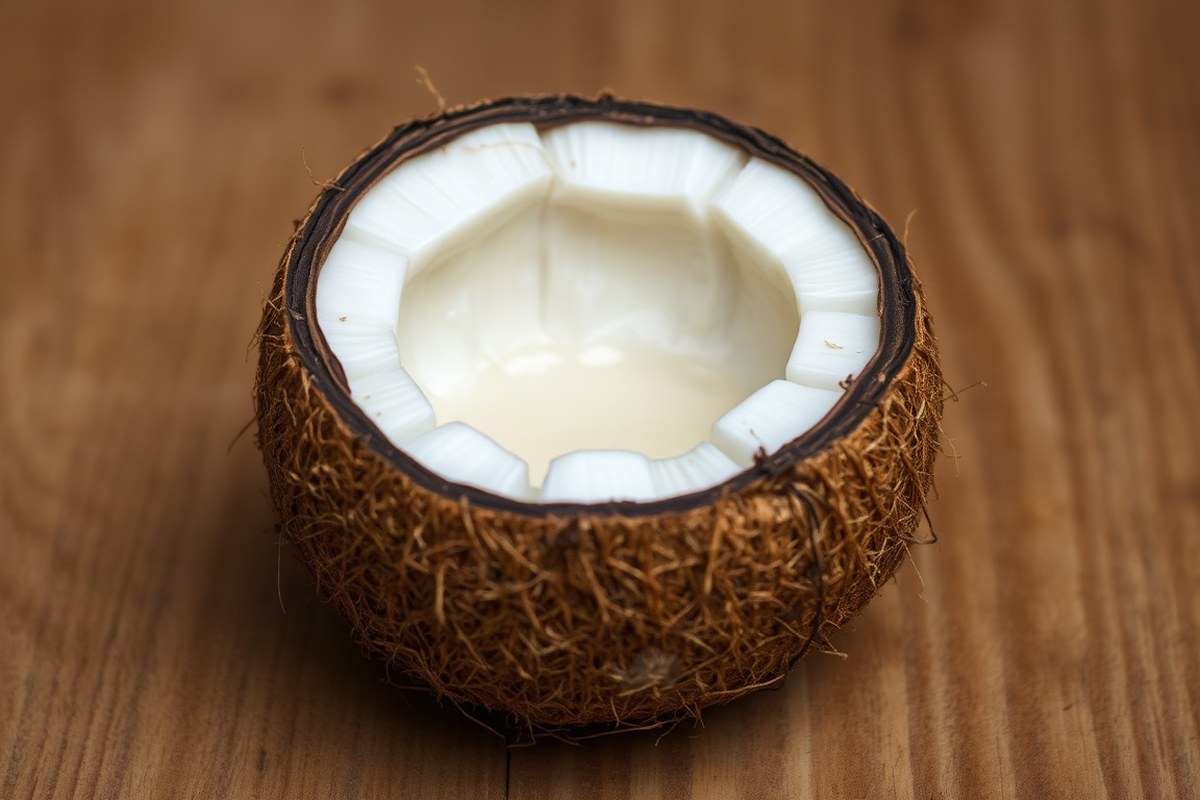
Is coconut a seed? Yes, botanically a coconut is a seed, but it’s not that simple. A coconut is a seed inside a fruit called a drupe.
The drupe has three protective layers around the seed. These layers help shield the seed inside. Understanding this helps explain why coconuts look and behave differently from many other seeds.
The coconut’s seed is surrounded by a fibrous husk that cushions it during ocean travel. This feature allows the coconut to float long distances and germinate on new shores. To grow a coconut, start with the whole fruit.
Plant it in warm, humid conditions for best growth. This environment helps the seed sprout well.
Key Takeaways
- A coconut is a seed inside a multilayered fruit called a drupe.
- Its fibrous husk helps protect the seed during water transport.
- The seed contains a ready supply of nutrients for early growth.
- Plant coconuts in warm climates between 71-95°F for best germination.
- Whole fruits with husks intact survive better in planting and dispersal.
- The coconut seed’s layers reflect its evolution for ocean dispersal.
Is a Coconut Botanically a Seed?
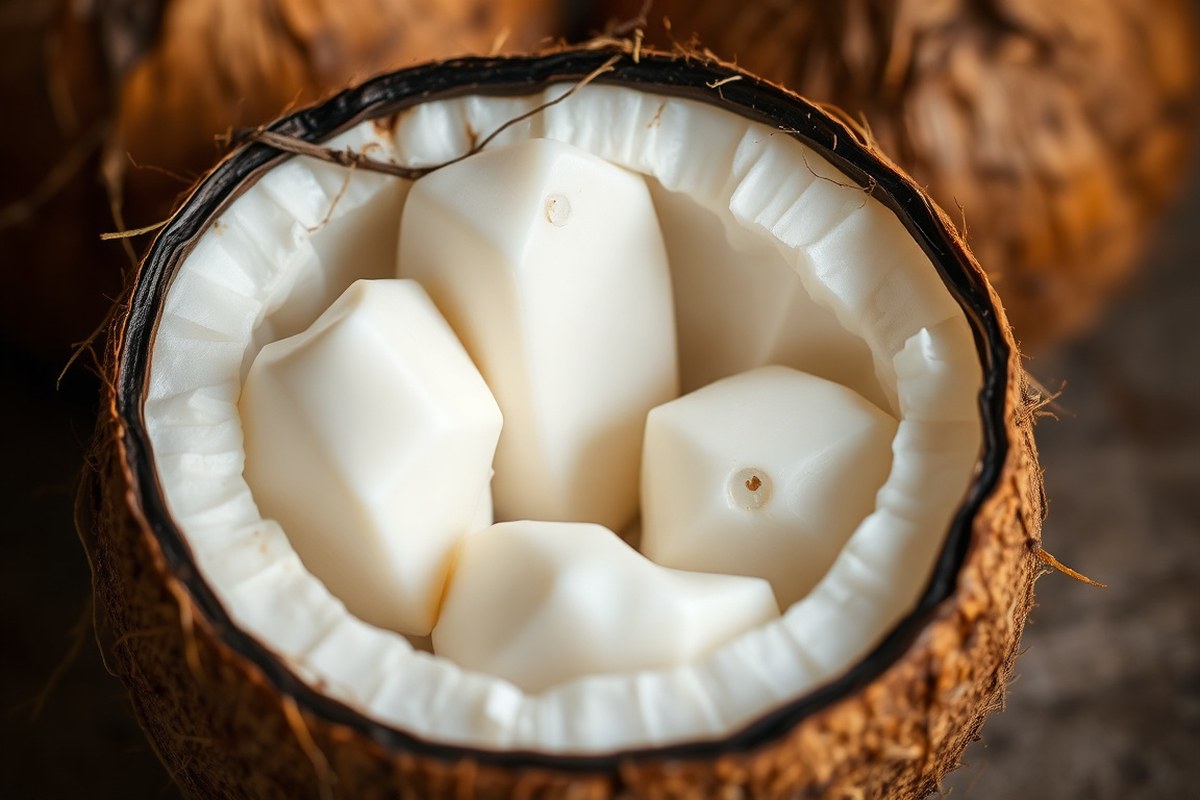
A coconut is both a seed and a fruit. The seed is the reproductive part that can grow into a new coconut tree. Inside the hard coconut shell is the seed embryo.
It is a tiny, developing plant. This embryo will grow into a new tree.
The embryo is behind one of the three soft spots. These spots are called the “eyes.”The embryo feeds on the liquid inside called endosperm. It looks like clear water.
This liquid supports the baby plant. When mature, this embryo can sprout and grow into a coconut palm.
Calling a coconut a seed is correct. It has the full system needed for a new tree. Its tough shell protects the embryo during dispersal.
The nutrient-rich inside provides the energy to begin growth. A coconut carries the potential life of a tree. It holds all parts needed to start growth.
What Are the Three Layers of a Coconut Fruit?

A coconut fruit has three distinct layers that protect its seed inside. These layers work as a shield and help spread the seed for new palms. Each layer has a special role in defending and carrying the seed over long distances.
Exocarp: The Outer Skin
The exocarp is the thin, outer skin of the coconut. It looks smooth and changes color from green to yellow or brown when mature. This outer skin protects the fruit from minor damage and moisture loss.
The exocarp also guards against insects and diseases. It is the first line of defense. It keeps inner parts safe.
It keeps them fresh until the coconut falls. This skin is smooth.
It can get scratches from rough handling. It also bruises during travel bumps.
Mesocarp: The Fibrous Husk
Under the exocarp lies the mesocarp, a thick fibrous layer often called the husk. This husk is dry and stringy, made of coir fibers. These fibers act like padding to cushion the seed against impacts.
The mesocarp helps the coconut float on water, aiding seed dispersal across oceans. It also protects the seed from drying out by holding moisture. People harvest this husk to make ropes, mats, and brushes.
- Cushions the seed from shocks and drops
- Helps the coconut float in water for dispersal
- Retains moisture to prevent seed drying
- Protects against some pests and parasites
- Source of coir fibers used in crafts
Handle coconuts carefully to avoid breaking the fibrous husk too soon.
The mesocarp’s thickness and toughness vary depending on the coconut’s age and variety. A thicker husk gives better protection.
But it makes the fruit heavier. Heavier fruits may not travel far by water.
Endocarp: The Hard Shell Protecting the Seed
Inside the husk is the endocarp, the hard, woody shell you often see as the “coconut.” This shell tightly surrounds the actual seed. It acts as a strong barrier against physical damage.
The endocarp keeps the seed safe from animals that might want to eat it. It also seals in the seed’s moisture and nutrients like the white meat and water inside. This protection is key for germination.
Cracking the endocarp requires effort or tools because it is dense and tough. It protects the seed during transport. It helps the seed stay alive.
This keeps it ready to grow in soil. The shell also slows down drying and fungal attack.
How Does the Coconut Seed Develop and Germinate?
The coconut seed grows by using its internal food and water reserves. The sprout emerges through one of the three eyes on the coconut’s shell. This process allows the seed to develop into a young palm seedling.
Embryo Location Inside the Seed
A tiny embryo lies inside the coconut’s solid white meat and water. It is positioned near one of the three germination pores, called the eyes. The embryo uses these stored nutrients to start growing once conditions are right.
The solid endosperm, or coconut meat, along with the water inside, nourishes the embryo. This supply keeps the embryo alive during long dispersal journeys. The embryo stays protected inside until sprouting begins.
Role of the Germination Pores (Three Eyes)
At one end of the coconut shell, you see three black pores called eyes. They are the spots where the seed can sprout. However, only one of these eyes is soft enough for the sprout to break through.
These germination pores let the seedling emerge from its hard shell. You can tell which eye is the soft one by pressing gently. The sprout pushes through this opening to reach air and start growing upwards.
Stages of Coconut Seed Sprouting
Germination starts when the embryo inside begins to grow using the coconut’s stored food. The embryo first absorbs the coconut water and then the meat. Once it gains strength, the sprout breaks through the shell’s soft eye.
The sprout then grows roots downward and leaves upward to become a seedling. This seedling will develop multiple leaves before forming a trunk in about five years. Proper moisture and warmth are necessary throughout this process.
Follow these steps to watch a coconut seed sprout:
- Choose a mature coconut with three dark eyes facing you.
- Soak the coconut in water for 2 to 3 days to soften the shell.
- Place it in a warm, moist place, with the softest eye downward.
- Keep the area humid by misting occasionally or covering with damp cloth.
- Wait 3 to 6 months for the sprout to break through the soft eye.
- Once sprouted, plant the coconut seed in soil with the sprout facing up.
- Water regularly but avoid waterlogging to encourage root growth.
Why Is a Coconut Classified as a Drupe Fruit?
Coconuts fall into the drupe fruit category because of their unique structure. A drupe has three layers. The outer layer is a skin.
Inside is a fibrous or fleshy middle and a hard shell around the seed. This design matches coconuts more closely than just calling them nuts or simple fruits.
True nuts differ from drupes by how they protect and release their seeds. For example, acorns and chestnuts have hard shells and do not split open. Their seeds only emerge when the fruit decays or breaks down naturally.
Coconuts have a fibrous husk on the outside. Inside that husk is a hard shell. The shell holds the seed, making coconut a drupe.
Here’s a table showing how coconuts compare to true nuts and other common fruits:
| Feature | Coconut (Drupe) | True Nut (Acorn) | Simple Fruit (Apple) |
|---|---|---|---|
| Seed Protection | Hard inner shell inside fibrous husk | Hard shell only, no husk | Soft fleshy tissue surrounds seed |
| Seed Release Method | Seed enclosed until husk decays or splits open | Seed released when shell decays or breaks | Seed comes out when fruit softens or falls apart |
| Number of Seeds | One large seed | One seed | Multiple seeds inside fruit |
| Fruit Layer Types | Three layers: skin, fibrous middle, hard shell | Two layers: shell and seed | Fleshy outer layer only |
| Plant Family | Palm family (Arecaceae) | Oak family (Fagaceae) | Varies by species |
Calling a coconut a drupe clarifies why it is sometimes called a nut or fruit. Botanically, it fits the structure of a drupe rather than a classic nut. These layers protect the single seed inside the coconut.
The seed can grow into a new palm tree. Each layer plays a role in protection.
The term “nut” is often used loosely in cooking and trade. It groups together many hard-shelled seeds, including drupes like almonds and walnuts. Knowing the details helps explain coconut traits.
They share some features with nuts. But coconuts belong to a different fruit family.
How Does Coconut Seed Structure Evolve for Dispersal and Survival?
Coconuts can travel long distances by water thanks to their tough design. The thick, fibrous husk works like a built-in flotation device. It allows the coconut to drift across oceans without sinking or getting damaged.
The husk also acts as a shock absorber. It protects the coconut if it drops from palm trees traveling up to 80 km/h. Without this layer, the seed inside could crack or get hurt on hard surfaces.
Beneath the husk is a hard, woody shell that tightly encloses the seed. This shell keeps the seed safe from pests and harsh weather. It also delays germination until conditions are right, helping the seed survive environmental challenges.
The coconut’s structure helps it overcome multiple risks in nature. The husk cushions impacts and prevents water damage.
The shell guards against physical harm and disease. Together, they boost the seed’s chances of sprouting far from the parent tree.
The fibrous husk can vary in thickness depending on the coconut’s maturity and environment. Thicker husks provide better buoyancy and shock protection but also weigh more. In some coastal areas, coconuts with thinner husks may not survive long ocean rides.
Coconuts that wash ashore can embed in sandy soils or rocky coasts. The hard shell allows the seed to remain intact for months. This delay lets the embryo get ready for growth.
It waits until it finds the right land conditions. Then it starts growing.
Never remove the fibrous husk before planting. It helps protect the seed during transport and germination.
How Does the FDA Classify Coconuts Regarding Allergens?
The FDA classified coconut as a tree nut allergen starting in 2006. This meant food labels had to list coconut among common nut allergens. Many people found this confusing since coconuts are fruits, not true nuts.
In January 2025, the FDA updated its food allergen labeling guidance. It removed coconut from the major food allergens list.
This ended its label as a tree nut allergen. This change affects how coconut must appear on labels and informs consumer allergy warnings.
Despite this change, the FDA still calls coconut a tree nut. This is for legal reasons under labeling laws.
People allergic to tree nuts should consult their doctors before eating coconut products. This classification keeps some ambiguity around coconut allergy risks.
Costs and challenges arise for food companies because of this shift. They have to adjust packaging and labels starting in 2025, which may involve redesign and reprinting. Not updating labels accurately can cause compliance issues and uncertainty for customers.
Outside the U.S., regulators differ on coconut allergy rules. The European Union and Australia do not list coconut as a major allergen or tree nut.
Coconut labeling and allergy checks vary by country. This makes trade and consumer understanding harder.
In practice, coconut contains one large seed with an outer shell and edible flesh. Some people with tree nut allergies tolerate coconut well, but others may react. Consult your health professional to test coconut allergy safely, especially if you have severe nut allergies.
Coconut’s special botanical nature and FDA rules mix together confusingly. Check food labels carefully.
Ask a doctor before adding coconut to a nut-free diet. The 2025 FDA update will help clarify labeling but won’t resolve all allergy questions.
How Do Coconut Seeds Compare with Other Drupe Seeds?
Coconut seeds differ from typical drupe seeds in size and structure. Their thick fibrous husk surrounds a large seed with stored nutrients inside. This setup helps coconuts float and survive long water journeys to new growing spots.
Other common drupes like peaches and olives have much smaller seeds relative to their fruit size. Their seeds usually lack the heavy fibrous layer seen in coconuts. These seeds rely more on animals or gravity to disperse rather than water.
Looking at nutrition, coconut seeds contain mostly fat and water. Peach or olive seeds have less fat than coconuts. They have denser tissues.
These tissues include starch or protective layers. The coconut seed’s high oil and water content support the young plant during germination.
| Feature | Coconut | Peach | Olive |
|---|---|---|---|
| Seed Size | Large (up to 6 inches long) | Small (about 1 inch) | Small (about 0.5 to 1 inch) |
| Seed Coat Thickness | Very thick fibrous husk | Thin hard pit | Thin hard pit |
| Stored Nutrients | High fat and coconut water | Low fat, some starch | Moderate fat, some water |
| Main Dispersal Mode | Water floatation | Animals, gravity | Animals |
| Seed Anatomy | One large cotyledon with endosperm | One seed with hard endocarp | One seed with hard endocarp |
The coconut’s thick husk protects the seed inside. It also shields the seed during travel. These layers keep the seed safe.
It takes months to germinate due to this protective layer and the nutrient-rich interior. Other drupe seeds generally begin growth faster without needing to break through thick fiber.
Because of its unique anatomy and nutrient supply, coconut seeds handle salt water better. Seeds from peaches or olives lack this feature and can weaken if submerged. When you compare how these seeds develop, coconuts clearly have special adaptations for spreading across oceans.
How to Plant and Grow a Coconut from Its Seed?
You can plant a coconut seed at home if you have the right space and climate. It usually takes 3 to 6 months to germinate. You’ll want warm temperatures, sunlight, and lots of moisture for the best growth.
Preparing the Seed for Planting
Start by picking a healthy, mature coconut with the husk still on. The husk protects the seed inside and holds moisture. Soak the coconut in water for 2 to 3 days first.
This softens the husk. It also helps the coconut start germinating faster.
After soaking, find a planting spot with good drainage and no standing water. Plant the coconut horizontally with the three “eyes” facing sideways. Bury half or more of the nut in soil, leaving the top exposed for sprouting.
- Select a mature coconut with a firm husk and no cracks.
- Soak the whole coconut in water for 2 to 3 days.
- Prepare loose, sandy soil in a pot or garden bed.
- Plant the coconut horizontally, half-buried in soil.
- Water the soil well but avoid waterlogging.
- Place the pot or site in warm sunlight.
- Keep the soil moist regularly.
Always use a mature coconut with the husk intact for planting.
Ideal Environmental Conditions
The best climate for a coconut seed is warm and moist. Aim for temperatures between 71 and 95°F (22 to 35°C). High humidity helps the seed stay hydrated during germination.
Make sure the plant gets plenty of sunlight daily. A spot with 6 to 8 hours of direct sun is ideal. Avoid cold drafts or temperatures below 60°F (15°C), which can stunt growth.
Care During Germination and Early Growth
Check the soil moisture often and water when the top layer feels dry. The coconut absorbs nutrients stored inside the nut during its first year.
Watch for sprouts after about 3 months. But remember germination can take up to 6 months. After sprouting, continue watering and provide consistent warmth and sunlight to encourage steady growth.
Common Mistakes and How to Avoid Them
One common problem is planting the coconut too deep or upside down. Doing this can block the sprout and delay germination. The nut should be half-buried, with the eyes sideways.
Overwatering can cause mold or rot. Let the soil dry slightly between waterings. Not providing enough warmth or sunlight can also slow growth or kill the seed.
Giving up too soon is common; some coconuts take six months to sprout.
Step-by-Step Action Plan to Plant and Understand Your Coconut Seed
Use this simple guide to plant your coconut seed and watch it grow. Follow the steps to see if your seed is healthy and ready.
- Before you start: Choose a mature coconut with the three brown eyes visible. It should feel heavy and have water inside when shaken.
- Day 1: Soak the coconut in water for 2-3 days. This softens the seed coat and aids germination.
- Day 4: Find a warm, well-drained spot with sunlight. Plant the coconut half-buried in soil with the eyes facing down.
- Week 1: Water the soil daily, keeping it moist but not soaked. Check that the soil drains well to avoid rot.
- Week 4-6: Watch for a sprout near the eyes. Your coconut seed is germinating properly if it appears like that.
- Week 8 and beyond: The shoot should reach 4-6 inches tall. Then reduce watering a bit. This helps the roots grow stronger.
- After 3 months: Move your young coconut palm to a bigger pot. Or plant it outside if the climate is right.
Frequently Asked Questions
Is a Coconut Considered a Seed by Botanists?
Yes, a coconut is a seed because it contains a developing plant inside. This embryo can grow into a new coconut palm under the right conditions.
Why Is a Coconut Sometimes Called a Drupe Instead of a Nut?
It’s called a drupe because it has three layers. The first layer is the outer skin, the second is the husk.
Inside that is a hard shell. These layers protect the seed, fitting the definition of a drupe fruit.
How Does the Coconut Seed Survive Long Journeys in Water?
The husk is fibrous and keeps the seed buoyant and dry inside. This helps the seed float across oceans and survive until it reaches land.
Can You Eat a Coconut and Still Plant the Seed?
Yes, but you must keep part of the inner seed intact and moist. Removing all the meat prevents the seed from sprouting properly.
What Conditions Help a Coconut Seed Germinate Successfully?
Warm temperatures above 70°F and high humidity speed up sprouting. The seed needs moist, well-drained soil to develop roots and shoots.
Do All Coconuts You Buy in Stores Contain Viable Seeds?
Not usually. Many store coconuts are processed or too old to sprout. Fresh coconuts with husks are better if you want to grow a palm.
The Bottom Line
A coconut is indeed a seed inside a fruit called a drupe. Its unique layers help it survive and spread in tropical areas. Try planting one to see how this fascinating seed grows firsthand.



One Comment