Can You Bring Fleas from One House to Another? Proven Prevention and Removal Tips
Fleas easily move from one home to another. They can jump up to 8 inches high and 13 inches wide. Fleas hitch rides on shoes, clothes, or pets to travel around.
Fleas don’t need you to bring pets either. They can jump onto bags or droop on dry clothes, then latch onto another host later.
Watch for itching or sudden scratching if you’ve visited a home with fleas. It’s an early sign you may have brought some back.
Clean anything that touched the other house with hot water. Use water hotter than 130°F. Or, dry items on a high-heat dryer cycle. This kills fleas and their eggs fast.
Look over your pets carefully for fleas. Treat them right away to avoid bigger problems. This stops small flea issues from growing into big infestations.
Key Takeaways
- Fleas can jump over gaps and jump onto your clothing or pets easily.
- Itching or scratching after visits can signal you’ve brought fleas home.
- Launder clothes and bags at 130°F or higher to kill fleas and eggs.
- Check your pets after visiting other homes and use vet-approved flea treatments.
- Fleas lay up to 50 eggs daily, so quick action prevents fast infestations.
- Dry shoes and dry-clean or heat-treat other items prone to fleas.
Can You Bring Fleas from One House to Another?
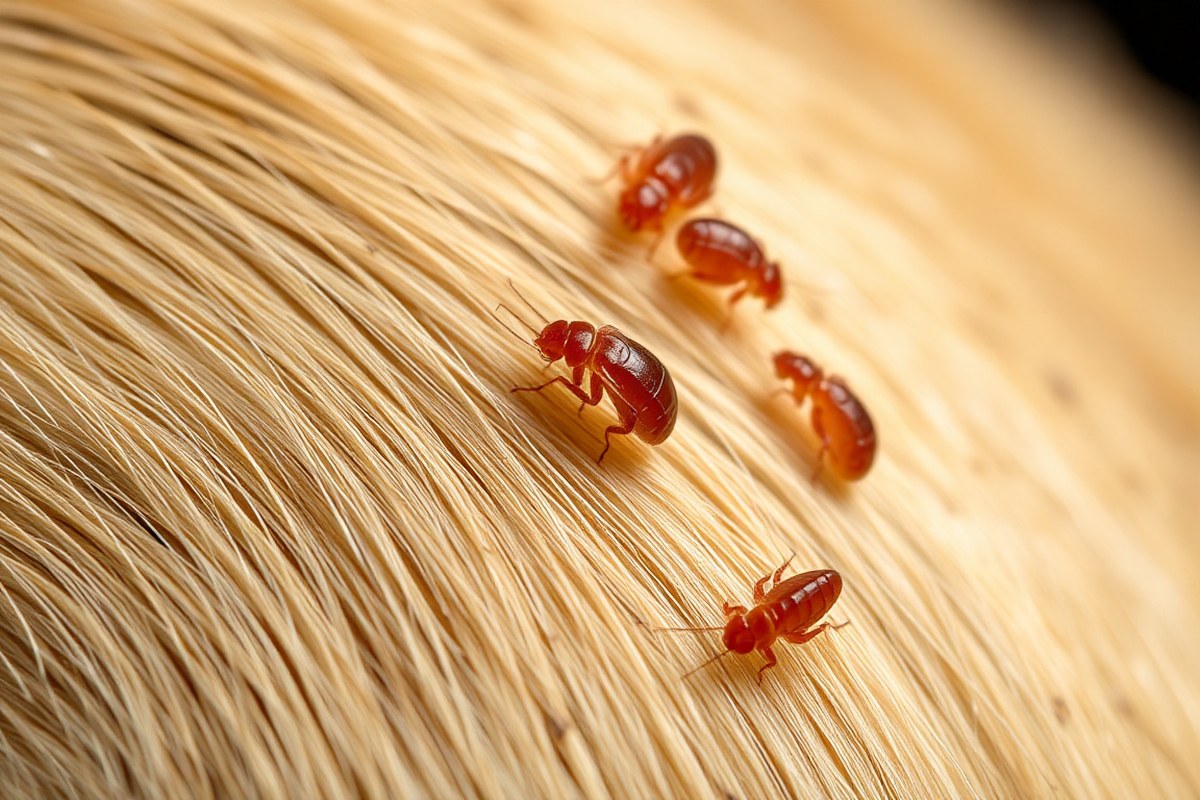
Fleas can definitely be brought from one house to another. They mostly hitch a ride on pets like dogs and cats. When animals go outside, they can pick up fleas.
They carry fleas inside homes they visit. Fleas travel this way from place to place.
Humans can also carry fleas on clothing or belongings. But this doesn’t happen as often. Fleas jump quickly from host to host, so they prefer animals over people.
You might visit a home with fleas. Fleas can cling to your shoes or jacket. They can come back with you.
Fleas survive the trip between houses by clinging tightly to their hosts. They can live without a host for days or even weeks if the conditions are right. Warm, humid environments help fleas stay alive longer, increasing their chance of reaching a new home.
Pets moving freely between homes create the highest risk of spreading fleas. When a pet with fleas enters a new home, fleas jump off quickly. They start a new problem fast.
Fleas move easily this way. They do this by jumping onto furniture, carpets, or even other pets inside the home.
Humans aren’t good hosts for fleas, but fleas can still hop on temporarily. You may carry adult fleas without knowing it. This happens after contact with infested animals or places.
Fleas cling to your clothes or skin. These fleas might drop off when you’re at home and begin laying eggs.
Fleas survive between homes when temperature and humidity fit. They also need places to hide nearby. These conditions help fleas stay alive.
Fleas prefer temperatures between 70ºF and 85ºF and humidity above 70 percent. Your home’s warmth and dampness affect flea survival.
If it fits their needs, fleas live longer. This helps them move between homes.
How Fleas Travel Between Houses and Environments

Fleas mainly travel between houses by hitching rides on pets like dogs and cats. Pets pick up fleas from an infested environment and carry fleas back to your home.
They don’t need a perfect flea nest to move. Adult fleas jump on them to feed and breed.
Fleas also latch onto humans, but only temporarily. They jump onto your clothes, shoes, or bags when you visit places with flea problems.
Fleas can’t live long on humans. But that short ride can bring them inside with you.
- Pets are the primary carriers of fleas between homes.
- Fleas jump onto clothing, shoes, or bags during visits.
- Used or upholstered furniture can harbor fleas and eggs.
- Wild animals or birds near or inside homes carry fleas.
- Flea eggs and larvae spread more easily than adults.
- Fleas can drop off pets or belongings and start infestations.
Fleas also move through furniture and belongings. Used couches and rugs can hide flea eggs, larvae, or even adults. Moving infested items between houses spreads the problem unexpectedly.
Rodents and wild animals around your home can bring fleas too. They move fleas inside walls, attics, or other rooms while grooming. This adds another way fleas spread around a property and into your living space.
Check and treat pets before bringing them back home to reduce flea risks quickly.
Understanding the Flea Life Cycle and Survival Outside Hosts
Fleas develop in four steps: egg, larva, pupa, then adult. Each step lasts a different time, which changes how long fleas can live without an animal. Adult fleas must feed on blood frequently and survive a few days to a week away from a host.
Eggs are laid mostly on hosts but fall into the environment quickly. They can survive days or even weeks depending on temperature and humidity.
Larvae feed on organic debris and can survive up to two weeks if they find food. Pupae develop inside cocoons and may stay dormant for months waiting for the right moment.
This survival ability lets fleas spread through belongings like clothing, bags, or furniture. Even if no adult fleas are seen, eggs or larvae can still hitch a ride. New infestations can start fast once fleas find a host or favorable environment.
| Life Stage | Duration | Survival Without Host |
|---|---|---|
| Egg | 1-10 days | Days to weeks, depending on environment |
| Larva | 5-15 days | Up to 2 weeks if food is available |
| Pupa | 5-14 days | Months in cocoon, waiting for a host |
| Adult | Weeks to months | Days to a week without feeding |
Knowing these timelines helps you spot when fleas might still be hiding after a visit. For example, eggs on a jacket can hatch within two weeks inside your home. Adults jump quickly but die faster if they cannot feed.
Flea development speed depends on temperature too. Warmer spots speed hatching, which means infestations can grow in days, especially with pets. Regularly washing and drying clothes at 130°F or higher kills most flea stages.
Identifying Signs You May Have Brought Fleas Home
You can tell fleas came home with you by seeing pets scratch a lot. Another sign is noticing small red bites on your skin. Look for tiny black specks, which are flea dirt, on pet bedding or furniture.
Checking Pets and Pet Bedding
Pets usually show signs before the home does. They may scratch, bite, or lick their fur more than usual. Flea dirt looks like small black specks on your pet’s fur or in their bedding.
Look closely at your pet’s neck, belly, and legs for tiny fast-moving fleas. Flea dirt will brush off onto a white cloth or paper towel, confirming fleas are present.
Washing pet bedding in hot water helps kill flea eggs and larvae. This prevents fleas from multiplying in your home environment.
Inspecting Clothing and Personal Items
Fleas can hitch a ride on your clothes, bags, or shoes. Check before entering a new home, especially if you visited a place with fleas. Run your hands through your clothing looking for small, fast bites or black specs.
Fleas and their eggs are tiny. So use a bright light or a magnifying glass if needed. Shake clothes outside or vacuum items you bring inside to dislodge any hitchhiking fleas.
Look inside pockets, shoes, and seams where fleas might hide. Vacuuming bags must be disposed of carefully to avoid spreading fleas.
Spotting Flea Bites on Human Skin
Flea bites often appear as small, red spots clustered around the ankles or legs. They usually itch and cause mild swelling or redness. Flea bites differ from mosquito bites because they often come in groups or lines.
Check itchy areas for tiny bite marks with a red spot in the center. Flea bites can sometimes cause allergic reactions, making the rash more swollen or spread out.
Wash bitten areas with soap and water to reduce itching and risk of infection. Use over-the-counter anti-itch creams or calamine lotion if bites become irritated.
- Inspect your pets for scratching and flea dirt regularly.
- Wash pet bedding in hot water at least once a week.
- Examine your clothes and personal items after visiting places with fleas.
- Use bright light or magnifying tools to spot fleas or their eggs.
- Vacuum floors and furniture carefully, disposing of vacuum bags promptly.
- Observe skin for small red bites, especially around the ankles.
- Treat pet and home environments quickly to stop flea spread.
Effective Cleaning and Treatment Methods to Kill Fleas
Killing fleas means treating both your pet and your home. Fleas and their eggs hide in fabrics, furniture, and carpets. Heat and specific treatments kill all flea stages to stop infestations.
Washing and Heat Treating Textiles
Fleas thrive in bedding, clothes, and pet linens. Heat kills fleas and their eggs instantly. Wash all fabrics at the highest safe temperature to stop flea reproduction.
Use hot water above 130°F (54°C). Dry on the hottest setting for at least 30 minutes. This kills all flea life stages, including those invisible eggs and larvae.
- Collect all bedding, clothes, and pet linens.
- Sort by fabric to avoid damage from heat.
- Set your washer to the hottest water temperature allowed.
- Wash with regular laundry detergent.
- Dry fabrics in a dryer on the highest heat for 30 minutes or more.
- Fold and store cleaned items away from flea sources.
- Repeat weekly during active infestations to catch new fleas.
Always check care labels on fabrics before using hot water or high dryer heat.
Vacuuming and Steam Cleaning Carpets and Upholstery
Fleas and their eggs hide deep in carpets and furniture. Vacuum daily to remove fleas, larvae, and eggs before they hatch. Steam cleaning adds heat to kill hidden pests.
Use a vacuum with strong suction and a brush attachment. Steam clean carpets and upholstery on a high heat setting to kill fleas instantly. Dispose of vacuum bags or empty canisters outside to stop spread.
- Vacuum carpets, rugs, and upholstered furniture thoroughly.
- Focus on corners, pet areas, and under furniture.
- Empty or replace vacuum bags outside your home right after vacuuming.
- Use a steam cleaner on carpets and furniture at least once a week.
- Allow carpets to dry fully before use to prevent mold.
- Repeat vacuuming daily until no fleas are seen.
Do not rely on vacuuming alone; steaming improves flea kill by adding heat.
Using Veterinarian-Recommended Flea Treatments on Pets
Pets carry fleas into your home and bring eggs, larvae, and adults. Use vet-approved flea treatments to kill fleas and prevent reinfestation. Many products target all flea life stages.
Choose products with ingredients like permethrin or pyriproxyfen. These chemicals kill fleas and their eggs on contact. Follow product instructions carefully to protect your pet’s health.
- Inspect your pet regularly for fleas, especially after outdoor activities.
- Apply flea prevention treatments such as topical drops, collars, or oral medications.
- Consult your vet for the best product based on your pet’s size and health.
- Treat all pets in the home at the same time to prevent cross-infestation.
- Repeat treatments as recommended, usually monthly for ongoing prevention.
- Wash pet bedding weekly with hot water to remove fleas and eggs.
Never use flea treatments meant for dogs on cats, as it can be toxic.
Preventing Flea Transfer: Steps to Take After Visiting Other Homes
To stop fleas from entering your home, check yourself right away. Check your pets as soon as you get inside too. This helps catch fleas early and prevent infestations.
Wash clothes and bags promptly. Use flea treatments for pets if needed.
Inspecting Yourself and Pets Right Away
Check your skin and clothes closely for fleas after visiting a house with pets. Fleas often bite legs or ankles, so pay extra attention there. Also look over any pets that came with you.
Fleas hide in fur, especially on pets’ legs or bellies. Use a fine-toothed comb to scan your pet’s fur carefully. Try to catch and remove any fleas before they multiply at home.
- Look over your clothing and shoes immediately
- Comb pets with a flea comb
- Check legs, ankles, and lower clothing layers
- Inspect pet bedding and toys for signs of fleas
- You should isolate pets temporarily when you find fleas on them.
Early inspection reduces the chance fleas hitch a ride inside you or your pet. Fleas can start reproducing fast in familiar spaces if ignored.
Proper Laundry and Bag Handling Procedures
Wash clothes worn during visits to areas with fleas right away. Use hot water if the fabric allows it. Heat kills flea eggs and larvae effectively.
Non-washable items and bags can be sealed in a plastic bag for a week. This starves any fleas hiding inside. Vacuum bags or suitcases before storing or reusing them.
- Use hot water (at least 130°F) to wash clothing
- Tumble dry on high heat for 30 minutes or more
- Seal non-washable items in plastic for 7 days
- Vacuum bags and suitcases carefully before reuse
- Avoid placing bags on furniture at home after visits
Proper laundry and storage reduce flea eggs and larvae survival. Fleas can stay hidden on soft surfaces for weeks without attention.
When to Use Preventative Flea Treatments
Pets should get flea prevention medicine regularly if you visit homes with flea issues. Treat pets monthly with vet-recommended spot on or oral treatments. This stops fleas from settling on your animals.
Pets can get flea treatments even without obvious fleas. These treatments protect pets for 30 days or longer. They help prevent future flea problems.
When pets have fleas after a visit, use flea shampoo. Talk to your vet about stronger treatment options if needed.
- Apply flea preventatives monthly as directed
- Use flea collars for extra protection if needed
- Shampoo pets with flea control products after visits
- Consult a vet for persistent flea problems
- Keep pet resting areas clean and vacuumed
Prevention is cheaper and easier than treating an infestation. Clear treatment steps after visits lower risks significantly.
Common Mistakes That Increase Flea Transfer Risk and How to Fix Them
Leaving pet beds and carpets uncleaned invites fleas back, even after treatment. Clutter keeps flea eggs and larvae hidden, making vacuuming less effective. Pets going outside without preventatives pick up fleas, which then move inside easily.
Failing to check your pet regularly for fleas adds to the problem too. Flea shampoos or spot-on preventatives work best to stop fleas before they bite and lay eggs. Using these products as directed by the label helps avoid resistance and keeps fleas under control.
- Vacuum carpets and furniture every 2 to 3 days for at least two weeks
- Wash pet bedding in hot water (over 130°F) weekly to kill flea eggs
- Clear clutter that traps fleas, like piles of clothes or toys
- Put flea preventatives on pets month-to-month, following product instructions
- Brush pets outdoors and check for flea dirt or live fleas weekly
- Keep entryways and floors clean to limit fleas brought inside on shoes or clothes
Vacuuming kills many flea eggs and larvae, says the University of Florida study. Not doing it often leaves eggs to hatch and restart infestations.
Cleaning pet beds with hot water stops fleas from living there. Clutter creates hiding spots that let fleas survive and spread unnoticed.
Simple habits make a big difference. Regular checks and flea treatment cost less than hiring pest control later. You don’t have to spray chemicals all over your home if you keep up these steps.
They stop fleas from jumping on you or your pets. Fleas can’t move to another room or house. This helps keep them from spreading.
Deciding When to Call Professional Flea Control Services
Call a professional flea control service when fleas appear in many rooms. Fleas on several pets also mean it’s time to call. This helps get a thorough treatment done right.
Flea eggs and droppings alone may not mean infestation. But live fleas on pets or people usually do. Your home and cleaning treatments need to cut down fleas fast.
After two weeks without much change, get expert help. Don’t wait too long to ask for professional help.
Professionals use stronger insecticides and sprays not sold in stores. These treatments attack fleas at every life stage. They get eggs and larvae hidden in carpets and furniture.
This thorough approach stops flea problems from coming back. Experts know how to use chemicals safely around family and pets.
Home sprays might miss safety details that pros catch. That reduces risk and keeps everyone safer during treatment.
Severe infestations often need repeated treatments weeks apart. Professionals can also treat outdoor areas, reducing the chance fleas come back.
Expect a service to cost around $150 to $300, depending on your home’s size. This may seem expensive but can save you money by stopping fleas before heavy infestations grow.
Home remedies often miss flea eggs and larvae tucked deep in flooring or pet bedding. Professionals bring equipment like steam cleaners and dusters that spread insecticides evenly over hard-to-reach areas. Pros give you a treatment schedule to stop the flea life cycle.
Regular flea sprays usually don’t offer this helpful schedule. Following their plan helps break the cycle for good.
Check for flea dirt on your pet’s coat regularly. Flea dirt looks like tiny black specs and will stick to a flea comb. Flea sightings after home treatment mean you should call a pro.
A professional can inspect your home fully for hidden fleas. This catches problems home methods often miss.
Don’t wait too long to call a pro. Untreated fleas multiply fast and harder to control.
Some infestations need tailored treatment plans. For example, pets keep scratching despite home care. Or flea products do not seem to work well.
In those cases, professional help is the best choice. Pros tailor treatments to fit your pets’ needs and home.
This makes treatments safer and more effective. You’ll get better results with expert guidance.
Step-by-Step Action Plan to Stop Fleas from Coming Home
Follow these steps after visiting places with fleas to keep your home safe. Check each step’s result before moving on.
- Immediately after visit: Shake out and vacuum bags of clothes or pet bedding. Seeing no flea dirt in the vacuum is a good sign.
- Within 24 hours: Wash all your clothes and pet bedding in hot water. Dry them on a high heat setting and check for fleas on items.
- Day 2: Vacuum all floors, carpets, and upholstery thoroughly. No live fleas after vacuuming twice means your risk drops a lot.
- Week 1: Give your pet a flea bath with a vet-approved shampoo. Watch for fewer flea bites on your pet over the next days.
- Week 2: Use veterinarian-recommended flea preventatives on pets if you haven’t yet. Your vet’s OK means you’ll see fewer fleas in weekly checks.
- Week 3: Reclean floors and upholstery and vacuum again. No fleas found means the treatment is working.
- After 1 month: Monitor pets and home for any flea activity. Early signs of fleas mean you need to repeat cleaning and treatment steps.
Frequently Asked Questions
Can Fleas Survive on Clothing and Luggage When Moving Between Houses?
Fleas can hitch a ride on clothing and luggage briefly. They usually need a host to feed on soon to survive. Check and shake off clothes before entering a new home to reduce chances.
Can Fleas Lay Eggs During Travel Between Homes?
Yes, adult fleas can lay eggs while moving between locations if they find a host. The eggs then fall off, starting a new infestation quickly if not cleaned. Act fast with cleaning to stop them.
Do Flea Eggs and Larvae Survive Well in Vehicles?
Flea eggs and larvae can survive temporarily in cars or trucks. They hide in fabrics and carpets until they find a pet host. Vacuuming vehicles regularly helps prevent flea spread.
Can a Visitor Without Pets Bring Fleas into a Home?
People without pets can still carry fleas on their clothes or shoes. Fleas jump on humans opportunistically but prefer animal hosts. Avoid walking in tall grass where fleas live before visiting.
Are Flea Collars Effective to Prevent Bringing Fleas Home?
Flea collars help repel fleas on pets but aren’t foolproof. They reduce the chance of fleas hitchhiking into your home from another place. Combine collars with bathing and vacuuming for better control.
How Long Can Fleas Survive Indoors Without a Host?
Fleas can live indoors up to 2 weeks without a host by feeding on debris. They usually die faster if no blood meals are available. Cleaning floors and furniture cuts down survival time.
Key Points to Remember
Yes, you can bring fleas from one house to another. But careful cleaning stops them.
Start with washing and vacuuming right after visits to risky places. This simple action helps you avoid bigger flea problems later.