Where Does Lavender Grow Best: A Complete Guide to Ideal Locations Worldwide
Lavender thrives in full sun with 6 to 8 hours daily exposure. It prefers dry, well-draining soil with a pH from 6.7 to 7.3. This pH range helps keep roots healthy and avoids rot problems.
This plant suits warmer climates and usually thrives in USDA Zones 7 to 9. Lavender handles dry soil well and only needs watering when the top two inches feel dry. Minimal watering during dry spells is best.
Spanish lavender is strong and grows well in hot, dry areas. It works well as a hardy plant in front yards. Spacing plants 12 to 18 inches apart helps air circulation and disease prevention.
Lavender grows well in pots or ground if it gets enough sun and dry soil. Overwatering can harm it. So let the soil dry out between waterings to keep roots healthy.
Key Takeaways
- Place lavender where it gets at least 6 to 8 hours of full sunlight daily. Bright, direct sun helps it grow strong. Choose sunny spots for planting.
- Use sandy, well-drained soil with a pH ranging from 6.7 to 7.3 for best results.
- Space plants 12 to 18 inches apart to ensure good airflow and healthy growth.
- Water lavender only when the top 2 inches of soil feel dry to avoid overwatering.
- Grow lavender as a perennial in USDA Zones 7 to 9 with hot, dry conditions.
- Spanish lavender is a solid choice for hot, dry, and sunny locations.
Where Does Lavender Grow Naturally and Worldwide?
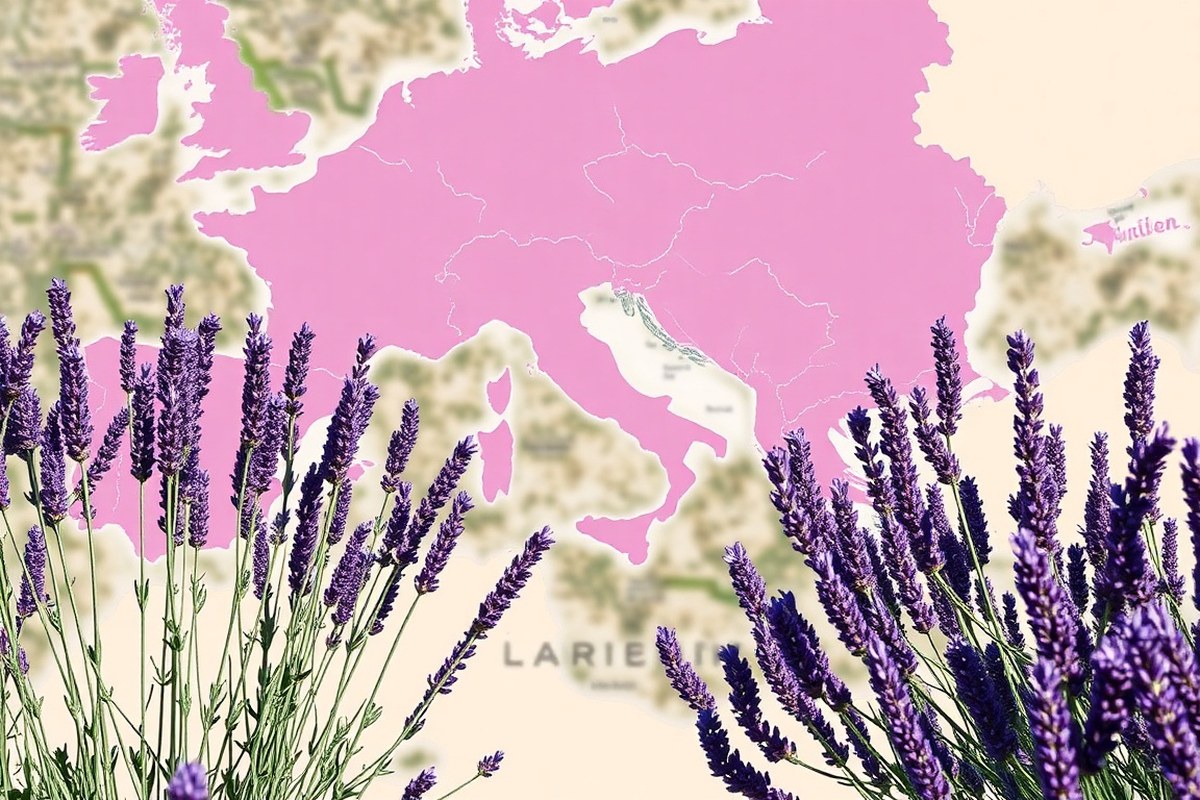
Lavender originates from the mountainous areas of Southern Europe and the Mediterranean. This region’s hot, dry climate and rocky, well-drained soil suit lavender’s natural growth needs. These conditions keep the plant healthy without excess moisture, which lavender dislikes.
Wild lavender grows widely around the Mediterranean Basin, including parts of France, Spain, Italy, and Greece. These countries have dry summers and mild winters, which mimic lavender’s native environment. The Mediterranean climate means long, sunny days with low humidity, perfect for lavender’s drought resistance.
The Mediterranean setting provides warm temperatures between 70°F and 85°F during the growing season. The soil is usually sandy or gravelly, preventing water retention that could cause root rot. Such natural conditions help lavender produce fragrant oils and strong stems in the wild.
Several countries worldwide now cultivate lavender commercially. France and Spain are leaders in essential oil production, growing hybrid and English lavender. The United States has lavender farms in warm, dry states.
California, Texas, and Utah have growing conditions like the Mediterranean. These places suit lavender well.
Commercial growers pick sites with full sun exposure and fast-draining soil. Growers avoid areas with high humidity. Heavy clay soil also harms lavender’s health.
These conditions can cause problems for the plants. Pick a site with lean soil like the Mediterranean.
Dry climate also helps lavender thrive. This choice gives you lush, aromatic plants.
Which Climates and USDA Zones Are Ideal for Lavender?
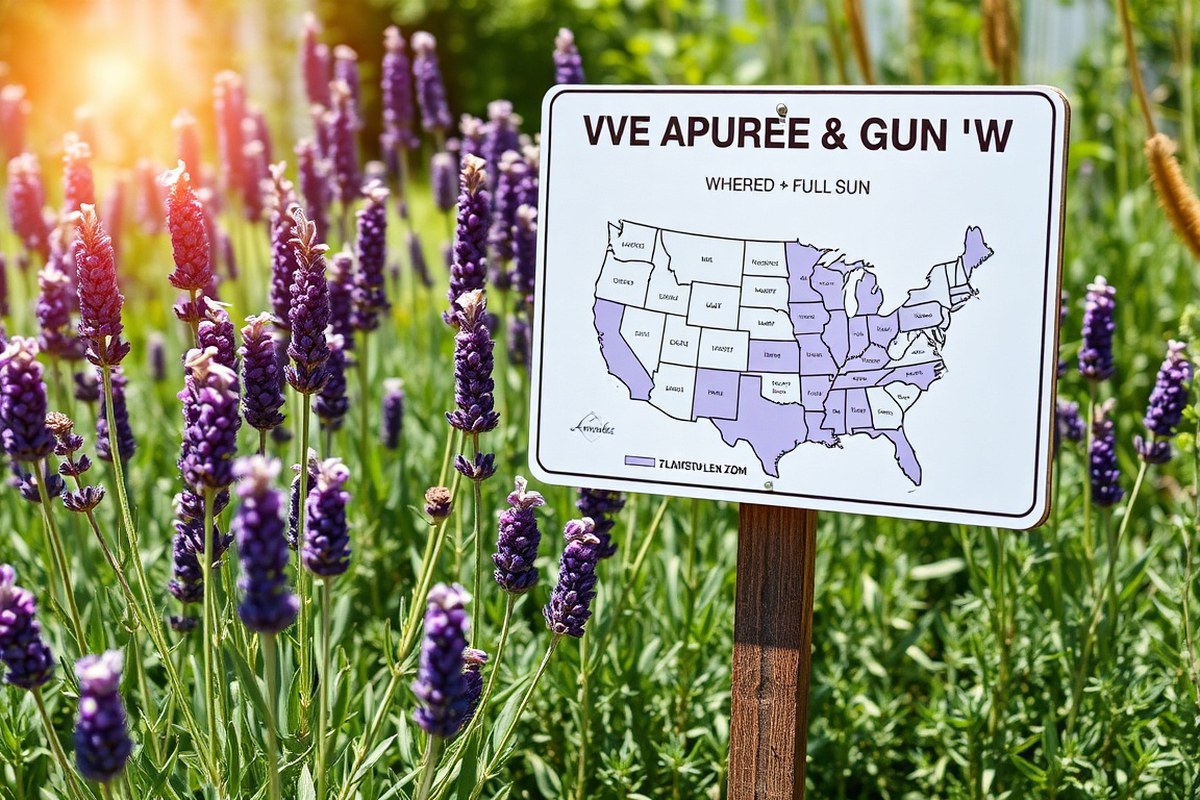
Lavender grows best in USDA hardiness zones 5 through 9. Most types survive winters in these zones without extra care. In colder zones like 5 or 6, use containers for lavender.
Move lavender indoors during winter to keep it safe. This protects the plant from cold damage.
Lavender needs full sun, about 6 to 8 hours daily. Some gardeners find 8 to 10 hours ideal for stronger growth. Full sun supports better flowering and less fungal disease.
| Factor | Ideal Condition |
|---|---|
| USDA Hardiness Zones | 5, 9 |
| PH Level | 6.5, 7.5 (slightly alkaline) |
| Soil Type | Sandy, loamy, or gravelly |
| Rainfall Tolerance | Low; max 15, 20 inches/year |
| Sun Exposure | Full sun (6, 8+ hours) |
Cold winters can kill lavender if it stays in wet soil. Bringing potted plants inside or into an unheated garage helps them stay alive. Hot, humid climates slow lavender growth and may cause root rot.
Spanish lavender prefers hot, dry spots with full sun. It needs at least 6 to 8 hours of direct sunlight each day to thrive. You should avoid planting lavender in shady or damp places to prevent fungal problems.
Don’t plant new lavender in winter. Young plants are sensitive to cold and wet soils.
What Soil Types and Conditions Help Lavender Thrive?
Lavender grows best in well-drained soil that has a slightly alkaline pH. The soil should be sandy or gravelly to avoid moisture buildup around the roots. Good drainage is key because lavender hates “wet feet.”
Ideal Soil pH and Nutrients
The best soil pH for lavender is between 6.5 and 7.5, which is slightly alkaline. You can add lime to raise the pH if your soil is too acidic. Lavender likes soil with moderate fertility.
It doesn’t grow well in very rich soil. Avoid soil that’s heavily fertilized for best results.
Low-nitrogen soils help prevent overly lush growth, which can make plants weak. Testing your soil before planting will tell you what adjustments to make. This ensures you create the right environment for strong, healthy lavender plants.
Drainage Requirements and Solutions
Drainage is one of the most important factors for growing lavender successfully. The soil must allow water to drain quickly to prevent root rot and other moisture problems. Good drainage also means the soil feels dry between waterings.
Clay or heavy soils tend to hold water too long. Adding coarse sand or small gravel improves drainage and keeps the roots healthy. Planting lavender on raised beds or mounds also helps water drain away from the root zone.
- Use raised beds or plant on 8 to 12-inch mounds for heavy soils
- Mix in coarse sand or gravel to improve soil drainage
- Avoid planting lavender in low spots that collect water
- Use terracotta or clay pots for container lavender to wick moisture away
- Check soil moisture by sticking a finger down before watering
These steps will prevent soggy soils and give lavender roots the dry conditions they need. Overwatering or poor drainage are common mistakes that stunt lavender growth.
Soil Preparation for Different Types
Preparing soil depends on what you start with. Sandy or loamy soils usually need little amendment.
Just loosen the soil and check pH. Adding lime if soil is acidic helps create the right environment.
Heavy clay soils require more work. Dig a hole twice the size of the root ball.
Mix the removed soil with compost, coarse sand, or small gravel to lighten it. Fill back the hole with the amended soil and plant lavender on top.
This method creates a well-drained pocket for roots and avoids water logging. Clay soil left unamended will hold too much moisture and likely kill your lavender.
Best Soil Mixes for Container Lavender
Lavender grows well in pots if the soil drains very well. An ideal mix is 75% potting soil and 25% coarse sand or grit. This blend prevents water from pooling around roots.
Use pots with drainage holes and choose terracotta containers when possible. Terracotta pots absorb excess moisture and improve airflow. Avoid plastic pots that can trap moisture.
- Mix 3 parts potting soil with 1 part coarse sand or grit
- Choose pots with plenty of drainage holes
- Use terracotta or unglazed clay pots for better moisture control
- Avoid heavy or moisture-retentive soil mixes
- Water sparingly and only when top inch of soil feels dry
Following these steps helps lavender thrive in small spaces with limited soil. Too much moisture is the biggest risk when growing lavender in containers.
How Different Lavender Species Affect Growing Location Choice
English lavender (Lavandula angustifolia) suits colder areas best. It thrives in USDA zones 5 to 8 and tolerates frost well. This species grows 32 to 36 inches tall.
It fits well in garden beds. You can also use it in large containers.
Spanish lavender (Lavandula stoechas), also called butterfly lavender, prefers warmer climates in zones 7 to 9. It has a unique flower shape with topped blooms. This species grows about 3 feet tall.
It suits hedges or container gardening. Best in mild winter regions.
French lavender is often confused with Spanish but tends to do better in milder climates. It suits container growing very well and usually stays smaller. Lavandin (Lavandula x intermedia) is a hybrid.
It can grow up to 4 feet tall. It thrives in hot, dry climates. However, it is less hardy in cold zones compared to English lavender.
| Species | Hardiness Zones | Height | Preferred Climate | Best Use |
|---|---|---|---|---|
| English Lavender (L. Angustifolia) | 5, 8 | 32, 36 in | Cold winters, dry summers | Garden beds, large containers |
| Spanish Lavender (L. Stoechas) | 7, 9 | ~36 in | Warm, dry climates | Hedges, containers |
| French Lavender | 7, 9 | Smaller | Mild winters | Containers |
| Lavandin (L. X intermedia) | Mostly 6, 9 | Up to 48 in | Hot, dry climates | Cut flowers, larger gardens |
Choosing the right lavender species means matching your climate and garden space. English lavender suits cold areas and bigger pots. But it may struggle in humid summers.
Spanish and French lavenders want warmth and do well in smaller spaces or containers. Lavandin grows best where it is hotter and offers bigger yields but needs milder winters.
Lavender growing habits differ. English lavender stands upright with long flowering stems. Spanish lavender is bushier and stays compact.
Lavandin grows taller and spreads out more. This makes it poor for tight garden spots.
It doesn’t do well in small containers. Consider plant size and cold tolerance before picking one.
How to Grow Lavender Successfully in Pots vs. Ground
Choosing the Right Pot and Soil Mix
Lavender planted in pots needs at least a 10-inch wide and 12-inch deep container. This size gives roots room to grow and prevents the soil from drying out too fast. Choose pots with drainage holes to avoid water sitting at the bottom.
Use a well-draining soil mix with a neutral pH of about 6.5 to 7.5. A mix of sand and potting soil works well and helps water drain quickly. You can also add perlite or small gravel for extra drainage.
- Pick a pot with enough drainage holes to avoid soggy roots
- Use a sandy, well-draining soil to prevent root rot
- Keep pH near neutral, between 6.5 and 7.5
- Consider lightweight pots for easier moving
- Lavender’s root ball should sit level with soil surface
- Use raised beds or slopes in the garden to improve drainage
Start your lavender with fresh, sterile soil for the best results. Over time, soil in pots can lose nutrients faster. So replace or refresh it yearly.
Watering and Drainage Considerations
Potted lavender needs more frequent watering than plants in the ground. Pots dry fast, especially in warm or windy conditions. Check soil moisture often and water when the top inch feels dry.
In the ground, lavender requires deep watering about once a week during dry spells. In pots, water sparingly but regularly to keep roots moist without sogginess.
- Water lavender in pots when the top inch of soil is dry
- Avoid overwatering; soggy soil causes root rot
- Water deeply for in-ground plants every 7 to 10 days
- Use mulch in the garden to reduce moisture loss
- Check drainage after watering, especially in containers
- Adjust watering in cooler or wetter seasons to avoid excess moisture
Potted lavender is more vulnerable to drying out quickly because of limited soil volume. Letting pots sit on drain trays can trap moisture and harm roots. Always empty excess water.
Winter Protection Strategies in Containers
Lavender in pots is more prone to winter damage than plants in the ground. Soil in containers freezes faster, which can kill roots. To protect pots, move them to a sheltered spot or indoors before frost.
Wrap pots with insulation tape or burlap to slow temperature drops. You can raise pots off cold ground using bricks or wooden pallets.
- Bring pots indoors or to a protected area during freezing weather
- Use insulation materials around pots to keep roots warm
- Improve pots to avoid contact with frozen ground
- Reduce watering but don’t let the soil completely dry out in winter
- Consider using grow lights indoors if sunlight is limited
- Prune lavender lightly in early fall to prepare for dormancy
Don’t leave pots directly on cold surfaces in winter. Frozen roots can kill the plant.
In the ground, roots are insulated by surrounding soil and mulch. Outdoor lavender is less likely to suffer winter dieback in zones with mild winters. But potted plants need extra care.
When to Plant in Ground vs. Pots
Plant lavender in the ground if your garden has well-draining soil and full sun. It stays healthier with less watering and better winter survival. Start in spring when soil warms up, around April or May.
Choose pots when your soil does not drain well. Use pots to grow lavender on a patio or balcony.
You can move pots easily to avoid harsh weather. Potted lavender also suits smaller spaces.
- Use garden beds for stable, long-term growth
- Choose pots for patios, balconies, or poor soil
- Plant in spring for best root establishment
- Move potted plants indoors or sheltered areas in cold months
- Check soil drainage before planting in the garden
- Consider your climate and protection options in winter
Potted lavender can thrive year-round if you follow watering and winter care tips. Ground planting usually requires less attention but has less flexibility for temperature control.
How Microclimates and Local Conditions Influence Lavender Growth
A microclimate is a small area with climate conditions that differ from its surroundings. It can vary in temperature, humidity, sunlight, and wind exposure. Lavender thrives in microclimates that offer plenty of sun, good air flow, and low humidity.
Wind helps keep lavender dry and prevents fungal diseases. However, too much wind can stress the plants and dry them out too fast. Plant lavender near a natural windbreak, like a hedge or fence.
This reduces strong winds. It still lets gentle breezes reach the plant.
Humidity affects lavender’s health because it prefers dry air. High humidity can encourage root and crown rot. In humid areas near water or shade, drainage can cause problems.
Add sand or gravel to improve soil drainage. This helps keep lavender healthier. Avoid planting lavender right next to ponds or in places where water collects after rain.
Lavender needs at least six hours of direct sun daily. It can survive in partial shade but will produce fewer blooms and grow smaller.
Use partial shade in hot climates to protect lavender from midday sun. Watch for signs like leggy stems or sparse flowers, which show the plant wants more light.
Elevation changes temperature and air pressure. At higher elevations, temperatures drop and nights are cooler, slowing lavender growth. Also, stronger UV rays can stress the plant but encourage more intense colour in flowers.
Plant lavender in full sun spots in mountainous areas. Find places shielded from cold winds.
This gives lavender the warmth it needs. You might see later bloom times and shorter plants than at lower sites.
Adapting to your local conditions means adjusting care and placement. For example, in humid gardens, growing lavender on slopes or raised beds helps with drainage.
Shady urban backyards might work better with Spanish lavender varieties, which tolerate warmer, moister conditions. Windy locations need solid windbreaks, which could be shrubs or structures that cut down direct blasts.
Lavender grows well in microclimates like Washington’s Sequim Valley. Such spots help plants flower better. This leads to healthier growth overall.
It takes some observation over a season to find the best spot. Watch how sun and wind hit your yard. Be ready to amend soil or relocate plants for better results.
Common Growing Mistakes and How to Avoid Them
Planting lavender in heavy, wet soil invites root rot and other fungal diseases. Lavender needs soil that drains well to keep its roots dry.
So raised beds can help by improving drainage. Avoid spots where sprinklers run often or where water pools after rain.
Too much watering is another common mistake. Lavender thrives on dryness once it’s set.
Overwatering stresses the plant, leading to yellow leaves and root decay. Water deeply but infrequently, letting soil dry out between watering sessions.
Shade causes trouble for lavender. It prefers full sun for at least 6 hours each day.
Without enough light, plants grow leggy and produce fewer blooms. Choose sunny spots and avoid planting under trees or dense shrubs.
Poor air flow makes fungal problems worse. When plants are crowded or surrounded by dense foliage, moisture stays trapped. This creates the perfect environment for diseases.
You can prevent this by spacing plants properly. Keep the base clear of debris and mulch. This helps avoid problems.
- Space lavender 12-18 inches apart for good air circulation.
- Trim lower branches regularly to allow airflow through the plant.
- Avoid heavy mulches that trap moisture and invite pests.
- Plant in raised beds or well-draining soil to prevent root rot.
- Water only when the top 1-2 inches of soil feel dry.
- Choose locations with full sun for at least 6 hours daily.
- Select companion plants with similar care needs, avoiding shade or moisture lovers.
Spacing lavender correctly prevents fungal diseases by improving air movement. Close planting keeps humidity around leaves, encouraging mold or mildew. Keep at least 12 inches between plants.
Use 18 inches if plants are large or climates humid. This space keeps plants healthy.
Removing lower branches during the growing season keeps air circulating near the ground. This reduces dampness around the roots and lowers disease risk.
Avoid piling thick mulch around the stem. Light gravel or sparse mulch works better without locking in moisture.
Examples of Successful Lavender Growing Regions Worldwide
Lavender thrives in regions with sunny days and well-drained soil. Major lavender areas share dry climates, low humidity, and soil that won’t hold much water.
Provence, France, the Classic Lavender Region
Provence is in southeastern France, known for its rolling hills and dry summers. Its Mediterranean climate has warm, sunny days and cold, wet winters, perfect for lavender’s needs.
The soil here is rocky and drains well, which stops roots from getting soggy. Plants get about 2,500 hours of sunshine each year.
This sunlight gives flowers a strong fragrance. It also helps them grow deep color.
Farmers avoid overwatering since excessive moisture can cause fungal problems. Lavender often grows on slopes to help rain run off.
This keeps roots dry. Dry roots help the plant grow healthier.
Sequim Valley, USA, Microclimate Success Story
Sequim Valley in Washington state is famous for its lavender farms despite the region’s rainy reputation. This is because a trick of geography creates a rain shadow, reducing precipitation.
The valley receives about 16 inches of rain yearly, much less than nearby Seattle. Lavender gets 6 to 8 hours of sun each summer day.
This helps it grow well. It also keeps diseases low.
Growers here amend heavy local clay soil with sand and organic matter to speed drainage. They water only when the soil is dry, preventing root rot and keeping plants productive.
Water lavender sparingly and only after the soil feels dry to touch.
Mediterranean Basin, Native Lavender Hotspots
The Mediterranean Basin covers France, Spain, Italy, and nearby islands where lavender grows naturally. These areas have long dry summers and mild winters, making them ideal zones (USDA 5, 9).
Sandy, rocky soils here drain fast and stay cool, supporting the plant’s drought tolerance. Lavender in these native spots thrives with just occasional natural rainfall and bright sunlight.
Growers use little fertilizer since lavender prefers poor, well-drained soil. Too much nutrient-rich soil encourages weak stems and fewer blooms.
Emerging Lavender Regions Worldwide
Outside traditional areas, places like California and Tennessee also support lavender farms. California’s sunny climate and sandy soil mimic Mediterranean conditions well.
Tennessee farms grow popular cultivars like ‘Hidecote’ and ‘Provence’. They must watch soil drainage closely here due to more humid, wetter summers compared to Provence.
Globally, newer lavender producers in Australia and parts of South America manage irrigation carefully. They focus on sun exposure and avoid overwatering to keep fungal diseases away.
Step-by-Step Action Plan to Grow Lavender Successfully
Use this plan to start growing lavender in your garden or pots. Follow these steps to ensure your plants take root and thrive.
- Before you start: Pick a sunny spot with soil that drains well. Or use a big pot that has drainage holes. This helps keep lavender healthy and dry. Good drainage prevents root rot and keeps lavender healthy.
- Day 1: Plant lavender seedlings or seeds in soil with neutral to slightly alkaline pH. Aim for a pH around 6.5 to 7.5. This suits lavender best.5 to 7.5). Healthy soil helps roots establish faster.
- Week 1: Water lightly right after planting to settle the soil around roots. Check that water drains quickly to avoid soggy soil.
- Week 2 to 4: Keep soil moist but not wet. Let the top inch dry before watering again. Lavender hates soggy soil but needs some moisture to grow.
- Week 4: Begin feeding lavender with a balanced, low-nitrogen fertilizer. Do this every 4 to 6 weeks while it grows. It keeps the plant healthy. Watch for fresh, green growth as a sign it’s working.
- Month 2 and beyond: Prune lavender lightly after the first summer bloom to encourage bushier growth. Avoid cutting into old wood, which slows recovery.
- Throughout the year: Monitor local microclimate conditions like winter cold or humidity. Use frost protection or extra drainage where needed.
- Seasonally: Repot potted lavender every 2 to 3 years with fresh soil. For garden plants, add nutrients to the soil yearly. This helps keep the plant strong. This keeps roots healthy over time.
Frequently Asked Questions
Is There a Downside to Planting Lavender?
Lavender can be sensitive to overwatering and poor drainage. Too much moisture causes root rot. So plant in well-drained soil and avoid heavy clay areas.
Do Lavender Come Back Every Year?
Lavender is a perennial and usually returns annually with proper care. You need to prune it right after it flowers.
Don’t overwater it. This helps the plant thrive yearly.
Does Lavender Do Better in Pots or Ground?
Lavender grows well in both pots and ground if conditions suit it. Pots need good potting mix and careful watering.
Ground plants need soil that drains well. They also require full sun.
Is Lavender Invasive?
Lavender is not considered invasive and rarely spreads aggressively. It grows in clumps and stays put where planted. This makes it good for home gardens.
Where Does Lavender Grow?
Lavender grows best in sunny, dry climates with well-drained soil. It thrives in USDA zones 5 to 9 and areas with mild winters and hot summers.
Can I Grow Lavender Indoors Year-Round?
Lavender can grow indoors with enough sunlight and low humidity. Place it near a south-facing window and water only when the top two inches dry out.
Wrapping Up
Lavender grows best where it gets full sun, well-drained soil, and the right climate. Check your local conditions carefully before planting. Start with small steps and adjust care as your lavender grows.