What Is a Hose Bibb? Complete Guide to Types, Use, and Maintenance
What is a hose bibb? It’s an outdoor faucet you connect to a garden hose.
It controls water flow for watering plants, washing cars, or filling pools. Hose bibbs are usually metal taps attached to the outside of your house.
Hose bibbs work by turning a valve that opens or closes the water flow. They usually hook up to your home’s 3/4-inch water lines. These fittings have a threaded spout.
You can attach hoses to it easily. The valve design helps prevent leaks when the water is off.
You’ll find hose bibbs mounted about 12 to 16 inches above ground level. They need regular care to avoid damage from freezing temperatures. Knowing what a hose bibb is helps you use and maintain it properly.
Key Takeaways
- Hose bibbs are outdoor faucets for garden hoses and water control.
- They usually connect to 3/4-inch home water pipes for proper flow.
- Turn the valve handle to start or stop water flow.
- Standard height for hose bibbs is between 12 and 16 inches above ground.
- Regular maintenance prevents leaks and damage from freezing weather.
- Threaded spouts fit standard garden hoses easily.
What Exactly Is a Hose Bibb and Its Purpose?

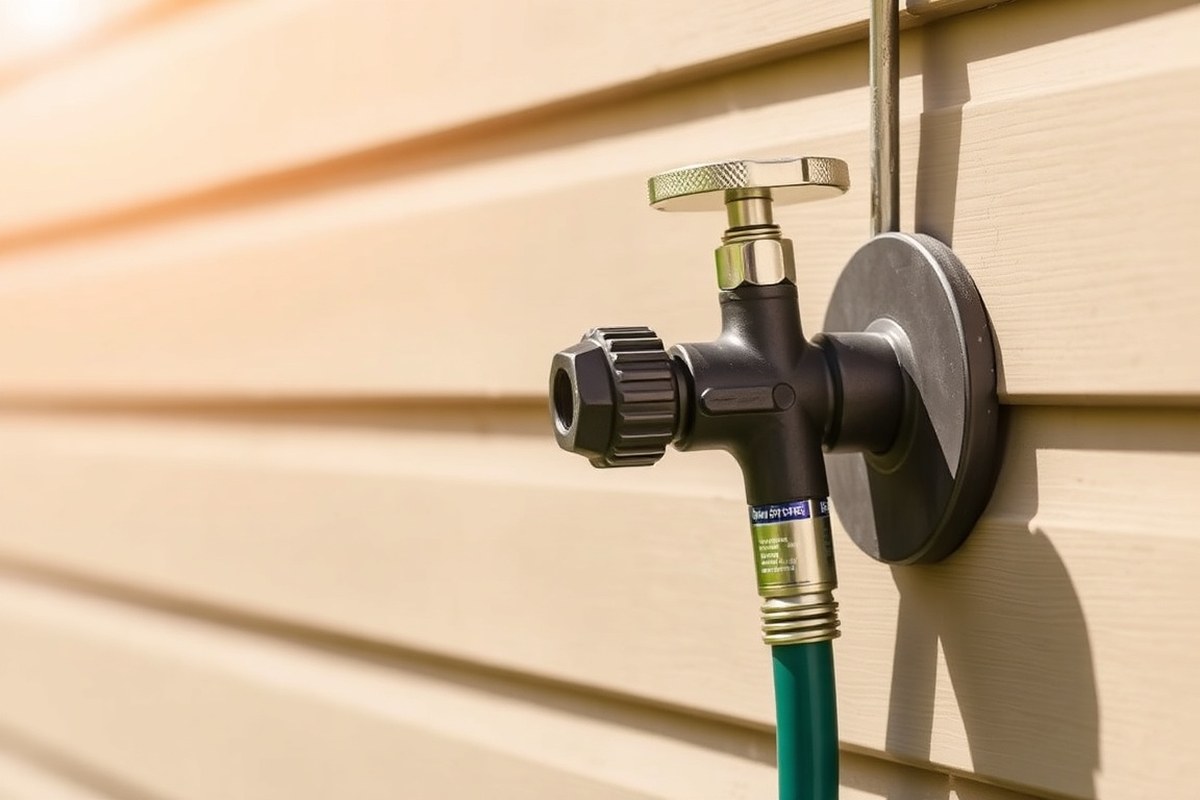
A hose bibb is an outdoor water valve installed on the exterior wall of your home. It acts as a faucet where you can attach a garden hose. This lets you access water outside for watering plants, washing cars, or cleaning driveways.
A hose bibb is a faucet made for outdoor use only. It hooks your home’s water supply to a spigot outside. You can control water flow outside without entering the house.
Homes have hose bibbs mainly to provide easy outdoor water access. Instead of dragging a hose from inside, you just screw it onto the bibb. This setup saves you time by letting you use water outdoors.
It also stops dirt and debris from entering your indoor pipes. Running hoses inside could bring in unwanted mess.
Most hose bibbs have a simple handle or lever on them. You turn this to start or stop water flow. It’s easy to control water this way.
Some homes include a shut-off valve inside, feeding water only when you open it. Turning off the interior valve before winter helps prevent pipe freezing and costly leaks inside walls.
Installing or replacing a hose bibb usually costs between $20 and $50 for the part alone. Labor costs add up if you hire a plumber. Always turn off the main water valve before fixing a hose bibb.
This prevents leaks or flooding inside your home. Taking this step keeps repairs safe and clean. Proper installation ensures a tight, leak-free connection.
How a Hose Bibb Functions: The Valve and Water Flow

Inside the hose bibb, a valve mechanism controls the water flow. This valve opens or closes a pathway that lets water pass through. A rubber washer inside presses against a seat to stop water flow.
It does this when you turn the handle tightly. This prevents water from leaking out.
The handle is what you touch to control this valve. Shaped like a wing or wagon wheel, it turns to let water through or stop it. Turning the handle to the left opens the valve, allowing water to flow outside.
Turning the handle to the right tightens the valve and stops water flow. You open or close the valve by rotating the handle, which controls water through the spout. Most hose bibbs use a quarter-turn ball valve.
It opens or closes fast with a 90-degree turn. This design makes it easy to control water.
The water connection to the hose bibb has a ½-inch male pipe thread. This fits your home’s water supply pipe. It creates a secure link for water flow.
The spout where you connect your garden hose typically uses a ¾-inch garden hose thread. This connection lets you attach standard hoses easily.
In frost-free models, the shutoff valve sits several inches inside the house. This design protects the valve from freezing since it stays inside warm walls. When you turn the handle, it opens the valve inside.
This lets water flow through only when you want it. The valve stays shut otherwise.
Always shut off the valve before freezing weather. Then drain the hose bibb completely. This prevents damage and stops leaks in cold weather.
Different Types of Hose Bibbs and Their Best Uses
Hose bibbs come in several types to fit different needs and climates. Standard models are good for mild weather.
Frost-free types work better in cold areas. Ball valve hose bibbs offer easier control, and sillcocks handle traditional outdoor setups.
Standard Hose Bibbs
These are the most common hose bibbs with a simple design. They sit a few inches outside your home’s wall and use a compression valve. Standard hose bibbs work well in places without freezing winters.
For installation, they are usually set 12 to 16 inches above the ground. Their compact size makes them easy to fit on most homes. They cost less but aren’t ideal if your water pipes face freezing weather.
Frost-Free Hose Bibbs
Frost-free hose bibbs have a longer body, extending 8 to 12 inches into a wall. This design keeps the valve inside the heated area of your home. It stops frozen pipes for homes in colder climates.
They let water flow without ice blockages during winter. This protects your plumbing and lawn equipment from damage. Frost-free hose bibbs cost more but reduce costly repairs from freezing temperatures.
Ball Valve Hose Bibbs
Ball valve hose bibbs work with a quarter-turn action instead of a traditional twist. This means you open or close them with a simple 90-degree turn. Ball valves seal better and last longer than compression types.
They also make turning water on or off quicker and easier. Ball valve hose bibbs usually fit standard 3/4-inch pipes. They provide reliable water control, which is good for heavy outdoor use.
Sillcock and Other Variants
Sillcock is another name for a hose bibb, often referring to older or traditional styles. Angled hose bibbs direct water flow downward, which helps avoid puddles near your home. Anti-siphon models prevent backflow to keep water safe from contamination.
Choosing the right sillcock or variant depends on your specific plumbing and safety needs. Some models include built-in vacuum breakers for garden irrigation. The following table compares main types of hose bibbs to help decide which fits best:
| Type | Valve Type | Length (Outside Wall) | Best Climate | Typical Cost |
|---|---|---|---|---|
| Standard | Compression valve | 2-3 inches | Mild, non-freezing | Low |
| Frost-Free | Compression valve inside wall | 8-12 inches | Freezing winters | Higher, $100-$300 |
| Ball Valve | Quarter turn ball valve | Standard | All climates | Mid-level |
| Sillcock | Varies by model | Standard or angled | Varies | Varies |
Cost varies based on installation and location. A professional hose bibb replacement averages $175 but can reach $500.
Matching the valve type and length to your climate avoids frozen pipes or leaks. Choosing the right hose bibb type saves time and repair money later.
Key Parts and Materials of a Hose Bibb Explained
A hose bibb has parts that control water flow outside your home. Each part works together to turn water on and off. These parts help you manage outdoor water use.
The main parts include a valve, handle or knob, spout, washers, and gaskets. The valve is the heart of the hose bibb. It opens and closes to let water through when you turn the handle.
The handle lets you control the valve easily. It can be a round knob or a lever. The spout is where water comes out, usually shaped to fit a garden hose.
Washers and gaskets sit inside the valve body. They stop water from leaking when the hose bibb is off. These small pieces keep your water shut tight.
- Spout directs water to the hose connection
- Handle or knob controls the valve operation
- Valve mechanism controls water flow inside
- Washers provide a tight seal to prevent drips
- Gaskets keep the valve parts watertight
Most hose bibbs are made of brass, which resists rust and can last many years. Plastic hose bibbs exist but tend to wear out faster, especially in cold weather. The quality of the valve and washers also affects the bibb’s durability.
Brass valve seats and rubber washers usually cost a few dollars each. They save you money by preventing leaks.
These parts are cheap but protect your wallet. Cheap washers wear out in months, causing continuous dripping and wasted water.
Over time, washers and gaskets compress or crack, leading to drips and leaks. Replacing these parts only takes about 10 to 15 minutes. You only need basic tools to do the job.
This quick fix stops leaks fast. You’ll see less dripping and a smoother handle turn afterward. Choose parts that match your hose bibb’s material.
This keeps your hose bibb working well for years. Using the right parts avoids problems later.
How to Maintain and Winterize Your Hose Bibb Properly
Keeping your hose bibb in good shape means regular upkeep and winterizing. This prevents leaks and freeze damage. You can handle most tasks yourself with simple steps.
Regular Maintenance Checklist
Check your hose bibb every few months for leaks and wear. Clean away dirt or debris around the spout. Make sure the handle turns smoothly and seals tightly.
Inspect gaskets and O-rings to avoid drips or leaks. Tighten any loose fittings to keep the hose bibb secure. Regular care stops small issues from turning into big repairs.
Winterizing Your Hose Bibb
Drain water from your hose bibb before temperatures fall below 32°F. Shut off the indoor valve that supplies the hose bibb. Open the hose bibb to let water drain completely out.
Using an insulated cover can add protection from freezing. Frost-proof hose bibbs are best if you live where it’s very cold. Follow these steps to guard against freeze damage:
- Turn off the water supply from inside your home.
- Disconnect and drain any attached garden hoses.
- Open the hose bibb completely to drain remaining water.
- Cover the hose bibb with an insulated foam cover.
- Check the interior wall near the hose bibb for damp spots.
- Consider replacing the hose bibb with a frost-proof model if you freeze often.
Leaving water inside the hose bibb during winter can cause pipes to crack.
Leak and Damage Prevention Tips
Watch for moisture or drip stains near your hose bibb. These signs mean there might be a slow leak or freeze damage. Early detection prevents major wall or pipe issues.
Replace cracked or rusted hose bibbs soon to avoid bigger plumbing problems. Keep the valve tight but do not overtighten, it can damage the gasket. Secure the hose bibb firmly to the wall to stop movement and leaks.
Regularly check for smooth valve operation and replace worn parts like washers. These small fixes keep your hose bibb working well year-round without costly repairs.
How to Replace or Install a Hose Bibb Safely
Replacing or installing a hose bibb yourself is doable with the right tools and steps. You’ll work with pipes, so shut off the water first. You can remove the old bibb with basic hand tools.
Then, fit the new one securely. Make sure it has no leaks.
Turning Off Water Supply
Start by finding the main water shutoff valve for your home. Closing it stops water flow and prevents flooding or damage during work.
Open the hose bibb to drain leftover water. Also, open a faucet inside your home.
This helps clear water from the pipes. This removes pressure and water before removal.
Removing the Old Hose Bibb
Clear the area around the old bibb so you can easily reach the pipe connection. Use a Phillips head screwdriver to remove any screws holding it.
Use a wrench to loosen the hose bibb’s connection to the pipe. Turn counterclockwise until the bibb comes off gently, avoiding damage to pipes.
Installing the New Hose Bibb and Checking for Leaks
Wrap plumber’s tape around the new hose bibb’s threaded end. This helps create a tight seal and prevents leaks once installed.
Screw the new hose bibb clockwise onto the pipe threads by hand. Tighten it further with a wrench, but don’t over-tighten and crack the fixture.
Turn on your main water valve slowly and check for leaks near the connection. Tighten slightly if water seeps out, but call a plumber if leaks persist.
- Turn off the main water supply to your home.
- Open the hose bibb and a nearby faucet to drain water from pipes.
- Unscrew mounting screws and use a wrench to loosen the old hose bibb.
- Remove the old bibb carefully to avoid pipe damage.
- Wrap plumber’s tape on the new bibb’s threaded end.
- Screw on the new hose bibb by hand, then tighten with a wrench.
- Turn water back on slowly and check all around for leaks.
- Tighten connections slightly if needed; call a pro if leaks continue.
Costs and Lifespan: What to Expect When Buying or Replacing
A quality brass hose bibb generally lasts 10 to 20 years or more. This depends on weather exposure and how often you maintain it. Small problems, like worn washers, can cause dripping but don’t always mean a full replacement yet.
Installing a new hose bibb varies in cost. Labor, location, and your home’s plumbing setup all affect the price.
On average, a new installation can cost up to $500. If you are just replacing an old faucet with the same kind, the price might be lower.
Below is a simple table showing typical costs and lifespan for hose bibbs:
| Item | Typical Cost | Average Lifespan |
|---|---|---|
| Brass Hose Bibb (Material Only) | $20 – $60 | 10 – 20 years |
| Professional Installation | $150 – $500 | One-time service |
| Full Hose Bibb Replacement | $170 – $560 | 10 – 20 years |
Replacing a hose bibb isn’t always a quick swap. Old pipes or wall damage can add time and expense. You should consider hiring a licensed plumber if you have no plumbing experience.
Since hose bibbs face weather changes, winters can wear them down faster. Dripping early in spring might mean the washer or valve needs fixing. Catching these early helps avoid full replacement costs.
Common Hose Bibb Issues and When to Call a Professional
Leaks and drips are the most common issues with hose bibbs. A dripping spout often means the washer or packing inside is worn and needs replacing. Handle problems, like difficulty turning the valve, usually come from rust or buildup around the stem.
Frozen pipes are dangerous in winter because they can burst and cause big leaks. Low water pressure might come from clogs or build-up inside the bibb or hose. Backflow problems can contaminate your water, so they need careful handling.
You can fix a dripping hose bibb by turning off your water supply. Do this inside your home before starting any work. This stops water flow and makes repairs safer.
Then, unscrew the handle and replace the washer or cartridge inside. Tighten everything back and test by turning the valve on to check for leaks.
- Check for visible leaks around the bibb and connections.
- Replace worn washers or packing to stop drips.
- Open the nearby faucet to relieve pressure and inspect flow.
- Use heat tape or insulation on pipes before cold weather.
- Remove build-up by cleaning the valve or nozzle.
- Do not overtighten the handle to avoid damage.
- Shut off the water supply indoors before winter.
Call a plumber if the hose bibb leaks inside the wall. This type of leak can cause serious water damage. Don’t delay fixing it to avoid costly repairs.
A professional is safer if the bibb won’t shut off fully. Also, call a pro if it froze and cracked before. They have the right tools to fix it properly.
If the dripping won’t stop after simple fixes, call a plumber. Continuous leaks mean the valve might have a bigger problem. Let a pro check it to avoid damage.
Always turn off your indoor water supply before winter. Drain the hose bibb completely to stop freezing damage. This routine helps avoid cracks and leaks during cold months.
Quick-Start Action Plan for Your Hose Bibb
Follow this plan to keep your hose bibb working well all year. These steps help you maintain and protect it from damage.
- Now: Check your hose bibb for leaks and tight handles. When water drips or the handle feels loose, plan to repair.
- Today: Turn off the outdoor water supply before winter. This prevents frozen pipes and costly bursts.
- Before winter: Drain your hose bibb by opening it until no water runs out. Use an insulated cover after draining.
- Spring time: Remove the insulation cover and check the hose bibb for cracks or damage. Replace it if you find wear.
- Every 6 months: Lubricate the valve stem with plumber’s grease to keep it working smoothly.
- Once a year: Inspect the hose connection and replace any old washers to stop leaks.
- After any repair: Turn the water back on slowly and watch for leaks. Once everything stays dry, you’ve done the repair correctly.
Frequently Asked Questions
Can I Leave My Hose Bibb Connected to a Hose Year-Round?
It’s best to disconnect hoses in winter to avoid pipe bursts. Leaving a hose attached can trap water and cause freezing damage.
How Do I Know If My Hose Bibb Is Frost-Free?
Frost-free hose bibbs have a longer stem inside the wall. You can feel if water stays inside past the outer handle during cold weather.
What Tools Do I Need to Replace a Hose Bibb?
You’ll usually need a pipe wrench, plumber’s tape, and screwdrivers. Turning off the main water supply before starting is key for safety.
Is It Normal for a Hose Bibb to Drip Slightly?
A small drip often means the washer or valve is worn out. Replacing the washer can usually fix minor leaks.
Can I Install a Hose Bibb Myself or Should I Hire a Plumber?
Simple installations can be DIY if you handle the plumbing basics. For old pipes or tricky setups, a plumber is safer.
Are Hose Bibbs Universal or Do I Need Specific Sizes?
Hose bibbs usually have standard sizes, but check your home’s pipe fittings first. Matching threads correctly prevents leaks.
Wrapping Up
A hose bibb controls outdoor water safely and simply. Keep it in good shape to avoid bigger problems later. Check your hose bibb today to make sure it works well.