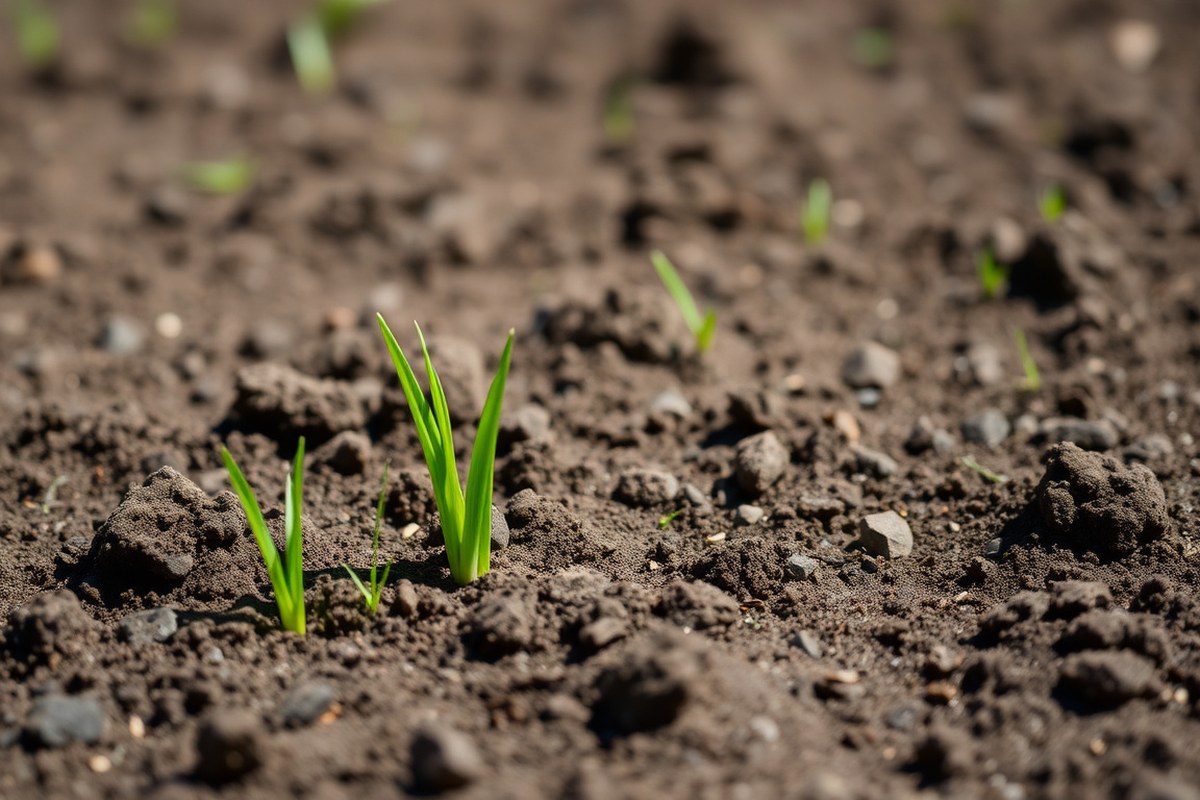
How Long It Takes to Grow Grass: A Complete Guide for Fast, Healthy Lawns
Wondering how long it takes to grow grass? Most grass seeds sprout within 5 to 30 days after planting. Growing a lawn usually takes 6 to 12 weeks.
The time depends on the grass type. Weather and soil also affect the grass growth.
Hot-season grasses grow faster in warm weather between 80 and 95 degrees. Cool-season grasses take longer and do better in cooler temperatures. Soil quality and weather at planting can speed or slow growth by a few weeks.
Starting with well-prepared soil and proper watering helps grass take root quicker. Avoid rushing to mow.
Wait until the grass reaches at least 4 inches tall, usually about two months in. Patience here gives you a thick, healthy lawn.
Key Takeaways
- Grass seed generally germinates between 5 to 30 days after planting.
- Full lawn growth usually takes 6 to 12 weeks depending on grass type.
- Warm-season grasses grow faster in temperatures of 80 to 95 degrees Fahrenheit.
- Soil quality and planting time affect how quickly grass seed starts growing.
- Water regularly to keep soil moist but not soggy during germination.
- Wait to mow until grass is at least 4 inches tall, about 8 weeks.
How Long Does Grass Seed Take to Germinate and Grow?

Grass seed usually takes between 5 and 30 days to germinate. The exact timing depends on the grass type, soil quality, and weather. You generally see green sprouts emerge within the first week if conditions are right.
After germination, the grass starts growing slowly. It takes one to two months to get enough growth. This growth makes the lawn usable for walking and playing.
This means from planting to a full lawn, expect roughly 30 to 60 days. Factors like soil hydration, temperature, and how well you water the seed affect this timeline.
Cool-season grasses start growing earlier in spring or fall. They germinate in about 7 to 14 days. This faster start helps them fill the lawn sooner.
Warm-season grasses take longer to sprout, up to 30 days sometimes. They grow best in late spring or early summer.
These grasses need warmer soil to thrive. Planting at the right time for your grass type helps speed up the process.
Poor or dry soil slows germination down a lot. The waiting time may double in those conditions. Good soil helps seed grow faster and healthier.
Ideal soil should feel moist but not soggy and have a pH near 6 to 7. Without good watering and soil prep, sprouts take longer.
Expect an extra two to three weeks before you see growth. Proper care speeds up the lawn’s start.
Once grass sprouts, it needs consistent watering several times a day to develop roots. Frequent light watering keeps seeds moist without washing them away. After a few weeks, reduce watering frequency but give deeper soaking to encourage root growth.
Failing to control temperature can delay growth. Grass seed prefers temperatures between 50 and 85°F for best germination. Planting too early in cold soil slows growth a lot.
Hot dry stretches also delay sprouting by weeks. These wrong timings often cause patchy lawns.
Comparing Growth Rates: Cool-Season vs Warm-Season Grasses

Cool-season grasses generally germinate faster in cooler soil than warm-season grasses do in heat. Warm-season types take longer to sprout and need hotter soil to grow well. These differences affect your planting timing and caring routine.
Fastest Germinating Cool-Season Grass Seeds
Perennial ryegrass usually germinates the quickest, within 5 to 10 days. Fine fescues take 5 to 14 days to germinate. Annual ryegrass follows close behind.
It needs 7 to 10 days to sprout. Kentucky bluegrass and tall fescue may take up to 14 days.
Cool-season grasses grow best in spring or fall. Soil should be about 50 to 65°F. These temperatures help seeds sprout well. This keeps their germination times short and helps the seedlings establish before summer heat arrives.
Common Warm-Season Grasses and Their Growth Timelines
Bahiagrass and Bermudagrass have a wide germination range, usually between 7 and 30 days. Zoysiagrass and centipedegrass take 14 to 21 days. Buffalograss may need up to 30 days.
Warm-season grasses grow slower at first due to longer root development times. They thrive when planted late summer to early fall and soil temperatures stay above 65°F consistently.
Ideal Soil and Air Temperatures for Each Grass Type
Cool-season grasses germinate best when soil temperatures range from 50 to 65°F. For air temperatures, they prefer 60 to 75°F. This environment supports fast sprouting and steady growth.
Warm-season grasses need soil at 65 to 75°F to germinate fast. Air temperatures above 75°F work best.
These conditions speed up growth. Temperatures beyond 85°F can slow germination unless you provide extra irrigation.
| Soil Temperature | Grass Type to Plant | Expected Germination |
|---|---|---|
| Below 50°F (10°C) | None | Germination unlikely |
| 50 to 65°F (10 to 18°C) | Cool-season grasses | 7 to 21 days |
| 65 to 75°F (18 to 24°C) | Warm or cool-season grasses | 5 to 14 days |
| Above 85°F (29°C) | Warm-season grasses only | 10 to 30 days with irrigation |
This table helps decide when to plant each grass type by soil temperature. Adjusting planting time to soil warmth speeds up germination and helps seedlings survive.
Don’t plant any grass seed if your soil is colder than 50°F. Seeds often won’t sprout or may rot.
Key Growth Stages from Seed to Mature Lawn
Key Growth Stages from Seed to Mature Lawn
Grass grows in clear stages starting with seed activation. It takes weeks before the lawn matures enough for the first mow. Knowing each phase helps you care for your new lawn properly.
Stage 1: Seed Activation and Moisture Absorption
Grass seed needs water to wake up from dormancy. The seed coat soaks up moisture and softens, triggering growth enzymes inside.
Moist soil at 50°F to 65°F encourages this activation most. Keep the soil damp but not soaked by watering twice daily in warm weather.
Stage 2: Germination and Early Shoot Growth
Within 5 to 30 days, sprouts push through the soil. Warm soil and steady moisture speed this up. The shoot is fragile and slender at first.
Light watering keeps soil moist as seedlings emerge over 1 to 3 weeks. Avoid heavy foot traffic which can crush young shoots.
Stage 3: Root Development and Soil Establishment
Roots begin growing after shoots appear, anchoring the new grass. They spread 1 to 3 inches deep in the first few weeks. Strong roots let the grass hold on through dry spells.
Adding compost before seeding keeps soil loose and moist, helping roots grow. Around 4 weeks after germination, feed grass with slow-release fertilizer.
This helps boost root growth. It also supports blade growth.
Stage 4: Blade Growth to Mowing Height
Grass blades grow 3 to 4 inches tall in 4 to 8 weeks. The exact time depends on the grass type. You should wait until it’s at least 4 inches before you mow for the first time.
Use the highest mower blade setting first, cutting just 1 inch off. This prevents damage and helps grass thicken quickly.
- Water daily until grass is firmly rooted
- Mow only when grass is 4 inches or taller
- Cut no more than 1/3 of the blade height at once
- Avoid heavy traffic on new grass after mowing
- Use a sharp mower blade for clean cuts
These steps reduce stress and encourage established growth during mowing.
Stage 5: Thickening and Lawn Maturation
After the first mow, grass continues growing denser for 6 to 8 more weeks. Root systems grow deeper, and leaf blades become wider.
A lush lawn usually takes 1 to 2 months to mature fully from seed. Proper watering, feeding, and avoiding damage during this time give the best results.
Soil Preparation for Faster Grass Growth
Getting your soil ready is key to faster grass growth. Loosen the soil deeply, check nutrients and pH, and add compost and fertilizer. These steps help seeds take root quickly and spread evenly.
Loosening Soil to the Right Depth
Break up soil to about 6 inches deep before planting. This depth gives roots space to grow and improves drainage. Use a garden fork, tiller, or shovel to loosen hard soil.
Working too shallow leaves compacted dirt that blocks roots. Digging deeper than 6 inches usually isn’t needed and wastes effort. After loosening, rake the soil smooth and level it for even seed contact.
Testing and Adjusting Soil Nutrients and pH
Grass grows best in soil with a pH between 6.0 and 7.0. A soil test kit can quickly check this. You can find these kits at garden centers for about $10 to $20.
Your soil’s pH rises when you add lime to acidic ground. To reduce alkaline soil pH, apply sulfur as treatment.
Nutrient-wise, nitrogen, phosphorus, and potassium (N-P-K) are essential. A balanced fertilizer before seeding ensures these nutrients are present.
Adding Compost for Better Growth
Mix compost into your soil after loosening. Spread a layer about 1 to 2 inches thick, then rake it in well. Compost improves moisture retention and provides slow-release nutrients.
This step also boosts soil life, which breaks down organic matter and supports roots. Compost doesn’t cost much if you make it yourself. Store-bought bags usually cost $5 to $10 per 2 cubic feet.
Using Seed Starter Fertilizer Effectively
Right before planting seeds, apply a seed starter fertilizer. This fertilizer has higher phosphorus, aiding root development and quick germination. Follow package directions carefully.
Spread the fertilizer evenly over your prepared soil. Avoid using weed killers or heavy fertilizers at this stage since they can harm delicate seedlings. A good fertilizer supports fast root and blade growth.
Soil Preparation Checklist for Planting Grass Seed
- Loosen soil to 6 inches depth using a tiller or garden fork
- Test soil pH; adjust with lime or sulfur to reach 6.0, 7.0
- Mix in 1, 2 inches of compost for nutrients and moisture
- Apply seed starter fertilizer just before sowing grass seeds
- Rake soil smooth for uniform seed contact and water retention
- Keep soil moist right after seeding for best germination
Following these steps sets your lawn up for quick grass sprouting. Skipping soil prep can slow growth or cause patchy grass. Ready soil means healthier roots and a thicker lawn fast.
Watering Strategies to Speed Up Grass Seed Growth
New grass seed needs light watering two to three times a day. Each watering should moisten the top 1 inch of soil without creating puddles. Avoid saturating the soil, or you risk washing away seeds or causing them to rot.
Water your lawn early morning or late afternoon during cooler temps. This lets water soak into the ground without evaporating quickly. Keep soil temperature above 46.4°F (8°C) before watering to avoid seed rot.
As grass seedlings start growing, usually in 10 to 14 days, reduce watering frequency. Reduce watering to once a day. Make sure water reaches 2 to 3 inches deep.
This helps keep soil moist for new grass roots. This encourages roots to grow downward searching for moisture.
Grass needs deeper, less often watering after 4 to 8 weeks. Water about once a week to 6 to 8 inches deep. Use less water on cool, rainy, or cloudy days to keep soil moist.
Too much water early on can slow grass growth and cause disease. Uneven watering leads to patchy grass that grows in clumps or bare spots.
Compact or uneven soil makes proper watering even more important. So loosen soil before seeding.
Do not walk on newly seeded areas for at least one month. It can damage young grass and interfere with water soaking.
How Sunlight and Temperature Affect Grass Growth Speed
Grass needs enough sunlight to grow well. Most grass types require at least six hours of full, direct sun daily. Your spot gets less sun.
Choose a seed mix for shade. This will help prevent slow growth and patchy lawns.
Soil temperature plays a big part in how fast grass seeds sprout. Cool-season grasses include annual ryegrass and Kentucky bluegrass. They start germinating when soil hits 50 to 65 degrees Fahrenheit.
Soil temperature controls when seeds start growing. Warm-season grasses are Bermuda and Zoysia.
They germinate faster with soil temperatures between 65 and 70 degrees. Warmer soil helps these seeds sprout quickly.
Warm soil helps grass roots grow quickly, speeding up the lawn establishment. For example, Bermuda grass sprouts in 10 to 30 days. This happens when soil is 65 to 70 degrees.
Soil warmth affects sprouting time. In contrast, Kentucky bluegrass may need two to three weeks in cooler soil to break ground.
Planting season also affects grass growth speed. Cool-season grasses do best when seeded in early spring or fall. Soil and air temperatures stay moderate during these times.
Moderate temps create good growing conditions. Warm-season grasses prefer late spring or early summer planting, as they thrive in warmer weather.
Plant cool-season grasses when average temperatures reach 50 to 65 degrees. This matches their ideal growing range. Timing helps seeds establish well.
Warm-season grasses grow better once soil hits 65 degrees or higher. This makes late spring or summer best for planting. Warmer soil speeds their growth.
Sunlight and temperature together influence how fast your grass grows and establishes. Seed lawns in spots with good sun exposure. Also, plant during your grass type’s proper season.
This helps your lawn grow strong. This approach lets your lawn grow within a week or two.
Poor conditions can make growth take much longer. Good timing speeds up lawn establishment.
When and How to Mow New Grass Without Damaging It
Let the new grass grow until it stands around 3 to 4 inches. This is about one-third taller than your usual mowing height. Cutting too soon can pull out young seedlings from the soil.
Set your mower high at first. Only trim about one-third of the grass blade. This helps keep your grass healthy as it grows.
This protects the roots and prevents stress on the grass. Removing too much leaf at once weakens the young plants and slows growth.
Use a sharp mower blade to get a clean cut. Dull blades tear the grass, making it easier to pull up or cause disease. Avoid mowing when the ground is wet; this can cause clumping and uneven cuts.
- Check grass height weekly until it reaches 3 to 4 inches tall.
- Set mower height to 3 inches or higher for the first mow.
- Only cut one-third of the blade length during early mowings.
- Sharpen mower blades before use to protect grass health.
- Mow when the grass and soil are dry to avoid damage.
- Avoid heavy foot traffic on new grass before the first mowing.
- Adjust mowing height as the lawn establishes over months.
The first mowing usually happens six to eight weeks after planting. It can change based on the grass type. Check your specific grass for the right mowing time.
Cool-season grasses sometimes need more time to develop roots firmly. Full lawn density can take up to a year, so treat early mowings gently.
Following these steps protects seedlings and encourages thick, healthy lawns. Cutting too short or mowing too soon can pull the grass up by the roots. Keeping the right height supports root growth and reduces stress on new grass.
Common Mistakes That Delay Grass Growth (and How to Fix Them)
Grass seed may fail to sprout because the soil temperature isn’t right. Seeds need warm soil, usually between 50°F and 65°F, to start growing.
The seed won’t germinate if buried too deep or not touching soil. It needs moisture and warmth to sprout.
Both overwatering and underwatering hurt young grass. Too much water drowns seeds and can cause mold.
Too little water makes seeds dry out and die before sprouting. You want to keep the soil moist but never soaked or dry.
Soil that’s heavy clay, low in nutrients, or compacted slows root growth. Pests like insects or birds can eat the seeds before they grow. Fix these by testing soil pH, loosening soil with a rake, and using natural pest deterrents.
- Water new seed lightly twice a day until sprouts show
- Test soil pH; aim for 6.0 to 7.0 for most grasses
- Use a gentle rake to firm seed-to-soil contact after spreading seed
- Don’t bury seeds deeper than 1/4 inch; shallow is best
- Plant fresh seed, not older than one year, to ensure viability
- Remove stones and debris to help seed settle evenly
- Cover seeded area with a thin layer of straw to protect seeds
Fixing soil might mean mixing in organic compost or using garden soil amendments. This costs about $20 to $40 for a 40-pound bag, enough for 100 square feet. Pest problems may need bird netting or beneficial insects, which costs around $10 to $30.
Check your soil moisture daily during the first 4 to 8 weeks to avoid mistakes.
New lawns fail when people stop watering too soon. Dry soil kills seedlings. Keep watering until grass is well set.
Those first 4 to 8 weeks after seeding are critical. Watch soil moisture and conditions closely during this period. This helps your lawn grow thick and green faster.
Step-by-Step Action Plan to Grow Grass Fast
Follow these steps to get your grass growing strong and steady. Check your progress at each stage.
- Before You Start: Prepare soil by removing debris and loosening it well. Your soil should crumb easily in your hand.
- Day 1: Spread high-quality grass seed evenly according to how much your seed package says. You can see if seeds cover the area without gaps.
- Day 2 to 7: Water lightly twice daily to keep soil moist but not soaked. Soil should feel damp when you touch it.
- Week 2: Look for sprouting seedlings. Seeing small green shoots means your lawn is growing as planned.
- Week 3: Begin mowing only when grass reaches about 3 inches tall. Cut about one-third of height to avoid stress.
- Week 4 to 6: Cut back watering to once a day. Then water every other day. Adjust this based on the weather. Check soil moisture to prevent drying out.
- After 6 Weeks: Start feeding with a balanced lawn fertilizer. Grass should look fuller and deeper green.
- After 2 Months: Maintain regular mowing and watering for a healthy lawn. Grass will fill in and thicken.
Frequently Asked Questions
How Long Does It Take for Grass Seed to Show Visible Growth?
Grass seed typically shows visible growth within 7 to 21 days. Soil warmth and moisture help speed this up. So keep the soil moist for best sprouts.
What Affects the Speed of Grass Growth After Germination?
Grass growth speed depends on sunlight, water, nutrients, and temperature. Proper care after germination leads to faster, healthier growth.
How Long Should I Wait Before Fertilizing Newly Sprouted Grass?
Wait until grass grows about 2 inches before fertilizing. This helps avoid burning young grass and supports steady growth.
Does the Type of Soil Change How Fast Grass Grows?
Yes, grass grows faster in well-drained, nutrient-rich soil. Clay or sandy soil can slow growth and need extra amendments for best results.
How Long Does It Take for a New Lawn to Recover After Damage?
Recovery can take 3 to 8 weeks depending on damage type and care. Keep it watered and avoid heavy use during this time.
Can Overseeding Speed Up Filling in Thin Lawn Areas?
Overseeding can improve lawn density but doesn’t speed initial seed germination. Proper soil prep and watering still determine how fast grass grows.
The Bottom Line
Grass grows in stages that depend on seed type and conditions. Watch soil moisture and light to help grass grow faster. Start by preparing your soil well today to see quicker results.