

Do Money Come from Trees? What Actually Works and the Real Story Behind It
Do money come from trees? The quick answer is no.
Money, especially paper bills, does not grow on trees or pop out of them. They are made from special materials that feel like fabric rather than regular paper.
Money’s look might trick you, but it’s mostly cotton and linen. This mix makes the bills strong and lasts longer than normal paper. So, even though trees are involved in paper-making, your cash is more fabric than tree product.
That old saying goes, “money doesn’t grow on trees.” It reminds you that money doesn’t appear by magic.
It means you need to work for it and save it carefully. Starting with a small savings habit, like 5%, can build up your funds over time.
Key Takeaways
- Money bills are 75% cotton and 25% linen, not wood pulp paper.
- The phrase “money doesn’t grow on trees” teaches you to respect hard work.
- Start saving at least 5% of your paycheck to build financial security.
- The value you get from trees is real but separate from cash production.
- Paper money feels like fabric because of its cotton and linen mix.
- Building savings gradually helps avoid the trap of believing money appears easily.
Does Money Literally Come from Trees?
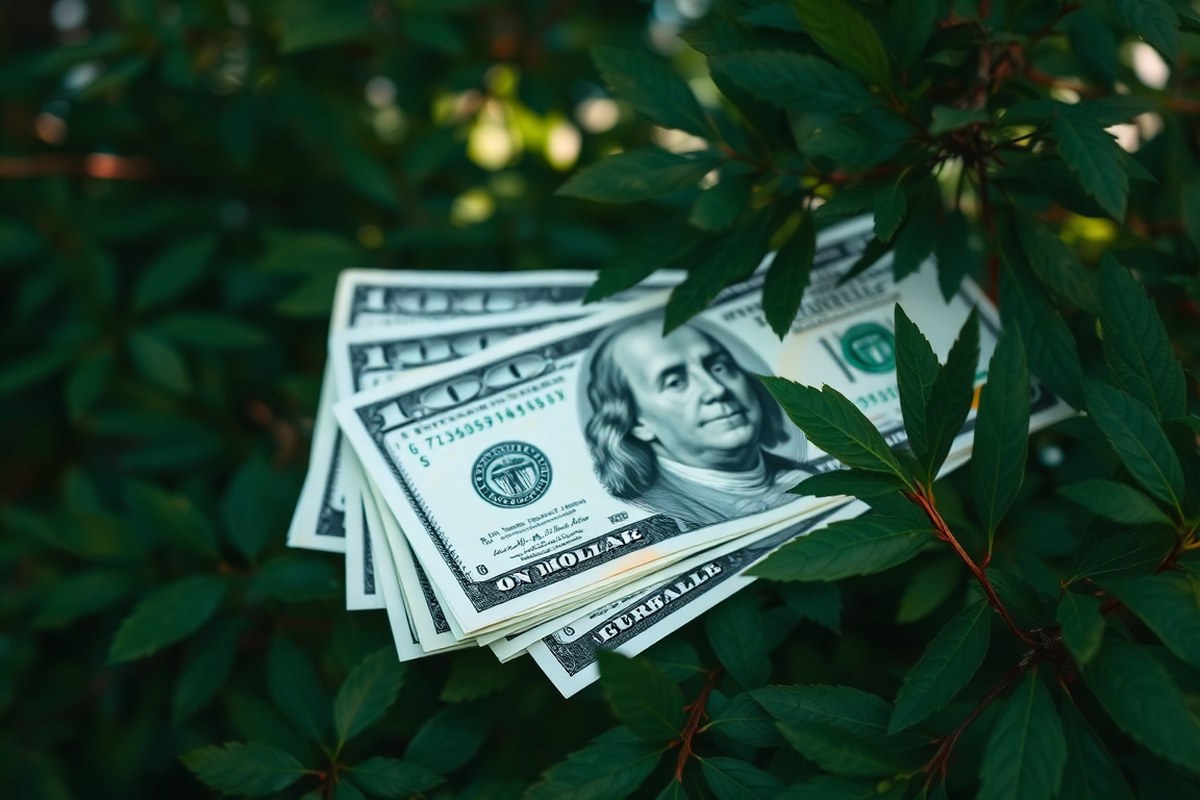
Money does not literally come from trees. Physical currencies are not made by harvesting tree wood or bark. The phrase “money doesn’t grow on trees” means resources aren’t endless.
You must earn money or use it wisely. This saying reminds you to be careful with resources.
United States paper currency, for example, is made from 75% cotton and 25% linen. This blend creates a fabric-like material that feels different from normal paper. It also lasts longer and is harder to counterfeit.
No wood pulp from trees is used in making these bills. So actual trees are not cut down for this money.
Historical cases exist where bark material was used to produce early money forms. In 13th century China, paper money sometimes came from mulberry tree bark. However, that was before modern currencies.
Today, those traditional tree-based materials are mostly symbolic reminders. The Bank of England still has mulberry trees at its headquarters to recall this history.
Choosing cotton and linen over wood saves forests used for paper money. It also makes bills strong for everyday use.
Although wood was once part of currency, today’s money isn’t made from it. Knowing this helps you see why “money doesn’t grow on trees” still applies.
What Materials Are Used to Make Paper Currency?

The paper used to make U.S. Dollar bills is not the same as ordinary paper. It’s a special mix of 75% cotton and 25% linen. This blend makes the material very durable.
It is also hard to forge. This material feels more like fabric than the thin sheets you use for notes or printing.
Composition of U.S. Currency Paper
Money bills use cotton and linen instead of wood pulp. This blend is chosen because it is strong and lasts longer than regular paper. Unlike office paper, the cotton fibers create a thicker, tougher texture that doesn’t tear easily.
Adding linen increases the fiber strength and adds a distinct feel. This fabric-like paper can handle folding and crumpling well.
It also resists damage from different weather conditions. The paper does not fall apart easily.
How Currency Paper Differs from Regular Paper
Ordinary paper is mostly made from wood pulp, which is light and tears quickly. Currency paper’s cotton-linen blend makes it flexible and more resistant to damage. Regular paper usually lasts days or weeks in use, but bills can last years.
This resilience means money can be handled by many people before becoming unusable. It saves costs and resources by reducing how often bills must be replaced.
Durability and Wear Resistance
The cotton and linen fibers make money bills tough against wear and tear. Bills can survive being folded thousands of times and exposure to moisture without significant damage. This durability is essential because money changes hands often and travels through rough conditions.
Durable money means less frequent reprinting, which helps the government reduce production costs. It also maintains the bill’s security features that fading or damage could remove.
Security Features Tied to Paper Materials
The unique texture of cotton and linen paper makes counterfeiting more difficult. The feel of the fabric-like money is hard to copy using normal printers or scanners. Also, some security designs embed threads and watermarks only visible in this special paper.
The cotton-linen mix protects printed patterns and security fibers. This creates a complex look and feel.
The details make bills harder to copy. These help people and machines identify real bills and avoid fake money in circulation.
Practical Qualities of Currency Material
The combination of cotton and linen gives currency bills several key qualities:
- High tear resistance for frequent handling
- Distinct textured feel hard to imitate
- Moisture resistance to endure spills and sweat
- Supports embedded security threads and watermarks
- Long lifespan reduces printing frequency
- Flexible yet tough for folding and storage
These features work together to keep money reliable and secure every day.
Feel the texture of your bills to check if they are real. This is a quick way to spot fake money. It helps you avoid being tricked.
How Did the Idea of Money Growing on Trees Originate?
The idea that money comes from trees goes back a long way. Early paper money was made from tree bark. This is where the link started.
Ancient cultures used materials from trees to create the first forms of paper currency. These early notes helped shape the concept of money we use today.
Paper Money in Ancient China
Ancient China was the first place where paper money appeared, around the 7th century. Early banknotes were printed on paper made from mulberry tree bark. This bark was strong and flexible, making it ideal for currency that needed to last.
The Chinese government issued these notes to replace heavy metal coins. This made trade easier across their growing empire. Trees and money became connected at this point.
Bark paper was strong and worked well for printing. This made it practical to use.
European Uses of Tree Bark in Currency
In medieval Europe, tree bark also played a role in currency production. Some early European currencies experimented with bark-based paper. These materials were similar to those in China but less widespread.
The bark paper was cheaper than other materials but could wear out quickly. Despite the challenges, these early experiments set the stage for more advanced paper currency. European banks later chose cotton and linen blends over tree bark for better durability.
Evolution to Modern Banknotes
Modern banknotes rarely use tree bark for paper. Today, most currency paper blends cotton and linen fiber for strength. This change helps prevent tearing and counterfeiting.
Still, the mulberry tree’s role is remembered in places like the Bank of England. Four mulberry trees grow in their garden, symbolizing these early links. Paper money’s history shows how tree materials inspired currency but didn’t create literal money.
Why ‘Money Doesn’t Grow on Trees’ Is a Powerful Metaphor
The phrase “money doesn’t grow on trees” means money isn’t easy to get. It reminds you that money is limited and takes effort to earn. People use it to teach kids and adults about managing money wisely.
Saying money doesn’t grow on trees helps you understand financial responsibility. It warns you that you can’t just take money as if it is endless. You need to work hard, save, and plan to have enough money for your needs.
Some people mistake the phrase to mean money has no connection to trees at all. Actually, trees and forests do have real economic value.
Investing in forests and land can produce income through wood, paper, and other products. But that is different from money literally growing on branches.
Learning what the idiom means teaches you both about scarcity and effort. Money is a resource that rarely appears without work or smart choices. The phrase keeps being used because it clearly shows this everyday truth in simple words.
Using this idea can help you avoid wasteful spending. It shows why you should think before buying and save for the future. You can see how your time affects the money you earn.
Your skills also play a big role in your income. This makes the saying both practical and relevant.
The phrase first appeared in print in the late 1800s and has stayed popular. It works well for parents and teachers to explain why money needs care and planning. This keeps it useful for all ages, reminding us to respect money as a limited resource.
While money itself doesn’t grow on trees, the things made from trees often have financial worth. Knowing this can inspire you to look at natural resources as opportunities. Still, earning real money always requires effort, planning, and good management.
How Trees Contribute Real Economic Value Beyond Currency
Trees add real economic value in many ways beyond just paper money. Forests provide timber, which supports construction, furniture, and paper industries worldwide. Sustainable logging can generate steady income by selling high-quality wood responsibly over time.
Forests also offer ecosystem services that benefit economies indirectly. They absorb around 25% of carbon dioxide emissions, helping fight climate change. This carbon capture opens chances to join carbon markets.
Companies pay to offset emissions by protecting or planting trees. This helps reduce overall carbon in the atmosphere.
- Sell timber through sustainable forestry management plans
- Register forest land for carbon offset programs
- Support biodiversity to maintain forest health and value
- Engage in land restoration projects with ecosystem service credits
- Invest in forest-based conservation funds or trusts
Investing time and money in forest conservation and restoration can create long-term financial returns. Healthy forests support biodiversity, which contributes to stable ecosystems and tourism economies. These forests underpin $44 trillion of economic value generation, over half the world’s GDP.
Costs often include land management, monitoring, and certification fees. Good results show healthier ecosystems, increased timber quality, and verified carbon credits. Poor results come from overharvesting or ignoring ecological impacts.
These actions can harm forest value and cut income. Taking care of the forest keeps it valuable and profitable.
Careful planning is important; overharvesting can harm both the environment and your profits.
Private capital made up only 17% of global ecosystem investment in 2023. There’s real potential to grow your wealth by investing more in forests now. Woodland ownership often comes with tax benefits and helps diversify financial portfolios.
Comparing Currency Production and Environmental Impact
Currency production often relies on cotton fibers, not directly on trees. The U.S. Uses about 75% cotton to make paper money, reducing tree cutting. However, other countries use wood pulp, which involves some tree harvesting and processing.
Environmental impacts arise from extracting raw materials, energy use in production, and chemical treatments. Producing currency uses water, power, and sometimes toxic chemicals. These actions create carbon emissions and waste that affect ecosystems.
Many currency producers focus on sustainability to lower their environmental footprint. They recycle materials and adopt cleaner technologies. Programs also support forest conservation and responsible sourcing.
Trillion Trees and its partners work on restoring natural forests while improving commodity supply chains. This helps protect habitats while supporting sustainable business models. It shows ways to balance money production and forest health.
The table below compares currency production aspects and environmental benefits related to forest conservation:
| Aspect | Currency Production | Forest Conservation Benefits |
|---|---|---|
| Raw materials | 75% cotton (US), wood pulp (some countries) | Supports sustainable sourcing and reduced tree cutting |
| Energy use | High heat and water consumption; power for presses | Cleaner tech reduces carbon emissions and water waste |
| Chemicals | Ink, bleach, and anti-counterfeit compounds used | Safer chemical alternatives lower pollution risks |
| Supply chain | Raw material farmers, mills, and printers involved | Restoration projects link with sustainable commodities |
| Waste | Waste pulp and inks generated during production | Recycling reduces landfill and saves resources |
Sustainably producing money means carefully managing resources and reducing waste. Recovery and recycling of used notes also save raw materials. Restoring forests supports clean air, water, and economic resilience beyond printing currency.
Choosing currency with sustainable certifications can help consumers and governments reduce their impact. This involves verifying that forests are responsibly managed and suppliers meet environmental standards. Such efforts protect ecosystems while allowing money production to continue.
How Forest Markets and Ecosystem Services Create Wealth
The value of forests has more than doubled in the past three years. This growth attracts private investors seeking long-term returns and stable income. Forest markets offer products like timber, carbon credits, and biodiversity offsets that generate money over time.
Governments support these markets with financial incentives and tax advantages. Woodland relief delays inheritance tax until the trees are sold, easing financial pressure on heirs. Investors can also benefit from deductions and credits meant to encourage sustainable forestry practices.
Money flows into natural capital through nature-based solutions such as reforestation or habitat conservation. Companies invest to meet regulatory requirements or improve their environmental image.
These investments team up with public funds for big projects. These projects protect ecosystems and aim to make a profit.
Private capital targets ecosystem services that forests provide, including water purification and carbon storage. Regulations drive this flow by requiring companies to reduce pollution or offset emissions. Strategic policies make these markets more reliable, encouraging investors to fund forest preservation and restoration.
Investing in woodland means a serious time commitment since returns can take years to appear. Forest value depends on keeping the land healthy and managing it well. Poor management risks reduced timber quality or lower carbon credit prices, which hurts profits.
Successful investment shows steady forest growth, increasing timber volume and higher payments for carbon storage. Some investors also support local communities to maintain forest health, protecting both financial and social benefits. Diverse income streams from timber, recreation, and ecosystem services help spread risks in this market.
Practical Financial Lessons from the ‘Money Doesn’t Grow on Trees’ Saying
Money doesn’t truly grow on trees. But managing your finances can follow a similar slow growth process.
Saving, budgeting, and investing require patience and care like nurturing a tree. Focusing on steady, small steps builds financial strength over time.
Creating a Personal Budget
A budget is like fertile soil where your money can grow. It helps you track income and expenses to avoid overspending. Knowing where your money goes lets you plan for saving and investing.
Start by listing your income sources and fixed expenses like rent or utilities. Then, add flexible spending like groceries and entertainment. This shows how much you can safely set aside each month.
Starting an Emergency Fund
Emergency funds act like roots stabilizing your money tree during storms. Setting aside three to six months’ worth of living expenses covers unexpected costs. This fund keeps you from going into debt if sudden bills appear.
Begin with small weekly savings from your budget. Slowly increase the amount as you get comfortable. Saving just $20 a week adds up fast.
Over a year, that totals more than $1,000. It gives you a real safety net.
- Calculate your total monthly expenses including housing, food, and bills.
- Decide on a target emergency fund amount (3, 6 months of expenses).
- Open a separate savings account for emergency funds.
- Set a weekly or monthly transfer from your checking to this account.
- Track your progress and adjust transfers when possible.
- Avoid spending these savings except for true emergencies.
Remember, building an emergency fund takes time, don’t use it for everyday needs.
Investing for Long-Term Growth
Investing helps your money grow like a healthy tree reaching for sunlight. It takes years to build meaningful wealth, but the returns compound over time. Stocks, bonds, and mutual funds offer ways to invest based on your comfort with risk.
Set up automatic contributions to investment accounts. Starting with $100 a month can grow considerably after many years. Keep emotions in check and avoid pulling out money during market drops.
Building Additional Income Streams
Extra income streams feed your financial tree and speed up growth. These could include part-time work, freelancing, or selling handmade goods. Diversifying income helps you save more and invest faster.
Track how much time and money each income source needs. Don’t overcommit yourself or sacrifice your main job’s quality. Even small monthly earnings, like $200, can add up and fund your emergency or investment goals.
Your First Steps: Understanding Money and Trees
Start by seeing how money and trees connect in real life. This plan helps you take small steps to learn and apply what you’ve read.
- Day 1: Check the material of one paper bill you have. Feel the texture and note if it seems like regular paper or something else. This shows you money is not just normal paper.
- Day 3: Look up your country’s currency production process online. Find one fact about what goes into making money. This builds your knowledge beyond just the feel of bills.
- Week 1: Visit a local park or nature reserve. Notice the types of trees and plants there. Think about how these natural resources support communities. You’ll see how forests matter beyond paper money.
- Week 2: Read a short article or watch a video about forest markets or ecosystem services. Jot down one way forests help the economy, like clean water or timber. This connects nature to real economic value.
- After 3 weeks: Review your monthly spending. Identify one thing you buy made from trees or wood. This practice links what you know about trees to your daily finances.
- Month 2: Share the saying “money doesn’t grow on trees” with a friend or family member. Explain what it means in your own words. This reinforces the metaphor’s lesson about money and resources.
- Month 3: Plan a small budget that considers saving and spending wisely. Remember that resources, like trees or money, need care and can’t be taken for granted. This turns your knowledge into smart money habits.
Frequently Asked Questions
Can You Make Money by Selling Tree Products?
Yes, you can earn money by selling wood, fruits, and other tree products. These natural resources have economic value but do not equal literal cash from trees.
How Does Deforestation Impact the Economy?
Deforestation harms the economy by reducing resources like timber and ecosystem services. This loss can lower income in industries relying on forests.
Are There Trees Planted Specifically for Making Paper Money?
Mulberry trees were historically planted for paper money production in ancient China. Today, specialized trees supply paper, but they don’t produce money directly.
Why Is the Phrase “Money Doesn’t Grow on Trees” Still Used Today?
The phrase reminds people money is limited and must be earned or saved carefully. It helps encourage responsible spending and awareness about resource limits.
Can Tree Farming Be a Profitable Investment?
Tree farming can be profitable if managed well, harvesting timber and products sustainably. Returns take years, so patience and planning matter a lot.
Do Forests Provide Economic Benefits Beyond Timber Sales?
Yes, forests support tourism, clean air, water, and climate regulation, adding economic value beyond wood sales. Protecting forests keeps these benefits flowing.
Key Points to Remember
Money does not literally come from trees, but trees and nature support its value. Start by noticing how natural resources connect to what you buy every day. Taking small steps helps you understand money and the environment better.


