How to Grow Peppercorn Plant: Complete Guide with Proven Care and Harvest Tips
Want to grow a peppercorn plant indoors? First, soak good seeds in water for a full day. Then, place them in soil that stays damp but drains well.
Keep the mix warm and shaded. Seeds will sprout in 30 to 40 days.
Place seedlings at least 12 to 15 inches apart to give roots room. Peppercorn plants like warm spots above 65 degrees Fahrenheit.
They prefer humidity near 75% to 80%. These conditions help them thrive.
Keep plants in bright light but avoid direct harsh sun on young plants. Peppercorn vines grow best with night temps above 60 degrees.
Daytime temps should be at least 70 degrees. Watch for chill damage if temps drop below 65 degrees.
Support vines with a trellis or stake as they grow taller. Regular watering is needed, but avoid waterlogging the soil. Fertilize monthly with balanced nutrients during the growing season.
Key Takeaways
- Soak peppercorn seeds 24 hours before planting for better germination.
- Keep seed-starting soil moist, warm, and shaded to speed sprouting.
- Space seedlings 12 to 15 inches apart for good airflow and growth.
- Maintain temperatures above 65°F (18°C) to avoid stunting plant growth.
- Provide humidity around 75% to 80% for healthy vine development.
- Place plants where they get bright but indirect light initially.
How to Grow Peppercorn Plants from Seeds and Cuttings
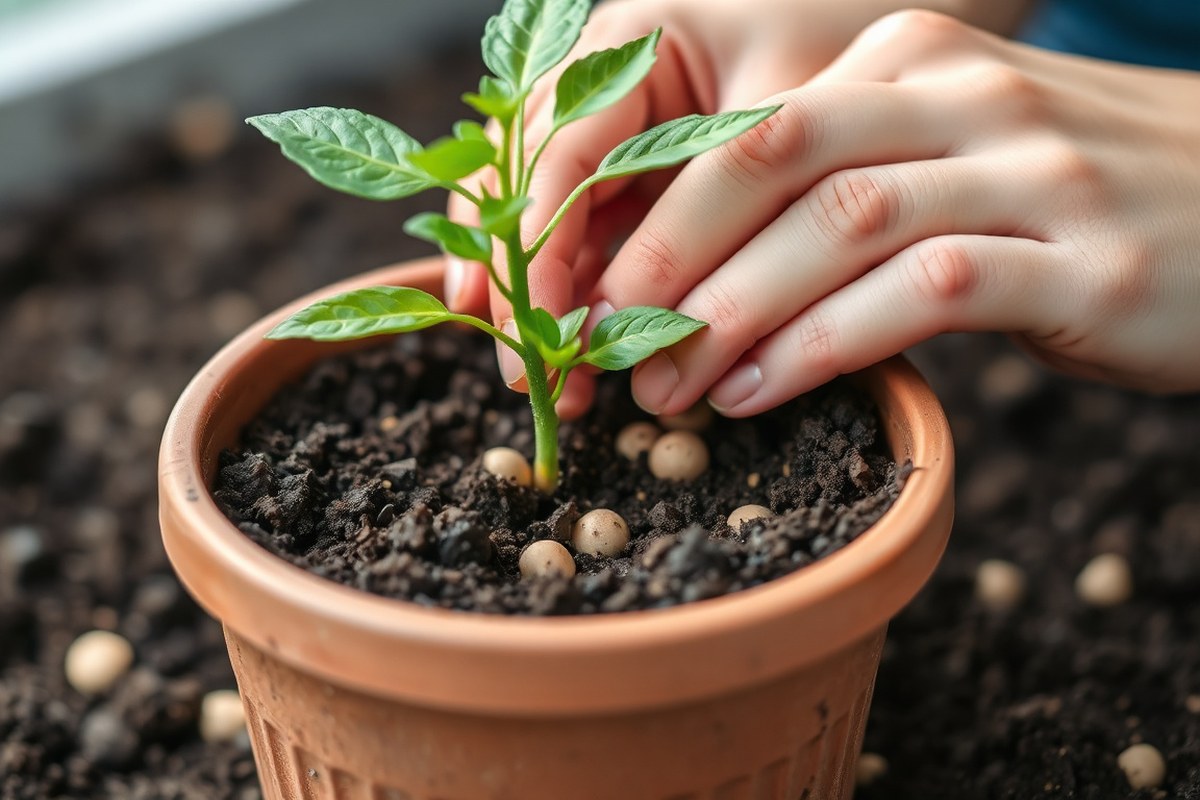
Growing a peppercorn plant from seed takes patience and care. Seeds need soaking and warmth for about 30 to 40 days to sprout. Cuttings root faster and give you a head start in growing your vine.
Both methods require well-draining soil that stays moist but not soggy. Keep the planting depth to about 1 inch. A warm spot with indirect light helps early growth.
Follow these steps for starting seeds or cuttings:
- Soak your seeds or prepare cuttings. Soak peppercorn seeds for 24 hours in warm water. For cuttings, choose a healthy vine section about 4 to 6 inches long. Make sure it has a few leaves. This helps the cutting grow better.
- Prepare your soil. Use moist, well-draining potting mix. A mix with peat and perlite works well. Fill pots or trays for planting.
- Plant your seeds or insert cuttings. Plant seeds about 1 inch deep in the soil. Insert cuttings to the same depth and press soil around them firmly.
- Keep conditions warm and humid. Maintain temperatures between 75 and 85°F (24-30°C). Cover with a plastic dome or plastic bag to keep humidity high. But allow some air flow.
- Water carefully and provide shade. Water to keep soil moist. Direct sunlight can be too harsh; indirect light is best until sprouts appear.
- Wait for germination or rooting. Seeds take 30 to 40 days to sprout. Cuttings may root within 3 to 6 weeks under good conditions.
- Transplant seedlings or rooted cuttings.Once plants have several leaves and strong roots, move them. Put them in bigger pots or plant outside. Space them 12 to 15 inches apart.
| Propagation Method | Time to Growth | Care Focus | Success Rate |
|---|---|---|---|
| Seeds | 30-40 days to germinate, 2-3 years to fruit | Warm soak, steady moisture, and shade | Moderate, needs patience and steady conditions |
| Cuttings | 3-6 weeks to root, faster mature growth | Healthy vines, humidity, consistent watering | High, especially if from healthy plants |
Ideal Environmental Conditions for Healthy Peppercorn Growth

Peppercorn plants need warm temperatures around 82°F (28°C) to grow well. Keep them above 65°F (18°C) to avoid slow growth. These tropical plants won’t thrive in cold spots or sudden temperature drops.
Humidity should stay between 75% and 80% for healthy growth. You can increase humidity by misting leaves or placing a water tray nearby. Dry air can cause leaf drop and stunt your plant’s progress.
They prefer partial shade with about 4 to 6 hours of indirect sunlight daily. Too much direct sun can burn the leaves.
So use a shade cloth when planting outdoors in full sun. Bright, dappled light helps vines grow strong and produce peppercorns.
The soil type is important for growing peppercorns. Use loamy soil that drains well and has a pH from 6.2 to 7.0.
Soil with a pH up to 7.5 is okay. But avoid acidic soils below 6 because they damage roots.
When growing outside, space plants 18 to 24 inches apart. This spacing lets vines climb without crowding, improving air circulation and reducing disease risk. For seedlings or cuttings, start them about 3 inches apart before transplanting.
Keep peppercorn plants away from cold drafts. Dry air can cause weak growth and leaf drop. Protecting plants ensures healthier, fuller leaves.
Watering, Fertilizing, and Supporting Peppercorn Vines
Keep your peppercorn plant moist without waterlogging. Feed it regularly with balanced fertilizer and give it sturdy support to climb. Repot when roots crowd, ensuring enough room to grow strong vines.
Watering Frequency and Techniques
Peppercorn plants like consistent moisture but not soggy soil. Water the plant well until you see water draining out. Wait for the top inch of soil to dry before watering again.
This prevents overwatering and root problems. During hot months, that usually means watering every 2 to 3 days.
Use a watering can with a spout for better water control. Aim the water at the soil near the roots.
This helps the plant get moisture where it needs it most. Mist the leaves occasionally to boost humidity, especially indoors or in dry air.
Fertilizer Types and Application Timing
A balanced slow-release fertilizer like 10-10-10 or 20-20-20 works well at the growing season start. Mix about ¼ teaspoon fertilizer for every gallon of water. Apply this every one to two weeks in spring and summer.
This feeding schedule supports healthy growth. Stop fertilizing in winter when growth slows.
Use liquid fertilizers like Miracle-Gro Organic™ every week or two. This provides a steady supply of nutrients for the plant. Follow the product instructions for best results.
Remove mulch around the plant base before spreading granular fertilizer. Spread the fertilizer evenly, then replace the mulch. Water the area well after applying fertilizer.
Building Supports for Vine Growth
Peppercorn vines can grow 12 to 15 feet tall, so supports are important. Use trellises, stakes, or nearby trees for the vine to cling to with its aerial roots. This helps maximize light exposure and airflow.
Select a sturdy wooden or metal trellis about 6 feet tall for container plants. Gently tie new shoots with garden twine every few inches.
Keep the ties loose to avoid damaging the stems. This helps guide shoots along the support structure.
Repotting Signs and Best Practices
Repot your peppercorn plant when roots start circling the pot or poking out drainage holes. This usually happens every 1 to 2 years. Choose a pot about 2 inches larger in diameter than the current one.
Use a well-draining soil mix with organic matter and perlite. Gently loosen the root ball before placing in the new pot, then water deeply. Adding fresh fertilizer after repotting will help your plant bounce back.
- Check soil moisture levels every few days to avoid a dry or soggy root zone.
- Water deeply, letting excess drain, then wait for the top inch of soil to dry.
- Feed with balanced fertilizer (10-10-10) at ¼ teaspoon per gallon every 1-2 weeks, excluding winter.
- Set up a trellis or stake near the plant early to guide vertical vine growth.
- Tie new vines loosely to supports every few inches as they climb.
- Inspect roots annually for crowding; repot into a slightly larger container if needed.
- Use a rich, well-draining soil mix when repotting to promote healthy growth.
- After repotting, water well and apply a balanced liquid fertilizer to support recovery.
Recognizing and Solving Common Peppercorn Plant Problems
Spider mites and aphids commonly attack peppercorn plants. You might notice tiny webs, speckled leaves, or sticky residue on the vines. Spray neem oil every 7 to 10 days to control pests.
Open up space around the plant by improving air flow. This helps reduce pest problems naturally.
Root rot is the most serious disease in peppercorn plants. Root rot happens when soil stays too wet too long. Overwatering or poor drainage causes this problem.
The plant’s roots start to decay. Watch for yellowing leaves and wilting vines. To fix root rot, stop watering the plant right away.
Add sand or perlite to improve soil drainage. Cut away the rotten roots carefully.
Fungal leaf spots cause small, dark patches on leaves that can spread quickly. These spots can dry out and make leaves fall early. Prevent this by spacing plants to let air flow freely.
Prune dead leaves regularly to keep the plant healthy. This stops disease from spreading. A light neem oil spray every two weeks also helps stop the fungus from spreading.
Phytophthora foot rot, also called quick wilt, is very serious. It makes leaves turn yellow and stems droop fast. The plant can die quickly.
It attacks the roots and base of the vines, often leading to plant death within weeks. Spot this disease? Remove the plant and its soil right away.
Don’t plant peppercorns there again for at least a year. This stops the disease from returning.
Keeping your peppercorn plant’s environment right prevents many problems. Avoid letting the soil dry out too much but never let it sit in water. Pick a place with good air flow and partial shade.
This is important if you live somewhere very hot. It helps the plant stay cool and healthy. Use pots with drainage holes to stop root rot.
These pots let you move the plant indoors if needed. This keeps your peppercorn plant safe.
Regularly check your peppercorn plants for any signs of stress or pests. Early detection makes treatments more effective and protects your harvest. Be patient with neem oil; repeat treatments as needed.
Improve soil bit by bit over several weeks. This gives the best chance your plant recovers.
When and How to Harvest Peppercorns for Different Uses
You can harvest different types of peppercorns from the same plant, depending on their ripeness. Green peppercorns come from unripe berries. Black peppercorns come from dried immature fruits.
White peppercorns come from ripe berries with skins removed. Each type requires a specific harvesting and processing method to get the right flavor and texture.
Harvest Timing and Ripeness Signs
Peppercorn plants usually take about 18 to 24 months before their first harvest. Watch the berries closely as they change color from green to red. Picking the berries too early or too late affects the peppercorn’s final taste and use.
Green peppercorns are picked when the berries are fully grown but still green. Red peppercorns indicate full ripeness, signaling the right time for harvesting white peppercorns. Monitoring these color changes ensures you get the peppercorns at the right stage for your needs.
Drying Process for Black Peppercorns
Black peppercorns come from immature green berries that have been dried. Drying shrinks and darkens the berries, intensifying their flavor. Proper drying is important to prevent molding and preserve aroma.
Start by quickly blanching the harvested green berries in boiling water to clean them. Dry the berries under the sun or in a dehydrator. It takes about 5 to 7 days.
They turn black and wrinkled when done. Avoid moisture during storage to keep them fresh.
- Harvest green peppercorn clusters when berries are firm and green.
- Rinse the berries quickly to remove dirt or insects.
- Blanch the peppercorns in boiling water for 2 to 3 minutes and drain.
- Spread them evenly on a clean tray or drying rack.
- Dry under direct sunlight for 5 to 7 days, turning them daily.
- Check for black, wrinkled skin and a pungent aroma before storage.
- Store fully dried peppercorns in an airtight container away from moisture.
Dry peppercorns thoroughly before storage; any moisture can cause mold.
Preparing White and Green Peppercorns
White peppercorns start as fully ripe red berries that lose their outer skin during processing. The focus is on the white seed inside, which offers a milder but still pungent taste. Green peppercorns, on the other hand, are unripe and usually kept fresh, dried, or pickled.
To make white pepper, pick red berries first. Soak them in water for 7 to 10 days. This softens the outer layer.
This loosens the outer skin, which you rub off before drying the inner seed. Green peppercorns need a quick boil first.
Then dry them in the sun or a dehydrator. This keeps their color and mild flavor.
Growing Peppercorn Plants Indoors and in Containers
Peppercorn plants can thrive indoors if you provide the right conditions. Choose a pot at least 12 inches wide. Make sure it’s 12 inches deep too.
This gives roots enough space to grow. Use well-draining soil mixed with compost or peat.
This keeps soil rich and moist. Avoid soil that holds too much water.
Place your plant near a sunny window. It should get at least 6 hours of light. More light helps peppercorn vines thrive.
Use grow lights to add brightness when natural light is low. This keeps your peppercorn plant healthy and growing. Maintain room temperatures above 65°F (18°C) since cooler temps slow growth or may stop it altogether.
Humidity matters indoors because peppercorn plants prefer moist air. Increase humidity by misting leaves every day. You can also set the pot on a tray.
Fill the tray with water and pebbles. A humidifier also helps, especially in dry winter months.
Support your plant with a small trellis or stake so it can climb and stay upright. As it grows, prune the vines regularly to keep the plant manageable inside. Pruning encourages bushier growth and keeps your indoor plant from becoming a tangled mess.
Water consistently but avoid waterlogging; pots with drainage holes are best. Water depends on temperature, pot size, and season. Usually water once or twice a week indoors.
Check soil moisture before watering. Check the top inch of soil; if dry, it’s time to water again.
Adjust care based on your space. In smaller rooms or with limited light, the plant may grow slower and produce fewer peppercorns.
Larger pots support bigger plants and potentially better yields. But they take more space and water.
Popular Peppercorn Varieties and Their Flavor Profiles
Peppercorn plants can produce black, white, and green peppercorns. Each type has a unique flavor and grows best in different conditions. Some varieties are easier for beginners to grow than others.
Black, White, and Green Peppercorns
These three peppercorn types come from the same berry. They are picked at different ripeness stages. Each is then processed in a unique way.
Black peppercorns are picked when berries begin to turn red. After harvesting, they are dried carefully.
This drying process turns them black. They have a strong, spicy heat often used as a kitchen staple.
White peppercorns come from fully ripe berries with the outer skin removed before drying. They offer a milder, earthier flavor and fewer spicy notes.
Green peppercorns are harvested while unripe and preserved fresh or dried. Their flavor is fresher and more fruity with mild heat.
Less Common Varieties and Uses
Besides the main types, varieties like Tellicherry stand out. Tellicherry black peppercorns are larger and offer more complex, strong flavors.
Malabar peppercorns are another popular choice for their bold aroma and taste. These often come from specific regions but can still be grown at home with patience.
Some less common varieties carry unique flavors. For example, Lampong peppercorns have a bright citrus note.
Exploring these can improve your cooking beyond regular pepper. They might be a bit more challenging for beginners though.
Choosing Varieties for Your Garden
Popular varieties that grow best at home are Tellicherry and Malabar. These types are relatively hardy and adapt to common garden climates. They prefer warm, humid environments with good shade and moisture.
Black pepper plants need a temperature range of 75 to 85°F and protection from strong winds. White and green peppercorns come from the same vines but require particular harvesting and processing methods. Beginners should start with black or Tellicherry types for simpler care.
Here’s a quick look at variety traits and tips for home gardeners:
| Variety | Flavor Profile | Growing Tips | Best Climate |
|---|---|---|---|
| Black Peppercorn | Strong, spicy heat | Grow in warm, humid, shaded spots | 75-85°F, high humidity |
| White Peppercorn | Mild, earthy | Harvest ripe berries, remove skin before drying | Same as black, requires more processing |
| Green Peppercorn | Fresh, fruity, mild heat | Pick unripe berries, preserve fresh or dry | Warm, humid, careful harvest timing |
| Tellicherry | Strong, complex, larger berry | Similar care to black peppercorn, hardy | 75-85°F, humid environments |
| Malabar | Bold aroma, strong taste | Warm climate, consistent moisture | Warm, humid |
| Lampong | Citrusy, bright | Needs tropical heat, shade | High humidity, warm temperatures |
Start your garden with varieties adapted to your climate and skill level. Black or Tellicherry peppercorns suit most home gardens with warm conditions. Choose suitable types to enjoy flavorful pepper from your own plants.
How to Troubleshoot and Fix Peppercorn Growth Issues
Poor flowering or fruiting often happens when a peppercorn plant lacks enough light or nutrients. Peppercorn vines need bright, indirect sunlight and balanced fertilizing rich in potassium and phosphorus. Prune main growth points at leaf nodes.
This helps side shoots grow. Side shoots produce more flowers and fruit.
Yellow leaves or leaf drop can mean overwatering, underwatering, or nutrient issues. Check soil moisture first; it should stay moist but not soggy.
Root-bound plants get stressed and drop leaves too. Move your plant to a bigger container if roots circle tightly inside the pot.
Signs of nutrient deficiencies include pale leaves, stunted growth, or poor fruit set. A lack of nitrogen causes yellowing leaves, while phosphorus shortage reduces flowering.
Use a complete fertilizer with micronutrients every few weeks during the growing season to correct this. Avoid applying too much fertilizer, which can burn roots and harm the plant.
Your peppercorn vine may grow slowly after several months. It might not fruit past two years. Temperature stress or pests could cause this.
Peppercorn plants grow best above 60°F and under 104°F. Move indoor plants near a warm window or use a heat mat during cool months. Prune regularly to remove dead branches and improve airflow, reducing pest problems.
Overcrowded or shaded plants struggle to grow well. Remove excess branches to let more light reach all parts of the vine. This also helps air circulate and lowers disease risk.
Look for pests like scale or spider mites. They show as tiny spots or sticky residue. Treat these pests as soon as you see them.
A licensed horticulturist or plant expert can help. Call one if the plant gets worse fast. Also call if usual fixes don’t work.
Serious root issues or diseases may need professional diagnosis and treatment. Watch your peppercorn plant’s leaf color carefully.
Check stem firmness and growth speed too. This helps you catch problems early.
Avoid letting your peppercorn plant stay root-bound in a small pot to prevent growth stalls.
Step-by-Step Action Plan for Growing Peppercorn Plants
This plan helps you start and maintain healthy peppercorn plants from seed or cuttings. Follow these steps, and you’ll see steady growth over a few months.
- Before you start: Choose quality seeds or healthy cuttings. Check for firmness and no signs of mold.
- Week 1: Soak seeds in warm water for 24 hours to boost germination. Seeds should swell slightly.
- Week 2: Plant seeds or root cuttings in well-draining, rich soil. Keep soil moist but not soggy.
- Week 4: Place plants in a bright spot with indirect sunlight. Leaves should look vibrant and hold firm.
- Week 6: Start lightly fertilizing with a balanced, water-soluble fertilizer every two weeks. Watch for new growth.
- Month 2: Provide sturdy support for vines to climb. Check that stems grip and climb smoothly.
- Month 3 and beyond: Maintain consistent watering and fertilizing. Monitor for pests or yellowing leaves regularly.
- After 6 months: Expect to see small flower buds signaling future peppercorns. Keep caring as before.
Frequently Asked Questions
How Long Does It Take for a Peppercorn Plant to Bear Fruit?
It usually takes 3 to 4 years for fruit to appear. Patience is key when growing from seeds or cuttings.
Can Peppercorn Plants Survive Winter Outdoors?
They cannot survive frost and cold winters outdoors. Grow them in pots and bring indoors in cold climates.
What Type of Soil pH Is Best for Peppercorn Plants?
Peppercorn plants prefer slightly acidic to neutral soil, pH 5.5 to 7. Well-draining soil helps prevent root rot.
Can I Propagate Peppercorn Plants from Stem Cuttings?
Yes, stem cuttings root well if kept warm and humid. Use a rooting hormone for better success.
Is It Necessary to Prune the Peppercorn Plant Regularly?
Pruning helps keep vines manageable and encourages better air flow. Trim back after fruiting for new growth.
How Much Space Should I Leave Between Peppercorn Plants?
Space them about 12 to 15 inches apart in the garden. This helps air circulation and healthy vine growth.
The Bottom Line
A peppercorn plant needs steady care to thrive and produce fruit. Start with good seeds and watch the plant’s needs closely. Now, find a sunny spot and begin planting your seeds or cuttings today.