
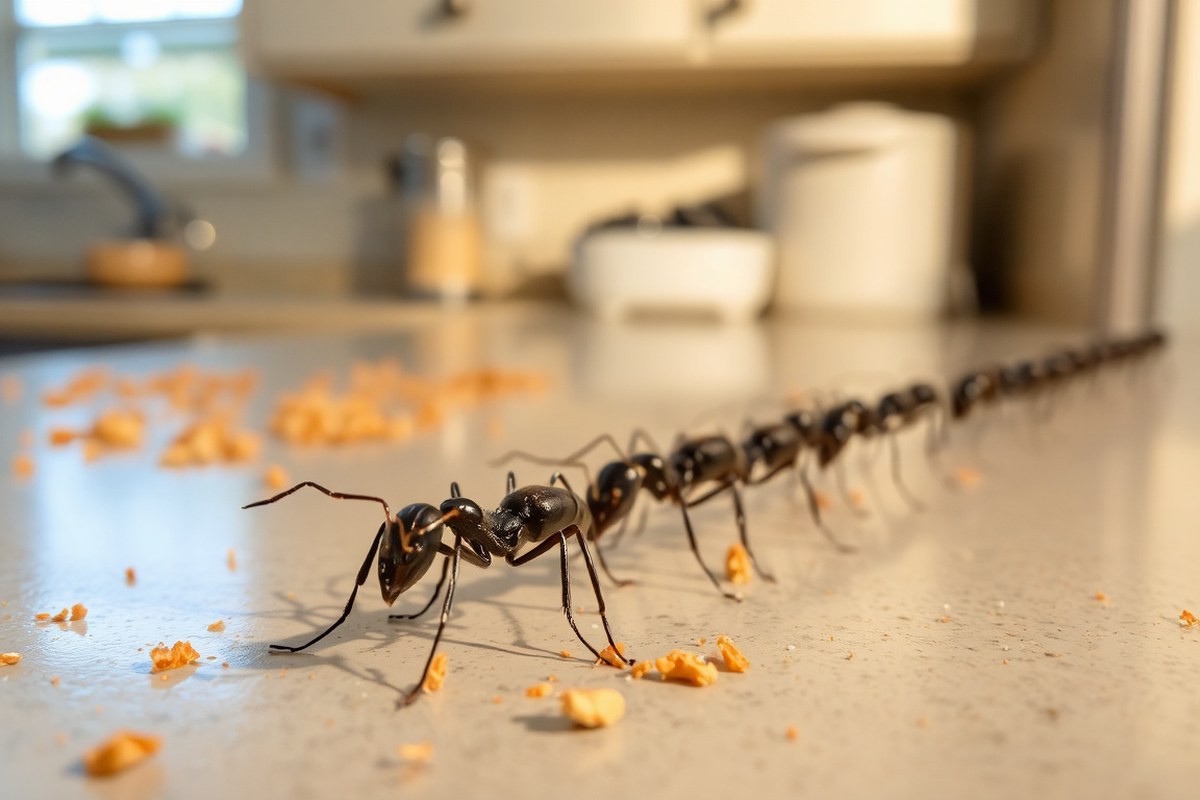
Why Are Ants so Hard to Kill: What Actually Works for Lasting Control
Why are ants so hard to kill? Their secret lies in their social system and quick reproduction.
Ants live in colonies with a clear social order that protects the queen and young. The queen lays hundreds of eggs daily, so the colony replaces workers fast.
Ants also move quickly and hide nests deep underground or inside walls. These traits make it tough to find where they live and attack the whole colony. You should start by tracking their trails and placing baits close to their travel paths.
Common sprays kill visible ants but miss the queen and larvae inside the nest. Baits work better because worker ants carry poison back to the queen and larvae. Keep bait stations out of reach from kids and pets to stay safe.
Key Takeaways
- Ant colonies survive by protecting the queen and larvae inside hidden nests.
- Ants replace workers quickly due to the queen laying about 800 eggs daily.
- Locating ant trails helps place baits where ants actually travel.
- Sprays kill visible ants but usually leave the nest untouched.
- Baits let worker ants carry poison back to kill the entire colony.
- Put bait stations away from children and pets for safety.
Why Ants Are so Hard to Kill: Colony Survival Strategies
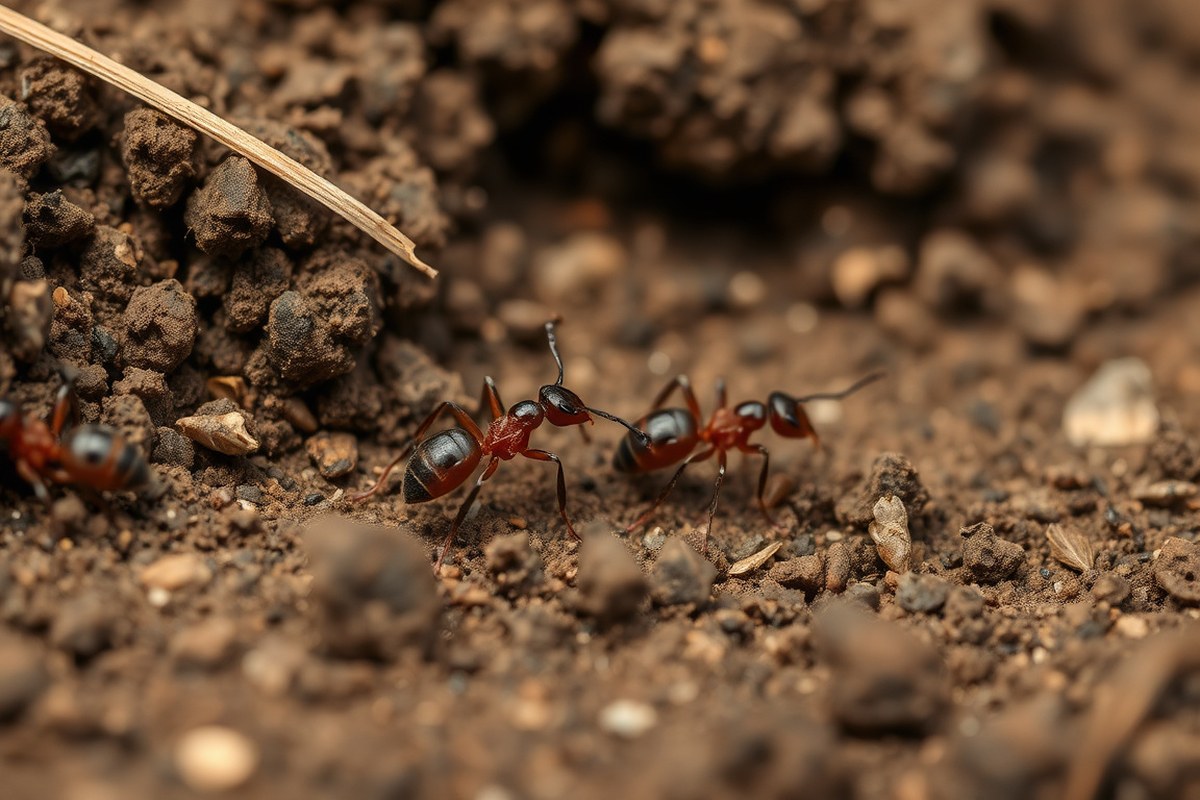
Ants form large colonies that often include thousands or millions of members. Some species have multiple queens, which means the colony can grow rapidly. Killing a few worker ants rarely hurts the whole colony.
The queen stays inside and safe. She keeps laying eggs all the time.
The queen’s safety is the top priority for the colony. She usually stays deep inside the nest, away from danger. Even if you kill many foraging ants, the colony stays alive.
The queen and young ants inside keep working. This lets the colony keep growing strong.
Ants use chemical signals to communicate quickly and efficiently. When workers sense danger or food, they release pheromones to alert others. The colony reacts fast to threats.
It sends more ants to guard the nest. Or the ants just avoid the treated spots.
This social structure and communication make ant control tricky. Killing visible ants does not stop the queen or stop new ants from arriving. To kill ants for good, target the queen or nest.
Use bait stations workers carry back to their colony. This spreads the poison where it counts.
Because ants constantly reproduce and communicate, it takes consistent effort to stop them. Some species can move nests or split colonies to avoid threats.
These smart survival tricks mean you must keep checking and treating. It often takes weeks of work to see real results.
How Ant Species Differences Impact Elimination Difficulty
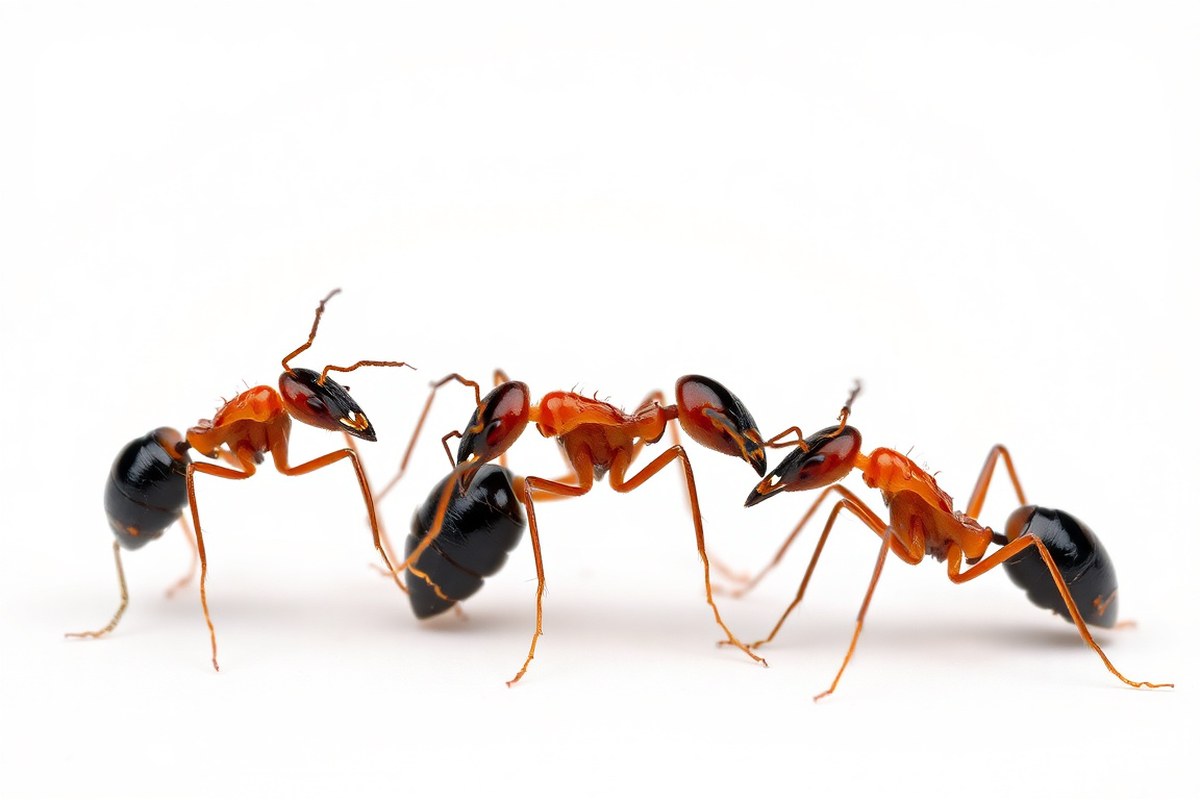
Different ant species have traits that affect how tough they are to kill. Some ants hide deep underground or have multiple queens, which can protect their colonies. You need to use species-specific baits and treatments to beat them.
Red Imported Fire Ants
Red imported fire ants are fierce and bite and sting to protect themselves. They have several queens in deep underground nests, which makes them tough to eliminate. Surface sprays usually fail because the colony stays below.
To control fire ants, use bait products plus mound drenches with non-repellent insecticides. Baits attract worker ants who carry poison back to all queens underground. Mound drenches soak the nest with liquid that kills workers and queens on contact.
Protect yourself with gloves and long sleeves since fire ants sting painfully. It’s safest to treat mounds during cooler parts of the day when ants are less active.
Argentine and Sugar Ants
Argentine ants form supercolonies with many queens spread over large areas. This makes them hard to wipe out because killing one nest won’t stop others nearby. Sugar ants also have multiple queens and hide in hard-to-reach cracks.
Baits with slow-acting poison work well for these species. Workers take the bait back to the nest, which slowly kills queens. Spray treatments alone usually fail because ants quickly avoid strong chemicals.
Cleaning crumb messes and sealing entry points will reduce food sources and entry spots. Combine sanitation with baiting for the best chance at breaking the colony’s cycle.
Carpenter and Ghost Ants
Carpenter ants tunnel through wood but don’t eat it. Their nests can be hidden in walls or damp wood.
Ghost ants are tiny and can nest in ceilings and furniture. So finding nests is tricky.
Carpenter ants respond well to baits and dust insecticides applied directly to nesting sites. Ghost ants forage for small sweet foods over wide areas.
You should put bait stations near their trails and where they enter. This helps attract them effectively.
Keep moisture problems fixed to discourage carpenter ants. Eliminating moisture reduces the wood damage that invites their nests.
| Ant Species | Key Traits | Recommended Control | Aggressiveness |
|---|---|---|---|
| Red imported fire ants | Multiple queens, deep nests, aggressive sting | Baits, mound drenches, non-repellent sprays | High (sting and bite) |
| Argentine ants | Supercolonies, many queens, surface and hidden nests | Slow-acting baits, sanitation, entry sealing | Low |
| Sugar ants | Multiple queens, hidden nests, attracted to sweets | Slow-acting baits, sanitation | Low |
| Carpenter ants | Nest in wood, tunnels, moisture attracted | Baits, dust insecticides, fix moisture | Moderate (bite) |
| Ghost ants | Tiny, nests in walls and furniture | Bait stations near trails, sanitation | Low |
Using the right bait or pesticide for the ant species you face saves time and money. Identifying the local species before treatment helps target the colony itself, not just worker ants.
Wear protective gear when treating aggressive ants like fire ants to avoid painful stings.
Why Common DIY Treatments and Sprays Often Fail
Common DIY treatments often fail because they only target ants you see. These sprays don’t reach the whole colony. That’s why ants keep coming back.
These products rarely reach the nest or the queen, allowing the colony to survive. Ants can react and make the infestation worse.
They might also become resistant to certain chemicals. This makes control harder over time.
Targeting Only Visible Ants
Spraying the ants you spot might give quick results. But it misses the bigger problem.
The queen and nest usually hide deep inside walls or underground. Killing a few workers doesn’t stop new ants from coming out.
Visible ants are often scouts or workers. They find food and create trails for others to follow.
When you kill only these ants, you do not remove the source of the problem. The colony keeps sending out more ants as long as the queen lives.
Ant Pheromone Trail Alerts
Ants communicate using chemical signals called pheromones. When one finds food, it leaves a scent trail for others to follow. Spraying or killing visible ants can break this trail but also triggers a defense response.
This defense can cause ants to scatter and form new trails, spreading the infestation. Many common sprays repel ants instead of killing them. That repellent effect makes ants move faster and find new entry points, worsening the problem.
Improper Product Use and Resistance
People often use sprays incorrectly, like too little, too often, or in the wrong spots. Not following label instructions reduces how well treatments work. Also, some ant species develop resistance to common insecticides over time.
Resistance happens because repeated use of the same chemical lets tougher ants survive and reproduce. That makes the spray less effective and infestations harder to get rid of. Some ants, like those from the Mediterranean region, resist many popular sprays.
Using a wait-and-see approach or relying on just one product can fail. Here’s how to improve your DIY treatment:
- Kill visible ants with soapy water to avoid chemical repellent effects
- Use bait stations to target the queen and nest indirectly
- Apply insecticides according to label instructions and safety guidelines
- Try different products if one seems ineffective over weeks
- Look for signs of nests near your home and treat those areas
- Repeat treatments as recommended to cover the colony life cycle
Spending $10 to $30 on baits and sprays works better than just spraying. Baits target the whole colony, not just visible ants. This improves your chance of control.
These methods take days to weeks to show full results. Patience and targeting the whole colony are key to success.
Locating Nests and Why It’s Critical for Ant Control
Ant nests often hide behind walls, under floors, or deep underground. These spots make it tough to reach ants directly with sprays or baits.
You won’t get rid of ants unless you find where they live. You also need to feed the entire colony to control them well.
Ants build new nests fast, sometimes in just a week after finding a good spot. Once they settle, the colony can grow quickly and move if disturbed. Treatments that only kill visible ants don’t stop the queen or other workers inside the nest.
The queen controls reproduction, so her safety means the colony survives. That’s why targeting the nest is key for control that lasts. The goal is to reach hidden nests.
Use baits that worker ants carry back. This feeds the whole colony and kills them.
- Watch where ant trails lead, often in wall cracks or near pipes.
- Check for soil mounds or damp areas in the yard for outdoor nests.
- Look behind baseboards and under appliances for signs of indoor nests.
- Set bait stations along paths to lure worker ants to new nests.
- Note where ants disappear; this often marks a hidden nest entrance.
- Use non-killing traps temporarily to identify active trails and entry points.
- Be patient; locating nests might take several days or longer.
You can expect a full colony elimination to take weeks, not hours. Baits work slowly since ants must return food to the queen.
Professional pest control uses treatments to disrupt ant signals. This stops ants from regrouping inside your home.
The queen can hide deep and wells within inaccessible spots. This makes total removal hard without getting the reproductive core.
If you don’t find the nest, ants will come back soon. Killing many outside won’t stop them for long.
Effective Natural and Chemical Methods for Killing Ants
Natural and chemical methods both help control ants effectively. Choosing the right approach depends on the ant species, location, and safety concerns. Applying treatments correctly improves your chances of wiping out the colony.
Using Bait Stations Properly
Bait stations attract ants by mimicking their food source. The ants eat the bait and carry poison back to the nest, killing the colony. Using bait stations works best if you identify the ant species.
Different ants like different baits. Knowing this helps you pick the right bait.
Keep bait stations in areas where ants travel but away from pets and children. Refresh the bait regularly until ants stop appearing. This process usually takes days to a few weeks.
- Identify the ant species to pick the right bait type.
- Place bait stations along ant trails or near nests.
- Avoid spraying pesticides near bait stations, which can repel ants.
- Check bait stations daily to see if ants are feeding.
- Refill or replace bait if it dries out or disappears.
- Continue baiting until no ants show up for several days.
Don’t move bait stations once placed, or ants might stop visiting them.
Natural Remedies: Vinegar, Diatomaceous Earth, Oils
Vinegar mixed with water can kill ants on contact and disrupt their scent trails. Pour the solution on visible ants and trails to confuse them. It doesn’t kill the whole nest but helps reduce the active ants.
Diatomaceous earth (DE) works by cutting and drying ants’ exoskeletons. Spread food-grade DE in dry, hidden places ants travel through. It needs direct contact to be effective and can take several days to reduce the population.
Essential oils like peppermint or lavender repel ants and may kill some on contact. Use a spray made with 10 to 15 drops of oil mixed in water. Spray where ants enter your home for best results.
Chemical Sprays and Non-Repellent Insecticides
Chemical sprays kill ants on contact but rarely eliminate the nest. Use them for quick relief or to treat visible ants outside. Always follow label directions for safety and effectiveness.
Non-repellent insecticides are better for long-term control. Ants don’t detect these and carry poison back to the nest. These products come as dust, liquid, or bait.
They can control tough ants like fire ants. Choose the form that fits your problem best.
Wear protective gear when handling aggressive species like fire ants. Apply insecticides carefully around nests, keeping pets and kids away. Consider hiring professionals for severe infestations or if you’re unsure about chemicals.
Common Ant Control Mistakes and How to Fix Them
Many people try to kill ants without finding their nests first. This mistake lets the colony survive and rebuild. Also, using sprays only kills visible ants and not the queen or workers in the nest.
Another error is ignoring the ant species. Some baits work on one type but not another.
Identifying the ant helps you pick the right bait or method. This cuts down their chance to come back.
Leaving food crumbs and spills around invites ants back quickly. They follow trails to food spots repeatedly. Cleaning these areas thoroughly removes their attraction.
- Locate ant nests by watching where ants go and look for small holes.
- Use baits suited to your ant species to kill the whole colony.
- Apply treatments near entry points like windows, doors, and cracks.
- Remove all food sources by cleaning counters and storing food in sealed containers.
- Seal cracks and gaps around baseboards and pipes to block entry.
- Check treated areas weekly and reapply baits or treatments if ants return.
You should apply baits in small amounts near ant trails for a few days. Baits cost about $5 to $15 depending on type and size. They need time as ants carry poison back to the nest slowly.
Wiping counters and sweeping floors daily stops future ants. Sealing cracks costs little and blocks new ants from coming inside. Avoid sprays inside; they can scatter ants and spread the problem.
How Environment and Seasons Influence Ant Control Success
Ant activity changes with temperature. Most ants are more active when it’s between 70°F and 90°F. Below 50°F, they slow down or hide in their nests. Treating ant problems in colder months usually takes longer because ants don’t move much.
Humidity also matters. Ants look for moisture, so they thrive in humid areas. In dry weather, ants go deeper underground or inside walls to find water.
Applying baits works best when humidity is about 50% or higher. At this level, ants look for liquid food and water more.
They become more active in searching during these conditions. Dry days might reduce bait effectiveness.
Seasons affect control success too. Spring and early summer are prime times for ant control. Colonies grow fast, and worker ants are actively foraging.
Treatments in late fall and winter often don’t work well. Ants stay deep in their nests and don’t leave much.
This makes it harder to reach and kill them then. Plan treatments when ants are out searching for food.
Timing treatments for warm, humid days boosts your chance of success. Spot sprays clear visible ants but work best combined with baits placed near trails. Baits rely on ants carrying poison back to nests.
So ants must be active and foraging. In cold or dry weather, bait take-up drops. So you might see ants again soon.
For lasting control, repeat treatments several times over 2 to 4 weeks during active seasons. One treatment rarely kills the entire colony because ants protect their queens carefully.
Also, avoid disturbing nests all at once, or colonies might split and move, making control harder. Patience and timing matter more than harsh chemicals.
When and Why to Call Professional Pest Control for Ants
Call a professional pest control service when ants keep coming back or the infestation spreads widely. A severe invasion usually covers multiple rooms or involves piles of ants around food or walls. Professionals inspect your home to find all ant nests.
They also identify the ant species. This helps them pick the right treatment to stop the colony.
Getting rid of an ant colony can take weeks or months. The time depends on how big and established the colony is. Professionals use targeted methods that slowly eliminate workers, queens, and larvae.
So the pest doesn’t come back quickly. Expect follow-up visits to fully remove the ants.
They hide deep inside walls and floors. DIY sprays often can’t reach them.
Households with kids, pets, or allergy sufferers should mention this when booking a service. Pest control experts then use safer products and take extra precautions during treatments.
This reduces risks of exposure to chemicals while still tackling the ant problem. Always follow the company’s advice on staying clear or ventilating rooms after their visit.
Costs for ant control depend on your home’s size. The infestation’s severity also changes the price. Small jobs might cost around $150 to $300.
Serious infestations can reach $500 or more. Spending on professional ant control stops home damage. It also prevents food contamination, which can get expensive.
Call a pro if you see repeated ant trails. Also watch for nests inside walls or ants biting anyone.
Also, if you’ve tried home remedies multiple times without success, it’s time to get expert help. Professionals use tools and treatments unavailable to consumers, increasing the chance of thorough, lasting control.
Always tell your pest control service if you have pets or kids. So they can use safe treatment options.
Step-by-Step Action Plan to Get Rid of Ants
Follow these simple steps in order to lower ant activity in your home quickly. Check your progress after each step to stay on track.
- Day 1: Inspect your home thoroughly to find where ants are entering or nesting. Look for trails, food sources, and damp areas. Mark any spots you find.
- Day 2-3: Clean all visible ant trails and remove food crumbs. Use soapy water or vinegar spray. Notice if ant activity reduces overnight.
- Day 4-7: Apply bait stations near the nest or trails. Use sweet or protein-based baits based on the ant species. Watch if ants carry bait away over several days.
- Week 2: Treat outdoor nests with targeted ant spray or natural remedies like diatomaceous earth. Check areas after treatment to see if ants return.
- Week 3: Seal all entry points such as cracks and gaps around windows, doors, and pipes. Monitor if fewer ants appear inside your home.
- After 4 weeks: Repeat baiting and inspect for new nests or trails. Continue cleaning food and water sources daily. Confirm you see little to no ant trails.
Frequently Asked Questions
Why Do Ants Keep Coming Back After Treatment?
Ants often return because you may have missed the main nest. Treating only visible ants doesn’t stop the colony from sending more workers. Tracking and eliminating the nest is key to stopping repeat visits.
Can Ants Survive Being Submerged in Water?
Some ants can survive underwater by trapping air bubbles. Others drown quickly, but many simply avoid water. This helps them survive floods or heavy rains near their nests.
Are Ant Colonies Immune to Pesticides over Time?
Yes, some ant colonies develop resistance to repeated pesticides. This limits the effectiveness of certain chemicals after multiple uses. Rotating treatments or using different products can help prevent resistance.
Does Sugar Attract Ants More Than Protein?
Sugar is highly attractive to many ant species because it’s a quick energy source. Proteins attract ants needing building blocks for larvae growth. Offering both in bait stations can improve control success.
Can Ants Survive Extreme Cold Temperatures?
Some ant species survive cold by going dormant or burrowing deep underground. Extreme cold slows them down but rarely kills the entire colony. Cold weather can temporarily reduce ant activity without eliminating the problem.
Do Ants Communicate How to Avoid Bait Traps?
Ants communicate through pheromones, which help avoid dangers, including bait traps. If bait tastes bad, they warn others to stay away. Changing bait formulas or placement can prevent this issue.
Final Thoughts
Ants survive because of their strong colonies and smart habits. You need steady and targeted action to stop them. First, find where the ants are nesting inside or outside your home.
Then choose the right bait to attract and kill them effectively. Finally, seal all entry points to stop new ants from coming in.


