How to Sow Flower Seeds: Simple Steps for Fast, Healthy Growth
Knowing how to sow flower seeds right helps you grow healthy blooms fast. The best way is to plant seeds in fine, loose soil at the right depth. Water gently and keep the soil moist without flooding it to avoid seed rot.
Start sowing at least two months before your first frost date. This timing gives seedlings a good head start outdoors. Choose a sunny spot for your flowers.
Most flowers need 6 to 8 hours of sun every day. This amount of sun helps them grow strong.
For small seeds, mix them with sand before sowing to spread evenly. Remember that seed temperature matters.
Keep seeds around 65 to 75 °F for best germination. Watch the soil moisture and thin seedlings later to help them grow strong and healthy.
Key Takeaways
- Sow flower seeds 2 to 3 times their width deep in fine soil.
- Plant seeds at least two months before the first expected frost.
- Keep soil moist but avoid overwatering to prevent seed rot.
- Use full sun locations for most flowers, aiming for 6 to 8 hours daily.
- Mix small seeds with sand for easier and even sowing.
- Maintain soil temperature between 65 and 75 °F for faster germination.
How to Sow Flower Seeds Correctly for Best Results
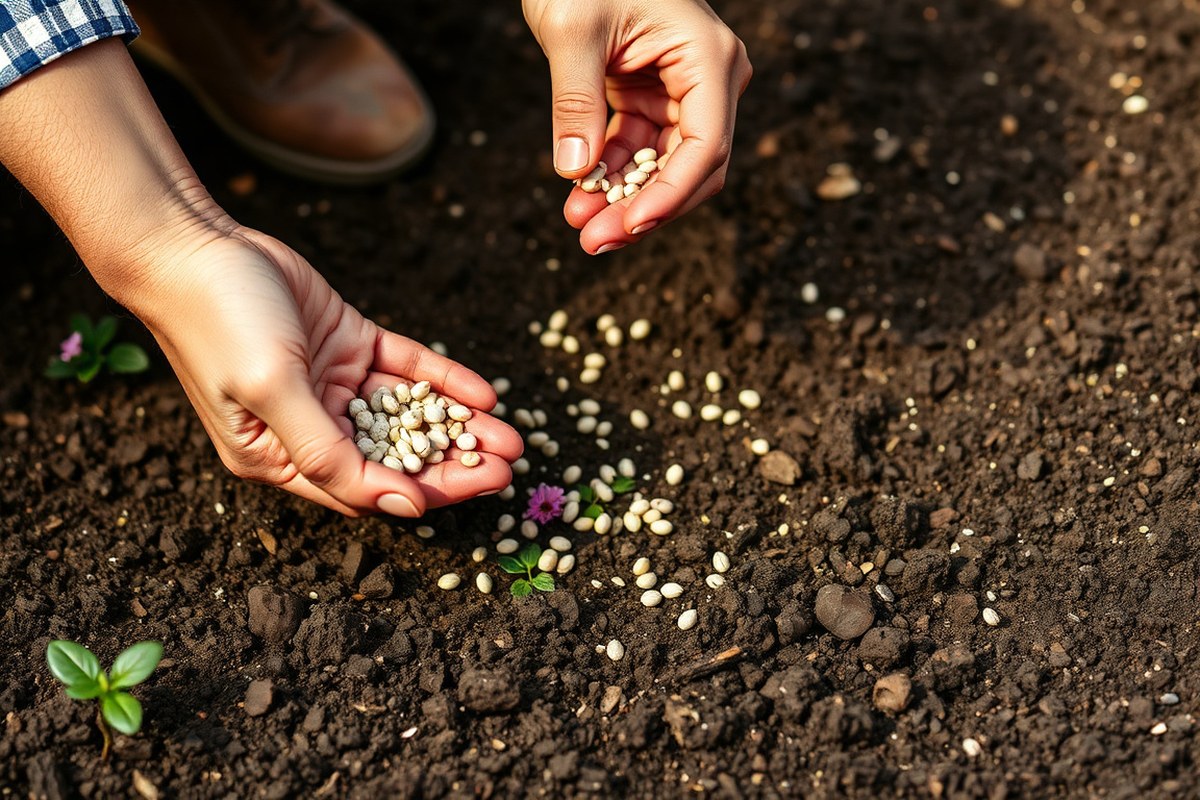
Sowing flower seeds right helps them sprout strong and healthy. Seeds need the right soil, depth, water, and sometimes treatment before planting. Overcrowding seeds or planting too deep can cause weak growth or poor germination.
Some seeds need soaking or chilling to wake up. You can soak seeds in water with a tiny drop of dish soap for 24 hours.
Others, like some wildflowers, do better with a cold period called stratification. Check your seed packet to see if your seeds need this step.
- Prepare fine, loose soil. Break up clumps and remove weeds where you want to sow.
- Sow seeds at the right depth. Plant small seeds at the surface or just covered, about two to three times their width. Larger seeds can go deeper. Press fine seeds gently onto the soil.
- Water gently. Use a fine spray or watering can to avoid washing seeds away or making puddles.
- Sow seeds thinly. Avoid crowding by spreading seeds sparsely. This prevents weak seedlings that compete for light and nutrients.
- Thin seedlings after sprouting. Remove weaker seedlings early, leaving the strongest ones spaced properly. Use scissors to snip extras at soil level to avoid disturbing roots.
- Repeat sowing every few weeks. Succession sowing ensures fresh flowers come up as earlier ones fade.
- Provide warmth and light if sowing indoors. A heated area or grow light helps prevent leggy, weak seedlings during winter planting.
Sowing in rows or drills can help spot weeds and thin seedlings more easily. Light-loving seeds like poppies and wildflowers should not be buried deeply.
Seeds sown too deep may never sprout or take longer than expected. Thinning seedlings boosts air circulation, reducing disease risk.
When Is the Best Time to Plant Flower Seeds Outdoors?
Plant flower seeds outdoors once the soil temperature reaches at least 55°F. This warmth helps seeds begin to sprout and grow well. Early to mid-spring is usually the right time to start. But some seeds do better in September if soil and weather suit them.
Check your area’s last frost date before planting. Putting seeds in too early risks frost damage. For example, plant sunflowers only after the last spring frost.
Some flowers like larkspur and sweet peas tolerate cooler soil. You can plant them earlier, even in late winter or early spring.
Sowing seeds on a rainy day helps keep the soil moist. Planting just before rain also improves germination.
Prepare your seed bed well by clearing weeds and raking the soil level. Mix wildflower seeds with some fine sand so they spread evenly and don’t clump during sowing.
Shade affects how well flower seeds grow outside. Many flowers need full sun to thrive. But some, like certain wildflowers and shade-loving plants, can handle partial shade.
Read the seed packet or check each flower’s light needs. Match the light requirements to your garden’s conditions.
The timing also depends on the flower type. Calendula and cornflowers do well when seeded early in spring because they handle cooler soil.
Poppies should be pressed lightly onto soil in late winter to early spring without being buried. Always thin seedlings after sprouting to avoid overcrowding and improve growth.
Don’t sow seeds too deep. Check packet instructions so seeds get enough light and air to sprout.
Soil Preparation and Site Selection for Flower Seeds
Choose a sunny spot for sowing your flower seeds. Most flowers need at least 6 to 8 hours of sunlight every day to grow well. Avoid shady areas because seeds won’t get enough light to sprout properly.
Clear the site by removing grass, weeds, rocks, and clumps of soil. Never sow seeds directly on grass or weeds.
They compete for water and nutrients and grow faster than your flower seedlings. Clear ground helps your flowers thrive and cuts down on weeding later.
Prepare the soil by first removing any perennial weeds. Wait a few weeks after clearing to let any leftover weed seeds sprout. Rake the area smooth and level first.
This gets rid of weed seedlings. Prepare the soil before planting your flower seeds.
- Remove rocks, stones, and large clumps of soil
- Clear all grass and weeds from the sowing area
- Wait a few weeks to pull out weed seedlings after clearing
- Rake soil smooth and level for even seed contact
- Cover seeds lightly with soil or straw. Make sure the layer is no deeper than 1/8 inch. This helps protect seeds while letting them grow.
Use a garden rake to prepare the soil. Break it into small, loose crumbs. This creates a fine tilth ideal for planting.
This lets tiny seeds settle close to soil particles, helping them soak up moisture. Avoid burying seeds too deep; most prefer shallow sowing to get sun and air.
Good preparation means your flowers will sprout with less competition. You’ll spend less time pulling weeds around small seedlings.
Right soil and site steps take a little time. But save work and improve your success.
Differences Between Sowing Indoors and Direct Outdoor Sowing
Starting flower seeds indoors and sowing them directly outdoors are two common ways to grow flowers. Indoors gives you more control.
Direct outdoor sowing is simpler and uses natural conditions. Choosing depends on your goals, space, and patience.
Equipment Needed for Indoor Sowing
Indoor sowing needs only a few basic tools to get started. You’ll need seed trays or small pots, seed-starting mix, and a light source. Sandwich bags can help keep moisture in after planting.
Heating mats are optional but can speed germination by keeping soil warm. You’ll also want a spray bottle for gentle watering and a clear cover to hold humidity.
Steps to Transplant Seedlings Outdoors
Transplant seedlings when they reach 6 to 8 inches tall. This usually happens 8 to 12 weeks after sowing. Handle them carefully during the move.
First, toughen them up by hardening off for 1 to 2 weeks outdoors. Put them outside a few hours daily, increasing time as they adjust.
Choose a sunny spot in pots or garden beds with soil matching the plants’ needs. Water seedlings well after planting and keep soil moist until they settle in.
Advantages and Disadvantages of Each Method
The table below shows key differences between indoor and direct outdoor seed sowing. Use it to pick what fits your garden and schedule best.
| Factor | Indoor Sowing | Direct Outdoor Sowing |
|---|---|---|
| Equipment Needed | Seed trays, seed mix, light source, water spray | Garden soil or prepared bed, hoe, water source |
| Control over Environment | High control of light, temperature, moisture | Depends on weather and natural soil conditions |
| Start Time | Start indoors 6-8 weeks before last frost | After last frost date when soil warms |
| Risk of Damage | Lower risk from pests and weather | Higher risk from birds, pests, and weather |
| Transplanting Required | Yes, needs hardening off and moving outdoors | No, plants grow where seeds were sown |
| Space Needed | Small indoor space needed initially | Requires garden space ready for seeds |
| Cost | Extra cost for seed trays, mix, lights (under $50) | Minimal, uses existing garden soil and tools |
Indoor sowing gives more control but takes extra effort to transplant. Starting outdoors is easier but less predictable.
For small spaces, indoor sowing works best. Larger gardens benefit from direct seed sowing, saving time and equipment costs.
How to Care for Seedlings After Germination
Seedlings need careful watering, enough light, and good pest control. You should thin crowded seedlings and watch for bugs early. These steps help your plants grow strong and healthy.
Watering Frequency and Techniques
Water the soil gently right after sowing to settle seeds. Use a spray or watering can to prevent seeds from washing away. Then, wait until seedlings show up before watering again.
Once seedlings sprout, keep the soil moist but not soaked. Water when the surface feels dry. Overwatering can cause the seed to rot or lock up in the soil.
- Use room temperature water to avoid shocking seedlings
- Water slowly and evenly to avoid splashing soil
- Check soil moisture once a day in warm conditions
- Reduce watering if seedlings look droopy or yellow
- Water in the morning to let leaves dry during the day
Gently water seedlings to avoid disturbing roots or spreading disease.
Managing Light for Healthy Growth
Seedlings need bright light to stay short and strong. Place them near a sunny window or use grow lights to boost natural light. Aim for 12 to 16 hours of light daily.
Tilt seedlings occasionally to encourage straight, even growth. Turn lights off at night to give seedlings a proper rest. Without enough light, seedlings grow tall, thin, and weak.
Common Pests and Natural Prevention
Young seedlings attract slugs, snails, and fungus gnats. They eat tender leaves or roots and stunt growth. Keep the area clean and dry to limit pests.
Use natural methods like hand-picking slugs or introducing beneficial insects. Avoid overwatering, which encourages fungal diseases. Healthy air flow and spacing also help prevent problems.
- Inspect seedlings daily for damage or bugs
- Keep soil surface free of plant debris
- Water at soil level, not on leaves
- Use diatomaceous earth to deter slugs
- Space seedlings to improve air circulation
Remove infected seedlings quickly to stop pests from spreading.
Common Mistakes When Sowing Flower Seeds and How to Fix Them
Planting flower seeds can fail if you bury seeds too deep. Many flower seeds need light to start growing.
So cover them with just a thin layer of soil or straw, about 1/8 inch deep. Covering seeds too deep blocks light and stops them from sprouting.
Another common error is planting when soil temperatures are too cold. Most flower seeds begin to grow once the soil hits 55°F or warmer.
Check your seed packet for the exact temperature range the flower needs. Starting too early in chilly soil delays or stops germination.
Overwatering is a frequent problem that drowns seeds or causes mold. After sowing, gently water with a fine spray to keep soil moist but not soggy. Too much water can wash seeds away or rot them before they germinate.
- Use your seed packet’s spacing recommendations to avoid overcrowding.
- Sow seeds at the right depth, usually very shallow for small seeds.
- Keep soil surface moist with light watering, avoid puddles.
- Maintain proper temperature by planting indoors or delaying sowing outdoors.
- Label your seed rows to track which seeds have been sown.
- Don’t give up too soon. Most seeds take between 7 to 21 days to sprout.
A visual check is the best way to know if seeds failed to germinate. You should see small green shoots pushing through the soil surface in the expected time frame. No seedlings after three weeks past normal time means failure.
Seeds might fail due to poor seed quality or improper storage before planting. Keep seeds in a cool, dry place until you’re ready to sow. Germination fails when seeds are planted at the wrong time.
Cold weather outdoors also causes germination problems. Adjust your timing to the flower’s needs on its seed packet.
How Long Flower Seeds Take to Germinate and Grow to Planting Size
Flower seeds usually take between 7 and 21 days to germinate. After that, seedlings need a few weeks to grow big enough for planting outdoors. The exact time depends on the flower type, temperature, and growing conditions.
Fast growers like marigolds sprout in about a week. They reach planting size in 4 to 6 weeks. Perennials such as coneflowers take 2 to 3 weeks to germinate.
Then they grow sturdy seedlings in 6 to 8 weeks. Wildflowers generally take longer to sprout, sometimes 3 weeks or more, and grow slowly afterwards.
Seeds from cold climates may need cold stratification. This means a chill period in your fridge. After that, start growing indoors in mid-spring.
This mimics winter and helps them germinate better. Sowing seeds in spring lets you use the natural rain to keep seedlings moist.
| Flower Type | Germination Time (days) | Growth to Planting Size (weeks) |
|---|---|---|
| Marigolds | 7-10 | 4-6 |
| Coneflowers (Perennials) | 14-21 | 6-8 |
| Wildflowers | 14-21+ | 8-10+ |
| Cold climate seeds (with stratification) | Varies (after chilling) | 6-8+ |
Once seedlings have grown their first true leaves, you can prepare them for outdoor planting. Harden seedlings by placing pots outside in a shaded spot.
Keep them there for 7 to 10 days before planting. Start with a few hours a day, then increase their outdoor time gradually.
This process helps seedlings adjust to the sun, wind, and temperature changes. Without hardening off, seedlings might wilt or suffer shock after transplanting. Remember to bring them indoors at night if temperatures drop too low during hardening off.
Tips for Choosing Flower Seeds Easy for Beginners
Easy flower seeds help you start gardening with less hassle. Choose seeds that sprout quickly and grow well in many soils. This saves time and frustration for beginners.
Top 10 Beginner-Friendly Flower Seeds
Some flower seeds sprout easily and tolerate less-than-perfect conditions. Look for these when starting out. They often bloom the first year from seed.
- Marigolds, fast germination and drought tolerant
- Morning Glory, climbs and blooms quickly
- Nasturtium, grows well in poor soil and blooms brightly
- Poppies, easy to scatter and grow outdoors
- Zinnias, sprout fast and bloom in full sun
- Sunflowers, big seeds, easy to handle and grow
- Cosmos, tough plants that bloom all summer
- Calendula, grows in many soils and cool weather
- Sweet Alyssum, small seeds with quick blooms
- Snapdragons, tolerate cooler starts and show early flowers
Scatter the seeds lightly on peat moss mix and cover slightly if the packet says. Large seeds like sunflowers you can press gently into the soil. Pay attention to light needs; some seeds need light to germinate.
Fertilizer Needs at Sowing and Later
Seeds usually don’t need fertilizer at sowing. Too much fertilizer can burn tiny seeds. Use a seed-starting mix with light nutrients instead of regular garden soil.
Once seedlings grow their first true leaves, add fertilizer. A weak liquid fertilizer every two weeks helps plants grow strong. Avoid feeding when seedlings are too young to reduce stress.
Applying strong fertilizer too early can damage young seedlings.
Succession Sowing for Ongoing Blooms
Sowing seeds in intervals keeps flowers blooming longer. Plant a new batch every two to three weeks. This spreads out the flowering period in your garden.
Succession sowing works well for fast-growing flowers like zinnias or marigolds. Keep seeds in labeled rows or containers for easy management. Water gently to avoid washing seeds away or causing clumps.
Succession planting takes a bit more effort but gives color from early summer until frost. This method suits gardeners wanting fresh blooms for parties or steady garden beauty.
Step-by-Step Action Plan for Sowing Flower Seeds
Follow these steps to start your flower garden with strong, healthy plants. Each phase helps you grow seeds into seedlings ready for planting.
- Before you start: Choose beginner-friendly flower seeds and prepare well-draining soil in a sunny spot.
- Day 1: Sow seeds indoors or outdoors as your seed packet directs. Keep soil moist but not soaked.
- Week 1: Check daily for signs of germination like small sprouts. Adjust water if soil dries out or pools.
- Week 2-3: Thin seedlings by snipping weaker ones at soil level to prevent crowding.
- Week 4: Start feeding seedlings weekly with a diluted liquid fertilizer to boost growth.
- Week 5-6: Move seedlings outside for a few hours each day. This helps them get used to outdoor conditions before planting. Gradually increase their time outside to toughen them up.
- After 6 weeks: Plant seedlings outdoors when they have at least two true leaves. Make sure the outdoor temperature fits the flower’s needs. This timing helps your plants grow strong outside.
Frequently Asked Questions
Can I Reuse Seed Trays for Sowing Flower Seeds?
Yes, you can reuse seed trays but clean them well first. This removes any disease or fungus from previous use and helps your new seeds grow healthy.
How Deep Should I Cover Flower Seeds with Soil?
Cover seeds with soil about twice their width or less. Many flower seeds need light to germinate. So barely covering them works best for better sprouting.
What Is Succession Sowing for Flower Seeds?
Succession sowing means planting seeds every few weeks. This keeps your garden blooming continuously as new plants replace fading ones.
Should I Water Flower Seeds Before or After Sowing?
Water the soil before sowing seeds lightly to moisten it. Then water gently again after sowing to avoid washing seeds away and help them settle.
Can I Mix Different Flower Seeds in One Pot or Bed?
Yes, you can mix seeds with similar needs in one spot. Just ensure they all require the same light, water, and timing for best growth.
How Can I Tell If Flower Seeds Are Still Good to Plant?
Check seed packets for expiration dates or do a germination test. Put some seeds on a damp paper towel.
Wait one week. If most sprout, you can sow them.
The Bottom Line
Growing flowers from seed takes patience and care, but it’s very rewarding. Start by picking seeds with clear instructions and good germination rates. Watch your seedlings closely and enjoy planting them out when they are ready.