Will Snow Kill Grass Seed? What Actually Happens and How to Protect It
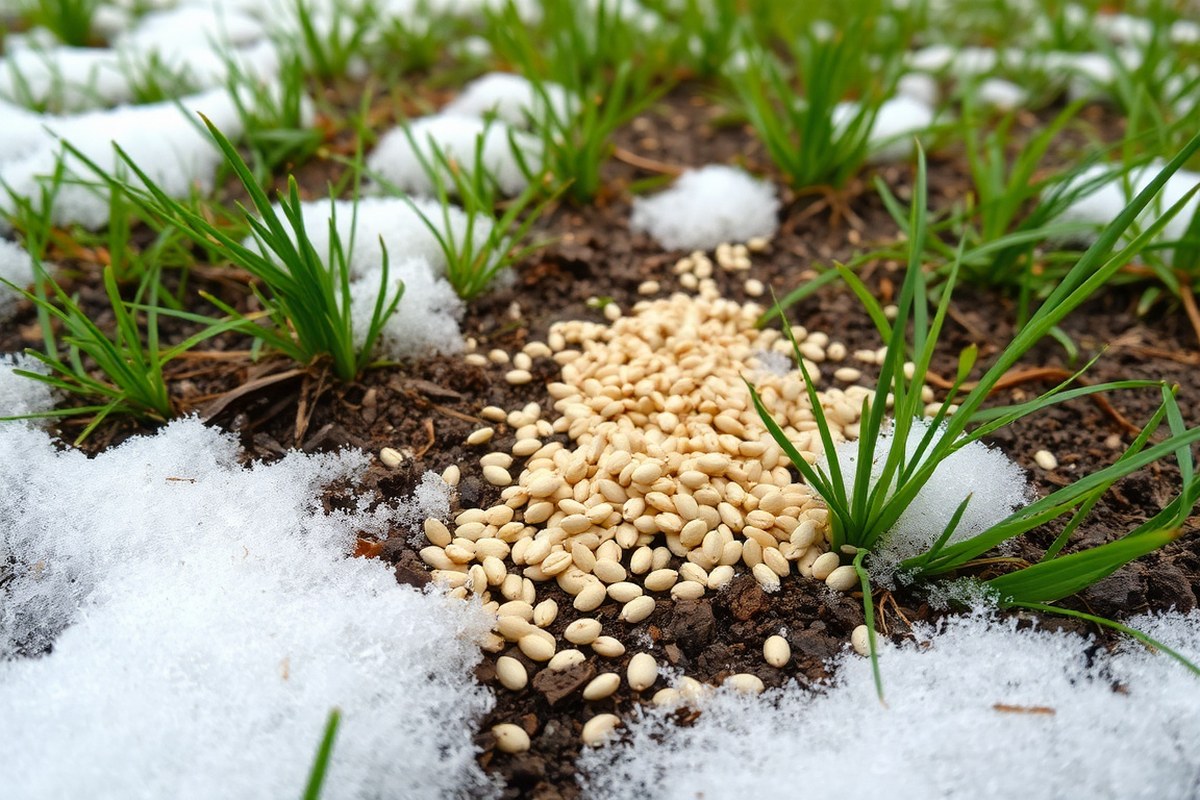
Will snow kill grass seed? The short answer is no.
Snow usually delays germination but does not damage the seed itself. It acts like a natural blanket that protects seeds from harsh winter temperatures.
Snow cover keeps soil temperature steadier and prevents it from freezing deeply. Heavy snow or ice can cause problems for new grass seed. Seeds may rot under too much moisture.
Soil can lose oxygen, which grass needs to grow. It’s best to watch how much snow piles up over young grass seed.
Planting grass seed well before the first frost improves its chances of surviving winter. Soil temperatures need to drop below certain levels before seed will lie dormant safely. Preparing your soil and timing your seeding right helps avoid frost damage and boosts spring growth.
Key Takeaways
- Snow usually protects dormant grass seed by keeping soil temperature steady.
- A moderate snow depth of 2-4 inches is generally beneficial for seed survival.
- Heavy snow over 6 inches can cause seed rot from too much moisture.
- Ice thicker than 2 inches reduces soil oxygen and harms seed health.
- Plant grass seed 6 to 8 weeks before the first expected frost for best results.
- Wait for soil temperatures to stay below 40-50°F before late-fall seeding.
Does Snow Kill Grass Seed or Just Delay Germination?
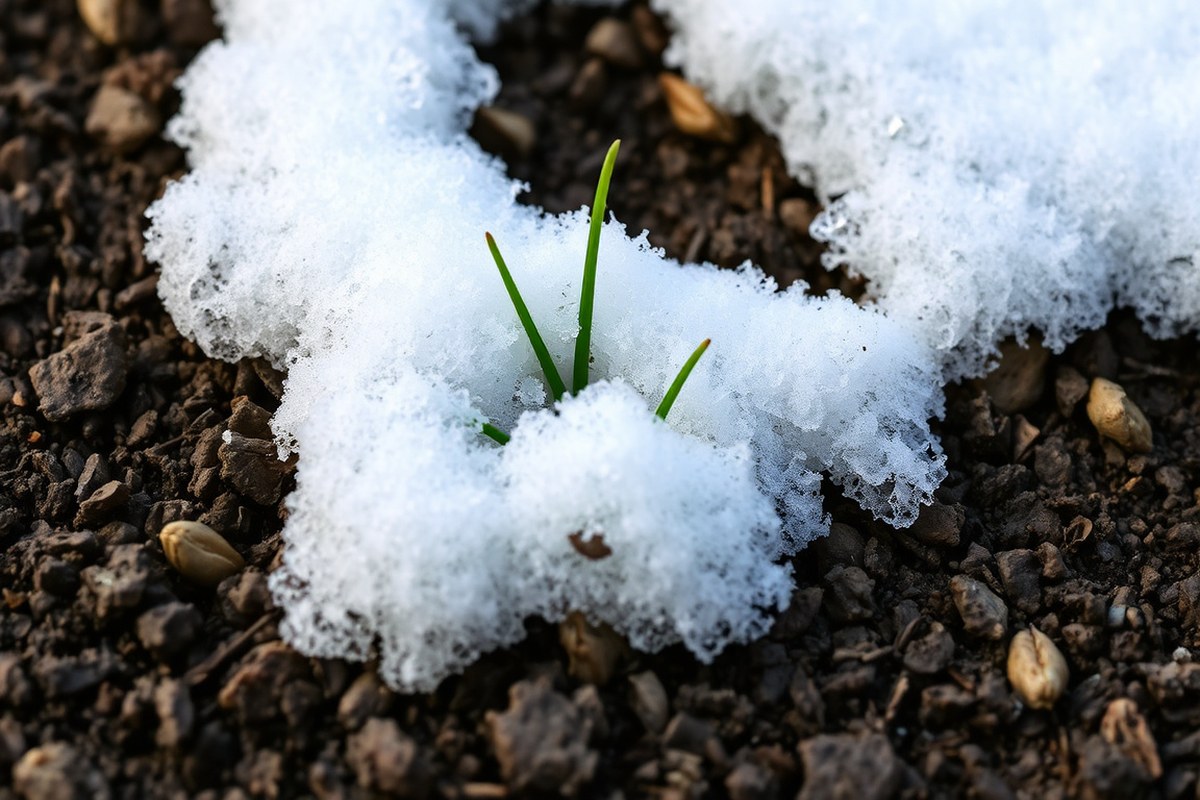
Snow does not kill unsprouted grass seed. Instead, snow usually delays seed germination by keeping soil temperatures low.
Grass seeds need soil between 40°F and 90°F to sprout. The best range is 60°F to 80°F. Seeds won’t grow well outside these temps.
Grass seed covered by snow can still germinate once the snow melts and soil warms up. Snow acts like a blanket for grass seeds. It slows seed activity down.
Snow also keeps seeds safe from quick temperature changes. Seeds stay dormant under snow and wake up when conditions improve.
While snow generally won’t destroy grass seeds, seedlings that have just started growing are more fragile. Young shoots can be killed by frost or ice after snow melts. Heavy, wet snow can hurt seeds or seedlings.
Long freezing of soil may also cause damage. This leads to patchy grass growth.
Spreading grass seed late in season means soil is below 40°F. Seeds stay dormant under snow. This prevents them from sprouting too soon. This protects seeds from being killed by freezing temperatures.
Letting seed sit on snowy ground too long has risks. It can be washed away by melting snow. Ice can also damage exposed seeds.
Snow cover suddenly melting in warm weather triggers soil warming and seed germination. When soil stays frozen too long, seed rot can occur. This happens especially under snow deeper than 6 inches.
The cold wet condition harms seeds. Moderate snow cover (2 to 4 inches) usually keeps seeds moist and safe.
How Snow Protects Dormant Grass Seed During Winter
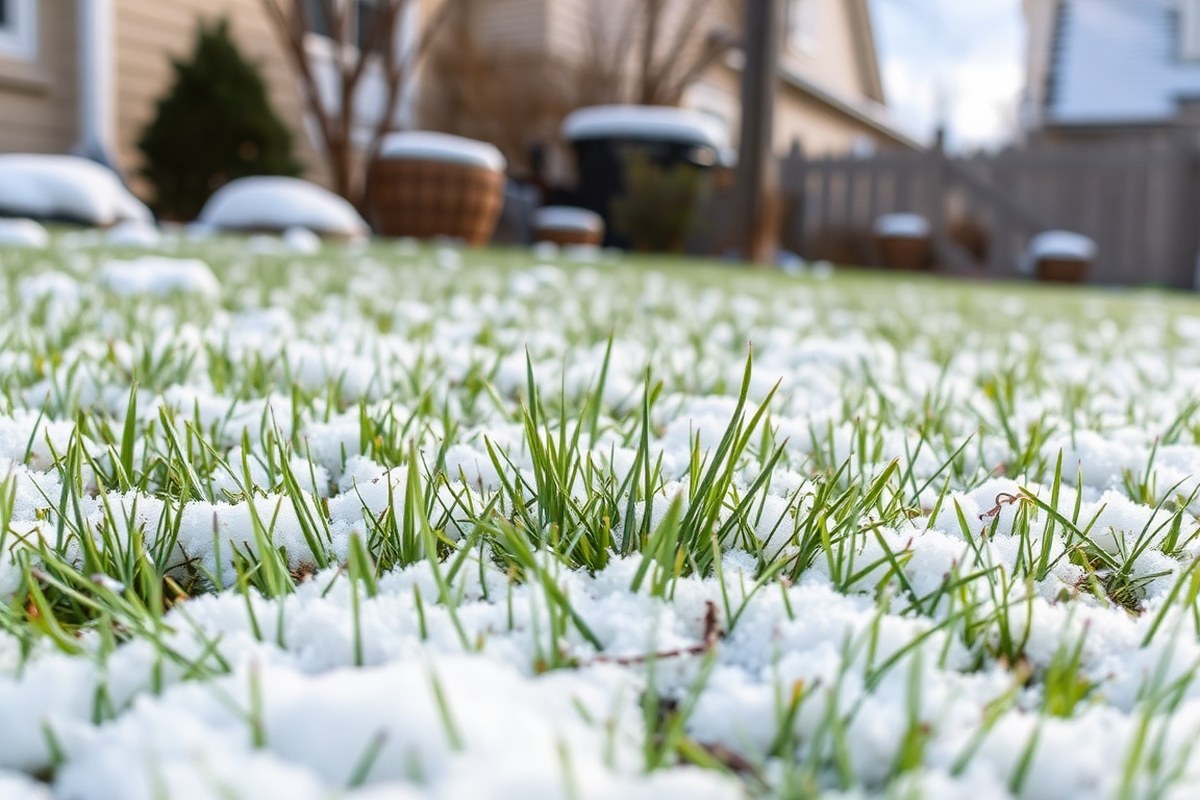
Snow acts like a blanket for grass seed during winter. It traps air and keeps soil temperatures from dropping too low. This natural insulation stops seed from freezing solid and protects it from harsh weather.
As snow sits on the ground, it slowly releases moisture while it melts. This steady water supply helps keep the soil damp but not soaked. Moist soil under snow stops seeds from drying out and supports their survival until spring.
The snow also shields the soil surface from wind and erosion. It stops the seeds from being blown or washed away. Healthy soil moisture helps grass seeds grow well after snow melts.
Stable seed placement is also important for strong grass growth. This happens when the ground warms up.
A thin, even layer of snow protects grass seed best. Too much snow can cause waterlogging or freezing issues. Stick to a shallow snow cover for protection.
Risks of Heavy Snow and Ice on Grass Seed Survival
Heavy snow alone usually doesn’t kill grass seed. But it can cause problems if it stays too long or gets too thick. Snow deeper than 2 inches or 5 cm can increase soil moisture.
It also cuts oxygen flow to the seed. This can affect seed growth. This makes a wet, low-oxygen place where harmful microbes grow.
These microbes can hurt or kill the seed. Keep the seed away from such conditions.
Ice also causes harm by trapping moisture and blocking air. Ice layers sticking to grass seed or frozen soil stop oxygen from reaching the seed.
Rapid freeze-thaw cycles make soil swell and contract, which loosens or pushes seed out of place. This frost heave damages seeds and young shoots, leading to poor germination or loss.
Excess moisture from too much snow or persistent ice leads to seed rot. The seed becomes waterlogged and starts deteriorating.
At the same time, thick snow or ice limits sunlight, lowering seed energy and slowing growth. You’ll notice patches where seed fails to sprout or grows thin after heavy snow melts.
- Remove excessive snow over 2 inches carefully to reduce moisture buildup.
- Don’t disturb frozen soil to avoid frost heave damage to seed.
- Wait for stable temperatures before clearing snow to avoid rapid freeze-thaw.
- Protect seed from ice by covering with straw or mulch if heavy snow stays.
- Stay off frozen seeded spots to prevent crushing young grass blades.
- Check soil moisture to avoid waterlogged conditions after snow melts.
- Use seed varieties suited for cold climates to reduce moss and rot risk.
Once snow melts, look for uneven seed spots or sparse growth as signs of damage. Re-seeding may be necessary in those areas. Keeping snow shallow and limiting ice contact with seeds helps grass survive through harsh winters better.
Best Grass Seed Types for Snowy and Cold Conditions
Some grass seed types handle snow and cold better than others. Cool-season grasses survive freezing temperatures well, while warm-season grasses struggle with snow. Choosing the right seed mix helps your lawn establish even in snowy areas.
Cool-Season Grass Seed Varieties
Cool-season grasses like Kentucky bluegrass, perennial ryegrass, and tall fescue do best between 40°F and 75°F. They grow well in this temperature range. These grasses slow down outside these temps. They tolerate freezing temperatures down to about 10°F. These grasses go dormant under snow but can survive the cold to sprout in spring.
This makes cool-season grasses the best choice for snowy regions. They need soil temperatures between 50°F and 70°F to germinate. Planting these grasses in fall or early spring works well.
They grow better in mild weather before winter arrives. This timing helps the grass get a strong start.
Warm-Season Grass Seed Characteristics
Warm-season grasses include Bermudagrass, zoysiagrass, and buffalograss. They thrive in soil and air temperatures from 65°F up to 95°F. These grasses do not handle freezing temperatures well and can suffer damage below 20°F.
Snow-covered winters can kill warm-season grass seedlings. This makes them less suitable for areas with long, snowy winters.
You can try warm-season grasses in southern regions with milder winters. But they still need frost-free conditions to establish.
Recommended Seed Mixes for Snowy Climates
Seed blends for cold areas often have perennial ryegrass. This grass survives cold and snowy weather well. It’s a good choice for chilly climates.
Kentucky bluegrass also appears in many mixes due to its winter hardiness. These blends boost the chance that some seeds will thrive despite snow and frost.
Prepare soil by loosening it to 8-10 inches before seeding. Apply a starter fertilizer to help young grass get nutrients early. The best time to plant seeds is from September to November.
You can also seed in early spring when soil thaws. Air temperatures should be cool but soil soft enough to work.
| Grass Species | Ideal Temperature Range | Tolerance to Freezing Temperatures |
|---|---|---|
| Kentucky bluegrass | 40°F, 75°F (4°C, 24°C) | This grass type can live through temperatures near 10°F (-12°C). It can handle very cold winter weather. Cold hardy means it survives harsh freezes. |
| Perennial ryegrass | 40°F, 75°F (4°C, 24°C) | It withstands cold down to 10°F (-12°C) without dying. |
| Tall fescue | 40°F, 75°F (4°C, 24°C) | It remains alive in temperatures as low as 10°F (-12°C). |
| Bermudagrass | 65°F, 95°F (18°C, 35°C) | Temperatures below 20°F (-7°C) can harm this grass type. It is sensitive to extreme cold damage. Frost may cause stress or kill the grass. |
| Zoysiagrass | 65°F, 95°F (18°C, 35°C) | Temperatures under 20°F (-7°C) might harm this plant. |
| Buffalograss | 65°F, 95°F (18°C, 35°C) | Damage can happen if the temperature drops below 20°F (-7°C). |
Choosing seed mixes with hardy cool-season grasses improves survival under snow. Preparing the soil and timing your seeding gives those grasses a strong start before winter. Warm-season seed choices should match your climate to avoid winter kill.
Timing Your Grass Seeding Around Snow and Frost
Plan your grass seeding so it happens before heavy snow and consistent frost. Grass seeds need the right soil temperature and moisture to survive and sprout. Timing your seeding around snow and frost helps protect the seeds and encourages early growth.
Seeding in Fall Before First Frost
Fall is a great time for planting grass seed. Plant at least 45 days before the first frost.
This gives the seeds time to grow strong. This allows seeds to settle and start developing roots before the ground freezes.
Soil temperatures ideally should be above 50°F (10°C) to help seeds take root. Seeding late enough in fall means the seedlings have time to become stronger and survive winter. Here is how to prepare and seed your lawn in fall:
- Test soil temperature to confirm it’s above 50°F (10°C).
- Clear debris and loosen the soil with a rake.
- Spread quality grass seed evenly over the lawn area.
- Lightly rake the seed into the soil for good contact.
- Water the area gently but thoroughly to keep the soil moist.
- Continue watering regularly until frost arrives.
- Apply a light layer of mulch if cold snaps are expected early.
Seeding too close to the frost can leave seeds weak and less likely to survive.
Dormant Seeding Strategy for Winter
Dormant seeding means planting grass seed after the soil cools but before heavy snow. The seed lies dormant until temperatures warm up in spring, when it starts to germinate.
This method delays visible growth but allows you to plant late in the season. Seeds don’t get disturbed by birds or erosion during snow.
Snow covers and protects them. Melting snow in spring gives seeds natural moisture.
Steps to dormant seed:
- Choose hardy grass seed that tolerates cold, such as fescues or bluegrass.
- Prepare soil by loosening the top layer before seeding.
- Spread seeds evenly on soil that’s cold but not frozen.
- Rake lightly to cover seeds with a thin soil layer.
- Avoid watering to prevent early germination before winter.
- Monitor weather and avoid seeding right before heavy snow.
- Wait until spring to see growth as temperatures rise.
Dormant seeding won’t produce grass before winter but saves time for early spring growth.
Early Spring Seeding After Snow Melts
Seeding right after snow melts in early spring works well if soil isn’t frozen or waterlogged. The melting snow makes soil moist enough for seeds to start growing.
Soil temperatures need to reach about 50°F (10°C) to encourage quick germination. Waiting too long after snow melts risks losing the spring moisture advantage. Follow these spring steps:
- Check that soil is thawed and well-drained.
- Remove dead grass and debris from winter.
- Loosen soil with a rake or aerator.
- Spread seed evenly and rake lightly to cover it.
- Water daily to keep soil moist but not soaked.
- Protect the area from foot traffic and pets.
- Watch for weeds and remove them early to help seedlings.
Avoid seeding over snow-covered ground because seeds can be washed away or damaged by ice.
Preparing and Protecting Soil and Seed for Winter Conditions
Start preparing your soil before frost arrives to give grass seed the best chance. Clear debris, rocks, and dead grass from the area to ensure good seed-to-soil contact. Next, rake or lightly till the soil 1 to 2 inches deep.
This loosens the soil and helps water drain better. It also warms the ground a little.
Moisture level affects seed survival during winter. Dry soil can protect seeds from frost damage better than wet, frozen ground.
After seeding, water the soil lightly but avoid overwatering to keep moisture balanced. Too much water means ice can form and harm the seed.
Protecting seed from snow and frost damage means keeping it covered and insulated. Applying a thin layer of mulch, like straw or shredded leaves, helps. This layer reduces temperature swings and prevents seed from being washed away during heavy snowfall.
- Choose grass seed made for cold climates and your soil type.
- Clear and loosen soil to at least 1 inch deep before seeding.
- Lightly water soil after seeding but avoid soggy conditions.
- Cover seed with a thin mulch layer to protect from frost.
- Stay off the seeded area to prevent soil compaction.
- Apply a winter fertilizer high in phosphorus to promote root growth.
Winter fertilizer feeds seeds waiting to sprout when warmer weather arrives. Avoid heavy foot traffic on seeded spots during winter; compacted soil hurts root development.
Checking soil moisture weekly ensures the ground stays just damp enough, especially during dry, cold spells. This care improves seed survival despite cold and snow.
Common Mistakes When Seeding Near Snow and How to Avoid Them
Planting grass seed too late in the season stops it from growing well. Seeds need soil temperatures around 50°F before they sprout.
Seeding in cold ground leaves seeds dormant and risks frost damage. Snow can also harm seeds waiting to sprout.
Too much watering after seeding is another common problem. Overwatering can wash seeds away or suffocate them in soggy soil.
Grass seed needs just enough moisture to stay damp, not soaked. Aim to water lightly once or twice a day for short periods until sprouts appear.
Soil compaction harms seeds by blocking airflow and water absorption. Compact soil prevents roots from growing freely, leading to patchy or thin lawns. Avoid walking on freshly seeded spots to protect the seeds.
Use a rake to loosen soil before planting your grass seed. You can also try an aerator to help the soil breathe.
- Seed when soil temperature is consistently above 50°F
- Water seeded patches lightly once or twice daily until sprouts emerge
- Do not overwater; soil should be moist but not soggy
- Loosen compacted soil with a rake or aerator before seeding
- Keep off seeded areas to prevent soil compaction
- Choose grass seed suited to your climate, like fescue for cool seasons
Failing to avoid these mistakes often creates uneven lawn patches. You might get bare spots where seeds didn’t survive or sprouts that died from excess moisture. Correcting this means repairing those areas next spring with new seed and better soil prep.
Watering errors often cause more harm than good. Too little water dries seeds out, while too much floods them.
You want soil moisture that feels like a wrung-out sponge. Check soil with your fingers daily and adjust watering to keep it just right.
What to Expect After Snow Melts and How to Care for New Grass
New grass seed usually takes about 7 to 21 days to germinate after snow melts. Keep an eye on the soil moisture and seedling growth as temperatures rise above 40°F. Caring for the young grass right away helps it grow strong and thick.
Monitoring Seedling Emergence
Once the snow has melted, check your lawn every few days for tiny green shoots. Germination depends on soil temperature, ideally between 50°F and 65°F. Cooler soil will slow growth and make seedlings fragile. So watch for uneven patches or bare spots.
Keep the soil moist but not soaked. Water gently if the top inch of soil feels dry. Avoid overwatering because soggy soil can cause the seeds to rot or develop fungal problems.
Follow these steps to monitor your new grass seedlings effectively:
- Walk over the lawn carefully to spot green shoots without crushing them.
- Use a soil thermometer to check temperature daily in the morning.
- Test soil moisture by pressing your finger into the top inch.
- Water early in the morning if soil feels dry to the touch.
- Mark thin or bare spots and plan to reseed if seedlings don’t appear in 3 weeks.
Mowing New Grass at the Right Height
Wait until grass is 3 to 3 ½ inches tall. Don’t mow it too soon. Cut it for the first time after it reaches that height.
Cutting too soon can damage the young plants and slow root growth. Aim to mow at 2 to 3 inches tall depending on your grass type.
Use a sharp mower blade to avoid tearing blades, which invites disease. Mowing on a slightly higher setting during spring protects seedlings from stress. Gradually reduce the height as the grass thickens and strengthens in late spring.
Post-Winter Disease Prevention
Snow mold is a common problem when snow melts slowly and the ground stays wet. It causes patches of dead grass that look gray or pink. Improve air circulation by gently raking dead grass and removing debris.
Prevent snow mold by avoiding overwatering and mowing properly. A balanced lawn fertilizer with nitrogen also helps grass resist fungal diseases. Consider applying a fungicide only if you remember seeing snow mold problems before.
Don’t rush to reseed or mow wet lawn areas right after snow melts. Wait until grass dries to reduce disease risk.
Step-by-Step Action Plan for Seeding Grass Around Snow
Follow these steps to protect your grass seed and get it growing after winter. Check your progress at each stage to stay on track.
- Before seeding: Choose cold-tolerant grass seed like rye or fescue. This helps seeds survive cold and snow better.
- Right after seeding: Rake soil lightly to cover seeds no more than 1/4 inch deep. This shields them without blocking warmth and water.
- When snow is forecast: Spread straw or mulch thinly over the seeded area. This keeps snow from packing and protects seeds.
- During winter: Avoid walking on or compacting the seeded soil under snow. Firm soil reduces air and water flow to seeds.
- When snow melts: Gently clear debris and check soil moisture. Water lightly if soil feels dry but not soggy.
- First signs of green: Keep watering weekly, about 1 inch a week total. Watch for even sprout patches and no soggy spots.
- After grass grows 2 inches: Mow carefully. Use a sharp blade and set mower high. This helps avoid damage to young grass.
- After 4 to 6 weeks: Fertilize with a slow-release, balanced fertilizer to support steady growth. Look for healthy, deep green color.
Frequently Asked Questions
Can Snow Mold Kill Grass Seed?
Yes, snow mold can sometimes harm or kill grass seed. This fungal disease grows under snow during wet conditions.
It damages seeds and sprouts if moisture stays too long. This harm happens when trapped moisture does not dry out.
Will Grass Seed Survive If Covered by Ice?
Grass seed usually survives light ice cover but not heavy ice. Thick ice smothers seeds, causing rot since air and moisture can’t flow well.
Does Snow Delay or Stop Germination Permanently?
Snow only delays grass seed germination, not stops it forever. Seeds stay dormant until soil warms and conditions improve.
Can Snow Depth Affect Grass Seed Health?
Yes, snow over 6 inches thick can rot grass seed. Moderate snow (2-4 inches) acts like insulation and helps protect seeds.
Is Late Fall Seeding Safe Before Winter Snowfalls?
It can be, but it risks seed exposure to freezing and melting cycles. These cycles can kill sprouting seedlings but usually not dormant seeds.
Do Different Grass Seeds React Differently Under Snow?
Yes, cool-season grass seeds tolerate snow better than warm-season types. They adapt to dormancy and cold, making them ideal for snowy areas.
Wrapping Up
Snow usually won’t kill grass seed but can slow how fast it grows. Protect seeds before and after snowfall for best results. Start by picking seed suited for your cold climate today.