
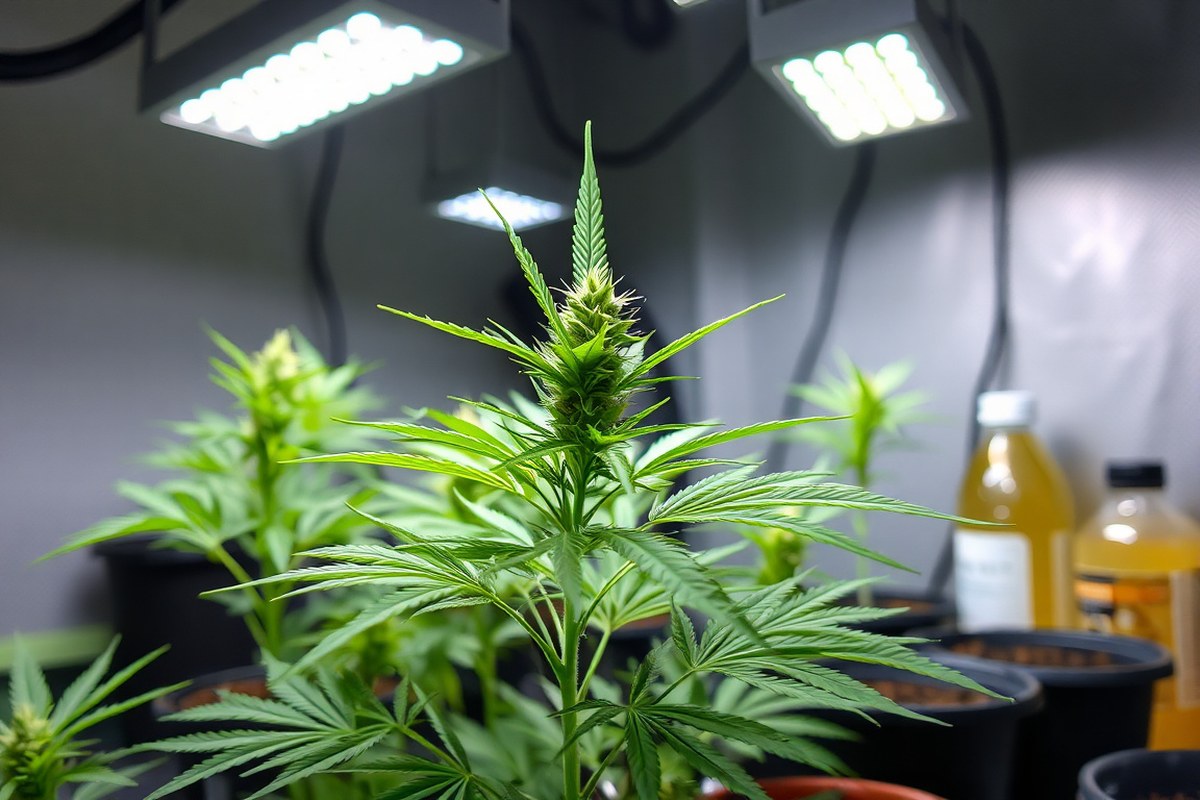
Can You Grow Weed? A Complete Guide to Legal, Successful Home Cultivation
Can you grow weed at home? Yes, but it depends on where you live.
Many places allow it if you are at least 21 years old and follow local rules. Before you start, check your state or local laws carefully.
Some states limit how many plants you can grow. Usually, it’s up to four per household. These rules vary by state.
Others require you to live far from licensed cannabis stores to grow legally. Knowing these rules can save you from legal trouble.
Once you know the laws, you’ll need the right setup and supplies to grow successfully. That means things like seeds, soil, or lights if you grow indoors. Growing weed takes some work, but understanding the basics helps you avoid common mistakes.
Key Takeaways
- The legal age to grow cannabis at home is 21 or older. You need proof of age to comply with the law. Growing before 21 isn’t allowed.
- Check your state’s specific rules on plant limits and growing locations.
- Most states allow a maximum of four plants per household.
- Some states limit home growing to people living 25+ miles from retailers.
- Indoor growing needs lights and space; outdoor needs good sunlight and security.
- Prepare to adjust light cycles to make your plants flower.
Is It Legal to Grow Cannabis at Home Where You Live?
Your state or country decides if you can grow cannabis at home. Age limits usually require you to be 21 or older for recreational grows. Medical marijuana often has different rules, sometimes letting patients grow with a doctor’s approval.
Many states limit how many plants you can grow. This number varies from none to as many as six adult-use plants per household.
Medical grows might allow more plants, commonly two to six, depending on your qualifying condition. Some places ban home growing altogether, even if cannabis is legal to buy.
Landlord or HOA rules may also block home cannabis grows. Even in states where it’s legal, your rental contract or HOA agreement can forbid cultivation. Check your lease and HOA guidelines before starting your grow.
Below is a table of selected US states showing homegrow legality for recreational and medical use. Most states set age limits at 21 for recreational use. Medical patients usually need to be 18 or older.
| State | Recreational Homegrow Allowed? | Medical Homegrow Allowed? | Typical Plant Limit |
|---|---|---|---|
| Illinois | No | No | 0 |
| Hawaii | No | Yes | Up to 7 plants |
| Oklahoma | No | Yes | Up to 6 plants |
| South Dakota | No | Yes (with authorization) | Varies |
| Alabama | No | No | 0 |
Check state-specific guides to confirm your local limits and rules. Some states require registration or a grow license for medical patients. Also, selling homegrown cannabis without a license is illegal everywhere, even where growing is permitted.
To stay legal, check your state’s homegrow laws first. Confirm the number of plants allowed.
Make sure you meet age rules and check lease or HOA limits. Keep your grow private and do not sell your plants without proper licensing.
What You Need to Start Growing Cannabis at Home
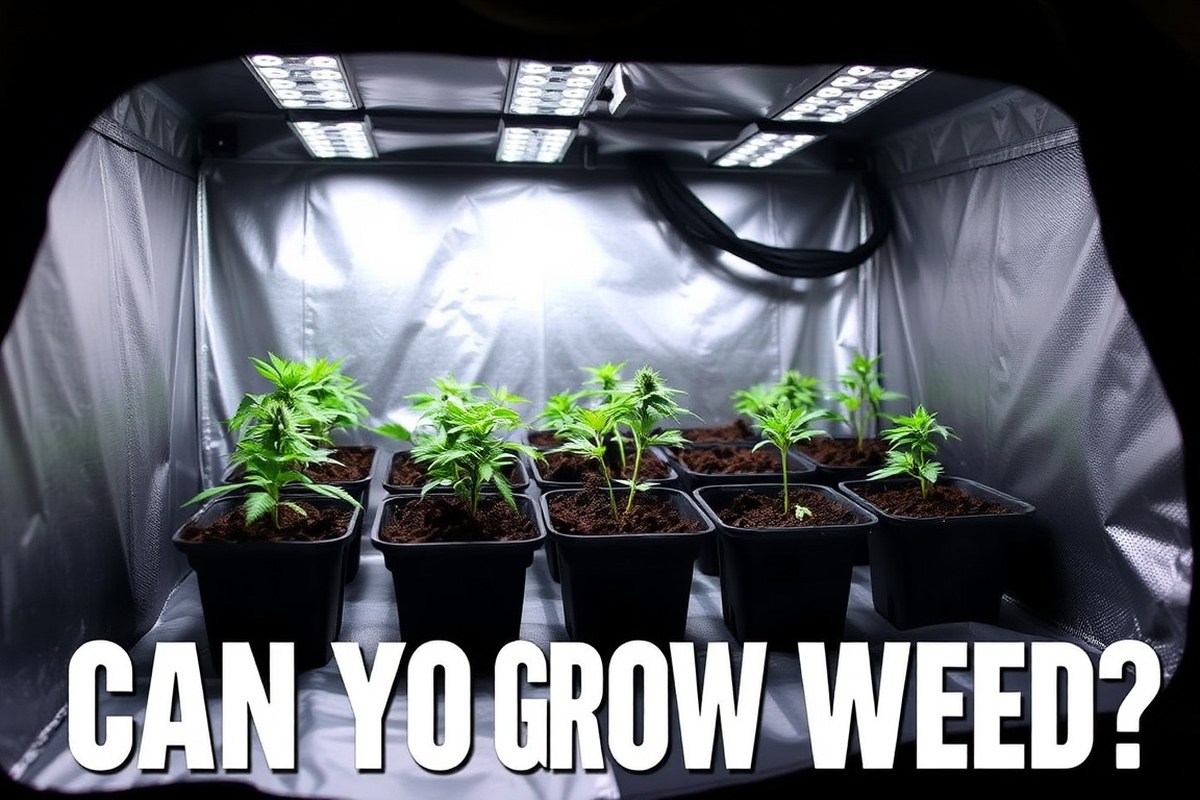
To grow cannabis at home, start with good seeds and proper lighting. Use suitable soil or a hydroponic setup. Add nutrients and control pests carefully.
Preparing your grow space to keep plants healthy is key. Each part links to the next, so skipping any can hurt your results.
Best Seeds for Beginners and Where to Buy
Start with feminized seeds so all plants can produce buds. Autoflowering seeds speed up growth, making them easier for new growers. Seeds from trusted retailers reduce chances of poor germination or unwanted plant traits.
You can buy legally from online seed banks depending on your state laws. Look for brands known for stable genetics, like Green House Seeds or Gorilla Cannabis Seeds. Prices range from $50 to $150 for a pack of 5 to 10 seeds.
- Choose feminized or autoflowering seeds for beginners
- Buy from licensed seed banks or dispensaries
- Check strain info for THC%, growth time, and difficulty
- Order seeds discreetly if mail delivery is required in your area
- Read customer reviews to avoid unreliable sellers
Confirm your local laws on buying seeds before ordering online.
Lighting Options: LED, HPS, and Sunlight
Natural sunlight suits outdoor grows, requiring no extra costs but less control. Indoor growing needs artificial lights like LEDs or HPS (high-pressure sodium) for good yields. LEDs use less power and run cooler, but HPS lights are proven and cheap.
Start with about 20 inches between lights and plants when using HPS or MH bulbs. Lower lights gradually as plants grow for best light absorption. Outdoors, place pots where the sun hits 6 to 8 hours daily.
| Lighting Type | Power Use | Heat Output | Cost | Best For |
|---|---|---|---|---|
| LED | Low | Low | High initial | Indoor beginners |
| HPS | High | High | Lower upfront | Indoor large grows |
| Sunlight | None | None | Free | Outdoor |
- Use broad-spectrum LED grow lights for balanced output
- Keep HPS lights at least 20 inches above plants initially
- Access outdoor spaces with 6+ hours of direct sun
- Consider extra fans to manage heat from HPS bulbs
- Adjust light height daily to avoid burning leaves
Too close lighting can burn leaves, too far weakens growth.
Choosing Soil vs Hydroponic Setups
Soil growing is simpler and more forgiving. Use nutrient-rich potting soil with good drainage, like a mix of peat, perlite, and compost. It encourages root health and natural microbial activity.
Hydroponics uses water and nutrient solutions without soil, offering faster growth but requiring more equipment. You’ll need grow cups, water pumps, timers, and pH testers. It suits growers wanting tighter control and quicker harvests.
- Pick pre-fertilized potting soil with nitrogen and phosphorus for soil grows
- Hydroponics needs constant monitoring of water and nutrient levels
- Soil buffers small mistakes, hydro demands precision
- Hydro systems cost more upfront ($100-$300) and require setup time
- Soil setups start around $20 with pots, soil, and seeds
Hydro growers must check pH and nutrients daily to avoid failures.
Basic Nutrient and Pest Control Requirements
Cannabis plants need nitrogen, phosphorus, and potassium during different growth stages. Use nutrient mixes formulated for cannabis to match these needs. Overfeeding can cause nutrient burn signs like yellow leaf tips.
Use organic pest control like neem oil and insecticidal soap. These keep your plants safe to consume. They work well on common pests.
Regularly check leaves for bugs or mites to catch issues early. Keep your grow area clean to avoid infestations.
- Use cannabis-specific nutrient formulas during vegetative and flowering phases
- Apply organic pest controls, avoid harsh chemicals
- Keep humidity around 40-60% to discourage mold and pests
- Remove dead leaves and clean pots weekly
- Monitor plants daily for early signs of stress or pests
Never mix pesticides without confirming they’re safe for edible plants.
Indoor vs Outdoor Growing: Which Method Should You Choose?
Choosing between indoor and outdoor cannabis growing depends on your budget, space, climate, and legal limits. Indoor setups give you full control but cost more. Outdoor grows can save money and yield big harvests but face weather and local rules.
Indoor Growing: Control and Costs
Indoor growing lets you control light, temperature, humidity, and pests. This control usually leads to higher quality buds. You can grow year-round without worrying about seasons.
Setting up an indoor grow costs $500 to $2,000 or more, mostly on lights and ventilation. You’ll spend on electricity, sometimes heavily, since lights may run 12-18 hours daily. Indoor growing takes more time and work compared to outdoor plants.
Outdoor Growing: Benefits and Challenges
Outdoor cannabis uses natural sunlight and fresh air, cutting energy costs dramatically. This method is cheaper overall and makes for a more relaxed day-to-day routine. Outdoor plants can grow larger, offering bigger yields thanks to more space.
But growing outside means dealing with weather changes such as rain, heat, or cold. Pests and animals can damage crops if you don’t protect them well. Local laws often limit outdoor grows more strictly to control odor and visibility.
Factors That Influence Which Method Works Best
Your local climate plays a big role in your choice. Living in places with short summers or harsh winters calls for indoor growing. Outdoor growing suits warm, sunny places with mild weather.
Legal rules often restrict numbers and locations of plants, especially outdoors. For example, many places cap home grows at 4 plants total. Some require that you live a certain distance from licensed stores.
Growing beginners may find outdoor cultivation simpler to start. But you lose some control over the growing conditions.
| Feature | Indoor Growing | Outdoor Growing |
|---|---|---|
| Setup Cost | $500 to $2,000+ | Low, mostly soil and pots |
| Operating Cost | High (electricity for lights, fans) | Very low (mainly water and pest control) |
| Climate Control | Full (temperature, humidity, light) | Limited (depends on weather) |
| Yield per Plant | Medium to high (controlled conditions) | High (more space and sunlight) |
| Labor Intensity | High (daily feeding, monitoring) | Lower (less daily care) |
| Legal Limits | Usually 4 plants per household | Usually 4 plants per household, plus visibility rules |
Use indoor growing if you want consistent quality all year and can handle higher costs. Choose outdoor growing for bigger harvests on a budget. You need to live in a good climate for this.
Understanding Cannabis Growth Stages and Timeline
Cannabis usually takes about 3 to 5 months from seed to harvest. The growth happens in several stages: seedling, vegetative, flowering, and then harvest. Each stage needs specific care to get healthy plants and good buds.
Seedling Stage: Early Care
The seedling stage starts when your seed sprouts. Seedlings need 1 to 3 weeks to get strong.
You wait until they grow enough for the next step. This time helps them prepare for moving ahead.
Keep the lights on 18 to 24 hours a day to mimic spring sunlight. Use gentle watering to keep the soil moist but not soaked.
Vegetative Stage: Growth and Training
During the vegetative phase, plants grow leaves and stems quickly. This stage lasts about 2 to 8 weeks indoors depending on space and goals.
Keep lights on 18 hours a day to encourage growth. Train plants by trimming or bending stems to make space and boost yields.
Flowering Stage: Light and Nutrient Changes
Plants flower when you give them 12 hours of light each day. Usually, they are 6 inches tall with 4 leaf sets then.
Changing light hours tells them it is time to bloom. Flowering lasts 6 to 12 weeks depending on the strain.
Use nutrients higher in phosphorus during flowering for bud growth. Watch light distance; too close burns plants, too far makes them stretch.
Harvest Time: Signs and Preparation
Harvest when buds darken, swell, and shine with THC crystals. This happens roughly 8 to 12 weeks after flowering starts.
Check buds with a magnifying glass for milky trichomes. Cut plants carefully, then dry and cure in a dark, ventilated space.
- Plant seeds in moist soil and keep lights on 18-24 hours.
- Water gently and avoid overwatering during seedling stage.
- Extend light to 18 hours daily during vegetative growth.
- Train plants by trimming or bending to maximize space.
- Switch to 12 hours of light to start flowering phase.
- Feed plants nutrients higher in phosphorus for flowering buds.
- Look for swollen buds and milky trichomes for harvest time.
- Cut, dry, and cure buds in a dark, ventilated area.
How to Maximize Yield and Quality in a Small Grow Space
Training your cannabis plants helps increase yield in tight spaces. Low-stress training (LST) and topping spread out branches and open the canopy. This lets more light reach bud sites, boosting production.
LST bends young stems gently and ties them down with string or twist ties. Topping cuts off the main stem’s top to encourage two new branches. These methods keep plants shorter and fuller, ideal for small tents or closets.
Choose strains labeled as “compact,” “auto-flowering,” or “indica-dominant” for small areas. They usually grow shorter and bushier, taking less time and space. Auto-flowering strains finish in about 8 to 10 weeks from seed.
So they save space and time. Indicas also have dense buds and mature faster than sativas. Pick seeds from reliable suppliers that mention size and yield clearly on packaging.
Lighting is important to maximize growth indoors. Use full-spectrum LED grow lights placed 12 to 18 inches above tops. LEDs save energy and give strong light without heat damage.
Provide 18 hours of light daily in vegetative stage, 12 hours during flowering. Outdoors, pick a sunny spot with at least six hours of direct light. Use quality nutrients formulated for cannabis, adjusting nitrogen during veg and phosphorus for flowering.
Control temperature around 70 to 80°F during the day and 58 to 70°F at night. Keep humidity near 50 to 60 percent during vegetative stage. Lower humidity to 40 to 50 percent during flowering stage.
This helps your cannabis plants stay healthy and strong. Good airflow avoids mold and pest problems.
Keep soil moist but not wet, letting the top inch dry between waterings. Overwatering causes root issues and yields drop.
- Use LST and topping to manage plant height and spread.
- Pick auto-flowering or indica strains for quick, compact growth.
- Set 18 hours of light in vegetative phase, 12 in flowering.
- Maintain 70, 80°F daytime, 50% humidity in veg stage.
- Avoid overwatering by waiting for soil to dry slightly.
- Provide good airflow to prevent mold and pests.
Common mistakes include overcrowding, wrong light distance, and high humidity. Crowding blocks light and leaves trapped moisture, causing mold. Adjust your light height regularly as plants grow to prevent burning.
Pests often destroy outdoor crop quality. So inspect leaves weekly and treat with insecticidal soap if needed.
Watch out for male plants; remove them early to protect bud quality.
Common Problems When Growing Cannabis and How to Fix Them
Yellowing leaves often point to nitrogen deficiency, while burnt leaf tips signal nutrient toxicity. Check your soil or nutrient mix first. Adjust feeding if toxicity shows.
Reduce fertilizer doses then. Use nitrogen-rich fertilizer if leaves turn pale green or yellow.
Pests like spider mites, aphids, and whiteflies attack cannabis leaves and buds. Look for small webs, tiny moving dots, or sticky residue.
Treat infestations using insecticidal soap or neem oil spray. Apply treatments only during cooler hours to avoid burning the leaves.
Mold and mildew thrive in humid, poorly ventilated setups. Keep humidity between 40% and 60% to prevent mold growth. Avoid overwatering and use fans to improve airflow.
Cover plants before rain or fog. Move potted plants under shelter. This protects buds from excess moisture.
Light stress can happen if plants get too much direct light or inconsistent light cycles. Leaves may curl up or develop brown spots. Adjust your grow lights to keep them at the recommended 12-18 inches above plants.
Keep a strict 12-hour light and 12-hour dark cycle. Do this throughout flowering. It prevents stress and early seed production.
- Yellow leaves: add nitrogen fertilizer; pale leaves: check phosphorus and potassium levels
- Spider mites: use neem oil weekly; check undersides of leaves
- Keep humidity at 40-60%; use dehumidifiers or fans indoors
- Water plants when soil feels dry about 1 inch deep
- Avoid overwatering to reduce root rot risk
- Keep grow lights 12-18 inches above plants
- Cover plants before rain or excessive moisture outdoors
Watering schedules should match soil moisture. Stick your finger into the soil up to one inch. Water only if it feels dry.
Overwatering causes yellowing and soft leaves, making roots rot and slow growth. Adjust feeding after watering, not before, to prevent nutrient build-up, which can stress the plant.
How to Secure and Manage Your Home Cannabis Grow Safely
Lock your grow space with a sturdy door and a quality deadbolt. Avoid windows or cover them with opaque curtains to keep light and plants unseen. A small room or closet inside your home works well if you can lock it.
For outdoor grows, build a chicken wire fence about 3 feet tall. This fence keeps out animals and curious neighbors.
Controlling odor protects your privacy and keeps neighbors happy. Charcoal carbon filters attached to ventilation systems can reduce smells a lot. You can also use an exhaust fan vented outside, ideally through a carbon filter.
For smaller grows, use air fresheners with eucalyptus or pine scents. Odor neutralizers can help but are less reliable.
- Keep your grow area locked at all times
- Use carbon filters on exhaust fans to control smell
- Store dried buds in mason jars, in a cool, dark place
- Label and secure harvested cannabis away from children and pets
- Report any theft to local police and health authorities quickly
- Limit who knows about your grow to reduce risks
- Clear debris around outdoor plants to prevent fires and pests
Once harvesting is done, dry buds fully before storage to prevent mold. Use clean mason jars for airtight sealing. Keep jars away from direct sunlight and above 60°F to preserve quality.
Store jars in high or locked cabinets when children or pets are nearby. Follow your local laws to know how much cannabis you can keep at home and where.
Safety means more than locks. Keep electrical wires neat and avoid overloading outlets. Use timers and smoke detectors for added fire safety.
Discreet watering and avoiding bright grow lights at night reduce attention. Regularly check for signs of theft or tampering and report instantly. Privacy protects you and your household, so be cautious online and offline.
Understanding the Legal Risks and Selling Restrictions for Homegrown Cannabis
Growing weed illegally can lead to serious legal trouble, including fines and jail time. State and local laws vary, but many still consider unlicensed cultivation a crime. You can face penalties like losing your plants.
You might get a criminal record. In some states, you could even go to jail.
Selling homegrown cannabis is almost always illegal unless you have a proper license. Health Canada and similar agencies in the US require sellers to be licensed.
Selling without one can lead to heavy fines and prison. Sharing small amounts with adults might be allowed, but selling crosses a legal line.
Some states have restrictions on how much you can grow, even if it’s legal at home. Violating these limits can cause you to lose your plants and pay fines.
Local laws and lease agreements might forbid growing altogether. Checking all these before you plant is key to staying out of trouble.
You should notify authorities or get legal advice if you’re unsure about your state’s rules. A lawyer can explain medical marijuana protections or local laws. Facing a complaint or police visit means you need legal help.
It can stop small issues from getting worse. Transparency about your compliance protects you from accidental violations.
To avoid risks and stay legal, follow a checklist. First, verify your state and local laws on cannabis growing. Next, ensure your grow space is private and secure from theft or accidental exposure.
Keep your plant count within legal limits and avoid selling or distributing cannabis. Lastly, record your purchases and usage if medical laws apply. These steps help you stay protected and avoid legal trouble.
Unlicensed sales are a major risk. Even givingaway plants in exchange for money counts as selling. Selling cannabis without a license can bring jail time.
Fines can reach tens of thousands of dollars. Also, laws change frequently. So stay updated on new regulations or limits in your area.
Protect your grow’s privacy by not advertising it or letting visitors see your plants. This avoids theft and suspicion.
Step-by-Step Action Plan to Start Growing Cannabis at Home
Follow these steps to grow cannabis legally and successfully at home. Each step helps you avoid mistakes and track progress.
- Before You Start: Check your local laws to confirm home growing is allowed. This ensures you don’t break any rules before planting.
- Day 1: Choose your grow space, indoor or outdoor, and set up basic equipment. You’ll know it’s ready when you have lights, soil, and containers in place.
- Week 1: Germinate seeds and plant them in your prepared medium. Seeds sprouting shows a successful start.
- Weeks 2 to 4: Monitor growth closely and adjust light and water. Look for strong, healthy leaves as a sign of success.
- Weeks 5 to 8: Identify flowering signs and begin controlling humidity and temperature. Bud formation shows you’re on track.
- After 8 Weeks: Harvest when trichomes turn cloudy or amber. This timing gives the best potency and taste.
- After Harvest: Dry and cure your buds in a dark space. Make sure the area has good airflow. Let them dry and cure for 7 to 14 days. Proper curing improves flavor and smoothness.
- Ongoing: Keep your grow area secure and document your process to improve future grows. Security helps avoid legal issues or theft.
Frequently Asked Questions
How Many Cannabis Plants Can I Legally Grow at Home?
Most places allow up to 4 cannabis plants per household. Check local laws as limits vary by state and city. It’s best to stay within limits to avoid legal troubles.
Can I Grow Cannabis If I Live Close to a Dispensary?
In some states, like Nevada, you can’t grow if you live near a retail store. Usually, you must live more than 25 miles away from licensed sellers. Exceptions and restrictions depend on your state’s specific laws.
What Size Do Cannabis Plants Usually Grow to at Home?
Cannabis plants can reach up to 5 feet (1.5 meters) tall indoors or outdoors. Indoor growers can control height better with pruning and light management. Keep space and light needs in mind when choosing your grow area.
How Often Should I Check and Remove Weeds Around My Cannabis?
You should weed around your plants about 3 weeks after planting. Removing weeds prevents competition for nutrients and keeps the grow area clean. Doing this regularly helps your plants grow strong and healthy.
Are LED Grow Lights Better Than Other Types for Cannabis?
Many growers prefer broad-spectrum LED lights because they use less energy and last longer. LEDs produce less heat, reducing fire risk and plant stress. Still, quality varies, so buying trusted brands matters.
Is It Possible to Grow Cannabis in a Small Apartment Indoors?
Yes, you can grow cannabis in a small indoor space using compact LED lights. Choosing small strains and keeping plants pruned helps manage space. Just remember ventilation and odor control to avoid issues.
Final Thoughts
You can grow cannabis at home if you follow legal rules. Pay close attention to taking care of your plants. This helps your plants grow healthy and strong.
Starting small with clear steps helps you learn without wasting time or money. Look up your local laws today to make sure home growing fits your situation.


