

Do Cucumbers Need a Trellis? 8 Essential Tips for Better Growth
Do cucumbers need a trellis to grow well? Yes, especially the vining types that can spread widely. Using a trellis helps cucumbers climb up.
This saves space in your garden. It also improves air flow around the plants. This setup keeps fruits cleaner and easier to harvest.
Cucumbers without a trellis often sprawl on the ground, risking rot and pests. Vining cucumbers can grow over 3 feet long. So supporting them with a tall structure is key.
Pick a sunny spot for your cucumbers. They need 6 to 8 hours of sun daily. This helps them grow strong on the trellis.
Start trellising when vines reach 6 to 12 inches long and have their first tendrils. This timing helps the plants grab the support naturally and grow upward smoothly.
Keep an eye on the trellis’s height and sturdiness. So it holds the weight as cucumbers mature.
Key Takeaways
- Cucumbers need a trellis if their vines grow more than 3 feet long.
- Use a trellis 4 to 6 feet tall for most vining cucumber varieties.
- Plant cucumbers where they get at least 6 hours of direct sunlight daily.
- Begin training vines onto the trellis when they are 6 to 12 inches long.
- Make sure the trellis is sturdy enough to hold heavy, fruit-laden vines.
- Growing cucumbers on a trellis improves air flow and reduces disease risks.
1. Do Cucumbers Need a Trellis to Grow Well?
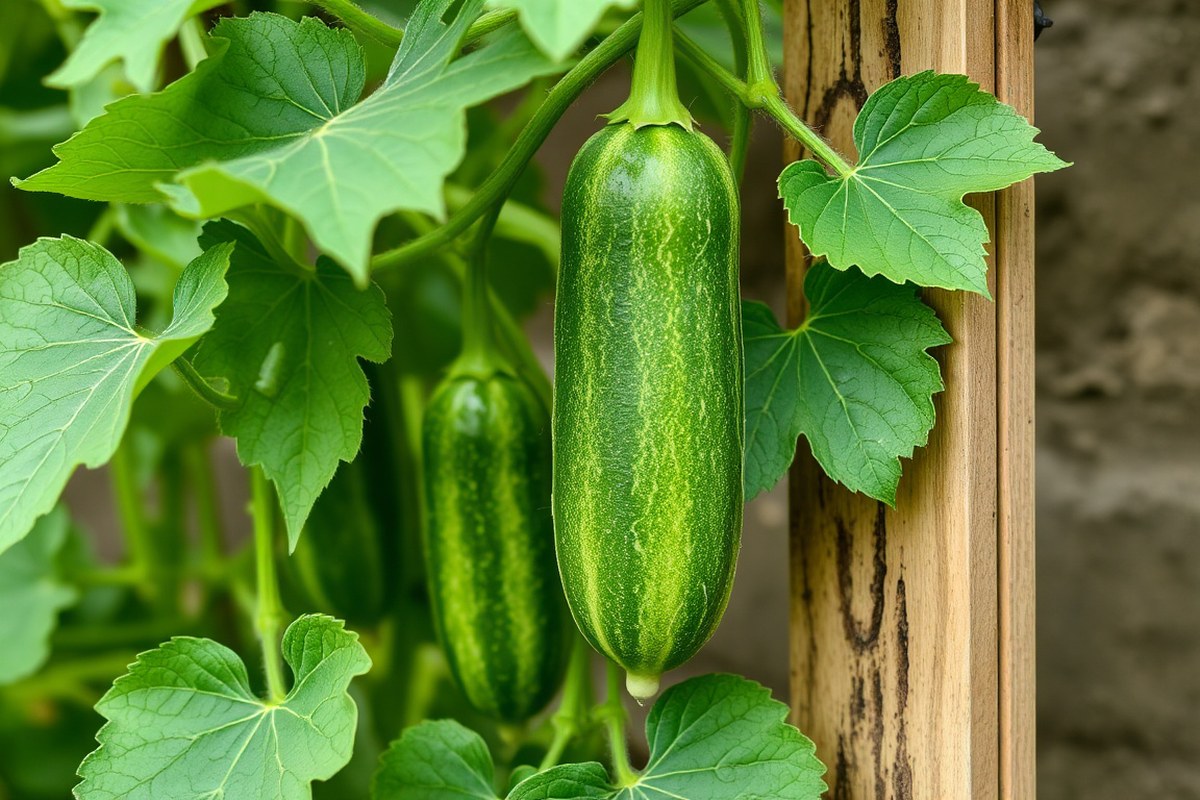
Cucumbers do not always need a trellis to grow. Bush cucumber varieties are compact plants. They grow 18 to 30 inches long.
These types do well without support. Bush Pickle, Spacemaster, and Patio Snacker are examples.
They suit containers or small garden beds. You don’t need a trellis for them.
Vining cucumbers, like Marketmore and Straight Eight, need space. They grow 5 to 8 feet tall. Use a strong trellis for best results.
They naturally climb and produce more fruit when supported. Without a trellis, vines sprawl on the ground.
This makes harvesting harder. Fruit may rot or grow misshapen.
Decide based on your cucumber type. Pick bush varieties to skip the trellis. Or use a small 3-foot support.
This keeps fruit off damp soil. For vining cucumbers, build a sturdy trellis first. Make it 4 to 6 feet tall.
Do this before planting. This helps the vine climb and stay healthy. Space plants 6 to 12 inches apart near the trellis base.
Tie vines softly to the trellis to guide growth. This helps prevent damage. It keeps the plants neat.
2. How Tall and Sturdy Should a Cucumber Trellis Be?
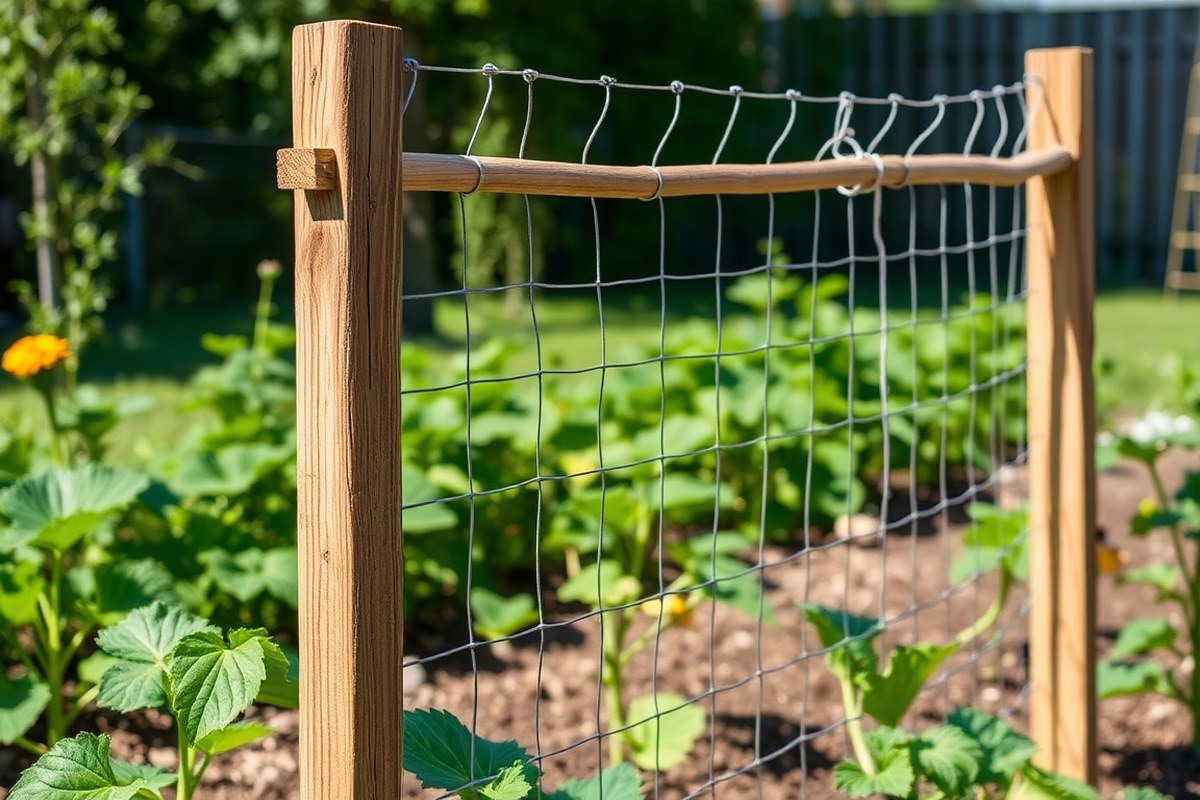
Cucumber trellises should stand about 5 to 6 feet tall, depending on your cucumber variety. Vining types need taller trellises, up to 6 feet, for full growth. Bush varieties can manage with less support.
The trellis must hold the vine’s weight as it grows. It needs to be strong enough to support the fruit. A weak trellis may collapse under the weight.
Matching Trellis Height to Cucumber Variety
Look at your cucumber variety to choose trellis height. Vining cucumbers grow longer than 3 feet.
So plan for a trellis around 5 to 6 feet tall. This matches the vine length and keeps fruits within easy reach.
Bush cucumber types stay shorter and spread near the ground. These only need a short trellis or can grow without one.
Avoid tall trellises if mostly growing bush types. It wastes space and makes harvesting awkward.
Building a Sturdy Trellis That Lasts
Your trellis should handle the weight of leaves, vines, and fruit without wobbling. Use strong posts like wooden stakes or metal poles. They should be 6 feet tall and planted firmly in the ground.
Make sure they stand straight and sturdy. Secure wire or netting tightly to provide solid grasp points for tendrils.
Test stability by gently shaking the trellis before growing cucumbers on it. A sturdy trellis will barely move.
Flimsy frames can break or lean, risking plant damage and early fruit drop. Investing $20 to $50 on heavy-duty materials can save time and frustration.
Location and Sunlight Impact Trellis Setup
Choose a sunny spot with 4 to 6 feet of vertical space for your trellis. Cucumbers love full sun, so avoid shaded areas that stunt growth. Place trellises away from dense trees or structures that block light.
Make sure the trellis height fits your garden space too. A 6-foot trellis may not work under low overhead lines or limited garden height. Adjust your trellis size to fit both plant needs and site constraints.
Too Tall or Too Weak: Signs to Adjust Trellis
Trellises taller than 6 feet become hard to harvest. You’ll strain to reach cucumbers near the top and may miss some fruit. Keep height below 6 feet to keep picking comfortable and efficient.
Weak trellises bend or lean under the weight of a fully grown cucumber vine. That’s a sign to strengthen posts or tighten supports. Avoid lightweight nets or thin sticks that can snap when fruit grows.
Push posts deep into the soil for good support. Attach netting tightly to prevent wobbling. This helps the trellis hold heavy cucumber vines.
3. Types of Cucumber Trellises and Which Work Best
Choosing the right trellis depends on your garden size and cucumber type. Vertical wire mesh, A-frame, and cattle panel trellises each suit different needs. Your choice affects cucumber growth, yield, and ease of harvest.
Vertical Wire Mesh Trellis Benefits and Drawbacks
A vertical wire mesh trellis saves horizontal space. You can use metal mesh panels or sturdy wire for a strong frame. This setup supports heavy cucumber vines well and keeps fruit off the ground.
Harvesting becomes easier because cucumbers hang visibly along the mesh. Metal trellises last longer but cost more upfront and can be harder to move. They also require secure anchoring to prevent tipping in wind.
A-Frame Trellis for Cucumber Support
The A-frame fits medium gardens and provides easy access to cucumber fruits. It often uses 1″ x 2″ wooden boards or bamboo poles for structure. This trellis tilts open for storage and lets cucumbers grow up both sides.
This design lets you reach the fruit without bending too much. It’s less bulky than cattle panels but takes up more width than vertical meshes. You can build one within a weekend using common lumber or bamboo.
DIY Bamboo Teepee and Cattle Panel Arch
A bamboo teepee trellis is great for small spaces like balconies or patios. Use 3 to 5 bamboo stakes tied at the top and set in a large container. This simple vertical support suits one or two cucumber plants without extra footprint.
Cattle panels make sturdy arches that handle very heavy vines and multiple plants. The panels are metal, about 16 feet long, and can be bent into an arch shape. They are ideal if you want a strong fixture that supports many cucumbers at once.
Both teepees and cattle panels are affordable options. Bamboo costs less but requires replacing every few years. Cattle panels are pricier but last longer and hold more weight.
Here’s a comparison of common trellis types for cucumbers:
| Trellis Type | Materials | Space Usage | Supports Heavy Fruit? | Best For | Cost Estimate | Longevity |
|---|---|---|---|---|---|---|
| Vertical Wire Mesh | Metal mesh or wire | Very compact (vertical) | Yes | Small to medium gardens, heavy vines | $$-$$$ | 5+ years (metal) |
| A-frame Trellis | Wood boards or bamboo poles | Moderate width, vertical | Moderate | Medium gardens, easy harvest | $-$$ | 3-5 years (wood/bamboo) |
| Bamboo Teepee | Bamboo stakes | Minimal footprint | Limited (single plant) | Balconies, patios, small spaces | $ | 2-4 years (bamboo) |
| Cattle Panel Arch | Metal cattle panel | Wide, covers garden bed | Yes | Large gardens, multiple plants | $$$ | 10+ years (metal) |
This table helps match your needs with trellis options. Vertical meshes work best if space is tight. A-frames are a good middle ground.
Bamboo teepees suit very small spots. Cattle panels fit larger areas with heavy harvests.
4. When and How to Train Cucumbers Onto a Trellis for Best Results
Start training cucumber vines when they grow 6 to 8 inches tall. At this point, they show their first true tendrils. That’s the best time to begin guiding them.
Gently guide the vines toward the trellis, securing them with soft ties or twine as needed. Regularly check and adjust the vines to keep them climbing properly and avoid damage.
Identifying First True Tendrils for Training Start
The first true tendrils look like small, curly appendages near the vine tips. These tendrils will latch onto any support they find, helping the vine climb. Once these tendrils appear, the vine is ready to start climbing the trellis.
Wait until your cucumber plants reach the 6-8 inch height before training. Starting too early can damage young vines and stunt growth. Early training lets you direct growth and prevent sprawling.
Using Twine or Clips to Secure Vines
Use soft garden twine or plant clips to loosely tie the vines to the trellis. Do not tie too tight; vines need room to grow and twist. Secure ties every 6 to 12 inches along the vine to provide stable support.
Let the vine tendrils do most of the climbing. You only need to help with twine when the vines don’t reach supports or start drooping. Use soft fabric strips or flexible plant clips to avoid damaging the stems.
Regular Maintenance and Retraining Tips
Check cucumber vines every 2 to 3 days during their peak growing season. Add extra horizontal tie points as vines get longer and heavier. Prune any side shoots that don’t contribute well to upward growth.
Reposition or add ties if vines loosen or grow sideways away from the trellis. This keeps cucumbers off the ground and improves air circulation. Watch for any signs of broken or damaged vines and fix them quickly.
Follow these steps for effective cucumber vine training on a trellis:
- Plant cucumbers at the base of a sturdy trellis after soil warms.
- Wait until plants reach 6-8 inches tall with visible tendrils.
- Gently direct vines toward the trellis using your hands.
- Secure vines loosely with soft ties, twine, or clips every 6-12 inches.
- Let tendrils grab the trellis naturally as the vines grow.
- Add more ties every 2-3 days during rapid growth phases.
- Prune excessive side shoots that spread outward rather than upward.
- Maintain support and adjust ties to prevent vine breakage or sagging.
5. How Trellising Improves Cucumber Yield, Quality, and Disease Control
Using a trellis can nearly double your cucumber yield per square foot. The vertical space lets vines grow up, not out. This focuses the plant’s energy on fruit production, giving you more cucumbers from less ground.
Trellises improve air circulation around the plants. Better airflow cuts down on powdery mildew and other fungal problems.
When leaves dry faster, fungi have less chance to spread. Dry leaves also discourage pests that like damp spots.
The shape and cleanliness of cucumbers improve on a trellis. Gravity pulls cucumbers downward, so fruits grow straighter and don’t bend. Hanging fruits stay off the soil, so they stay clean and avoid rot.
This makes harvesting easier. You can spot the cukes quickly without crawling through tangled vines.
Good sunlight exposure is another upside. Trellised vines spread out, so leaves get even light.
More light means stronger plants and better fruit development. Also, watering at the base of a trellised plant keeps leaves dry, further reducing fungal risks.
Space plants well on your trellis to allow good airflow. This helps sunlight reach all leaves. Proper spacing keeps plants healthy and growing strong.
Plants benefit the most when you train their vines early to climb the trellis. Keep the main stem clear to focus the plant’s strength on new fruit.
Remove some older leaves if they block sunlight or reduce airflow. But avoid stripping too much foliage.
While trellising takes some setup and regular care, the payoff is healthy plants and bigger harvests. It works well whether you use a large garden bed, raised beds, or containers. Keep your trellis strong enough to support growing vines.
Adjust plants as they climb for better growth. A sturdy trellis helps prevent damage and breakage.
6. Spacing and Planting Tips for Cucumbers Grown on Trellises
Plant cucumber seeds 12 inches apart at the base of your trellis. Space the trellis supports 2 to 3 feet apart to avoid crowding. This setup lets each vine get enough room to grow up without tangling with neighbors.
These plants need full sun. So pick locations with at least 6 to 8 hours of direct light daily.
Without enough sun, cucumbers struggle to produce many fruits. Soil should be loose, well-draining, and rich in organic matter for best growth.
You can grow cucumbers in containers if the pot is large enough. Use about 5 gallons of soil per plant. This gives the roots plenty of space to grow.
Use rich potting soil and keep it evenly moist but not soggy. Make sure your container sits where the plants get plenty of sun.
Space cucumber plants 1 foot apart on the trellis. Set trellis supports 2 to 3 feet apart. This helps the vines climb well and stay strong.
Make sure the trellis is near the seeds when planting. So vines climb right away. Avoid crowding to reduce disease risk and improve airflow.
7. Common Mistakes with Cucumber Trellises and How to Fix Them
Vines often fall off trellises because the structure is unstable or too smooth. Thin wires or slick surfaces don’t give the vines enough grip. Your trellis must be firmly planted to avoid toppling in wind.
A short or weak trellis makes plants sprawl on the ground. This invites pests and disease to attack your cucumbers. The trellis must hold the vine weight well to avoid bending.
Otherwise, it might collapse under pressure. This ruins your cucumber harvest and makes cleanup harder at season’s end.
Secure your trellis to avoid these problems. Drive stakes deep into the soil for a strong trellis base. Or attach the trellis to a sturdy fence or wall.
These supports hold the weight better. In hot climates, don’t use thin metal wire for climbing. It gets hot and can burn the vines.
- Use sturdy wood or thick plastic netting for better grip and support.
- Set up the trellis right when cucumbers start to grow to keep vines neat.
- Fasten the base of the trellis with metal stakes or concrete footings if needed.
- Tie vines loosely with soft garden twine to guide their climb without damage.
- Check trellis stability after strong winds or heavy rain.
- Avoid using thin wires that bend or heat up in full sun.
Loosely tying vines helps them climb without breaking or twisting. Check your trellis every week and fix any loose parts or leaning frames. A simple adjustment early on can prevent a big mess later.
8. Can Cucumbers Share a Trellis with Other Plants?
Cucumbers and tomatoes can share a trellis, but they compete for space and light. Both plants climb and spread, so crowding can cause shading and slow growth. Planning enough room helps keep both healthy and productive on the same trellis.
Leave at least 12 to 18 inches between cucumbers and tomatoes on the trellis. This spacing lets the vines climb without twining too tightly. Train cucumbers upward by tying young vines gently to the trellis.
Weave the vines through the trellis as they grow. This helps them climb well and stay healthy. Tomatoes also need support but focus on keeping their branches away from cucumber leaves.
Sharing a trellis can save space in a small garden. However, cucumbers grow faster and can shade tomatoes if not watched closely. Tomatoes have fuzzier leaves and stay thicker, which can block air and sunlight for cucumbers.
Watch air flow by pruning tomato suckers regularly. Tie plants apart to stop moisture buildup. This lowers the risk of diseases.
Check your plants weekly when sharing a trellis. Adjust ties and prune if one plant starts to smother the other.
Both crops have different nutrient needs. So fertilize carefully to avoid one overtaking the other. Feeding cucumbers with a balanced fertilizer and tomatoes with a higher phosphorus mix works well.
Indoor trellises or raised beds need care too. Keep cucumber vines separated. Make sure air flows well between plants.
This setup takes patience and weekly attention but uses less ground space. Your garden may be tight on space. Use a strong trellis with wide mesh to share.
Prune and space plants to keep them healthy. Keep both crops healthy by giving enough light and air.
Let cucumbers and tomatoes climb side by side. Prune and space plants for best growth.
Step-by-Step Action Plan for Trellising Cucumbers
Follow these steps to set up and maintain a strong trellis for your cucumber plants. You’ll see better growth and bigger yields by keeping your vines off the ground.
- Before planting: Pick a trellis that is at least 5 feet tall. Make sure it is strong enough to hold heavy vines. Make sure it’s secure in the soil.
- Planting day: Plant cucumber seeds or seedlings 12 to 18 inches apart. Put them along the base of your trellis. This prevents crowding.
- Week 1: As young vines appear, gently guide them toward the trellis. Use soft ties if needed to help them grab on.
- Weeks 2-4: Regularly check the vines and continue directing any new growth onto the trellis. Remove extra side shoots to avoid overcrowding.
- Once fruit appears: Support heavy clusters with additional ties or slings to prevent breakage. Keep an eye out for crowded spots.
- Every week: Inspect plants for disease or pests since trellising improves airflow. Remove any diseased leaves promptly.
- At harvest: Pick cucumbers early when they are firm and bright. Harvesting often encourages more fruit production.
- End of season: Remove old vines and clean the trellis. This helps prevent bugs and disease next season.
Frequently Asked Questions
Can Cucumbers Grow Well Without Any Support?
Cucumbers can grow unsupported but tend to spread out on soil. This can cause more damage and disease compared to growing them on a trellis.
What’s the Best Material for Building a Cucumber Trellis?
Strong materials like wood or metal work best for cucumber trellises. They hold the weight and withstand weather better than flimsy plastic or wire.
How Often Should I Prune Cucumber Vines on a Trellis?
Prune cucumber vines once a week to keep the plant manageable. Regular pruning helps air flow and sunlight reach the fruit.
Can I Use a Trellis from Other Vine Plants for Cucumbers?
Yes, trellises used for peas or squash can work for cucumbers. Just ensure the trellis is sturdy enough for the cucumber vines’ size.
Is It Necessary to Water Cucumbers Differently When Trellised?
Trellised cucumbers often dry faster, so they might need more frequent watering. Check soil moisture regularly to avoid drought stress.
What Signs Show My Cucumbers Need Better Trellis Support?
Heavy sprawling vines or fruits on soil show the trellis might weaken. Upgrade to taller or sturdier support for healthier plants.
Wrapping Up
Cucumbers don’t have to grow on a trellis. But using one really helps them thrive. Build a simple, tall structure and train your vines early for best results.
Set up your trellis before planting your cucumbers. This helps them grow strong and produce more fruit.


