How to Grow Tomatoes from Seeds: A Complete Guide for Beginners
Wondering how to grow tomatoes from seeds? Start them indoors about 6 to 8 weeks before your last frost date. This timing gives seeds enough warm, stable conditions to sprout and grow strong seedlings.
Begin by soaking your tomato seeds in lukewarm water overnight to encourage germination. Seeds usually pop up within five to ten days when kept cozy at around 70°F. After sprouts appear, turn off heat mats.
Seedlings grow better in cooler rooms. Aim for about 65°F room temperature.
Choose containers with drainage and use light, seed-starting soil for best results. Keep the tiny plants misted daily but avoid soaking to prevent rot.
When seedlings have two or three true leaves, they are ready. Move them outside if nights stay above 60°F. Make sure the temperature stays warm enough at night.
Key Takeaways
- Start tomato seeds indoors 6-8 weeks before the last frost in your area.
- Soak seeds in lukewarm water for 12 to 24 hours before planting.
- Maintain a warm 70°F for germination, then cool seedlings to 65°F.
- Use containers with good drainage and seed-starting mix for planting.
- Mist seedlings daily but don’t overwater to avoid damping off disease.
- Wait to transplant tomatoes outdoors until nights are above 60°F consistently.
How to Start Tomato Seeds Indoors Successfully
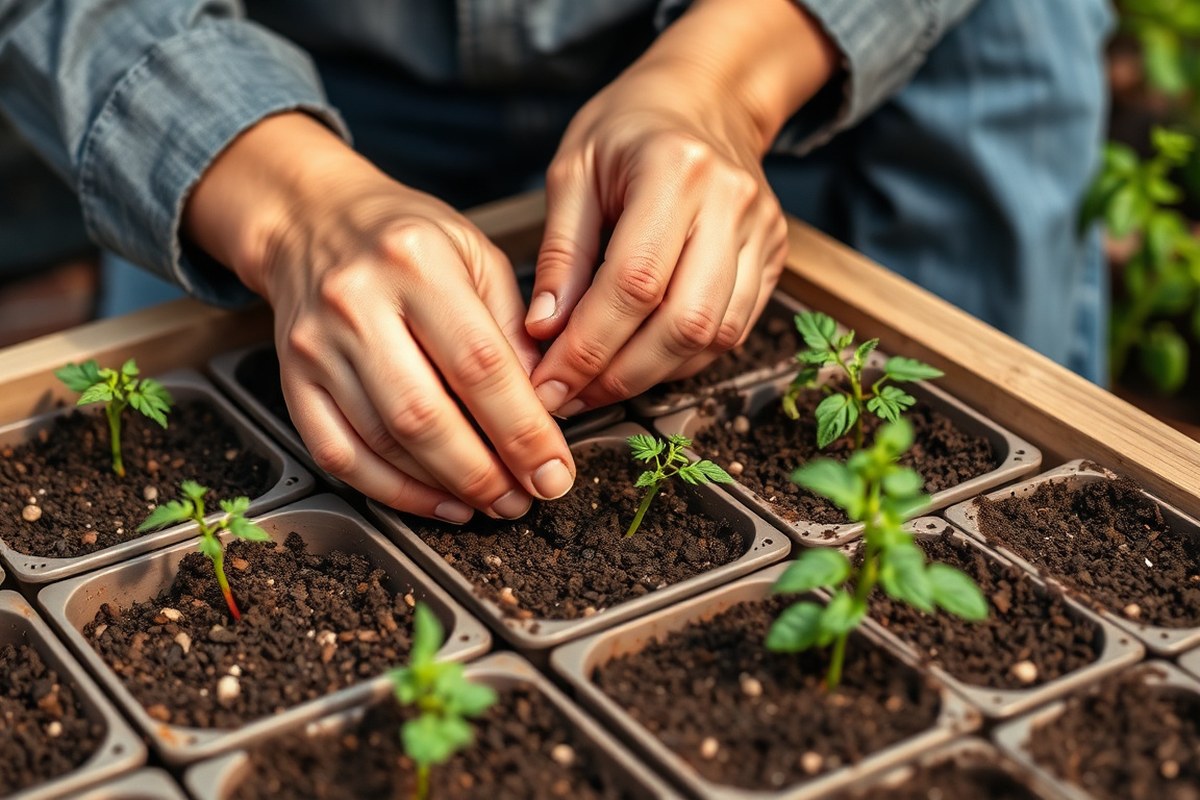
Starting tomato seeds indoors gives you a jump on the growing season. Seeds need warm soil, the right depth, and gentle care to sprout healthy seedlings. Use containers with good drainage and soil that holds moisture but drains well.
Tomato seeds should sit in lukewarm water about 12 to 24 hours before planting. This softens their coat and helps them germinate faster. Plant seeds 1/4 inch deep in seed-starting mix, which is lighter and finer than garden soil.
- Soak your tomato seeds in lukewarm water for 12 to 24 hours. This jumpstarts germination and improves sprout rates.
- Fill shallow containers or seed trays with seed-starting mix. It should be moist but not soggy.
- Plant 2 to 3 seeds per cell or spot. Bury them about 1/4 inch deep. Use soil to cover the seeds evenly.
- Cover the seeds lightly with more seed mix, pressing down gently but not compacting.
- Place containers in a warm spot, ideally 70 to 75 degrees Fahrenheit, to promote quick germination.
- Cover with a humidity dome or plastic wrap to keep moisture in while seeds sprout.
- Check daily and keep the soil moist by misting or gentle watering. Avoid soaking the soil.
- Move containers to a bright window or under grow lights once seedlings appear. Remove covers carefully at this stage.
Warm soil is key during germination. So a heat mat helps if your home is cool. Avoid planting seeds deeper than 1/4 inch; too deep slows germination.
Using seed-starting mix ensures good drainage and root health. Planting 2 to 3 seeds per spot gives you backups in case some don’t sprout.
Water gently to keep the soil moist, not soggy. Overwatering can cause mold or rot.
Seeds usually sprout in 5 to 10 days at 70-75°F. When seedlings emerge, they’ll need light but don’t expose them to direct hot sun yet. This routine sets the stage for strong tomato plants.
Choosing the Best Tomato Varieties for Seed Starting

You can grow many tomato varieties from seeds. Choosing the right kind affects your harvest size, timing, and effort. Your choices boil down to determinate or indeterminate types.
You also choose heirlooms or hybrids. Think about what fits your space and season.
Determinate vs Indeterminate Varieties
Determinate tomatoes grow to about 3, 4 feet tall, then stop. They produce fruit all at once over 2 to 4 weeks. Indeterminate tomatoes keep growing and producing fruit all season.
Determinate types suit containers or small gardens best. Indeterminate plants need staking and large pots about 15 gallons or more to grow well. Growing habits affect when and how much fruit you get.
| Feature | Determinate | Indeterminate |
|---|---|---|
| Growth Height | 3, 4 feet | Can exceed 6 feet |
| Fruit Production | All at once (2, 4 weeks) | Continuous through season |
| Pot Size | Minimum 10 gallons | Minimum 15 gallons |
| Best For | Containers, limited space | Longer seasons, large gardens |
Knowing these traits helps you plan your garden size and timing. Smaller spaces or beginner gardeners often start with determinate types. They need less support and have a shorter harvest window.
Heirloom vs Hybrid Tomato Seeds
Heirloom tomatoes are open-pollinated plants kept true for many generations. Most heirlooms are indeterminate and prized for flavor and variety. Hybrids cross-breed two varieties for traits like disease resistance or faster growth.
Heirloom seeds let you save your own seeds for next season. However, heirlooms can be more delicate and slower to mature. Hybrids often produce more uniform fruit and can handle tough growing conditions better.
Beginners might find hybrids easier due to their vigor and disease resistance.
Varieties Best for Containers
Determinate tomato plants grow well in containers 10 gallons or larger. Indeterminate tomatoes need pots at least 15 gallons and strong staking. Cherry tomato varieties, often indeterminate, tolerate containers well and produce fruit continuously.
Look for compact or bush varieties like ‘Patio’ or cherry types for balcony or porch gardening. Starting with these saves space and makes watering and care simpler. Containers also require frequent watering compared to garden beds.
Varieties for Long vs Short Growing Seasons
Longer seasons let you grow indeterminate tomatoes or slow-maturing heirlooms. They take 60 to 100 days to ripen fruit from transplant.
Have a short season? Choose varieties maturing in 55 to 60 days.
Early maturing tomatoes give you a harvest before frost or heat ends growth. Use seed packets to check days to maturity and match these to your area’s frost dates. Picking the right varieties avoids losing fruit to weather.
Caring for Tomato Seedlings Until Transplant
Tomato seedlings need steady care every day to grow strong. Give them enough light, water moderately, and start light feeding once true leaves appear. Thinning crowded seedlings prevents weak plants, and regular checks help catch pests early.
Lighting Requirements for Seedlings
Seedlings grow best with 12 to 16 hours of light daily. Use LED grow lights or fluorescent shop lights instead of relying on windows. These lights should stay about two to three inches above the seedlings.
Too little light makes seedlings tall and leggy, which weakens them. When the light is strong and close, seedlings stay compact and sturdy. Set a timer for your lights to maintain a consistent schedule.
Watering Frequency and Amount
Water tomato seedlings only when the top half-inch of soil feels dry. Avoid keeping soil soggy to stop diseases and root problems. Use a spray bottle or gentle watering can for watering.
This stops washing away seeds or young roots. It protects delicate plants early on.
As seedlings grow, reduce watering frequency but water more thoroughly. Inconsistent watering can cause calcium deficiency, which leads to blossom end rot later on. Better to water less often but deeply.
- Check soil moisture daily with your finger
- Water in the morning to let soil dry by evening
- Use room temperature water to avoid shocking roots
- Keep drainage holes open for excess water runoff
This helps seedlings develop strong roots and avoids common problems.
Fertilizing Seedlings Safely
Start fertilizing only after seedlings have their first set of true leaves. Use a weak fertilizer solution, about one-quarter strength of regular fertilizer. Apply it once a week to avoid burning young roots.
Use a balanced liquid fertilizer with equal nitrogen, phosphorus, and potassium. Fertilizing encourages healthy leaf and root growth before transplant. Stop fertilizer a few days before moving seedlings outdoors to avoid shock.
Thinning and Potting Up
Thin seedlings about 2 to 3 weeks after they sprout. They should be 3 to 4 inches tall by then. This step helps healthy growth and space.
Remove the weaker seedlings gently at soil level so the strongest ones have room to grow. Thinning helps reduce competition for light, water, and nutrients.
After thinning, pot up seedlings into bigger containers if needed. This gives roots more space and reduces the risk of damping-off disease. Use fresh potting mix, and water lightly to settle soil around roots.
When and How to Transplant Tomato Seedlings Outdoors
Tomato seedlings should go outside after the soil warms above 60°F. Make sure all frost danger has passed first. This helps young plants survive the cold. Nighttime temps above 50°F must be steady.
So wait about two weeks after your last frost date. This timing helps seedlings avoid cold stress and thrive in warm soil and air.
Choose a planting spot that gets a minimum of 6 hours of direct sun, ideally more. Tomatoes need full sun to develop strong stems and ripe fruit.
The soil should be well drained yet able to hold some moisture. So avoid low spots where water collects.
Loosen the soil well before planting your tomato seedlings. Mix in compost or aged manure. This adds nutrients and improves soil texture.
This boosts soil fertility and drainage. Plant seedlings deeper than they grew in their pots, covering part of the stem. This encourages extra roots and stronger plants.
- Water tomato seedlings well an hour before transplanting
- Handle seedlings gently by their leaves, not stems
- Dig holes about twice the pot size, spacing 18-24 inches apart
- Set plants deep, burying lower stems up to the first leaves
- Firm soil gently around roots but don’t pack it hard
- Water seedlings immediately after planting to settle soil
- Mulch around plants to keep soil moist and cool
Hardening off your seedlings beforehand lowers transplant shock by adjusting them gradually to outdoor conditions. Move plants outside for increasing hours over a week, avoiding wind or hot sun at first.
Transplant shock slows growth and risks plant health. So take time to prepare for the change.
Keep an eye on the weather and soil temperature before planting to ensure optimal timing. Too cold soil or sudden exposure can stunt the seedlings. Healthy transplants show quick leaf growth and stand upright soon after going outside.
Hardening Off Tomato Seedlings Properly
Hardening off means slowly adjusting your tomato seedlings from indoors to outside. You do this to help them handle outdoor sun, wind, and cooler temperatures. This process usually takes 7 to 10 days just before planting.
Day-by-Day Hardening Off Schedule
Begin by placing seedlings outside in a sheltered spot for a short time. Gradually increase time and exposure during the next days. Avoid sudden changes in weather or direct, harsh sun at first.
- Start with 1 to 2 hours outside in morning shade on day one.
- Increase outdoor time by 1 or 2 hours daily on days two and three.
- Introduce morning sun exposure around day four but avoid strong afternoon sun.
- By day five, allow seedlings to spend 5 to 6 hours outdoors, including light breeze.
- From day six to eight, increase sun exposure and outdoor time to full days.
- On days nine and ten, keep seedlings outside all day. Protect them overnight if temperatures stay above 50°F.
Never leave seedlings outside unattended on cold or very windy days.
Ideal Outdoor Conditions to Introduce
Only start hardening off when daytime temperatures reach 50°F or higher. Choose calm days without strong winds or heavy rain. Morning light is best to avoid stressing the plants with intense afternoon sun.
Wind, sun, and cooler outdoor temps are the main challenges for seedlings. By exposing plants slowly to these, they build stronger stems and tougher leaves. Avoid moving seedlings outside too long initially.
Protecting Seedlings from Wind and Sun
Wind can dry out and damage young tomato leaves quickly. Put seedlings near a wall, fence, or under a tree.
This helps block strong gusts near the ground. Use a light cloth or shade cover during the midday heat.
Direct sun exposure can cause leaf burn or slow growth. Shade your seedlings with garden fabric or a thin cloth.
Do this for the first few days in full sun. Remove the shade gradually to help leaves develop natural protection.
Recognizing and Preventing Transplant Shock
Wilting, yellowing, or slow growth indicate transplant shock or stress from hardening off. Keep watering steady and avoid exposing seedlings to extreme shifts in temperature or sun. Do not plant too early in cold soil.
Stress signs usually show within the first week after transplant. Seedlings looking weak need less sun and more partial shade time.
Reduce how long you leave them outside. Proper hardening off helps seedlings stay strong and ready for planting into your garden.
Watering and Fertilizing Tomato Seedlings and Young Plants
Tomato seedlings need consistent moisture, but avoid overwatering. You should water them daily, providing about one cup (240 ml) of water per small seedling. Keep the soil damp, not soaking wet.
Wet soil can cause root rot. It also leads to damping off.
Water the seedlings at their base. Use a small watering can or clean teapot. Make sure it has a narrow spout.
This method directs water to roots and avoids wetting leaves, which can cause fungal diseases. Use a 6-inch pot sunk beside the plants.
This delivers water straight to the roots. It helps water absorb better.
Start fertilizing when seedlings develop their first true leaves, usually around two weeks after germination. Use a balanced, water-soluble fertilizer with equal parts nitrogen, phosphorus, and potassium (like a 10-10-10).
Dilute it to half strength to avoid burning the young roots. Feed them every 7 to 10 days for steady growth.
As seedlings grow bigger and develop several sets of leaves, increase water slightly. Larger plants need about 1 to 1.5 cups (240 to 360 ml) of water each day, depending on indoor heat and humidity. Slowly increase fertilizer strength after four weeks.
Aim for full recommended strength then. This helps roots and leaves grow.
Watch seedlings closely for signs of overwatering like yellowing leaves or wilting despite moist soil. Underwatering shows as dry soil and drooping plants. Check soil moisture by sticking your finger in the soil.
One or two inches deep is best. Adjust watering based on what you feel.
Young tomato plants need nitrogen for leaves. They need phosphorus for root growth. Potassium helps their overall health.
Feeding on schedule helps them develop strong stems and leaves before transplanting. Skipping or delaying fertilizer causes weak, leggy seedlings that struggle outdoors.
Common Challenges When Growing Tomatoes from Seed
Poor germination often happens when tomato seeds get too cold or too wet. They need steady warmth between 65° and 85°F to sprout well. Use a spray bottle to mist soil lightly every day.
Avoid soaking the soil. Too much water can rot the seeds or stop them from growing.
Leggy seedlings mean your plants stretch toward weak light. This usually happens if you start seeds too early or with not enough light. Move seedlings closer to a sunny window or use a grow light.
Keep lights 2 to 3 inches above seedlings. Turn them on for 12 to 16 hours each day. This helps stems stay short and strong.
Pests like fungus gnats can appear in damp soil. They fly around seedlings and lay eggs. To stop them, let the soil dry between waterings, and avoid overwatering.
Using sticky traps near your seedlings can catch adult gnats. Seedlings wilting or turning yellow?
Check soil moisture. Water less to avoid overwatering.
Damping off is a common disease causing seedlings to wilt and collapse. It comes from poor airflow and overly moist conditions. Running a small fan near seedlings improves air circulation.
Also, use clean containers and fresh soil. Spot thin, black stems near soil?
Remove those seedlings right away. This protects the rest.
Signs of overwatering include yellow, weak leaves and soft stems. Nutrient deficiency might look like pale or spotted leaves. Use good seed-starting soil with nutrients already added.
Once seedlings have two sets of true leaves, start feeding them. Use a diluted, balanced liquid fertilizer. Feed them once a week.
Fusarium and verticillium wilt can kill tomato plants fast. Choose disease-resistant cultivars to avoid these.
Crop rotation helps, too, don’t plant tomatoes in the same spot year after year. Keep your garden clean and remove old plant debris to reduce disease chances each season.
How to Choose the Right Containers and Soil for Seed Starting
Choose containers with drainage holes to prevent water buildup. Seed-starting trays, small pots, or peat pellets work well indoors. Containers should be about 2 to 3 inches deep to support root growth without wasting space.
Good drainage keeps seeds from rotting in soggy soil. Drill small holes in the bottom if your containers don’t have any. Place trays on a shallow tray to catch water and avoid mess.
| Container Type | Size (Depth) | Drainage | Use |
|---|---|---|---|
| Seed-starting tray | 1.5-2 inches (cells) | Yes, built-in | Multiple seedlings spaced out |
| Small nursery pots | 2-3 inches | Yes, holes at bottom | Individual seedlings, spaced |
| Peat pellets | About 1.5 inches expanded | Usually yes, self-contained | Single seeds, easy transplant |
| Plastic cups (DIY) | 3-4 inches | Add holes if none | Cost-effective individual pots |
Use a seed-starting mix designed for germination, not regular potting or garden soil. These mixes are lighter and drain faster, letting seeds sprout easily. Avoid garden soil since it may contain diseases or weed seeds harmful to seedlings.
Seed-starting mix usually costs about $8 to $15 per bag covering several trays. Moisten the mix before filling containers, leaving about ½ inch of space at the top. Plant two or three seeds in each cell or pot.
Cover seeds lightly with seed-starting mix. Make sure the soil covers seeds but don’t bury too deep.
Never reuse garden soil for seed starting, as it can carry diseases harmful to young seedlings.
Using proper containers with good drainage and seed-starting mix encourages faster germination and healthier seedlings. Avoid dense or waterlogged soil to prevent root rot and poor seed growth. Use containers that have drainage holes to keep water flowing.
Right soil mixes hold both air and moisture nicely. These help roots grow strong and steady.
Step-by-Step Action Plan for Growing Tomatoes from Seeds
Follow this plan to grow tomato plants from seeds with confidence. Each step tells you what to do and how to check if it’s working.
- Before you start: Choose tomato varieties suited for your area and space. Pick seeds from reliable sources to ensure good germination.
- Day 1: Plant seeds ¼ inch deep in moist seed-starting soil. Cover lightly and keep soil warm, near 70, 75°F for best sprouting.
- Day 7, 14: Watch for seedlings to appear. The soil should stay moist but not soggy. Check if leaves are green and stems are standing tall.
- Week 3: Thin seedlings by snipping the weakest ones at soil level. This keeps the strongest plants for better growth.
- Week 4: Give seedlings 12 to 16 hours of light every day. Use grow lights or put them by a bright window. This helps seedlings grow strong and healthy. This stops them from stretching and looking leggy.
- Week 5: Start feeding seedlings with a diluted fertilizer, about half strength. Look for steady new leaves and firm stems to know it’s working.
- Week 6: Begin hardening off seedlings by placing them outside for a few hours a day. Increase time outdoors steadily over 7, 10 days.
- After hardening off: Plant seedlings outdoors in the garden or larger containers. Check for wilting or leaf yellowing as signs they need more care.
Frequently Asked Questions
How Long Does It Take for Tomato Seeds to Germinate?
Tomato seeds usually germinate in 5 to 10 days. Keep the soil moist but not soggy and maintain around 70°F to help sprouting.
Can You Grow Tomatoes from Seeds Saved from Store-Bought Tomatoes?
Growing tomatoes from store seeds is possible but often unreliable. Many store tomatoes are hybrids, so seeds may not produce true-to-type plants.
What Is the Best Light for Tomato Seedlings?
Tomato seedlings need 12 to 16 hours of bright light daily. A sunny south-facing window or fluorescent grow lights work well.
Can You Start Tomato Seeds Directly in the Garden?
Tomato seeds can be sown outdoors in warm soil after all frost risks pass. Indoor starts give plants a stronger head start.
Should You Pinch Off the First Flowers of Tomato Seedlings?
Pinching off the first flowers helps seedlings grow stronger and produce more fruit later. Wait until the plant is at least 6 inches tall.
How Deep Should Tomato Seeds Be Planted?
Plant tomato seeds about ¼ inch deep in seed-starting mix. Planting too deep can slow germination or cause seed rot.
Before You Go
Growing tomatoes from seeds needs some care, but it’s worth the wait. Take one step today by planting your seeds in good soil. You’ll soon see green shoots that start your tasty harvest.