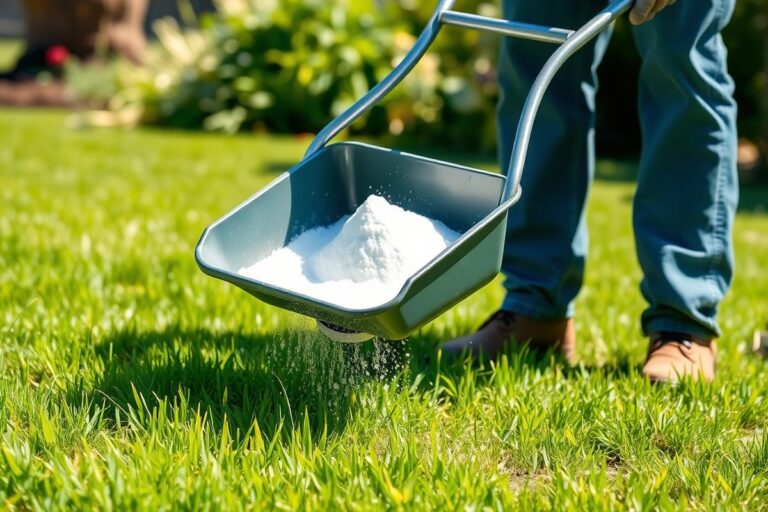
Is Chicken Manure Good for Gardens? A Complete Guide with Proven Tips
Is chicken manure good for gardens? Yes, it can really boost your garden’s soil and plant health.
Chicken manure is rich in nitrogen, phosphorus, and potassium. These nutrients help plants grow strong and produce more fruit or flowers.
Chicken manure also improves soil texture and moisture retention. It adds organic matter that feeds beneficial microbes in the soil. This makes your garden soil healthier over time.
Using chicken manure properly matters a lot. Fresh manure is too strong and can burn plants. Composting it first makes it safe and more effective.
Start by composting chicken manure for at least six months until it’s dark and crumbly. Then spread it evenly over your garden beds and mix it well into the soil. This helps nutrients reach the roots and prevents damage to plants.
Key Takeaways
- Compost chicken manure for 6, 12 months before using it in your garden.
- Apply roughly 15 to 20 pounds of well-rotted chicken manure on every 100 square feet of soil.
- Mix chicken manure into the soil 4-6 inches deep to improve nutrient uptake.
- Fresh chicken manure can burn plants; always compost or age it first.
- Aim for 5-10% chicken manure in your total compost mix for balance.
- Keep your manure compost between 130°F and 150°F to kill harmful pathogens.
Is Chicken Manure Beneficial for Garden Soil and Plants?

Chicken manure is a great fertilizer for gardens because it has a rich nutrient profile. It supplies a lot of nitrogen, phosphorus, and potassium. Plants need these nutrients for growth, flowering, and root development.
Chicken manure has more nutrients than cow or horse manure. You must compost it first to avoid harming plants.
Typical nutrient content in manure varies by type. Chicken manure has about 1% nitrogen, phosphorus, and potassium.1-1.5-0.8, cow manure 0.5-0.2-0.4, horse manure 0.7-0.3-0.6. Chicken manure’s nitrogen level stands out, which helps plants grow greener and faster.
It also has helpful microorganisms that break down organic matter. These microbes make nutrients easier for plants to use.
Chicken manure adds calcium, magnesium, and sulfur to the soil. These micronutrients help keep the soil balanced and support healthy plant development. Chicken manure improves soil texture and helps it hold water.
This makes roots stronger and helps good microbes grow. Unlike synthetic fertilizers, chicken manure feeds the soil ecosystem. This leads to healthier soil over time.
For best results, mix 2 to 3 inches of composted chicken manure into your garden beds. Do this before planting. Water it thoroughly to help nutrients soak into the soil.
Use chicken manure carefully in containers since they hold less soil. Too much fertilizer can stress container plants.
Fresh chicken manure is too hot and has lots of ammonia. Composting cools it down and protects plants and soil.
Using chicken manure right transforms your garden soil and boosts plant vitality. It can lead to greener leaves, better blooms, and stronger harvests. Proper composting and using the right amount are very important.
This prevents nutrient burn and bad smells in your garden. With careful use, chicken manure is a natural way to boost your garden’s growth. It supports healthy vegetables and flowers.
Differences Between Fresh, Aged, and Composted Chicken Manure

Differences Between Fresh, Aged, and Composted Chicken Manure
Fresh chicken manure is very rich in nitrogen but risky to use directly. Aging reduces the burn risk by lowering ammonia levels. Composting is best to kill pathogens and stabilize nutrients, making it safe and effective for gardens.
What Is Fresh Chicken Manure?
Fresh chicken manure is less than six months old and has not been composted. It contains 25 to 45% organic matter and very high nitrogen levels. This nitrogen can burn plant roots and cause garden damage if applied directly.
This manure often has high ammonia content and may carry pathogens. Using it without treatment can harm your plants and soil life. Fresh manure should never touch plant roots or be added straight to beds.
How Does Aging Affect Chicken Manure?
Aged chicken manure means it sits for six months or more. It is stored or cured but not composted. This process helps stabilize it.
During this time, ammonia levels drop, reducing the chance of plant burn. Nutrient availability improves since compounds start to stabilize.
Aged manure is safer than fresh but still risky on sensitive plants. It may contain weed seeds or pathogens as it hasn’t gone through high-heat composting. Use aged manure mainly by spreading it well before planting or mixing into compost.
Benefits of Proper Composting
Composting chicken manure involves heating it between 130 and 150°F for at least 15 days. This process kills pathogens and weed seeds effectively. Composting speeds up with balanced carbon, nitrogen, and moisture.
Turn the pile often so it breaks down faster. It takes 60 to 90 days, plus 30 days to cure.
Composted manure has high but safer nitrogen levels and better nutrient balance. Use about 15 to 20 pounds per 100 square feet for vegetable beds. This improves soil health without burning plants, supporting heavy feeders like tomatoes and squash.
Never apply fresh chicken manure directly onto plants or garden beds without composting first.
How to Properly Compost Chicken Manure for Safety and Nutrient Value
Composting chicken manure safely means mixing it with materials rich in carbon. You also need to control heat and moisture. Let the compost cure well before use.
This process usually takes 2 to 4 months. It kills harmful pathogens during that time. Manure turns into rich soil food you can use.
Mixing Materials and Carbon Source
Chicken manure is very high in nitrogen. So you need to balance it with carbon materials.
Use straw, wood shavings, dry leaves, or shredded newspaper. These also help improve airflow and keep your pile from smelling bad.
Ideal compost has a carbon-to-nitrogen ratio around 20:1. Fresh chicken manure alone has too much nitrogen. Mix about one part fresh manure to two parts carbon sources.
This ratio works best for healthy composting. It helps the process run smoothly.
Managing Temperature and Moisture
Active composting depends on heat. Your pile should reach 130°F to 160°F to kill pathogens and weed seeds. Use a compost thermometer to check the temperature.
Check it at least twice a week during the hot phase. This helps you control the composting process.
Keep the pile moist like a wrung-out sponge. Too dry slows decomposition, too wet creates bad smells and rotting. Turn the pile every 5 to 7 days to add air and keep temperatures up.
Compost Maturation and Monitoring
After the hot composting phase, let your pile cure for 3 to 6 months. Finished compost is dark, crumbly, and smells earthy instead of ammonia-like. This curing time improves stability and safety for garden use.
Test your compost by checking it no longer gets hot when turned. Avoid using it if the temperature still rises or if it smells sharply. Proper maturation means nutrients are gentle for plants and pathogens are gone.
Use these steps to compost chicken manure:
- Gather fresh chicken manure and a carbon source like straw or sawdust.
- Mix roughly one part manure to two parts carbon materials for a good balance.
- Add water to moisten the pile until it feels like a damp sponge.
- Build the compost pile in layers, alternating manure and carbon materials.
- Turn the pile every 5 to 7 days to keep it aerated and heat up.
- Monitor temperature until it stays between 130°F and 160°F for several days.
- After heating, let the pile cure for 3 to 6 months until it’s dark and crumbly.
- Check that the compost no longer heats up or smells strong before using.
Guidelines for Applying Chicken Manure to Gardens
Apply composted chicken manure at about 20 to 40 pounds per 100 square feet. This is roughly a ¼ to ½ inch layer spread evenly over garden beds. Mix manure into the top 4 inches of soil.
This helps nutrients reach roots better. It also prevents nutrient loss from runoff.
Compost or age fresh chicken manure first. Fresh manure has ammonia that harms roots. Wait 3 to 6 months before planting any crops.
Composted manure works best applied in fall or early spring before you plant. This timing lets nutrients integrate into the soil during cooler, wetter months. Spread composted manure in early spring or summer.
Use it as side-dressing near growing plants. It gives extra nutrients through the season.
| Type of Manure | Application Rate | Timing | Wait Before Planting |
|---|---|---|---|
| Composted Chicken Manure | 20 to 40 lbs per 100 sq ft | Fall or early spring | None (ready to plant) |
| Fresh Chicken Manure | Do not apply fresh directly | Apply in fall only for composting | 3 to 6 months |
Avoid piling manure next to plant stems or leaves to prevent “burn.” Spread manure thin and work it into soil instead of leaving it on the surface.
You can apply composted manure as mulch or side-dressing anytime during the growing season. However, don’t apply during plant stress or dormancy periods.
- Apply manure evenly over beds, no thick piles
- Incorporate manure into soil at 4-6 inch depth
- Use composted manure for direct planting
- Wait months after fresh manure before planting
- Apply compost in fall/spring before planting
- Side-dress with compost during active growth
- Avoid manure when plants are stressed or dormant
Following these care steps helps prevent burning and nutrient overload. Composting lets microbes break down ammonia and pathogens safely. You get richer soil and healthier plants when you apply chicken manure the right way.
Which Plants and Garden Types Benefit Most from Chicken Manure?
Vegetable gardens do well with chicken manure if it’s composted first. Tomatoes, peppers, squash, and corn thrive on the rich nitrogen and phosphorus it provides. Avoid using fresh manure directly on vegetables since it can burn plants and contaminate the produce.
Fruit plants like strawberries and blueberries respond well to chicken manure after it’s aged. Applying it in early spring helps promote healthy growth and fruit production.
Use it sparingly around delicate berries. Too much nitrogen can cause leafy growth that hurts fruit.
Flower gardens tolerate chicken manure well when it’s fully composted. Perennials such as roses, daylilies, and sunflowers enjoy the steady nutrient supply.
Fresh manure may damage roots and cause a strong smell. The smell might keep you away from the garden.
Container gardens can benefit from chicken manure. But only in composted or dry pellet form. Mix it into potting soil before planting to avoid burning roots.
Frequent light feedings work better than heavy applications. Watch for signs of nutrient burn like browning leaf tips.
Never put fresh chicken manure directly on or near plants you intend to eat soon.
Crops sensitive to fresh manure include leafy greens like lettuce and spinach. They can experience chemical burns or pick up harmful bacteria from fresh waste.
Compost manure at 130°F for at least six months. This process makes it safe to add near salad plants.
Use 20 to 40 pounds of composted chicken manure for every 100 square feet of garden bed area. Distribute it evenly before blending into the top 4 to 6 inches of soil to improve nutrient absorption. For container plants, limit manure compost to 10% of the potting soil mix to avoid root damage.
In cold areas, manure needs more compost time. This ensures harmful microbes fully break down.
Hot composting speeds this up but requires daily turning for two to three weeks. Avoid fresh manure in container gardens during warm months when nutrient salts can concentrate more quickly.
Common Mistakes to Avoid When Using Chicken Manure
One common mistake is applying too much chicken manure. Fresh manure contains about 1.5 to 2.5% nitrogen, which can burn plants if overused. You’ll notice yellow or brown edges on leaves.
Your plants may wilt too. It means their roots are stressed from too many nutrients.
Another issue is using fresh manure without composting. Fresh chicken manure often carries bacteria and pathogens that can harm plants and soil.
Always compost it for at least six months. This breaks down harmful pathogens and stabilizes nutrients, making it safer.
Adding fresh manure at wrong times causes issues. Manure left on soil loses nitrogen or washes away in rain. Mix fresh manure into soil within 12 hours to keep nutrients in place.
- Test soil before applying to avoid nutrient overload
- Use only composted manure for safe, pathogen-free fertilizer
- Apply fresh manure by tilling it in quickly to reduce nitrogen loss
- Avoid over-application to prevent root burn and soil imbalance
- Compost manure at 130°F to 150°F for at least 6 months
- Watch plants for yellowing leaves or wilting as burn signs
- Space applications several weeks apart to give soil time to absorb nutrients
Over-applying chicken manure harms soil health by raising nitrogen and salts too high. This can kill beneficial microbes and lead to poor soil structure. Giving the soil time between applications helps keep nutrients balanced and supports healthy plant growth.
Under-composted manure still holds pathogens and unstable nitrogen. That causes plant damage and risk of contamination. Composting for the right time and heat kills germs.
It changes nutrients to a safe, steady form. Plants can then soak up nutrients safely and slowly.
Safety Precautions and Handling Tips for Chicken Manure
Handling chicken manure carries some risks, mostly from bacteria. You should always wear gloves and a mask to avoid direct contact and breathing in dust. Wash your hands well after working with manure to cut down on health risks.
Store chicken manure away from your home and any water sources. A well-ventilated spot helps control odor and keeps water clean. Avoid piling manure directly on soil near streams or garden beds.
It might wash into your plants or underground water. Keep manure away to protect your garden and water sources.
- Wear gloves and a dust mask during handling
- Wash hands thoroughly after contact
- Keep manure in a covered, ventilated container
- Store manure away from wells and gardens
- Use only well-composted manure to reduce pathogens
- Avoid spreading manure too close to edible crops
- Clean tools and containers after use
Uncomposted or just aged manure may still contain harmful germs. Composting lets the heat kill bacteria and parasites. So only spread manure that’s fully composted.
You can soak a shovel full of composted manure in water. Use five gallons and soak it for one to two days.
This helps release nutrients safely. This creates a milder liquid fertilizer that’s easier and safer to apply.
Contamination from chicken manure happens when rain washes fresh manure into water or onto food crops. Avoid applying manure before heavy rain to prevent washing off. Keep manure away from the edible parts of plants.
This stops contamination and food safety issues. Using manure carefully protects both your garden and local waterways.
Comparing Chicken Manure with Other Organic Fertilizers
Chicken manure has more nutrients than cow and horse manure but less than synthetic fertilizers. It improve soil structure better than synthetic options. Choosing the right fertilizer depends on your soil needs and gardening goals.
Nutrient Profiles of Different Manures
Chicken manure contains higher nitrogen, phosphorus, and potassium than cow and horse manure. Its nutrient density helps plants grow faster.
But it needs to be aged or composted to avoid burning plants. Synthetic fertilizers usually have far higher NPK numbers but lack organic matter.
| Fertilizer Type | N (Nitrogen) % | P (Phosphorus) % | K (Potassium) % |
|---|---|---|---|
| Chicken Manure (aged) | 1.5 – 2.5 | 1.0 – 1.5 | 0.5 – 1.0 |
| Cow Manure (fresh) | 0.5 – 0.8 | 0.2 – 0.3 | 0.5 – 0.6 |
| Horse Manure (fresh) | 0.6 – 0.9 | 0.3 – 0.4 | 0.6 – 0.7 |
| Synthetic Fertilizer (example: 10-10-10) | 10 | 10 | 10 |
These percentages vary based on manure age and composting level. Fresh manures contain less available nutrients but carry more risks for plants and pathogens.
Environmental and Soil Benefits
Chicken manure improves soil structure by adding organic matter that boosts water retention and aeration. It breaks up heavy clay soils and feeds beneficial microbes. Synthetic fertilizers don’t improve soil health and can harm the environment over time.
Chicken manure has more nutrients than cow or horse manure. These nutrients release slowly over time.
This makes it a richer option for your garden. Adding aged chicken manure increases long-term soil fertility and supports sustainable gardening.
Tip: Always compost chicken manure before use to kill pathogens and reduce nitrogen burn risk.
Choosing the Best Fertilizer for Your Garden
Use chicken manure when you want to build soil health and add nutrients naturally. It fits best for vegetable gardens or areas needing richer soil structure. Cow and horse manure work well for light feeding and improving soil bulk.
Synthetic fertilizers give quick nutrient boosts, helpful for short growing cycles or severe nutrient deficiency. But they don’t improve soil structure or promote soil life, which affects long-term plant health.
Testing your soil helps decide which fertilizer fits your garden’s needs. Your soil will gain more organic matter with chicken manure. It does better than synthetic fertilizers.
This helps improve soil health naturally. Use synthetic only when immediate nutrient supply is critical.
Step-by-Step Action Plan for Using Chicken Manure in Your Garden
Follow these steps to safely add chicken manure to your garden and see healthy plant growth.
- Before you begin: Collect aged or composted chicken manure, not fresh. Composting kills pathogens and reduces burn risk.
- One week before planting: Spread a 1-2 inch layer of composted manure over your garden bed. Mix it into the top 6 inches of soil for even nutrients.
- At planting: Plant your vegetables or flowers as usual. Avoid using fresh manure near roots to prevent damage.
- Two weeks after planting: Mulch the soil lightly. This keeps moisture in and slows nitrogen loss from manure nutrients.
- Every 4-6 weeks during growing season: Add a thin layer of composted manure on top. This helps boost nutrition. Watch plants for healthy leaf and stem growth.
- After harvest: Add leftover composted manure to your compost pile to replenish nutrients for next season.
Frequently Asked Questions
Can I Use Chicken Manure Directly on My Garden Without Composting?
No, fresh chicken manure is too hot and high in ammonia. Compost it first to prevent plant damage and kill pathogens.
How Long Should Chicken Manure Be Composted for Safe Garden Use?
Composting chicken manure usually takes at least 3 to 6 months. Keep the temperature between 130°F and 150°F to kill pathogens and weed seeds effectively.
Is It Safe to Use Chicken Manure in Vegetable Gardens?
Yes, but only if it’s well composted. Fresh manure can harm plants and pose health risks.
Can Chicken Manure Change Soil pH, and Should I Test My Soil?
Chicken manure can raise soil pH slightly. Testing your soil before applying helps avoid nutrient imbalances.
How Often Should I Apply Chicken Manure to Avoid Over-Fertilizing?
Apply composted chicken manure every 3 to 4 months during the growing season. Monitor plant health to adjust frequency.
Does Chicken Manure Attract Pests or Unwanted Wildlife in the Garden?
Chicken manure compost generally doesn’t attract pests. Avoid fresh manure, which can have a strong smell that attracts animals.
Wrapping Up
Chicken manure is a powerful natural fertilizer when prepared and applied right. Start with composted manure to keep plants safe and growing strong. Try applying it this season and watch your garden thrive.