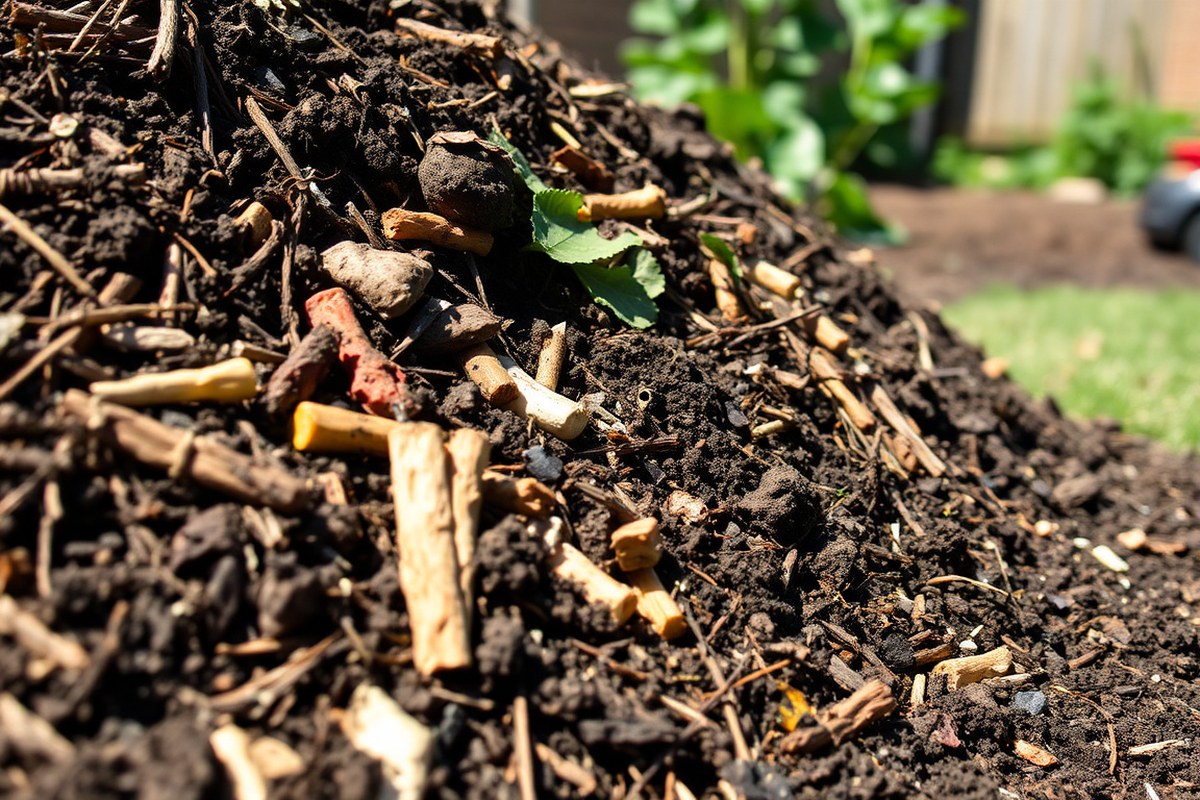
Why Is Composting Important? Clear Benefits and How to Start Fast
Composting reduces harmful greenhouse gas emissions by over 50%. It stops food scraps and yard waste from rotting in landfills. This process lowers methane release, a gas much stronger than carbon dioxide.
Composting improves soil health by adding nutrients and boosting moisture retention. Healthy soil grows strong plants and cuts the need for chemical fertilizers. It also helps reduce erosion and supports beneficial soil organisms.
Start with common kitchen scraps like fruit and veggie peels to begin composting. Avoid meat and dairy since they cause odors and attract pests. Turning the pile and keeping good airflow speeds up composting and keeps it fresh.
Over time, compost builds rich soil that holds water better, lowering watering needs. These steps help your garden grow and reduce waste sent to landfills. Composting is an easy way to support the environment while gardening.
Key Takeaways
- Composting cuts landfill methane emissions, a powerful greenhouse gas.
- Add food scraps, yard clippings, and paper but avoid meats and dairy.
- Turn your compost pile every 1, 2 weeks to boost decomposition speed.
- Keep your compost moist but not soaked, like a wrung-out sponge.
- Use finished compost to enrich garden beds or mix into potting soil.
- Composting helps restore degraded soils by adding organic matter.
Why Composting Is important for the Environment
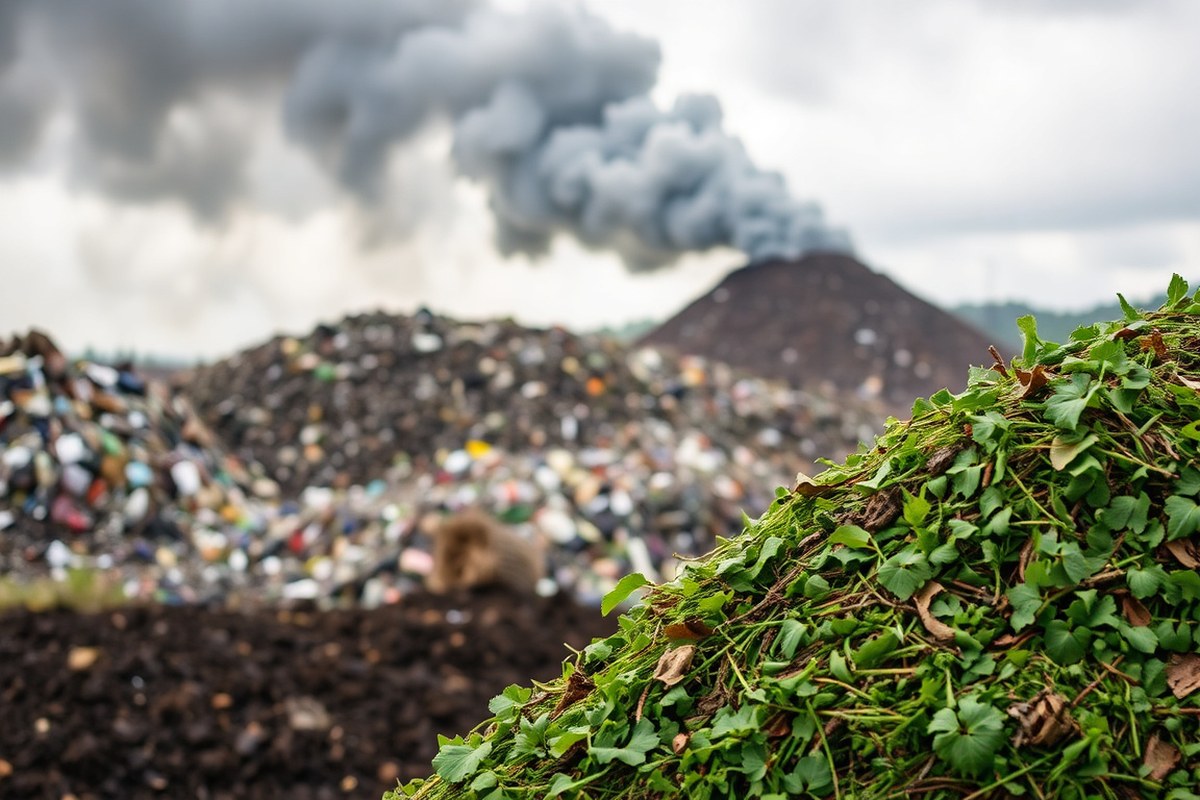
Composting keeps a large amount of organic waste out of landfills. Food scraps and yard debris make up about 21% of what we throw away.
When this waste goes to landfills, it adds to total waste. It fills landfill space faster than other trash.
Organic waste decomposing in landfills happens without oxygen, causing methane release. Methane traps heat in the atmosphere.
It is 25 to 34 times stronger than carbon dioxide. Landfills produced around 14% of U.S. Methane emissions in 2022, with food waste causing 58% of this methane.
Composting changes this process by breaking down organic matter with oxygen. This aerobic decomposition produces little methane, greatly cutting greenhouse gas emissions. Studies show composting can reduce emissions by more than 50% compared to landfilling the same waste.
To reduce landfill waste and methane, separate food scraps and yard waste from regular trash. Use a compost bin or find local drop-off programs for organic materials. This helps your waste break down in the right conditions and benefits the environment.
Composting also reduces the health risks tied to landfills, often near vulnerable communities. Less landfill waste means less pollution and better air quality for those living nearby. Choosing to compost supports cleaner, healthier neighborhoods along with environmental goals.
Besides cutting emissions, composting returns nutrients to the soil instead of burying them underground. This keeps valuable materials in use and supports a circular economy. You help close the loop by turning waste into healthy compost, not harmful landfill gas.
How Composting improve Soil Health and Plant Growth
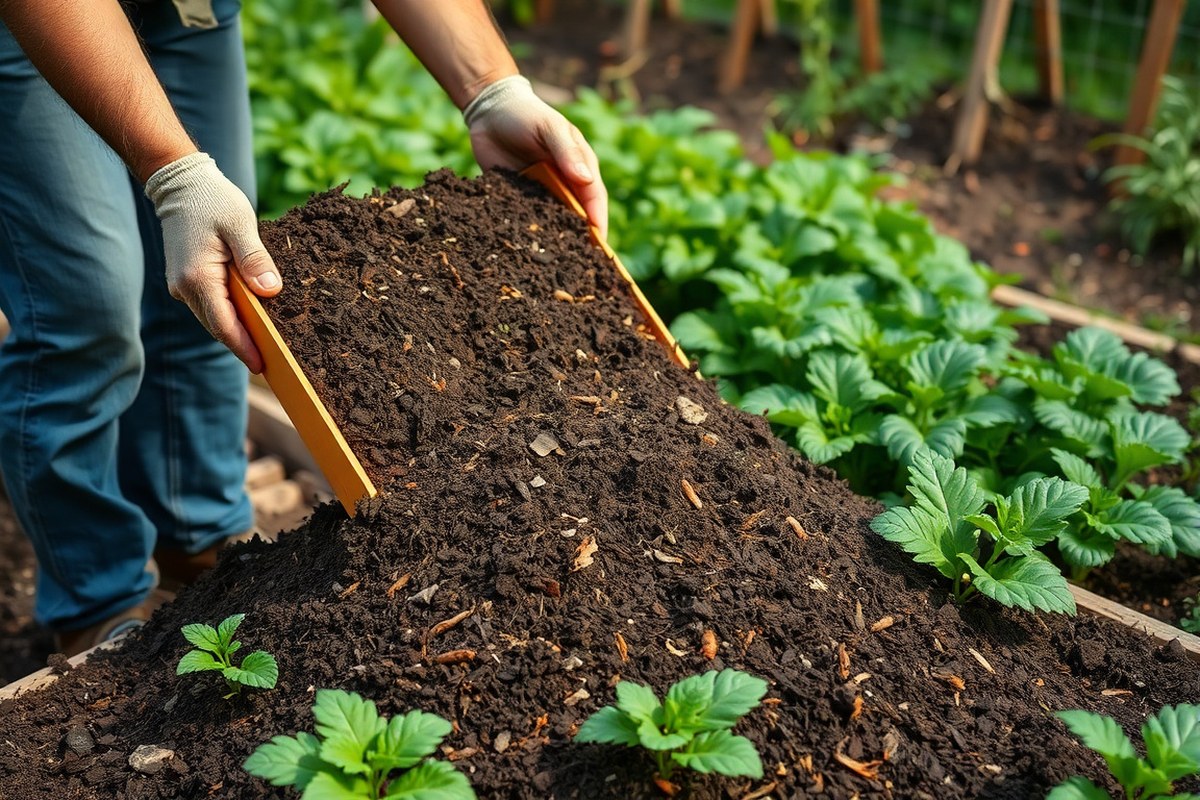
Compost acts like a natural fertilizer by slowly releasing nutrients into the soil. These nutrients feed plants over time, reducing the need for chemical fertilizers. Adding compost boosts soil fertility while minimizing nutrient runoff, which helps protect nearby water sources.
Mixing compost into your garden soil improves its texture and structure. Compost adds organic matter that loosens compacted soil. This lets roots grow deeper.
It also improves air access for roots. This improved soil structure also helps the ground hold water longer. So plants stay hydrated during dry spells without constant watering.
Compost helps prevent soil erosion by improving soil strength and water retention. Soils rich in organic matter absorb rainfall more effectively, reducing runoff that can wash soil away. This keeps your garden stable and gives plants a more reliable environment to grow.
Use finished compost that looks dark, crumbly, and smells earthy to get the best soil benefits.
Using compost can naturally reduce pests and plant diseases by supporting healthy soil microbes. Healthy soil discourages bugs and illnesses, so you might need fewer chemical pesticides. This can save money and keeps your garden safer for people and pets.
Apply 1 to 3 inches of compost around plants. This improves soil health over time. Layer it gradually to avoid smothering plants.
Spread compost evenly over garden beds. Then gently work it into the top soil.
Aim for the top few inches only. This supports new plants and strengthens existing ones by improving roots and nutrient uptake.
Be careful about composting yard trimmings treated with chemical pesticides. These chemicals might kill helpful composting organisms and harm soil health. Use kitchen scraps, untreated leaves, and grass clippings for compost.
These create nutrient-rich compost. It helps your garden grow better.
What Materials Can You Compost and What to Avoid
You can compost many organic materials like food scraps and yard waste. Avoid items that kill helpful microbes or take too long to break down. Some products labeled compostable are only safe in industrial setups.
Common Greens for Composting
Greens provide nitrogen, which fuels the microbes breaking down materials. You can add vegetable peelings, fruit scraps, and coffee grounds to your pile. Fresh grass clippings and plant trimmings are good greens too.
These materials usually contain moisture and nitrogen needed for active composting. Without enough greens, the pile slows down or smells bad.
Safe Browns and Carbon Sources
Browns supply carbon and structure to your pile, balancing moisture and airflow. Dry leaves, straw, and shredded paper serve as excellent browns. You can also add small wood chips and sawdust from untreated wood.
Make thin layers of browns. Add greens in between layers.
Keep the pile about 3 feet tall. This layering supports oxygen flow and speeds the composting process.
- Dry leaves collected in fall
- Straw or hay (without seeds)
- Shredded newspaper or cardboard (non-glossy)
- Sawdust from natural wood, not painted
- Small pruned twigs and branches
Keep these materials dry before adding. Too wet browns cause clumping and slow decomposition.
Materials to Exclude from Your Compost
Meat, dairy, and oily foods can attract pests or cause odors. They decompose slowly and unbalance the pile. Also, avoid pet waste to prevent disease risks.
Some “compostable” products like forks or bags need industrial facilities to break down. Home compost piles lack the high heat and consistent conditions needed for these items.
- Meat, fish, and bones
- Dairy products and grease
- Pet waste and cat litter
- Plastic, glass, or metal items
- Compostable plastics not certified for home composting
Remove weeds with seeds and diseased plants to avoid spreading them in your garden. Stay away from treated wood or chemically sprayed plants too.
Choosing the Best Composting Method for Your Situation
Each composting method fits different living situations and needs. Home composting works great for those with a backyard.
Vermicomposting suits apartment dwellers and people with limited outdoor space. Community and commercial composting handle larger amounts of waste and help neighborhoods or cities.
The table below compares four main composting types. You’ll see their pros, cons, and when each is best. This can help you decide which option fits your lifestyle and goals.
| Method | What It Is | Best Use | Pros | Cons |
|---|---|---|---|---|
| Home Composting | Backyard pile or bin decomposes yard and food scraps | Homes with outdoor space | Low cost, controls materials, improves soil directly | Needs space, can attract pests if not managed |
| Vermicomposting | Using worms in indoor bins to break down food waste | Urban homes, apartments, limited outdoor space | Works indoors year-round, produces rich worm castings | Needs care to avoid odor, space limits amount composted |
| Community Composting | Shared compost sites like neighborhood bins | Urban areas without space for home composting | Keeps waste local, builds community, reduces landfill | Depend on site management, might not accept all materials |
| Commercial Composting | Large-scale facilities taking food and yard waste | Citywide programs and large waste producers | Handles large volumes, creates jobs, reduces landfill use | Less control over compost material, requires transport |
Home composting takes several months at temperatures up to 140°F. Turning it speeds decomposition, but space limits size. Vermicomposting happens indoors and is faster but requires worm care and cooler temperatures.
Community composting suits people without yards. Just drop off your scraps at a nearby bin and support local green efforts.
Commercial composting fits areas with strong waste collection systems. It handles most organic waste but relies on city rules and pickup schedules.
Pick a method based on space, time, and effort you can commit. Living in an apartment? Try vermicomposting or use a community bin.
Homeowners with yards get best results from backyard piles or bins. Join municipal compost programs if they are available near you.
These programs help keep waste out of landfills. They also support local jobs in your community.
The Composting Process: How Long It Takes and Factors Influencing Speed
Composting usually takes 3 to 6 months to produce usable compost. The process speed depends on moisture, temperature, oxygen, and material size. You can tell compost is ready when it looks dark, crumbly, and smells earthy.
Ideal Temperature and Moisture Levels
Microbial activity breaks down materials fastest at 130°F to 160°F. If the pile gets too cool, decomposition slows way down. You want to keep the compost damp, like a wrung-out sponge, to feed the microbes properly.
Too much water excludes oxygen and slows the process. Dry compost piles may stop breaking down altogether. Partial shade helps keep moisture and temperature steady without drying out the pile too fast.
- Keep temperature between 130°F and 160°F for fast composting
- Moisture level similar to a wrung-out sponge
- Place compost in a spot with partial shade
- Avoid waterlogged or fully dry conditions
- Use materials with mixed moisture like fresh greens and dried leaves
Maintain these conditions around the clock for best results in 3 to 6 months.
The Role of Turning and Oxygen
Composting needs oxygen because microorganisms break down waste aerobically. Turning the pile every one to two weeks adds oxygen and mixes materials. This speeds decomposition and stops bad smells from anaerobic pockets.
Mixing broken-down compost back with fresh scraps balances nutrient availability too. For a small bin, turn more often. For large piles, turning less frequently still helps.
Turn your compost with a garden fork or shovel at least once every two weeks.
Regular aeration can cut the usual composting time to less than half.
Common Environmental Challenges
Cold weather dramatically slows composting. In winter, expect compost to take 6 to 12 months. Adding fresh “greens” and turning piles more can help keep decent microbial activity going.
Rain can soak the pile, creating soggy areas that block oxygen flow. Covering your pile with a tarp during heavy rains helps prevent this. Dry weather, by contrast, needs frequent watering to keep microbes happy.
Another issue is particle size; smaller pieces break down faster. Chop or shred materials before adding them to your compost to speed things up.
Starting and Maintaining a Successful Compost Pile
Start your compost pile by choosing the right spot or bin. Add green and brown materials. Layer them in the right order.
Keep the pile moist without soaking it, and turn it regularly to add air. This helps break down materials evenly and stops bad smells.
Selecting the Right Compost Bin or Spot
Choose a spot that gets some sunlight but isn’t baking hot all day. Shade helps keep moisture steady, so your pile doesn’t dry out. A 3-foot cube is a common compost pile size.
It helps the pile heat up well. It’s also easy enough to manage.
Don’t have a backyard? Try a compost bin for your balcony. Use kitchen scraps for composting.
Enclosed bins stop pests from getting into your compost. This is helpful in urban areas.
Brown materials like leaves can be hard to find there. These bins also keep your compost tidy and moist.
Layering Greens and Browns
Start with a 4- to 6-inch layer of twigs or wood chips. This base helps air flow through the pile and keeps it from getting soggy. Next, add your greens and browns in layers to create the right balance.
Use twice as many browns as greens. Browns include dry leaves, shredded paper, and twigs.
Greens are fruit and veggie scraps, grass clippings, or coffee grounds. This mix keeps your pile healthy and avoids smells.
Monitoring Moisture and Turning the Pile
Keep the compost moist like a wrung-out sponge. Too wet, and it will smell; too dry, and breakdown slows.
When your pile smells bad, usually it means there are too many greens. Add more browns to balance it out.
Turn the pile every 1 to 2 weeks to mix materials and bring in oxygen. This speeds up composting and stops rodents from nesting. Use a garden fork or compost turner to lift and mix the pile gently each time.
- Pick a spot that gets light but stays moist, or choose a compost bin.
- Place a 4- to 6-inch layer of twigs or wood chips first.
- Add a layer of greens, then cover it with twice as much brown material.
- Continue layering greens and browns until you reach about 3 feet high.
- Check the moisture level by squeezing a handful. It should feel like a wrung-out sponge.
- Turn the pile every week or two to add air and mix materials.
- Add brown materials if the pile smells or looks wet and slimy.
- Keep adding kitchen scraps and yard waste, layering and maintaining moisture and aeration.
Common Composting Mistakes and How to Fix Them
Bad smells usually come from a compost pile that is too wet. Excess moisture creates an anaerobic (oxygen-free) environment, which produces smells like rotten eggs. To fix this, turn the pile to add air.
Mix in dry materials like shredded leaves or cardboard. This helps balance moisture and speed up decomposition. This helps balance moisture and improve airflow.
Pests like rodents and flies show up when food scraps are not covered. Wet spots in the pile also attract them. Keep scraps buried to avoid pests.
Bury food scraps under a few inches of brown materials. Use dry leaves or straw as a cover. This prevents odors and pests from showing up.
You can also use a closed compost bin to keep pests out. Avoid adding meat, dairy, or oily foods to reduce pest attraction.
- Turn the pile every 1 to 2 weeks to add oxygen
- Add dry brown materials when the pile is too wet
- Chop or shred large yard waste for faster breakdown
- Bury food scraps under brown layers to prevent pests
- Use a closed bin in urban or pest-prone areas
- Avoid adding meat, dairy, or oily scraps
- Remove diseased or pest-infested plants to protect the pile
Decomposition slows if the pile is too cold or unbalanced. Green materials add nitrogen, browns add carbon. Keep these in the right amounts for faster compost.
The ideal temperature for compost is 110°F to 160°F, which speeds up microbe activity. Add more greens like kitchen scraps if the pile is too dry or slow. Shredding leaves and small bits helps microbes work faster.
Regular turning brings in oxygen and distributes heat evenly. This prevents smelly, soggy areas and speeds piling breaking down. Keep your compost moist like a wrung-out sponge, not soaking wet, for best results.
Compost bins with insulation work best in cooler climates. They keep heat inside so microbes stay active. This helps compost break down during cold months.
Benefits of Composting Beyond the Garden: Community and Environmental Impact
Composting benefits communities by creating jobs and improving local environments. Many cities run composting programs that hire workers to collect and process organic waste. These jobs often support local economies and provide skills for green careers.
Community composting also turns food scraps into affordable compost for gardeners and farms nearby. This helps smaller growers improve soil without paying much for fertilizer. It builds stronger local food systems by recycling nutrients right where food is grown.
Besides boosting jobs, compost helps conserve water by improving soil’s ability to hold moisture. Healthy soil with compost needs less frequent watering. This can reduce water use in gardens and urban green spaces, easing drought stress.
Compost controls stormwater runoff by increasing soil’s absorption. Instead of water rushing off hard surfaces, compost-rich soil soaks it up. This reduces flooding risks and prevents pollutants from reaching rivers and lakes.
Some cities like Seattle and San Francisco have curbside composting collections. These programs make it easy for residents to recycle scraps and protect the environment. They also promote fairness by offering composting access to all neighborhoods.
Environmental justice comes into play when composting programs serve under-resourced areas. Trash removal and recycling options often lack equity. Expanding composting reduces waste loads in vulnerable communities.
It also improves the urban green spaces they rely on. Both benefits help these areas stay healthier.
Start with a small bin to keep composting simple. You can also join a local curbside program. These options make composting easy and regular.
Step-by-Step Action Plan to Start Composting Today
Follow this simple plan to get your compost pile going and keep it healthy. You’ll see progress by checking moisture and smell.
- Day 1: Pick a dry, shady spot in your yard for the compost bin. It should be easy to reach for adding scraps and turning.
- Day 2: Gather your brown (dry leaves, paper) and green (fruit, vegetable scraps) materials. Aim for about 3 parts brown to 1 part green to balance the pile.
- Week 1: Start layering your materials in the bin. Turn the pile every 3 days. You’ll know it’s working if it feels warm in the middle.
- Week 2: Keep the compost moist, like a wrung-out sponge. Add water if dry; if too wet, add more brown material.
- Week 3: Monitor for bad smells. They mean the pile is too wet or lacks air. Turn it more often and add dry stuff to fix it.
- Week 4 and beyond: Keep adding scraps and turning weekly. After about 6 to 8 weeks, dark, crumbly compost should form.
- After 2 months: Harvest your compost by sifting out large bits. Use the finished compost to nourish your garden soil.
Frequently Asked Questions
Why Is Composting Important?
Composting reduces landfill waste and creates nutrient-rich soil. It also lowers greenhouse gas emissions by diverting organic matter from landfills.
What Are the 5 Benefits of Composting?
Composting improves soil health, cuts waste, reduces emissions, conserves water, and supports plant growth. It also benefits communities by reducing landfill use.
How Often Should You Pee on Your Compost?
It’s better not to pee on your compost pile. Urine contains too much nitrogen and can disrupt the compost balance. Use water to keep it moist instead.
What Is Composting and Why Is It Important?
Composting breaks down organic waste into valuable soil nutrients. This lowers landfill needs and helps plants grow healthier with less chemical use.
How Long Does Compost Last If Not Used?
Compost can stay usable for years if kept dry and aerated. Over time, its nutrient content may slowly decrease without use.
Can Composting Reduce My Household Waste?
Yes, composting can cut household organic waste by up to 30 percent. It lowers landfill trips and supports garden health.
The Bottom Line
Composting brings big benefits for your garden and the planet. You’ll see better soil and less waste quickly. Start your pile today and help nature do its work.