

How Long Can Flowers Go Without Water? Complete Guide to Freshness and Care
How long can flowers go without water depends on the type and condition. Cut flowers usually last 2 to 5 days without water.
But wilting can start within 2 to 24 hours. Potted plants can survive longer, around 3 to 7 days without watering, depending on their species.
Room temperature plays a big role in flower survival without water. Warm rooms speed up metabolism, causing cut flowers to lose water and wilt faster. Keeping flowers in a cooler room (around 60 to 65°F) helps slow down water loss.
Fresh cut flowers stay hydrated best if placed in lukewarm water immediately after cutting. Change the water every 1 to 2 days to keep stems clear and water flowing. This keeps your flowers fresh longer and helps prevent early wilting.
Key Takeaways
- Cut flowers often start wilting within 2 to 24 hours without water.
- Potted flowers can last 3 to 7 days without water, depending on type.
- Cooler room temperatures (60, 65°F) slow water loss in cut flowers.
- Use lukewarm water (about 100°F) to hydrate cut flowers quickly.
- Replace flower water every 1-2 days to avoid stem clogging.
- Roses can survive 1 to 3 days without water but need care.
How Long Can Cut and Potted Flowers Last Without Water?
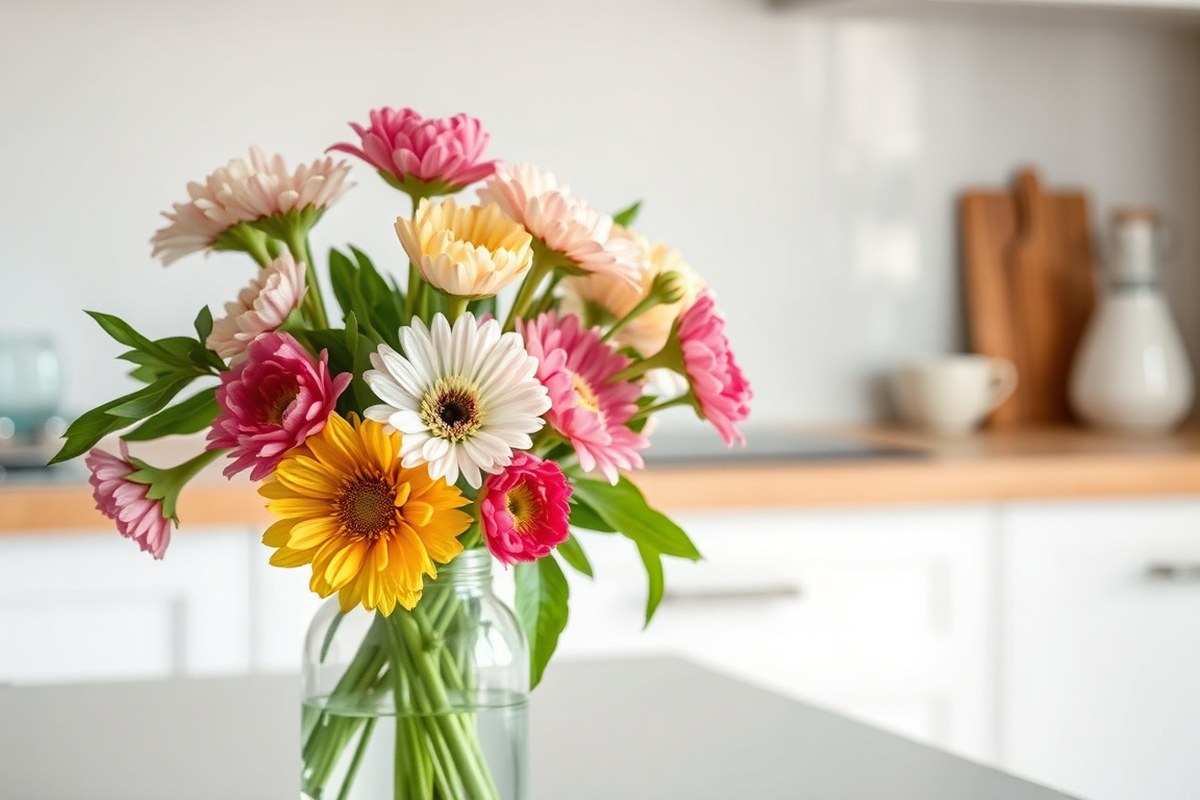
Cut flowers usually last about two to six hours without water in indoor conditions. After that, they begin losing freshness quickly, wilting within a day if left dry.
You can stretch this a little by keeping them cool and shaded. But water is key to keeping them alive longer.
Potted flowers hold water well. They last three to seven days without watering. The exact time depends on the plant and conditions.
Their soil holds moisture for the plant. This helps if you miss watering for a day or two. In warmer or sunnier spots, they dry out faster and need more frequent watering.
Outdoor plants typically survive longer without water than cut flowers or potted plants. They can last from one to three weeks depending on the species, weather, and soil type.
Still, extended dry spells will stress them. So regular watering is best for garden health.
Here’s a quick-table overview of common flower types and how long they usually survive without water:
| Flower Type | Cut Flowers Without Water | Potted Flowers Without Water | Outdoor Survival Without Water |
|---|---|---|---|
| Roses | 2 to 6 hours | 4 to 6 days | 1 to 2 weeks |
| Tulips | 3 to 5 hours | 3 to 5 days | 1 to 2 weeks |
| Gerbera Daisies | 4 to 6 hours | 3 to 7 days | 1 to 3 weeks |
| Orchids | 4 to 6 hours | 5 to 7 days | 1 to 3 weeks |
| Chrysanthemums | 3 to 6 hours | 4 to 7 days | 2 to 3 weeks |
Knowing these timelines helps you plan watering and handling better. Cut flowers need almost immediate attention to water after cutting.
Missing one day of watering is usually not a problem. Waiting more than a week can harm the plant.
Keep cut flowers cool during transport or dry spells. This can safely add a few hours of freshness. Water potted plants to keep soil moist.
Avoid overwatering, especially if you skip a couple of days. These simple steps keep your flowers looking fresh and lasting as long as possible without water.
What Internal Processes Cause Flowers to Wilt Without Water?
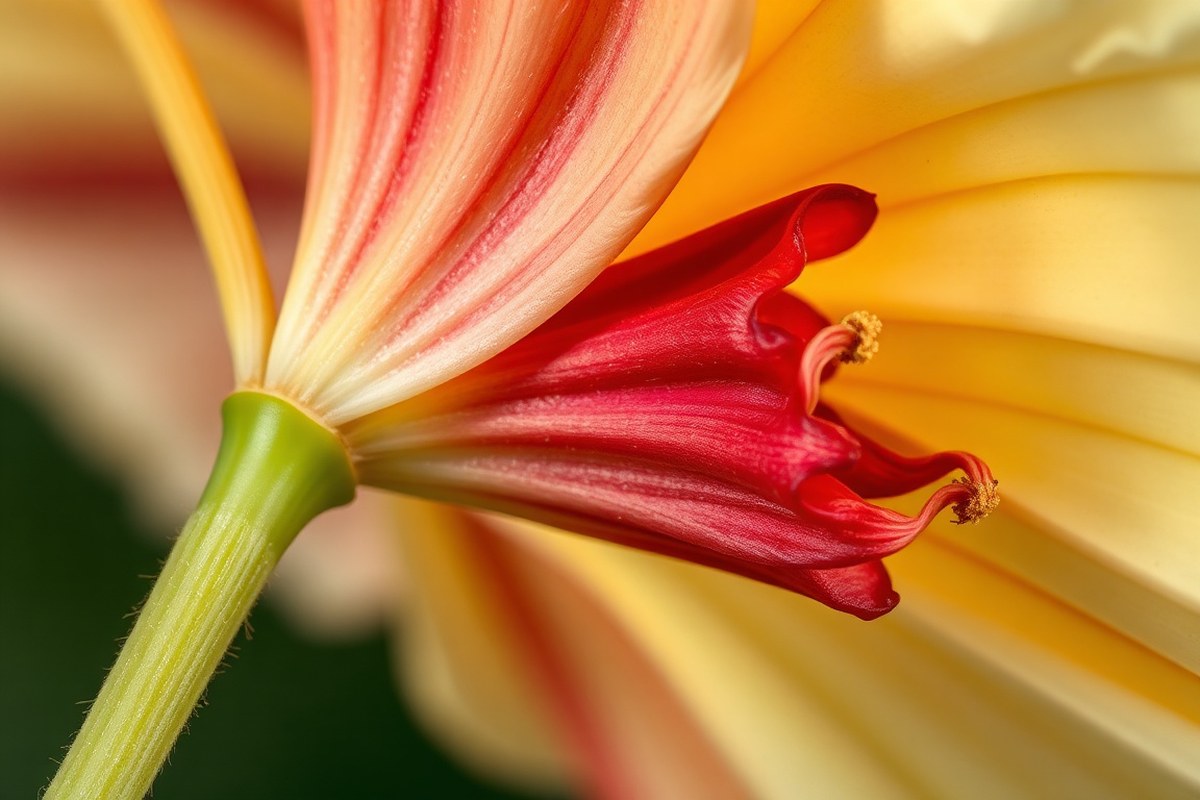
Loss of Turgor Pressure in Flower Cells
Water inside flower cells creates turgor pressure, making them firm and full. Without water, cells lose this pressure, causing petals and stems to droop. The lack of turgor pressure is why flowers wilt quickly after being cut or kept dry.
Cells act like tiny balloons filled with water. When the water escapes, the balloon deflates and the flower looks limp. This process can start within one to four hours for many fresh-cut flowers.
Role of the Vascular System in Water Transport
Flowers use their vascular system to move water to petals. Xylem vessels carry water from roots or stems.
This process keeps flowers hydrated and healthy. When flowers are cut, their vascular tissue is exposed and can form air bubbles called embolisms.
These bubbles block water flow and worsen dehydration inside the flower. Without steady water movement, nutrient delivery and cell hydration drop, speeding up wilting.
How Microbes Block Water Uptake
Microbes quickly grow inside water-filled vases and flower stems, feeding on sugars and creating blockages. These microbial buildups clog the xylem vessels and stop water from reaching petals.
Floral bacteria also produce gases that increase embolisms in the vascular system. Using clean vases and fresh water helps reduce microbial blockages and prolong flower life.
Why Some Flowers Wilt Faster Than Others
Flowers differ in their water storage and vascular structure, which affects wilting speed. Thick-stemmed flowers like carnations hold more water and resist wilting longer than thin-stemmed blooms.
Environmental factors such as temperature also change metabolism. Warm rooms make flowers lose water faster than cool rooms. Flowers wilt sooner in temperatures above 65°F. Cooler spots at 60-65°F help them last longer.
Cut flower stems and put them in lukewarm water fast. This helps restore water flow inside the stems. It also slows down wilting and keeps flowers fresh.
Which Flower Species Last Longer Without Water?
Certain flower species handle waterlessness better than others. Their stem structure and moisture storage play big roles in endurance.
Succulent flowers hold water in thick stems or leaves, making them tougher during dry spells. Delicate blooms have thinner stems and less stored moisture, so they wilt faster.
Stage of bloom is another factor. Flowers in tight buds last longer without water than fully open ones.
For example, unopened roses retain freshness longer than open roses because they lose less moisture. Knowing your flower’s type helps you plan care and avoid wilting.
| Flower Type | Typical Dry Time | Stem Structure & Characteristics |
|---|---|---|
| Roses | Several days | Woody stems, moderate moisture storage, tight buds last longest |
| Chrysanthemums | Several days | Sturdy, thick stems, good moisture retention |
| Carnations | 4, 8 hours | Firm stems, well-conditioned, moderate resilience |
| Tulips | 1, 2 hours | Soft stems, heavy heads, low storage, delicate |
| Gerberas | 1, 2 hours | Soft stems, large heads, low moisture reserve |
| Hydrangeas | 1, 2 hours | Soft stems, heavy heads, water-dependent petals |
Look for thick, firm stems as a sign of hardiness. Flowers with fleshy stems or leaves usually hold water longer.
Petal thickness and tight bloom shapes also indicate better drought endurance. Avoid flowers with thin, soft stems when you expect long dry intervals.
Succulent flowers absorb and store water in their tissues. Carnations and chrysanthemums have sturdier stems that slow moisture loss.
Delicate flowers like hydrangeas lose water fast, so they need quick hydration. Knowing these traits helps you pick flowers suited to your watering conditions.
How Environmental Factors Affect Flower Survival Without Water
Temperature and humidity directly affect how fast flowers lose water. Higher heat makes flowers dry out quicker, especially above 70°F. When the air is dry, flowers lose moisture faster through evaporation and transpiration. Cooler, more humid environments slow this process and help flowers last longer without water.
Sunlight affects how fast flowers lose water through their leaves. Direct sun can heat flower leaves up to 22°F (12°C) above the air around them.
This extra heat causes flowers to use water faster and wilt more quickly. Keeping flowers in shade or indirect light slows water loss, helping them stay fresh longer.
Container material impacts moisture retention, too. Porous materials like terracotta absorb water and can dry out soil faster.
Plastic or glazed ceramic containers hold moisture well, reducing how fast soil dries. Choosing the right container type depends on your watering frequency and local climate.
- Keep flowers in rooms below 70°F to slow water loss.
- Raise indoor humidity using a humidifier or misting spray.
- Avoid placing flowers in direct sun or near hot vents.
- Use plastic or glazed ceramic pots for potted flowers.
- Place cut flowers in cool, shaded areas away from drafts.
- Check soil moisture daily in dry, warm environments.
- Submerge wilted stems in water for 30 to 60 minutes to rehydrate.
Airflow affects how fast flowers dry out, too. Strong air movement, like fans or open windows, increases evaporation. Reducing drafts around flowers can slow moisture loss and extend their life.
Change these factors based on your flower type and environment. This helps keep flowers fresh longer without watering all the time. Adjusting daily care is key to extending flower life.
Early Signs Flowers Need Water Before Wilting Appears
Flowers show subtle signs of needing water well before wilting sets in. Early detection helps keep them fresh longer. Checking now and then prevents sudden drooping or browning.
The leaves, petals, and stems give clues about hydration. Leaves may feel dry or start curling.
Petals could lose their vibrancy or feel papery instead of soft. Stems might look dull and feel less firm to the touch.
- Leaves curling or folding inward
- Petals losing bright color and looking dull
- Stem texture becoming softer or rubbery
- Leaves showing dry edges or small dark spots
- Petals beginning to wrinkle or feel crisp
- Stem base appearing slightly shriveled or lighter
- Surface dryness when touching petals and leaves
Look closely every day when you water or arrange flowers. Run your fingers gently along stems and over petals for dryness. Morning or evening checks help, as they catch overnight changes.
Some flowers handle dry periods better. Roses can last one to three days without water.
They start to show signs of drying after a few hours. Misting leaves and petals sprays immediate moisture and makes early dryness less obvious.
Check stems daily for firmness and dry spots to catch dehydration early.
How to Revive Wilted Flowers Effectively
Wilted flowers can often bounce back if you act fast and rehydrate them properly. The best way involves trimming their stems and soaking them in the right water temperature. Cooling flowers afterward can also help slow their metabolism and keep them fresh longer.
Trim Stems to Improve Water Uptake
Cutting the stems is key to help flowers absorb water better. Trim the stems at a 45-degree angle to increase the surface area. This prevents air pockets that block water absorption inside the stems.
Re-cut stems every 2 to 3 days to keep water uptake clear. You can even cut stems underwater to avoid air entry completely. If wilted, start with about one inch off the bottom.
Soak Stems in Lukewarm Water
Soaking helps deeply rehydrate wilted flowers after trimming. Use lukewarm water because it encourages water movement inside the stems. Cold water can shock the flowers and slow rehydration.
Fully immerse the trimmed ends for 30 minutes up to 2 hours. This gives time for water to travel inside the plant fast. Avoid leaving flowers too long or the water may stagnate.
- Fill a clean container with lukewarm water, about 100°F (38°C).
- Trim approximately one inch off the flower stems at a 45-degree angle.
- Place the cut stems immediately into the lukewarm water.
- Let flowers soak for 30 minutes to 2 hours, depending on wilt severity.
- Remove flowers and arrange them in fresh, cool water.
- Repeat stem trimming every 2 to 3 days for ongoing hydration.
Use Cooling to Slow Metabolism
After soaking, keep flowers cool to slow their water use and metabolism. Ideal temperatures are between 34°F and 38°F (1°C to 3°C). Refrigerating flowers overnight can extend their freshness significantly.
Do not expose flowers to direct sunlight or heat after rehydration. Cooler environments prevent wilting by reducing water stress. A basement or cool room works well if a fridge isn’t available.
Common Watering Mistakes That Shorten Flower Life
One common watering mistake is sticking to a strict schedule instead of checking soil moisture. Flowers don’t need water on a set day if their soil is still damp.
You can feel the soil an inch below the surface. When it’s dry there, your flowers need some water.
Overwatering happens when pots sit in soggy soil without drainage. This locks air out, causing roots to rot and flowers to wilt.
To fix this, water slowly until it just begins to drain out the pot’s holes. Let the top inch of soil dry between waterings.
Underwatering makes flower stems droop and leaves shrivel quickly. It’s tempting to wait until wilting shows, but that can be too late. Water deeply whenever the soil feels dry, soaking the roots until excess drains.
Potted flowers usually need about one cup of water every few days. The exact amount depends on heat and pot size.
Neglecting humidity can speed water loss from cut flowers. You can mist sprays or place a humidifier nearby in dry rooms to keep stems plump. Adding a teaspoon of sugar to vase water feeds cut flowers and helps them last longer.
- Water only when soil is dry 1 inch deep, not on a strict timetable.
- Use pots with drainage holes to avoid root rot from soggy soil.
- Deeply soak soil until water drains out but don’t leave pots standing in water.
- Mist cut flowers daily and keep them away from heat sources.
- Add sugar to vase water to extend cut flower life.
Another error is watering flowers in direct sun or very hot weather. Water evaporates before roots absorb it. The best time to water outdoor flowers is early morning or evening when temperatures are cooler.
Pouring cold water on tropical or delicate flowers can shock their roots. Room temperature water between 65 to 75°F works best. Keeping these small details in mind makes a noticeable difference in flower health and longevity.
How to Manage Flower Care During Transport and Extended Dry Periods
Flowers can last up to three days without water during transport if handled right. Pre-hydrating and using moisture packs help keep them fresh longer. Temperature and packaging also affect how well they survive in dry periods.
Water Tubes and Moisture Packs
Water tubes hold a small amount of water at the stem, preventing drying. Moisture packs create a humid microclimate around the flowers. Together, these methods can keep bouquets fresh up to three days without water.
Before travel, soak the stems in water for at least one hour. Then attach clean water tubes to each stem. Wrap the bouquet with moisture packs inside the packaging to help retain humidity during transit.
Temperature Controlled Storage
Cool temperatures slow down water loss and flower respiration. Maintain 34 to 40°F during transport to extend flower life. Higher temperatures will cause them to wilt much faster.
Use refrigerated trucks or coolers when possible. Keep flowers upright, as bending can damage stems and reduce water uptake later. Avoid freezing to prevent cell damage.
Handling and Packaging Tips
Handle flowers gently to avoid bruising, which speeds up wilting. Package flowers upright in sturdy boxes with support to prevent movement. Use breathable materials that won’t trap heat inside.
Protect the cut ends with wet paper towels before sealing in plastic sleeves. This helps maintain moisture until the flowers reach water again. Avoid twisting or compressing stems during packaging.
| Transport Method | Survival Time Without Water | Key Care Steps |
|---|---|---|
| Hand-Carried Short Trips | Up to 3 days | Pre-hydrate stems, water tubes, moisture packs, cool temps |
| Refrigerated Truck Transport | 3 days or more | Maintain 34-40°F, upright packaging, humid microclimate |
| Long Distance Without Cooling | Less than 24 hours | Water tubes, moisture packs; quick delivery recommended |
| Loose Stem Transport Without Water | Few hours | Stem wrapping, upright handling; avoid crushing |
This table compares common transport methods and the time flowers last without water. Different methods require specific steps to maximize freshness. Controlling moisture and temperature matters most over long trips.
Always hydrate flowers well before travel and get them back into water quickly once delivered.
Step-by-Step Action Plan for Keeping Flowers Hydrated
Follow these steps to extend your flowers’ freshness and avoid wilting from lack of water.
- Before you bring flowers home: Inspect stems and leaves for dryness. Choose firm, moist flowers for better lasting power.
- Right after cutting or buying: Trim stems at a 45-degree angle under water. Check if the water stays clear to confirm good uptake.
- Daily: Change water and trim stems slightly each day. Look for buds opening and leaves staying firm as signs it’s working.
- In hot or dry environments: Mist flowers lightly every morning to reduce water loss. Notice a fresher look if they handle heat well.
- Before long transport or absence: Store flowers in a cool, shaded place and hydrate fully beforehand. Confirm they look firm and hydrated before travel.
- At the first sign of drooping: Soak stems in lukewarm water for 30 minutes. Watch for firmer stems and perked petals after soaking.
- Weekly: Add flower food to the water. Or mix a teaspoon of sugar and a few drops of bleach in water. Healthy petal color and no slimy buildup means success.
Frequently Asked Questions
How Long Can Flowers Go Without Water Before They Start to Wilt?
Flowers typically start wilting after 1 to 3 days without water depending on type and conditions. Heat and low humidity make them dry out faster. So keep them cool to delay wilting.
Can Flowers Survive Overnight Without Water If Kept in a Vase?
Most fresh-cut flowers can survive one night without water if kept in a cool spot. It isn’t ideal, but they usually bounce back quickly once watered.
Do Cut Flowers Without Water Lose Color or Just Wilt?
They lose water first causing wilting, then colors fade as cells break down. Proper watering keeps blooms bright and firm.
How Should You Store Flowers If You Can’t Water Them Immediately?
Keep flowers in a cool, humid place, like a shaded room or fridge. This slows water loss until you can water them.
Can Flowers Recover If Watered After 24 Hours Without Water?
Many flowers perk up after 24 hours dry. You just need to trim stems.
Then, hydrate them well to revive freshness. Some may not fully recover beyond that.
Is It Worse for Flowers to Be Dry or to Get Too Much Water?
It’s worse to let flowers dry out; dehydration causes fast wilting. Too much water can cause root rot but rarely harms fresh cut flowers.
Before You Go
Flowers won’t last long without water, but careful timing can save their life. Start caring early before wilting shows. Check your flowers daily and give them water promptly to keep them fresh and bright.


One Comment