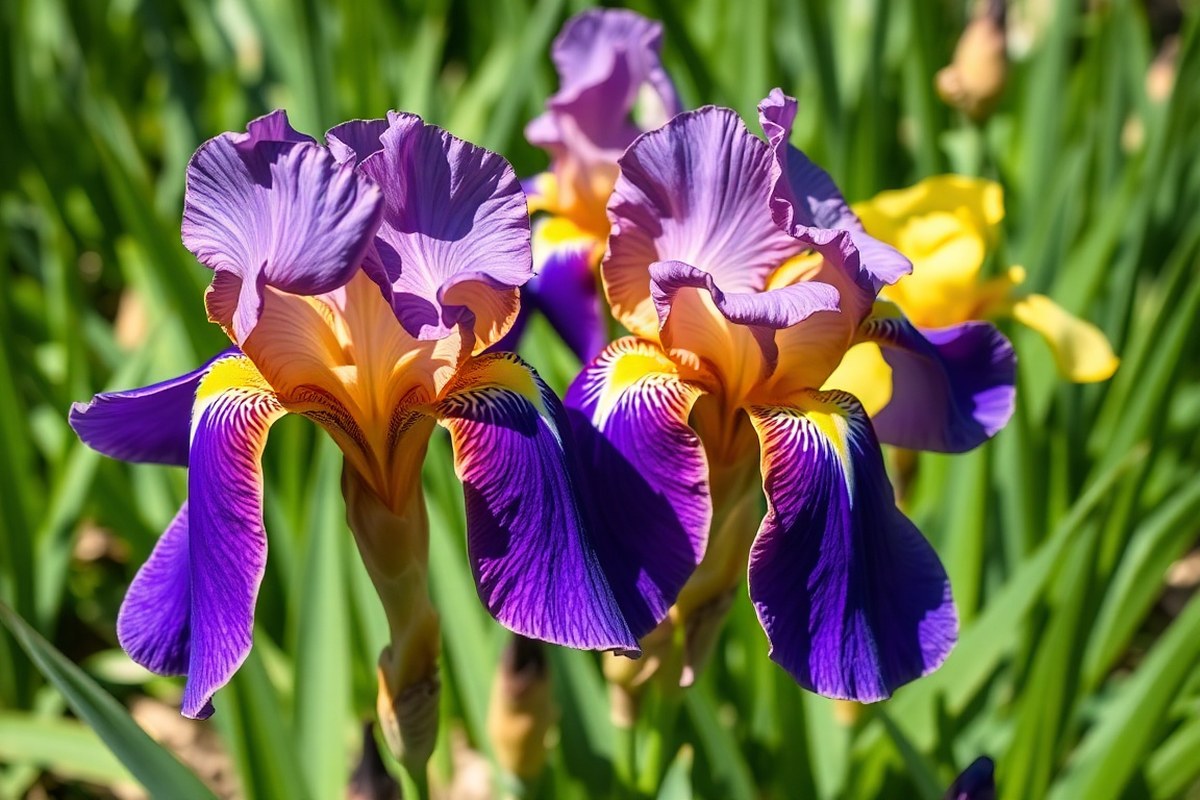
When Does Irises Bloom: A Complete Guide to Timing and Types
Wondering when does irises bloom? Most irises typically bloom in spring or early summer. For example, bearded irises usually flower for 2 to 3 weeks in late spring.
Different iris types bloom at different times, which can extend your garden’s color. Dwarf bearded irises bloom earlier in spring, while some varieties may bloom into fall. You can see blooms from early spring well into fall with the right types.
Sunlight hugely affects bloom timing and quality. Irises need 6 to 8 hours of direct sun daily for the best flowers. Lack of sun or a cooler spring can make irises bloom late or not at all.
Some years, irises bloom early or late depending on weather. Mild winters can bring blooms weeks early.
Cold snaps about two months before bloom can kill buds. Planning for sun and weather helps keep iris bloom on schedule.
Key Takeaways
- Bearded irises typically bloom for 2-3 weeks in late spring or early summer.
- Dwarf bearded irises bloom earlier, usually in early to mid-spring.
- Irises need at least 6-8 hours of direct sunlight daily to bloom well.
- Mild winters can cause irises to bloom up to three weeks early.
- Cold freezes 6-8 weeks before bloom kill buds and stop blooming.
- Plant a mix of early and late iris varieties for extended bloom seasons.
When Do Irises Typically Bloom Throughout the Year?

Irises usually bloom from early spring through early summer, with typical months being March to June. Most bearded irises, the garden favorite, flower for about 2 to 3 weeks during late spring. You can expect variations depending on the iris type and your local weather.
Some iris types bloom early. Dwarf irises bloom in March. Louisiana irises bloom in April and May.
Others, such as Japanese irises, bloom as late as June to July. Reblooming irises can flower twice.
They bloom once in spring. They bloom again in fall, adding color.
Local climate influences bloom time a lot. Mild winters may cause irises to bloom up to three weeks early. Cooler springs can delay flowering by a few weeks.
Irises don’t bloom at the same time everywhere. Temperature and sunlight differ a lot by region. This changes when they bloom.
Irises need at least 6 hours of direct sunlight daily for healthy blooms. Less sun can cause weaker or delayed flowering. Freezing temperatures in late spring can harm new iris shoots, stopping blooms for that season.
You can get iris blooms for up to six months. This happens with the right species and conditions. These factors help extend bloom time.
Many gardeners plant several iris types to create continuous bloom from early spring through fall. This mix covers early, mid, and late bloomers, offering more color across seasons.
How Different Iris Types Affect Bloom Timing

Different iris types bloom at various times and grow to various heights. Knowing these differences helps you plan your garden for bloom succession. Here’s what to expect from common iris varieties.
Dwarf Irises: Early Spring Bloomers
Dwarf bearded irises bloom early, often from March to April. They usually grow 6 to 12 inches tall. This makes them ideal for rock gardens.
They also work well in front borders. Their bloom lasts about 2 to 3 weeks, offering a quick splash of color.
These irises prefer full sun and well-drained soil to bloom well. Because they bloom early, planting them in groups can kick off your garden’s flowering season neatly.
Bearded Irises: Classic Late Spring Flowers
Bearded irises bloom later in spring, usually from April to early June. Tall bearded irises can reach heights of 28 to 40 inches, offering a striking vertical presence. Some may rebloom in fall, but this depends on the variety.
They need good sun exposure and moderate watering. Bearded irises produce large, showy flowers that are the classic iris look gardeners expect.
Dutch Irises: Mid to Late Spring Bulbous Types
Dutch irises bloom mid to late spring, about April to May. They grow about 12 to 20 inches tall and come from bulbs. Bulbous irises like Dutch types suit containers and borders well.
These irises prefer cooler spring temperatures before summer heat sets in. Planting bulbs in fall allows flowering by springtime, completing your bloom timeline.
Siberian and Japanese Irises: Late Spring to Early Summer
Siberian and Japanese irises bloom a bit later, from late spring through early summer. Siberian irises typically grow 24 to 36 inches tall.
Japanese irises range from 24 to 48 inches. Their blooming extends the iris season as bearded irises finish.
They thrive in moist soil, especially Japanese irises, which tolerate waterlogged areas better. These types brighten shaded or wetter spots.
You might avoid those areas with other irises. They add color where conditions are tough.
Reblooming Varieties: Spring and Fall Bloom Windows
Reblooming bearded irises flower twice: in spring and again in late summer or early fall. They require extra care, like more water and fertilizer, to bloom well twice. Their height varies but often matches tall bearded types.
Expect to feed these heavy feeders regularly for the second bloom. Reblooming irises keep your garden colorful beyond the usual season.
The table below compares the main iris types, bloom timing, and typical height ranges. Use it to pick varieties that fit your garden’s space and your preference for bloom timing.
| Iris Type | Typical Bloom Time | Height Range |
|---|---|---|
| Dwarf Bearded Iris | Early Spring (March-April) | 6-12 inches |
| Bearded Iris | Late Spring to Early Summer (April-June) | 28-40 inches |
| Dutch Iris | Mid to Late Spring (April-May) | 12-20 inches |
| Siberian Iris | Late Spring to Early Summer (May-June) | 24-36 inches |
| Japanese Iris | Late Spring to Early Summer (May-June) | 24-48 inches |
| Reblooming Bearded Iris | Spring and Late Summer/Fall | 28-40 inches |
Plan your garden by mixing types from this table. That way, you’ll enjoy iris blooms from early spring through fall.
Local climate and soil can shift bloom times a bit. So check your area’s conditions.
Heavy feeders like reblooming irises need regular fertilizing and watering for a second bloom.
How Climate and Sunlight Influence Iris Blooming
Irises bloom best when they get enough sunlight and experience the right temperatures. The climate zone you live in also affects when they show their flowers. You need to match your iris type with your local growing conditions for the best results.
Understanding USDA Hardiness Zones for Irises
The USDA hardiness zones help you know if your iris can handle winter cold. Most iris types grow well in Zones 3 through 9. But some prefer warmer or cooler climates.
Bulbous irises often do better in cooler zones. Remontant irises thrive in Zones 5 to 6.
Knowing your zone helps predict when irises will start blooming in your garden. Early spring bloomers like dwarf irises appear by February or March in milder zones. In colder zones, expect those irises to bloom later, generally from March to April.
Ideal Sunlight Hours and Effects of Shade
Irises need a lot of sunlight to bloom well. They require at least 6 to 8 hours of direct sun each day. Less than 6 hours usually delays blooming and produces fewer flowers.
Too much shade can cause irises to grow more foliage but fewer blooms. You want to plant them where they get full morning sun and some afternoon light. On a cloudy day, check your garden spot to confirm enough sunlight reaches the irises.
- At least 6 hours of full sun daily
- Morning sun preferred over late afternoon shade
- Avoid planting under large trees or dense shrubs
- Use reflective garden surfaces to increase light exposure
- Regular pruning of nearby plants to allow sunlight in
Providing enough sun means your irises will have vibrant blooms with rich colors. Shade slows their growth and hides their flowers behind thick leaves.
Temperature Thresholds That Trigger or Delay Bloom
Temperature plays a big role in iris flowering times. Irises need cool soil temperatures around 40°F to 50°F to start forming flower buds. When temperatures stay too warm, blooming may delay or become uneven.
In spring, daily highs around 60°F to 70°F encourage irises to bloom fully. Hotter weather above 80°F shortly after bloom can make flowers fade quickly. Some reblooming irises need warm temperatures later in summer for a second round of flowers.
Impact of Mild Winters and Late Springs
Mild winters can confuse irises and cause early or weak blooms. When winters don’t get cold enough, irises may miss the chill period needed for flower development. This leads to delayed or smaller flowers in spring.
Late springs with cold snaps can also slow iris blooming. Irises pause growth during cold spells. So sudden drops below 40°F in spring can stop flower buds from opening.
Gardeners should not disturb the soil early. Dividing irises then stresses plants during cool weather.
Typical Duration and Frequency of Iris Blooming
Irises usually bloom for about two to three weeks during their peak season. This bloom period can vary depending on the iris type and the climate where you live. With proper care, the flowers stay fresh longer.
They show bright colors for about 10 to 21 days. This lasts on each stem.
Some irises can bloom more than once each year, especially reblooming varieties. These types often show a second blooming cycle in late summer or early fall. The most common gap between blooms is about 6 to 8 weeks.
This gives the plant a chance to rest. It helps regain energy for the next bloom.
To help reblooming, make sure irises get enough sun, water, and nutrients after the first bloom. These elements support healthy growth. Keep caring for the plant well.
Avoid overcrowding by dividing rhizomes every 3 to 4 years. So the plants have space to grow strong. Warmer climates or steady care might stretch bloom time.
Some varieties may even produce a third flowering. This depends on the plant type and conditions.
Why Might Irises Fail to Bloom and How to Fix It
Irises often fail to bloom due to overcrowded rhizomes. These thick underground stems limit space and nutrients, making flowers scarce. You should divide your irises every three to five years, ideally right after they finish blooming.
Dig up the clumps carefully. Cut the rhizomes with a clean knife. Replant the healthiest pieces in fresh soil.
Another common issue is planting irises in heavy or clay soils. These soils hold too much water, causing root rot and blocking blooms. Irises prefer well-drained soil and full sun.
Amending heavy soil with sand or compost can improve drainage. Choosing a planting spot with at least six hours of sunlight daily also helps.
Watch for aborted buds. These appear as shriveled or brown stems instead of healthy flower stalks. They show your iris is stressed, usually from too much water or poor nutrition.
Water deeply but infrequently, allowing the soil to dry between sessions. Fertilize with a balanced, low-nitrogen fertilizer once in early spring.
- Divide crowded rhizomes every 3 to 5 years after bloom
- Plant irises in well-drained soil with at least 6 hours of sun
- Amend clay soil with sand or organic matter for better drainage
- Water deeply but let soil dry between watering to prevent rot
- Use a low-nitrogen fertilizer once in early spring
- Remove dead or diseased leaves to improve airflow around plants
This checklist can help diagnose blooming issues. Sometimes, poor bloom happens because the rhizomes sit too deep. Plant the rhizomes just under the soil surface, with roots spread down.
Overwatering combined with deep planting often leads to no flowers. Correcting these habits will show flower buds forming by late spring.
Don’t leave iris rhizomes buried too deep. Plant them just below the soil surface for best blooms.
Extending the Iris Blooming Season with Care and Variety
You can extend the iris blooming season by mixing varieties with staggered bloom times. Choose types like dwarf irises for early blooms and Japanese irises for mid to late summer. Bearded irises that rebloom add flowers again later in the season.
Besides variety selection, timing your planting and providing consistent care also help keep irises blooming longer. Proper soil, watering, and deadheading spent flowers encourage new growth. Some iris types, like Spurias, bloom well into July.
Follow these steps to extend your iris bloom season effectively:
- Choose varieties with different bloom times.Plant early bloomers like dwarf irises. Add mid-season bearded types too. Finish with late bloomers like Japanese or Siberian irises.
- Add reblooming bearded irises. Select remontant varieties that flower twice or more per season for repeated blooms.
- Plant in fertile, well-drained soil. Irises prefer soil that drains quickly to avoid root rot and encourages healthy growth.
- Provide at least 6 hours of sunlight daily. Most irises need sun to bloom well. But some Japanese irises tolerate partial shade, extending bloom success.
- Water regularly but avoid waterlogging. Keep soil moist during growing and blooming but not soggy to prevent rhizome damage.
- Deadhead spent flowers promptly. Removing faded blooms sends energy into new flower production instead of seed development.
- Fertilize lightly after the first bloom. Use balanced fertilizer to support any rebloom and keep plants vigorous.
- Divide crowded clumps every 3 to 4 years. Overcrowding limits bloom size and frequency, so spacing helps flowers return stronger.
The total cost includes buying different iris rhizomes, basic garden soil amendments, and a balanced fertilizer. Expect to spend about $5 to $15 per rhizome, depending on variety. Gardeners usually see blooms extend from early spring through late summer when following these steps.
Watch for poor drainage or too much shade, which reduce bloom quality. Reblooming irises sometimes need extra care, such as more water or light, to flower twice.
Plan your garden using bloom times and care needs. This helps you enjoy iris flowers longer each year.
Best Planting Schedules and Soil Conditions for Iris Blooms
Plant iris rhizomes or bulbs at the right time for best blooms. For spring-blooming irises like dwarf, reticulata, and Dutch types, plant bulbs in fall.
Bearded irises do best planted in late summer to early fall. This timing ensures roots establish before cold weather or winter dormancy.
Soil plays a big role in iris growth and flower production. Most irises thrive in well-draining soil with a neutral to slightly acidic pH, around 6.8 to 7.0. Avoid soil that is heavy clay or stays soggy.
Louisiana irises like moist soil. They do well in water gardens or wet beds.
- Plant iris rhizomes just below the soil surface, allowing some rhizome to stay visible.
- Pick a spot with 6 to 8 hours of sun daily. This suits bearded and Siberian irises. They need full sun to grow healthy.
- Prepare soil by mixing in organic matter for drainage and nutrient improvement.
- Use a balanced fertilizer high in phosphorus (like 10-20-10) to support blooms.
- Apply fertilizer in early spring and right after blooming stops.
- Water newly planted irises regularly to help roots settle, but avoid waterlogging.
- For dry regions, water irises deeply once a week during dry spells for blooms.
Providing enough sun is critical. Irises grown in full shade rarely bloom, so pick a bright spot.
You should see vigorous growth and, by the next season, clusters of flower stalks forming. Overwatering or planting too deep typically leads to rot or weak plants failing to bloom.
A Seasonal Bloom Calendar for Popular Iris Varieties
Different iris types bloom during distinct parts of the growing season. Planning a mix helps you enjoy blooms from early spring to fall. Below is a timeline to help you pick iris varieties for continuous flowering in your garden.
Early Spring Blooming Irises
Dutch irises start the bloom season early, flattering your garden from March through May. They grow tall with striking flowers that bring early color as temperatures rise slowly. These irises prefer full sun and well-drained soil to give their best show.
Some reblooming irises also flower during this early period. You’ll see their first blooms in spring. These blooms set the stage.
Expect another wave later in the year. This makes them a valuable choice if you want flowers beyond the spring months.
Mid to Late Spring Varieties
Bearded irises dominate mid to late spring, typically flowering from April through June. Most bloom for 2 to 3 weeks, offering bold colors and ruffled petals. Siberian irises bloom in this time window.
They are a popular beardless type. They add different texture and leaf shapes to your garden.
Xiphium irises grow over two feet tall and bloom from late spring into early summer. These are perfect if you want to extend the spring show just a bit longer. Their size adds vertical interest and their bloom period overlaps well with other spring types.
Summer Blooming Irises
While most irises flower before summer peaks, some summer bloomers help you fill those hot months. These include reblooming irises that put on a second round of flowers when the heat arrives. Early, mid, and late summer bloomers each add layers of color as the season progresses.
Mixing early summer iris varieties with mid to late summer types ensures you avoid gaps. These irises need lots of sunlight. They also need occasional watering.
This helps keep blooms healthy during warmer days. Don’t expect most irises to flower all summer, but sequencing varieties extends the color.
Late Summer and Fall Bloomers
Some reblooming and everblooming iris types bloom in late summer and fall. While less common, these provide valuable color when many spring and summer flowers have faded. They often produce flowers sporadically but can brighten your garden through September and October.
Planning for fall irises means including rebloomers in your garden mix. These may bloom lightly in spring and come back strong as summer wanes. Make sure to check the specific variety’s bloom cycle to ensure it fits your late-season plans.
| Iris Type | Typical Bloom Months | Notes |
|---|---|---|
| Dutch Iris | March to Early June | Early spring bloomers with tall stems |
| Bearded Iris | April to June | Most bloom 2-3 weeks in mid to late spring |
| Siberian Iris | May to June | Beardless, widely available spring bloomer |
| Xiphium Iris | Late May to Early July | Over 2 feet tall, late spring bloom |
| Reblooming Iris | Spring and Late Summer to Fall | Two bloom cycles a year, spring and fall |
| Everblooming Iris | Spring through Fall | Produces flowers throughout growing season |
Choosing a mix of iris types helps. It lets you plan blooms that follow each other. This keeps your garden colorful longer.
For example, pairing Dutch irises with bearded and reblooming types covers early spring to fall. Keep sunlight, soil, and watering in mind to support each variety’s bloom cycle.
Choose reblooming iris carefully; some need cooler nights to trigger second blooms.
Your First Steps to Growing Blooming Irises
Follow this simple plan to start growing irises that bloom well. Each step helps you see if your irises are on track.
- Before planting: Choose iris types suited for your climate zone and sunlight. Check they match your garden’s conditions.
- Planting time: Plant rhizomes in late summer or early fall in well-drained soil. Watch for sturdy shoots within a few weeks.
- Early growth stage: Water newly planted irises about once a week, avoiding soaking. Soil should stay moist but not wet.
- Spring arrival: Remove any weeds and cut back old leaves. Healthy new leaves appear before blooms start.
- At bloom time: Fertilize lightly with a balanced fertilizer after flowers open. Notice if blooms are stronger and last longer.
- Post-bloom: Cut back faded flowers to prevent seed formation. This encourages new growth for next year’s blooms.
- Summer care: Provide partial shade in hot climates and reduce watering. Look for signs of stress like yellowing leaves.
- Before next planting season: Divide iris rhizomes every 3 to 4 years. Watch for vigorous new plants ready to bloom.
Frequently Asked Questions
What Causes Irises to Bloom Earlier or Later in the Season?
Irises bloom earlier or later mainly due to temperature shifts. Mild winters can cause early blooms, while cool springs delay them. Your local weather greatly affects when you see flowers.
Can Irises Bloom More Than Once in a Growing Season?
Some irises, like reblooming bearded types, can bloom twice yearly. They usually flower once in spring and again in late summer. Proper care and deadheading encourage a second bloom.
How Does Soil pH Affect Iris Blooming?
Irises prefer slightly acidic to neutral soil, around pH 6.0 to 7.0. Too acidic or alkaline soil can stress the plant and reduce blooms. Testing soil pH can help you adjust it for better flowers.
Do Irises Bloom Better When Planted in Groups or Singly?
Irises bloom better in groups since they create a microclimate. Grouping improves air circulation and soil moisture around roots. Plant clusters of at least three for best flowering results.
Can Watering Frequency Influence Iris Blooming Times?
Yes, consistent watering supports healthy blooms, especially during dry spells. Overwatering or drought can stress irises, delaying or reducing blooms. Water deeply once a week if rainfall is under one inch.
Why Do Some Irises Bloom but Have Weak or Faded Colors?
Weak colors often mean too much shade or poor soil nutrients. Irises need full sun and balanced fertilization to show strong flower colors. Check soil fertility and light exposure if colors are dull.
Wrapping Up
Irises bloom best when you match their type to your garden’s sunlight and soil. Keep monitoring their growth and adjust care based on their needs. First, pick iris types that suit your growing area.
Next, plant them at the best time for your region. This helps ensure healthy growth and good blooms.