How Long Do Strawberry Plants Live? A Complete Guide to Maximizing Lifespan and Yield
How long do strawberry plants live depends on several factors. Most strawberry plants last about 2 to 3 years. They produce the most fruit in the first two years.
After that, their fruit production drops. Some can last longer, up to 5 or even 10 years. But their yield usually drops after 3 or 4 years.
Climate plays a big role in their lifespan. In mild climates, plants often last a full 3 years.
In harsher conditions, they may only survive one or two years. Keeping your plants well-watered and giving them enough sunlight helps extend their life and fruiting ability.
Strawberries need consistent care to stay productive. Providing 1 to 2 inches of water weekly keeps them healthy. Watch for fewer flowers or leaves turning yellow.
These signs mean your plants may be old or stressed. Act quickly to help them last longer.
Key Takeaways
- Expect strawberry plants to produce best for only 2 to 3 years.
- Give plants 1-2 inches of water each week to keep them thriving.
- Strawberries need at least 5 or 6 hours of direct sunlight daily.
- Mild climates help strawberry plants last longer, up to 3 years or more.
- Look for fading leaves and fewer flowers as signs of aging plants.
- Plant productivity usually drops significantly after 3 years.
How Long Do Strawberry Plants Typically Live?
Strawberry plants often live for three to five years total. Gardeners often get the most berries during the first two or three years. After those years, the plants produce fewer berries and slow down.
In mild climates, plants tend to last closer to five years. Hot or dry areas can shorten their life to just one or two years. Strawberry plants in containers usually live two to three years.
They have less soil, which limits their growth and lifespan. Because of this, container plants tend to decline faster.
June-bearing strawberry types often live about 18 months to two years. Ever-bearing varieties last about two to three years.
Day-neutral plants generally live one to two years before their yield drops. You typically replace strawberry plants every three to four years to keep berries plentiful.
Differences in Lifespan Between Strawberry Varieties
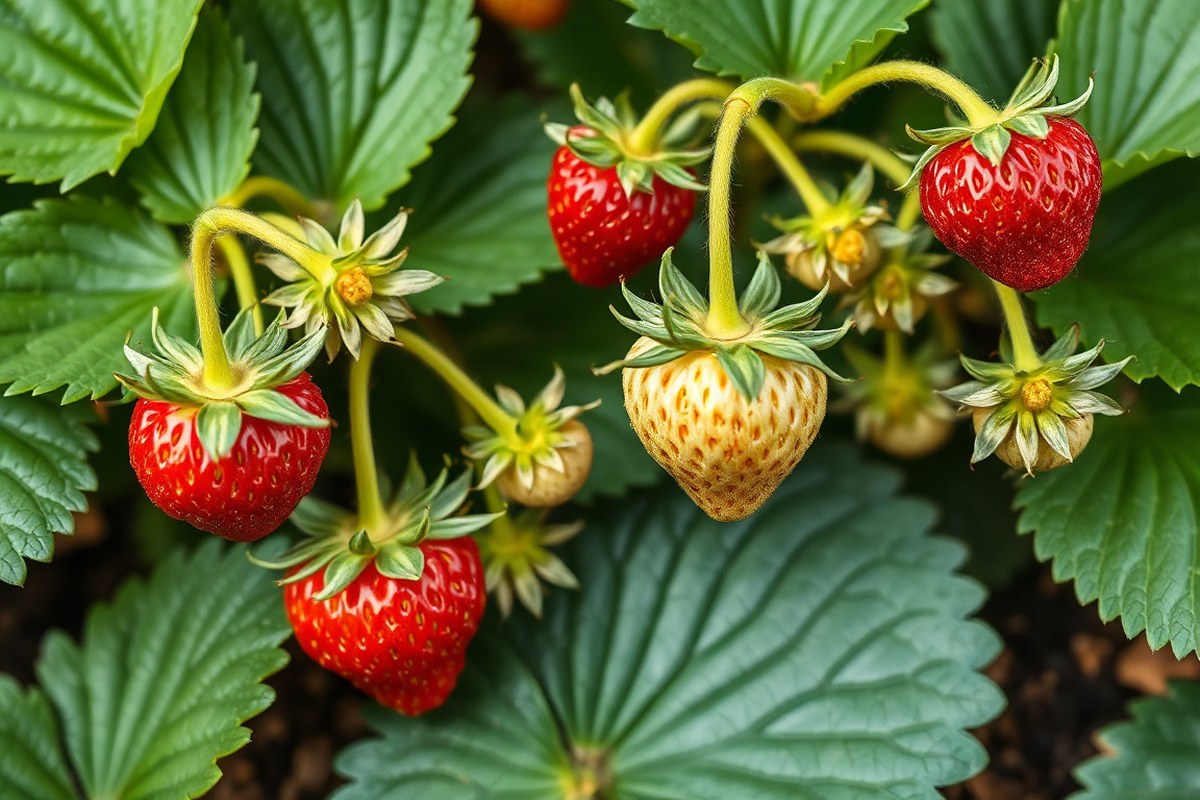
Strawberry varieties differ in how long they live and produce fruit. June-bearing and everbearing plants usually last about 2 to 3 years. Day-neutral types usually live for 1 to 2 years.
They can produce fruit in different temperatures. Their lifespan is shorter than other types.
Alpine strawberries are an exception. They typically live 3 to 5 years and give small berries throughout the season. This longevity means you might not need to replace them as often as other types.
| Variety Type | Avg. Lifespan (Years) | Peak Yield Year(s) | Fruit Production Pattern | Recommended Replacement Cycle |
|---|---|---|---|---|
| June-Bearing | 2, 3 | 1, 2 | One heavy crop in early summer | Every 2, 3 years |
| Everbearing | 2, 3 | 1, 2 | Spring + late summer/fall crops | Every 2, 3 years |
| Day-Neutral | 1, 2 | 1 | Continuous, temperature-dependent | Annual or biennial |
| Alpine Strawberries | 3, 5 | 1, 3 | Small berries throughout season | Every 3, 5 years |
Choosing the right variety depends on your goal: more frequent harvests or long-lasting plants. June-bearing and everbearing varieties deliver heavy yields but need replacement every few years. Day-neutral plants work well if you want steady fruit but expect to replant sooner.
Wild strawberries generally have shorter lifespans than cultivated ones. They produce smaller fruit but can persist naturally for a few years without much care. These plants are less common in gardens but show that the lifespan varies widely in nature.
Replant day-neutral strawberries every year or two to keep fruit production steady.
Knowing these differences helps plan your strawberry patch and schedule replacements wisely. It also saves money by avoiding keeping plants past their peak. Watching your plants for signs of decline tells you when it’s time to buy new runners.
Key Environmental and Cultural Factors Affecting Plant Longevity
Strawberry plants do best with full sun, meaning at least six hours of direct sunlight daily. Sunlight helps the plants grow strong and produce fruit regularly. Less sun weakens them and shortens their lifespan by lowering fruit yield and plant vigor.
Soil quality is just as important as sunlight. Sandy, loamy soil that drains well keeps roots healthy and prevents rot.
Adding organic matter, like compost, improves nutrients and moisture retention. Strawberries prefer slightly acidic soil with a pH around 5.5 to 6.5 for best growth and longevity.
Temperature and climate shape how long strawberry plants survive. Temperatures between 55°F and 75°F support steady growth. Cold winters help plants rest and store energy.
But harsh freezes can damage crowns if unprotected. Hot summers over 85°F stress plants, especially without shade or extra watering, speeding decline.
Watering plays a big role in plant health. These plants need about 1 to 2 inches of water per week, spread evenly.
Avoid overwatering, which causes root rot, or underwatering, which stresses the plants and reduces fruit. Mulching helps keep soil moist and temperature stable.
- Plant strawberries in well-drained, sandy, loamy soil rich in organic matter
- Provide full sun exposure, ideally 6+ hours daily
- Water consistently to deliver about 1-2 inches weekly, adjusting during heatwaves
- Protect plants with mulch to retain moisture and reduce temperature swings
- Use shade cloth or containers during extreme heat in hot climates
- Cover crowns or mulch heavily before hard freezes in cold areas
- Test soil pH and aim for 5.5 to 6.5 to ensure nutrient availability
In hot or dry regions, use containers for growing strawberries. Raised beds also help control soil moisture and temperature. Using these methods makes your plants healthier.
Containers warm faster but dry out quicker, so expect to water more often. Cooler or milder climates usually let you grow plants longer with fewer problems.
Care for plants according to your local climate. Adjust soil to fit your region. This keeps plants healthier and prolongs their life.
Adjust watering and protection seasonally to avoid stress. Many growers find strawberry plants start losing vigor after three years. So good environment conditions slow this process down.
Signs Your Strawberry Plants Are Aging or Declining
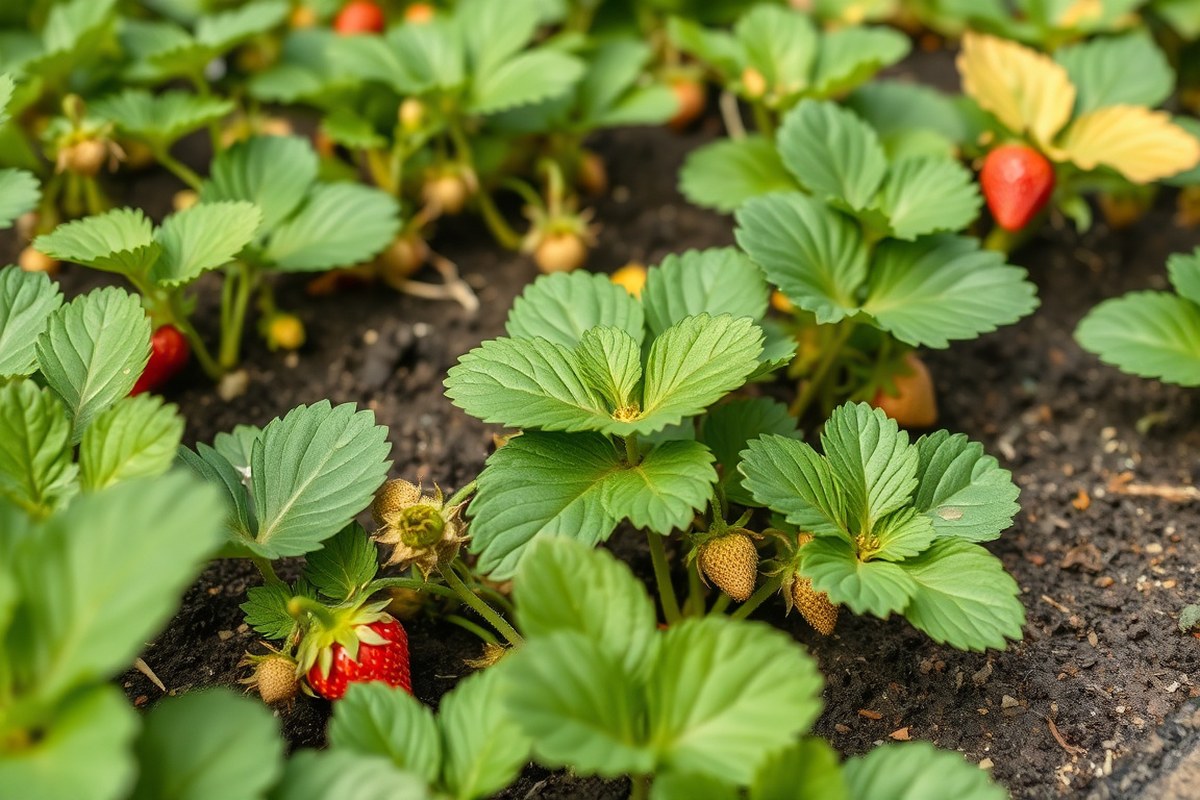
Strawberry plants usually show their age with smaller, fewer strawberries. The leaves might turn yellow or brown, and the plant’s overall growth slows. Watch for the crown becoming hard or woody.
This shows aging. It means less energy to produce fruit.
Fruit production often drops noticeably after the third year. Sharp decline in berry size or quantity means the plant is aging. This happens despite regular care.
You may see more pests or disease. This means the plant is weaker. It struggles to fight infection.
It’s important to separate aging from disease. Aging plants have a gradual drop in fruit and vigor. Disease usually hits suddenly with spots, mold, or wilting in patches.
Spot clear disease symptoms? Treat or remove the plant quickly. This protects other plants.
Keep an eye on these signs to decide when to replace your plants. Here’s a checklist to watch for aging or declining strawberry plants:
- Smaller and fewer strawberries after several seasons
- Yellowing or browning leaves that last
- Woody or hard crowns at the plant base
- Plant growth slows or looks weak
- Fruit quality drops even with good care
- More pests or disease attacks persistently present
- Sudden spotting or mold indicating disease, not aging
Checking plants each season during harvest helps you catch decline early. Healthy plants bloom and fruit well in their first 2 to 3 years. Notice these signs regularly after year three?
Plan to replace those plants. New plants restore your patch’s vigor and fruit production.
Proper fertilization and pest control can delay these signs. But even cared-for plants wear out around 5 years. Don’t wait too long to swap old plants.
A slow decline can hurt your crop size and quality over time. So watch your patch closely each season.
How to Extend Strawberry Plant Productivity over Multiple Years
You can keep strawberry plants producing well for 4 to 5 years by caring right. Good fertilizing, watering, runner control, mulching, pruning, and winter care all help. Regular attention helps them stay strong and fruitful season after season.
Fertilization and Watering Best Practices
Feed strawberry plants with balanced fertilizer each growing season. Use a formula with equal parts nitrogen, phosphorus, and potassium for best growth. Apply fertilizer in early spring before flowering starts.
Water evenly to keep soil moist but not soggy. About 1 inch of water per week during dry spells keeps plants healthy. Water early in the day to avoid fungal issues.
Too much fertilizer or water can weaken plants. Overfeeding encourages leaf growth but less fruit. Overwatering invites root rot and disease.
Runner Management and Thinning Techniques
Runners are baby plants that extend from mature strawberries. Control these runners to prevent overcrowding and competition. Thin runners early in the summer to keep 4 to 6 healthy plants per square foot.
Let a few runners root so you can replace old plants over time. Removing weak or crowded runners improves air circulation and light. This keeps the patch productive longer.
Ignore runners and your strawberry bed will turn dense and tired quickly. Crowded plants produce smaller berries and fewer fruiting crowns.
Mulching and Winter Protection Tips
Apply 2 to 3 inches of straw or pine needle mulch around plants by late fall. Mulch prevents soil freezing, reduces weeds, and conserves moisture. Remove mulch in early spring as growth resumes.
For colder zones, mow leaves after the first frost, then cover with mulch. This insulates roots and crowns through winter. Use row covers if extreme cold is expected.
Failing to protect strawberries in winter can cause freeze damage. Damaged crowns struggle to produce the next season’s fruit.
Pruning and Renovation After Harvest
Cut back foliage to 1 to 2 inches above crowns after harvest finishes. This pruning removes old leaves and disease sources. It encourages fresh leaf and runner growth for next year.
Thin plants once a year by pulling out old, unproductive strawberries. Keep only vigorous, healthy crowns for best berry yields. Replant new runners to renew your patch.
Renovation slows plant aging and increases harvest size. Skipping this step lets diseases build up and reduces yields over time.
- Fertilize with balanced feed in early spring for growth.
- Water evenly, aiming for 1 inch per week.
- Remove excess runners in early summer to prevent crowding.
- Save a few runners to replace old plants annually.
- Apply a 2-3 inch mulch layer in late fall for winter protection.
- Cut foliage back after harvest to promote fresh growth.
- Thin weak plants yearly and plant new runners.
- Protect with insulated covers during extreme cold spells.
Watch out for runners crowding your strawberry patch. Crowded plants produce smaller berries. This also lowers your overall harvest.
Common Diseases and Pests That Reduce Strawberry Lifespan
Strawberry plants often suffer from diseases that kill them early. One major problem is verticillium wilt, a fungus that clogs the plant’s water flow. It makes leaves yellow and wilt.
This shortens the plant’s life. It can cut the life short by months or years.
Avoid this by planting strawberries in well-drained, disease-free soil. Rotate crops so you don’t grow strawberries or related plants like tomatoes in the same spot. Removing dead leaves and fruit also helps stop fungal spores from spreading.
Several pests chew on strawberry leaves and fruits, damaging the plants and attracting diseases. Among the worst are spider mites, aphids, and slugs. These pests lower photosynthesis in plants.
They weaken plants over time. This often cuts their productive life by a season or more.
- Scout plants weekly for tiny webs or sticky honeydew on leaves
- Spray insecticidal soap or neem oil if pests appear
- Keep garden clean to reduce pest hiding spots
- Use barriers like copper tape to keep slugs away
- Introduce natural predators like ladybugs to control aphids
Early detection matters a lot. Check leaves often in morning light to spot damage, discolouration, or spots.
Fungal infections often start with small brown or black spots that spread quickly. Treat disease with a copper-based fungicide at first sign to keep plants healthy.
Managing pests and diseases doesn’t cost much but takes effort and regular attention. Watch for these problems regularly. This helps keep strawberry plants strong.
It lets plants live at least 3 to 4 years. Ignoring problems weakens your plants fast.
You get fewer berries from weak plants. Plants might die early without much fruit.
When and How to Replace Strawberry Plants
Replace strawberry plants every 2 to 3 years for better fruit production. Remove old plants carefully, prepare new soil, and plant fresh crowns in a shifted location. This keeps your strawberries healthy and productive.
Recognizing When Replacement Is Necessary
Older strawberry plants tend to produce fewer and smaller berries after 2 or 3 years. Crowded plants and fading vigor also signal it’s time to replace them.
Excess runners spreading everywhere or browning leaves that don’t improve after pruning show signs of decline. Replacing plants stops yield loss and disease buildup.
Preparing the Bed for New Plants
Remove old plants without digging too deep to avoid disturbing soil structure. Cut back old tops to ground level and rake out dead leaves to reduce pests.
Rotate the bed location if possible and add fresh compost to enrich the soil. Good air circulation keeps new plants healthy and productive.
- Trim old foliage to ground level in late winter or early spring.
- Carefully pull out older plants without disturbing soil deeper than 6 inches.
- Rake up leftover runners, leaves, and debris to prevent pests.
- Add 2 to 3 inches of fresh compost or well-rotted manure to the soil.
- Work compost into the top 6 to 8 inches of soil using a garden fork.
- Choose a new or rested bed to reduce disease risks.
- Level and smooth the soil surface before planting new strawberries.
Planting New Strawberry Crowns
Plant fresh crowns from your runners or purchase bare-root plants early in spring. Keep the roots moist and plant crowns so the top is just above the soil.
Space plants 12 to 18 inches apart in rows 2 to 3 feet wide. This spacing helps good air flow around the plants.
Good air flow keeps plants healthy and dry. Water gently after planting to settle the soil.
Thin runners after the first harvest. This helps new plants save energy.
Energy then goes to fruit and root growth. This keeps berries larger and sweeter for the season.
How Growing Conditions Differ for Container vs. In-Ground Strawberry Plants
Strawberry plants in containers usually live about two to three years. In-ground plants often last up to four or five years with good care. Containers need more attention since their environment changes faster.
Typical Lifespan in Containers
Growing strawberries in containers tends to limit their lifespan compared to in-ground plants. Soil volume is smaller, causing faster nutrient depletion and drying out. This stresses the plant and shortens how long it stays productive.
Container plants often need replanting every two or three years to keep fruit quality high. In-ground plants usually continue producing well for four or five years if healthy. Proper soil care can make a big difference in both cases.
Watering and Feeding Differences
Water drains quickly in pots. So container strawberries often need daily watering in hot weather.
Overwatering can happen fast too, so check soil moisture before watering. In-ground plants hold moisture longer and need less frequent watering.
Feeding container strawberries regularly helps make up for limited nutrients in potting soil. Use a balanced fertilizer every two to three weeks during growing season. In-ground plants usually require feeding only a few times a season to stay productive.
Container soil breaks down faster. So replacing the soil every year or adding compost helps.
Good soil boosts plant health and fruit size. Skipping soil refresh leads to weak plants prone to disease.
Managing Temperature and Light in Containers
Containers are sensitive to temperature swings since roots stay closer to the surface. They can overheat or freeze more easily than in-ground plants. Moving pots to shade in hot afternoons helps keep roots cool.
Sunlight is still key, with strawberry plants needing six to eight hours of direct sun. Container growers may need to rotate pots to avoid uneven leaf growth. In-ground plants usually have better temperature buffering from deeper roots and soil.
Keep container soil moist but not soggy to prevent root rot and heat stress.
Step-by-Step Action Plan to Keep Strawberry Plants Productive
Follow these easy steps to help your strawberry plants live beyond their typical lifespan. Each step helps you spot problems early and boost yields.
- Before planting: Choose strawberry varieties suited to your climate, like June-bearing for zones 4-8. This reduces stress and improves longevity.
- First month: Plant in well-drained soil with mulch to keep roots moist without sogginess. Check soil moisture weekly to keep it evenly damp.
- After 3 months: Fertilize with balanced, slow-release feed. Look for fresh green leaves and new runners as signs of good nutrition.
- End of first year: Remove old leaves and runners that look weak or brown. Healthy new growth means your plants still have life left.
- Spring of year two: Monitor for pests and diseases like powdery mildew. Treat with organic sprays if you spot any issues early.
- After 2 years: Thin plants that crowd too much to improve air flow. Crowded plants are prone to disease and less productive.
- Third year: Plan to replace older strawberry plants starting at year three. Healthy young starts keep your harvest steady.
Frequently Asked Questions
How Long Do Strawberry Plants Usually Remain Productive?
Strawberry plants typically stay productive for 3 to 5 years. Good care can stretch their fruiting life a little longer.
Can Strawberry Plants Live Longer in Cooler Climates?
Yes, strawberry plants often live longer in cooler, moist areas. Heat and drought shorten their lifespan noticeably.
What Happens If You Don’t Remove Strawberry Runners?
Not removing runners can weaken the mother plant over time. It’s best to trim runners to keep plants healthy.
Do Strawberry Plants Stop Producing Fruit as They Age?
Yes, fruit production declines after about 3 to 5 years. Replacing plants can refresh your harvest quality and quantity.
How Often Should You Replace Strawberry Plants in Your Garden?
Most gardeners replace plants every 3 to 5 years for best yields. Older plants still produce but less abundantly.
Can Strawberry Plants Survive Winter Outdoors Without Protection?
Some varieties can survive mild winters but need mulch in cold zones. Mulching helps protect roots from freezing temperatures.
Final Thoughts
Strawberry plants usually live productively for two to three years. Watching their health each season helps you get the most from them. Start planning your plant replacement this year to keep fresh berries coming.