What Does Aerating a Lawn Do? A Complete Guide for Healthy Grass
What does aerating a lawn do? It helps your grass breathe by loosening compacted soil.
This lets water, air, and nutrients reach the roots easier. You get stronger, healthier grass that grows well.
Aerating removes small plugs of soil, about 2 to 4 inches deep. These plugs are spaced 2 to 3 inches apart to open the soil evenly. It improves how your lawn handles water and reduces thatch buildup.
Start by checking if your soil is compacted or if the grass looks thin. Aeration works best when your grass is actively growing and the soil is moist. Avoid it on very dry or frozen ground to get the best results.
Key Takeaways
- Aerate your lawn once every 2 to 3 years for sandy or loose soils.
- Pick an aerator that removes plugs roughly 2 to 4 inches deep and between 0.5 to 0.75 inches wide.
- Work in a grid pattern, spacing holes every 4 to 6 inches.
- You can tell your lawn needs aeration if the soil feels hard or water pools.
- Don’t aerate if the soil is dry. Water it first and try again in 24 hours.
- Perform aeration when grass is growing actively for the best recovery.
What Does Aerating a Lawn Do and Why It Matters

Aerating a lawn creates small holes or pulls tiny plugs of soil. This breaks up soil compaction, which is when the ground becomes too hard and dense.
Compacted soil blocks air, water, and nutrients from reaching grass roots. So aeration helps by loosening the soil.
When the soil is less compact, roots get better access to oxygen and moisture. They can grow deeper and stronger, which makes the grass healthier and more resilient. Aeration helps fertilizer soak into the soil.
Fertilizer won’t just sit on top. This allows grass to absorb it fully.
Thatch is a layer of dead grass and roots that builds up over time. Too much thatch, usually more than half an inch thick, acts like a barrier. It stops water, air, and nutrients from reaching roots just like compacted soil does.
Aeration makes holes through the thatch layer. This helps break up the thatch. It lets water and nutrients reach below.
The holes made during aeration need to reach at least two inches deep. This depth hits the active root zone where the grass really needs air and water.
Just poking shallow holes won’t do much good because it won’t affect the roots. Using hollow-tined aerators removes plugs of soil, opening the ground for better absorption.
Aeration also improves drainage by letting excess water flow through soil more easily. This is important to avoid puddles and reduce fungal problems. After aerating, lawns tend to handle summer stress better and look thicker and greener overall.
When Is the Best Time to Aerate Your Lawn for Different Grasses
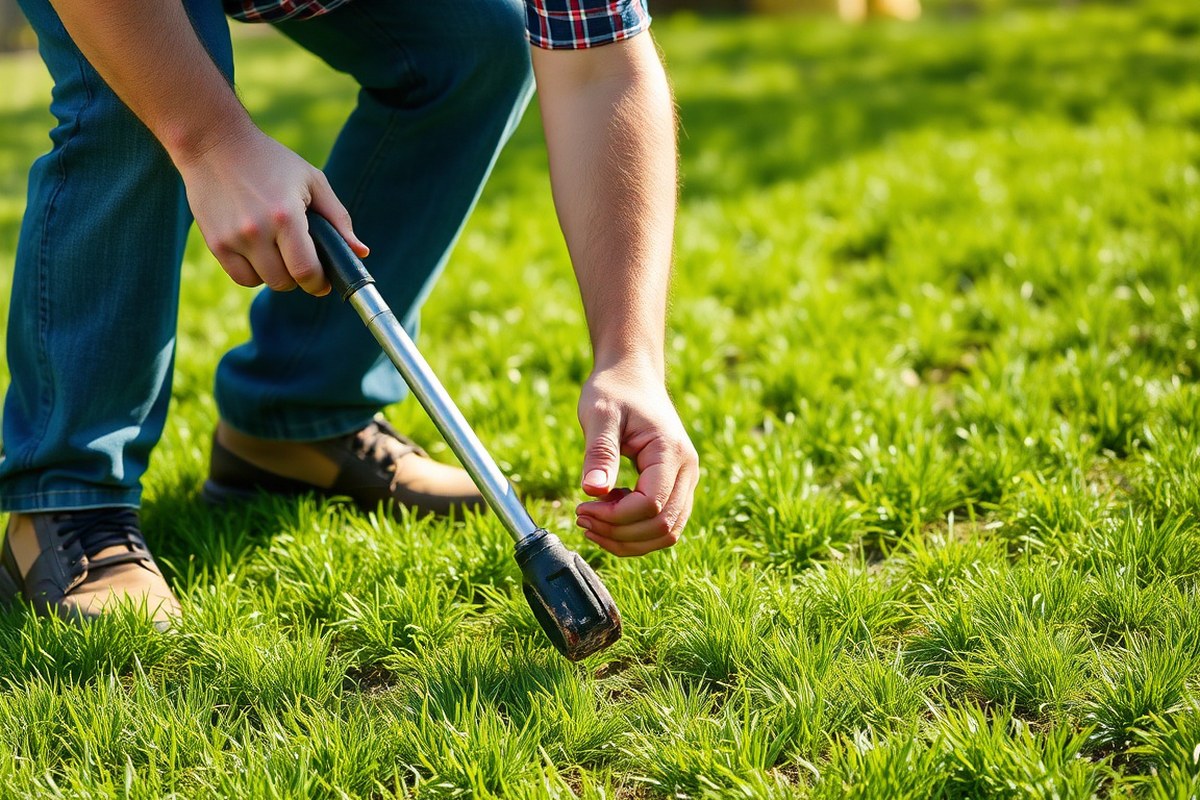
The right time to aerate depends on your grass type. Cool-season grasses like Kentucky bluegrass, tall fescue, and ryegrass grow actively in early spring and fall. Aerate these grasses during those seasons to help them recover quickly.
Warm-season grasses such as bermudagrass and zoysia thrive in summer. The best time to aerate them is late spring to early summer. This timing lets the lawn heal before the hot summer stress begins.
Avoid aerating during peak summer heat or drought. High temperatures and lack of moisture slow recovery and stress the grass.
Aeration creates holes that stay open one to two weeks. So the lawn needs good conditions to bounce back.
Don’t aerate lawns during drought or extreme heat. Grass recovers slowly then. Damage can become worse if aerated at that time.
Aerate your lawn during its growing season. This helps grass fill holes from soil plugs. It boosts lawn health and recovery.
For cool-season grasses, fall aeration supports strong root growth and reduces weed risks. Aerate warm-season grasses when growth speeds up.
This timing helps the grass heal well. Do it early in the growing season.
Doing aeration off-season often weakens the lawn. Aeration stresses grass that is dormant or slow-growing. It causes little new root growth.
Avoid aeration in these conditions. This weakens the lawn during harsher seasons like winter or summer drought.
The aeration process usually takes one to three hours depending on lawn size. Do it when the grass is healthy and growing actively. Following aeration with fertilizing or overseeding also helps speed recovery and improve lawn density.
Signs Your Lawn Needs Aeration: How to Test Soil and Lawn Health
Check your lawn’s roots to see if it needs aeration. Cut a square foot section about 6 inches deep and look at the soil.
Grass roots less than 3 inches deep or very hard soil means compaction. Your lawn is likely dealing with compacted soil issues.
Look for signs like thinning grass, water pooling, or dry, crusty soil patches. These show the lawn struggles to breathe and absorb water. Thatch layers thicker than half an inch block air and water from reaching roots.
Pull up a small grass patch to check thatch. Look for dead plants between soil and green grass. This layer is the thatch you want to measure.
- Dig out a 1 square foot lawn patch, 6 inches deep
- Check root depth, less than 3 inches indicates compaction
- Feel the soil with your fingers, it should crumble, not be hard
- Look for visible thatch thicker than 0.5 inch under grass
- Spot lawn areas with thin grass or pooling water
- Press a screwdriver into the soil; if hard to push, it’s compacted
- Note if lawn suffers stress during dry or warm weather
Hard soil causes roots to stay shallow and grass to thin out. High-traffic zones often compact faster because of foot traffic or pets. Lawns over 5,000 square feet with these signs often need professional aeration.
Consider hiring help for best results. Aerate smaller yards or sandy soil every 2 to 3 years.
This keeps soil healthy. It also helps roots grow well.
Testing soil properly saves time and money. Ignoring compacted soil means the grass won’t thrive, no matter how much you water or fertilize.
Using an aerator removes plugs about 2 to 3 inches deep and half an inch wide. This breaks up compaction and reduces thick thatch, helping air, water, and nutrients reach roots better.
Choosing the Right Aeration Method and Tool for Your Lawn
There are several types of aerators, each with strengths for different yards. Core aerators remove plugs of soil and work best for compacted, bigger lawns.
Spike aerators poke holes but don’t remove soil and suit milder compaction or sandy soil. Both manual and power models exist, with power tools saving effort on large areas.
Core Aerators Explained
Core aerators pull out plugs of soil about 2 to 3 inches deep. This process opens the soil, reducing compaction and improving air and water flow. They work well on clay or heavy soil where compaction limits grass growth.
These tools can be manual or powered. Manual versions may be slower but are affordable and good for small spots. Power core aerators speed up the process and cover larger areas efficiently.
Spike and Slice Aerators Overview
Spike aerators push solid tines into the soil but don’t remove cores. This poke-only method can compact soil more in tough conditions. It’s best on sandy or lightly compacted soils.
Slice aerators cut thin slits into your lawn. These slits let air and water reach roots better.
They work like spike aerators but create openings instead of holes. These work okay for light maintenance but don’t fix heavy compaction.
Manual vs Powered Aeration Tools
Manual aerators are lightweight and ideal for lawns smaller than 1,000 square feet. They are inexpensive, usually between $30 and $60. These work well if you want spot treatments or have a small yard.
Powered aerators, including gas or electric models, handle larger lawns without much effort. Rental prices for core aerators can be about $100 per day.
Tow-behind aerators hook to tractors and cover big areas fast. But they cost more to rent or buy.
Choosing Based on Lawn Size and Soil
Size and soil type guide your aerator choice. Smaller lawns and mild compaction let you use manual core or spike aerators. Large lawns with clay or heavy soil need powered core aeration for best results.
Spike aerators suit sandy, lightly compacted soil only. They can worsen compaction in heavy soils. Core aerators cost more but remove plugs, making soil breathing easier.
| Method | Best For | Cost |
|---|---|---|
| Core Aerator | Heavy compaction, clay soil, large lawns | $100 per day rental |
| Manual Aerator | For lawns smaller than 1,000 sq. Ft., treat only problem areas. Focus aeration on spots that need it most instead of the whole lawn. | $30-$60 to buy |
| Spike Aerator | Mild compaction, sandy soil only | $50-$80 to buy |
| Liquid Aerator | Light maintenance, supplement to mechanical aeration | $20-$40 per bottle |
Manual spike aerators tend to be cheaper but less effective on tough soil. Core aerators need more investment but restore your lawn better.
For the biggest lawns or persistent compaction, tow-behind or powered core aerators save time and effort. Picking the right tool depends on your yard’s size and soil condition.
Step-by-Step How to Aerate Your Lawn Effectively
Aerating your lawn means punching holes in the soil to improve air, water, and nutrient flow. You start by prepping the yard, then use the right aeration pattern and hole depth. After that, proper watering and lawn care help your grass recover and grow thicker.
Preparing Your Lawn Before Aeration
Cut your grass a bit shorter than usual before aerating. This lets the aerator reach the soil easier and makes your work more effective.
Water your lawn about a day or two before aerating. Moist soil softens the ground, so the aerator can penetrate deeply without struggling.
Clear sticks and stones from your lawn first. This prevents damage to your aerator. It also stops uneven spots from forming.
Correct Hole Spacing and Depth
Aim for holes spaced every 4 to 6 inches apart, forming a grid pattern. This spacing avoids missing spots and ensures your entire lawn benefits well.
Holes should be 2 to 4 inches deep. This depth loosens compacted soil zones and reaches roots, letting air and water pass through better.
Use a core aerator if possible, which removes plugs of soil. This helps the lawn heal faster by allowing root growth into the hole.
Aeration Techniques and Patterns
Follow a grid pattern, moving in parallel rows spaced 4 to 6 inches apart. Then repeat perpendicular passes for equal coverage.
Cover the entire lawn evenly, including edges and around trees. But avoid areas with disease or pests to prevent spreading them.
Make two passes in different directions for compacted or heavy clay soil. For lighter soils, a single pass is usually enough.
Immediate Aftercare Tips
Water your lawn lightly right after aeration. This helps the soil plugs break down and lets roots absorb moisture quicker.
Mow your grass within two days after aerating. This helps mix clippings into the holes.
It improves lawn health. This adds natural nutrients back to the soil.
Hold off heavy fertilizer use until the lawn starts showing recovery, usually within a week. Follow regular watering and mowing for best results.
- Mow your lawn to about 2 inches the day before aeration.
- Water the lawn 24 to 48 hours prior to soften the soil.
- Remove debris and clear the area around trees and garden beds.
- Use a core aerator for making holes about 3 inches deep every 4 to 6 inches.
- Aerate in one direction, then go over the lawn again perpendicular to the first pass.
- Water your lawn lightly immediately after aerating.
- Mow within two days to incorporate clippings and support healing.
- Continue regular watering and wait about a week before fertilizing.
Don’t aerate dry, hard soil without watering first. It could damage your equipment and stress your lawn.
What to Do After Aerating: Overseeding, Fertilizing, and Maintenance
After aerating your lawn, you want to support new growth and recovery. Overseeding, fertilizing, proper watering, and careful mowing all play roles in this phase. Follow a step-by-step timeline to help your lawn bounce back and thrive quickly.
Optimal Overseeding Practices
Right after aeration is the perfect moment to overseed. The holes in the soil give seeds good contact and room to grow strong roots. Use a grass seed type that matches your existing lawn for the best blend.
Spread seeds evenly over the aerated lawn. You can spread seeds by hand or with a spreader. Aim for 3 to 5 pounds per 1,000 square feet.
Keep your spread even for best results. Avoid walking heavily on the lawn until the seeds settle and start sprouting.
- Choose seed suited to your grass type and climate
- Distribute seed evenly over the aeration holes
- Lightly rake or roll to improve seed-to-soil contact
- Hold off on heavy foot traffic for 2 to 3 weeks
- Start watering soon after spreading seed
These steps help seeds find moisture and nutrients quickly. Overseeding after aeration fills bare spots and thickens your turf, reducing weeds.
Fertilizing After Aeration
Fertilizing after aerating boosts lawn recovery and root growth. Choose a fertilizer with balanced nutrients, including nitrogen, phosphorus, and potassium. Use a starter fertilizer with phosphorus after overseeding.
It helps with root growth. Apply it to encourage strong roots.
Apply fertilizer lightly soon after seeding or directly after aeration if you skip seeding. Avoid heavy fertilizer use to prevent burning new grass. Use a turf builder fertilizer for established lawns.
Apply about 1 pound of nitrogen per 1,000 square feet. This helps give your grass a good start.
Spreading fertilizer evenly is critical. Follow label instructions for amounts and safety. Water in fertilizer promptly to help it soak into the soil and reduce runoff.
Recommended Watering Schedule
Keep the lawn moist after aeration and overseeding to help seeds germinate. Water lightly several times a day for the first two weeks. Water four to five times daily in short sessions.
Each should deliver about a quarter inch of water. This helps keep seeds moist.
After seeds sprout, water once daily. Then, water less often but more deeply.
This encourages stronger root growth. This encourages roots to grow deeper and makes your lawn more drought-resistant.
- Water immediately after aeration or seeding
- Light, frequent watering for 1 to 2 weeks
- Gradually water deeper but less often over 3 to 4 weeks
- Avoid overwatering, which can cause disease
- Adjust watering based on weather and soil type
Using a sprinkler timer helps keep watering on track. Keep an eye on soil moisture so the ground doesn’t dry out or stay soggy.
Lawn Mowing and Traffic Guidelines
Wait to mow until new grass reaches about 3 inches tall. This usually takes 2 to 3 weeks depending on weather and grass type. Mowing too early can pull new shoots out and damage growth.
Set the mower blade high the first few times to avoid scalping. Gradually lower the height over several cuttings until you reach the normal level. Keep mower blades sharp for clean cuts.
Limit foot traffic for about 3 to 4 weeks to avoid compacting the soil again. This rest period lets roots strengthen and new grass establish.
- Delay mowing until grass is 3 inches tall
- Use a high mower setting for the first two cuts
- Sharpen mower blades for smooth cuts
- Keep off heavy traffic areas for 3, 4 weeks
- Resume normal lawn use slowly
Following these mowing and traffic tips protects your investment in aeration and overseeding. A rested and well-tended lawn recovers faster and looks better for months.
Common Aeration Mistakes and How to Avoid Them
A key mistake is aerating at the wrong time for your grass type. For example, doing it in winter on Bermudagrass can damage dormant turf. Aerate Bermudagrass in late spring or early summer.
For Kentucky bluegrass, aerate in early fall. This helps avoid stressing the lawn.
Using the wrong equipment also causes problems. Spike aerators can compact the soil more if used on heavy clay, which hurts roots.
Core aerators remove soil plugs and improve airflow better. For larger yards, mechanical core aerators save time and work.
Skipping post-aeration care lets benefits fade quickly. Water your lawn gently after aeration to help new roots grow. Overseed lawns with thin spots.
Make 6 to 10 passes with the overseeder. This improves seed-to-soil contact.
- Avoid aerating during dormancy to prevent turf damage
- Use core aeration for thick or compacted soil, not spike aeration
- Mark utility lines by calling 811 before aerating
- Water and overseed after aeration to boost recovery
- Address heavy thatch beforehand, possibly with dethatching
Excessive thatch blocks water and nutrients, limiting aeration benefit. Dethatch if your layer thicker than half an inch before aerating. Aeration breaks up moderate thatch, but not thick layers that need extra care.
Ignoring soil drainage problems can make aeration less effective. Poor drainage leads to puddles and stressed roots even after aeration. Aerate at the right time for your grass type.
Use the right method for your soil. Combine aeration with topdressing and other care steps.
Deciding Between DIY and Professional Lawn Aeration Services
Aerating your lawn yourself works well if your yard is small. It also helps if you like doing DIY projects around the house. Renting an aerator costs around $100 to $300 depending on the type and rental length.
Sharing rental costs with a neighbor can cut expenses. A basic core aerator from a hardware store works well for most lawns.
Buy an aerator if you plan to aerate your lawn every year. It’s also good if you want to help friends or family. A pull-behind aerator for a riding mower can cost $200 or more but saves time.
Professionals use heavier machines that rental places don’t have. These machines work better for large or very compacted lawns.
| Aeration Option | Cost Range | Best For | Equipment |
|---|---|---|---|
| Renting an Aerator | $100 to $300 | Small to medium lawns, occasional use | Core aerator from hardware store |
| Buying an Aerator | $200 or more | Frequent aeration, large or multiple yards | Pull-behind or manual aerator |
| Hiring Professionals | $75 to $225 | Large lawns, lack of time or equipment | Heavy-duty commercial aerators |
Hiring a pro is smarter when your lawn is large or heavily compacted. You’ll save time and get better equipment for deeper aeration.
Pros charge $75 to $225 depending on lawn size and service. They know how to aerate without damage and may offer extra care like fertilizing.
Sharing aerator rental costs with a neighbor can cut expenses significantly.
Decide based on how often you aerate and how much effort you want to put in. For a one-time aeration, renting or hiring a pro is usually cheaper.
Buy only if you want to aerate annually or manage bigger yards. Avoid heavy equipment if you’re not comfortable or experienced handling it.
Step-by-Step Action Plan for Aerating Your Lawn
Follow these steps to aerate your lawn effectively and help it thrive. Watch for improvements in soil softness and grass health.
- Before you start: Test your soil to check for compaction. Look for hard patches or water pooling. When your soil feels firm, you need aeration to help roots.
- Day 1: Choose the right aerator based on your lawn size. Use a spike aerator for small yards and a core aerator for larger lawns. Core aeration removes plugs and improves soil better.
- Day 2: Mow your lawn to about 2 inches high before aerating. Shorter grass makes it easier to aerate and see results sooner.
- Day 3: Begin aerating when the soil is moist but not wet. This helps the aerator penetrate deeply without causing damage.
- After aerating: Leave the soil plugs on the lawn to break down naturally. Avoid raking them up unless they are very thick.
- Week 1: Overseed and apply fertilizer suited for your grass type. This boosts growth and fills in bare spots quickly.
- Week 2 and beyond: Keep watering your lawn regularly but avoid overwatering. Healthy moisture helps grass roots expand in loosened soil.
- After 4 weeks: Check how softer and greener your lawn feels. No improvement means you should try more aeration or soil tests.
Frequently Asked Questions
How Often Should I Aerate My Lawn to Keep It Healthy?
Aerate your lawn once every 2 to 3 years for most soil types. This frequency prevents soil compaction without stressing the grass too much.
Can Aerating My Lawn Cause Damage If Done Incorrectly?
Yes, improper aeration can harm your lawn if done too often or on wet soil. Use the right tool and wait for your grass’s active growing season.
Is It Okay to Aerate My Lawn During Dry Conditions?
Avoid aerating during dry spells as it can stress the grass roots. Aerate after rain or watering when the soil is moist for best results.
How Deep Should Aeration Holes Be for Effective Lawn Care?
Holes should be about 2 to 4 inches deep to relieve soil compaction. This depth helps roots get enough air and water without hurting your grass.
What Is the Difference Between Core Aeration and Spike Aeration?
Core aeration removes small plugs of soil. Spike aeration pokes holes without removing soil. Core aeration generally improves lawn health better than spike aeration.
Can I Rent Aeration Equipment or Should I Buy It?
Renting equipment is usually more cost-effective unless you aerate often. Sharing rental costs with a neighbor can make it even cheaper.
Wrapping Up
Aerating loosens soil and helps grass grow stronger roots. You can boost your lawn’s health with this one good step. Start by testing your soil this weekend and plan your aeration for the right time.