How to Grow Peppers: A Complete Guide with Tips for Best Results
Knowing how to grow peppers well means starting seeds indoors two months before frost. Peppers need warm soil around 80 to 85°F to sprout. So use a heat mat.
Keep grow lights 2 to 3 inches above seedlings. This helps prevent tall, weak stems. Move the lights once half the seeds sprout.
Peppers grow best when night temperatures stay above 55°F. So don’t move seedlings outside too early. Choose pepper varieties suited to your climate.
Prepare soil that drains well in sunny spots. Plant seeds or seedlings 18 to 24 inches apart for enough room to grow healthy peppers.
Water peppers with 1 to 2 inches per week. But don’t overdo it, letting soil dry for a day keeps plants strong.
Peppers ripen best between 70 and 85 days after transplant, depending on variety and weather. Following these basic steps will help you grow flavorful peppers successfully.
Key Takeaways
- Start pepper seeds indoors two months before your last frost date.
- Use a heat mat to keep seedling soil between 80 and 85°F for best germination.
- Place grow lights 2 to 3 inches above seedlings after half sprout.
- Keep nighttime temperatures above 55°F before moving peppers outdoors permanently.
- Plant peppers in bright spots with good drainage. Allow 18 to 24 inches between each plant. This spacing helps peppers grow better.
- Water peppers with 1 to 2 inches per week, allowing soil to dry briefly.
When and How to Start Pepper Seeds Indoors

Start pepper seeds indoors about 8 weeks before the last spring frost. Plant them ¼ inch deep in a seed-starting mix. Maintain soil temperatures around 85°F for the best germination.
Choosing Seeds and Starting Containers
Select fresh seeds of your chosen pepper variety. Use small plastic trays or biodegradable pots designed for seedlings. These containers hold just enough soil to keep seeds moist without drowning them.
Use a light, soilless seed-starting mix made from peat or coconut coir. It drains well and prevents soil-borne diseases. Avoid garden soil which can be too heavy for young seedlings.
Maintaining Ideal Temperatures for Germination
Peppers need soil temperatures of 80 to 85°F to sprout quickly. Use a heat mat under your seed trays to keep the soil warm. Without bottom heat, seeds can take 3 or more weeks to sprout, or fail to germinate.
Place seed trays in a warm room or on a heated propagator to maintain consistent warmth. Once you see sprouts, remove the heat mat to avoid overheating young plants.
Providing Light and Moisture for Seedlings
After seeds sprout, they need 14 to 16 hours of light daily. Set grow lights about 2 to 4 inches above seedlings. Keep lights close so plants do not stretch or become leggy.
Keep the soil moist but not soaked. Water gently so seeds and tender roots don’t wash away. A spray bottle or bottom watering works well.
Seed Planting Depth and Timing
Plant pepper seeds ¼ to ½ inch deep in moist seed-starting mix. Press soil lightly over seeds but don’t pack it down hard. The depth keeps seeds warm and moist while allowing sprouts to reach the surface.
Start seeds indoors 8 weeks before your last expected frost date. For cooler climates, begin as early as late January to late February. Let seedlings grow until they are 4 to 6 inches tall before transplanting outdoors.
- Fill seed-starting trays with a sterile, soilless mix.
- Moisten the soil until damp but not dripping.
- Plant seeds ¼ to ½ inch deep and cover lightly.
- Set your trays on a heat mat with a temperature of 80 to 85°F.
- Put trays in a warm area or heated propagator.
- Check daily for moisture and add water gently as needed.
- Once seeds sprout, move trays under grow lights for 14, 16 hours.
- Remove heat mat after germination to prevent overheating.
Choosing the Right Pepper Varieties and Growing Methods

Choosing the right pepper varieties depends on your experience, climate, and space. Beginners should pick varieties that grow well in their local environment. You also need to decide if you’ll grow peppers in pots or directly in the garden.
Beginner-Friendly Pepper Varieties
Bell peppers and sweet frying peppers suit beginners best. They tend to grow easily and have mild heat or none. Starting with a jalapeño adds mild spice without being overwhelming.
Here’s a table showing pepper types, popular varieties, days to harvest, and common uses.
| Type | Best Varieties | Days to Harvest | Best For |
|---|---|---|---|
| Bell peppers | California Wonder, King of the North, Yolo Wonder | 70, 80 days | Fresh eating, stuffing |
| Sweet frying peppers | Jimmy Nardello, Shishito, Padron | 60, 75 days | Roasting, stir-fry |
| Mild heat | Anaheim, Poblano, Cubanelle | 70, 80 days | Cooking, chiles rellenos |
| Medium heat | Jalapeño, Serrano, Cayenne | 65, 80 days | Salsa, hot sauce, pickling |
| Hot peppers | Habanero, Thai Hot, Tabasco | 80, 100 days | Hot sauce, spice cooking |
Bell peppers like ‘California Wonder’ grow well in many gardens. Start with one bell or sweet frying pepper plus a jalapeño for variety. These choices give you mild to medium heat to try.
Container vs In-Ground Growing Pros and Cons
Pepper plants grow well in the ground or in large pots. Containers warm up faster and can move to catch more sun or heat.
In-ground peppers often grow larger but depend on good soil and weather. Pots help if you have cold nights by moving plants indoors temporarily.
Use pots of at least 10 inches wide to give roots room to grow.
Climate and Season Considerations
Peppers need warmth and sun, but some tolerate cooler climates better. Sweet peppers grow best above 59°F at night and stop producing if it gets too cold.
In cool or short seasons, use a greenhouse or start seeds indoors early. This protects heat-loving peppers like habaneros and lets you extend their season.
Spacing and Planting Density Recommendations
Space pepper plants 1.5 to 2 feet apart from stem to stem. Larger varieties like bell peppers need more room.
This spacing allows good air flow and room for branches. Crowding plants can lead to disease and smaller fruit.
Preparing Soil, Containers, and Planting Out Seedlings
Peppers grow best in well-draining soil with a pH between 6.0 and 6.8. Use containers that hold at least 3 gallons to give roots room to grow.
Harden off seedlings for 7 to 14 days then transplant them outdoors after frost danger passes. Space plants about 18 to 24 inches apart to allow enough air and light.
Testing and Amending Garden Soil
Start by testing your garden soil for pH and texture. Peppers need loose, well-draining soil with a pH near 6.0 to 6.8 for best growth. You can buy a simple soil test kit to check pH at home.
When soil is too acidic (below 6, peppers may not grow well.0), add lime to raise the pH. Work the lime 2 to 3 inches deep into the soil a few weeks before planting. For heavy clay soil, mix in organic compost or aged manure to improve drainage and texture.
Selecting Appropriate Pot Sizes
Seedlings should be placed in larger pots once they have two sets of leaves. Start with 3-inch pots, then move to 1- to 3-gallon containers for growing before transplanting outdoors. Bigger pots help develop strong roots and prevent waterlogging.
Choose containers with drainage holes to avoid root rot. When growing peppers in outdoor pots, use at least 5 gallons per plant. Plastic or ceramic pots both work fine.
Hardening Off Seedlings Gradually
Move seedlings outside for a few hours each day to get them ready for garden conditions. Start in shaded areas and bring them indoors at night. Increase sun exposure and outdoor time by a few hours daily over 7 to 14 days.
Keep seedlings watered but don’t let soil stay soggy. Hardening off helps seedlings adjust to wind, sun, and temperature changes. Avoid transplanting before nighttime temperatures stay above 60°F (15.5°C).
Step-By-Step Transplanting Guide
Transplant seedlings only after the last frost date and proper hardening off. Do this on a cloudy day or late afternoon to reduce stress. Space plants 18 to 24 inches apart in rows 24 to 30 inches wide.
- Water seedlings thoroughly the day before transplanting.
- Dig holes slightly larger than the seedling pot.
- Remove plants carefully, keeping roots intact.
- Place seedlings in holes and backfill with soil gently.
- Press soil lightly to remove air pockets.
- Water the planted seedlings to settle the soil.
- Add a thin layer of mulch to keep soil moist.
Avoid overwatering after transplanting to prevent root diseases. Seedlings should show steady growth in 1 to 2 weeks if transplanted correctly.
Watering, Fertilizing, and Maintaining Ideal Conditions
Peppers need about 1 to 2 inches of water weekly, whether from rain or watering. Water deeply but allow the top inch of soil to dry first. Overwatering is common and causes yellow leaves or root problems.
Early in growth, use a balanced fertilizer to support leaf and root development. Once flowers appear, switch to a fertilizer higher in potassium to encourage fruiting. Applying fertilizer every 2 to 3 weeks fits most home gardens well.
The ideal day temperature for peppers is 70°F to 85°F. Night temperatures should stay above 55°F. Keeping these temperatures helps peppers grow well. Cooler temperatures slow growth, while hotter ones may stress the plants.
High humidity above 70% can promote fungal diseases. So good airflow helps keep leaves dry.
Early signs of overwatering include dark, soggy soil and wilting despite wet roots. Nutrient problems often show as pale leaves or poor fruit growth. Adjust watering schedules and consider a soil test to fine-tune fertilizer needs.
Peppers tolerate mild drought after establishment, which can actually increase heat in peppers. Growing peppers in containers means you must water them more often.
In hot weather, watering might be needed every day. Containers dry out quickly and need consistent moisture without soggy soil.
Keep humidity moderate by spacing plants properly and avoiding overhead watering. In greenhouses or indoor setups, run fans or open vents to reduce moisture. Lower humidity helps prevent diseases like powdery mildew or leaf spot.
Use a high-potassium fertilizer once blooming starts to boost flower and fruit growth. Many gardeners use a 5-10-10 or 3-5-7 mix after peppers set fruit. Fertilize less during late growth since too much nitrogen can reduce pepper size and quality.
Good watering, fertilizing, and climate control make peppers grow full and strong. They want warm soil, steady moisture, and enough nutrients to fill out their fruits. Watch plants closely so you can fix problems before they stunt growth or drop peppers.
Pruning, Pinching, and Supporting Pepper Plants
Pruning and pinching can help pepper plants grow bushier and boost yields. Removing the top 30 to 50 percent of a pepper plant helps. It encourages more side shoots.
This results in more peppers. You should prune or pinch the plant while it’s young.
Do this early in its life. The plant should be actively growing then.
Pinching early branches makes a pepper plant spread wider and develop many fruiting stems. You can do this once the plant has about 4 to 6 sets of true leaves. Avoid heavy pruning later in the season, as it might reduce the total peppers you get.
Supporting your peppers is important, especially if the plants produce large peppers. Stems can be brittle and break under heavy fruit.
Tomato cages or stakes work well to hold pepper plants upright. You’ll need to choose support based on plant size and fruit load.
Follow these steps to prune, pinch, and support pepper plants:
- Use clean garden shears or pinch with your fingers to avoid infection.
- Pinch or prune young plants when they reach 6 to 10 inches tall.
- Remove the top 30 to 50 percent of the main stem to encourage branching.
- Pinch early side shoots to spread out the plant and improve air flow.
- Place a tomato cage or stake next to each plant after pruning.
- Secure branches gently to the support if they start leaning or snapping.
- Check plants weekly and remove any damaged or overcrowded branches.
Don’t overfertilize with nitrogen; it makes the plant leafy but reduces peppers.
Identifying and Managing Common Pepper Problems
Yellowing or curling leaves usually mean your pepper plants need help. Too much nitrogen causes lots of leaf growth but fewer peppers.
Temperature outside 55°F to 95°F at night leads to stress. Curling leaves can also signal pests or not enough sunlight.
Pests like aphids hide on shoot tips and the undersides of leaves. They suck plant juices, weakening your peppers. Common pests include aphids, flea beetles, leaf miners, and hornworms.
Watch new shoots closely. Use neem oil or Safer’s Soap early.
Treat infestations as soon as you spot them. Spray every 7 to 10 days until pests disappear.
Some diseases attack pepper plants and can ruin your harvest. Bacterial wilt and bacterial leaf spot happen most often.
Blossom-end rot and grey mold might appear too. Good air circulation and space between plants help prevent many diseases.
| Problem | Cause | How to Fix |
|---|---|---|
| Yellowing Leaves | Too much nitrogen, poor drainage, or disease | Balance fertilizer; avoid overwatering |
| Leaf Curling | Temperature stress or pests | Keep night temps 55-95°F; treat pests promptly |
| Aphid Infestation | Aphids on new shoots and under leaves | Spray neem oil or insecticidal soap every 7-10 days |
| Bacterial Wilt | Bacteria in soil, poor drainage | Plant resistant varieties; ensure good soil drainage |
| Blossom-End Rot | Calcium deficiency or uneven watering | Water consistently; add calcium if needed |
Fix nutrient deficiencies by adjusting fertilizer. Too much nitrogen slows fruit, so use balanced formulas.
Calcium helps prevent blossom-end rot; add lime or gypsum when needed. Apply fertilizer every 3 to 4 weeks after plants set fruit.
Water only when the top 1 to 2 inches of soil feels dry. Overwatering leads to root rot and other problems.
Adjust watering if it rains a lot or during hot weather. Avoid watering leaves to reduce fungal risks and pest attraction.
When and How to Harvest Peppers for Best Flavor
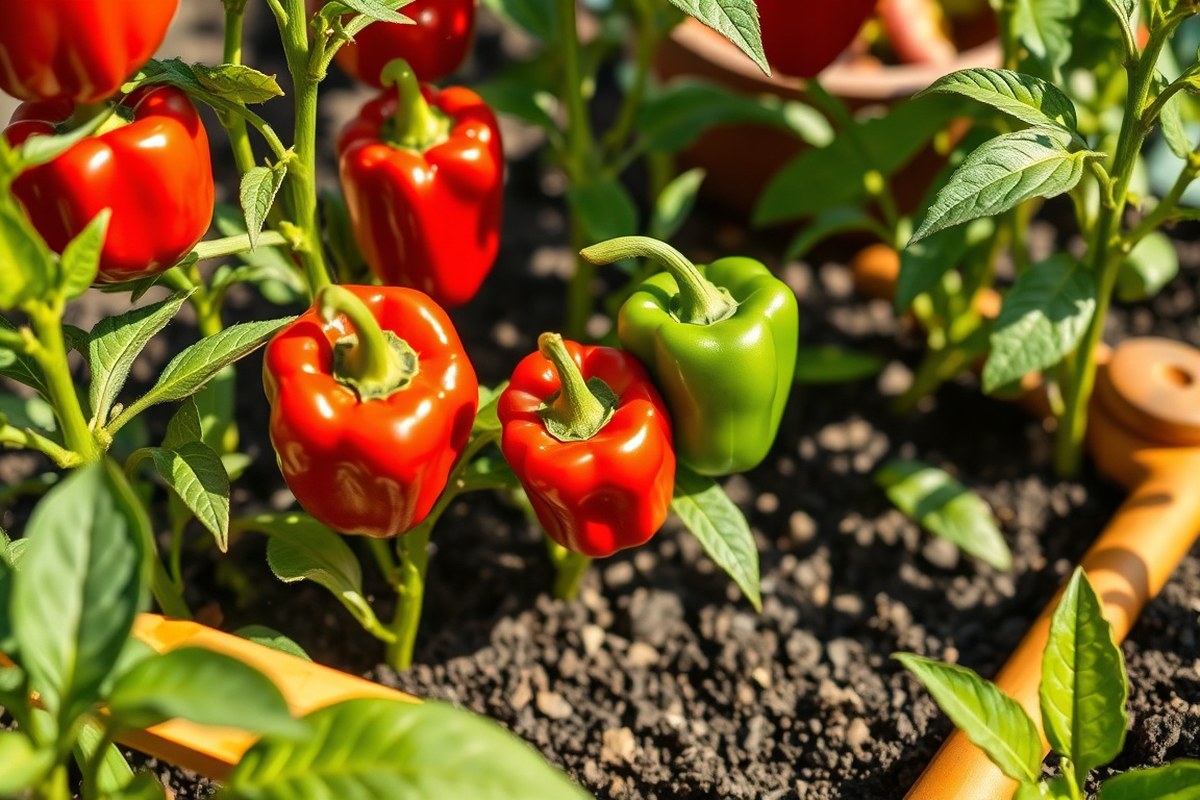
Peppers usually take 70 to 85 days after planting to be ready. Bell peppers can be picked green after 60 to 70 days when they look full size. You can wait for peppers to change color.
They turn red, yellow, or orange. These colors mean the fruit will taste sweeter. Hot peppers tend to be milder if picked green and hotter at full color.
You’ll know peppers are ready by checking their size, firmness, and color. Green peppers should be firm. They should reach their mature size.
Bell peppers often grow 3 to 4 inches wide. Look for smooth skin without wrinkles and a glossy surface, which signals good flavor.
Ripe peppers will have their full color and taste sweeter. Avoid picking peppers with soft spots or shriveled skin because those can spoil quickly.
Picking peppers carefully avoids damage to the plant and fruit. Use garden scissors or pruners to cut the pepper from the plant. Leave a short stem attached.
This helps the pepper last longer. Avoid pulling or twisting peppers to prevent snapping branches or stems. Harvest in the morning when the peppers are cool and dry for longer storage life.
- Pick green peppers when full size and firm, about 60-70 days after transplant
- Wait for colored peppers for sweeter, fully ripe fruit; 70-85 days total
- Use pruning shears or scissors to cut instead of twisting or pulling
- Harvest hot peppers green for mild heat or red/orange for maximum heat
- Check peppers for glossy skin, full color, and hardness before picking
- Do morning harvests for best pepper freshness and storage potential
Store picked peppers in the fridge’s crisper drawer inside a plastic bag with holes. Peppers stay fresh for about 1 to 2 weeks this way. For longer storage, freeze peppers after chopping or slicing.
Dry peppers can be hung in a dry, airy spot or put in a dehydrator. Fresh peppers spoil quickly at room temperature.
They usually go bad within a few days. Warm weather speeds up this process.
Saving Pepper Seeds for Next Season
Seeds from fully ripe peppers are best for saving. Look for peppers with changed colors such as red, orange, or yellow.
These colors mean the pepper is mature. The seeds inside will likely grow well next season.
Avoid saving seeds from hybrid peppers if you want true-to-type plants. Hybrid seeds often produce plants with different traits. Save hybrid seeds and expect surprises in flavor, size, or heat.
Separate different pepper varieties by 300 to 1,600 feet when planting saved seeds. This spacing prevents cross-pollination between varieties. Cross-pollination can change the seed’s traits and lead to mixed plants.
Follow these steps to extract, dry, and store your pepper seeds safely for next season.
- Cut the pepper: Use a sharp knife to slice the pepper open lengthwise. This exposes the seeds inside with minimal damage.
- Scoop out seeds: Gently scrape the seeds away from the inside walls. Avoid seeds that look shriveled or discolored.
- Rinse seeds: Place seeds in a fine mesh strainer and rinse under cool water. This removes pulp that can cause mold.
- Dry seeds: Spread cleaned seeds on a paper towel or plate in a warm, dry spot. Let them air dry for 7 to 10 days until fully dry.
- Store seeds: Put completely dry seeds in a sealed container or envelope. Keep them in a cool, dark, dry area like a pantry or fridge.
- Check viability: Soak 10 seeds overnight. Plant them on damp paper towels. Count how many sprout in 7 days.
Stored properly, pepper seeds can last 2 to 5 years. Keep them away from moisture and heat to avoid losing viability. Label your seed packets with the variety name and date for easy tracking.
Save seeds only from fully ripe peppers to ensure good germination. Unripe peppers often have weak or no seeds.
Step-by-Step Action Plan to Grow Peppers Successfully
Follow these clear steps to move from seeds to harvest with healthy pepper plants. Each step helps you track your progress and make adjustments.
- Week 1: Start seeds indoors in seed-starting mix at 70-80°F. Seeds should sprout in 7-14 days.
- Weeks 3-4: Thin seedlings and give them full light for 12-16 hours daily. You’ll see strong, sturdy seedlings growing.
- Week 6: Start hardening off plants by putting them outside. Do this for a few hours each day. Continue the process for 7 days straight. Plants adjust when they stop wilting.
- Week 7: Transplant seedlings into well-prepared garden soil or larger containers. Look for good root growth before planting out.
- Weeks 7-10: Water plants deeply once or twice each week. Feed them with balanced fertilizer every 2 or 3 weeks. Keep this routine up through week 10. Healthy, green leaves show you’re on track.
- Week 10 onward: Prune off side shoots to help main stems grow. Use stakes to support taller plants so they stay upright. Plants grow stronger and yield better.
- First harvest: Pick peppers when their color fully develops. Taste test to know when flavor is at its best.
Frequently Asked Questions
How Many Months Does Pepper Take to Grow?
Peppers usually take 2 to 4 months to grow from planting to harvest. The exact time depends on the variety and growing conditions. Warmer temperatures generally speed up their growth.
What Month Should You Plant Peppers?
Plant peppers indoors about 8 weeks before the last frost date in your area. Outdoors, transplant seedlings after all danger of frost is past. This timing helps peppers get enough warmth to thrive.
Do Peppers Grow Better in Pots or in the Ground?
Peppers grow equally well in pots or the ground if conditions are right. Large pots allow you to move plants to warmer or sunnier spots. This flexibility can improve growth, especially in cooler climates.
What Is the Secret to Growing Peppers?
The secret is warm soil and consistent moisture, with plenty of sun. Also, avoid overwatering to prevent root problems. Fertilize lightly and prune to encourage stronger plants and better yields.
How Much Sun Do Peppers Need Daily?
Peppers need at least 6 hours of direct sunlight daily for best growth. More sun boosts fruit development and flavor. Less light can cause weak plants and fewer peppers.
Can You Grow Peppers Indoors Year-Round?
Yes, peppers can grow indoors year-round with grow lights. They need 14 to 16 hours of light daily. Keep temperatures above 60°F for steady growth and fruiting.
The Bottom Line
Growing peppers from seed needs patience and care, but it’s very rewarding. Start with good light and water, then keep an eye on growth stages. Now, check your seeds or seedlings and give them the right start today.