How Big Does a Spider Plant Get: Size Guide and Growth Tips
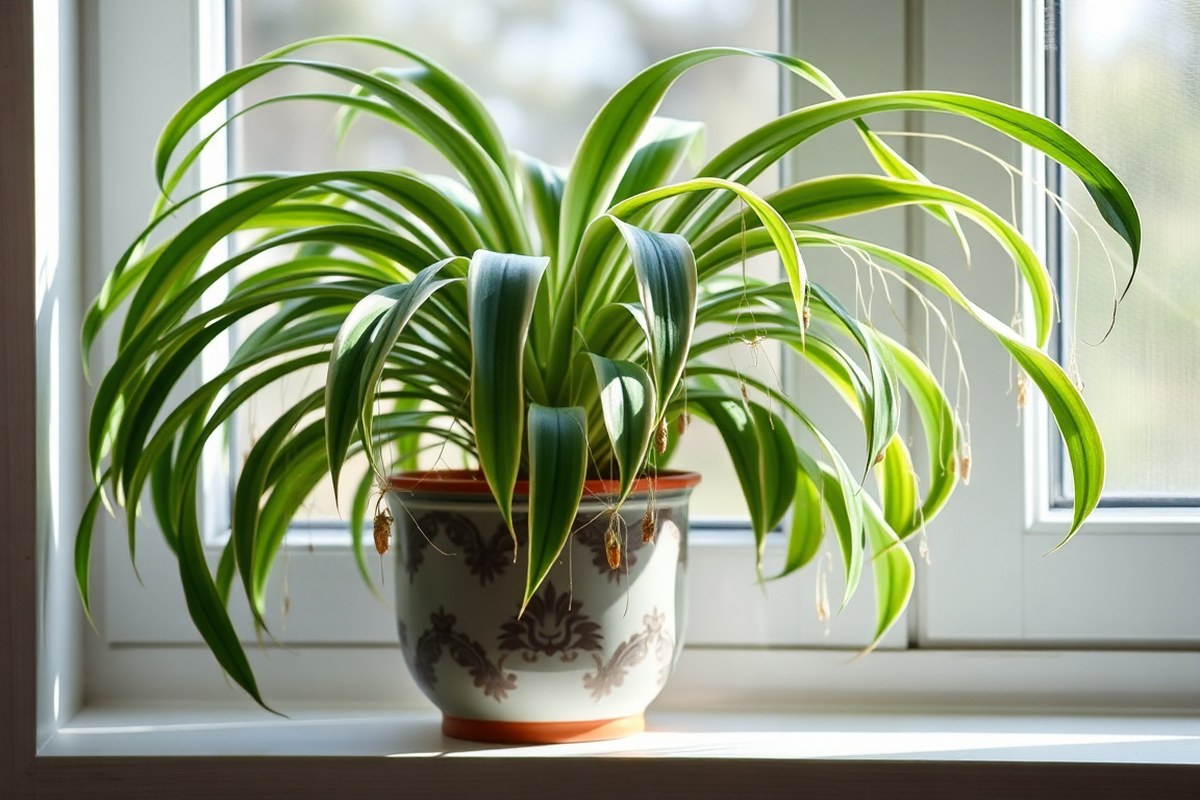
How big does a spider plant get depends mainly on where you grow it. Indoors, spider plants grow 12 to 15 inches tall.
They spread about 18 to 24 inches wide. Their long stems with baby plants can trail 3 to 4 feet if hanging.
Outdoors, spider plants can grow slightly larger. But pot size is the biggest factor indoors or out. Using a bigger pot lets roots spread and the plant grow wider and taller.
Repot your spider plant every 2 to 3 years. You can also divide it if it gets crowded.
Spider plants reach full size in 12 to 24 months. They need good light and enough nutrients.
Younger plants may look small because they haven’t started sending out pups yet. To help your spider plant grow big, give it bright indirect light and avoid overwatering.
Key Takeaways
- Spider plants usually grow 12, 15 inches tall and 18, 24 inches wide indoors.
- Trailing stems can reach 3 to 4 feet in hanging baskets.
- Pot size directly limits how big your spider plant can get.
- Repot into a container 1, 2 inches bigger every 2, 3 years for best growth.
- Spider plants take about 12, 24 months to reach full mature size.
- Different varieties like ‘Hawaiian’ stay smaller than typical spider plants.
How Big Do Spider Plants Typically Grow Indoors and Outdoors?
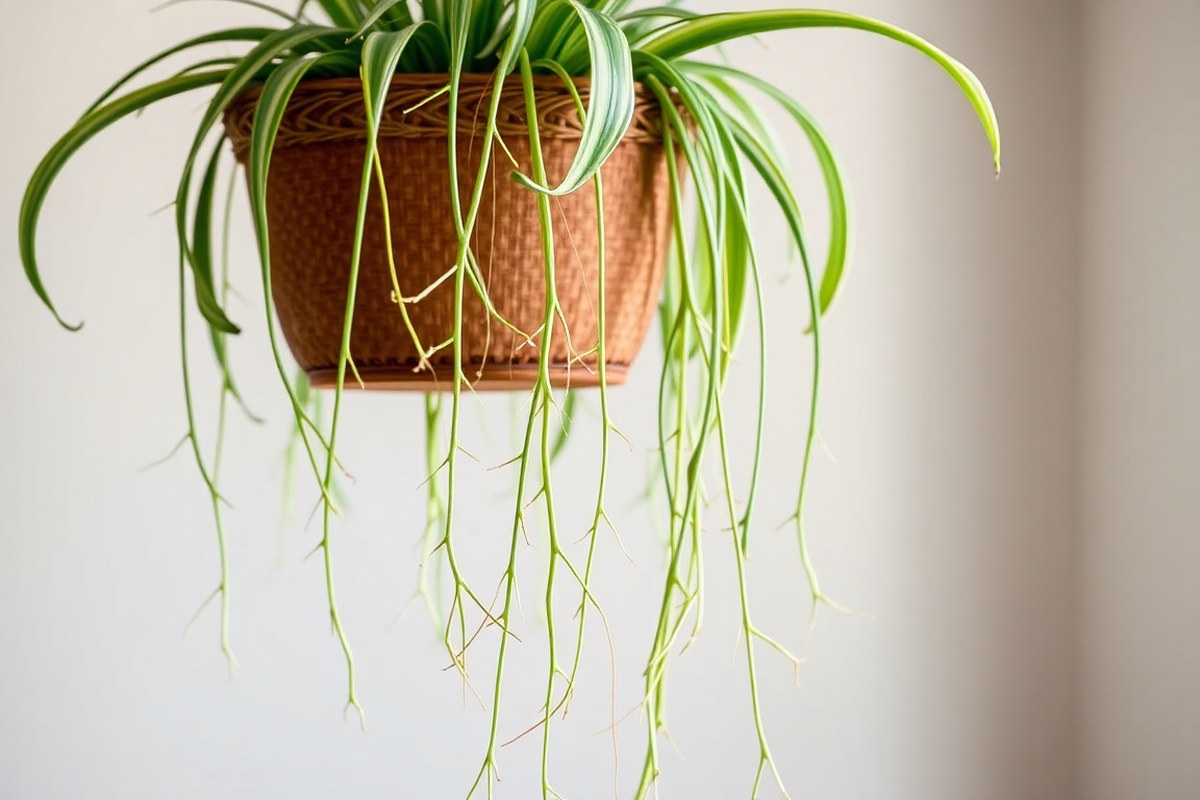
Spider plants usually grow to about 12 to 18 inches tall indoors. Their spread is 12 to 24 inches wide.
Their leaves grow 8 to 18 inches long. Runners or “spiderettes” often trail 3 feet or more when the plant hangs in a basket.
Outdoors, spider plants can reach similar heights but often spread wider, sometimes up to 2.5 feet across. They benefit from more space and natural conditions, allowing their runners to extend longer than indoors. However, extreme sun or cold can stunt growth or damage the leaves.
The size of your spider plant depends a lot on its pot and root space. More soil lets roots spread, encouraging a fuller plant.
Indoor plants in small pots usually stay smaller. They don’t reach max size like outdoor plants or those in bigger pots.
| Measurement | Typical Mature Size |
|---|---|
| Height of foliage clump | 12 to 18 inches |
| Spread of clump | 12 to 24 inches |
| Individual leaf length | 8 to 18 inches |
| Total span including hanging runners | 3 feet or more |
| Time to reach mature size | 1 to 2 years |
Spider plants reach full size faster if they have the right light and nutrients. Bright, indirect light and regular feeding help indoors. Outdoors, protecting the plant from harsh sun and cold keeps growth steady.
You can expect your spider plant’s long runners to cascade well beyond the main body. This makes them great for hanging pots where runners can dangle freely. Root space mostly limits how big the main clump gets rather than the runners.
How Long Does It Take a Spider Plant to Reach Full Size?
How Long Does It Take a Spider Plant to Reach Full Size?
Spider plants usually start producing pups after 12 to 18 months. Under good care, they reach full size between one and two years. Growth speed varies with light, temperature, and watering.
Growth Stages from Pup to Adult
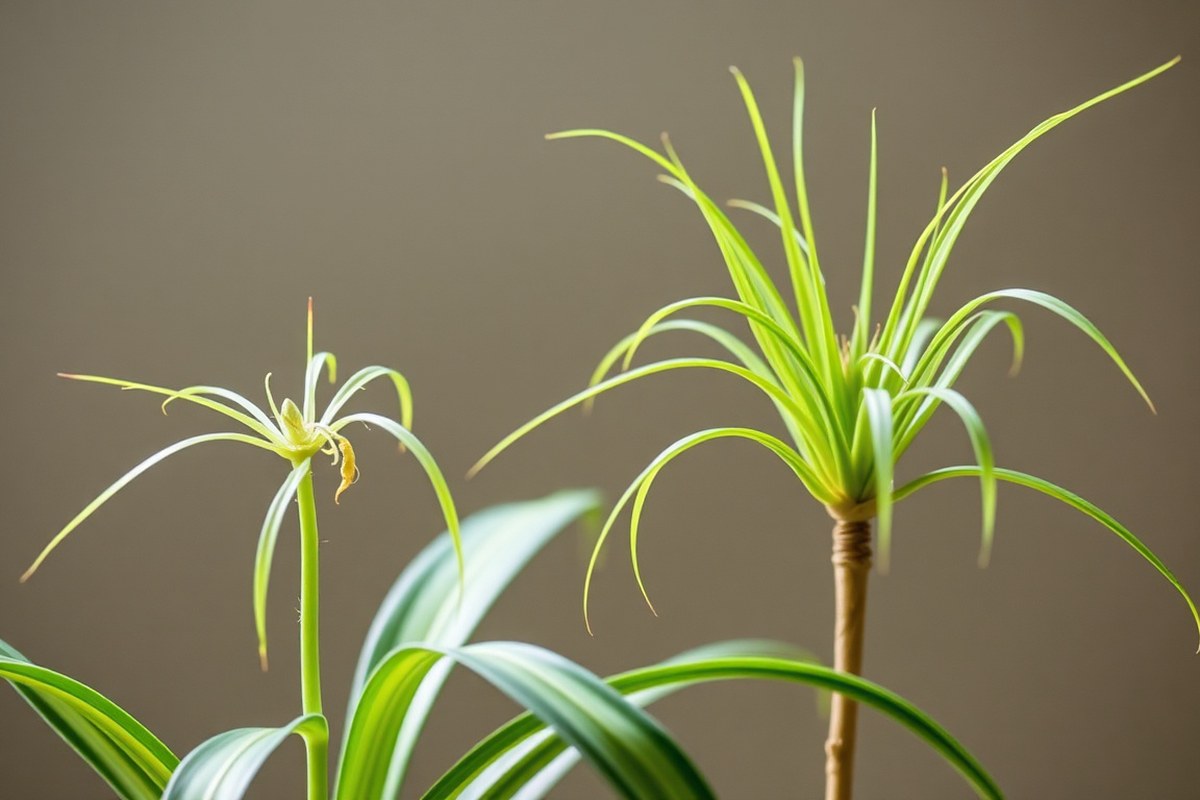
Spider plants go through clear growth phases before maturity. Early on, they grow new leaves and roots but don’t produce pups. At about 12 months, they begin forming stolons with baby plants at the tips.
Once pups appear, they grow fast and thicken the plant’s spread. The plant transitions from a small rosette to a fuller shape. New leaf shoots come from the center, replacing older leaves.
Expected Timeline Under Ideal Conditions
Spider plants grow best in bright spots with steady warmth. Keep the temperature between 70 and 85°F for good growth. They can reach full size within 6 to 12 months.
Spider plants often grow 12 to 15 inches tall. Their width usually reaches 18 to 24 inches. This growth happens during their first year.
Runners can grow 12 to 24 inches. 3 to 8 pups may form per season indoors.
Plants in even sunnier or greenhouse-like spots fill out faster. Larger spider plants reach 16 to 24 inches tall. They develop more pups as they grow.
These plants finish maturing in 12 to 18 months. Cooler or dimmer rooms slow growth, stretching maturity to 2 to 3 years.
Impact of Seasonal Changes on Growth Rate
Spider plants slow down during colder months when temperatures drop below 60°F. Growth nearly halts because metabolic activity decreases. In early spring, vigorous new growth starts as light levels improve.
Watering should match the season since overwatering in winter risks root rot. During warm months, healthy watering and bright indirect light encourage runners and pups. Seasonal care changes help your spider plant reach full size on time.
Check that your spider plant is at least a year old before expecting pups. Patience helps avoid unnecessary worry about slow growth.
Spider Plant Varieties and How Their Sizes Differ
Not all spider plants grow to the same size. Their size varies by variety, leaf shape, and growth habit. Knowing the common varieties helps you pick the right plant for your space and needs.
Common Cultivar Sizes
Spider plant cultivars differ in height, spread, and leaf length. Some varieties stay compact, while others grow larger and more vigorous. The table below shows typical sizes for several popular types.
| Variety | Height (inches) | Spread (inches) | Leaf Length | Notes |
|---|---|---|---|---|
| Chlorophytum comosum ‘Vittatum’ | 12, 15 | 18, 24 | 12, 18 in | White central stripe, most common variety |
| Chlorophytum comosum ‘Variegatum’ | 10, 14 | 16, 22 | 10, 16 in | Green edges, white center; slightly smaller |
| Chlorophytum comosum ‘Bonnie’ | 8, 12 | 14, 20 | Curly, 10, 14 in | Dwarf curly form, compact for small spaces |
| Chlorophytum comosum (Solid Green) | 14, 18 | 20, 26 | 18, 24 in | Larger, all-green leaves; more vigorous |
Choosing the right cultivar gives you better control of your spider plant’s final size. ’Bonnie’ is great for small shelves. The solid green type fills bigger spots.
Leaf and Growth Habit Differences
Leaf color and shape matter when predicting plant size. Plants with solid green leaves often grow faster and get bigger than variegated forms. The variegated leaves can reduce photosynthesis, which slows growth a bit.
The ’Bonnie’ variety shows curly leaves that stay shorter and denser. This growth habit makes it look more compact and keeps the plant from sprawling. ’Vittatum’ and solid green types have straighter, longer leaves.
The leaves can grow 18 to 24 inches. They tend to look sleek and simple.
Leaf width varies too: wider leaves give a fuller look but need more space. Leaf shape and growth pattern change your plant’s space needs.
These traits affect how the plant looks in a room. They play a role in your style too.
Choosing the Right Variety for Your Space
Pick a variety that matches the space and light you have. Choose a compact type like ’Bonnie’ for small shelves or tables. It helps you avoid overcrowding.
This keeps your space neat and tidy. Larger types like ’Vittatum’ work better on the floor or large plant stands.
Also consider the leaf color pattern. Variegated types add a decorative touch with their stripes and edges. Solid green types stand out by their size and fullness but need more room to thrive.
Start by choosing a healthy plant from the variety you want. Use the right pot size and light for best growth.
This lets the plant reach its potential. It also stops the plant from taking too much room.
How Pot Size and Root Space Affect Spider Plant Growth
Pot size directly limits how big your spider plant can grow. A 6-inch pot holds about 1.5 quarts of soil, enough for a plant about 12 inches tall.
Roots get crowded and growth slows when the pot is too small. They can’t spread out properly in a tight space.
Spider plants tolerate being a bit root-bound better than most houseplants. Mild root crowding encourages the plant to send out more stolons and pups. Repot when roots fill more than 80% of the pot.
Also repot if roots grow out of drainage holes. This helps the plant grow healthier.
Look for these signs your spider plant needs a bigger pot:
- Roots visible through drainage holes or circling inside the pot
- Soil dries out faster than every two days after watering
- The plant lifts itself from the pot when lifted or watered
- Leaves look crowded or growth stalls despite good care
- Plant hasn’t been repotted for over three years
Repot your plant into a container 1 to 2 inches larger in diameter every few years. Adding fresh potting mix and a slightly bigger pot restarts vigor and supports steady growth. Keep about half to one inch of space between soil and pot rim.
This space helps prevent overwatering problems. Water drains better this way.
It’s fine to let spider plants become root-bound before repotting. Just avoid letting roots get too tight or tangled, which can cut off water and nutrients.
Keeping the plant in snug quarters helps maintain that lush, full look spider plant lovers enjoy. But when the plant outgrows its pot too much, its health and size start to suffer.
Key Environmental Factors That Influence Spider Plant Size
Spider plants need bright but indirect light to grow well. Around 2,000 lux for 8 hours daily helps them photosynthesize and grow larger.
Too little light means slow, leggy growth. Harsh direct sun can scorch their leaves.
The right temperature is between 60°F and 75°F (15, 24°C). This range keeps the plant comfortable and active. Spider plants also like moderate humidity.
Too dry air can cause leaf tips to brown. Using a humidifier or pebble tray adds moisture for better size.
Water your spider plant when the top inch of soil dries out. Overwatering leads to root rot and stunts growth, while underwatering causes droopy leaves. Tap water quality matters too.
Fluoride and chlorine in city water can harm roots and limit size. Use room-temperature, filtered, or distilled water when possible.
Tip: Mist your spider plant several times a week with soft water. This adds humidity and helps prevent leaf tip browning.
Keep light steady and indirect for your spider plant. Maintain temperatures near 70°F (21°C). Water it correctly to help it grow fully.
Watching for dry soil and using clean water reduces stress that slows growth. Small adjustments in these factors make big differences in how lush your plant gets.
Nutrient and Feeding Strategies to Maximize Spider Plant Growth
Spider plants benefit from feeding once or twice in spring and summer. Apply liquid fertilizer every 3 to 4 months since it’s mild on houseplants. Avoid fertilizing during fall and winter when growth slows with cooler weather.
Fertilizing when growth slows can cause salt build-up in the soil. This salt damages root tips and causes brown leaf tips.
You should wait to feed your spider plant after repotting it recently. Fresh compost usually provides enough nutrients for a while.
The best fertilizers have balanced nutrients like a 10-10-10 or 20-20-20 formula. You can also choose one labeled for indoor plants or foliage. Avoid high-nitrogen fertilizers since spider plants don’t need intense feeding to grow well.
- Feed liquid fertilizer once every 3 to 4 months in spring and summer
- Do not fertilize during fall and winter to prevent root damage
- Wait 4 to 6 weeks after repotting before fertilizing again
- Choose balanced fertilizers like 10-10-10 or ones made for houseplants
- Avoid overfeeding; too much fertilizer causes brown leaf tips
- Keep indoor temperatures between 60 and 80°F for best growth
Overfeeding causes fast, weak growth with low chlorophyll. This growth often collapses when spring arrives.
Giving your spider plant a rest during cooler months helps it stay healthy and fuller. Maintaining proper warmth and feeding timing keeps your plant lush and growing steadily.
Managing Spider Plant Size Through Pruning, Dividing, and Pups
You can manage your spider plant’s size well by pruning, dividing, and handling its pups. Pruning shapes the plant and limits growth.
Dividing clumps lets you create new plants and reduce the mother’s size. Managing pups balances energy and helps keep your plant healthy.
Pruning Techniques for Size Control
Pruning cuts back the leaves and stems to keep the plant smaller and tidier. Use clean, sharp scissors or pruning shears to avoid spreading disease. Trim older or overly long leaves near the base to keep a compact shape.
Cut off dead or yellow leaves as they appear to keep the plant healthy. Prune after watering so the leaves are flexible and less likely to tear. Avoid removing more than one-third of the leaves at once to prevent stress.
Dividing Clumps Correctly
Dividing spider plants reduces crowding and promotes better growth. It also creates new plants you can share or repot.
Divide your spider plant when it’s healthy and roots fill the pot. This usually happens every 1 to 2 years.
To divide, gently remove the whole plant from its pot. Separate the root mass into smaller sections, making sure each has roots and leaves. Repot each section in fresh soil and water well to help them settle.
Let the divided plants sit in indirect light for a few days to recover. Avoid fertilizing for about two weeks after dividing. This helps prevent root burn while the plants adjust.
- Water your spider plant a day before dividing to soften roots.
- Carefully take the plant out of its pot without damaging roots.
- Gently tease roots apart or cut to separate sections with leaves.
- Fill new pots with fresh potting mix suited to spider plants.
- Place each divided section into a new pot and firm the soil.
- Water each pot with room-temperature water until moist but not soggy.
- Keep new plants in shade or indirect light while recovering.
- Hold off on fertilizer for about two weeks after dividing.
Managing and Propagating Pups
Pups are baby spider plants growing from the mother’s stems. Leaving them attached lets the mother plant feed them, affecting her leaf vigor. You should remove pups regularly to balance growth and energy.
To remove pups, gently cut the connecting stem using clean scissors. Plant pups in moist soil or water to start new plants.
Keep 1 or 2 pups on the mother plant for a fuller look. This won’t harm her health.
Benefits of Keeping Some Pups Attached
Leaving 1 to 2 pups on the mother plant keeps her vigorous. Field trials show she retains 92% of her pre-propagation strength with this number of pups attached. More than six to eight pups reduce the mother’s leaf vigor noticeably.
Keeping some pups attached directs energy without overload. This balance keeps your spider plant healthy and attractive for longer. Remove additional pups to avoid weakening the mother and encourage steady growth.
Common Growth Problems That Limit Spider Plant Size and How to Fix Them
Slow growth in spider plants often happens due to dry air or poor watering habits. Brown leaf tips often show the plant has problems. They can stop your plant from growing well.
You should pay attention and act quickly. Dry air causes the tips to dry out and turn brown, slowing growth over time.
Another frequent cause is too much water or poor drainage. Keeping the soil constantly wet without drainage holes suffocates the roots and stops growth. Check your pot for drainage and water only when the top inch of soil feels dry.
Floppy or thin leaves usually mean the plant isn’t getting enough light or nutrients. Spider plants like bright but indirect light. Feed them every 4 to 6 weeks in spring and summer.
Use a balanced fertilizer to keep them healthy. Without enough light or food, leaves grow long but weak and limp.
Dealing with brown tips calls for careful trimming and fixing conditions. Snip off the brown tips or remove entire damaged leaves.
But don’t remove too many at once. Pruning encourages new growth and redirects energy to healthier leaves.
- Use a pot with drainage holes to prevent root rot.
- Water only when the soil feels dry about 1 inch deep.
- Increase humidity by misting or using a pebble tray.
- Feed with a balanced liquid fertilizer every 4-6 weeks in spring and summer.
- Keep the plant in bright, indirect light, not direct sun.
- Remove brown leaf tips or damaged leaves with clean scissors.
- Rotate the pot 90 degrees every week for even growth.
Yellowing leaves or slow growth may also indicate salt buildup from hard water or excess fertilizer. Flush the soil by watering heavily and allowing it to drain to wash out salts. Repotting in fresh soil every couple of years helps maintain healthy roots.
Be patient after pruning brown tips, damaged parts don’t regrow. But new healthy leaves will appear with proper care.
Reviving a stressed spider plant means matching care to its environment. Start with a well-draining pot, consistent watering, and creating a humid place to live. Trimming damaged foliage and regular feeding support recovery and boost growth.
Step-by-Step Action Plan for Growing and Managing Your Spider Plant
To keep your spider plant healthy, follow these simple steps. They help it grow well. Also, keep it the right size for your space.
- Before you start: Choose a pot with good drainage that fits your plant’s current size. Check the roots aren’t crowded to avoid stunted growth.
- Week 1: Place your spider plant in bright, indirect light. Watch for healthy leaf color and firm leaves the first week.
- Weeks 2-4: Check the soil by touching the top inch. Only water when the soil feels dry. Avoid giving too much water to prevent problems.
- Month 2: Fertilize once a month with a balanced houseplant food at half strength. Look for greener leaves and steady growth as signs it’s working.
- Month 3: Start pruning any brown leaf tips or crowded pups. This will keep your plant tidy and help it focus energy on healthy growth.
- Month 6: Look for roots filling the pot or many pups. These signs mean it’s time to repot or divide. Do this to keep your plant healthy. Healthy new growth shows it responded well.
- Ongoing: Monitor for pests like spider mites or signs of leaf spots. Treat issues quickly to avoid growth problems.
Frequently Asked Questions
Can a Spider Plant Outgrow Its Pot Quickly?
Yes, spider plants can outgrow their pots within 1 to 2 years. Repotting every 2-3 years prevents root crowding and promotes healthy growth.
Do Spider Plants Grow Differently If Grown in Hanging Baskets?
Hanging baskets often encourage longer leaves and pups. This growth style helps spider plants spread, adding a decorative cascade effect indoors.
Are Spider Plants Fast Growers Compared to Other Houseplants?
Spider plants grow relatively fast, often reaching mature size in 1 to 3 years. Proper care speeds this up while poor conditions slow growth.
Can Spider Plants Survive If Kept Small and Pot-Bound?
Yes, spider plants survive small pots but grow slower and may flower less. Keeping roots crowded limits size but maintains the plant’s life.
Do Spider Plants Grow Bigger in Summer Than Winter?
Spider plants typically grow more in summer with warmer temperatures and more light. Growth slows down naturally during winter dormancy.
Is It Normal for a Spider Plant to Stop Growing After a Few Years?
Yes, spider plants may slow growth when root-bound or nutrient-limited. Repotting and feeding can revive growth and size increase.
Wrapping Up
Your spider plant usually reaches about 1 to 2 feet wide and tall inside. Keeping light, water, and pot size just right helps it grow well without getting too big. Start by picking the right pot and spot, then watch how it grows each week.