Is Spray Painting Illegal? What You Need to Know Before You Paint
Is spray painting illegal? The answer depends on where and how you spray paint.
It’s not the paint that breaks the law but the place or permission. Painting your own property or vehicle usually isn’t illegal.
Spray painting public or private property without permission is often against the law. Laws vary by state and city, so local rules matter a lot. Penalties for illegal graffiti can range from fines to community service or even jail time.
Many areas have rules on age limits for buying spray paint. Usually, you must be at least 18 years old to purchase it legally. Misusing spray paint, like vandalism or tagging, can lead to criminal charges in some states.
Some states also regulate the sale of spray paint to prevent misuse. Businesses may ask for ID and keep records of sales. This helps reduce illegal graffiti and keeps communities cleaner and safer.
Key Takeaways
- Spray painting private property you own is generally legal.
- Never spray paint public or private property without permission.
- Check local laws; penalties for illegal graffiti vary widely by state.
- Buyers usually must be 18 or older to purchase spray paint.
- Supplying spray paint to minors can be a felony in some states.
- Inhaling spray paint fumes can lead to fines or jail time.
Is Spray Painting Illegal on Private and Public Property?
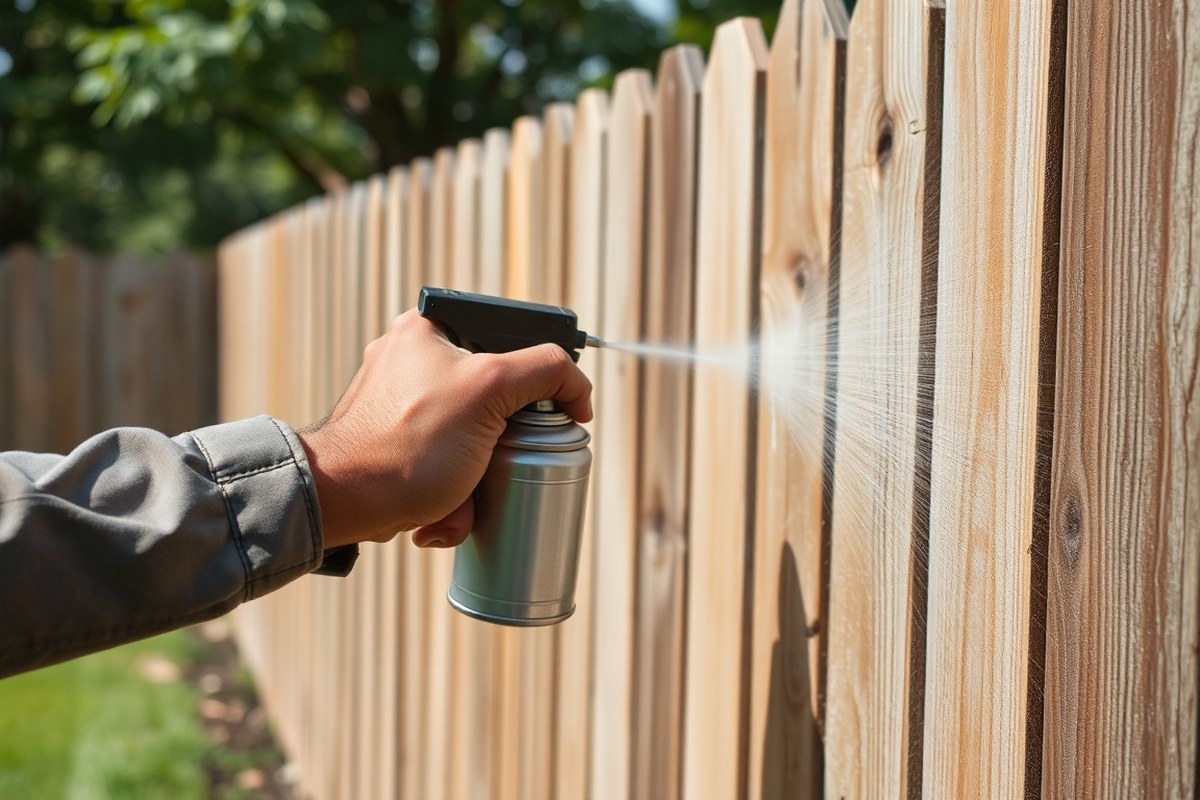
Spray painting your own property is usually legal. For example, painting your own fence or chair with spray paint is a normal DIY use. Just check local rules before you spray paint outside.
Some places limit outdoor spray paint. They do this because of environmental concerns.
Spray painting someone else’s property without permission is generally illegal. It counts as property damage or defacement under the law.
This applies even if you paint a neighbor’s wall or car without their consent. Permission is the key factor that changes the legal status of the act.
Public property often has stricter rules. Painting a park bench, public sign, or city wall without permission may be vandalism or graffiti.
Local laws and rules by park or city authorities often prohibit spray painting public surfaces. You must get written permission if you want to spray paint public property legally.
The act of spray painting itself is not illegal. What matters here is whether you own or have permission to paint that property. Your own vehicle or items are okay to spray paint.
Painting for customers or commercial spray painting can have extra rules. These may include air quality controls. Following these rules is important.
Before you spray paint, check local city or county rules for your home or rental property. For public spaces, contact the managing authority, such as park officials or the city.
Local graffiti ordinances often define unauthorized markings as illegal. So a quick check can save you from trouble.
How Does Permission Affect the Legality of Spray Painting?

How Does Permission Affect the Legality of Spray Painting?
You can legally spray paint on someone’s property only if you have their permission. Permission stops the act from being considered vandalism or damage. Without it, spray painting may lead to fines or criminal charges.
Types of Permission: Written vs Verbal
Both verbal and written permission can make spray painting legal. Written permission is stronger if a dispute arises later. Verbal consent can work but may be harder to prove in court.
Written permission is best for property owners who want clear limits on painting. Verbal permission is more common in informal situations like painting a friend’s fence. Still, written consent provides clarity about what’s allowed and for how long.
How to Request Permission for Spray Painting
Ask the property owner clearly and politely before you start painting. Explain what you want to paint and where. Mention how long the paint will last and cleanup plans to avoid misunderstandings.
Here’s a simple script to use when requesting permission:
- Hello, I would like to spray paint [describe the area].
- I plan to use [colors, type of paint] and finish by [date].
- I will clean any overspray and restore the area if needed.
- May I have your permission to do this?
- Can we set any specific rules you’d like me to follow?
Answering these questions shows respect and lowers the chance of complaints later.
Documenting and Keeping Proof of Permission
It’s smart to document whatever permission you get, especially from property owners you don’t know well. Written permission can be a signed note, a text, or an email.
Keep all messages or agreements safe until your project is complete. This proof can protect you from a vandalism claim if someone questions your right to paint. To properly document permission, do these steps:
- Ask for written permission in an email or text.
- Save screenshots of verbal permission if in a text or chat.
- Keep a signed letter or checklist itemizing allowed work.
- Note date, location, and person giving permission.
- Confirm any restrictions or cleanup requirements.
Never rely on word of mouth alone; it can cause legal trouble later.
Age Restrictions and Rules for Buying or Carrying Spray Paint
You usually have to be 18 or older to buy spray paint. Retailers can ask for ID and refuse to sell if you don’t provide it. Carrying spray paint without a clear reason might break local laws.
This is true in some cities and states. Always know your area’s rules before carrying paint.
State and City Age Restrictions Overview
Each state or city sets its own age limits on buying spray paint. Many places limit sales to people 18 and older to prevent graffiti and inhalant abuse. Some cities also require signs about these age rules to be posted in stores.
These rules vary a lot. For instance, Portland, Oregon, requires retailers to keep a log with buyer details. Some areas have no clear age limit but rely on store policies instead.
Retailer Responsibilities and ID Requirements
Stores often have to check IDs before selling spray paint. Many major hardware chains require cashiers to enter your license number into a system. This helps prove the buyer is an adult and reduce sales to minors.
Besides checking ID, some retailers display signs about buying limits. Portland requires logs of sales.
Refusing to sell without ID is common and legal. So stores can say no if you don’t show proof of age.
Carrying and Possession Laws for Spray Paint
Local laws may ban carrying spray paint without a valid reason. Police may find it suspicious if you carry paint cans. Having related items like rags or masks makes this worse.
These items suggest you might use the paint illegally. This could lead to charges like “possession with intent” in some states.
The charge depends on what items you carry. Having a single spray paint can alone often isn’t enough for a charge. But adding paint-soaked rags or several cans can increase the chances of legal trouble.
Here’s how possession evidence might affect charges based on state laws:
| Evidence Found | Likely Charge |
|---|---|
| Single can of spray paint, no other evidence | Insufficient for possession charge |
| Possessing both a spray paint can and a rag covered in paint raises concerns. Authorities often view this combination as linked to vandalism. This can lead to legal trouble depending on the circumstances. | Possession with intent in states with that charge |
| Multiple cans plus paraphernalia plus paint on face | Strong possession with intent case |
| Paraphernalia only (bag, rag, mask) | Depends on state statute language |
“Paraphernalia” means items like masks or paint rags linked to spray painting. Carrying these along with spray paint can make the charge stronger. Some states also include spray paint in their laws against buying inhalants to get high.
Legal Consequences and Penalties for Illegal Spray Painting
Illegal spray painting can lead to fines, restitution, community service, or criminal charges. The exact penalty depends on the damage amount and local laws. Cleanup costs add to fines or repayment.
You might pay for paint removal. Repair fees could also increase your bill.
Most states treat graffiti as a misdemeanor. But damage over a set amount can lead to felony charges.
For example, Utah is stricter and calls it a felony if damage exceeds $1,000. Delaware raises the limit to $1,500 and adds extra restitution if traffic gets diverted during cleanup.
Community service or graffiti removal orders are common for first-time offenders. Courts may require you to remove the graffiti yourself or pay for its removal. Judges sometimes link your community service hours with restitution payments, especially for repeat offenses.
Having spray paint or graffiti tools to vandalize can be a misdemeanor. This means legal trouble even without doing damage. Some places treat intent seriously.
This charge applies even if actual graffiti isn’t done, focusing on the act of preparation. Penalties here usually include fines and possible community service.
Serious spray painting can result in felony charges. This is especially true for damage over thousands of dollars. The law protects property from costly harm.
Burglary charges may also apply if you enter property illegally to spray paint. These felonies often come with prison time and higher fines.
Restitution often includes damages and may rise sharply if the cleanup interrupts traffic or public services. Courts may order parents to cover restitution if a juvenile commits the offense. Juvenile offenders might also face supervised community service and other penalties.
Penalties for cases involving minors climbing as high as state jail felonies. The laws get especially tough if you supply paint or inhalants with the intent for misuse. State rules vary but often include jail time and fines up to several thousand dollars.
Make sure to seek legal advice if facing charges. A criminal defense attorney can help explain your options and local rules. Since laws vary widely, expert help is important to understand what penalties you may face.
Spray Painting and Graffiti: What Makes It Illegal?
Spray painting is not always considered graffiti by law. Graffiti typically means marking or painting property without permission. This includes drawing, writing, or symbols sprayed, painted, or scratched on walls or objects.
Legal definitions say graffiti is unauthorized and damages property. It lowers the value or defaces the surface. These points shape the legal view of graffiti.
These laws often target spray paint because it’s quick and hard to remove. Laws give stronger punishments if damage is over $1,000.
Hate speech or gang signs also cause harsher penalties. This means the law treats some graffiti worse.
Unauthorized spray painting fits the legal definition of vandalism if it damages property. Vandalism laws protect both public and private property, forbidding anyone from changing surfaces without permission. Spray paint cans are sometimes regulated to prevent their use in vandalism.
Not every spray-painted image counts as illegal graffiti. Commissioned murals or public art projects usually get legal exemptions.
Artists must have written permission from property owners or the city. These approved artworks don’t break graffiti laws because they don’t deface or damage; they add value.
You can tell a mural from graffiti by permission and purpose. A mural often requires planning, permits, and community support. Graffiti often happens fast and without permission.
It usually looks like simple tags or scribbles. Rarely does it appear as detailed art.
States and cities may have specific codes to define graffiti and vandalism clearly. For example, the law may include possession of spray paint with intent to vandalize. Penalties differ but grow steeper once paint causes significant damage or involves criminal motives.
Never spray paint property without written permission. Even a quick tag counts as vandalism in most places.
Laws and Penalties Around Inhalation Abuse of Spray Paint
Most U.S. States ban huffing spray paint through inhalant laws. These laws focus on inhaling paint fumes to get high. Giving spray paint to minors for this use is also illegal.
Overview of Inhalant Abuse Laws by State
About 38 to 42 states have specific laws against inhalant abuse as of 2026. These laws define what inhaling means, which products are covered, and how the offense is treated. States vary on whether simple possession of inhalants is illegal or only the act of huffing.
Some states include all aerosol products in their laws. This makes inhaling many spray paints risky.
Other related products may also be covered. Others classify the offense differently, with some treating it as a felony or misdemeanor.
| State | Inhalant Abuse Law Present | Offense Type | Possession Penalty |
|---|---|---|---|
| Texas | Yes (Health & Safety Code Chapter 485) | Crime to inhale paint vapors | Illegal with intent; chargeable |
| California | Yes | Intentional inhalation illegal | Possession illegal if intent shown |
| Florida | Yes | Huffing forbidden by statute | Possession penalized |
| Nebraska | Yes | Inhalant abuse criminalized | Possession illegal with intent |
| Alaska | Yes | Inhalant use criminal | Possession penalized |
| Ohio | Yes | Intentional use illegal | Possession penalized |
| Colorado | No specific statutory law | Rarely prosecuted | No possession penalty |
States like Colorado may lack a clear inhalant law, reducing legal risks for private inhalation. In most others, the laws prevent both use and possession if intent is proven.
Penalties for Huffing Spray Paint
Most states treat huffing spray paint as a criminal offense. Penalties can include fines, mandatory drug education, probation, or jail. First-time offenders rarely serve jail time but face court warnings or diversion programs.
Police usually arrest or cite for inhalant abuse after finding someone huffing. Courts then decide on penalty severity based on prior offenses and state rules. Repeat offenses can lead to harsher penalties, such as longer probation or small jail sentences.
Laws on Supplying Minors with Spray Paint
Giving spray paint or other inhalants to minors for huffing is a felony in most states. This law aims to protect youth from early abuse and potential health harm. Supply laws differ but usually involve fines and jail time upon conviction.
Retailers and individuals must verify age and refuse sales to minors clearly. Illegal sales to minors increase legal risks significantly, especially if inhalation abuse results. Protecting minors can also mean avoiding civil liabilities.
Environmental and Safety Regulations for Spray Painting
You don’t need a professional spray booth for small jobs at home. Most local laws don’t require one unless you run a commercial painting business. Still, it’s smart to work in a well-ventilated area, like outdoors or near open windows.
Commercial painting usually follows stricter rules about where and how you spray. Businesses often need special booths or designated spray stations. These prevent harmful fumes and airborne paint from polluting the air or causing fires.
Environmental laws regulate commercial jobs to reduce chemicals released into the air. Certain commercial coating jobs need booths with filters. Surfaces must also be prepped in controlled areas.
This keeps the work safe and clean. You’ll also need proper permits and follow fire safety codes.
For home DIY projects, avoid spraying near open flames or heat sources. Wear a respirator mask made for paint fumes to protect your lungs. Use gloves and glasses to protect your skin and eyes, especially if spraying indoors.
Proper disposal of leftover paint and empty cans matters. Never pour them down drains or trash them with regular garbage. Contact your local waste management to find out about hazardous waste drop-off locations.
These simple safety steps reduce risks and keep you legal. Ventilation, correct protective gear, and careful disposal prevent health hazards and environmental damage.
Costs vary: a good respirator mask can run from $20 to $60. Local hazardous waste collection is often free or low cost.
How to Check Local Laws and Avoid Illegal Spray Painting
Before spray painting anywhere outside your property, find local laws online. Search your city’s official website first, then check county and state sites. These sources usually have sections on graffiti, vandalism, or outdoor art rules.
Look for ordinances that define illegal spray painting. They often mention graffiti specifically or mention property damage without permission. You might also see restrictions on spray paint near schools or public parks.
Check whether you need permits before spray painting public places. Ask for permission if you don’t own the structure. Getting approval first helps you avoid trouble.
Also, some places allow art projects only with certain materials or in designated zones. Reading these rules prevents fines and legal trouble.
- Search “[Your City] municipal code” or “graffiti laws” online
- Visit your state’s government website to find related statutes
- Call your local city hall or code enforcement office for clarification
- Ask property owners for written permission if painting on private land
- Look for rules about permits required for public property painting
- Note any time limits or material restrictions in the law
- Check for age limits on buying or using spray paint
Before starting your project, answer these questions: Do I have permission from the property owner? Does my city require a permit? Is there a no-paint zone nearby?
Are the spray paint materials legal here? Knowing these details saves time and money.
Always keep a printed or digital copy of your permission or permit with you.
Reading local laws closely matters because some rules look similar but differ in details. For example, some cities impose heavy fines for first offenses. Others focus on community service.
Pick spots where spray painting is allowed to avoid problems. You lower chances of fines or your work being removed. Always confirm the rules before starting.
Legal research might take just a few minutes or up to an hour. It depends on your area’s online resources and how clear the rules are. Knowing these details helps you follow the law better.
You can call local officials or legal aid for help. They’ll explain any confusing rules or unclear parts. Don’t hesitate to ask for advice.
Legal Spray Painting Practices for Vehicles and Personal Property
Spray painting your own car is usually legal if you follow local rules. You must avoid damage and keep fumes controlled, especially outdoors. Many areas limit painting near neighbors or require protective gear to prevent overspray and hazards.
Painting personal items like furniture is mostly fine without special permission. Take care to work in ventilated spaces and keep paint off surrounding property. Rental or leased property needs extra care.
Check your lease for rules on spray painting. Know if there are bans or cleanup duties to avoid fines.
The key difference between legal painting and vandalism is whether you have permission and cause damage. You can use spray paint on your own property safely.
Just don’t damage others’ property or break environmental laws. Keep your paintwork within these rules.
| Situation | Legal Considerations | What to Watch For |
|---|---|---|
| Painting Own Vehicle | Allowed with no damage, local rules apply | Protect from fumes, overspray, outdoor restrictions |
| Furniture & Personal Items | Generally allowed on your property | Work indoors with ventilation, avoid affecting others |
| Rental/Leased Property | Check lease rules, get permission | Avoid damage and clean properly after |
| Public or Shared Property | Usually prohibited without permission | Risk vandalism charges and fines |
| Commercial Surface Coating | Subject to federal regulations | Follow industry rules and certified methods |
Start by reading your local laws before painting vehicles or belongings. Use water-resistant covers or drop cloths for outdoor spray painting. Ventilate rooms well and wear a mask to avoid inhaling fumes, especially with spray paint.
For rental places, ask your landlord if spray painting is allowed. You might need to repair any damage or repaint before moving out. Working on commercial or mobile equipment means following federal safety rules.
These rules keep your work legal and high quality. Make sure you know and apply them.
Step-by-Step Action Plan for Legal Spray Painting
Follow these steps to spray paint safely and stay within the law. Check your progress as you go to avoid penalties.
- Before you start: Verify local laws online or at city hall. Confirm if spray painting requires a permit in your area.
- Day 1: Get permission from property owners if you plan to paint on private land. Make sure you have written consent.
- Day 2: Buy spray paint legally by showing ID if you’re under 18. This avoids age-related fines and denies illegal sales.
- Week 1: Use spray paint only in designated areas and follow safety rules on the label. Check that your work zone allows spray painting.
- Week 2: Avoid spray painting on public property without a permit. Confirm your permit covers your planned location and duration.
- Week 3: Properly dispose of unused spray paint according to local hazardous waste rules. This helps you avoid environmental fines.
- After 1 month: Review if anyone reported complaints on your spray painting. Address any issues quickly to stay compliant.
Frequently Asked Questions
Can I Spray Paint My Own Fence Without a Permit?
Yes, you can spray paint your own fence without a permit. It’s your property.
So permission or permits generally aren’t required unless local rules say otherwise. Check your city’s rules to avoid fines just in case.
Is Spray Painting on Rented Property Allowed?
Spray painting on rented property is usually only allowed with landlord permission. Painting walls or fences without approval can lead to lease violations or charges. Always get written consent before you start.
Does Spray Painting Need Special Disposal Rules?
Yes, leftover spray paint and cans often require special disposal. Tossing them in regular trash can harm the environment or violate local waste laws. Use hazardous waste sites or collection events.
Can Schools Regulate Spray Paint Even Off Campus?
Schools can limit spray paint use in some situations off campus. They might punish students for using paint illegally nearby or damaging school property. Policies vary, so check your school’s rules.
Is There a Difference Between Spray Painting a Business Versus a Home?
Spray painting a business property usually has stricter rules than a home. Commercial buildings often fall under more regulations about permits and environmental controls. Ask local authorities before painting business property.
Does Wearing Protective Gear Affect Spray Painting Legality?
Wearing protective gear doesn’t affect legality but improves safety. Masks, goggles, and gloves protect against harmful fumes and paint contact. Use them even if the law doesn’t require it for your project.
Key Points to Remember
Spray painting is legal when done with permission and obeying local rules. Always check your local laws before painting. Start by contacting your city’s code enforcement office today.