Does Vacuuming Ants Kill Them? What Actually Works for Fast Control
Does vacuuming ants kill them, or just move them around? Vacuuming can kill many ants on contact, but it doesn’t always finish the job. You need to act fast.
Empty the vacuum bag or canister within five minutes. This stops ants from escaping or regrouping.
Some ants survive vacuuming because of their size or tough bodies. Bigger ants like carpenter ants often live through it.
Smaller ones don’t last as long. Also, the vacuum type and power make a big difference in how many ants actually die.
Vacuuming rarely kills the whole colony. It mainly removes ants you see, not the hidden nest. Combining vacuuming with other methods gives you better control and keeps ants from coming back.
Key Takeaways
- Empty your vacuum within five minutes after vacuuming ants to prevent escapes.
- Larger ants like carpenter ants have 60-80% survival rates when vacuumed.
- Suction power affects how many ants die; stronger vacuums kill more ants.
- Drop vacuumed ants at least 36 feet from your home to avoid returns.
- Vacuuming alone won’t eliminate the entire ant colony or queen.
- Use combined methods like baiting along with vacuuming for faster control.
Does Vacuuming Ants Really Kill Them or Just Relocate Them?
Vacuuming ants usually doesn’t kill them. Most ants survive the suction and get trapped inside the vacuum. The immediate effect is relocation, not elimination, since ants can withstand the vacuum’s force.
Studies show survival rates vary by species and vacuum type. For example, less than 50% of ants survive vacuuming in some cases.
Carpenter ants survive better with a 60 to 80 percent rate. Their bigger size and thick shell help protect them.
The vacuum’s suction power affects survival only a little. Stronger suction might kill slightly more ants, but many still live. Proper disposal is more important.
You should empty the vacuum bag quickly. Otherwise, trapped ants might escape or nest inside.
How Ant Species and Size Affect Survival During Vacuuming
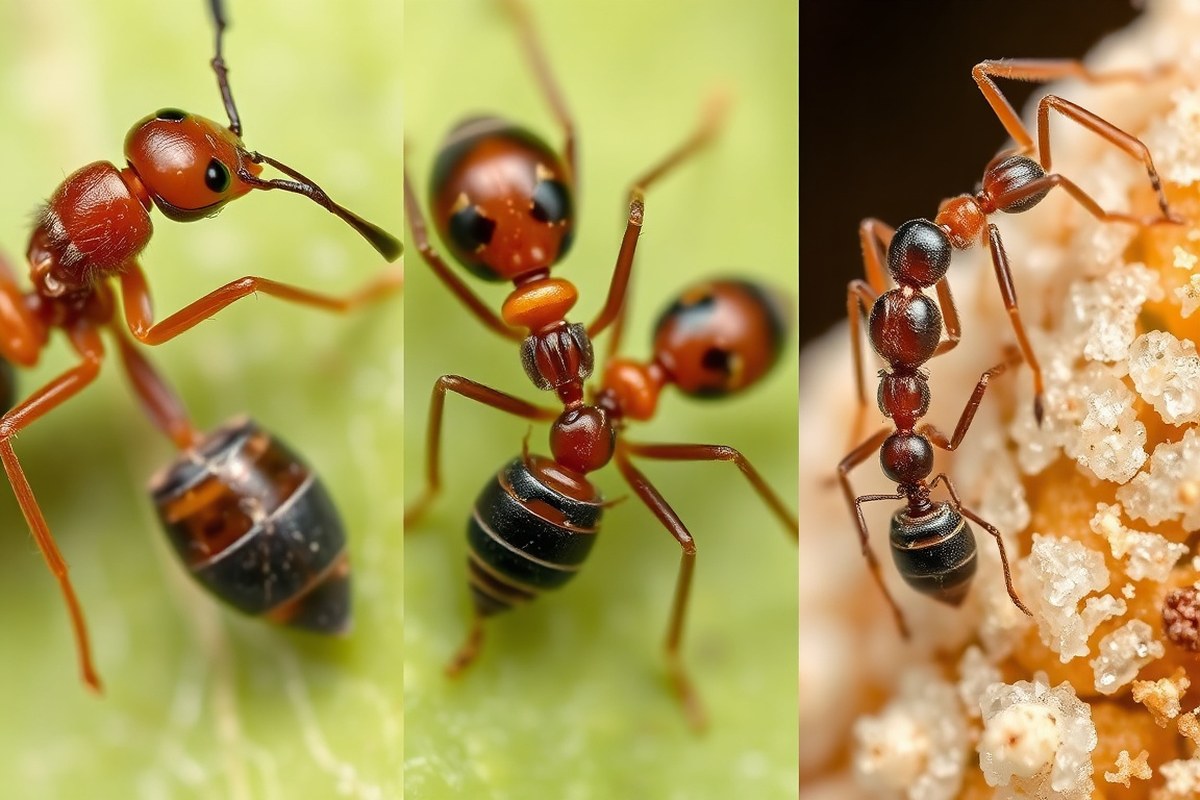
Ant species and their size have a big effect on how many survive vacuuming. Smaller ants can cling inside the vacuum and avoid death. Larger species often survive because they can resist suction better or have tougher bodies.
Pharaoh ants, tiny at 0.06 inches, are known to survive vacuuming a lot. Ants break apart their colonies when stressed. Vacuuming can spread them around.
It often doesn’t kill all the ants. Carpenter ants, on the other hand, have thick exoskeletons and large size. Vacuuming kills more ants than other methods.
Still, many ants survive inside the vacuum. They can live through the ride.
| Ant Species | Size (inches) | Exoskeleton | Survival Rate (%) | Colony Response |
|---|---|---|---|---|
| Pharaoh Ant | 0.06 | Thin | 60 | Fragment colonies under stress |
| Carpenter Ant | 0.25 to 0.5 | Thick | Lower than 60 | Colony intact but disrupted |
| Sugar Ant (Small Species) | 0.05 to 0.1 | Thin | High survival | Less colony fragmentation |
This table shows how knowing your ant type helps predict vacuum effectiveness. Small ants with thinner shells survive more often. They stick to surfaces or resist impact better.
Larger ants die more in vacuuming but are still tough to kill fully. The toughness of their exoskeleton absorbs the shock during suction and impact inside the vacuum.
Some species protect their colonies by splitting up when disturbed. Pharaoh ants break into smaller groups to resist losing the whole colony. Vacuuming fails because ants move to new spots.
They settle quickly and start new nests. This makes controlling them harder.
Don’t rely only on vacuuming for ants like Pharaoh ants. They may just scatter and come back stronger.
Vacuuming disrupts colonies but often leaves the main group alive in hidden spots. The strength of an ant’s exoskeleton and its size affect whether it lives through vacuuming. Smaller ants can survive by clinging tight.
Bigger ants survive because of their body structure. These differences shape how much vacuuming helps control your ant problem.
Vacuum Types and Features That Influence Ant Kill Rates
Different vacuum designs affect how many ants you kill or let escape. Bagged vacuums generally kill more ants than bagless ones. That’s because sealed bags trap ants better than the open containers in bagless models.
Suction power matters but not as much as you might think. Strong suction from upright vacuums can injure or kill smaller ants. Handheld vacuums usually have weaker airflow, so more ants survive and crawl back out.
Filters like HEPA help trap dust and allergens but don’t increase killing rates. They keep tiny ant parts inside. Ants either get stuck in the bag or survive if suction is weak.
The bag can trap ants, but only with strong suction. Without enough suction, ants stay alive.
| Vacuum Feature | Typical Ant Kill Rate | Reason |
|---|---|---|
| Bagged vacuum with diatomaceous earth | Up to 95% | Sealed bag traps ants and abrasive dust kills them |
| Bagless vacuum | 20%-40% | Open container lets many ants escape |
| Strong suction upright vacuum | Higher than handheld | Powerful airflow injures ants quickly |
| Handheld vacuum (lower suction) | Lower | Weaker suction allows more ants to survive |
| Vacuum with HEPA filter | Killing rate unchanged | Traps small debris, not improved ant kill |
The airflow inside a vacuum influences ant survival. With strong suction, ants hit internal parts and get trapped or crushed.
Open canisters let ants cling to walls or fly out. Bagged vacuums hold the ants inside until you dispose of the bag.
Choosing a vacuum with a sealed bag helps. Adding diatomaceous earth makes ants die faster inside the bag. It speeds up how quickly ants die.
You can find sealed bag models for $100 to $300. Higher suction won’t always kill more ants, but it stops them escaping.
For the best results, avoid bagless vacuums for ants. The best practice is a bagged vacuum with strong suction, plus adding ant-killing powders inside. HEPA filters don’t kill ants directly.
They block small bits that carry ant scents. This helps stop ants from following trails.
Best Practices for Vacuuming Ants Effectively and Safely
Vacuuming ants can kill many of them if you follow specific steps. How you prepare the vacuum, empty and dispose of the contents matters a lot. Taking safety precautions helps prevent bites and stops ants from coming back.
Preparing the Vacuum for Ant Control
Use a vacuum with strong suction to trap most ants. A vacuum with a bag or sealed dustbin works best. Make sure the filter is clean so air flow stays strong.
Remove any loose debris from the hose and brushes first. Ants stick better to clean vacuum parts and are less likely to escape. When you use extensions, inspect them for cracks or blockages.
How and When to Empty the Vacuum Contents
Empty the vacuum as soon as you finish vacuuming ants. Doing this within 5 minutes stops them from escaping or surviving inside. Waiting could let some ants crawl back out again.
Choose a safe outside spot to open the vacuum. Always avoid doing this inside your home to prevent re-infestation. Carry a plastic bag with you to contain the contents quickly.
- Wear gloves to protect your hands from bites or irritation.
- Take the vacuum outside, away from doors and windows.
- Open the dustbin or bag carefully over a strong plastic bag.
- Empty all contents directly into the plastic bag to avoid spills.
- Seal the bag tightly to trap ants inside.
- Use rubbing alcohol to soak the contents or freeze the bag for 24 hours.
- Throw the sealed bag into an outdoor trash bin promptly.
Disposal Methods to Prevent Ant Escape or Colony Spread
Sealing vacuum contents in plastic bags is critical to stop ants from getting out. Adding rubbing alcohol kills ants quickly by suffocation and dissolving their exoskeletons. Freezing the bag for a full day also guarantees no survivors.
Keep the sealed bag away from your home until disposal. Do not open it near entry points or food areas. Disposing of the bag in an outdoor trash bin reduces the chance they crawl back.
Never dump vacuum content directly into soil or compost. That can spread ants to new areas and cause re-infestation. Follow disposal steps every time you vacuum ants for best results.
Precautions for Using Powders or Chemicals with Vacuuming
Do not put powders like diatomaceous earth or borax directly in the vacuum. These substances can clog filters or damage the machine. Instead, apply them separately along ant trails or entry points.
To combine powder and vacuuming, spread powder before vacuuming ants. Wearing a dust mask and gloves protects you from inhaling or touching chemicals. Always follow product labels for safe handling and use.
Using insecticides near vacuum vents risks spreading chemicals inside your home air. Avoid this by vacuuming first, then applying treatments after cleaning. Keeping methods separate reduces risks and keeps your home safe.
Why Vacuuming Rarely Eliminates Entire Ant Colonies
Ant colonies have a social system with specialized roles. The queen is deep inside the nest, laying eggs.
Workers gather food, build tunnels, and protect the colony’s young. Vacuuming only removes the few ants you see, usually the foragers wandering your floors.
This method rarely reaches the queen or eggs hidden below ground or inside walls. Foraging ants leave scent trails from the nest to food sources.
Vacuuming breaks up visible ants and trails, causing brief confusion. Still, the undisturbed queen and brood keep the colony alive and able to rebuild quickly.
After vacuuming, ants can regroup and restore their trails within days. The remaining workers bring new ants out to forage.
Disturbing visible ants often only slows them temporarily because the colony sends replacements fast. You’ll need to focus on killing the queen and brood to stop reinfestation effectively.
Vacuuming gives quick relief by removing ants on sight. But it won’t kill the queen or stop the colony from recovering.
Combining Vacuuming with Other Ant Control Methods for Best Results
Vacuuming alone rarely stops ants from coming back. To get better results, use vacuuming along with bait stations. You should also apply powders and seal any cracks.
Keep good cleaning habits to help control ants. Each part works together to cut off ants’ food, shelter, and entry routes.
Using Ant Baits After Vacuuming
Ant baits attract worker ants that carry poison back to their colony. They help kill the queen and nestmates, unlike vacuuming, which removes only visible ants. Place baits near where you see ants after vacuuming for faster results.
To use baits correctly, follow package instructions and keep baits away from pets and kids. Check baits every few days and replace them after about two weeks or when empty. This steady supply helps stop new ants from showing up.
Applying Diatomaceous Earth or Boric Acid Powders
Diatomaceous earth and boric acid powders damage ants’ outer shells, drying them out over time. Spread a thin layer in corners, behind appliances, and near ant trails after vacuuming. These powders keep working for weeks if left undisturbed.
Never sprinkle too thickly, as ants avoid heavy layers. Wear gloves and avoid inhaling the dust when applying. You can add diatomaceous earth to your vacuum bag to kill ants inside during future cleanings.
Sealing Entry Points and Maintaining Hygiene
Ants often use small cracks and gaps to enter your home. After vacuuming, inspect around windows, doors, pipes, and baseboards. Use caulk or weather stripping to seal these openings and block the ants’ path.
Good cleaning prevents ants from finding food indoors. Wipe down counters, sweep floors, and store food in sealed containers. Empty trash regularly and avoid leaving pet food out overnight.
- Regularly vacuum visible ants and debris
- Place bait stations near active trails
- Sprinkle diatomaceous earth in hidden ant routes
- Seal cracks larger than 1/16 inch around doors and windows
- Keep kitchen surfaces clean and dry
- Store food in airtight containers
- Remove garbage daily and clean bins
Start your ant control by vacuuming visible ants to reduce numbers. Follow with bait to attack colonies and powders to create a hostile environment.
Finish by sealing entry points and improving cleanliness. This combination blocks reinfestation and supports lasting control.
Common Mistakes When Vacuuming Ants and How to Avoid Them
Vacuuming ants can kill some of them but only if done right. Common mistakes include not emptying the vacuum soon after use. Using weak suction also lets ants live or escape.
Both cause the problem to continue. You need the right vacuum and quick disposal to keep ants from coming back.
Failing to Empty Vacuum Promptly
Leaving ants inside the vacuum bag or canister gives them a chance to escape. Some ants survive for hours or even days in cooler, dark vacuum chambers.
Don’t forget to empty the vacuum right after using it. Ants can crawl back out onto your floor otherwise.
Always empty or discard the vacuum bag or contents outdoors. Doing this in direct sunlight or a hot spot will kill more ants quickly. Clean the vacuum’s inside sometimes with soap and water.
This removes eggs or ants hiding inside. It helps stop the ants from coming back.
Using Low Suction or Ineffective Vacuum Types
Vacuums with weak suction may just relocate ants instead of killing them. Small ants can hold on to surfaces or crawl free. This happens if the airflow can’t trap and hold them.
Weak airflow means ants might escape. Bagless models let you see the ants. But they must still have strong suction to be effective.
Choose vacuums with at least 5 to 8 amps motor power. Pick models designed for pest control for best results. This helps stop the ants for good.
A narrow nozzle can help reach cracks but needs good suction for ant capture. Avoid robotic or stick vacuums with light suction for this job.
Ignoring Ant Behavior and Colony Dynamics
Vacuuming visible ants does not affect the entire colony hidden in walls or soil. Worker ants keep sending scouts and scouts find new food sources quickly. Removing one trail just means others form new paths around the vacuumed zone.
Target multiple trails and vacuum regularly for weeks to reduce the population. Combine vacuuming with baits or sprays near nests to stop new ants joining your home. Don’t expect a single session to fix the problem entirely.
- Empty vacuum outdoors in sunlight
- Choose a strong suction vacuum (5+ amps)
- Vacuum multiple trails, not just one
- Use narrow nozzles to reach cracks
- Regularly clean vacuum parts to remove eggs
- Combine vacuuming with baits or sprays
- Skip robotic vacuums for heavy infestations
Limitations of Robotic Vacuums
Robotic vacuums usually have weaker suction than upright models. This lets many ants escape after being sucked up. Their sensors may also miss narrow cracks or walls where ants hide.
You can try robotic vacuums for light ant trails on flat floors. But don’t rely on them for serious infestations. Use stronger, manual vacuums and other control methods for a better kill rate.
When to Call a Professional Instead of Relying on Vacuuming
Vacuuming ants can clear a few from your floors or counters. But it doesn’t handle the whole problem. Call a professional if ants keep coming back in your home.
Large numbers inside are also a sign you should call. They can help stop the problem for good. Professionals can find nests inside walls or under floors.
These places are out of reach for a vacuum. You can’t get rid of these ants alone.
Look out for these signs that vacuuming alone won’t work well. A steady trail of ants in and out shows a mature colony. This means the problem is bigger than just a few ants.
You need to act quickly. You might notice multiple entry points or damage to wood and insulation. Winged ants or big clusters in one spot need stronger treatment.
These signs show the problem is serious and spreading. Don’t ignore them.
- Ants keep appearing even after vacuuming
- Many nests or trails visible inside or around the house
- Unexpected damage to wood or plants near your home
- Seeing flying ants indoors, especially in spring or summer
- Vacuuming disrupts ants temporarily but they return quickly
- Infestation spreads to multiple rooms or floors
Pest control professionals use thorough inspection to trace ant trails and find nests. Professionals use baits or treatments to kill ants at the source. Vacuuming only removes ants on the surface, not the nest.
Targeted treatments work better long term. Treatments often last longer and cover wider areas, improving your chances of full control.
Hiring help may cost between $150 and $300 depending on your home size and infestation level. Usually, it takes one or two visits for the biggest impact. After treatment, ants will drop within days.
No new ant trails should appear in the next few weeks. This means the treatment is working.
Don’t just vacuum if you see winged ants inside. Winged ants usually mean a growing colony close by. You need stronger action to stop them.
Calling a professional early can save money and hassle later. Trying only home methods while a colony thrives means constant cleaning and frustration. Professionals make sure the problem ends, not just hides for a while.
Step-by-Step Action Plan for Vacuuming Ants Effectively
Follow these steps to vacuum ants safely and reduce their numbers. Combine vacuuming with other methods for better control.
- Before you start: Choose a vacuum with strong suction and a bag or sealed container. This helps trap and kill ants inside.
- Day 1: Vacuum visible ants and trails carefully, especially near food and entry points. Inspect the dustbin or bag afterward.
- Day 2: Empty the vacuum bag or container outdoors and far from your home. Check if ants remain active after disposal.
- Week 1: Clean the floor and counters with soapy water to remove scent trails ants follow. Repeat vacuuming if you still see ants.
- Week 2: Set ant baits near nests or entry points after vacuuming. Baits attract and kill ants the vacuum missed.
- Week 3: Monitor ant activity closely. Vacuum any new ants and check for nests or damage in walls and floors.
- Week 4: Consider sealing cracks, fixing leaks, and removing food sources to stop ants. Continue vacuuming as needed.
- Month 2: If ants keep coming back, call a pest pro. They can check your home and use safe treatments. Get help to stop ants for good.
Frequently Asked Questions
Can Vacuuming Ants Spread the Infestation Inside the Vacuum?
Yes, vacuuming ants can move them inside the vacuum bag or chamber. They may survive and escape later unless you empty or clean the vacuum immediately.
Does Vacuuming Ants Damage Their Exoskeleton Enough to Kill Them?
Vacuum suction can injure ants but often does not kill them outright. Some remain alive because their exoskeleton protects them from damage.
Is Vacuuming Better for Small Ants or Large Ants?
Vacuuming tends to be more effective on smaller ants that can’t resist suction. Larger ants often survive due to thicker bodies.
What Should I Do with the Vacuum Contents After Vacuuming Ants?
Empty the vacuum immediately outside to prevent ants from returning inside. Seal or dispose of the bag to avoid reinfestation.
Can Vacuuming Ants Cause Them to Release Alarm Pheromones?
Yes, injured ants can release pheromones that attract more ants. This may make your infestation worse if not handled carefully.
How Often Should I Vacuum to Control Ant Problems Effectively?
Regular vacuuming can reduce visible ants but won’t remove colonies. Combine vacuuming with other treatments for lasting control.
Before You Go
Vacuuming removes many ants but does not always kill the colony. Use it alongside cleaning and baiting for better results. Take action now by checking your vacuum and targeting visible ants today.