Does Grass Produce Seeds? A Complete Guide to Grass Seed Production and Care
Does grass produce seeds? Yes, grass does produce seeds as part of its natural cycle.
These seeds form from the flowers you see on grass when it grows tall enough. Grass uses seeds to reproduce and fill in bare spots in your lawn.
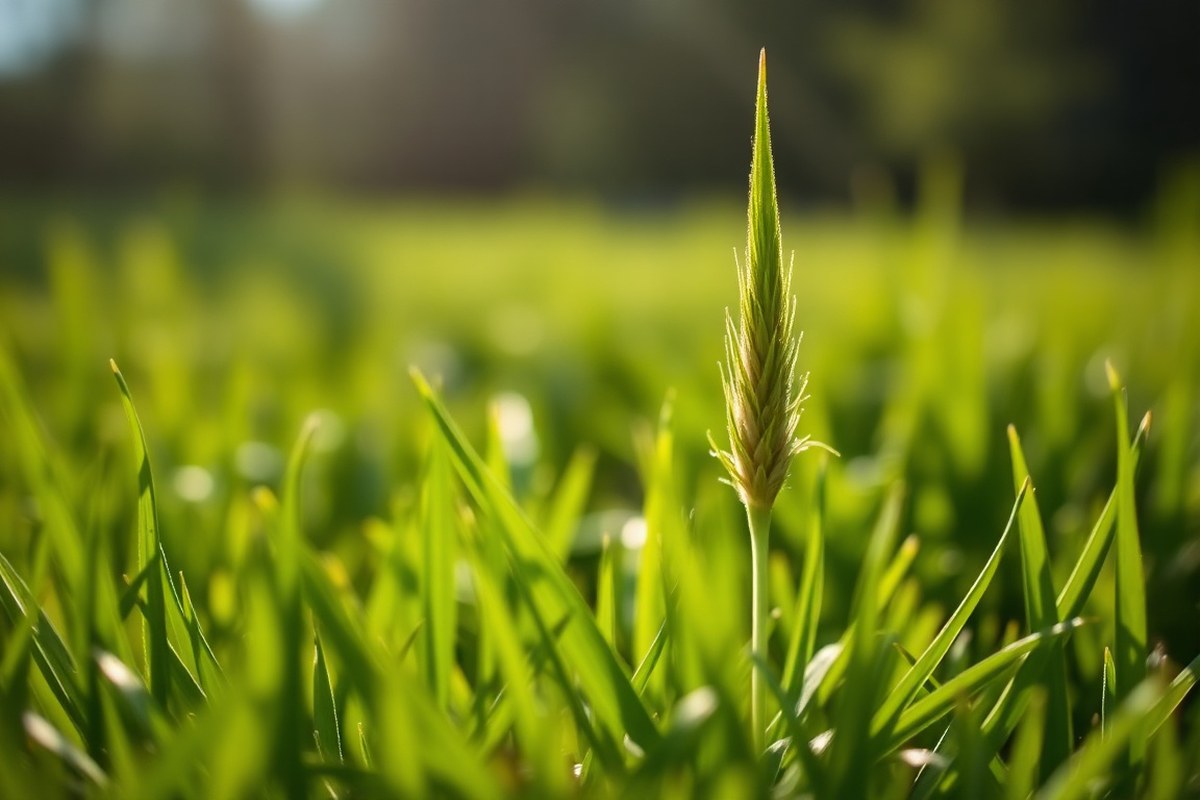
Grass flowers grow into seed heads after the plant senses longer daylight or warmer days. The seed heads develop over several weeks before they are ready to drop seeds. To see seed heads, let your grass grow without mowing for about 20 to 30 days.
Not all grass types produce seed heads that look the same or at the same time. Sunlight and temperature affect when and how well grass produces seeds. Make sure your lawn receives six hours of direct sunlight daily.
This helps your grass seeds grow well. Sunlight is key for healthy seed growth.
Key Takeaways
- Allow grass to grow 20-30 days before mowing to encourage seed head formation.
- Ensure your lawn gets at least 6 hours of direct sunlight daily for seed growth.
- Grass senses longer daylight, triggering it to produce flowers and seeds.
- Seed heads appear when grass grows taller, usually between 3-4 inches high.
- Different grass types produce seeds at different times and in various shapes.
- Water newly seeded grass daily for two weeks, then reduce frequency gradually.
Does Grass Produce Seeds and How Does It Happen?
Every grass plant makes seeds. Each seed is a small caryopsis with an embryo, leaf beginnings, growth tissue, and starch-filled endosperm. Seeds of grass belong to monocotyledons, a group common to all grass types.
Seed production starts when grass flowers emerge as seed heads. These flowers get pollinated, usually by wind carrying lightweight pollen grains. After pollination, fertilization happens inside the flower, and seeds begin to develop.
The grass plant completes this seed formation through a cycle. First, seed heads form from mature grass flowers.
Then seeds develop inside the head over several weeks as the plant nourishes them. When mature, the seeds can drop to the ground and grow into new grass.
Different grass species vary in how many seeds they produce. For example, perennial ryegrass is known for prolific seed production.
Fine-leaf fescues make fewer seeds. Healthy nutrition and proper fertilization improve seed quality and increase seed quantity.
Grass seed production matters because it promotes natural growth and helps spread the grass variety. Seeds allow lawns to regenerate and improve over time. To grow or collect your own grass seed, allow your lawn to develop seed heads in the proper season.
How Grass Flowers and Pollinates to Form Seed Heads

Grass produces flowers that develop into seed heads through a process involving flowering, pollination, and fertilization. The flowers form tiny spikelets that rely on wind to move pollen. After pollination, seed heads appear and mature, ready to disperse seeds.
Grass Flower Structure and Function
Grass flowers are small and not showy like other plants. They cluster into spikelets, which contain both male and female parts.
The male part, the anther, produces pollen. The female part, called the stigma, catches it.
Each spikelet forms on the grass stem, known as the culm. This structure supports the flowers and later holds the seed head. Spikelets combine to make the seed head visible above the grass blades.
Wind Pollination Explained
Grass relies on wind to move pollen from the male parts to the female stigma. This method is called anemophily. Pollen grains are very light and carried easily by currents of air.
Since grass flowers have no bright petals, they don’t attract insects. Instead, the stigma is designed to catch airborne pollen. Successful pollination happens when pollen lands on the stigma and fertilizes the ovary.
Keep your lawn longer during flowering to allow pollen to spread and land more easily.
Seed Head Development Timeline
Once pollination occurs, the fertilized ovary starts turning into seed. Seed heads begin to form a few days after flowering. For cool-season grasses, flowering and seed head growth happens in late spring or early summer.
Seed heads fully mature within one to two weeks after appearing. At this point, seeds are ready for dispersal. Mowing before seed heads form will reduce seed production and flowering.
Here’s how seed heads develop step-by-step:
- Let grass grow until you see flower spikelets forming on stems.
- Allow wind to carry pollen from male anthers to female stigma.
- Wait for fertilized ovaries to start developing into seeds inside spikelets.
- Watch seed heads expand and rise above leaf blades.
- Hold off mowing during flowering and seed head formation for best seed development.
- After seed heads mature, you can mow or collect seeds for reuse.
Which Grass Types Produce Seeds and How They Differ
Perennial grasses grow for several years and usually produce seeds every year. They focus on steady seed production once established.
Annual grasses like crabgrass live for just one season. They spread fast by making lots of seeds quickly.
Cool-season grasses and warm-season grasses also differ in their seed production timing and climate preferences. Cool-season grasses produce seeds mainly in spring and fall when temperatures hover around 60 to 75°F. Warm-season grasses seed during summer, thriving when temperatures reach 80 to 95°F.
| Grass Type | Seed Production Pattern | Climate Preference | Typical Seed Production Season | Seed Quantity Notes |
|---|---|---|---|---|
| Perennial Grasses | Produce seeds annually once mature | Vary by species; some prefer cool, others warm | Spring/fall for cool types, summer for warm types | Moderate to high seed output depending on maintenance |
| Annual Grasses | Produce many seeds in one growing season | Typically warm climates | Summer | Very high seed production to ensure spread |
| Cool-Season Grasses | Seed mostly in early spring and fall | Cooler regions | 60, 75°F temperature range | Seed heads form during longer daylight over 13 hours |
| Warm-Season Grasses | Seed during hot summer months | Warmer regions | 80, 95°F temperature range | Seed heads form with heat and daylight |
| Hybrid Grasses | Often produce few or no seeds | Depends on parent species | Reduced seed production may limit timing | Seed production often poor or absent |
Hybrid grasses like hybrid Bermuda often produce few seeds or none at all. Their seed heads may form weakly or not at all, which limits natural reseeding. That’s why many hybrids rely on plugs or sod for spreading).
Knowing your grass type helps you plan for seed collection or lawn repair. For example, if you have a perennial cool-season grass, expect seed heads in spring or fall.
You can expect a big rush of seeds in summer with annual warm-season grass. Hybrid varieties may require buying seed or vegetative stock instead of relying on seed production.
When and How Long Does Grass Take to Produce Seeds?
Grass begins producing seeds shortly after flowering, usually taking about two to three weeks. After the seed heads bloom, the fertilized flowers develop seeds over roughly 14 to 21 days. This timeline lets you know when seeds are ready for harvest or natural dispersal.
Seed maturation speed depends heavily on climate and sunlight. In warm sunny areas, seed development happens faster. These areas need six to eight hours of direct sun.
This helps the seeds mature quickly. Cooler or cloudy conditions can slow this process by a week or more.
Different grass species also affect how long seeds take to mature. Some varieties ripen seeds quicker, especially warm-season grasses like Bermuda or Zoysia. Cool-season types like fescue or ryegrass often need more time.
Seeds mature when the seed coat sticks tightly to the ovary wall. This makes the seeds ready for spreading by nature. The tight bond keeps seeds protected.
Wind, animals, or other factors can then disperse these mature seeds. You can watch seed heads change to know harvest time.
They turn from green to dry brownish color. This change shows when seeds are ready.
What Environmental and Maintenance Factors Affect Seed Production?
Grass seed production depends on sunlight, temperature, watering, mowing, soil quality, and fertilization. These factors affect how well grass grows and develops seed heads. Paying attention to each can boost seed yield and lawn health.
Sunlight and Temperature Requirements
Grass seeds form best with plenty of sunlight and warm temperatures. Most grasses need at least 6 hours of direct sun daily to produce healthy seed heads. Cooler or shaded spots might limit seed growth or delay development.
Temperature plays a big role too. Seed-producing grasses generally thrive between 60°F and 85°F. Temperatures outside this range can stress the plant, reducing seed quantity and quality.
The best seed growth happens when warm days alternate with cool nights. This helps the seeds mature the right way.
Watering and Fertilization Effects
Consistent moisture supports grass during its seed production phase. Water deeply but infrequently to encourage strong roots and steady seed development. Overwatering can lead to fungal problems that harm seeds.
Fertilization especially with nitrogen and phosphorus helps grass grow thick and form seeds. Phosphorus boosts root growth, which supports seed head formation. Apply fertilizer early in the growing season for best results.
- Water deeply 1 to 1.5 inches per week during seed development
- Apply balanced fertilizer with phosphorus every 6 to 8 weeks
- Avoid watering right before mowing to reduce disease risk
- Use slow-release fertilizer to prevent sudden nutrient spikes
- Watch for yellowing grass which may signal nutrient deficiency
Too much nitrogen late in the season can boost leaf growth but reduce seed formation.
Fertilize only if your soil test shows it’s needed. Too much fertilizing can stop seed heads from growing well.
Mowing Timing and Techniques
Mowing height and timing influence seed head presence. Avoid mowing grass before seed heads fully form, usually 20 to 30 days after flowering starts. Cutting too early stops seed production.
Raise mower blades to keep grass at 3 inches or more during seed development. Shorter cuts stress the grass, making it produce fewer seeds. Letting grass grow taller also supports better seed maturity.
Once seeds set, you can mow to collect seed heads if you want to harvest. Otherwise, wait until after seeds drop to mow.
Soil Quality and pH Considerations
Good soil helps grass roots grow deep, which supports healthy seed head formation. Loosen compacted soil with aeration to improve moisture and nutrient absorption. Compacted soil raises stress, leading to poor seed production.
Soil pH should be near neutral, around 6.0 to 7.0, for most grass species. Acidic or alkaline soils limit nutrient uptake and seed growth. Test soil and amend with lime or sulfur to adjust pH if needed.
Add organic matter to soil every year. It improves soil structure and feeds helpful microbes for your grass.
How to Identify and Manage Grass Seed Heads in Your Lawn
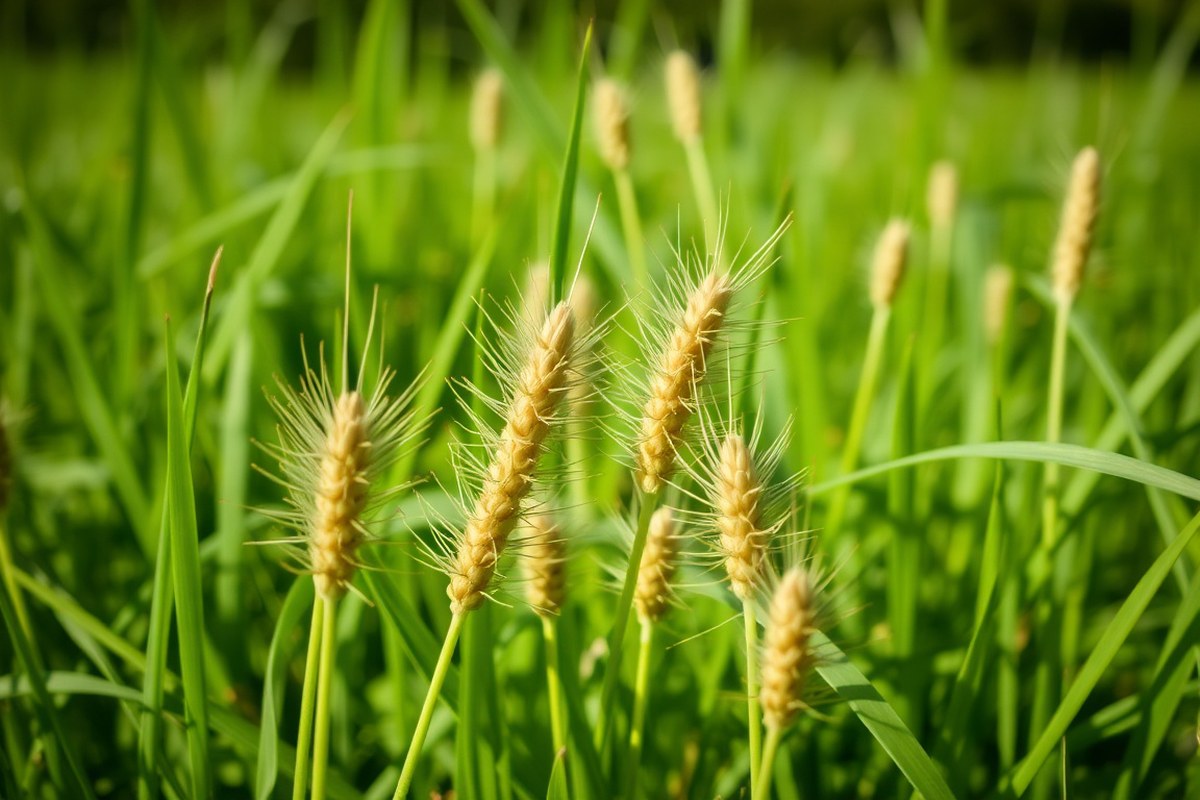
Grass seed heads start as slender stalks rising above the blades. They swell and turn from green to tan or brown as seeds mature. Check the color and firmness; mature seeds feel hard and dry.
Leaving grass to produce seed can roughen lawn appearance. Seed heads give a weedy look if you mow too soon or too late. Mowing before seed heads fully form stops seed spread but looks neater.
Managing seed heads depends on your goal: a tidy lawn or natural reseeding. For a clean look, mow once seed heads begin browning but before seeds fall. If you want to collect seeds, wait until seeds are hard and dry, usually 2 to 3 weeks after flowering.
- Inspect seed head color: green means immature, tan/brown means mature
- Feel seeds for hardness; soft seeds are not ready
- Mow for appearance when heads turn tan but before seeds drop
- Delay mowing 2-3 weeks for seed harvesting
- Rake after mowing to remove cut seed heads and reduce litter
- Water lawn after mowing to help recover from seed head cutting
Certain grasses produce seed heads more visibly than others. Cool-season grasses often have prominent stalks, while warm-season types may have shorter seed heads. Your lawn’s mowing schedule should adjust accordingly to balance look and seed control.
Cutting grass seed heads too early wastes seed and lets weeds grow unchecked. Cutting too late causes a messy lawn with uneven color.
Watch seed head color and feel to time mowing right. This simple check keeps your lawn both healthy and attractive.
How Grass Seeds Are Naturally Dispersed and What That Means
Grass seeds often spread naturally by wind. Their light size helps them travel far, sometimes several hundred feet from the parent plant. This wind dispersal helps lawns expand and fill in bare spots without human help.
Water also carries grass seeds to new places. Rain runoff, streams, or irrigation can move seeds from higher ground to lower areas. This leads to new growth at the lawn edges or in soil.
It happens especially after heavy rain or regular watering. Grass sprouts in these spots because of the extra moisture.
Animals contribute to grass seed spread too. Seeds can stick to fur, feathers, or hooves and drop off later. Pets, wildlife, and birds carry seeds across yards or neighborhoods.
This helps grass grow in new areas. They spread seeds without even knowing it.
Grass seeds often don’t need much help to take root once they reach soil. They germinate best in moist, well-aerated dirt with sunlight. Dry or compacted soil makes seed sprouting harder or fails it.
Seeds need loose, moist soil to grow well. Hard soil blocks seedlings from getting enough air and water.
You can encourage seed spread by keeping your lawn healthy. Avoid heavy thatching or compaction, and water your lawn enough during germination periods. This creates a welcoming environment for natural seed growth, reducing bare patches without reseeding often.
How to Harvest, Store, and Use Grass Seeds from Your Lawn
Grass seeds can be harvested once they are fully mature and dry on the seed head. After harvesting, dry the seeds well. Keep the moisture under 12%.
This helps keep them viable. Proper storage in a cool, dry place will protect the seeds for future use.
Harvesting Mature Seeds Safely
Wait until the seed heads turn brown and feel dry before harvesting. This shows the seeds have matured and are ready for collection. Harvesting too early results in immature seeds that won’t grow well.
Cut seed heads with clean scissors or garden shears, avoiding any wet weather. Choose a dry, sunny day for the best results and to reduce mold risk. Collect seeds in a clean container, like a paper bag or basket.
- Look for brown, dry seed heads on your grass plants.
- Use clean scissors to cut the seed heads carefully.
- Collect the cut seed heads in a paper bag or basket.
- Choose a sunny, dry day to harvest your seeds.
- Handle seeds gently to avoid damaging the seed coat.
- Label the collected seeds with the harvest date and grass type.
Harvest seeds only when fully dry and brown to ensure germination.
Drying and Cleaning Seeds
Spread the seed heads in a single layer on a dry surface indoors. Keep the seeds away from direct sunlight to avoid overheating.
Let the seeds dry until moisture is below 12%. This can take one to two weeks.
Once dry, gently rub the seed heads to separate the seeds. Use a fine mesh sieve or screen to clean out chaff and debris. Good cleaning improves storage life and seed health.
Proper Storage Techniques
Store cleaned seeds in airtight glass jars or sealed plastic bags. Keep the containers in a cool, dry spot with stable temperatures. Avoid places with high humidity or heat, which can reduce seed longevity.
Try to add a desiccant packet inside storage containers. This helps control moisture.
Proper storage can keep seeds viable for up to one year or more. Always label containers with seed type and date harvested.
Using Seeds to Reseed Lawns
Prepare your lawn by mowing low and removing debris before seeding. Spread seeds evenly over thin or bare patches to encourage growth. Lightly rake to ensure seed-to-soil contact for the best germination.
Water the newly seeded area gently but consistently, keeping soil moist. Avoid heavy foot traffic until grass is established, usually after 2 to 3 weeks. Pair watering with good lawn care practices to help young grass thrive.
Step-by-Step Action Plan for Managing Grass Seed Production
Follow these steps to control or encourage grass seed growth in your lawn effectively.
- Early Spring: Inspect your lawn for seed heads forming on grasses. Note any areas with excessive seed growth.
- Week 2: Mow regularly before seed heads develop fully. This helps reduce unwanted seed spread.
- Mid-Spring: Water your lawn deeply but less often to strengthen roots and balance seed production.
- Week 4: Apply a balanced fertilizer following product instructions to support healthy grass growth without overfeeding.
- Late Spring: Find out what types of grass are in your lawn. Then decide if you want more seeds or not. This helps you manage seed production well.
- Week 6: Cut or pick off tall seed heads by hand. Do this to stop unwanted seeds from spreading. Use a mower if that’s easier for you.
- Summer: Gather mature grass seeds when the weather is dry. Use a rake or just your hands to collect them. Store the seeds for later or reseeding.
- Autumn: Keep collected seeds in a cool, dry spot. Label them by grass type and the date you stored them. This keeps your seeds organized for next time.
Frequently Asked Questions
Can Grass Seeds Be Used to Grow New Lawns?
Yes, grass seeds can grow new lawns. Plant them after harvesting mature seeds or buy from stores for best results.
Do All Grass Seeds Germinate at the Same Time?
No, many grass seeds show dormancy and germinate at different times. This helps the lawn survive varying weather conditions.
Why Do Some Grass Seed Heads Look Fuzzy or Feathery?
The fuzzy or feathery look helps seeds disperse through the wind. It’s an adaptation for spreading over a wide area.
Can Mowing Prevent Grass from Producing Seeds?
Mowing frequently can prevent seed head formation. It stops flowers from maturing but might reduce natural reseeding in your lawn.
How Does Soil Type Affect Grass Seed Growth?
Soil type affects water and nutrient availability, influencing seed germination. Well-drained, fertile soil helps seeds grow strong.
Are Grass Seed Heads Harmful to Pets or Humans?
Grass seed heads can cause irritation or injury to pets or humans. Keep lawns trimmed and remove seed heads if concerned.
The Bottom Line
Grass does produce seeds, which help it spread and grow naturally. Managing seed heads keeps your lawn healthy and neat. Try removing seed heads early to control spreading in your lawn.