Do Spider Plants Need Sun? Essential Lighting Guide for Healthy Growth
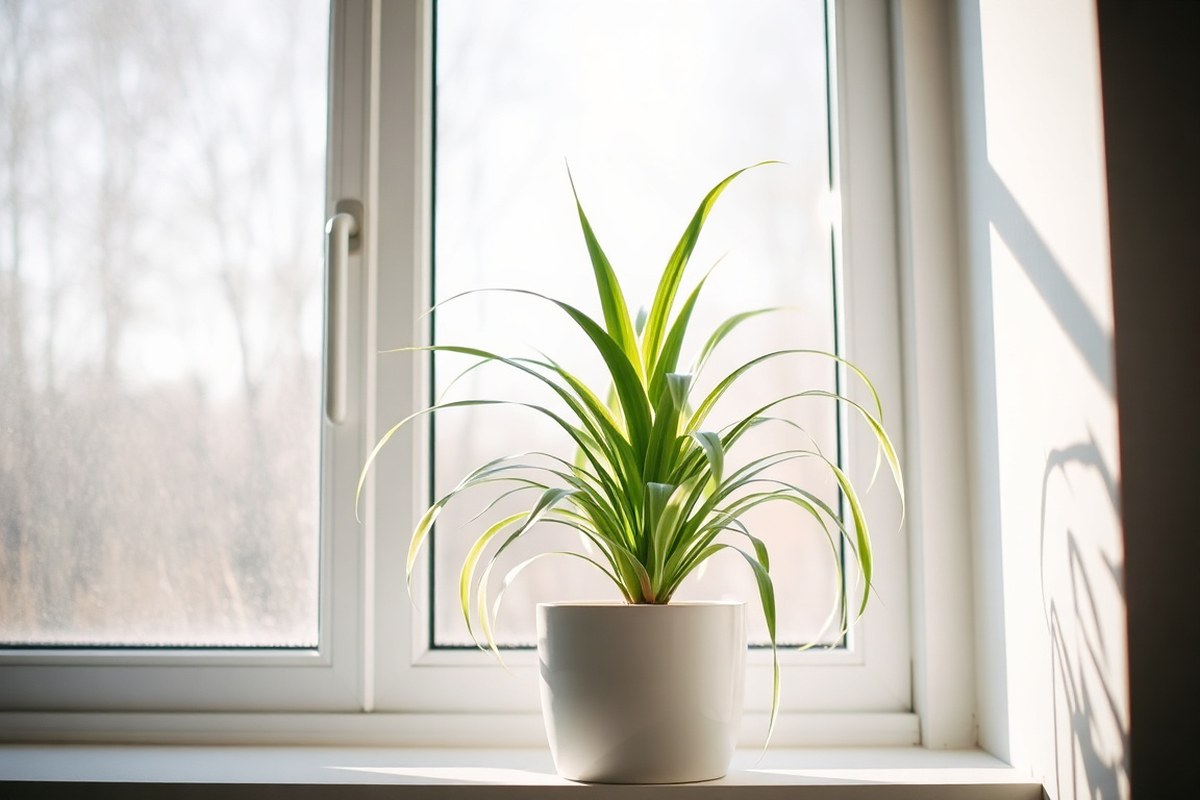
Do spider plants need sun? They don’t like direct sunlight but do need bright, indirect light. Aim for about 6 to 8 hours of indirect sunlight daily to keep them happy.
Direct sun can cause leaf scorch. So filter or move your plant away from intense rays.
Spider plants do well with artificial lighting. Provide a full-spectrum LED grow light for about 10 to 14 hours each day if natural sunlight is limited. Keep in mind, less light means slower growth and leaves that lose their vibrant color.
Start by placing your spider plant near an east-facing window about 1 to 3 feet away. This spot offers bright, filtered light without harsh direct sun. Watch the leaves for signs like browning tips or faded color to adjust its light exposure.
Key Takeaways
- Spider plants thrive best with 6 to 8 hours of bright, indirect sunlight daily.
- Avoid direct sun to prevent browning or burning on the leaves.
- Use full-spectrum LED grow lights if natural light is insufficient indoors.
- East-facing windows 1 to 3 feet away provide optimal light balance.
- Adjust plant placement seasonally to avoid too much or too little light.
- Leaf color and new baby plants indicate if lighting needs tweaking.
Do Spider Plants Need Direct Sunlight or Indirect Light?
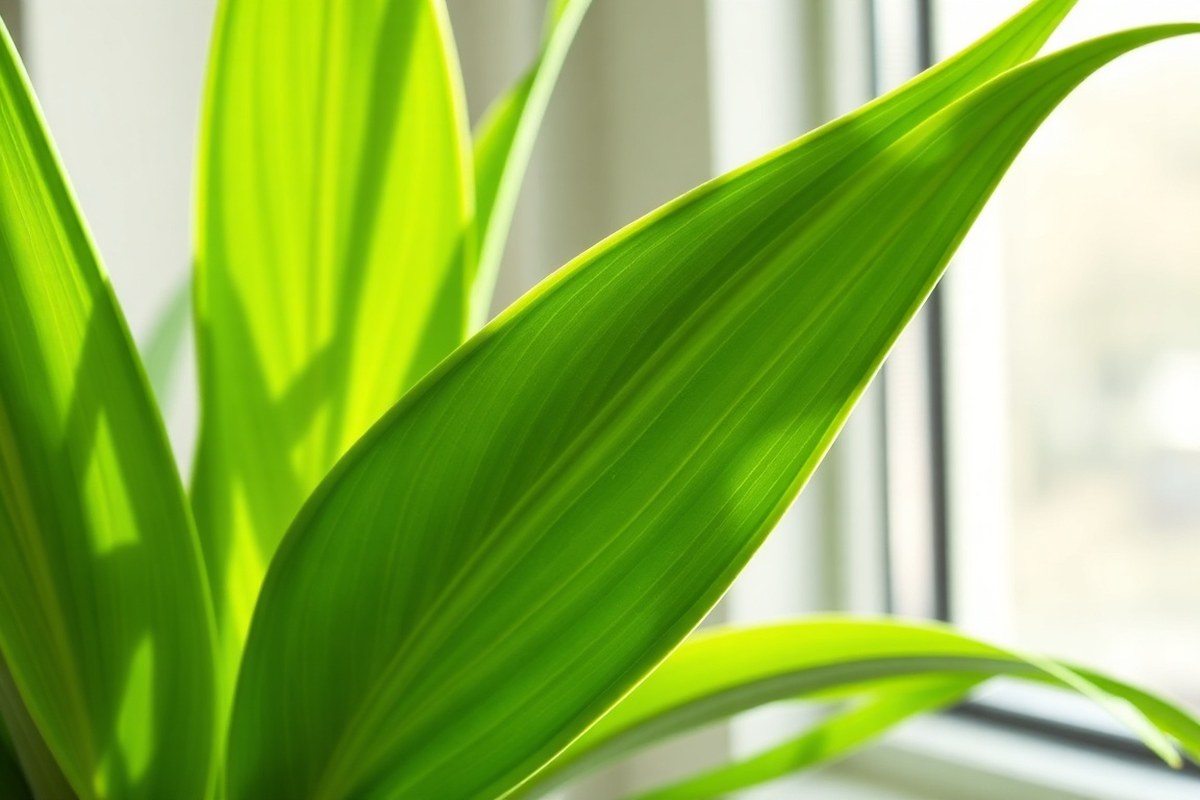
Spider plants do best with indirect sunlight, not direct sun. Bright, filtered light keeps their leaves healthy and vibrant. Direct sun can burn or bleach the leaves.
Avoid placing them in strong, direct sunlight. Aim for a spot where the light is strong but diffused by curtains or shade.
Indirect light helps spider plants avoid leaf scorch, which looks like brown or yellow tips. These plants naturally grow under tree canopies and need protection from harsh midday rays. Even outdoors, they thrive in partial shade or a spot shielded from direct sun.
You can give spider plants a little direct sun, especially in the morning or late afternoon. A few gentle hours behind a sheer curtain or in an east-facing window works well. Avoid hot afternoon sun through west or south windows unless the light is filtered.
How Many Hours of Light Does a Spider Plant Need Daily?
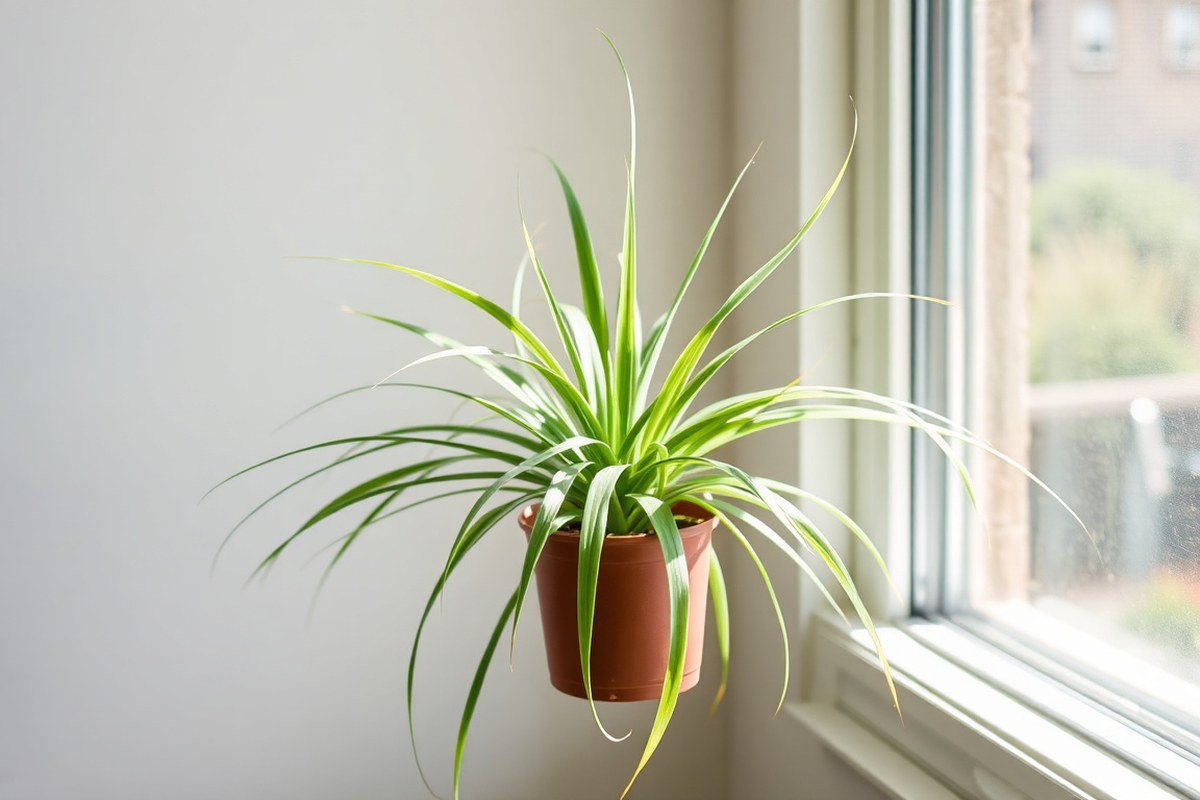
Spider plants do best with 4 to 6 hours of bright, filtered light daily. This amount helps keep the leaves vibrant and supports steady growth. Too little light makes them grow leggy over time.
During the winter months, sunlight is weaker and days are shorter. You can keep your spider plant closer to a bright window for more natural light.
In summer, move your plant a bit farther from the window. Strong sun can burn its leaves.
When natural light falls short, try using artificial grow lights. A moderate grow light running 6 to 8 hours daily can make up for weak daylight. Choose fluorescent or LED lights designed for plants to provide the right light spectrum.
Be consistent about daily light exposure to keep your spider plant healthy year-round. Adjust the placement and lighting duration as the seasons change. Watch for softer growth or pale leaves, which signal it needs more light.
Use grow lights for your spider plant up to 8 hours daily. More than that can cause stress.
Best Window Placements for Spider Plants and Light Exposure
East-facing, north-facing, south-facing, and west-facing windows all offer different light conditions for spider plants. East windows provide gentle morning light. South and west windows bring intense afternoon sun that can burn leaves if unfiltered.
Place your spider plant 2 to 4 feet from strong light. It should be in indirect light spots. This avoids leaf scorch.
East-Facing Windows
East-facing windows deliver bright but gentle morning sunlight. This light suits spider plants well since it is strong enough for growth without burning leaves. Usually, spider plants near east windows need little adjustment unless the outside is very shaded.
Put your spider plant 1 to 3 feet from an east window. This gives enough light to grow well. Move the plant back if early sunlight gets too direct.
This protects it during morning hours. This setup supports healthy photosynthesis and helps prevent leaf browning.
South and West-Facing Windows
South and west windows produce hot, intense light in the afternoon. This direct sun can quickly bleach or scorch spider plants’ leaves.
East or west windows are fine with sheer curtains. Or place the plant a few feet back.
Spider plants placed closer than 2 feet to south or west windows often show leaf damage. Protect the plant by moving it 3 to 4 feet away. You can also put it at the window’s side.
Morning sun is best. These steps reduce heat stress and prevent brown leaf tips.
North-Facing Windows
North-facing windows provide steady, bright indirect light. Bright rooms with this light suit spider plants well.
Dim or deep rooms might be too dark. You might need artificial light during winter months or move the plant nearer if growth slows.
Keep your spider plant within 1 to 3 feet of a north window in well-lit rooms. This distance keeps leaves vibrant without burning.
Consider LED grow lights for 8 to 12 hours daily. Use them if winter darkens the room.
A quick reference table helps spot the best placements and potential problems from window light:
| Placement | Light Pattern | Best Use | Watch For |
|---|---|---|---|
| East-facing window | Bright, gentle morning light | Usually easiest placement | Rarely needs correction unless very shaded |
| North-facing window | Steady bright indirect light | Strong option in bright homes | Weak light in dark winters or deep rooms |
| West-facing window | Hotter afternoon light | Works if filtered or set back | Can bleach or scorch leaves |
| South-facing window | Very bright, often intense | Works with partial shade from trees | Too much direct light, leaf burn risk |
Choosing a window type matters because light intensity shapes spider plant health. Keep your plant in bright, indirect light spots near east or north windows whenever possible. Keep spider plants away from too much heat or direct sun.
Adjust distance from south or west windows. This balance is key for full, green leaves and new baby plants.
Signs Your Spider Plant Is Getting Too Much or Too Little Sun
Spider plants show clear signs if they get too much or too little sun. Too much direct sunlight causes leaves to turn light brown and crispy. Leaves fading to light green can mean too much light.
It can also mean the plant is not getting enough water. Check both light and watering habits.
Less light makes spider plants lose their vibrant leaf color. They might grow more slowly or stop making baby plants. Leaves may turn yellow from too little light.
Watering mistakes and too much fertilizer can also cause yellow leaves. Watch all these factors carefully.
Here are some common signs and what to do about them:
- Leaves turning light brown and crispy: Move plant further from direct sunlight.
- Leaves fading to light green: Check watering and reduce light intensity.
- Yellow leaves appearing: Review watering schedule and light levels.
- Plant stops producing babies: Increase bright indirect light and check watering.
- Leaves browning faster near hot west windows: Relocate to east or north-facing spot.
- Plant looks dull or leggy: Shift to a brighter area with indirect light.
- Spider plant leaves lose variegation: Add more bright indirect light to keep stripes sharp.
Correcting light problems starts with adjusting the plant’s location. Try to provide about 6 to 8 hours of bright, indirect sunlight daily.
Watch the leaves closely for changes after moving it. Spider plants usually recover quickly once light conditions improve.
Keep in mind that leaf discoloration often overlaps with watering issues. Always check moisture and consider adjusting both water and light. A well-lit, evenly watered spider plant will stay green and busy making babies for you.
Using Grow Lights for Spider Plants: What You Need to Know
Spider plants don’t always need grow lights if they get enough indirect sunlight. Use grow lights only when natural light is weak or your plant looks leggy and pale. A full-spectrum LED grow light works best to keep leaves bright and healthy indoors.
Choosing the Right Grow Light
Pick a full-spectrum LED grow light designed for indoor plants. These provide the right balance of red and blue light for healthy growth. Avoid regular household bulbs since they lack the colors plants need.
LED lights cost between $20 and $50 on average and last years without heating your plant. Check product details to make sure it includes blue and red light. This ensures your spider plant can photosynthesize efficiently.
Positioning Your Spider Plant Under the Light
Place the grow light 12 to 18 inches above the spider plant’s leaves. This distance prevents leaf burn while supplying enough light. Keep the light steady above the center of the plant for even growth throughout.
Try to hang or fix the light so it stays in one spot. Moving it often can stress the plant and cause uneven leaf colour on each side.
Recommended Daily Lighting Duration
Set the grow light to run 10 to 14 hours daily. Most indoor environments don’t provide enough natural light, so this keeps your plant lively. In darker rooms or winter months, use the full 14 hours for better growth.
Turn the light off at night. This copies natural light cycles.
It helps your plant rest without disruption. Use a timer to keep the light schedule consistent without extra work.
Follow these steps to set up grow lights for your spider plant at home:
- Choose a full-spectrum LED grow light suited for houseplants.
- Measure 12 to 18 inches from the plant’s top leaves for positioning the light.
- Secure the light so it stays steady above the plant center.
- Set a timer to run the light 10 to 14 hours daily.
- Turn off the light at night to allow a natural dark period.
- Monitor your plant’s growth and adjust light duration if leaves get pale or droopy.
- Clean the grow light lens monthly to avoid dust blocking the light.
Keep the grow light far enough above your spider plant to avoid leaf spotting or drying.
How Light Affects Spider Plant Growth, Leaf Color, and Baby Plants
Light impacts how spider plant leaves show their colors and patterns. Bright, indirect light brings out crisp variegation on the leaves. The white stripes appear sharper and the green becomes more vibrant.
Without enough light, the leaves often look dull or lose variegation. They might turn mostly green and lose their distinctive striped look. This happens because the plant produces less chlorophyll in low light, which also slows growth.
Bright but filtered light helps spider plants grow those famous tiny plantlets, or “babies.” These offshoots dangle from mature leaves and signal healthy growth. The plant uses sunlight to make food, which fuels baby production.
Low light reduces the chance of new baby plants. Without enough energy from photosynthesis, the spider plant focuses on survival rather than making new shoots. You might find your plant barely produces any babies in dim spots.
To encourage babies, place your spider plant near a window with filtered light. East or west-facing windows work well because they provide bright without harsh direct sun. Rotate the pot every week to keep growth even and to promote more plantlets.
Remember, too much direct sunlight can scorch leaves and cause brown tips. Bright indirect light keeps leaves arching and babies forming, with no damage. Finding this balance boosts both leaf color and propagation.
Adjusting Spider Plant Light Exposure Through the Seasons
Spider plants need some light all year, but the amount should match the season. In winter, they require more light since days are shorter and indoor light is dimmer. Summer calls for softer light to avoid leaf burn and stress.
Increasing Light During Winter Months
Winter means spider plants need brighter spots because natural sunlight drops. Aim to keep them near south-facing windows where light is strongest. You may need to supplement with artificial light if rooms stay dark below 25 foot-candles.
Here’s how to boost your spider plant’s light in winter:
- Move the plant closer to windows with direct or bright indirect sunlight.
- Clean window panes to ensure maximum sun penetration.
- Use sheer curtains if light is too harsh to avoid scorched leaves.
- Consider full-spectrum grow lights for 8-10 hours daily when natural light is limited.
- Rotate the plant weekly so all sides get even light exposure.
- Watch the plant closely for signs of weak growth or pale leaves, indicating too little light.
Reducing Intensity in Summer
Summer sunlight can get intense and cause scorch marks on spider plant leaves. Shift your plant to a place with filtered light or indirect sun during hot months. Bright shade near east or west-facing windows works well.
To protect your plant in summer:
- Relocate the plant to a spot receiving indirect sun only.
- Use light curtains or blinds to soften harsh afternoon sun.
- Check leaves regularly for brown tips or patches signaling sun damage.
- Increase humidity around the plant by misting or using a pebble tray.
- Avoid moving the plant continuously during peak summer as it causes stress.
Considering Temperature Fluctuations
Spider plants do best between 55°F and 80°F. Temperature changes affect how much light they use. Cooler rooms slow growth. So the plant needs less light but steady warmth to stay healthy.
To balance light and temperature for your spider plant:
- Keep the plant away from drafts and sudden temperature swings near doors or vents.
- Adjust light location if the room temperature drops below 55°F, opting for brighter areas.
- Use a thermometer to monitor room temperature regularly.
- If the room gets warmer than 80°F, ensure light levels stay indirect and humidity rises.
- Lower light in cooler temperatures to avoid stressing the plant’s metabolism.
Practical Tips to Optimize Spider Plant Light and Prevent Common Mistakes
Keep spider plants away from harsh midday sun to avoid leaf burn. Place the plant where it gets morning light or late afternoon light.
Avoid direct sun between 10 a.m. And 4 p.m. This keeps leaves from burning or drying out.m. And 4 p.m. The leaves can scorch quickly under strong sun, showing brown tips and crispy edges.
Leaf tip browning often results from a mix of light and salt issues. Overfeeding and using hard tap water with salts harm spider plants.
Use distilled or rainwater to prevent build-up. Also, don’t exceed the recommended fertilizer amount on the label to avoid salt damage.
Rotating spider plants regularly helps all sides get balanced light. Turn the pot a quarter turn once a week. This stops one side from growing more than the other.
One side won’t stretch toward the light. The other side won’t stay weak and leggy.
- Place spider plants near east- or north-facing windows for gentle light
- Use sheer curtains to filter strong afternoon sun
- Rotate plants weekly for even leaf growth
- Water with distilled or rainwater to reduce salt buildup
- Follow fertilizer directions closely, feeding no more than labeled
- Choose well-draining soil to keep roots healthy and prevent rot
Spider plants exposed to bright, filtered light develop fuller leaves and more plantlets. Watch for signs of too much light like faded stripes or burned tips.
Adjusting the spot or adding a sheer curtain can fix that. Remember, a good balance keeps your spider plant growing strong and healthy.
Use sheer curtains or relocate plants to spots without harsh midday sun to prevent leaf burn.
Step-by-Step Action Plan for Proper Spider Plant Light Care
Follow these easy steps to give your spider plant just the right light. Watch for healthy growth and vibrant leaves as signs it’s happy.
- Day 1: Place your spider plant near a north- or east-facing window. Check leaves after a few days for no burn or droop.
- Week 1: Observe leaf color and growth. When leaves look pale or leggy, move the plant closer to light.
- Week 2: Rotate the plant to keep light even on all sides. Look for symmetrical growth as a good sign.
- After 3 Weeks: Turn on a grow light if natural light is low. Use it for 10 to 12 hours every day. Notice any brightening in leaf color.
- Month 2: Trim any brown tips or dead leaves. Keep monitoring light levels and adjust placement with the seasons.
- Seasonal Check: In winter, place the plant nearer to the window. Or, increase grow light time. Watch that leaves stay green and firm.
Frequently Asked Questions
Can Spider Plants Survive in Low Light Rooms?
Yes, spider plants can survive in low light but grow slower and have smaller leaves. Adding a fluorescent light can help keep them healthy in dim spaces.
Does the Color of Spider Plant Leaves Indicate Their Sun Needs?
Usually, darker green leaves mean lower light is fine. Pale leaves hint for more light. Adjust their spot if the color fades too much.
How Often Should I Rotate My Spider Plant for Even Sun Exposure?
Rotate your spider plant every week or two to ensure even light on all sides. This prevents leaning and promotes balanced leaf growth.
Can Spider Plants Get Sunburn Indoors?
Yes, spider plants can get sunburned if placed in a window with intense direct sunlight. Using a sheer curtain can reduce light strength and protect leaves.
Is Artificial Grow Light Better Than Natural Window Light for Spider Plants?
Natural window light is best for most plants. Grow lights work well when natural light is low.
They help especially during winter months or in dark spaces. Choose full-spectrum LED bulbs for best results.
Should I Clean Spider Plant Leaves to Help with Light Absorption?
Yes, clean leaves with a damp cloth regularly to remove dust. This improves photosynthesis and keeps your plant looking fresh.
Final Thoughts
Spider plants thrive in bright, indirect light and avoid direct sun. Adjust their spot as daylight changes through the year. Try the action plan now to see your spider plant grow strong and green.