

How to Sow Peas for Best Harvest: A Complete Guide for Beginners
How to sow peas is a question many gardeners ask early each year. Start by planting seeds outside 4 to 6 weeks before frost. This timing helps peas grow in cool soil temps, ideal for strong roots and healthy plants.
Choose a spot with well-drained soil and good sunlight. Pea seeds like about 1 inch deep in the soil and spaced 2 inches apart. This distance gives each plant enough room to grow and lowers disease risk.
Before sowing, make sure the soil is loose and free of large clumps. Peas can handle cooler air temperatures but need the soil to warm above 40°F (5°C). Planting too late can mean weak plants and poor yields.
Key Takeaways
- Sow pea seeds 4 to 6 weeks before your last frost date outdoors.
- Plant seeds 1 inch deep and 2 inches apart for best growth.
- Pick a sunny spot with well-drained, loose soil for sowing.
- Pea seeds tolerate soil as cool as 40°F but grow best near 60°F.
- Don’t plant peas in heavy, waterlogged soil to prevent rot.
- Choose early, second early, or maincrop peas based on your harvest time.
When and Where to Sow Pea Seeds Outdoors

Peas grow best in cool weather and soil conditions. Plant pea seeds early in spring, about 4 to 6 weeks before the average last frost in your area. This gives the peas time to sprout before it gets hot.
The soil temperature should be about 50 to 70°F (10 to 20°C) to help seeds sprout well. Avoid planting seeds in cold, wet soil because they won’t grow. Peas can survive light frost down to 19°F, but soil must be ready first.
Pick a spot that gets full sun. Peas need at least 6 hours of direct sunlight a day. Well-draining soil that holds moisture but doesn’t stay too wet works best.
Using black plastic sheeting warms the soil in cooler areas. It raises soil temperature faster. This helps pea seeds sprout better.
- Check your local frost dates. Find the average last spring frost, then count back 4 to 6 weeks.
- Test your soil temperature. Use a soil thermometer to check if it’s at least 50°F (10°C).
- Pick a sunny location. Ensure the spot gets at least 6 hours of sunlight daily and has well-draining soil.
- Work the soil. Loosen and prepare it so it’s crumbly and easy to dig, avoiding soggy or frozen ground.
- Optional: use black plastic.Place the plastic over your soil one week before planting. This warms the soil in cooler places. It prepares the ground for pea seeds.
- Sow seeds 1 inch deep and 2 inches apart. This spacing helps roots get nutrients and water easily.
- Water lightly after planting. Keep the soil moist but not soggy until the seeds sprout in 7 to 14 days.
Planting too late risks hot weather, which slows pea growth and makes pods tough. Starting early catches cool spring days, and peas will grow strong before summer heat.
Wait until the soil warms up if it stays cold and wet. This prevents the pea seeds from rotting in the ground.
Choosing Pea Varieties and Sowing Differences
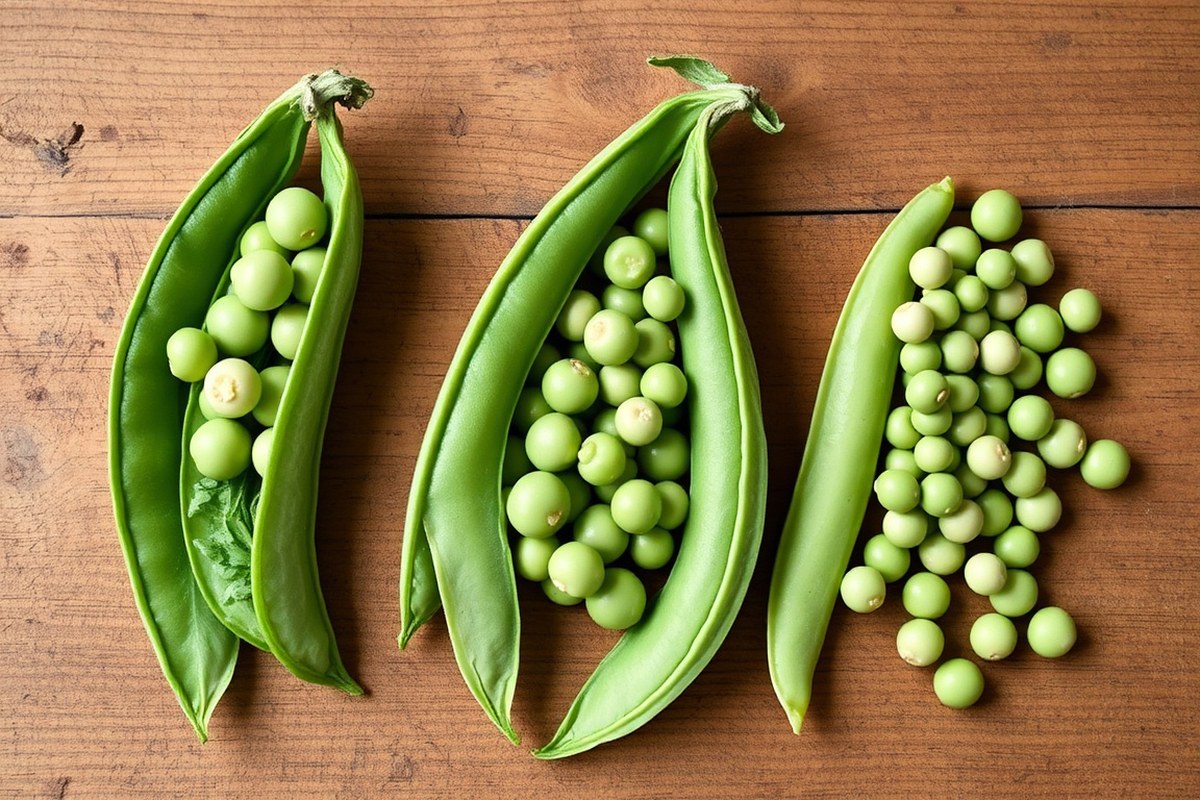
Peas come mainly in three types: shelling, snap, and snow peas. Each type grows differently and needs its own sowing depth, spacing, and support. Knowing these details helps you sow seeds so they grow strong and healthy.
Shelling Peas: Planting and Growth Traits
Shelling peas, also called English peas, grow bushes about 2 to 3 feet tall. They produce edible seeds inside pods that you shell before eating. You can plant seeds 1 to 2 inches deep.
Space them 2 to 3 inches apart. Make sure they are evenly spaced for best growth. Plant peas in double rows spaced 30 to 36 inches apart.
This helps air flow and sunlight reach the plants. Good spacing prevents disease.
Since shelling peas grow shorter and bushier, they only need short stakes or light support. This keeps plants stable and prevents them from falling over in windy weather. You won’t need tall trellises for these varieties.
Snap Peas: Spacing and Support Needs
Snap peas have thick, edible pods and can vine up to 6 feet tall or more. They need strong support like trellises or netting about 4 to 6 feet high.
Sow seeds 1 to 2 inches deep, spaced 2 to 3 inches apart, in double rows. Space rows about 30 to 36 inches apart to fit tall supports.
With their climbing habit, snap peas need sturdy structures to hold their weight. Taller supports also reduce damage in wind.
These vines can get top heavy quickly. So prepare tall poles or wide trellises in advance.
Snow Peas: Best Practices for Sowing
Snow peas produce flat pods that are edible whole. They usually grow to about 1 to 2 feet tall, lower than snap peas.
Sow seeds 1 inch deep, spacing 2 inches apart. You can arrange them in triple rows on shorter supports or light staking for best results.
Snow peas grow lower than snap peas. Use shorter stakes or wire supports. These work well to keep the plants upright.
This setup helps keep pods clean and off the ground without needing big trellises. It’s a good choice if you want easier, low-maintenance support.
| Pea Type | Growth Height | Sowing Depth | Seed Spacing | Row Spacing | Support Needed |
|---|---|---|---|---|---|
| Shelling Peas | 2 to 3 feet | 1 to 2 inches | 2 to 3 inches | 30 to 36 inches | Short stakes or light support |
| Snap Peas | 4 to 6+ feet | 1 to 2 inches | 2 to 3 inches | 30 to 36 inches | Tall trellis or netting (4-6 feet) |
| Snow Peas | 1 to 2 feet | 1 inch | 2 inches | Variable (triple rows) | Short stakes or wire supports |
This table shows the basics for each pea type. Tailor your sowing depth, spacing, and supports based on how tall and heavy the plants grow. Adjust spacing for your garden size and support availability.
Don’t plant pea seeds too deep. 1 to 2 inches is enough to keep them moist without rotting.
Preparing Soil and Pre-Treating Pea Seeds
Peas grow best in soil that is slightly acidic or close to neutral. Start by loosening the soil and adding organic matter to improve it. Soak seeds and add inoculants on planting day to help seeds sprout and boost nitrogen in soil.
Adjusting Soil pH for Peas
Peas grow best in soil with a pH from 5.6 to 6.8. Use a soil test kit to check the pH before planting.
Use lime to raise pH if soil is too acidic. You can add sulfur to lower alkaline soil pH, but peas rarely need this.
Well-drained soil with organic matter helps maintain good conditions for peas. Avoid heavy clay since it holds too much water. Working in compost or aged manure improves fertility and drainage, giving peas a good start.
How to Inoculate Pea Seeds Properly
Inoculation adds beneficial bacteria that fix nitrogen for your peas. This step is important if peas haven’t been grown in your soil within four years. It reduces the need for nitrogen fertilizers, making your garden healthier and cheaper to maintain.
Use commercial inoculant powder or granules for peas, available from seed suppliers. Roll the seeds in moist inoculant just before sowing.
Don’t inoculate seeds too early or store them wet. Always inoculate seeds on planting day for the best results.
- Moisten pea seeds slightly with clean water.
- Pour inoculant powder into a clean bowl.
- Roll the wet seeds gently in the inoculant until coated.
- Sow the inoculated seeds immediately into prepared soil.
- Do not expose coated seeds to direct sunlight for long.
- Store unused inoculant in a cool, dry place.
Seed Soaking: Timing and Water Temperature
Soak pea seeds in room-temperature water for 8 to 12 hours before planting. This softens the seed coat and helps seeds sprout sooner and more evenly. Do not soak longer than 24 hours to prevent seed damage or rotting.
After soaking, only plant seeds that have swollen, showing good moisture absorption. You can nick seed coats with nail clippers to help seeds sprout faster.
This works if you don’t want to soak seeds first. Both methods boost sprouting success for your sowing.
How to Sow Peas: Step-By-Step Planting Guide
Planting pea seeds needs careful steps to get the best start. Soil should be loosened to 6 inches deep and mixed with compost. You’ll make furrows first.
Then, place seeds at the right depth. Cover the seeds well and water them thoroughly.
Seed depth matters because peas planted too deep may struggle to sprout. Planting seeds 1 to 2 inches deep works well for most soils.
In lighter soils, aim closer to 2 inches. In heavy clay soils, 1 inch deep is better.
- Use a hoe or stick to make shallow furrows 1 to 2 inches deep.
- Space seeds 1 to 2 inches apart along the furrow for bush varieties.
- For taller peas, space seeds about 3 inches apart in single rows.
- Set rows 18 to 24 inches apart. You can plant double rows 6 inches apart. Place a trellis between the rows for support.
- Cover seeds gently with soil, avoiding compaction that blocks air.
- Firm the soil lightly by hand to close gaps without crushing seeds.
- Water the area well but avoid heavy soaking; aim to keep soil moist.
Single rows work fine for most gardens. But double rows give better support if you use a trellis.
Keep twin furrows 6 inches apart for this. Avoid planting too deep; too much soil means slower growth or no sprout.
Water right after sowing to settle soil around seeds and jumpstart growth. Don’t drown seeds, or the soil could stay wet too long and rot them.
A gentle spray or light soak works best. After planting, keep soil evenly moist until seedlings appear.
Supporting and Caring for Pea Seedlings After Sowing
Most pea varieties need supports because they climb using tendrils. Vining peas can grow up to 8 feet tall. So provide trellises or stakes that tall.
Snap peas usually grow 2 to 3 feet high. So a 3-foot support is enough for them.
Install supports right after you sow or when seedlings are about 3 inches tall. That way, the young vines can start climbing early and won’t tangle on the ground. String, netting, or bamboo poles work well and cost less than $20 for garden-sized setups.
Water seedlings often, especially in hot weather, to keep the soil moist but not soggy. Check soil daily once your peas sprout to avoid letting soil dry out. A steady watering schedule helps roots stay healthy and supports strong growth.
When pea seedlings reach about 3 inches tall, apply a 2-inch layer of organic mulch. Use straw, chopped leaves, or pine shavings to hold soil moisture and keep roots cool. Mulching also cuts weed growth and protects shallow pea roots during warm months.
Pinch or prune pea shoots once plants are around 6 inches tall. Remove the top 2 inches on vining tips before flowers appear to encourage bushier growth.
You can eat the pinched tops raw in salads. Or cook them briefly for a fresh side dish.
Peas don’t need heavy pruning. But trimming helps keep plants tidy and promote more pods.
Grow peas for shoots and harvest tender tips soon after pinching. Avoid over-clipping, as cutting too much weakens the plant and reduces harvest.
Put in supports early. Peas climb fast and get tangled on the ground.
Growing Peas Indoors and in Containers
You can grow peas indoors or in containers if you have enough light and cool temperatures. Use containers that are deep enough for roots, rich soil, and provide steady moisture. Starting indoors lets you grow peas any time of year, especially in cold climates.
Choosing Containers for Peas
Pick containers at least 8 to 12 inches deep. Make sure they are 12 inches wide. This gives roots enough room to grow.
Use pots with drainage holes to prevent soggy soil that can rot roots. Larger containers hold more soil, which keeps moisture consistent and supports bigger plants.
Good container choices include plastic pots, wooden boxes, or biodegradable cells. Biodegradable cells let you transplant seedlings without damaging roots and are great for beginners. Make sure the container fits in your sunniest indoor spot or under grow lights.
Starting Pea Seeds Indoors
Fill containers with commercial organic potting soil. This soil is light, drains well, and holds nutrients your peas need. Avoid garden soil because it might have pests or diseases and can compact easily.
Follow these steps to sow peas indoors:
- Fill your container with moist organic potting soil, leaving about an inch at the top.
- Plant pea seeds 1 inch deep and 2 inches apart to give roots room to grow.
- Cover seeds lightly with soil and press down gently.
- Put containers in a cool spot around 55-70°F (13-21°C). A sunny windowsill works well. A basement with extra light is also good.
- Keep soil moist but not soggy, watering gently when the surface dries.
- Use fluorescent or LED grow lights if natural light is weak, set for 12-14 hours daily.
Start indoors in late winter or early spring. Do this 4-6 weeks before the last frost.
This timing helps seedlings grow strong. This timing helps seedlings develop strong roots and grow well before moving outside.
Caring for Indoor and Container Peas
Peas need steady moisture. Water when the top inch of soil feels dry, but avoid overwatering. Overly wet roots can cause mold or rot.
Keep temperatures cool, around 55-70°F. Higher heat can stress the plants and slow growth. Make sure they get 12 to 14 hours of bright light daily.
This keeps plants healthy. It also helps them produce pods.
Transplant peas outdoors when seedlings have 2 to 3 true leaves. Soil should be workable, about 4-6 weeks after sowing. This is the right time for moving them.
Harden off seedlings by putting containers outside a few hours each day. Do this for 5 to 7 days. This helps plants adjust safely.
Identifying and Solving Common Pea Sowing Problems
Poor germination often happens if you plant pea seeds too deep or in cold, soggy soil. Plant seeds about 1 inch deep where the soil temperature stays above 40°F. Avoid sowing if soil is waterlogged, as peas need good drainage to sprout well.
Yellowing pea plants usually point to fungal diseases, overwatering, or heat stress. To spot fungal infections, look for spots or wilting on leaves.
Apply a fungicide labeled for peas or gently remove infected leaves. Water only at the base, not overhead.
Some pests target young peas, including aphids and pea weevils. Aphids cluster under leaves and suck plant juices, causing curling or yellowing. Spray them off with water or use insecticidal soap during early morning or late evening.
Protect peas from frost by covering them with row covers or light blankets before cold nights. Snow peas tolerate frost well, but snap and garden peas are more sensitive.
To prevent heat stress, water plants deeply in the morning. Offer afternoon shade when temperatures are above 75°F. This helps keep your plants healthy in hot weather.
When plants fail to form pods, check for heat stress or inconsistent watering. Peas don’t like hot weather above 80°F and benefit from a steady watering schedule. Avoid using excess nitrogen fertilizer since it encourages leaves over pods and slows harvest.
Planning and Timing Fall and Successive Pea Sowings
For a fall harvest, sow peas in late summer to early fall. This timing fits USDA zones 5, 8 well, where cool weather helps peas thrive. In colder areas, plant peas by mid summer.
Do it by late summer if needed. This timing helps harvest before the first frost arrives.
Scheduling successive sowings keeps fresh peas coming longer. You can plant new batches every three to four weeks during cool months. Use early varieties every few weeks or mix early and maincrop types together.
Early ones mature faster, so harvest starts sooner. Maincrop varieties last later into fall.
Peas prefer temperatures below 70ºF (21ºC) for the best growth. Warm soil or air can cause poor germination or weaker plants.
To protect young plants, avoid sowing peas when temperatures stay higher for many days. In warmer southern areas, sow peas in mid or late fall for a cooler growing season.
| USDA Zone | Recommended Sowing Time for Fall Crop | Days to Harvest (approx.) |
|---|---|---|
| 2-4 | Late summer (July-August) | 55-80 |
| 5-8 | Late summer to early fall (August to September) | 55-80 |
| 9-11 | Fall to early winter (October-November) | 55-70 |
| All Zones | Successive sowings every 3-4 weeks | Varies by variety |
Use the table to find when to sow peas based on your zone. Time planting to finish roughly one to two weeks before frost.
Space sowings every 3 or 4 weeks to spread out harvests. This way, you’ll get peas steadily instead of all at once.
Peas harvested too late get hard or bitter if frost hits. Watch the weather forecasts closely. Count 55 to 80 days from planting.
Use this to set your last sowing date. Pick varieties that match your local season length for better yields. Short-season peas work best where frost dates come early.
Start fall sowings early enough so peas finish before the first frost date. Late planting cuts yields and tastes.
Step-by-Step Action Plan for Sowing Peas
Follow this plan to plant your pea seeds successfully and watch them grow well.
- Before planting: Choose a sunny spot with well-drained soil. Prepare the soil by loosening it and mixing in compost or aged manure.
- Day 1: Sow pea seeds 1 inch deep and 2 inches apart. Cover them lightly with soil and water gently to keep it moist.
- Week 1: Keep soil moist but not waterlogged. Check daily for signs of sprouting, usually within 7 to 14 days.
- Week 2: Seedlings have appeared. Thin them out if needed. Keep 3 to 4 inches between each plant. This helps air flow and growth.
- Week 3: Install supports like stakes or netting for climbing pea varieties. This prevents damage and supports healthy vines.
- Weeks 4, 6: Water deeply once or twice a week, depending on rain. Watch for pests like aphids and treat promptly if found.
- Month 2: Flower buds should form. Avoid high nitrogen fertilizers to encourage pods instead of leaf growth.
- Harvest time: Pick pods when they are full but still tender. Frequent picking encourages more pods to grow.
Frequently Asked Questions
Can I Soak Pea Seeds Before Sowing?
You can soak seeds for 8, 12 hours before planting. Soaking speeds up germination but avoid leaving them too long or they might rot.
How Deep Should I Plant Pea Seeds for Best Results?
Plant seeds about 1 inch deep in loose soil. This depth protects seeds and helps them sprout quickly without drying out.
Can I Sow Peas in Partial Shade?
Yes, peas tolerate partial shade but grow best in full sun. Partial shade might slow growth and delay harvest by a few weeks.
Do I Need to Thin Pea Seedlings After They Sprout?
Yes, thin seedlings to about 2 inches apart. This gives each plant room to grow and improves air flow around the peas.
How Often Should I Water Peas After Sowing?
Water peas regularly to keep soil moist but not soggy. Consistent moisture helps seed germination and healthy growth without causing root rot.
Is It Okay to Sow Peas in the Same Spot Every Year?
Avoid sowing peas in the same spot each year. Rotating crops cuts disease risk and keeps soil nutrients balanced.
The Bottom Line
Planting peas at the right time with proper care leads to a good harvest. Start with quality seeds and prepare your soil well today. Keep an eye on watering and supports, and your peas will thrive.


