
What Are Hydroponic Strawberries: A Complete Guide for Beginners
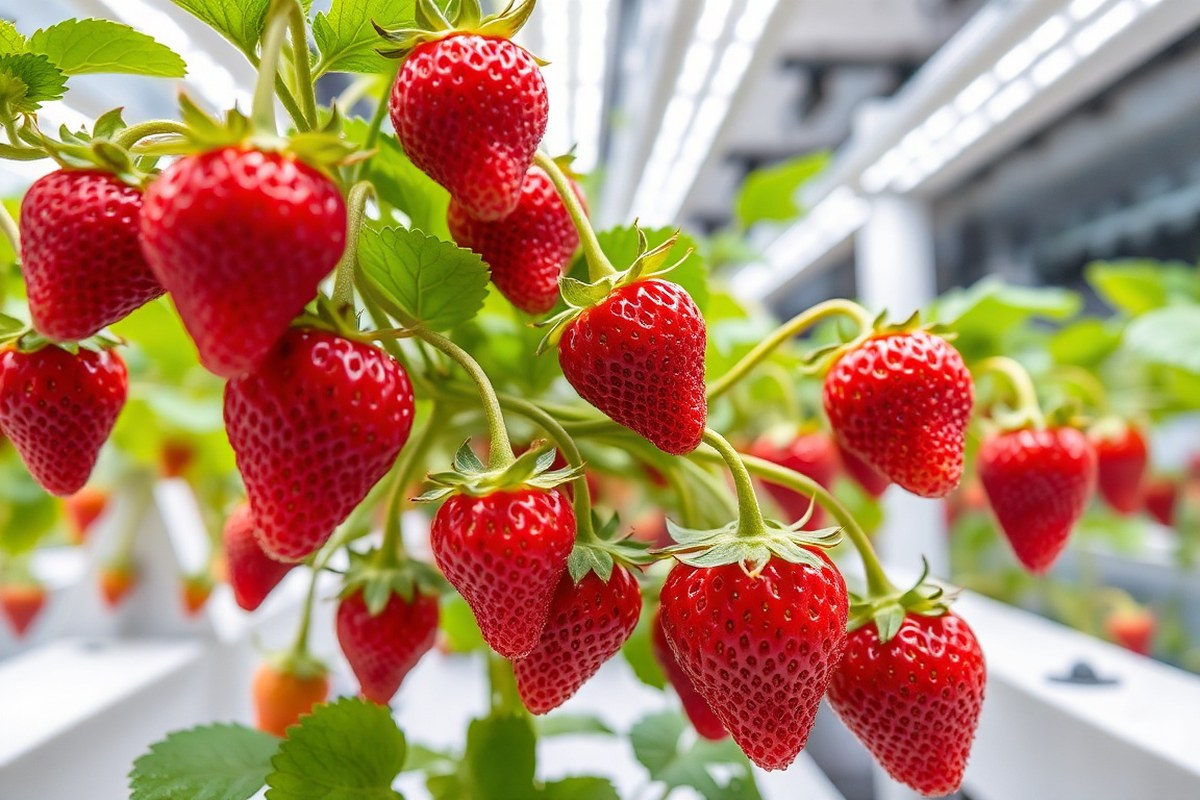
What are hydroponic strawberries? They are strawberries grown without soil, using nutrient-rich water instead.
This method feeds plants directly at the roots for faster growth and higher yields. It also reduces pests and diseases common in soil-based growing.
Hydroponic strawberries often grow 30 to 50 percent faster than those in soil. You’ll also use much less water, about 90 percent less, making this way more efficient. The roots stay healthy because they don’t have to compete for nutrients or deal with soil-borne pathogens.
To start, pick a steady hydroponic system like Deep Water Culture or Nutrient Film Technique. Keep an eye on pH levels between 5.8 and 6.2 since strawberries don’t like guesswork here. Maintaining proper light and temperature also boosts berry size and flavor.
Key Takeaways
- Hydroponic strawberries grow without soil using nutrient-rich water solutions.
- These strawberries grow 30, 50% faster than soil-grown plants.
- Use Deep Water Culture or Nutrient Film Technique for best results.
- Maintain pH levels between 5.8 and 6.2 for healthy root nutrient uptake.
- Hydroponic systems reduce water use by up to 90% compared to soil.
- Keep daily light duration between 12 and 16 hours for strong growth.
What Are Hydroponic Strawberries and How They Grow
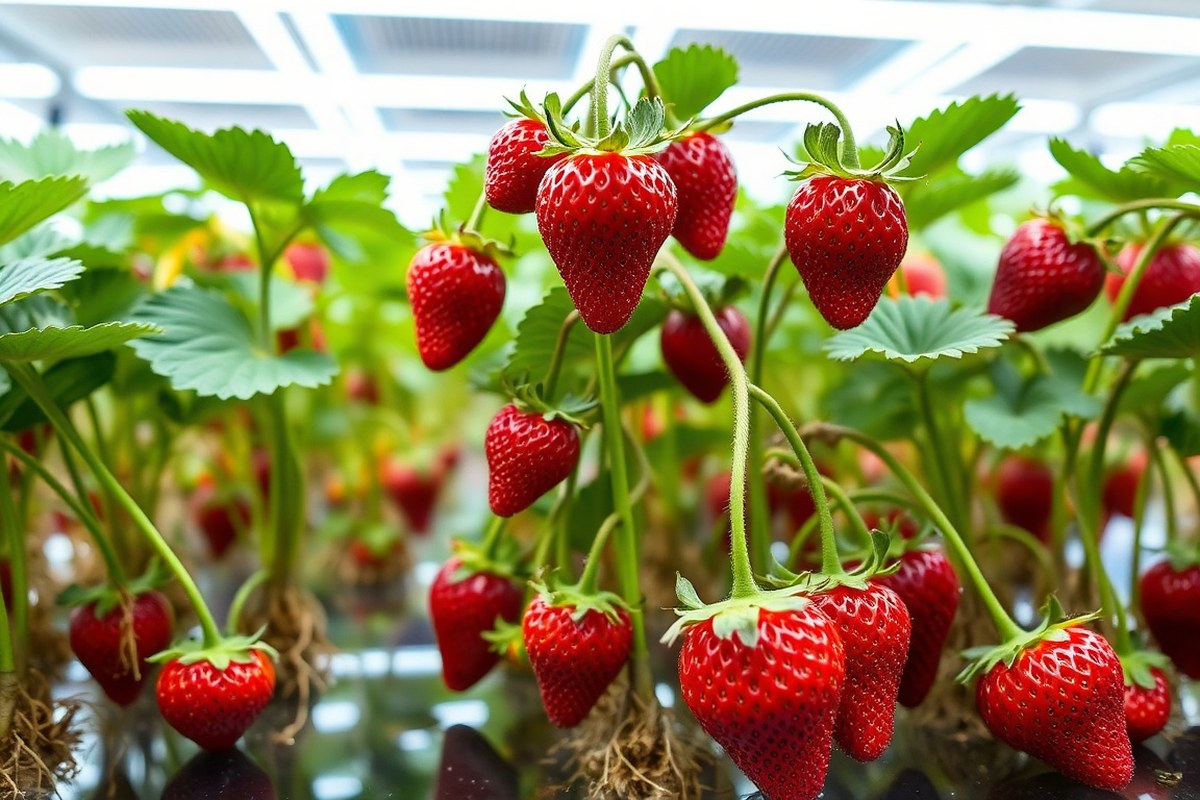
Hydroponic strawberries are strawberry plants grown without soil. Instead, they grow in a water-based nutrient solution that feeds the roots directly. This method lets the plants absorb nutrients easily and grow faster.
Without soil, strawberries rely on a carefully balanced water solution rich in essential nutrients. The roots hang in this solution. Sometimes they sit on a medium.
Coconut coir is a common medium that holds moisture well. This setup keeps the plant hydrated and nourished constantly.
Growing strawberries hydroponically speeds up growth by 30 to 50 percent compared to soil. Roots get uninterrupted access to nutrients. Fruits are often ready 60 to 90 days after planting.
This depends on the variety. Some varieties grow faster than others.
This way of growing offers several clear benefits. You avoid soil pests and diseases, so the strawberries are cleaner. Plus, the controlled environment reduces weather risks and supports year-round growing.
Hydroponic strawberries also tend to have better flavor and consistent quality. You control everything: pH, moisture, nutrients, and humidity. Usually, the ideal pH is 5.5 to 6.5, and humidity stays around 70 to 80 percent during the day.
Setting it up costs more at first because you need containers, pumps, and nutrient mixes. Still, the quicker harvest and steady crop often save money over time. You get fresh strawberries all year, right at home, without worrying about soil quality or weeds.
Which Hydroponic Systems Work Best for Strawberries
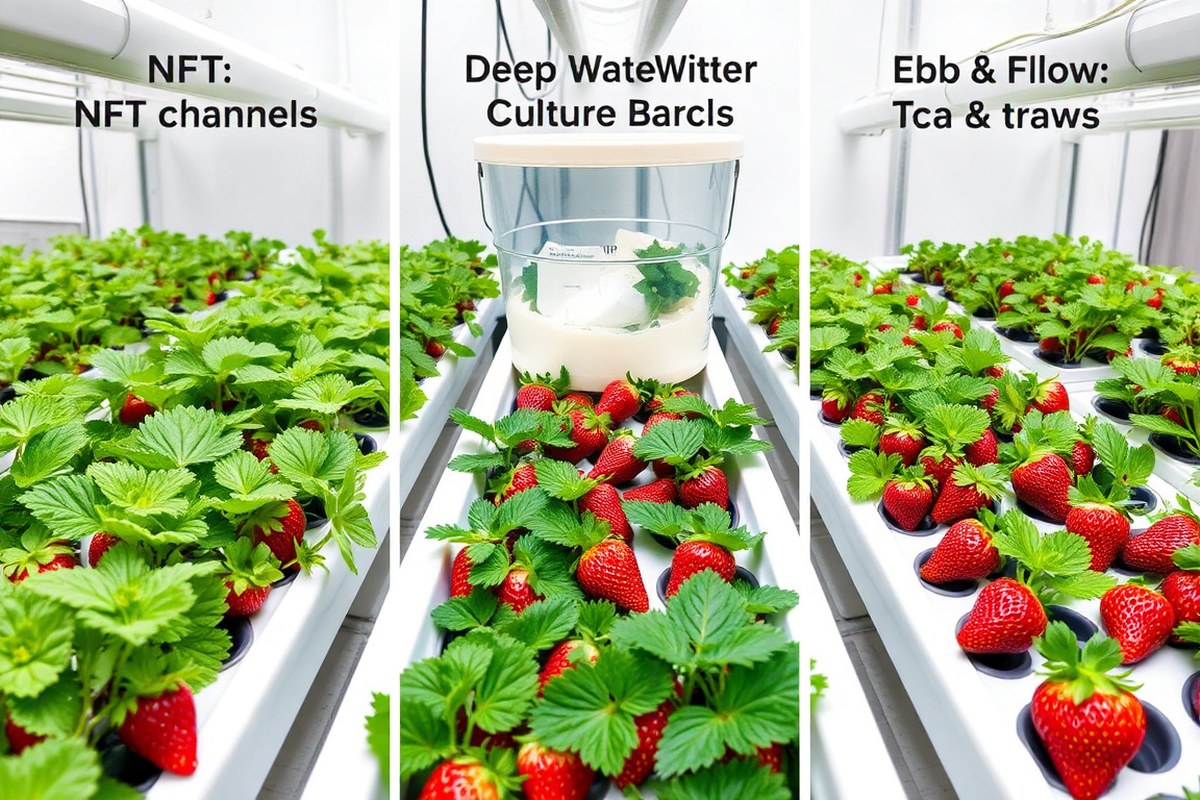
Strawberries grow well in different hydroponic setups. Your choice depends on space, budget, and effort. Each system works well but has tradeoffs.
Deep Water Culture (DWC) suits home gardeners best. It uses a simple container that holds nutrient-rich water and oxygen, perfect for strawberry roots.
Nutrient Film Technique (NFT) systems keep nutrients flowing over roots. This keeps plants fed and can boost yields. They need careful, regular monitoring.
Ebb and Flow systems flood plants from time to time. They use nutrients well and let you grow different crops. These systems need more work and a complex design.
| Hydroponic System Type | Advantages | Considerations |
|---|---|---|
| Deep Water Culture (DWC) | Simple to set up; high oxygen levels for roots; low cost | Can cause root rot if poorly aerated; limited plant growth space |
| Ebb and Flow | Efficient water and nutrient delivery; easy to combine crops | Needs more complex setup; continuous monitoring necessary |
| Nutrient Film Technique (NFT) | Continuous nutrient supply; typically high yields; compact design | Requires precise water and nutrient control; possible clogging issues |
Space is a big plus with hydroponics. They save about 90% of the room compared to open fields. Systems like Gorilla’s buckets give 25% more root space, helping strawberries grow larger.
Cost varies widely. A basic Deep Water Culture setup can cost less than $50. You need a five-gallon bucket, a lid, and an air pump.
These parts keep roots oxygenated. More complex systems like NFT or ebb &. Flow start around $200 and need more maintenance and learning.
Keep the water temperature between 60°F and 75°F to avoid stressing roots or slowing growth.
Good results mean clean, healthy roots and plenty of strawberries throughout the season. Avoid root rot by ensuring proper oxygenation in DWC.
For NFT and ebb &. Flow, test the nutrient mix and pH (5.5-6.5) regularly to prevent nutrient issues.
For most home strawberry growers, starting with a Deep Water Culture system is easiest and reliable. When space and budget fit, NFT systems increase strawberry yield. They do need more care and attention to work well.
This system is for committed growers. Ebb and Flow suits those growing strawberries alongside other plants, offering the most flexible setup.
Best Strawberry Varieties for Hydroponic Growing
Day-neutral strawberry varieties are the best choice for hydroponic growing. They produce fruit without stopping, usually for 6 to 12 months.
This matches well with indoor systems’ steady conditions. You don’t need to worry about changes in daylight hours with these varieties.
June-bearing strawberries give only one big harvest in summer and need a cold period. So they’re not good indoors. Everbearing types provide two harvests, one in summer and one in fall.
But their yield cycles can cause downtime. This means fewer fresh strawberries during off-seasons.
Choosing the right variety affects how often you can pick berries and how sweet they taste. Day-neutral cultivars like Albion, Seascape, San Andreas, Monterey, and Mara de Bois perform well indoors.
They start flowering fast, within just a few weeks. Fruit appears in 4 to 6 weeks when conditions are good.
- Albion: consistent, high-quality fruit all season long.
- Seascape: vigorous growth, good flavor, and fruit size.
- San Andreas: disease resistant with large, firm berries.
- Monterey: sweet berries, continuous harvest for months.
- Mara de Bois: excellent flavor, tends to be smaller fruit.
With day-neutral types, you can harvest every 2 to 3 days during peak fruiting. 14 to 16 hours of light each day helps berries grow well.
This also makes them taste sweeter and fully developed. Hydroponics brings out strong plant-ripened flavour unlike supermarket berries picked early.
Seaonal cycles in everbearing varieties might mean fewer berries at times. They take about 60 to 90 days to start producing.
Day-neutral plants give a steady yield and fruit supply. This is useful if you want strawberries all year round.
Setting Up Your Hydroponic Strawberry System Step-by-Step
Setting up a hydroponic strawberry system means choosing the right containers. You also need to prepare your plants carefully. Fill water tanks correctly and secure the seedlings well.
You will follow a clear step-by-step process to get ready. This process helps you start growing strawberries quickly. Your strawberries will grow healthy using it.
Choosing Containers and Grow Media
Use containers made for hydroponics, like net pots. So roots can grow easily in water.
Most systems need net pots of about 3 to 4 inches in diameter. You also need a growing medium to hold the plugs steady without keeping the crown wet.
Coco coir, perlite, or clay pebbles work well to anchor your plants. Avoid heavy soil or materials that stay soggy since strawberries need well-aerated roots. The containers should also fit securely within the frame of your hydroponic setup.
Preparing and Soaking Plugs or Seeds
Start with plugs or runners rooted in a clean medium. Soak seeds in lukewarm water for 12 to 24 hours first. This softens the seed coat.
It helps the seeds sprout better. This step helps fast, even germination.
Rinsing plugs gently with clean water before planting removes dust or debris. Make sure plugs aren’t dried out. Keep them moist but not wet to avoid root damage.
Filling and Sterilizing Nutrient Reservoirs
Before adding water, clean your reservoir tank thoroughly with a mild bleach solution. Rinse well to avoid chemical residue.
Fill the tank with fresh water. The water should be between 65 and 73°F. Aim for about 68°F for best results.
Mix your nutrient solution carefully using a hydroponic nutrient calculator designed for strawberries. Keep pH near 5.5 to 6.5 and check electrical conductivity (EC). Add an air pump and stones to keep the solution oxygen-rich for roots.
Planting Seedlings or Runners Securely
Insert plugs or runners gently into net pots filled with your chosen medium. The crown must stay above the medium to avoid rot. Roots should reach easily into the water or nutrient solution below.
Check that plants stand firm and straight. Unstable plugs can cause broken roots or crown rot. Use a gentle touch to secure the plug without crushing it in.
- Gather these materials: net pots, grow medium like coco coir, nutrient reservoir, water pump, air stones, and hydroponic nutrients.
- Clean and set up your hydroponic frame or container system to hold the net pots steadily.
- Soak strawberry seeds 12-24 hours in lukewarm water or obtain healthy plugs or runners.
- Fill and sterilize the nutrient reservoir tank; mix nutrients aiming for 65-73°F, pH 5.5-6.5.
- Place air stones and connect the air pump for proper oxygenation of the nutrient solution.
- Fill net pots with your chosen grow medium. Firmly but gently insert plugs or runners.
- Position net pots securely in the hydroponic system, making sure crowns stay dry and roots aerated.
- Turn on pumps and lights. Start a timer to control lighting duration for your strawberries.
Ideal Light, Temperature, and Humidity Conditions
Hydroponic strawberries do best with 12 to 16 hours of light each day. They prefer daytime temperatures around 65 to 75°F and cooler nights near 50 to 55°F. Humidity should stay between 60 and 75 percent to avoid common problems.
Lighting Duration and Intensity
Strawberries need 12 to 16 hours of quality light daily for good flowering and fruiting. Grow indoors with full-spectrum LED lights giving about 100 to 200 µmol/m²/sec. This mimics natural sunlight and supports steady growth.
Less than 10 hours of light can slow flower development and reduce yields. You might need to add supplemental lighting during cloudy days or winter months. Avoid too much light, which can stress plants and waste energy.
Day and Night Temperature Ranges
Keep air temperatures between 65 and 75°F during the day. This helps your plants grow healthy leaves and develop fruit. Cooler days toward 65°F help the fruit develop better flavor and color.
Lower the temperature at night to between 50 and 55°F. This drop improves fruit sweetness and overall quality. Keep temperature swings gradual to avoid stressing the plants and causing flower drop.
Temperatures consistently above 80°F can stunt growth and reduce fruit set. In warmer climates, use fans or air conditioning to keep temperatures in range.
Maintaining Ideal Humidity Levels
Relative humidity between 60 and 75 percent prevents tipburn and leaf diseases in strawberries. Too dry air, below 60 percent, can cause leaf edges to brown and reduce photosynthesis.
High humidity increases risks for mold and fungal problems. Ensure good airflow and ventilation to prevent moisture buildup on leaves and fruit. Using a dehumidifier works well in closed indoor systems.
Keep humidity stable above 60% but avoid letting it rise past 75% for best results.
Preparing and Managing Nutrient Solutions Effectively
The best nutrient mix for hydroponic strawberries contains balanced levels of nitrogen, phosphorus, and potassium. Aim for an N-P-K ratio around 14-10-28, plus calcium and magnesium supplements. These provide the essential elements strawberries need to grow strong and fruit well.
Check the pH and electrical conductivity (EC) of your nutrient solution daily. Keep pH between 5.5 and 6.5 to ensure plants can absorb nutrients effectively.
Maintain EC levels between 1.5 and 2.0 mS/cm for healthy growth without burning roots. Use a digital pH meter and EC meter for accuracy.
Change the nutrient solution fully every 1 to 2 weeks. This stops salt buildup. It also prevents nutrient imbalances.
Replace the reservoir immediately when you see algae or discoloration. Add fresh water and nutrients to the solution daily.
This keeps levels steady. It helps prevent root stress.
Keep your reservoir cool, ideally below 70°F, to stop oxygen depletion and root diseases. Hydroponic strawberries react badly to hot water, which slows growth. Use an air pump to add oxygen to the water.
This avoids brown roots and wilting. These happen due to low oxygen or bad nutrient balance.
Adjust nutrient levels as plants move from vegetative growth to flowering and fruiting stages. Increase potassium slightly during fruiting to boost berry development. Check your nutrient ratios if growth slows or leaves yellow.
Adjust the mix to fix the problem. Avoid heavy nitrogen at fruiting because it delays berry ripening.
Changing the nutrient solution too often can stress plants. Waiting too long invites disease and poor yield. Hydroponic strawberries need frequent checks.
They might not fit your routine if you travel often or skip care. Regular maintenance and monitoring are key to avoid costly mistakes like wilting or root rot.
Pruning, Training and Pollinating Hydroponic Strawberries
Prune runners to help your plants focus on fruit. Train your plants carefully to keep them healthy. Proper pollination improves your hydroponic strawberry harvest a lot.
Runners take energy away from fruit growth. Tight spaces need training for your plants to grow well.
Indoor berries don’t get natural pollination from bees or wind. Follow clear steps to prune, support, and pollinate your strawberries for tasty, abundant berries.
Pruning Runners and Flowers
Remove runners to help the main plant focus on fruit production. Runners are shoots that spread horizontally and can drain nutrients from the mother plant. Snip runners regularly, especially if you want larger berries rather than many small plants.
Also, initially strip off flower buds during the first 3 to 4 weeks after planting. Removing early flowers lets the plant build a strong root and leaf system. After about 4 weeks and six new leaves, allow flowers to bloom.
Pruning steps help prevent overcrowding and disease by improving airflow around leaves and berries. A clean, open plant boosts growth and yield.
- Identify runners growing from the base of the plant and snip them with clean scissors.
- During weeks 1 to 4, pinch off any flower buds that form to encourage root growth.
- Check plants weekly for new runners or weak, yellow leaves to remove.
- Keep the main crown clear of dead or damaged leaves to stop disease.
- Allow flowers to bloom only after the plant has six or more healthy leaves.
Indoor Pollination Techniques
Strawberries need pollination within 2 to 3 days of flower opening to set fruit well. Your indoor setup won’t have bees, so you must help. Manually brushing flowers mimics natural pollinators and improves fruit size and quality.
Use an electric toothbrush or small paintbrush to gently move pollen from flower to flower. Begin this routine as soon as the first flowers appear. Repeat the process every day for about a week.
This helps flowers get pollinated for better fruit. Fans can help spread airborne pollen, but manual pollination stays more reliable.
Supporting and Training Plants
Hydroponic strawberries grow quickly and need support to stay upright and fit your space. Use soft ties or plant clips to gently train runners along wires or stakes. This keeps plants tidy, improves airflow, and exposes all leaves to light.
Train plants early before they become tangled or crowded. Keep rows about 6 to 12 inches apart to allow space for air and light. In vertical towers, position plants so lower leaves don’t block those above.
Regularly check your supports and adjust ties as plants grow. Tight ties can damage stems or slow growth.
Common Problems and How to Prevent Them
Root rot, mainly caused by Pythium, is the biggest threat to hydroponic strawberries. It starts when roots sit in water too long or the growing medium lacks airflow. Keep your water full of oxygen to stop root problems.
Cycle your nutrient solution so roots don’t stay wet. Roots need air, not soggy conditions, to stay healthy.
You’ll notice root rot when roots turn brown or slimy. Plants wilt despite watering. Fix root problems by switching to fresh water right away.
Trim away any damaged roots carefully to help plants heal. Use biological controls to fight the Pythium that harms roots. Avoid letting the crown stay wet and soggy all the time.
The crown can get crown rot, which kills strawberry plants. Keeping this area dry helps protect your plants fast.
Plant nutrition is another key. Hydroponics needs a steady balance of nutrients and proper pH to keep strawberries healthy.
Watch leaves closely for signs like yellowing (nitrogen deficiency) or purple edges (phosphorus issue). Adjust pH to 5.8, 6.2, and use a complete hydroponic fertilizer that includes calcium and magnesium.
- Check for aphids and spider mites weekly on leaf undersides
- Keep nutrient solutions fresh and balanced, changing them every 1, 2 weeks
- Maintain water temperature between 65, 75°F to prevent stress
- Clean your systems regularly to avoid algae and disease buildup
- Use integrated pest management (IPM) with natural predators and traps
- Ensure proper ventilation to reduce humidity and mildew risk
- Cover water reservoirs to block light and stop algae growth
Algae grows quickly under lights and on wet surfaces, competing for nutrients with your plants. Cover reservoirs and clean surfaces often. Algae also block oxygen flow, which can worsen root rot.
Use a closed-loop system to recycle water safely and clean it well. Put filters in place to catch dirt and germs. Clean your system thoroughly every two weeks to stop diseases.
Keep leaf undersides shaded from direct light; pests hide there and start problems early.
Locking in these habits helps you catch problems early and saves your crop. Watch your plants closely.
Small changes like adjusting pH or cleaning your set up could stop a bigger issue fast. Hydroponic strawberries thrive when you balance moisture, light, and nutrition carefully.
Harvesting Expectations and Yield Optimization
Hydroponic strawberries usually start producing fruit between 60 and 90 days after planting. You’ll see flowers first, followed by small green berries that gradually ripen. Picking strawberries just as they turn bright red gives the best flavor and texture.
You can harvest strawberries every few days once they start fruiting. Day-neutral types like Albion or Seascape produce fruit all year. They need steady light and temperature to keep fruiting.
That means no big changes in their environment. Check your plants every two or three days for ripe berries.
Pick them before they get too soft or start spoiling. Regular checks keep your harvest fresh.
On average, a healthy hydroponic strawberry plant yields about 1 to 2 pounds of fruit yearly. This depends on factors like nutrient care, light quality, and plant health. To maximize yield, keep your nutrient solution balanced and maintain temperatures between 65°F and 75°F.
Boosting your strawberry harvest means pruning older leaves and runners to focus energy on fruit growth. Removing damaged or yellow leaves allows more light to reach healthy parts. Pollinate flowers by hand or use a small brush indoors.
This helps berries grow bigger and more even in size. Doing this improves your overall crop quality.
Year-round production requires stable conditions. When your system’s temperature or light changes a lot, fruiting slows. Consistent conditions are key for steady strawberry production.
Watch for drops to keep fruits growing. Use a simple timer for your grow lights to keep light steady.
Add a small heater or fan to control temperature well. These tools help your plants stay happy and produce more.
Keep an eye out for berries that turn soft or develop spots during harvest. Those signs show overripe or disease-prone fruit, which lowers yield and quality. Clean your hydroponic setup often to prevent problems from building up.
Harvest your berries on a regular schedule too. Both steps help keep your crop growing smoothly.
Step-by-Step Action Plan for Growing Hydroponic Strawberries
Follow these steps to get your hydroponic strawberries off to a strong start. Each step has a clear goal so you know you’re on track.
- Before you start: Choose a suitable hydroponic system like NFT or ebb and flow. Confirm it fits your space and budget.
- Day 1: Set up grow lights to provide 12-16 hours of light daily. Check light intensity with a PAR meter for 300-400 µmol/m²/s.
- Week 1: Plant your strawberry runners or seedlings in the system’s growing medium. Roots should attach firmly within 7 days.
- Week 2: Mix a balanced nutrient solution with the right pH (5.5-6.5) and EC (1.5-2.0 mS/cm). Monitor plant health for green, strong leaves.
- Week 4: Start removing flowers on new plants to encourage strong root and leaf growth. Watch for healthy new leaf buds.
- Week 6: Introduce gentle air flow and maintain humidity at 60-70%. Look for no signs of mold or mildew on leaves.
- Week 8-10: Hand pollinate flowers daily using a soft brush or vibrating tool. Successful pollination shows as small swelling fruits.
- After 3 months: Begin harvesting ripe strawberries. The fruit should be firm, fully red, and easy to pick without damage.
Frequently Asked Questions
What Are Hydroponic Strawberries?
Hydroponic strawberries grow without soil, using nutrient-rich water instead. This method gives plants precise nutrients and faster growth than soil planting.
Why Do Hydroponic Strawberries Grow Faster Than Those in Soil?
Hydroponic strawberries get nutrients directly to their roots, boosting growth speed by 30-50%. The lack of soil competition helps roots absorb nutrients efficiently.
Can Hydroponic Strawberries Produce Fruit Year-Round?
Yes, you can grow strawberries year-round indoors using hydroponics. Controlled temperature and light help maintain continuous fruiting cycles.
Do Hydroponic Strawberries Need Pollination, and How Is It Done?
Yes, pollination is necessary for fruit formation in hydroponics. You can hand-pollinate or use small fans to mimic wind movement.
Is Special Lighting Required for Hydroponic Strawberries?
Hydroponic strawberries need 12 to 16 hours of light daily. Using LED grow lights works well to mimic sunlight indoors.
What pH Level Is Best for Hydroponic Strawberries?
Maintaining pH between 5.5 and 6.5 is ideal for hydroponic strawberries. This range promotes healthy nutrient uptake and plant growth.
The Bottom Line
Hydroponic strawberries let you grow fresh fruit year-round with careful care. Start by setting up your system well and monitor plants often. Try your first harvest within three months and adjust as you learn what they need.


