How Does Fertilizer Work: A Complete Guide for Effective Plant Growth
How does fertilizer work to boost plant growth? Fertilizer gives plants the essential nutrients they need.
These nutrients support root development, leaf growth, and overall health. Without proper feeding, plants might struggle to produce flowers or fruit.
Fertilizers supply nutrients like nitrogen, phosphorus, and potassium. These elements perform different jobs inside plants so they grow strong. Applying fertilizer 2 inches beside and below seeds helps roots.
This spot lets roots absorb nutrients better. Placing fertilizer correctly improves plant growth.
Choose the right fertilizer type and use it carefully. Avoid over-fertilizing since that wastes money and can harm plants. Knowing how nutrients move in soil helps you feed plants right.
Timing fertilizer when plants need it makes feeding effective. This knowledge makes fertilizer work well.
Key Takeaways
- Fertilizer provides nitrogen, phosphorus, and potassium essential for plant growth.
- Place fertilizer about 2 inches beside and 2 inches below seeds for best uptake.
- Over-fertilizing can damage plants and reduce fertilizer effectiveness.
- Use the 4R Nutrient Stewardship method to optimize fertilizer use.
- Feed plants every 2, 4 weeks during the growing season, not in winter.
- Test soil with a $20 lab test to know nutrient and pH status accurately.
How Fertilizer Works to Support Plant Growth
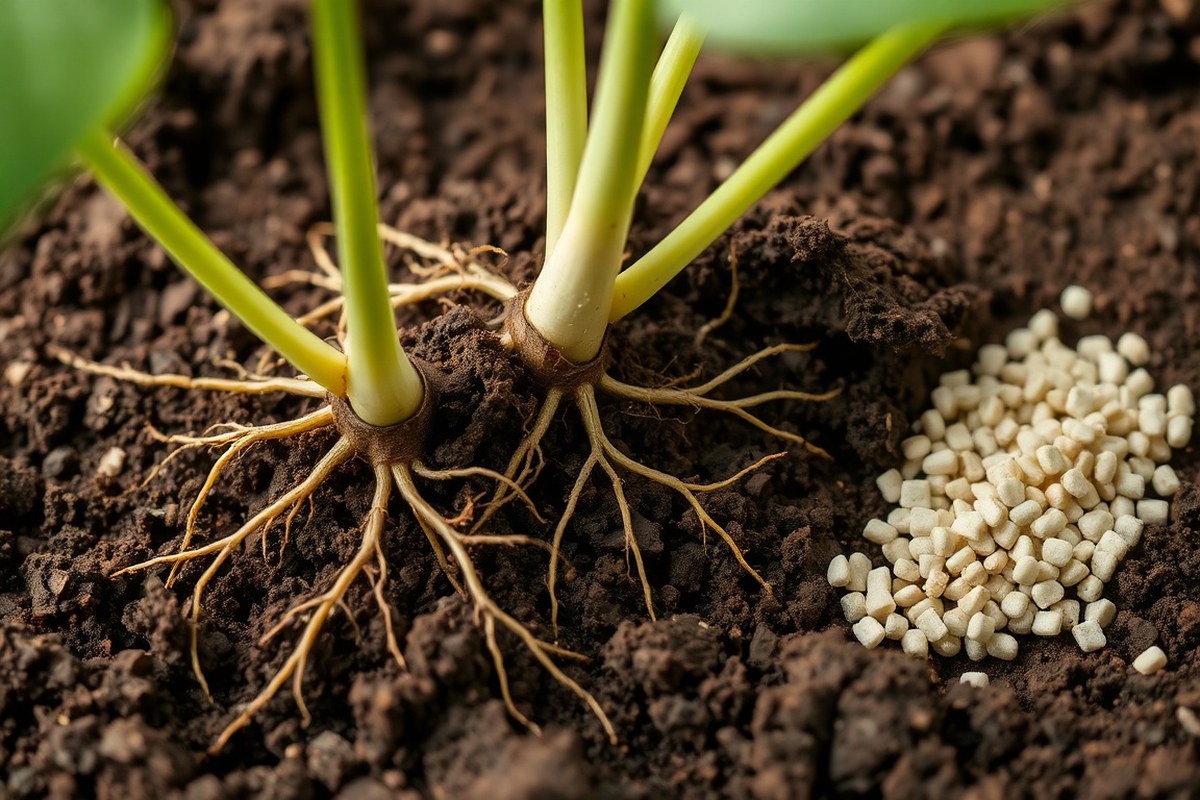
Fertilizer improves plant growth by adding nutrients plants need but may lack in soil. These nutrients support key functions like cell building, energy production, and photosynthesis. Plants absorb fertilizer nutrients mainly through their roots, which take in dissolved nutrients from soil water.
The process of nutrient uptake happens when fertilizer nutrients dissolve in soil moisture. Roots absorb these nutrients in forms like nitrate or ammonium for nitrogen. Nutrients enter plants through tiny root hairs.
Soil water carries nutrients to roots. This process is called mass flow.
Mass flow moves nutrients toward roots as water flows into the plant. Roots absorb nutrients actively or passively, depending on the nutrient and plant needs.
For example, nitrogen uptake varies with soil temperature and moisture. So good soil conditions help plants get more nutrients.
Once inside, nutrients play specific roles. Nitrogen builds proteins and chlorophyll, essential for green leaves and growth.
Other nutrients support cell structure, energy release, and water retention. Without enough nutrients, plants grow slowly or show yellowing leaves.
Fertilizer should go near roots for best nutrient use. Plants absorb fertilizer better in certain forms. Good placement helps plant growth.
Apply fertilizer at the right plant growth stage. Soil moisture affects how well plants take up nutrients.
Timing helps plants use fertilizer well. For young plants, supplying nutrients carefully reduces nutrient loss and improves early growth.
Too much fertilizer or poor placement can cause nutrients to be unavailable or leach away. For instance, nitrogen can be lost if soil is too wet or windy. Change fertilizer use based on weather and crop type.
Use soil test results to guide fertilizer amounts. This stops waste and helps plants grow.
What Key Nutrients Fertilizers Provide and Why They Matter
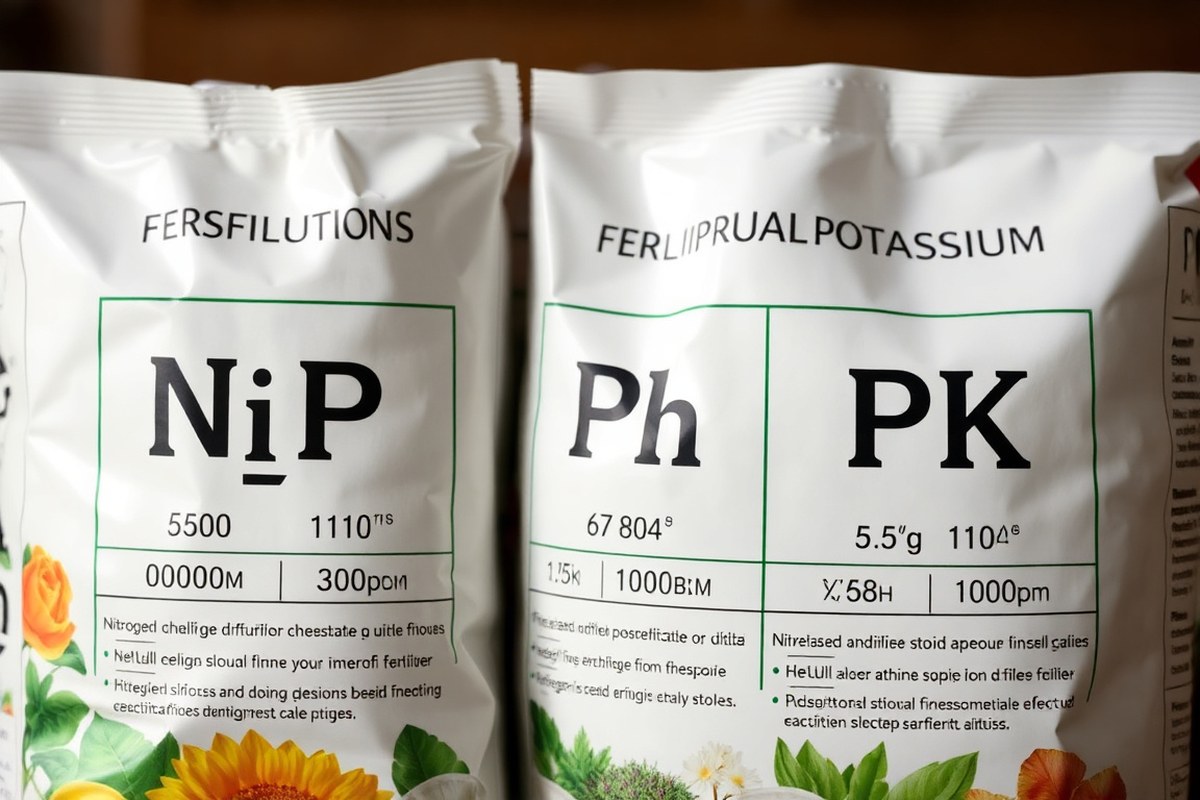
Healthy plant growth depends on different essential nutrients. Fertilizers mainly contain nitrogen (N), phosphorus (P), and potassium (K). Nitrogen promotes leafy, green growth.
Phosphorus boosts root development and flower production. Potassium improves general plant health and helps fight diseases.
Besides the main three, plants also need secondary nutrients and micronutrients. Secondary nutrients include calcium, magnesium, and sulfur. These help build cell walls, support photosynthesis, and aid protein production.
Micronutrients like iron, zinc, and boron are needed in tiny amounts. They play key roles in enzyme function and nutrient transport.
Using only N-P-K risks missing other important nutrients plants require. Soil often lacks enough secondary or micronutrients, especially in pots or poor soil.
Adding a balanced fertilizer or supplementing with compost covers these needs. This supports healthy growth and better yields, especially for vegetables or flowers.
| Nutrient | Common Sources | Plant Uptake Form | Main Plant Function |
|---|---|---|---|
| Nitrogen (N) | Urea, ammonium nitrate | Ammonium (NH4+), nitrate (NO3-) | Leaf growth, chlorophyll production |
| Phosphorus (P) | Superphosphate, bone meal | Phosphate (H2PO4-, HPO4-2) | Root development, flowering |
| Potassium (K) | Potash, potassium sulfate | Potassium ion (K+) | Plant strength, water regulation |
| Calcium (Ca) | Gypsum, limestone | Calcium ion (Ca2+) | Cell wall structure, growth |
| Magnesium (Mg) | Magnesium sulfate, dolomite | Magnesium ion (Mg2+) | Chlorophyll production, enzyme activity |
| Iron (Fe) | Iron chelates, ferrous sulfate | Fe2+, Fe3+ | Chlorophyll synthesis, respiration |
Plants take nutrients from soil minerals or added fertilizer. Adding the right nutrient mix avoids deficiencies and boosts growth.
The amount needed depends on soil richness and plant type. For potted plants, regular fertilizer top-ups are necessary since nutrients wash out quickly.
Over-fertilizing can harm plants and waste money. It causes salt build-up or nutrient imbalances.
Careful measurement and matching fertilizer to your soil test results prevent this. Balanced fertilization helps plants develop strong roots, healthy leaves, and bountiful flowers or fruits.
Apply fertilizer according to your soil test to avoid over-feeding and nutrient waste.
Differences Between Organic and Synthetic Fertilizers
Organic fertilizers come from natural sources like compost, bone meal, or cottonseed meal. They release nutrients slowly, taking about 3-4 months to break down fully.
Synthetic fertilizers use chemical compounds with concentrated nutrients that plants can absorb quickly. This difference affects how and when plants get their nutrients.
Organic fertilizer’s slow nutrient release supports soil microbes and improves soil health over time. These fertilizers typically have lower nutrient content per pound and cost more than synthetic ones. Synthetic fertilizers give nutrients fast, often within days.
This helps plants grow quickly. But overdoing it can cause nutrient runoff or burn.
Controlled-release synthetic fertilizers have coated granules that release nutrients gradually over weeks or months. These fertilizers reduce nutrient loss and improve efficiency, sometimes reaching 80% to 90% fertilizer use efficiency. Slow release matches nutrient supply to what plants need.
It stops nutrient spikes plants can’t absorb. This helps nutrient use stay steady.
Organic matter can’t fully replace chemical fertilizers because it doesn’t supply enough nutrients quickly. However, adding organic matter is key because it feeds beneficial soil microbes and keeps soil healthy. The best garden results happen when you combine organic matter with commercial fertilizers.
The table shows organic and synthetic fertilizer differences. It covers nutrient content, release rate, cost, and impact. You can compare their pros and cons.
| Characteristic | Organic Fertilizers | Synthetic Fertilizers |
|---|---|---|
| Nutrient Content | Low to moderate, variable (e.g., cottonseed meal 6-2-1) | High, consistent (e.g., 10-10-10 synthetic) |
| Release Rate | Slow, 3-4 months or longer (bone meal) | Fast, days to weeks (some coated for slow release) |
| Cost per Pound of Nutrient | Higher | Lower |
| Soil Impact | Improves soil health and microbes | No direct benefit to soil life |
| Risk of Nutrient Loss | Lower with slow release | Higher if overapplied unless controlled release |
| Example | Bone meal, worm castings | Sulfur-coated urea, 10-10-10 blends |
Using synthetic fertilizers with controlled-release coatings can make feeding plants easier and safer for the environment. Organic fertilizers add valuable soil nutrients but can’t provide a fast nutrient boost alone. Rotate organic fertilizers every 2 to 3 months for best growth.
Mix in synthetic fertilizers as needed. This approach supports healthy plants.
How Long Fertilizer Takes to Deliver Visible Results
Speed of Nutrient Availability
Liquid fertilizers start working fast, often within 1 to 5 days. They deliver nutrients directly to roots or leaves, so plants absorb them quickly. Granular fertilizers take longer because nutrients need to dissolve first.
This makes their effects slower to show in the soil. Plants get the nutrients more slowly with granules.
Slow-release granules coated with a special material release nutrients over weeks or months. This steady release feeds plants longer but delays visible changes. Knowing these timelines helps you match fertilizer types to your goals.
How Fertilizer Type Shapes Results
Liquid fertilizers come as concentrates or ready-to-use mixes. You usually dilute concentrates to ¼ to ½ of label strength for houseplants.
This approach prevents overfeeding and leaf burn. These liquids spread evenly when sprayed or watered in, speeding their effect.
Granular fertilizers are the dry pellets you sprinkle on soil or turf. They must dissolve in soil moisture before plants can use nutrients.
Using top-dressing spreads the pellets evenly on soil surfaces for better absorption. This type feeds plants slower but supports growth longer.
Factors Affecting Speed of Response
Warm soil speeds nutrient release because microbes break down fertilizer faster at higher temperatures. Cold or dry soil slows the process, delaying visible plant growth.
Soil texture also matters, sandy soils drain faster but hold fewer nutrients. Clay holds nutrients longer.
Plant type influences how soon you’ll see results. Fast-growing veggies react quicker to nutrients than woody shrubs or trees. Root damage or compacted soil reduce nutrient uptake, so plants look slower to respond.
What Visible Changes to Expect and When
Liquid fertilizer can make leaves greener in 1 to 5 days. You may also see new growth in the same period. The nutrients absorb quickly through plant leaves or roots.
Granular fertilizer effects take longer, usually 1 to 3 weeks before you notice plant changes. Slow-release types show results even later, often after several weeks.
Use fertilizer timing with your plant’s growth cycle. Applying fast-acting fertilizer during active growth gives quick help. A slow-release fertilizer works best for steady feeding during the whole season.
Common Timing Mistakes to Avoid
Applying fertilizer right before cold weather stalls nutrient uptake and wastes product. Using too much fast fertilizer can burn plant roots. It can also cause leaves to grow too much.
This growth can reduce the number of flowers or fruit. Too much slow-release fertilizer may overload soil nutrients over time.
Test your soil to judge nutrient needs before fertilizing. Follow label instructions carefully on dilution and frequency. This helps avoid gaps or spikes in nutrient availability and keeps your plants healthy.
How to Choose and Apply Fertilizer Effectively
Choose fertilizer based on the plant type and its growth stage. Adjust the amount using the N-P-K ratio to meet those needs. Apply fertilizer with proper timing and watering for the best results.
Selecting Fertilizer by Plant Type and Growth Stage
Leafy vegetables and grasses need more nitrogen for lush growth. Use higher nitrogen ratios like 10-5-5 during their fast-growing phase. Flowering and fruiting plants grow best with balanced phosphorus.
During budding, they need more phosphorus. This helps their fruits develop well.
At transplanting, use fertilizers with more phosphorus, such as 5-10-5, to help root development. For mature plants, choose general-purpose fertilizers unless a soil test shows a deficiency. Tailor nutrient supply to each plant’s stage for healthy growth and yield.
Calculating Correct Fertilizer Amounts Using N-P-K Ratios
Look at the fertilizer’s N-P-K label to know the nutrient percentage. For example, a 10-5-5 fertilizer has 10% nitrogen, 5% phosphorus, and 5% potassium. Calculate how much nitrogen you need per square foot, then adjust total fertilizer weight accordingly.
For example, if a vegetable patch needs 0.3 pounds of nitrogen per 100 square feet, divide 0.3 by 0.10 (the nitrogen percentage as a decimal). You get 3 pounds of 10-5-5 fertilizer to apply evenly over 100 square feet.
Always check plant recommendations and soil test results before deciding amounts. Overfertilizing risks nutrient runoff and plant damage. Applying too little can stunt growth or cause nutrient deficiencies.
Best Practices for Fertilizer Application and Watering
Apply fertilizer near the roots for maximum uptake, using banding or side dressing. Avoid placing fertilizer directly on leaves or stems to prevent burns. Use slow-release or controlled-release fertilizers for steady nutrient supply over weeks.
Water plants thoroughly after applying fertilizer within 24 hours. This helps dissolve nutrients and prevents nitrogen loss by volatilization. Watering before fertilizing moistens the soil and reduces root stress during uptake.
Fertilize plants early in the day or late afternoon to reduce evaporation losses. Repeat applications may be needed depending on the growth stage and fertilizer type used.
- Identify your plant’s growth stage and nutrient needs.
- Check the fertilizer’s N-P-K ratio to match these needs.
- Calculate the fertilizer amount based on nitrogen needs and fertilizer nitrogen content.
- Choose an application method: banding near roots or broadcasting evenly.
- Apply fertilizer evenly and avoid contact with leaves.
- Water plants well after fertilizer application within 24 hours.
- Monitor plant response and adjust feeding schedules if necessary.
Practical tip: Never apply fertilizer to dry soil without watering first. It can burn roots and reduce nutrient uptake.
How Soil Conditions Influence Fertilizer Effectiveness
Soil pH affects fertilizer nutrient availability a lot. Nutrients like phosphorus and micronutrients become easier for plants to absorb in slightly acidic soils. Test your soil pH before fertilizing.
Use a kit or send a sample to a lab. This tells you what your soil needs.
Kits cost around $15 to $25 and give quick results. Labs provide detailed reports and fertilizer recommendations.
Soil texture also changes how fertilizers work. Sandy soil drains quickly, which can wash away nutrients before plants absorb them. Clay soil holds onto nutrients longer but may keep roots too wet.
Add organic matter like compost to your soil. It helps hold nutrients better in all soil types. This improves how well fertilizer works.
Organic matter lowers your fertilizer needs. It slowly releases nutrients as it decomposes, feeding plants over time.
Aim for 3% to 5% organic matter in garden soils. Adding a few inches of compost yearly can raise organic matter levels gradually.
Moisture plays a key role in nutrient uptake. Too dry, and roots cannot absorb nutrients well.
Too wet, and nutrients may leach out or cause root damage. Applying fertilizer just before or during a watering session helps nutrients dissolve and reach roots effectively.
Testing soil before fertilizing is the best way to match nutrients to plants’ needs. Soil labs measure pH, nutrient levels, and organic matter.
They usually cost $20 to $60 depending on tests needed. Following their advice prevents over- or under-fertilizing, which can waste money or harm plants.
Adjust soil pH if your test shows it is off. Lime raises pH if soil is too acidic. Sulfur lowers pH if soil is too alkaline.
These changes take weeks to take effect. Re-test soil each season to track progress and adjust fertilizer type or amount accordingly.
Recognizing and Avoiding Common Fertilizer Mistakes
Using too much fertilizer can burn roots and stress plants. Excess nutrients build up in the soil and may stop plants from taking in water properly. Fertilizer salts draw moisture from roots.
This causes yellow leaves and weak growth. Sometimes, the plant may even die because of this.
Sometimes fertilizer harms plants because it’s the wrong type or is applied at the wrong time. For example, plants like blueberries need acid-loving fertilizer high in ammonium nitrogen. You might cause soil pH to rise too high by using general fertilizer.
This leads to iron deficiency in potted camellias and azaleas. Timing matters too. Fertilizing dormant plants or during very hot weather may reduce nutrient uptake or cause leaf burn.
Common mistakes gardeners make include over-fertilizing, choosing the wrong fertilizer type, and poor application methods. You can fix these by following these practices:
- Apply fertilizer 2 inches beside and 2 inches below seeds to avoid root damage.
- Use acid-specific fertilizer for plants like blueberries and ericaceous species.
- Side-dress established plants rather than fertilizing all at once for better nutrient use.
- Check plant growth stage; avoid fertilizing dormant or heat-stressed plants.
- Use slow-release or balanced fertilizers to reduce risk of nutrient burn.
- Test soil pH and nutrient levels to match fertilizer type and amount properly.
Corrections take some time but improve plant health. For example, shifting to ammonium sulfate in sandy soil helps acidic plants absorb nutrients better. Also, side-dressing after plants grow reduces fertilizer waste and lowers burn risk.
Yellow leaves or stunted growth can mean fertilizer problems. Check your fertilizer use before suspecting other issues.
Sustainable Fertilizer Practices and Environmental Impact
Fertilizer use can hurt the environment through nutrient runoff and emissions. The 4R Nutrient Stewardship helps balance growth with sustainability. It guides you to use the right source, rate, time, and place for fertilizers.
Right Source: Choosing Eco-Friendly Fertilizers
Choosing fertilizers designed to reduce nutrient loss helps protect water and air quality. Improve Efficiency Fertilizers (EEFs) release nutrients slowly, cutting emissions and runoff. Organic fertilizers break down naturally but vary in nutrient content, so testing is important.
Using fertilizers matched to your soil test avoids adding unneeded chemicals. Local regulations, like those in Maryland, may limit types or amounts to curb pollution. Eco-friendly sources cost a bit more but reduce the chance of harming nearby streams and lakes.
Right Rate: Avoiding Excess Applications
Applying fertilizer at rates your plants need prevents waste and pollution. Overusing nitrogen can reduce plant quality, such as lowering leaf oil concentration and flavor. Split applications spread nutrients out, helping plants absorb them and cutting losses to the environment.
Testing soil and plant tissue can guide how much fertilizer to apply. Adjust rates for different crops, growth stages, and weather patterns to match plant demand closely. Following the right rate also saves money and reduces fertilizer runoff into waterways.
Right Time: Matching Fertilizer to Plant Growth Needs
Timing fertilizer applications with plant growth boosts nutrient uptake and reduces losses. Applying nitrogen earlier assists young plants, while later doses support fruit or flower development. Avoid fertilizing before heavy rains to limit nutrients washing away before roots absorb them.
Split applications over the growing season can meet plants’ changing needs. Warmer soil temperatures promote faster nutrient uptake, so apply fertilizers then to improve efficiency. Delaying fertilizer during slow growth periods prevents excess nutrients from building up in the soil.
Right Place: Optimizing Fertilizer Placement to Reduce Loss
Placing fertilizer near roots ensures plants can access nutrients quickly and fully. Banding or injecting fertilizer puts it below the soil surface. This limits the chance it washes off.
It also reduces fertilizer release into the air. Surface applications are easier but risk greater nutrient losses with rain or irrigation.
Adjust placement based on tillage systems and soil conditions to prevent runoff. Keeping fertilizers in the root zone avoids off-field movement, protecting nearby water bodies. Small-scale growers can use spot application or side-dressing techniques to place nutrients accurately.
Avoid applying fertilizer before heavy rain to reduce nutrient runoff and pollution risks.
Step-by-Step Action Plan for Fertilizing Your Garden
Follow these steps to start fertilizing your plants the right way. You’ll see how to pick, apply, and adjust your fertilizer for best growth.
- Before planting: Test your soil with a kit or lab to check nutrient levels. Use results to choose fertilizer type and nutrient balance.
- Day 1: Apply fertilizer as the package directs, focusing on the root zone. This ensures plants get nutrients where they absorb best.
- Week 2: Inspect your plants for early signs of growth, like greener leaves. This shows fertilizer is working and soil nutrients are available.
- Month 1: Fertilize again if using slow-release or organic fertilizers. Follow dosage instructions to avoid overfeeding, which can harm roots.
- Month 2: Check soil moisture and adjust watering. Proper watering helps fertilizer dissolve and reach plant roots evenly.
- Month 3: Observe plants for nutrient deficiencies like yellowing leaves or stunted growth. Adjust fertilizer type or frequency as needed.
- Ongoing: Add compost or mulch around plants to improve soil health. This supports sustainable nutrients and reduces fertilizer needs over time.
Frequently Asked Questions
Why Do Some Fertilizers Include Sulfur and How Does It Help Plants?
Sulfur helps with protein production and enzyme function in plants. Ammonium sulfate, a fertilizer with sulfur, also provides nitrogen to support growth and improve crop quality.
Can Fertilizers Affect Soil pH, and How Should I Manage It?
Yes, some fertilizers can change soil pH by making it more acidic or alkaline. Test your soil often.
Adjust fertilizer types to keep pH right for plants. This helps your plants grow well.
What Is Banding Fertilizer, and Why Is It Used Near Seeds?
Banding places fertilizer about 2 inches beside and deeper than seeds. This method targets nutrients close to roots, improving nutrient uptake and reducing waste.
Why Might Liquid Fertilizer Be Better for Midseason Plant Feeding?
Liquid fertilizer acts faster than dry during midseason growth spurts. It delivers nutrients quickly when plants need an immediate boost for flowering or fruit development.
How Does Fertilizer Use Relate to Global Food Production Increases?
Synthetic nitrogen fertilizers have boosted food production by over 30% per person. This helped meet growing demand but raised challenges like emissions and soil health concerns.
What Are the Risks of Over-Fertilizing, and How Can I Avoid It?
Over-fertilizing wastes nutrients and can hurt your plants and environment. Follow label rates and soil tests to apply just enough fertilizer for healthy growth.
Final Thoughts
Fertilizer helps plants grow by delivering the nutrients they need to thrive. Use the right type and amount based on your soil and plants. Start with soil testing to pick the right fertilizer for your garden’s success.