How to Harvest Dahlia Seeds: A Complete Guide for Successful Saving and Growing
Knowing how to harvest dahlia seeds helps you grow new plants from your favorites. You wait until the seed pods are dry and brown before picking them. This keeps the seeds mature and ready to grow strong dahlias.
Start by watching the seed heads after blooming. They take about two weeks to dry fully, turning brown and brittle. Using mesh bags can protect the seeds from birds and wind during this time.
After harvesting, dry the pods for 7 to 10 days indoors in a cool spot. This prevents mold and makes seed removal easier. Always check seeds for damage before storing them.
Store the dried seeds in a paper envelope or a breathable container. Keep them in a cool, dark place for several months. Label your seeds with the date and variety to keep track.
Key Takeaways
- Harvest dahlia seed pods when they’re dry, brown, and brittle.
- Use mesh bags to protect seeds from birds and wind before harvest.
- Dry collected seed pods indoors for 7 to 10 days before cleaning.
- Check seeds daily for mold or insect damage during drying.
- Store dried seeds in cool, dark places around 40, 50 °F for best life.
- Avoid plastic or glass containers unless seeds are fully dry with desiccant.
How to Identify and Harvest Mature Dahlia Seed Pods
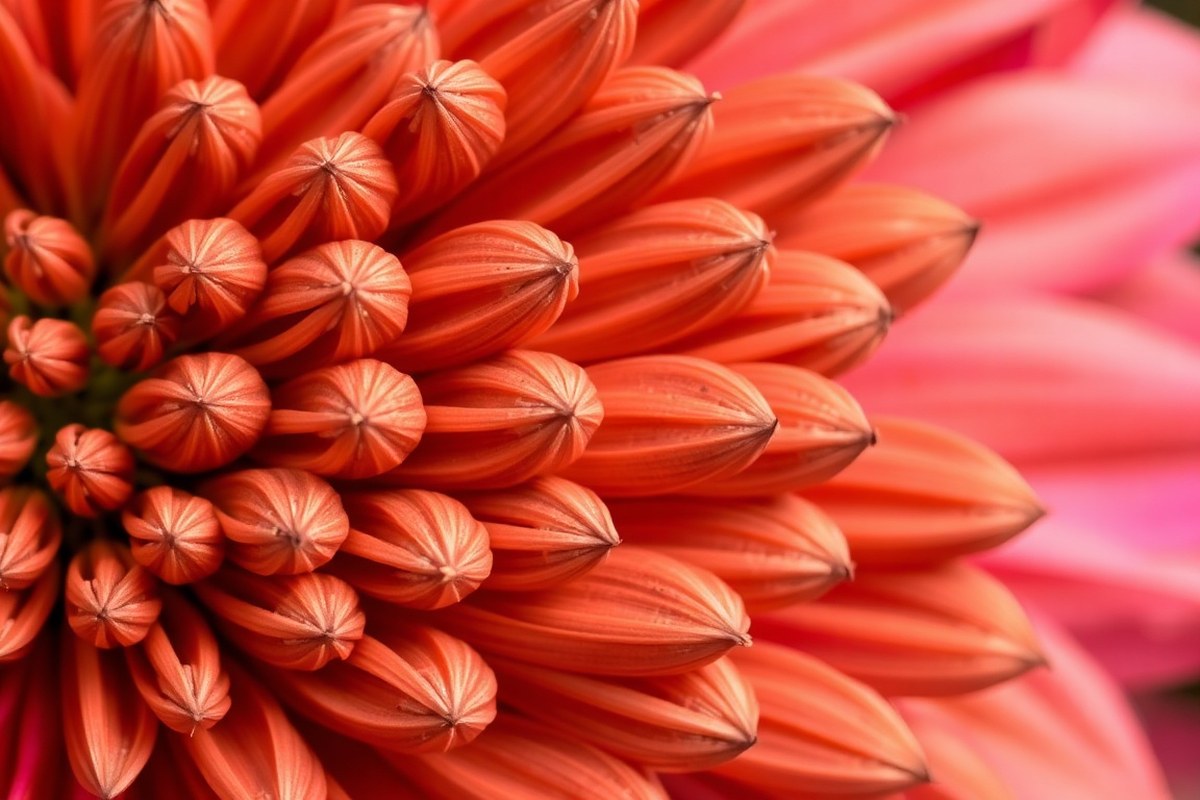
Knowing when dahlia seed pods are ready makes harvesting easier and more rewarding. Mature pods turn golden or dark brown, signaling the seeds inside are fully developed. Picking seeds too early means they won’t grow well later.
Look for pods that feel dry and firm, not soft or green. You’ll find small, flat seeds inside, dark brown or black, shaped like tiny curved beans.
Each pod can hold up to 20 seeds. Harvest on a dry day to avoid mold or damage.
To gather seeds without hurting them, use sharp scissors or pruning shears. Handle seed heads gently, keeping pods intact until you’re ready to take seeds out. Rubbing or crushing pods can lose or break seeds, reducing future success.
Follow these steps to spot and harvest perfect dahlia seeds:
- Inspect seed pods for a golden brown or dark brown color.
- Check that pods feel dry and slightly hard to the touch.
- Choose a dry, calm day for harvesting to avoid moisture damage.
- Use pruning shears or scissors to cut the seed heads cleanly.
- Place seed heads in a paper bag or container without crushing them.
- Let the pods dry fully indoors if they aren’t completely dry yet.
- Gently break open the pods to release the small, black or dark brown seeds.
- Collect seeds carefully to avoid bruising or losing any.
It takes around six weeks after pollination for pods to mature fully. When the seed pod is green or soft, wait longer to harvest.
A dry, firm pod shows the seeds inside lost most moisture. This means they are ready to be picked.
Picking pods early or rushing causes seeds to stay immature and weak. Seeds collected this way may fail to sprout or produce weak plants.
Use sharp tools and handle pods gently to avoid losing seeds. This keeps seeds good for storage or future planting.
Timing: When to Collect Dahlia Seeds for Best Results
Stop deadheading dahlias about a month before the first frost to let seed pods mature. After pollination, seed pods take 6 to 8 weeks to fully develop. Wait until seed heads turn brown and dry.
They should also feel light. Then you can harvest for the best seed quality.
Harvest seeds too early and they won’t be mature enough to sprout. Pods can burst open and scatter seeds if you wait too long. Birds might also eat the seeds.
Leave blooms on until frost. Then let the pods dry off the plant. This helps seeds mature.
After picking mature pods, dry them in a well-ventilated spot. Keep humidity low. Dry for 7 to 14 days.
This drying boosts seed viability by reducing moisture. Cool storage below 50°F further extends seed life if you don’t plant immediately.
| Factor | Impact on Seed Viability | Recommended Practice |
|---|---|---|
| Drying time | Longer drying improves viability | Dry pods 7, 14 days minimum |
| Humidity | High humidity decreases viability | Store seeds in dry area |
| Seed maturity | Immature seeds rarely sprout | Harvest only brown, dry heads |
| Storage temperature | Cooler temps extend seed life | Keep below 50°F if storing |
Look for seed pods with fully dry bracts that are papery to the touch. Pale or soft seeds inside need more time on the plant. Collecting pods before full ripeness can work, but expect lower germination rates.
Only collect seeds from heads that are dry and brown to avoid poor sprouting rates.
After drying, seeds look like long, flat brown sticks with small prongs. Shake pods inside a paper bag to get seeds out.
You can also use a fine brush to extract them. Patience is key, as some pods take longer to ripen and dry perfectly.
Proper Drying Methods to Preserve Seed Viability
Dahlia seeds need to dry completely before storing to stay viable. Dry them in a spot with good airflow, moderate warmth, and low humidity. Taking care during drying helps avoid mold and keeps germination rates high.
Indoor Drying Techniques
Bring seed pods inside. Put them on a dry paper towel or screen. Keep them in a warm room.
Keep them away from direct sunlight to prevent overheating, which can damage seeds. A well-ventilated room with temperatures around 65 to 75°F works best.
Use a fan on low nearby. Don’t let it blow directly on the seeds. This keeps air moving.
Avoid plastic containers unless you add a silica gel packet to absorb moisture. Check seeds daily and remove any that show signs of mold or blackening.
Outdoor and Mesh Bag Drying
On dry, breezy days, hang seed pods or place them inside mesh bags outdoors. Mesh bags promote airflow and keep seeds protected from rain and pests. Pick a shaded spot to prevent seeds from overheating in direct sun.
Bring seed pods indoors each night if there’s dew or high humidity. Keep pods in breathable containers to avoid trapping moisture.
This method works well when outdoor humidity stays under 60%. Temperatures stay above 60°F.
Drying Tips for Wet or Humid Climates
In damp climates, start drying seeds inside to prevent mold growth. Use a dehumidifier or air conditioner to reduce moisture indoors. You can also dry seed pods in a greenhouse with good ventilation and heat control.
You can also break open seed pods early. Dry the seeds gently on paper towels inside.
Change towels daily to keep seeds dry. Consider a small fan or silica gel packets to speed drying and protect seeds.
- Use paper envelopes for drying, not plastic bags
- Do daily checks for mold or musty smells
- Keep drying seeds away from direct sunlight
- Avoid stacking pods too closely to ensure airflow
- Store dry seeds in a cool, dark, dry place
- Use a kitchen strainer to remove debris before drying
These steps reduce moisture problems and boost germination success. Patience is key when humidity is high, but thorough drying pays off.
How to Check for Complete Dryness
To test if seeds are dry, gently squeeze the pods. They should feel hard and brittle, not soft or damp. Also, seeds themselves should be firm and crack when bitten gently.
Drop a few seeds on a paper towel and let them sit at room temperature overnight. When the towel is damp, seeds still hold moisture.
They need more drying time then. Only store seeds once they are fully dry to avoid mold during storage.
Extracting and Cleaning Seeds from the Seed Pods
Extracting dahlia seeds from seed pods requires care to avoid harming the seeds. The seed coat is thin but important for protecting the seed inside. Rushing or using too much force can damage seeds and reduce how well they grow later.
When seed pods are fully dry and papery, break them gently to find the seeds. Seeds look like small, slender black slivers with a pointed end. The fluff and dry petals inside the pod are very light.
You can separate them by feeling and looking carefully. This makes seed collection easier.
A short soak helps if seeds stick to the pod or fluff. Soaking in lukewarm water for about 5 minutes softens the pod, easing seed removal. Avoid longer soaking times because the seed coat may swell, crack, and lose viability.
- Hold a dry seed pod over a paper or shallow bowl.
- Gently break the pod open with your fingers, exposing the seeds.
- Tap or shake the pod slightly so seeds fall out.
- Pick out the black seeds from dry fluff and petals by hand.
- For stubborn seeds, soak the pod in lukewarm water for 5 minutes.
- After soaking, rub seeds gently between two fine screens to remove remaining chaff.
- Spread seeds on paper towels to dry again before storing.
Separating seeds from fluff by rubbing between screens helps remove chaff without harming seeds. This method works well when seeds cling tightly. Avoid using rough or hard materials which can damage the seed coat and reduce germination.
Good seeds feel hard and smooth after you clean them. They should have no dry petal bits or fluff stuck. This means they’re ready for saving.
Seeds that look swollen, split, or have white inside usually won’t grow. Teasing them out gently and keeping drying short keeps seeds in best shape for storage.
Choosing the Right Containers and Environment for Seed Storage
Store dahlia seeds in cool, dark places to keep them viable. Ideal spots include pantries or basements where temperatures stay between 40 and 50 °F. For longer storage, use a refrigerator’s crisper drawer. But keep seeds dry to avoid mold or sprouting.
Choosing the right container matters. The container should keep moisture out and protect seeds from sunlight. Here is a quick look at common options:
| Container Type | Pros | Cons | Best For… |
|---|---|---|---|
| Glass Mason Jars | Airtight, reusable, see contents | Heavy, lets in light | Short to medium-term storage |
| Mylar Bags | Best moisture barrier | Needs heat sealer | Long-term archiving |
| Plastic Seed Tins | Durable, easy to label | Some plastics let gases through | Frequent access and organization |
| Vacuum-Seal Bags | Maximum protection | Can crush delicate seeds | Professional or very long-term storage |
Glass jars work well for most gardeners keeping seeds for one season to two years. Mylar bags keep seeds safe for longer. They need a heat sealer.
Heat sealers cost about $30 to $50. Plastic tins are good if you access seeds often and want easy labels. Vacuum-seal bags protect seeds for a long time.
But they can crush fragile seeds like dahlia. You have to be very careful using them.
Dahlia seeds can stay viable for up to 3 years if stored properly. Put a small packet of silica gel in the container. This helps keep seeds dry.
You can also use dry rice for the same purpose. Check seeds before planting. Wrinkled or moldy seeds often mean they were stored too wet or warm.
Store dahlia seeds dry and cool; moisture causes mold that ruins them fast.
Make a habit of labeling your containers with the seed variety and harvest date. This helps you track the seed age to plant the freshest ones first. Avoid plastic bags alone for long-term, these can let moisture in and cause spoilage.
Understanding Cross-Pollination and Seed Parentage in Dahlias
Dahlia seeds come from cross-pollination, which happens when pollen from one plant fertilizes another. This natural process mixes the genetic material of two different dahlias. Because dahlias are highly heterozygous, their seeds rarely produce plants identical to the parent.
You can save seeds from any dahlia type. But expect variations in flower color and shape.
Seeds from hybrid dahlias especially tend to produce offspring with surprising traits. This means most saved seeds won’t give you a true copy of the original dahlia.
To gain control over seed traits, some gardeners hand-pollinate dahlias. You remove pollen from the seed parent’s flowers first. This step is called emasculation.
Then, brush pollen from the chosen plant onto those flowers. Hand-pollinating reduces unwanted cross-pollination and increases the chances of specific traits in offspring.
Hand-pollination takes patience and careful timing. Remove fresh pollen early in the morning when it’s dry.
Use a small paintbrush or cotton swab to transfer pollen gently. Label the pollinated flower to track which plants you crossed.
Most dahlia growers prefer growing tubers to reproduce clones of their favorite plants. Tubers produce identical plants every year and flower reliably in about one year. Seed-grown dahlias take longer, often one to two years, and their looks can vary widely.
When saving seeds, remember to let flowers fully mature and form seed pods. Stop deadheading about eight weeks before your first frost to give time for seed development. Collect seeds from dried pods once they turn brown and brittle, signaling maturity.
Keeping hybrid dahlia seeds separate from pure types helps if you want to preserve specific cultivars. Mixed seed pods with nearby varieties lead to unpredictable flower traits. Label your seed collections carefully to avoid mixing these later.
Protecting Seed Pods and Avoiding Common Harvesting Mistakes
Protecting your dahlia seed pods from pests and harsh weather ensures better seed survival. Using practical barriers and spotting common mistakes help you save more viable seeds. Knowing how weather and plant health affect pods improves your chances of success.
Physical Protection Methods for Seed Pods
Cover maturing seed pods with mesh bags to block birds and strong wind. The Royal Horticultural Society’s trials showed this method raises seed survival rates by 40%. You can buy mesh bags cheaply or make your own from fine netting.
Pin the bags gently around the seed pods without crushing them. Check inside the bag every few days. Watch for moisture or mold.
Stop mold before seeds spoil. Stay alert to holes or tears; patch them quickly with garden tape.
- Use breathable mesh bags or fine netting to cover pods
- Secure the covering loosely to avoid crushing seeds
- Inspect bags every few days for damage or moisture
- Pest-proof cages can work if you don’t have mesh bags
- Remove the covering only when pods start to dry fully
- Place stakes nearby to support branches in windy areas
These steps shield your pods from common damage. Wind can shake seeds loose or break stems.
Birds peck or pull pods off. Protecting pods is simple and costs little.
Identifying and Fixing Harvesting Errors
Harvesting seed pods too early ruins seed development and drying. Let seeds mature fully on the plant until pods dry and brown. Harvesting green pods often means weak seeds that won’t germinate well.
Don’t wait too long either, or seeds may scatter or get eaten. Handle pods gently to avoid accidental seed loss or bruising. Let pods dry a little on the plant but avoid wet weather exposure.
- Wait for pods to turn brown but not crumble when picked
- Don’t harvest if pods feel soft or green
- Pick pods on dry days to reduce mold risk
- Check pods daily near harvest time to catch peak maturity
- Hang pods upside down indoors if rain is forecast
- Use clean scissors or pruners to avoid spreading disease
Fix early pod harvests by placing green pods in a jar with water. Put them in a warm, bright spot to finish maturing. This trick helps seeds develop even off the plant.
Adjustments for Weather and Climate
Hot, dry climates speed pod drying but may crack pods before seeds mature. Shade pods in extreme heat with garden fabric if needed. High humidity and rain cause mold or rot on pods.
Bring pods inside during damp spells to air dry near a sunny window. Living in a rainy area means harvest pods early.
Dry them indoors. In windy zones, use stakes or mesh to prevent damage.
- Shade pods during extreme heat to prevent cracking
- Harvest pods earlier in rainy or humid climates
- Dry pods indoors away from moisture
- Shield pods from strong wind with stakes or covers
- Move harvested pods indoors if bad weather approaches
Adapting to your weather protects seed quality and yield. Watch daily weather trends around seed maturity for best timing.
Selecting the Best Plants for Seed Saving
Choose healthy, vigorous plants for seed pods to improve seed quality. Avoid pods on weak or stressed plants. Seeds from damaged or diseased plants likely produce poor seedlings.
Pods from well-watered and well-fed plants have better seed development. Select pods from plants with traits you want, as saved seeds can vary. That supports stabilizing characteristics over multiple seasons.
- Pick pods from healthy, pest-free plants
- Avoid pods on damaged, weak, or diseased stems
- Favor plants showing your desired flower shapes or colors
- Use pods from plants grown under good soil and watering
- Select several pods for more seed diversity
Good plant choice helps produce strong, viable seeds. This takes some extra observation but pays off in your garden’s next generation.
Preparing and Planting Harvested Seeds for Successful Growth
Start dahlia seeds indoors or outdoors once soil reaches around 60 °F (15 °C). Sow seeds ¼ inch deep and keep soil moist until they sprout. Indoor growing gives you more control, while outdoor planting suits warmer climates.
Optimal Soil and Temperature Conditions
Dahlias need soil temperatures at least 60 °F (15 °C) for seeds to sprout well. Cooler soil slows germination or may stop it completely. Use a soil thermometer to check before planting outdoors.
Choose well-draining soil with good fertility. A light, loose seed-starting mix works best indoors.
Avoid soggy soil which can rot the seeds or cause mold. Moist but not wet soil encourages healthy roots.
Indoor Seed-Starting Tips
Starting dahlia seeds indoors gives a head start on the growing season. Plant seeds ¼ inch (6 mm) deep in sterile seed-starting mix. Mist soil gently to keep it evenly moist, not soaked.
Put seed trays in a warm spot with temperatures near 70 °F (21 °C). Use a humidity dome or plastic cover to keep moisture in. Remove cover once sprouts appear to avoid fungal problems.
Plant dahlia seeds indoors 6 to 8 weeks before last frost for best growth.
Planting Outside and Timing
Sow dahlia seeds directly outside once soil stays at 60 °F or warmer. Plant seeds ¼ inch deep and space them 12 to 18 inches apart. Thin seedlings to avoid crowding after they grow their first true leaves.
Transplant seedlings outside once they have 2 or 3 true leaves. Make sure frost is not expected anymore. This timing helps young plants grow strong outdoors.
This helps seedlings adjust to outdoor conditions better. Keep soil moist and watch for strong, healthy growth.
Disease Prevention for Seedlings
Seeds can carry diseases that affect seedlings. Using clean, sterilized seed-starting mix reduces risks. Avoid overwatering as it encourages fungus and damping-off disease.
Label seeds with their parent plant and source to track disease history. Remove and discard any weak or damaged seedlings to prevent spread. Handling seeds and soil with clean hands protects young plants.
- Check soil temperature reaches 60 °F (15 °C) before planting.
- Sow seeds ¼ inch (6 mm) deep in moist soil or seed mix.
- Space seeds 12 to 18 inches apart when planting outdoors.
- Mist soil to keep it evenly moist; avoid soaking seeds.
- Start seeds indoors 6 to 8 weeks before last frost date.
- Provide warmth around 70 °F (21 °C) and humidity indoors.
- Transplant seedlings outside when they have 2, 3 true leaves.
- Monitor seedlings for disease and thin weak plants promptly.
Step-by-Step Action Plan for Harvesting Dahlia Seeds
Follow these simple steps to harvest, dry, and store dahlia seeds successfully. This plan helps you collect seeds that grow into strong plants next season.
- Late Summer: Check dahlia seed pods for browning and dryness. Pick pods that feel firm and dry.
- Immediately After Harvest: Cut pods and place them in a paper bag. Avoid plastic to prevent mold.
- Within 1 Week: Open seed pods and gently extract seeds. Remove any fluffy chaff.
- Day 8 to 14: Spread seeds on a paper towel in a dry, shady spot. Let them dry for at least a week.
- Day 15: Put seeds in a labelled airtight container. Add silica gel or rice to soak up moisture. This helps keep seeds dry and fresh.
- Ongoing: Keep containers in a cool, dark place under 60°F (15°C). Check monthly for mold or moisture.
- Next Spring: Start seeds indoors in seed trays using loose potting mix. Keep soil moist but not wet.
Frequently Asked Questions
Can I Harvest Dahlia Seeds from Hybrid Varieties?
Yes, but the seedlings may vary from the parent plant. Hybrids often produce mixed traits due to cross-pollination.
How Long Do Dahlia Seeds Take to Germinate After Planting?
Dahlia seeds usually sprout in 7 to 14 days. Keep the soil moist and warm for best results.
Can I Harvest Dahlia Seeds from Flower Stems That Are Still Green?
No, wait until the seed pods turn brown and dry. Green pods contain immature seeds.
Should I Remove All the Seeds from the Pod at Once or in Stages?
Remove seeds all at once when pods are fully dry. This avoids losing seed viability.
Is It Better to Start Dahlia Seeds Indoors or Outdoors?
Start seeds indoors 4 to 6 weeks before the last frost. This improves germination and seedling strength.
Can Dahlia Seeds Be Saved from Plants Grown in Containers?
Yes, seed harvesting from container plants works the same way. Ensure pods fully mature before harvest.
Key Points to Remember
Harvesting dahlia seeds carefully ensures you get healthy plants next year. Dry seeds well and store them in cool, dry conditions. Begin planting early indoors to give your dahlias the best start.