Do Spider Plants Bloom? What to Expect and How to Encourage Flowers
Do spider plants bloom? Yes, they do, but only when they reach maturity.
Usually, they start flowering after two to three years of steady growth. Younger plants won’t show flowers, so patience is key.
Spider plants bloom best in bright, indirect light and prefer temperatures between 65 and 75°F. They need at least 12 hours of light daily for several weeks to trigger flowering. Cooler nights in spring can also help encourage blooms.
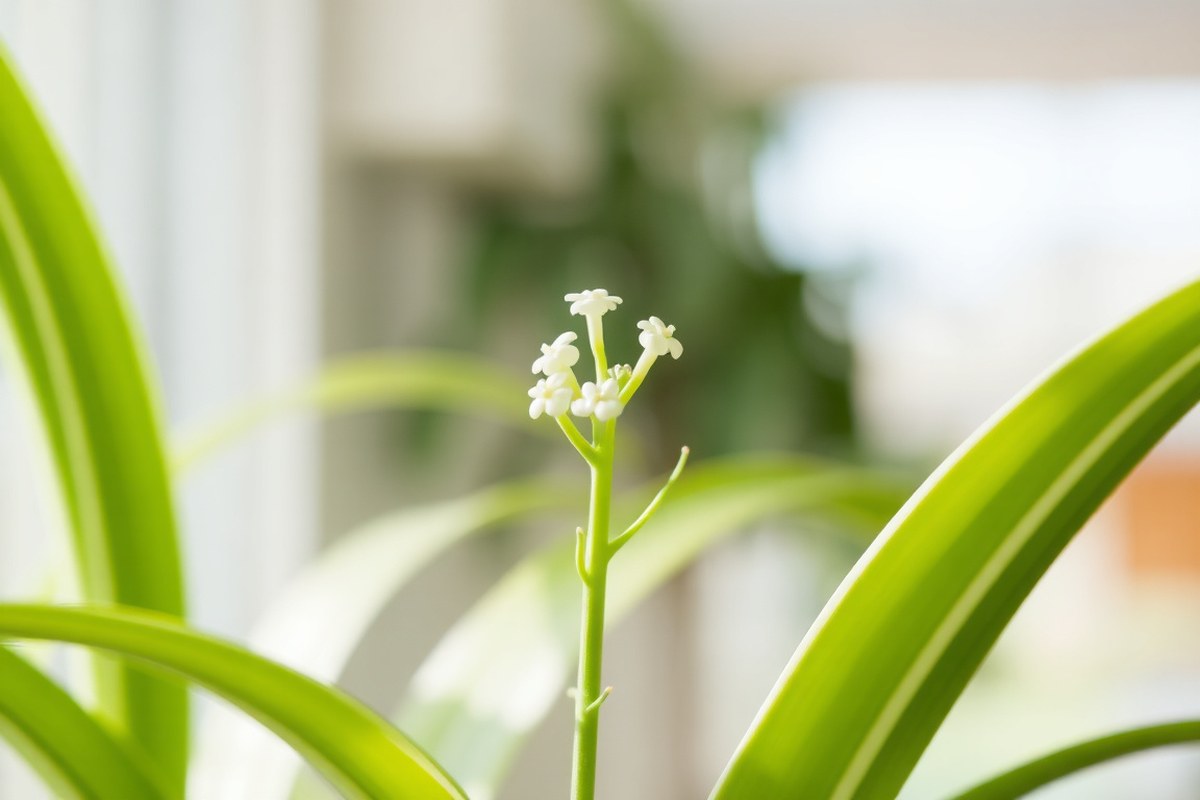
The flowers are tiny, often just a few inches long, and appear on long stalks. These delicate blooms can lead to new baby spider plants, called spiderettes. Knowing when and how they bloom helps you care for and enjoy your plant better.
Key Takeaways
- Spider plants usually bloom when they are 2 to 3 years old.
- Provide 12, 14 hours of bright, indirect light each day for blooming.
- Keep temperatures steady between 65°F and 75°F to encourage flowers.
- Spring nights near 50 to 60°F encourage spider plants to start blooming.
- Spider plant flowers are small and grow on long stalks.
- Mature plants produce flowers, which lead to new baby spider plants.
Do Spider Plants Bloom and What Do the Flowers Look Like?
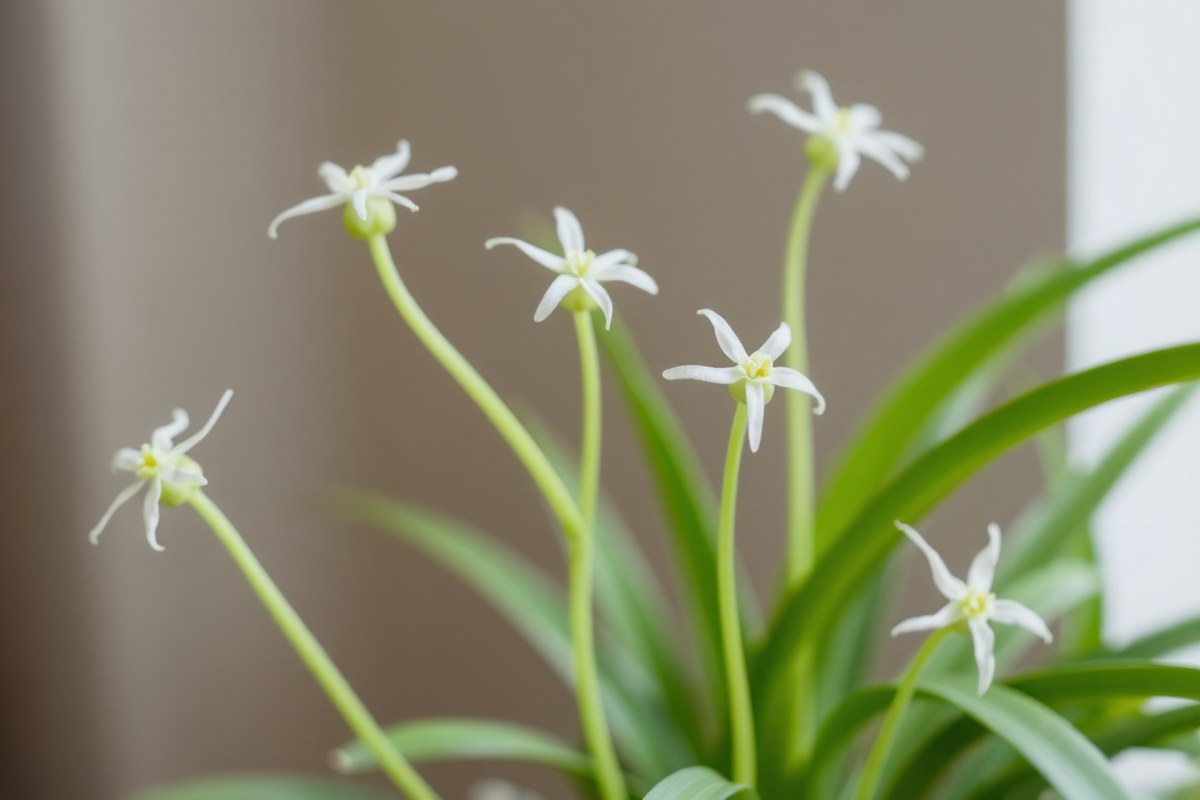
Spider plants do bloom, but they need to be mature. Typically, a spider plant starts flowering after it reaches 2 to 3 years old. The flowers appear on slender stems growing away from the main leaves.
The blooms are small, white, and star-shaped. They grow in clusters along thin stalks, which look delicate and thread-like. These flowers have a mild scent, but they are generally not very fragrant.
Flowering shows your spider plant is healthy and happy. The plant usually waits until it has enough energy and light before producing these blooms. Too much fertilizer will stop your spider plant from flowering.
The plant will focus on growing leaves instead of flowers. This happens because excess nutrients encourage leaf growth over blooms.
When and How Long Do Spider Plants Usually Bloom?
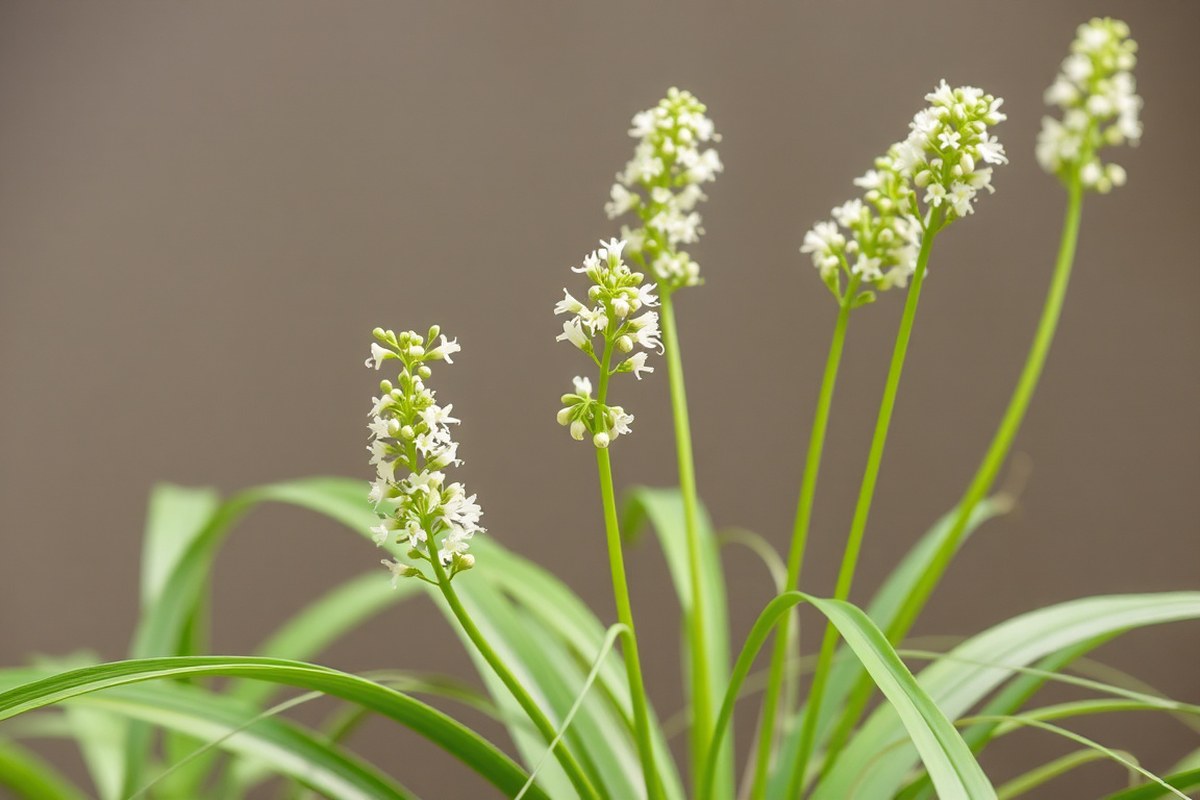
Spider plants usually start blooming when they are mature, often after a year or more. Younger plants focus more on growing leaves and roots. So they rarely produce flowers during early stages.
Your spider plant blooms more when slightly pot-bound. This tells it to spread. The plant sends out flowers and runners in response.
Spider plants bloom most in spring and summer. Daylight stretches longer then. Temperatures should be 65 to 75 degrees Fahrenheit (18 to 24 Celsius).
This period encourages the plant to send out long flower stalks with small white flowers. Flower stalks can grow as tall as three feet. Height depends on the spider plant variety.
The flowers themselves usually last only a day or two at a time. Spider plants make new blooms on one stalk for weeks. This happens during warm months only.
They don’t bloom every year on the exact same schedule. But most will flower at least once annually under good conditions.
To get the best blooms, keep your plant slightly root-bound. Give it 12 or more hours of indirect light daily.
Which Spider Plant Varieties Bloom Best Indoors?
Chlorophytum Comosum (Common Variety)
The common spider plant, Chlorophytum comosum, is the one you’ll see the most indoors. It blooms occasionally, typically when the plant is mature and happy with its environment. A long green stalk will grow when conditions are right.
It usually happens indoors in late summer. Small white flowers will appear on the stalk.
This variety is fairly easy to bloom compared to others. The main challenge is providing enough light and space for growth.
You can increase your chances of flowers by keeping light medium to bright. Avoid letting the soil dry out completely.
Variegated and Specialty Spider Plants
Variegated varieties, like Chlorophytum comosum ‘Vittatum,’ have a white stripe down the middle of their leaves. They bloom indoors more reliably than plain green types because they tend to mature faster. They still need good indirect light and room to grow to push out flower stalks.
Specialty breeds meant for decoration often focus on leaf patterns rather than flowers. Some breeders select varieties that rarely flower indoors to keep the focus on foliage.
These types take longer and need perfect conditions to bloom. Blooming can be hard to get inside your home.
Rare or Non-Flowering Varieties
There are spider plant varieties that rarely or never bloom indoors. These might be hybrids or new cultivars bred mainly for leaf color or shape.
Rare spider plants often don’t flower after years of care. This is completely normal for some types.
Some spider plants might bloom outdoors even if they refuse indoors. Don’t panic if your spider plant doesn’t flower. It’s common for some plants not to bloom.
Just focus on healthy growth. Understand flowering depends on the specific variety and environment.
What Environmental Factors Influence Spider Plant Flowering?
Spider plants need bright, indirect light to bloom. About 12 hours of indirect sunlight daily works best. Low light keeps them leafy but rarely flowers appear.
They bloom more often in temperatures between 65 and 75°F during the day. Nights around 55 to 60°F help too. Constant warmth above 75°F can stop flowers from forming.
Humidity doesn’t strongly affect blooming. Spider plants adapt to usual indoor humidity well. Focus more on lighting and temperature for flowers.
A slightly root-bound spider plant is more likely to bloom. Keeping it in the same pot for a year or more encourages this. Too tight, though, can stress the plant and slow growth.
Keeping watering steady helps, too. Let the top inch of soil dry between watering sessions. Overwatering keeps the plant from flowering and wastes water.
| Condition | Typical Bloom Outcome |
|---|---|
| Bright indirect light (12+ hours) | Regular, occasional bloom |
| Low light | Rare or no bloom |
| Day 65-75°F, night 55-60°F | More likely to bloom |
| Constant warmth above 75°F | Less bloom or no bloom |
| Plant age 2-3 years or older | Capable of blooming |
| Young plants under 1 year | No bloom yet |
| Allow soil’s top inch to dry | Supports blooming |
| Overwatered | Stops flower buds |
| Slightly root-bound | Boosts flowering chances |
| Too root-bound (pot very tight) | Stressed, slow growth |
Rotate hanging spider plants regularly to avoid one-sided growth. This gives all leaves enough light for even blooming. Using full-spectrum LEDs is a good option in low natural light.
Season changes also trigger blooms. The natural spring increase in daylight signals spider plants to flower. Indoor lighting schedules can mimic this by extending light hours in late winter.
How to Care for Spider Plants to Encourage Bloom
Spider plants will flower if you follow the right care steps. Water, feed, light, and potting all affect blooms. You can help your plant bloom by adjusting these care basics.
Watering Routines to Encourage Blooms
Spider plants prefer soil that is almost dry on top, never soaked. Check moisture by touching the top inch before watering again. Too much water leads to root rot and stops flowers from growing.
Use room temperature water to avoid shocking the roots. Drain any excess water from the saucer so the roots don’t sit wet. Water less in winter, about every 10 to 14 days, to avoid stress.
- Test soil moisture weekly by inserting your finger one inch deep
- Water thoroughly until you see drainage holes drip water out
- Empty trays after watering to prevent standing water
- Skip watering if the soil feels cool and slightly damp
- Adjust watering based on indoor temperature and humidity
Too much water reduces flowering because the roots can’t breathe well.
Fertilizer Types and Timing
Use a balanced liquid fertilizer with a 4-4-4 or 2-4-4 NPK ratio. Feed your spider plant once every four weeks during spring and summer. These months match the plant’s active growth phase and flowering season.
Avoid heavy fertilizing. Too much nitrogen leads to leafy growth but fewer flowers. Dilute the fertilizer to half the recommended strength to keep a gentle boost going.
- Choose balanced fertilizers with equal or slightly higher phosphorus
- Dilute liquid fertilizer to half strength before applying
- Feed once a month during growing seasons (spring-summer)
- Hold off feeding in fall and winter to rest the plant
- Flush soil with water once a month to avoid salt buildup
Fertilizer salts in soil can harm roots, so flush occasionally.
Optimizing Light Conditions
Spider plants need bright, indirect light to bloom well. Place them near an east- or west-facing window that filters direct sun. Avoid harsh afternoon sun, which can burn their leaves.
Too little light means no flowers. Low natural light means adding a fluorescent or LED grow light daily.
Aim for about 10 to 12 hours to give your spider plant enough light. Keep the light at least 12 inches from the plant to prevent scorch.
- Locate your plant near bright windows with indirect light
- Use sheer curtains to soften harsh sunlight
- Supplement with grow lights when natural light is low
- Rotate plant every few weeks for even light exposure
- Watch for leaf scorch as a sign of too much direct sun
Dull leaves and thin growth signal your plant needs more light.
Pot Size and Repotting Guidance
Spider plants flower best in slightly crowded pots. Repot every 1 to 2 years once roots start circling the pot. Use a container 1 to 2 inches larger in diameter than the current one.
Choose a well-draining potting mix, like a standard houseplant soil with added perlite. Avoid pots that are too large. Root-bound plants stress slowly but can trigger more blooms.
- Check roots annually for overcrowding or circling
- Repot in spring or early summer for best results
- Pick pots with drainage holes to avoid waterlogging
- Use loose, airy potting soil to encourage root health
- Avoid moving the plant too often to reduce stress
Repotting disrupts growth; wait until the roots need space to avoid shock.
What to Do with Spider Plant Flowers and Stalks After Blooming
Keep spider plant flower stalks in place while flowers bloom to enjoy their delicate look. Fresh flowers add charm and show your plant’s good health. Keep the soil for flowers lightly moist.
Avoid sudden temperature changes. Aim for 60 to 75°F around the plant.
Once flowers start to fade, cut flower stalks close to the plant base. Removing old stalks prevents your spider plant from wasting energy on spent blooms. Use clean scissors or pruning shears to avoid damaging the plant or inviting pests.
Leaving dried flower stalks won’t harm your spider plant. But pruning helps redirect energy to new leaves and spiderettes. You don’t have to remove stalks immediately if the plant looks healthy.
The stalk turns brown and dry. Prune it to keep the plant tidy.
Cut your spider plant’s flower stalks in spring or summer when it’s actively growing. Pruning during dormancy can stress the plant and slow growth. After cutting, avoid heavy feeding or watering for a day to help the plant recover smoothly.
Spider plants bloom on long, thin stalks. The small white flowers last a few weeks. Removing flower stalks won’t impact overall health if you keep up with regular care.
Problems arise only if stalks are left to rot or collect pests. So check and clean regularly.
A few tools help with flower care. Sharp scissors cost $5 to $15. Use mild plant spray to keep pests away.
Handling stalks gently while pruning avoids bruises and stem breaks. Watch for new shoots near the cut base, which signal healthy growth.
Sometimes, stubborn spider plants won’t bloom even with good care. That does not mean flower stalks matter if they don’t appear. Focus on light, water, and mild feeding first.
This helps blooms grow strong. Don’t prune flower stems too much.
How Do Spider Plant Flowers Lead to Propagation and New Spiderettes?
Spider plant flowers can turn into spiderettes, which are baby spider plants growing on long stems. These spiderettes can be cut off and grown into new plants. Growing spider plants from seeds is possible but much slower and less common for indoor growers.
Spiderettes: Formation and Development
Spiderettes develop on flower stalks as tiny plantlets with small leaves and roots. These usually appear after the flowers fade, hanging from thin stems called stolons. Not all flower stalks produce spiderettes.
Many spider plants will produce babies if healthy. They need enough light and a short day cycle. These conditions help plantlets form well.
Spiderettes look like mini spider plants with several leaves and root beginnings. They get nutrients from the main plant until you separate them. This process usually takes a few weeks after flowering begins.
Propagating Spiderettes Successfully
Cut spiderettes from the main plant once roots are 1 to 2 inches long. Use clean scissors or pruning shears to avoid infection. Plant spider plant babies directly into moist soil.
You can also set them in water. This helps them grow more roots.
Here is how to propagate spiderettes:
- Gently cut a spiderette from the flower stalk.
- Place it in a small pot with well-draining soil or water.
- Keep soil moist but not soggy, or change water every few days.
- Provide bright, indirect light but avoid direct sun.
- Wait 3 to 4 weeks for good root development before repotting.
- Avoid cold drafts; keep temperatures around 65°F to 75°F.
- Once roots are stable, treat the new plant like a mature spider plant.
Spiderettes develop faster and are less fussy than seeds. You can grow your plant family quickly this way.
Seed Production and Viability
Spider plants can produce seeds from flowers, but it’s rare indoors. Seeds take longer to mature and germinate compared to spiderettes. Growing spider plants from seed takes patience.
It may take months to see a full plant. Seed growth is slower than other methods.
To try seed propagation, first collect seeds. Gather them after flowers dry and form pods. This timing is best for planting.
Sow seeds in a shallow tray with moist soil and cover lightly. Keep the tray warm and in indirect light. Germination may take 2 to 4 weeks.
Common Mistakes That Prevent Spider Plants from Blooming and How to Fix Them
Spider plants often fail to bloom because they get too little light. They need bright, indirect light to trigger flowers. Place your plant near an east or west-facing window.
But out of direct sun to avoid leaf burn. If natural light is low, use a grow lamp for 10 to 12 hours daily.
Watering mistakes also stop flowering. Overwatering leads to root rot, while under-watering stresses the plant. Let the top inch of soil dry before watering again.
Spider plants store water in thick roots. So watering once every 7 to 10 days suits most indoor setups. Adjust watering frequency according to pot size and room temperature.
Temperature affects blooming, too. Keep your spider plant between 55°F and 80°F. Avoid places near cold drafts or heating vents.
Sudden chills or hot bursts shock the plant and pause growth. Consistent, moderate room temperature encourages flower buds.
Fertilizer mistakes interfere with flowers. Too much nitrogen makes the spider plant produce leaves but no blooms. Fertilize once a month in spring and summer with balanced, water-soluble fertilizer at half strength.
Stop feeding in fall and winter when the plant rests. Using slow-release fertilizer in spring can also support steady nutrient supply.
Check your plant’s condition to diagnose lack of blooms. Scrutinize light levels, soil moisture, temperature, and feeding schedule.
For example, yellow or floppy leaves often mean overwatering or poor drainage. Brown leaf tips suggest underwatering or fluoride buildup from tap water.
Fix these common issues methodically. First, move the plant to a brighter spot but not direct sun. Next, stick to a regular watering schedule leaving soil to partially dry.
Adjust room heat to avoid cold drafts and hot vents. Feed the plant with balanced fertilizer monthly, but only when actively growing. Repot if roots crowd tightly in small pots, using fresh potting mix to improve drainage.
Spider plants that get these basics right start showing flower stalks in late spring or summer. Those tiny white blooms open over several weeks.
Keep giving steady care after blooms fade to help the plant bloom next season. Cutting off spent flower stems prevents disease and encourages new growth.
Too much fertilizer will boost leaf growth but stop your spider plant from flowering.
Step-by-Step Action Plan to Help Your Spider Plant Bloom
Follow these easy steps to get your spider plant to produce flowers and new spiderettes. Check your progress as you go to see what works best.
- Before you start: Move your spider plant to a bright spot with indirect sunlight. You’ll notice more vibrant leaves within a week.
- Week 1: Water your plant moderately, letting the soil dry out slightly between watering. The soil should feel just barely moist, not soggy.
- Weeks 2 to 4: Use a balanced, water-soluble fertilizer every two weeks. Watch for healthier growth and signs of flower stalks emerging.
- Month 2: Keep the temperature steady between 65°F and 75°F. Avoid sudden cold drafts or heat spikes to encourage blooming.
- Month 3: Reduce watering slightly to simulate drier conditions. This mild stress often triggers flower stalks to develop.
- After flowers appear: Pollinate the blooms gently using a soft brush if you want seeds. Watch for spiderettes forming on the stalks within a few weeks.
- Ongoing care: Remove faded flowers and keep the leaves clean. Healthy foliage supports better blooming and propagation.
Frequently Asked Questions
Can Spider Plants Bloom More Than Once a Year?
Yes, spider plants can bloom multiple times with proper care. Providing consistent light and correct watering encourages repeated flowering cycles year-round.
Do Spider Plants Bloom Better Outdoors or Indoors?
Spider plants usually bloom better indoors where conditions are stable. Outdoor changes can stress them, lowering bloom chances.
Can Repotting a Spider Plant Affect Its Blooming?
Repotting can reduce blooming temporarily by stressing the plant. Slightly root-bound spider plants bloom best, so avoid frequent repotting.
Does Fertilizing Spider Plants Influence Their Blooms?
Fertilizing in spring promotes flowering by providing needed nutrients. Use a balanced fertilizer sparingly to avoid leaf growth over flowers.
Are Spider Plant Flowers Fragrant?
Most spider plant flowers have a faint, sweet scent. The fragrance is usually subtle and may need close sniffing.
How Long Do Spider Plant Blooms Last?
Spider plant blooms typically last 1 to 2 weeks. After that, flowers fade but can help new spiderettes grow.
Before You Go
Spider plants do bloom indoors under the right care and conditions. Try adjusting light, water, and temperature to invite flowers. Start today by finding the best bright spot for your plant and watch for new growth.