What Is Mulching: A Complete Guide with Tips, Types, and Best Practices
What is mulching? Mulching means covering soil with a protective layer.
This layer often measures 2 to 3 inches deep and surrounds plants and garden beds. It helps keep moisture in, stops weeds, and protects the soil from extreme temperatures.
Mulching slows down soil erosion. It also feeds the soil. Organic mulches break down and improve soil health.
You should avoid piling mulch too high, especially near tree trunks or building foundations. Keep mulch 6 to 12 inches away from plants.
This helps prevent rot. It also keeps pests away.
The best time to mulch depends on the season and soil temperature. In fall, mulch before weed seeds start growing when soil is under 50 degrees.
In spring, wait until soil warms to 55, 60°F so plants don’t stay too cold. These small steps make mulching more effective and gentle on your plants.
Key Takeaways
- Apply mulch 2 to 3 inches thick around plants, not more than 4 inches.
- Keep mulch 6 to 12 inches away from plant bases and building foundations.
- Mulch organic material after plants grow 4 to 6 inches tall in spring.
- Mulch in fall before soil temperatures drop below 50 degrees Fahrenheit.
- Wait until soil reaches 55 to 60 degrees Fahrenheit to mulch in spring.
- Replenish organic mulch every 1 to 2 years to maintain benefits.
What Is Mulching and How Does It Work?

Mulching means covering the soil surface with a layer of material. You typically spread 2 to 3 inches deep around plants, trees, and garden beds. This layer acts like a protective blanket over the soil.
The mulch layer keeps the soil moist by slowing evaporation. It also lowers soil temperature swings, which helps plant roots stay comfortable. Mulch blocks sunlight, stopping many weed seeds from sprouting and stealing nutrients.
Mulch materials are usually organic like fallen leaves, pine needles, straw, or grass clippings. These break down slowly and nourish the soil as they decompose. In some dry or low-maintenance gardens, inorganic materials like gravel or rocks are used instead.
Applying mulch correctly matters. Set it a few inches away from plant stems to avoid rot or smothering roots.
Spread it evenly, just 2 to 3 inches thick. Too much mulch keeps soil soggy and starves roots of air, which harms plant growth.
You usually mulch in spring once plants grow 2 to 3 inches. You also mulch in fall after the first hard frost.
Mulching too early in spring can delay warming soil and slow plants getting started. Fall mulch insulates roots through winter and stops freeze-thaw cycles that push plants up.
The right mulch layer improves soil structure and holds nutrients nearby for plant roots. It also acts as a barrier, reducing soil-borne diseases splashing onto plants from rain or sprinklers. These benefits support healthier, stronger plants throughout the growing season.
Types of Mulch: Organic vs Inorganic Explained
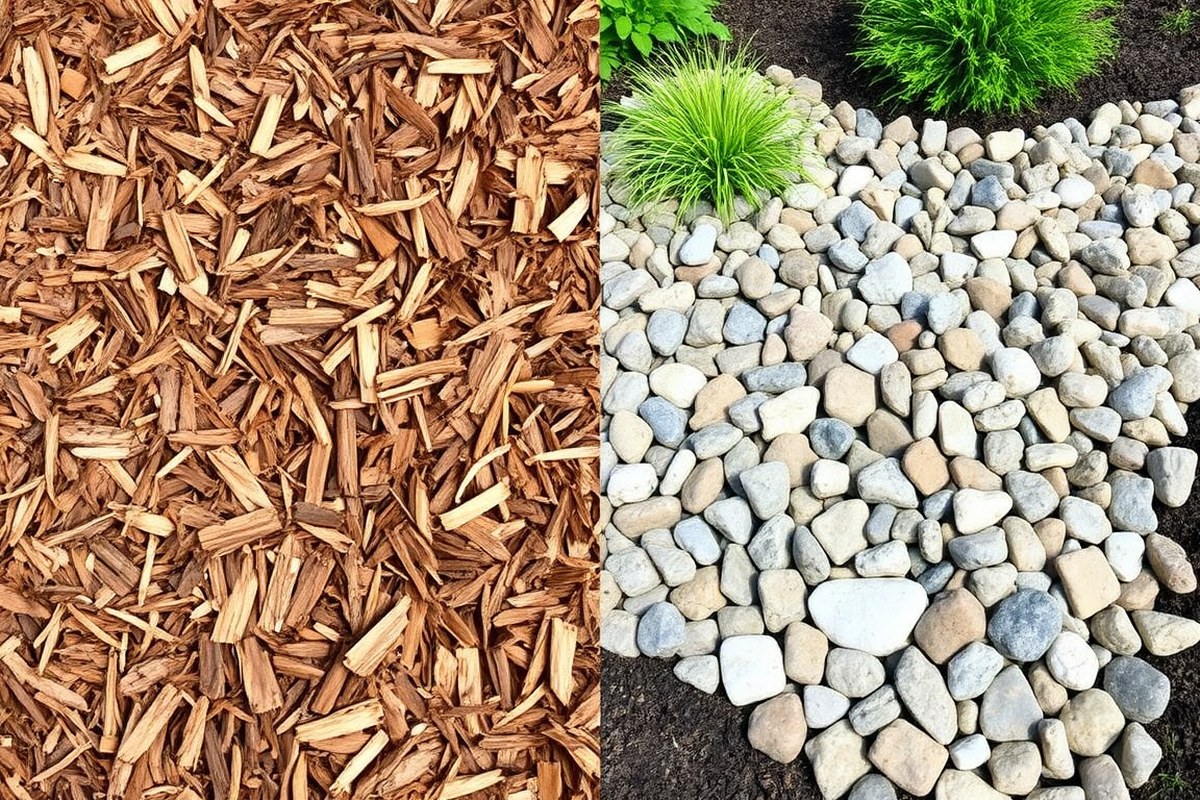
Mulch comes in two main types: organic and inorganic. Organic mulches come from plant-based materials that break down over time. Inorganic mulches are made from man-made or mineral materials that don’t decay quickly.
Common Organic Mulch Materials
Organic mulch includes materials like shredded bark, fallen leaves, straw, grass clippings, compost, and wood chips. Different mulches have unique textures and break down at different speeds. Finer materials like pine needles decompose faster.
Choose based on how quickly you want mulch to break down. These mulches add nutrients to soil as they break down, improving soil health for your plants.
For example, pine straw is a fine, reddish-brown mulch that decomposes quickly and costs little. Wood chips and bark chunks offer longer-lasting coverage but decompose more slowly. Applying 2 to 3 inches of organic mulch helps retain moisture and regulate soil temperature effectively.
Popular Inorganic Mulch Options
Inorganic mulches include stone, gravel, plastic sheeting, and landscape fabric. These materials control weeds and retain moisture without breaking down. They are low maintenance but don’t add nutrients to the soil like organic mulches do.
Plastic mulch warms soil well and suits vegetable gardens. It needs holes or irrigation beneath for water to flow. Without this, plants may not get enough moisture.
Stones and gravel last many years and look decorative. They can allow weeds to grow through spaces. Consider weed control if using stone mulch.
Landscape fabrics block weeds effectively. You might need to add another mulch layer on top. This makes the area look neater and more natural.
Environmental Benefits and Drawbacks
Organic mulches recycle natural materials and feed the soil with carbon and nutrients, aiding plant growth. They are biodegradable and improve soil structure but break down quickly, requiring regular replenishment. This can increase effort but supports sustainable gardening by reducing waste.
Inorganic mulches like stones or plastic last longer and need fewer replacements. This can mean a lower carbon footprint over time. Their durability helps reduce waste.
However, they don’t improve soil fertility and can cause drainage or heat issues if used improperly. Reusing inorganic material is often possible, making them a durable choice for low-maintenance areas.
Apply about 2 inches of organic mulch to protect soil. Keep mulch away from plant stems to prevent rot. Piling mulch against stems can harm plants.
How to Apply Mulch Properly: Step-By-Step Instructions
Apply mulch in a 2 to 4-inch thick layer around your plants. Keep the mulch several inches away from stems and tree trunks. This stops moisture buildup that can cause rot and pests.
Preparing Soil and Area for Mulching
Clear the soil of weeds and debris before adding mulch. You want smooth, bare soil to allow mulch to sit evenly. Lightly water the soil to help mulch settle and hold moisture.
When soil is compacted, loosen it using a garden fork or hoe. Avoid disturbing plant roots near the surface though. Proper soil prep helps mulch work better at locking in moisture.
Applying Mulch: Depth and Coverage Tips
Spread mulch evenly at about 2 to 4 inches thick over the soil surface. Thinner layers dry out quickly, while thicker layers can suffocate roots or seedlings. A 3-inch layer usually balances moisture retention and airflow.
For smaller plants, a 1 to 2-inch mulch layer is enough. Trees and shrubs do well with 2 to 3 inches, extending several feet from the trunk. Keep the mulch loose to prevent compaction and allow rain to soak in.
Spacing Mulch from Plant Bases and Structures
Keep mulch at least 2 to 3 inches away from plant stems and tree trunks. Mulch piled against stems creates excess moisture that invites rot and rodent damage. Leaving space lets the plant base dry out and breathe.
Extend mulch to the plant’s drip line for trees and shrubs. But avoid piling it onto perennial crowns. Keep mulch away from fences, foundations, and wood structures.
This stops moisture damage. It also keeps pests from hiding.
Tools to Help Spread and Maintain Mulch
A garden rake and gloves make spreading mulch easier and safer for your hands. Use a shovel or garden fork to move larger piles onto the soil. Work the rake gently to smooth the mulch without disturbing root zones.
Keep mulch fresh by adding a light top-up every growing season. Remove old, compacted mulch if it forms a crust. This helps water get through and prevents mold buildup under the mulch.
When and How Often to Mulch for Best Results
Apply mulch once soil temperatures reach at least 55 to 60°F (13 to 16°C) in spring. This timing ensures seedlings are safe and the soil is warm enough to avoid shocking plants. Waiting until you see new shoots start growing is a good practice before spreading mulch.
Spring is often the best time to mulch because it stops weed seeds from germinating early. Late winter can work too, if the soil is still damp from winter rains.
Avoid mulching too early when the ground is cold. It can slow soil warming and harm root growth.
In autumn, spread mulch after leaves fall or harvest is done. Mulching then protects roots against winter cold while suppressing weeds. Keep some mulch off plant crowns to avoid rot and pest problems during wet months.
Replenish mulch annually for most garden beds. Organic mulches like shredded leaves or bark break down within a year or two. Add about 2 to 3 inches each time to keep a fresh, insulating layer.
In warmer climates, use white plastic mulch in spring to reflect heat and cool soil. Cooler areas benefit from black plastic mulch, which speeds soil warming and supports early planting. Always pull back heavy mulch in early spring so soil warms evenly.
Mulching too late in spring risks weed growth before you spread mulch. Applying mulch too early in fall might prevent soil from cooling naturally. Adjust timing for your climate and watch plants’ growth stages to decide when to mulch.
How Mulching Benefits Soil Health and Plant Growth
Mulching helps keep soil moist by slowing evaporation. It forms a barrier that shields soil from sun and wind. This way, your plants get steady water without needing to irrigate as often, especially in summer.
Besides conserving water, mulch controls soil temperature. It cools soil on hot days and warms it on cold nights. This steady temperature protects roots from heat stress or frost damage, helping plants grow stronger.
Mulch also blocks sunlight from weed seeds, stopping them from sprouting. Without weeds competing for water and nutrients, your plants grow healthier and need less weeding. Wood chips and straw mulches can suppress weeds for years.
As organic mulches break down, they feed microbes in the soil. These microbes improve soil structure by creating pores for air and water to pass through. You get soil that holds moisture but drains well, perfect for roots.
Don’t pile mulch against plant stems. Leave a couple inches of space to prevent rot.
Good soil structure helps roots expand and absorb nutrients better. Mulching encourages beneficial microbes and earthworms that loosen soil and recycle nutrients. That reduces the risk of root rot and soilborne diseases.
Mulching adds organic matter over time, improving nutrient and water holding capacity. You’ll notice plants looking greener and growing faster after a season of mulching. It can reduce maintenance by cutting down watering and weeding needs.
Plastic mulch traps heat and moisture but won’t improve soil health like organic types. For lasting soil benefits, choose mulches like wood chips or straw that slowly decay. These provide weed control plus feed your soil.
Avoid mulching too thickly or in wet seasons to prevent excess moisture that invites root rot. About 2 to 4 inches of organic mulch spread evenly is ideal. Refresh mulch yearly to keep benefits steady without suffocating plants.
Common Mulching Mistakes and Practical Fixes
Over-mulching is a common mistake that can harm plants. Applying mulch thicker than 3 inches blocks air and water from reaching roots. This suffocates plants and can lead to root rot or disease.
To fix over-mulching, rake back excess mulch until it is 2, 3 inches thick. Thin layers encourage healthy soil breathing without sacrificing moisture retention.
Mulch volcanoes happen when mulch is piled high against tree trunks. This shape traps moisture and invites pests like insects and rodents. It also causes bark to rot from constant dampness.
Pull mulch away from tree trunks so there’s a 6-inch clear ring around them. Mulch should lie flat, not in a cone, to protect trunks and encourage proper air flow.
Timing matters when you apply mulch. It’s best to mulch in spring after the soil warms or in fall before winter. Mulch too early in cold soil, and it slows soil warming, delaying plant growth.
Mulch when it’s needed most in your garden’s climate. It helps the soil keep heat and moisture. This supports plants better through weather changes.
Mold on mulch usually happens with organic materials that stay too wet or don’t dry well. It’s often harmless but looks unsightly. To reduce mold, spread mulch in thinner layers and choose coarse mulch like hardwood bark.
Avoid piling mulch tightly, which prevents drying. Turning mulch occasionally breaks up wet spots and speeds drying.
Mulch can attract pests such as slugs or rodents if it’s piled heavily or stays damp. Placing mulch in thin layers and pulling it away from plant stems reduces pest hiding spots.
Certain mulch types, like cedar or pine, may repel some pests naturally. Regularly check mulch for signs of infestation and adjust thickness or type if problems persist.
How to Calculate the Right Amount of Mulch Needed
First, measure the length and width of the garden area you want to mulch. Use a tape measure to get accurate measurements in feet. Multiply length by width to find the total square feet of the space.
Next, decide how deep the mulch layer should be. Most gardeners use between 2 and 4 inches of mulch. A 3-inch depth is a good middle ground.
It’s thick enough to stop most weeds. This depth won’t harm your plants.
Now convert the depth from inches to feet by dividing by 12. For example, 3 inches equals 0.25 feet. Multiply your area’s square feet by depth in feet.
This gives you the cubic feet of mulch needed. It’s an easy first step.
Divide your cubic feet by 27 to convert the volume. One cubic yard equals 27 cubic feet. This converts the measurement properly.
For instance, a 100-square-foot area with 3-inch depth uses 100 × 0.25 = 25 cubic feet. Divide 25 by 27 to get about 0.93 cubic yards.
You can also convert volume to bags if you know the bag size. Most mulch bags hold about 2 cubic feet of material.
Divide your total cubic feet needed by 2 to find the number of bags. From the example, 25 cubic feet divided by 2 equals roughly 13 bags.
Online mulch calculators simplify this process. Just enter your length, width, and desired depth.
These calculators give results in cubic yards and sometimes bags. Garden stores sometimes offer this tool or assistance.
Some plants prefer thinner mulch layers of 2 inches. Trees or shrubs may benefit from 3 to 4 inches.
Avoid layering mulch deeper than 4 inches, as it can restrict air and water reaching roots. Overly thick mulch also risks rot and pest problems.
Here’s a quick way to find cubic yards of mulch. Multiply area in square feet by depth in feet. Then divide the result by 27.
Multiply cubic yards by 27 for cubic feet. Bags hold 2 cubic feet each. Adjust depth based on your plants and mulch type.
This process takes about 10 minutes for a typical home garden. Using accurate measurements prevents buying too much mulch, saving money and effort. The right amount also keeps your garden healthy and looking neat.
Choosing Mulch Based on Garden Goals and Environment
Choosing the right mulch depends on what you want to achieve in your garden. Think about controlling weeds, saving moisture, adding nutrients, or just making things look good. Your local climate and soil type should also guide your choice for best results.
Mulch Options for Weed and Pest Control
Inorganic mulches like rubber mulch and gravel work well to stop weeds from growing. They don’t break down, so they keep weeds away longer than organic ones. Laying landscape fabric under mulch adds further weed suppression but costs more and needs careful installation.
Organic mulches like wood chips and straw block some weeds by light. They also break down and feed the soil. You need to add more every year.
Keep mulch layers about 7.5 cm thick to block weeds without harming plants. Avoid piling mulch too deep; it can trap moisture and cause rot.
For long-term weed control, install a weed barrier before adding mulch.
Mulches Best for Moisture Retention and Soil Fertility
Organic mulches shine at holding moisture in the soil and adding nutrients as they break down. Compost is especially good, improving soil carbon by 6.81% over three years, which helps plants grow better. These mulches keep roots cool in summer and warmer in cold months.
Applying about 5 to 10 cm of organic mulch helps reduce water loss by slowing evaporation. Avoid exceeding 10 cm thickness.
Too much mulch can block water and oxygen from reaching roots. Inorganic mulches also reduce water loss but don’t improve soil nutrients.
Use organic mulch where soil improvement is your goal, and refresh it yearly.
Adapting Mulch Choices to Different Climates and Soils
In dry areas, thicker mulch helps save water and keep soil cooler, often around 7.5 cm. Humid areas need mulch layers about 5 cm thick. Thinner layers stop extra moisture buildup.
Too much moisture can cause mold or hurt roots. Clay soils benefit from organic mulch to improve drainage and texture over time.
Sandy soils lose moisture quickly. So mulches that hold water well, like shredded bark or compost, work best.
Cold climates need mulch that also moderates temperature swings, protecting roots from frost. Always match mulch to your garden’s environment to avoid problems and save effort.
Adjust your mulch depth and type based on local climate and soil conditions.
Step-by-Step Action Plan for Mulching Success
Follow these steps to mulch your garden right and see quick benefits. Each phase tells you what to do and how to check your results.
- Before you start: Clear the ground of weeds and debris. The area should look tidy and smooth.
- Day 1: Apply mulch 2 to 4 inches deep around plants. You’ll see a uniform layer covering the soil.
- Week 2: Water the mulch lightly to help it settle. The mulch won’t shift or blow away easily.
- Month 1: Check mulch depth and top up if thinner than 2 inches. The soil should look covered without bare patches.
- Season change: Remove old or compacted mulch and refresh with new material. The garden bed looks neat and healthy.
- Ongoing: Watch for signs of too much mulch like soggy soil or pests. Adjust thickness or type if you see issues.
Frequently Asked Questions
What Is Mulching and How Does It Protect Plants?
Mulching covers soil with 2 to 3 inches of material. This layer keeps moisture in and stops weeds from growing.
Can Mulch Improve Soil Temperature for Plants?
Mulch helps keep soil warmer in cold months and cooler in hot months. But don’t mulch too early in spring because cold soil stays cold longer.
How Does Mulch Affect Water Use in a Garden?
Mulch reduces water evaporation, saving water for your plants. This means you can water less often while keeping roots moist.
What Are the Risks of Using Too Much Mulch?
Too thick a layer can smother roots and trap moisture. Avoid mulch piles touching tree trunks to prevent rot.
Does Mulch Break Down and Add Nutrients to Soil?
Organic mulches slowly decompose, enriching soil with nutrients. This supports healthy plant growth over time.
How Long Does Mulching Usually Last Before Reapplication?
Mulch usually lasts about one growing season but depends on material. Check it often and top up when it looks thin.
Key Points to Remember
Mulching really makes a difference in your garden’s health and growth. Try adding mulch to your beds this week and watch your plants thrive. Keep an eye on your mulch and adjust as needed to keep your garden happy.