
Do Snake Plants Need Light? Complete Guide to Ideal Lighting for Growth
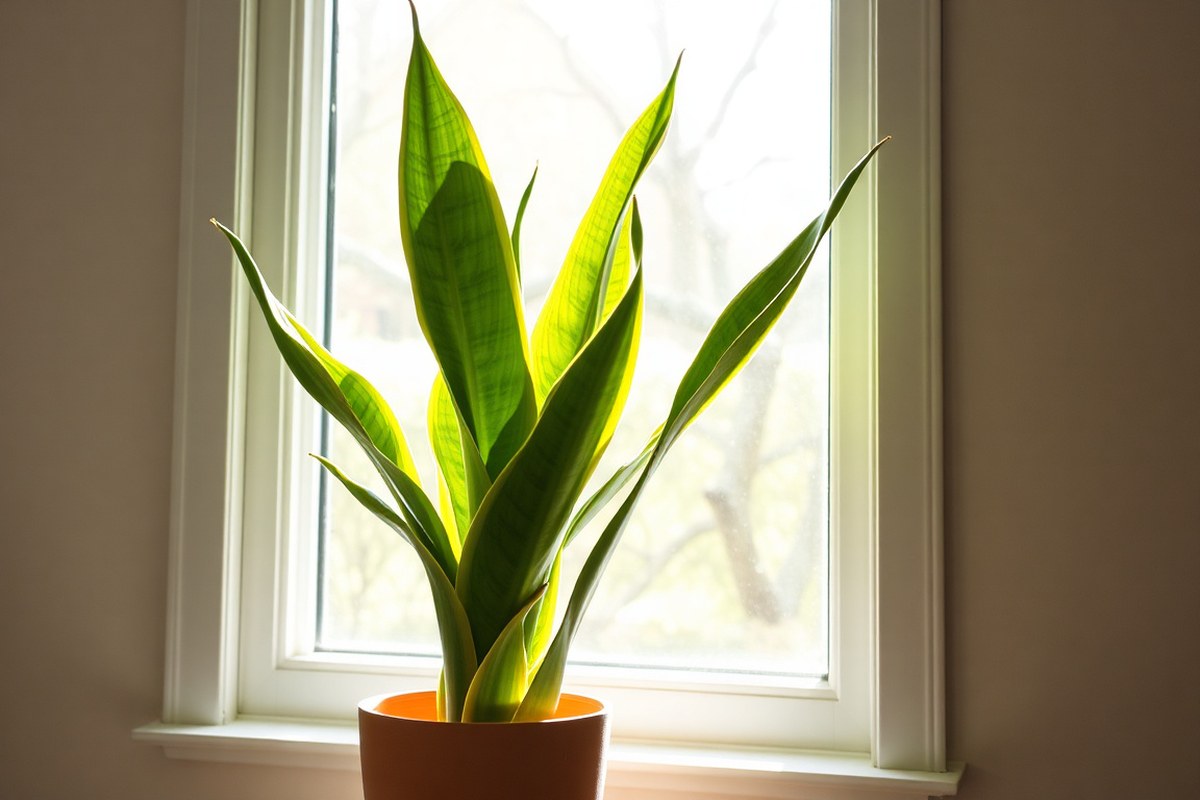
Do snake plants need light to grow well? Yes, they do, but not too much. They prefer bright, indirect light for about 6 to 8 hours daily.
You can give them some sun in the morning or evening. Limit it to about 5 hours daily. Too much sun can still harm the plant.
Too much direct sun can scorch the leaves, so avoid harsh afternoon rays. It’s best to place your snake plant near a window that filters light with a curtain. This keeps its leaves healthy while giving enough energy for growth.
Snake plants do well even in low light but grow slower. Less than 4 hours of light may need extra grow light. Check your leaves for color and texture to find the right spot.
Key Takeaways
- Snake plants need 6-8 hours of bright, indirect light for best growth.
- Limit direct sunlight to 5-6 hours to prevent leaf damage.
- Place your plant near a window with filtered light, not harsh rays.
- Watch leaf color and texture to spot light stress early.
- Use a grow light only if daily natural light falls below 4 hours.
- Keep grow lights 12-18 inches above the snake plant for best effect.
How Much Light Do Snake Plants Really Need Daily?
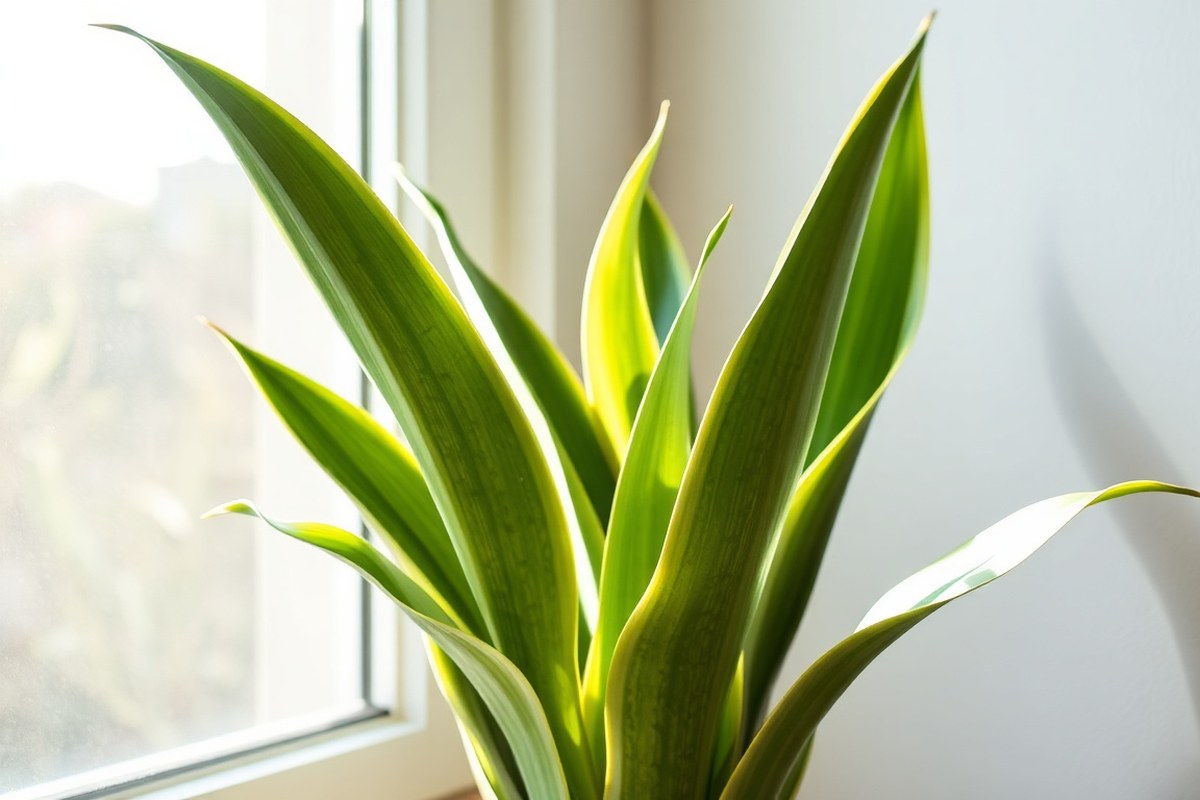
Snake plants need 6 to 8 hours of bright light daily. The light should be indirect. This helps them grow healthy and strong.
This light amount gives energy for steady leaf growth. It also supports the plant’s overall health. Too much light can cause stress.
Bright, indirect light means the sun is filtered through a window. The leaves don’t get direct rays. This keeps the plant safe.
They can handle some direct sunlight, typically up to 5 or 6 hours a day. But too much can cause the leaves to scorch. Morning or late afternoon sun is usually safer for plants.
Midday sun is the strongest and can harm leaves. Avoid direct midday light. Notice leaf browning or curling?
Lower the plant’s direct light quickly. This reduces stress and prevents damage.
Six to eight hours of indirect light is enough indoors. This helps snake plants grow well. Less light may cause problems.
Under six hours of light slows growth and weakens leaves. The plant may lean or lose leaf firmness. Give it more light.
In winter, natural light drops a lot. Use grow lights to add light. Or move the plant closer to windows for more brightness.
What Types of Light Are Best for Snake Plants Indoors?

Natural light works best for snake plants. It gives full light. That helps them grow well.
It lets your plant photosynthesize efficiently, keeping leaves firm and coloured. Bright but indirect light avoids leaf burn, which direct afternoon sun can cause.
Artificial lights are a great alternative if natural light is limited or absent. Fluorescent and LED lights perform well indoors, especially full-spectrum LEDs. They provide the red and blue wavelengths that promote healthy growth in snake plants.
Incandescent lights produce more heat and less useful light for plants. So they are the least ideal choice. Halogen bulbs give full-spectrum light.
They get very hot close up. This can dry out your plant.
| Tip | Recommendation |
|---|---|
| Optimal Placement | Put your snake plant in bright, indirect light locations indoors. |
| Regular Rotation | Turn the plant every few weeks for even light exposure and growth. |
| Monitor Seasonal Changes | Move the plant as seasons change to keep consistent light levels. |
| Use Artificial Lighting | Use full-spectrum LED or fluorescent lights if natural light is low. |
| Avoid Direct Sunlight | Keep the plant away from harsh, direct sun that can scorch leaves. |
For rooms without windows, a full-spectrum LED grow light with about 20-40 watts works well. Set it 12-24 inches above the plant and run it for 8-10 hours a day. Keeping a 6500K color temperature mimics daylight and promotes steady growth.
Using grow lights lets you control how much light the snake plant gets exactly. The plant stays strong and upright with upright leaves showing a healthy green colour.
Avoid putting lights too close or leaving them on too long. Overheating and leaf damage can happen.
Rotate your snake plant regularly to avoid uneven growth and leaf lean towards the light.
Where Is the Best Spot to Place a Snake Plant for Light?
Snake plants grow best near windows offering bright, indirect light. East or west-facing windows with filtered sunlight suit them well. Keep your plant 2 to 5 feet from the window for steady growth without leaf damage.
Ideal Window Directions for Snake Plants
East-facing windows provide morning sunlight that is gentle and perfect for snake plants. West-facing windows give warm, strong afternoon light.
This light helps your snake plant grow well. Avoid south-facing windows unless the plant is slightly away from direct rays to prevent leaf scorch.
North-facing windows supply the darkest natural light inside a home, usually between 25 and 100 foot-candles. While snake plants survive here, growth slows and leaves may lean or crinkle. Bright, indirect sunlight in east or west directions offers a good balance without stressing the leaves.
Recommended Distance from Windows and Artificial Lights
Put your snake plant 2 to 5 feet from the window. This spot gives the best light without burning it. At this distance, light is about 100 to 500 foot-candles.
This light level keeps leaves healthy and growing. Too close, especially near south-facing windows, risks leaf bleaching or burn.
Snake plants also tolerate artificial light if natural light is limited. Position them 3 to 10 feet from a bright LED or fluorescent fixture.
Rotate your plant once a week. This helps all leaves get light and stops it from leaning.
- Keep snake plants 2-5 feet from east or west windows
- Avoid direct sun from south windows or place 5+ feet away
- Use grow lights 3-10 feet away if natural light is low
- Rotate the plant weekly for even growth
- Monitor leaf color for signals of too much or too little light
Regular checks for brown edges or pale leaves can guide your plant’s exact placement. Adjust as needed to keep it healthy and vibrant.
Placement Tips for Low Light Rooms
Snake plants survive in low light but do not thrive there. North-facing or interior rooms with lamps give only 25 to 100 foot-candles.
This light is quite low for plants. Growth will slow and leaves might droop or lose vibrancy.
Try placing your plant near any available window for a few hours daily. Brief exposure to brighter light helps it stay healthy.
Use grow lights 3 to 6 feet from the plant. Keep them on 8 to 10 hours each day.
You can also keep snake plants on desks or in corners if you rotate them periodically. Regular rotation exposes all leaves to light, preventing uneven growth and leaf dieback. This approach keeps your plant looking good even in less sunny spots.
Can Snake Plants Survive in Low Light or Rooms Without Windows?
Snake plants can survive in rooms without windows but need some light. They tolerate very low light, but total darkness will harm them over time. Without light, the plant can’t photosynthesize, so it will slowly weaken and decline.
In windowless rooms, using artificial light is key. Full-spectrum grow lights with a color temperature around 6000K work best. These lights mimic natural sunlight, helping the plant stay healthy and grow.
You should aim for about 12 to 14 hours of artificial light daily to replace sunlight. Keep the light source about 12 to 18 inches above the plant leaves. This setup provides enough light for photosynthesis without burning the leaves.
Different snake plant varieties handle low light differently. Some types survive better in dim conditions but won’t grow fast. If you want stronger growth, provide indirect sunlight or bright artificial light when possible.
In low or no natural light, check your snake plant for slow growth or pale leaves. These signs tell you it needs more light. Adjust by adding more hours of artificial light or moving it closer to your light source.
How to Identify If Your Snake Plant Gets Too Much or Too Little Light
Watch how your snake plant’s leaves look to know if light is right. Pale or yellow leaves often mean the plant isn’t getting enough light. In low light, growth slows a lot and leaves lose their rich color.
Too much light shows up as leaf scorch or dry, crispy edges. Bright, direct sun can bleach the leaves, especially variegated types, which prefer bright but filtered light. Signs usually appear within a few weeks of improper light levels.
- Leaves turn pale or yellow: likely too little light.
- Slow or no growth: a symptom of light deficiency.
- Leaves become dry, brown, or have scorched edges: too much light.
- Leaf color fades, especially on variegated snakes: low light problems.
- Plant leans or bends toward a light source: uneven light exposure.
- Plant feels soft or weak: potential overexposure and stress.
- Check the spot regularly and rotate plant to even growth.
Move a snake plant to brighter indirect light if leaves fade or growth stalls. Avoid direct afternoon sun, which can burn leaves quickly. If leaves look scorched, shift the plant to a spot with filtered sun or more shade.
Rotate your snake plant every two weeks so all sides get enough light evenly.
Variegated snake plants need brighter indirect light than plain green varieties to keep their patterns clear. Low light makes variegated leaves turn mostly green and dull. Acting fast helps your plant recover better before damage gets worse.
How to Use Grow Lights Effectively for Snake Plant Growth
Use LED grow lights with the right wattage and spectrum. Place them 12 to 24 inches above your snake plant.
Run the lights 10 to 14 hours a day to keep your plant healthy and growing. Adjust based on your plant’s response for the best results.
Choosing the Right Grow Light Wattage and Spectrum
Pick LED grow lights with moderate wattage, around 20 to 40 watts per square foot. This range gives enough power without overheating or wasting energy. Snake plants need light on the blue and red spectrum for photosynthesis and color.
Look for full-spectrum LED lights or ones labeled for houseplants. These often combine blue and red wavelengths to support healthy leaf growth.
Avoid lights that give off only pure white or yellow tones. They won’t help as much.
Positioning Your Grow Light Correctly
Place your grow light 12 to 24 inches above your snake plant’s leaves. Too close can cause leaf burn or dry out the plant. Too far away results in weak or no new growth over time.
Check your plants weekly. Move the lamp closer when plants stop growing.
Adjust its angle if the plant leans to the light. Keep the light evenly distributed, covering all leaves without shading parts of the plant.
- Use adjustable light stands or hangers for flexibility
- Angle lights so they shine directly on the top leaves
- Keep lights at least 12 inches from leaves to prevent heat damage
- Ensure even coverage for all sides of the plant
- Adjust position based on plant size and growth stage
Stable positioning also helps prevent weak or leggy growth. Good setup means a full, upright plant with rich green or variegated leaves.
Setting the Optimal Daily Light Duration
Run grow lights 10 to 14 hours daily, depending on your snake plant’s health. Less than 8 hours slows growth and may cause dull leaf color. More than 16 hours harms the plant by overexposure.
Use a timer to keep lighting consistent and easy. Watch for brown leaves or no new growth after months.
Change light time if you see these signs. Seasonal changes might also require light time tweaks.
Seasonal and Growth Stage Light Needs of Snake Plants
Snake plants need more light in spring and summer when they actively grow. During fall and winter, their needs shrink as they enter a rest period. Young snake plants require brighter, indirect light compared to mature ones to support strong growth.
Winter Light Challenges and Solutions
Winter means shorter days and less intense light. This can slow your snake plant’s growth even if you don’t move it.
Keep your plant near a south- or west-facing window to capture the most light. Rotate it every week to prevent leaning toward the light source.
You might need a small supplemental grow light for 4-6 hours daily. This helps especially in rooms with limited natural light. Grow lights cost about $20 to $50.
They help keep your plant healthy. They pay off especially during winter months.
Summer Brightness and Avoiding Sun Damage
In summer, snake plants enjoy more light but watch for direct sunlight. Midday sun can scorch their leaves, causing brown spots and drooping.
Bring outdoor plants into shade during the hottest hours or use a sheer curtain indoors. Morning or late afternoon sun is safer for direct exposure.
Mature snake plants tolerate moderate direct sun better than young ones. Adjust their spot as the sunlight angle changes to avoid burns.
Adjusting Light for New vs Mature Snake Plants
Young snake plants need bright, indirect light to build strong leaves and roots. Too little light makes growth weak and slow.
Mature plants can survive with less light. They grow faster with moderate indirect light.
They also look healthier this way. Watch for signs like droopy leaves showing low light stress.
Increase supplemental lighting for young plants during winter to mimic spring conditions. Mature plants usually get by with normal home lighting plus occasional sun breaks.
Common Lighting Mistakes and How to Avoid Them
One common mistake is placing a snake plant in direct sunlight. The intense light can burn its leaves, causing brown tips and patches. Move the plant slightly away from windows where it gets only indirect light to avoid damage.
Another error is keeping snake plants in too dim a spot for too long. While they tolerate low light, long stretches of darkness slow growth and fade leaf color. Rotate your plant to face a window for a few hours daily.
This helps fix sluggish growth. Give it consistent light each day.
Watering frequency often leads to trouble when light is ignored. Snake plants in brighter spots need watering about every two weeks. Check if the plant is in too much shade or sun.
Wilting or yellow leaves often mean water needs are off. Adjust the spot or watering as needed.
- Don’t put snake plants in direct afternoon sun.
- Rotate the plant weekly to ensure even light exposure.
- Watch for dull or drooping leaves as signs of too little light.
- Adjust watering to match the plant’s new light conditions.
- Use indirect, bright light for the best leaf color.
Burned leaves can be trimmed to help improve appearance. Watch the plant closely if it’s declining over time. Seek a professional if changes don’t help.
They can find hidden problems. A horticulturist can check for pests or diseases confused with light problems.
Check light by watching your plant each week. Move it if browning or fading continues. Test different spots for better health.
Change light and watch your snake plant for two to three weeks. Notice how it reacts before making new changes. This helps you find the best light.
This patience helps you catch lighting mistakes before damage becomes permanent. Moving your snake plant a few feet often helps.
Sometimes adjusting watering keeps it healthy. This avoids complex fixes.
Step-by-Step Action Plan for Lighting Your Snake Plant
Follow these steps to give your snake plant the right light it needs. Watch your plant’s response to adjust as you go.
- Day 1: Place your snake plant near a bright window with indirect sunlight. Look for soft shadows on the leaves.
- Week 1: Look at the leaves for signs of too much light. Check for browning tips or curling edges. Adjust the spot if needed.
- Week 2: If there isn’t much natural light, put a grow light above. Keep the light about 12 inches over your plant. Leave the light on for 10 to 12 hours daily.
- Week 3: If leaves bleach or turn yellow, move the plant away from light. Shift it a little to reduce exposure.
- After 1 Month: Rotate your snake plant 45 degrees once a week. Check if new leaves grow healthy and upright.
- Season Change: In winter, give your plant more light. Move it closer to windows or a grow light source. Watch for slower growth and adjust lighting if leaves droop.
- Monthly: Clean the leaves to remove dust so your plant absorbs light better. Notice if the leaves look shinier and more vibrant.
Frequently Asked Questions
Can Snake Plants Thrive in Complete Darkness?
Snake plants cannot thrive in complete darkness. They need at least some indirect light to carry out photosynthesis and grow healthily.
Will Snake Plants Survive Under Artificial Office Lighting?
Yes, snake plants can survive under artificial office lighting. They adapt well to fluorescent lights but still prefer some natural light for better growth.
How Quickly Does a Snake Plant Show Signs of Light Stress?
Snake plants may show signs of light stress within a few weeks. Watch for leaf yellowing or curling as early warning signs.
Are Snake Plants Sensitive to Sudden Changes in Light Levels?
Yes, snake plants can react to sudden light changes by drooping leaves. Gradually adjust their lighting to help them adapt smoothly.
Do Different Snake Plant Varieties Need Different Light Amounts?
Different snake plant varieties vary in light needs slightly. Some tolerate lower light better, while others prefer brighter indirect light.
Will Placing a Snake Plant Near a South-Facing Window Cause Leaf Burn?
Placing a snake plant near a south-facing window can cause leaf burn. Use sheer curtains to diffuse intense direct sunlight and avoid damage.
Before You Go
Snake plants need moderate, indirect light for steady growth. Adjust their light gradually and watch leaf color and shape.
Try placing your plant in a brighter spot. Adding a grow light can help a lot too.


